

Ford C-Max Parking Sensors Not Working: Causes, Fixes, Costs, and Troubleshooting Guide

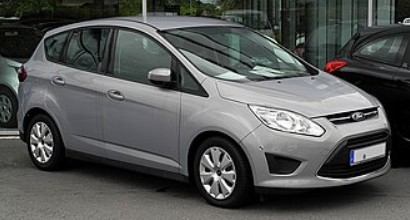
Modern vehicles are packed with technology designed to make driving safer and more convenient. One feature many Ford C-Max owners appreciate is the parking sensor system. It acts like an extra set of eyes, helping us navigate tight parking spaces and avoid obstacles that might otherwise go unnoticed.
But what happens when the Ford C-Max parking sensors stop working?
One day, everything seems normal. The next, the warning tone disappears, a fault message appears on the dashboard, or the sensors begin beeping continuously without any apparent reason. It can feel like losing a trusted co-pilot.
The good news is that most Ford C-Max parking sensor problems can be diagnosed and repaired without replacing the entire system. In this comprehensive guide, we'll explore the most common causes, troubleshooting methods, repair costs, and preventative maintenance tips to get your parking sensors functioning properly again.
Content in this publication
- Understanding How Ford C-Max Parking Sensors Work
- Common Signs Your Ford C-Max Parking Sensors Are Not Working
- Most Common Causes of Ford C-Max Parking Sensor Problems
- Faulty Parking Sensor
- Wiring Problems
- Water Intrusion
- Damaged Bumper After Minor Collision
- Faulty Parking Aid Module
- How to Test Ford C-Max Parking Sensors
- Using an OBD Scanner for Diagnosis
- Ford C-Max Parking Sensor Fuse Problems
- Can Cold Weather Affect Parking Sensors?
- Can Car Washes Cause Sensor Problems?
- How Much Does It Cost to Repair Ford C-Max Parking Sensors?
- DIY Replacement vs Professional Repair
- Preventing Future Parking Sensor Failures
- When Should You Replace a Parking Sensor?
- Can You Drive With Faulty Parking Sensors?
- Troubleshooting Checklist for Ford C-Max Parking Sensors
- Why Parking Sensors Matter More Than Ever
- Conclusion
- Frequently Asked Questions
Understanding How Ford C-Max Parking Sensors Work
Before diving into troubleshooting, it helps to understand how the system operates.
The Ford C-Max uses ultrasonic sensors mounted in the front and rear bumpers. These sensors emit sound waves that bounce off nearby objects and return to the sensor.
The parking control module then calculates the distance between the vehicle and obstacles.
When an object gets too close:
- The system emits warning beeps
- Beeps become faster as distance decreases
- A continuous tone may indicate imminent contact
- Some models display visual warnings on the infotainment screen
Think of the sensors as bats using echolocation. They constantly send signals and listen for echoes.
When any part of this process fails, the system may stop working entirely.
Common Signs Your Ford C-Max Parking Sensors Are Not Working
Several symptoms can indicate a problem.
No Beeping When Reversing
One of the most obvious signs is complete silence when approaching an obstacle.
The system activates, but no warnings are produced.
Continuous Warning Tone
Instead of gradual beeping, the system emits a constant tone immediately after engaging reverse.
This usually indicates a fault within the parking assist system.
Parking Aid Fault Message
Some Ford C-Max models display:
- Parking Aid Fault
- Parking Sensor Fault
- Park Assist Fault
These warnings typically point to a sensor or wiring issue.
Random Beeping
The sensors may detect obstacles that aren't there.
False alarms often result from contamination, moisture, or sensor failure.
Most Common Causes of Ford C-Max Parking Sensor Problems
Let's examine the most frequent culprits.
Dirty Sensors
This is by far the simplest and most common issue.
Road grime, mud, snow, ice, and wax residue can block ultrasonic signals.
Even a thin layer of dirt can interfere with performance.
Quick Fix
Clean each sensor carefully using:
- Warm water
- Mild soap
- Soft microfiber cloth
Avoid abrasive cleaners.
Faulty Parking Sensor
Individual sensors can fail due to age or impact damage.
Because the system relies on all sensors communicating correctly, one failed sensor can disable the entire setup.
Symptoms of a Bad Sensor
- Constant warning tone
- Fault message
- One sensor doesn't click during testing
- Intermittent operation
Sensor failure is especially common in older Ford C-Max models.
Wiring Problems
The parking sensor system relies on multiple wiring harnesses.
Over time, wires may become:
- Corroded
- Broken
- Pinched
- Damaged by road debris
Since wiring is located near the bumpers, it's exposed to harsh conditions.
Where Wiring Issues Occur Most Often
Rear Bumper Harness
The rear bumper area experiences frequent moisture exposure.
Front Bumper Harness
Stone impacts and road debris can damage connectors.
Water Intrusion
Water is the silent enemy of automotive electronics.
Moisture entering:
- Sensor connectors
- Wiring harnesses
- Control modules
can trigger intermittent failures.
Signs of Water Damage
- System works occasionally
- Problems appear after rain
- Corrosion visible on connectors
- Multiple sensor faults
Damaged Bumper After Minor Collision
Even a low-speed impact can affect parking sensors.
A bumper may look perfectly fine while a sensor bracket behind it becomes misaligned.
When a sensor isn't positioned correctly, it may send inaccurate readings.
After an Accident Check For
- Cracked sensors
- Loose sensor mounts
- Bent brackets
- Wiring damage
Faulty Parking Aid Module
The parking aid module acts as the system's brain.
If the module develops internal faults, communication with the sensors can fail.
Symptoms of Module Failure
- Multiple sensor codes
- System completely inoperative
- Repeated warning messages
- Diagnostic communication issues
Fortunately, module failures are less common than sensor failures.
How to Test Ford C-Max Parking Sensors
One of the easiest diagnostic methods requires no tools.
The Clicking Test
- Turn ignition on.
- Engage reverse gear.
- Apply parking brake.
- Approach each sensor.
Place your fingertip gently on the sensor.
A working sensor produces a subtle clicking or ticking sensation.
What Results Mean
Clicking Sensor
Sensor is likely functioning.
Silent Sensor
Sensor may be defective or not receiving power.
This simple test can quickly identify the faulty component.
Using an OBD Scanner for Diagnosis
A diagnostic scanner provides more accurate results.
Many scanners can read parking aid fault codes.
Common Benefits
- Identifies faulty sensor location
- Detects wiring faults
- Reads module errors
- Saves troubleshooting time
Investing in diagnostics is often cheaper than replacing parts unnecessarily.
Ford C-Max Parking Sensor Fuse Problems
A blown fuse can disable the entire system.
Symptoms of a Blown Fuse
- All sensors stop working
- No activation tone
- No parking assist display
Always inspect the fuse before replacing sensors.
Checking the Fuse
Consult the owner's manual for:
- Fuse location
- Fuse number
- Fuse rating
Replace only with the correct amperage.
Can Cold Weather Affect Parking Sensors?
Absolutely.
Winter conditions can temporarily disable sensors.
- Ice buildup
- Snow accumulation
- Heavy frost
- Condensation
The sensors may interpret these conditions as nearby obstacles.
Winter Maintenance Tips
- Remove ice gently
- Keep sensors clean
- Avoid scraping directly on sensor surfaces
A few seconds of cleaning can restore normal operation.
Can Car Washes Cause Sensor Problems?
Surprisingly, yes.
High-pressure water jets can force moisture into vulnerable connectors.
Potential Effects
- Temporary faults
- False alerts
- Sensor communication errors
If problems begin immediately after washing, allow the system to dry thoroughly before investigating further.
How Much Does It Cost to Repair Ford C-Max Parking Sensors?
Repair costs vary depending on the source of the problem.
Typical Repair Costs
| Repair Type | Estimated Cost |
|---|---|
| Sensor Cleaning | $0-$20 |
| Single Sensor Replacement | $50-$200 |
| Wiring Repair | $100-$300 |
| Parking Module Replacement | $250-$700 |
| Full System Diagnosis | $50-$150 |
Labor rates vary by region and workshop.
DIY Replacement vs Professional Repair
Should we fix it ourselves or visit a mechanic?
DIY Advantages
- Lower costs
- Learning experience
- Immediate action
DIY Challenges
- Bumper removal required
- Diagnostic equipment needed
- Potential wiring complexity
For simple sensor replacement, many owners successfully complete the repair at home.
Preventing Future Parking Sensor Failures
Prevention is always easier than repair.
Best Maintenance Practices
Clean Sensors Regularly
Remove dirt and road salt frequently.
Inspect Bumpers
Look for cracks and damage.
Avoid High-Pressure Sprays
Especially around sensor edges.
Check Connectors Annually
Prevent corrosion before it spreads.
Small maintenance habits can significantly extend sensor life.
When Should You Replace a Parking Sensor?
Replacement becomes necessary when:
- Sensor fails clicking test
- Fault code identifies a defective sensor
- Physical damage is visible
- Cleaning doesn't restore operation
Most sensors last many years but are not immune to wear.
Can You Drive With Faulty Parking Sensors?
Yes.
Parking sensors are a convenience feature rather than a critical driving system.
However, driving without them increases the likelihood of:
- Minor parking accidents
- Scratches
- Bumper damage
Many drivers quickly realize how much they relied on the system once it stops working.
Troubleshooting Checklist for Ford C-Max Parking Sensors
Before spending money on repairs, follow this checklist:
- Clean all sensors.
- Inspect for physical damage.
- Check fuse condition.
- Perform clicking test.
- Scan for fault codes.
- Inspect wiring harnesses.
- Look for moisture intrusion.
- Test system again.
This systematic approach often identifies the problem quickly.
Why Parking Sensors Matter More Than Ever
Urban parking spaces seem to shrink every year.
Parking sensors provide confidence in crowded environments and help protect expensive bodywork.
They act like invisible spotters guiding us safely into tight spaces.
When they fail, parking becomes less predictable and more stressful.
Fortunately, most Ford C-Max parking sensor problems stem from simple issues such as dirt, moisture, wiring damage, or a failed sensor. By following the troubleshooting methods outlined above, we can often pinpoint the fault and restore full functionality without unnecessary expense.
Conclusion
A Ford C-Max parking sensor system that stops working doesn't automatically mean an expensive repair bill. In many cases, the culprit is something straightforward like dirty sensors, a blown fuse, moisture intrusion, or a single failed sensor.
By understanding how the system works, performing basic tests such as the clicking test, and using diagnostic tools when necessary, we can accurately identify the root cause. Regular cleaning and preventative maintenance also help keep the system operating reliably for years.
Whether you're facing intermittent faults, constant beeping, or complete system failure, a methodical troubleshooting approach is the fastest route back to stress-free parking.
Frequently Asked Questions
1. Why are my Ford C-Max parking sensors beeping continuously?
A continuous tone usually indicates a faulty sensor, wiring issue, or system fault detected by the parking aid module.
2. How do I know which parking sensor is faulty?
Perform the clicking test or use an OBD diagnostic scanner to identify the malfunctioning sensor.
3. Can dirty sensors stop the system from working?
Yes. Dirt, mud, ice, or wax can block ultrasonic signals and cause sensor malfunction.
4. How much does it cost to replace a Ford C-Max parking sensor?
Most replacements cost between $50 and $200 depending on labor rates and sensor type.
5. Do parking sensors need programming after replacement?
Most Ford C-Max parking sensors do not require programming, but some model years may need calibration or fault code clearing after installation.
If you want to know other articles similar to Ford C-Max Parking Sensors Not Working: Causes, Fixes, Costs, and Troubleshooting Guide you can visit the category Common Problems.
Kia Sorento Issues: Common Problems, Reliability and What to Watch For

Honda Passport Not Starting: Causes, Symptoms, and How to Fix It
Honda Passport Keyless Remote Battery Low: What It Means and How to Fix It

Nissan Rogue Apple CarPlay Not Working: Causes and Fixes
Nissan Rogue No Key Detected: Causes, Fixes, and What to Do
Nissan Rogue Engine Problems: Common Issues, Symptoms, Years and Solutions
Leave a Reply
More content of your interest