
BMW 4 Series Engine Size: Everything You Need to Know

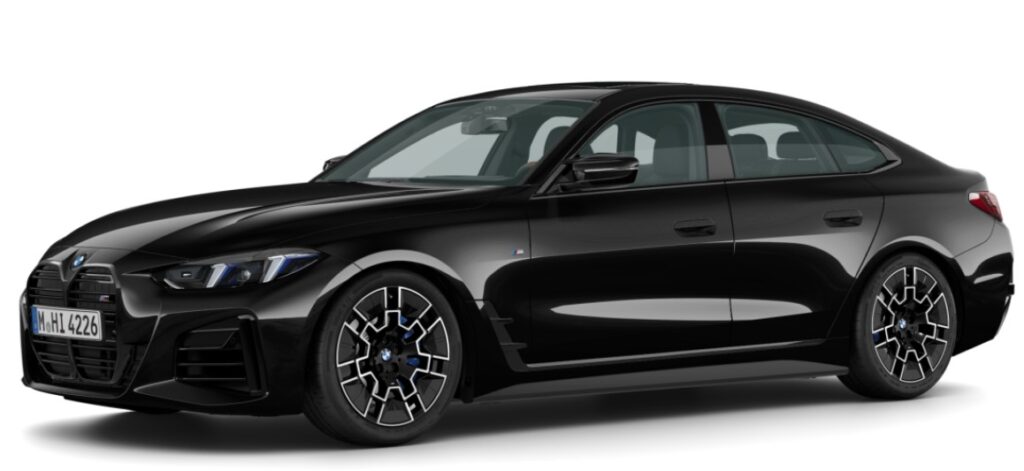
The BMW 4 Series has earned a reputation as one of the most stylish and enjoyable premium cars on the road. Whether we're looking at the sleek Coupe, the practical Gran Coupe, or the elegant Convertible, one question often comes up before buying: what engine size should we choose?
At first glance, engine size may seem like a simple specification. However, it influences everything from acceleration and fuel economy to insurance costs, maintenance expenses, and overall driving enjoyment. The BMW 4 Series has been offered with a surprisingly wide range of engines over the years, giving buyers plenty of options to match their lifestyle and driving habits.
Some drivers prioritize fuel efficiency and low running costs, while others want the smooth power delivery that BMW's famous inline-six engines provide. Fortunately, the 4 Series lineup includes something for everyone.
In this comprehensive guide, we'll explore every BMW 4 Series engine size, compare petrol and diesel options, discuss performance and reliability, and help determine which engine is best suited to your needs.
Content in this publication
- What Does Engine Size Mean?
- BMW 4 Series Engine Sizes Through the Years
- The Smallest BMW 4 Series Engine: 1.5L Petrol
- Why the 2.0L Engine Is the Most Popular Choice
- BMW's 2.0L Diesel Engines
- The Appeal of BMW's 3.0L Inline-Six Engines
- M440i: The Modern Performance Hero
- BMW M4 Engine Size Explained
- Petrol vs Diesel: Which Engine Size Is Better?
- How Engine Size Affects Performance
- How Engine Size Affects Fuel Economy
- Which BMW 4 Series Engine Is Most Reliable?
- Which BMW 4 Series Engine Size Should You Buy?
- The Future of BMW 4 Series Engines
- Final Thoughts
- Frequently Asked Questions
What Does Engine Size Mean?
Engine size, also known as displacement, refers to the total volume of all the cylinders within an engine. It is usually measured in liters (L) or cubic centimeters (cc).
For example:
- A 1.5-liter engine equals approximately 1,500cc.
- A 2.0-liter engine equals approximately 2,000cc.
- A 3.0-liter engine equals approximately 3,000cc.
Traditionally, larger engines produced more power because they could burn more fuel and air. However, modern turbocharging technology has changed the game dramatically. Today's smaller engines can often match the performance of larger engines from previous generations.
This is especially true with BMW, which has become a leader in extracting impressive performance from relatively compact engines.
BMW 4 Series Engine Sizes Through the Years
Since its introduction in 2013, the BMW 4 Series has been available with several engine sizes across multiple generations.
First Generation BMW 4 Series (2013–2020)
The first-generation BMW 4 Series replaced the coupe and convertible versions of the BMW 3 Series. Buyers could choose from a wide variety of petrol and diesel engines.
Available engine sizes included:
| Model | Engine Size |
|---|---|
| 418i | 1.5L Petrol |
| 420i | 2.0L Petrol |
| 428i | 2.0L Petrol |
| 430i | 2.0L Petrol |
| 435i | 3.0L Petrol |
| 440i | 3.0L Petrol |
| 418d | 2.0L Diesel |
| 420d | 2.0L Diesel |
| 425d | 2.0L Diesel |
| 430d | 3.0L Diesel |
| 435d | 3.0L Diesel |
This generation offered one of the broadest engine selections in the premium coupe segment.
Second Generation BMW 4 Series (2020–Present)
The current generation introduced updated engines featuring improved efficiency, lower emissions, and mild-hybrid technology on certain models.
Current engine options include:
| Model | Engine Size |
|---|---|
| 420i | 2.0L Petrol |
| 430i | 2.0L Petrol |
| M440i | 3.0L Petrol |
| 420d | 2.0L Diesel |
| 430d | 3.0L Diesel |
| M440d | 3.0L Diesel |
BMW focused on refining its powertrains while maintaining the performance characteristics that drivers expect.
The Smallest BMW 4 Series Engine: 1.5L Petrol
The smallest engine ever fitted to a BMW 4 Series is the 1.5-liter turbocharged three-cylinder petrol engine found in the 418i.
Although some enthusiasts questioned whether a three-cylinder engine belonged in a premium coupe, BMW engineered this powerplant to deliver respectable performance and excellent fuel economy.
Typical specifications include:
- Around 134 horsepower
- Turbocharged design
- Strong efficiency figures
- Lower running costs
For city driving and daily commuting, the 1.5-liter engine performs surprisingly well. However, drivers seeking a more engaging experience may prefer one of the larger engines in the lineup.
Why the 2.0L Engine Is the Most Popular Choice
If the BMW 4 Series engine range were a restaurant menu, the 2.0-liter engine would be the house specialty. It delivers the ideal blend of performance, efficiency, and affordability.
Most 4 Series buyers choose a 2.0-liter engine because it provides enough power for everyday driving without significantly increasing fuel or insurance costs.
BMW 420i 2.0L Petrol
The BMW 420i is often considered the sweet spot of the range.
Key benefits include:
- Smooth turbocharged power delivery
- Strong fuel economy
- Comfortable motorway performance
- Lower ownership costs
With approximately 181 horsepower, the 420i never feels underpowered during normal driving.
BMW 430i 2.0L Petrol
The 430i demonstrates how engine size alone does not determine performance.
Although it shares the same 2.0-liter displacement as the 420i, BMW tunes the engine to produce significantly more power.
Advantages include:
- Around 255 horsepower
- Faster acceleration
- Improved overtaking performance
- More engaging driving experience
For many enthusiasts, the 430i represents the perfect compromise between practicality and excitement.
BMW's 2.0L Diesel Engines
BMW's diesel engines have long been favorites among drivers who cover significant annual mileage.
You may be interested in reading BMW 4 Series Engine Coolant: The Complete Guide to Coolant Types, Maintenance, and Common Problems
Popular diesel variants include:
- 418d
- 420d
- 425d
These engines offer:
- Outstanding fuel efficiency
- Excellent motorway cruising ability
- Strong torque output
- Lower fuel costs
The 420d, in particular, has built a reputation as one of the most balanced models in the entire BMW range.
The Appeal of BMW's 3.0L Inline-Six Engines
Few automotive engines are as respected as BMW's inline-six.
The company's 3.0-liter six-cylinder engines have become legendary for their smoothness, refinement, and performance.
Driving one feels like listening to a perfectly tuned orchestra. Every acceleration is seamless, every gear change feels effortless, and the power delivery remains strong throughout the rev range.
BMW 435i
The 435i introduced many drivers to BMW's turbocharged six-cylinder formula.
Features include:
- 3.0-liter turbocharged petrol engine
- Approximately 300 horsepower
- Strong acceleration
- Excellent refinement
The engine feels powerful without being overwhelming.
BMW 440i
The BMW 440i is often considered one of the best non-M BMW models ever produced.
Its B58 engine offers:
- 3.0-liter displacement
- Around 320 horsepower
- Outstanding reliability
- Exceptional tuning potential
The B58 has become a favorite among enthusiasts and automotive journalists alike.
M440i: The Modern Performance Hero
The current-generation M440i combines luxury, technology, and performance in a remarkably complete package.
Highlights include:
- 3.0-liter turbocharged inline-six
- Mild-hybrid technology
- Around 382 horsepower
- xDrive all-wheel drive availability
It delivers thrilling acceleration while remaining comfortable enough for daily use.
BMW M4 Engine Size Explained
At the top of the BMW 4 Series hierarchy sits the M4.
Despite sharing the same 3.0-liter displacement as the M440i, the M4's engine is heavily re-engineered for maximum performance.
The S58 Engine
The current BMW M4 uses the S58 twin-turbocharged inline-six.
Specifications include:
- 3.0 liters
- Twin turbochargers
- Up to 543 horsepower
- Massive torque output
This engine transforms the M4 from a sporty coupe into a genuine high-performance machine capable of competing with significantly more expensive sports cars.
Petrol vs Diesel: Which Engine Size Is Better?
Choosing between petrol and diesel often matters just as much as selecting engine size.
2.0L Petrol
Best for:
- Urban driving
- Occasional long journeys
- Lower maintenance complexity
2.0L Diesel
Best for:
- High-mileage drivers
- Frequent motorway trips
- Maximum fuel economy
3.0L Petrol
Best for:
- Enthusiasts
- Weekend driving
- Performance-focused buyers
3.0L Diesel
Best for:
- Long-distance cruising
- Strong torque requirements
- Towing duties
The right choice depends entirely on how the vehicle will be used.
How Engine Size Affects Performance
Larger engines generally provide:
- Faster acceleration
- Higher top speeds
- Greater towing capability
- Improved flexibility
However, turbocharging means that modern 2.0-liter engines can often outperform older naturally aspirated 3.0-liter engines.
This is why buyers should evaluate actual horsepower and torque figures rather than focusing solely on displacement.
You may be interested in readingBMW 4 Series Engine Coolant: The Complete Guide to Coolant Types, Maintenance, and Common ProblemsYou may be interested in reading
BMW 4 Series Fuel Tank Capacity: Everything You Need to KnowHow Engine Size Affects Fuel Economy
Fuel economy remains one of the biggest considerations for buyers.
Typical real-world results include:
| Engine | Average MPG |
|---|---|
| 1.5L Petrol | 40–50 MPG |
| 2.0L Petrol | 35–45 MPG |
| 2.0L Diesel | 50–65 MPG |
| 3.0L Petrol | 28–38 MPG |
| 3.0L Diesel | 40–55 MPG |
Driving style can have a greater impact on fuel consumption than engine size itself.
Which BMW 4 Series Engine Is Most Reliable?
Reliability often depends more on maintenance than displacement.
However, several engines stand out.
B58 3.0L Petrol
The B58 is widely regarded as one of BMW's most dependable modern engines.
Benefits include:
- Strong internal components
- Excellent durability
- Proven long-term reliability
B47 2.0L Diesel
The B47 diesel engine also enjoys a strong reputation thanks to:
- Good fuel economy
- Solid durability
- Widespread use across BMW models
Regular servicing remains crucial regardless of engine choice.
Which BMW 4 Series Engine Size Should You Buy?
The ideal engine depends on your priorities.
Best for Daily Driving
Choose the 420i 2.0L petrol.
It offers the best balance of cost, comfort, and performance.
Best for Fuel Economy
Choose the 420d 2.0L diesel.
It delivers exceptional efficiency and strong motorway capability.
Best for Driving Enthusiasts
Choose the 440i or M440i.
BMW's 3.0-liter inline-six engines provide a truly memorable driving experience.
Best for Maximum Performance
Choose the M4.
Its twin-turbocharged 3.0-liter engine delivers astonishing performance.
The Future of BMW 4 Series Engines
As emissions regulations become stricter, BMW continues integrating electrification into its lineup.
Future developments will likely include:
- More hybrid assistance
- Improved efficiency
- Reduced emissions
- Increased power output
Even as technology evolves, BMW remains committed to producing engines that prioritize driving enjoyment.
Final Thoughts
The BMW 4 Series offers one of the most diverse engine ranges in the luxury coupe market. Whether you're seeking economy, comfort, performance, or a balance of all three, there is an engine size designed to meet your needs.
For most buyers, the 2.0-liter petrol engine provides the ideal mix of efficiency and performance. Drivers who crave a more engaging experience will appreciate BMW's legendary 3.0-liter inline-six engines, while the M4 showcases the incredible potential of a modern high-performance six-cylinder powerplant.
Ultimately, the best BMW 4 Series engine size isn't necessarily the largest one—it's the one that aligns perfectly with how you drive and what you expect from your car.
Frequently Asked Questions
What engine size is the BMW 420i?
The BMW 420i uses a 2.0-liter turbocharged four-cylinder petrol engine.
What engine size is the BMW 440i?
The BMW 440i features a 3.0-liter turbocharged inline-six petrol engine.
Is a 2.0L BMW 4 Series powerful enough?
Yes. The 2.0-liter engines provide strong performance for everyday driving and motorway use.
Which BMW 4 Series engine is the most reliable?
The 3.0-liter B58 engine found in the 440i and M440i is widely regarded as one of BMW's most reliable modern engines.
What engine does the BMW M4 use?
The BMW M4 uses a 3.0-liter twin-turbocharged S58 inline-six engine.
You may be interested in readingBMW 4 Series Engine Coolant: The Complete Guide to Coolant Types, Maintenance, and Common ProblemsYou may be interested in reading
BMW 4 Series Fuel Tank Capacity: Everything You Need to KnowYou may be interested in reading
BMW 4 Series Key Battery Replacement: The Complete Guide to Keeping Your Key Fob Working PerfectlyIf you want to know other articles similar to BMW 4 Series Engine Size: Everything You Need to Know you can visit the category Service and Parts.
Audi A4 Fuel Tank Capacity: Complete Guide by Generation
Audi A4 Towing Capacity: Complete Guide for Safe Towing
Audi A4 Service Reset: Complete Guide for Every Generation
Audi A4 Weight: Complete Guide by Model, Generation, and Drivetrain
Audi A4 Tyre Size: Complete Fitment and Buying Guide
Hyundai Palisade Tyre Size: Complete Wheel and Tyre Guide
Leave a Reply
More content of your interest