Jaecoo 7 dashboard symbols show us whether a system is operating normally, needs attention or has developed a fault. The quickest way to understand a warning is to check its colour, whether it stays on or flashes, and the accompanying message. A red oil-pressure warning needs a very different response from a green lighting indicator.
In this guide, we explain the main Jaecoo 7 warning lights, what they mean and what we should do next. We cover engine, braking, tyres and driver assistance, plus selected indicators specific to the SHS-P plug-in hybrid.
Applicability: this guide draws on Jaecoo 7 petrol and SHS-P owner’s manuals. Equipment, colours and wording vary by market, model year and software. Images are representative standard-symbol illustrations, not exact reproductions of Jaecoo artwork. Match the description and dashboard message to your own handbook. This is a guide to common symbols, not an exhaustive inventory of every display graphic.
We can use colour to make an initial judgement, but the message always takes priority. Some red lights are reminders, while certain amber faults can still require an immediate stop if the vehicle behaves abnormally.
Colour or behaviour
Usual meaning
What we should do
Red warning
Urgent fault or an important safety reminder
Read the message immediately; stop safely for oil pressure, serious overheating or brake problems.
Amber warning
A malfunction, disabled function or condition requiring attention
Check the message and arrange appropriate inspection. Do not assume continued driving is always safe.
Green indicator
A function is active or ready
Check that the selected function is appropriate.
Blue indicator
Typically high beams, or a cold-engine indication where fitted
Interpret the actual symbol rather than colour alone.
Flashing light
System intervention, an urgent fault or another changing state
Identify the individual symbol; flashing does not have one universal meaning.
Why do the warning lights come on when we start the car?
Several lamps illuminate briefly when we switch the vehicle on because the systems are checking themselves. A warning that disappears after a successful start can be part of that normal sequence. A malfunction lamp that remains illuminated or begins flashing afterwards needs investigation.
On the SHS-P, an engine that is silent does not necessarily mean the vehicle is switched off. We must check the driving-ready indication. When reporting a warning, describe whether it appeared during the initial check, after the vehicle became ready or while travelling.
Red warnings and safety-critical symbols
Engine oil pressure warning
Oil can: stop safely and switch the engine off.This warning concerns lubrication pressure, not simply how much oil remains in the sump. Continuing to run the engine with inadequate pressure can cause serious damage. We should pull over safely, turn the engine off and arrange assistance.Check the oil level only when parked safely and according to the handbook. A normal reading does not prove that pressure is adequate. Do not restart repeatedly to see whether the warning clears, and do not assume topping up has repaired the underlying fault.
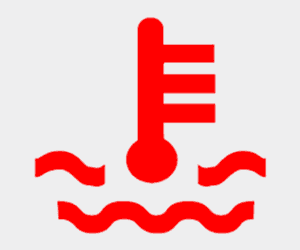
High engine coolant temperature
Thermometer over waves: overheating warning.A high-temperature warning means we need to leave traffic safely and stop. Jaecoo’s petrol handbook describes a brief idle before switching off for this warning; follow the exact message and handbook for your version. If there is steam, escaping coolant or severe engine distress, shut down safely and seek assistance.Never open a hot coolant reservoir. Wait until the system is cool before checking the level. A leak, cooling fan problem or another cooling-system fault requires diagnosis rather than repeated refilling and continued driving.
Brake system malfunction
Brake warning: possible low fluid or braking fault.The brake-system warning is separate from the normal indication that the electronic parking brake is applied. It can indicate low brake fluid or a malfunction affecting braking. We should stop safely, especially if pedal feel changes or stopping performance is reduced.Do not continue a journey simply because the vehicle still slows down. If the warning remains, arrange professional assistance. Adding fluid without investigating why it is low can hide a leak or another problem that needs repair.
Battery and charging-system warning
Battery with plus and minus: electrical charging fault.On the petrol Jaecoo 7, this light staying on after the engine starts indicates a problem with the charging system. It does not automatically mean the battery itself needs replacing. A loss of charging can eventually leave the vehicle unable to operate normally.Stop somewhere safe and seek advice promptly. On the SHS-P, a similar low-voltage charging/discharging warning is distinct from the traction battery’s charge level. A full high-voltage battery does not rule out a fault in the vehicle’s low-voltage electrical supply.
Airbag and SRS malfunction
Seated person with a circle: restraint-system fault.An SRS warning that remains on after the initial check means the restraint system needs inspection. We cannot tell from the lamp alone which airbag, sensor, wiring connection or related component is involved, or which protection may be affected.Arrange diagnosis as soon as possible and continue to wear seat belts correctly. Avoid unplugging seat wiring or probing restraint-system connectors as a troubleshooting experiment. Turning the light off without repairing the fault does not restore the system’s protection.
Seat belt reminder
Seat belt symbol: check every occupied seat.Check that the driver and all passengers have their belts securely latched and correctly positioned. Rear-seat graphics can identify a particular seating position, so we should inspect the displayed seat rather than only our own buckle.If the reminder persists, check whether luggage on a passenger seat is being detected as an occupant. Secure items appropriately. A warning that continues with the seat empty or the belt correctly fastened may need inspection; inserting a dummy buckle is not a repair.
Braking, steering and tyre-pressure indicators
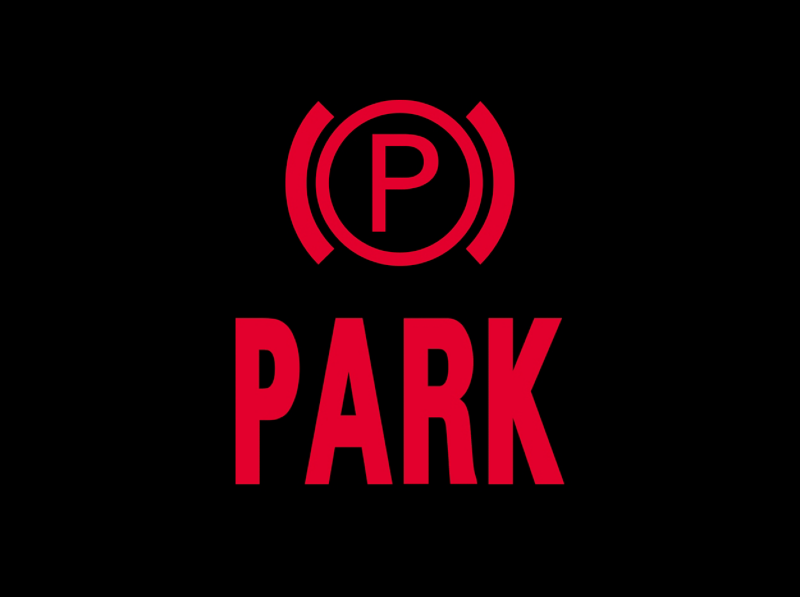
Electronic parking brake indicator
Circled P: parking brake applied; read any fault message.An illuminated parking-brake indicator normally confirms that the electronic parking brake is engaged. It should change when the brake releases correctly. Jaecoo also provides a separate malfunction indication, so we should distinguish a normal applied state from a fault.Unexpected flashing, failure to release or a persistent malfunction message needs attention. Do not force the car to move against an engaged brake. Before leaving the vehicle, confirm that it is securely parked rather than relying on a warning lamp whose operation appears abnormal.
AUTO HOLD indicator
Circled A: automatic brake holding or a related fault.AUTO HOLD can keep the vehicle stationary after we stop, reducing the need to keep pressing the brake pedal. Its operating indicator confirms the system’s state; a malfunction indication means we should not rely on automatic holding.Keep control with the brake pedal whenever the status is uncertain. AUTO HOLD is not permission to leave the driving seat or assume the vehicle is parked securely. Check the parking brake and gear selection before getting out, especially on a slope.
ABS warning light
ABS in a circle: anti-lock braking malfunction.An ABS fault means anti-lock assistance may be unavailable even if ordinary braking still works. Wheels may lock more easily under heavy braking, making steering control harder. We should reduce speed, increase following distance and arrange prompt inspection.The situation becomes more serious if a brake-system warning appears at the same time, or pedal feel is abnormal. In those circumstances, stop safely and seek assistance rather than treating the problem as an isolated ABS sensor fault.
Electric power steering warning
Steering wheel warning: assistance or calibration problem.Jaecoo distinguishes an EPS malfunction from an incomplete steering-angle initialisation. Both require us to read the accompanying message rather than diagnose the problem from a steering-wheel icon alone. Steering effort or assistance may change.If steering becomes heavy, unpredictable or difficult to control, pull over safely and arrange assistance. Do not attempt an improvised calibration while driving. After battery or steering work, any required initialisation should follow the correct vehicle procedure and persistent warnings need diagnosis.
Tyre pressure monitoring warning
Tyre outline with an exclamation mark: inspect the tyres.Check the displayed tyre information and inspect for a puncture, damage or unusually low pressure. The Jaecoo warning can relate to incorrect pressure or excessive tyre temperature; if pressures are normal, the monitoring system itself may need checking.Measure cold pressures with a reliable gauge and use the vehicle’s tyre-pressure label for the fitted tyres and load. Do not release air from hot tyres just to match a cold specification. A reset cannot repair a leak, damaged tyre or faulty sensor.
Electronic Stability Program indicator
Skidding car: ESP intervention or malfunction.A brief flashing ESP symbol can mean the system is actively helping maintain stability. Ease off the accelerator and adapt speed to the available grip. Even with stability assistance, sudden steering and braking can exceed the tyres’ limits.A symbol that stays on can indicate a fault. Read any message and arrange inspection, because stability assistance may be reduced or unavailable. We should not interpret a persistent warning as normal intervention simply because the road happens to be wet.
ESP OFF indicator
Skidding car with OFF: stability control disabled.This indicator tells us that the stability-control function has been switched off or reduced through the relevant setting. The representative illustration may use ESC terminology; Jaecoo’s handbook calls the system ESP.For ordinary road driving, restore the normal setting unless the handbook specifies otherwise for a particular situation. If the light remains on unexpectedly or the function cannot be restored, check for another fault message and arrange inspection. Disabling the system is not a fix for repeated intervention.
Engine, transmission and fuel warning lights
Check engine light
Engine outline: engine-management malfunction.The check engine light tells us that the vehicle has detected an engine-related fault. The lamp alone cannot identify the failed component, so guessing at sensors, ignition parts or fuel-system components can waste money. Diagnostic codes and operating symptoms are needed.Contact a Jaecoo service centre promptly. If the light flashes, the engine shakes, power falls sharply or there is an unusual smell, stop safely and seek assistance. Avoid heavy acceleration, towing or prolonged driving while an unresolved engine fault is present.
EPC malfunction indicator
EPC lettering: engine-control fault.The Jaecoo 7 petrol handbook lists an EPC malfunction indicator as an engine-system warning. It should not be confused with the electronic parking brake, which is commonly abbreviated EPB. Similar letters can describe completely different systems.Arrange diagnosis promptly and report any hesitation, poor throttle response or reduced power. If the vehicle cannot accelerate predictably or maintain a safe speed, stop and request assistance. Restarting may change the symptom temporarily, but it does not establish that the fault has been repaired.
Transmission malfunction
Transmission warning: read the gearbox message.A transmission malfunction can affect gear selection, drive availability or normal shifting. The representative gear-shaped image identifies the subject; the exact Jaecoo graphic and message should be checked in the vehicle’s handbook.Avoid forcing repeated shifts or continuing under heavy load. If the car jerks severely, loses drive, will not engage a gear or displays a stop instruction, pull over safely and arrange recovery. A generic gearbox warning is not enough to diagnose fluid condition or select a repair.
Low fuel warning
Fuel pump: refuel soon.A low-fuel warning means we should plan a safe refuelling stop without relying on the remaining-range estimate as a guarantee. That estimate changes with traffic, speed, hills and recent consumption.The SHS-P still has a petrol engine, so the presence of electric range does not remove the need to maintain fuel. Use the fuel grade and refuelling procedure specified for the exact vehicle. Do not keep driving until the tank is empty simply to test the displayed range.
All-wheel-drive malfunction, where fitted
AWD warning: drivetrain assistance may be affected.This warning applies only to versions equipped with the relevant all-wheel-drive system. It indicates a malfunction that needs inspection; it is different from selecting an available drive mode.Avoid demanding off-road driving, slippery slopes and heavy loads until the problem is assessed. We should not assume that traction will be distributed normally. Also, do not apply petrol AWD instructions automatically to an SHS-P or another drivetrain configuration just because both vehicles carry the Jaecoo 7 name.
Driver-assistance symbols
Driver-assistance indicators can represent standby, active operation, a switched-off function or a malfunction. Their colour and message matter. If a system becomes unavailable, take full control and adjust driving immediately; cleaning a sensor area may help an obstruction, but it does not repair an electrical fault.
Automatic Emergency Braking warning
Collision-assistance symbol: distinguish active, OFF and faulty states.Jaecoo provides separate indications for AEB operation, a malfunction and the system being switched off. A warning during a developing collision risk requires an immediate driving response, while an OFF indication means we should not expect that function to intervene.Keep the windscreen camera and relevant exterior sensor areas clear as described in the handbook. If a malfunction remains after an obstruction is removed, arrange inspection. Never test AEB by deliberately approaching a person, vehicle or obstacle.
Lane departure and lane-keeping indicators
Vehicle between lane markings: check availability and warning state.Lane-related symbols may show that assistance is enabled, waiting for suitable markings, restricted, actively warning or faulty. Jaecoo lists lane-departure and emergency lane-keeping functions separately, so one icon does not prove that every lane function is available.Keep your hands on the wheel and maintain lane position yourself. Poor markings, weather and sensor visibility can affect operation. A persistent malfunction needs inspection, and a green or active display never removes our responsibility to steer.
Driver fatigue reminder
Rest reminder: take a break when needed.Where fitted, the fatigue-driving indication reminds us to rest. It is an assistance feature, not a reliable medical assessment of alertness. We should stop somewhere suitable when tired even if no reminder has appeared.Opening a window, increasing music volume or dismissing the notification does not resolve fatigue. If the warning seems inappropriate, check the system’s operating conditions in the handbook, but avoid treating its absence as proof that continuing a long journey is safe.
Hill descent control
Vehicle on a slope: hill-descent operation or fault.Hill descent control helps manage speed on a suitable descent when its operating conditions are met. Jaecoo distinguishes its operating indication from its malfunction warning. We should confirm the selected state before relying on assistance.Use a suitable speed and follow the handbook’s limitations for the terrain. If a fault appears, control the vehicle manually and avoid continuing onto a demanding slope. The system cannot create tyre grip or make an unsafe gradient suitable for the vehicle.
Lighting and everyday status indicators
High beam indicator
Blue headlamp: main beam is illuminating.The blue high-beam symbol normally means the main beams are on, rather than that a fault has developed. Dip the lights whenever they could dazzle approaching traffic or a vehicle ahead.Do not confuse this symbol with automatic high-beam assistance being selected. The assistance system can be available while the actual high beams are off. We should keep watching the road and override automatic lighting whenever conditions require it.
Intelligent Headlight Control indicator
Headlamp with an automatic marker: IHC status.Intelligent Headlight Control assists with high-beam operation. The normal status indication differs from an IHC malfunction warning. Read the message if the system cannot operate as expected, rather than assuming the headlights themselves have stopped working.Check visibility around the camera area and control the lights manually when necessary. Persistent faults need inspection. Automatic switching may not respond perfectly to every road layout, weather condition or other road user, so the driver remains responsible for appropriate lighting.
Rear fog light indicator
Rear fog lamp: brighter rear lighting selected.This indicator confirms that the rear fog lamp is switched on. It is normally a status reminder. Use the lamp only in conditions where the additional visibility is needed and permitted locally.Switch it off when visibility improves because it can dazzle drivers behind and make brake lights less distinct. If the dashboard indicator behaves normally but the lamp does not illuminate, inspect the lighting problem rather than assuming the indicator proves the exterior bulb or unit is working.
Front fog light indicator
Front fog lamps: selected where fitted.The front fog-light symbol indicates that the relevant lamps are selected. Availability varies by specification, so an illustration in a general guide does not mean every Jaecoo 7 has the same lighting equipment.Use the appropriate lighting for actual visibility and check the handbook for the control arrangement. If a lamp is visibly damaged or fails to work, have it checked. A normal operating indicator and an exterior-lighting malfunction are different conditions.
Position light indicator
Paired lamp symbol: position lights switched on.Position lights help show the vehicle’s presence. Their indicator should not be taken as proof that the dipped headlights are providing adequate forward illumination. Check the selected lighting mode when darkness or poor visibility develops.We should also distinguish daytime running lights from the lighting needed at night. Depending on the setting and vehicle, daytime illumination does not provide the same complete lighting arrangement. Use the appropriate headlight mode and verify the exterior lights when uncertain.
Direction indicators and hazard lights
Flashing arrows: turning or hazard signal selected.One arrow normally flashes with the corresponding direction indicator; both flash when hazard warning lights are operating. These are ordinary status indicators, so flashing is expected rather than automatically a fault.If the flash pattern changes or an exterior indicator fails, check the affected lights and arrange repair. Cancel a direction signal once the manoeuvre is complete. Hazard lights do not make an unsafe stopping place safe, so move away from traffic whenever possible.
Jaecoo 7 SHS-P hybrid dashboard symbols
The plug-in hybrid adds indicators for electric driving, charging and its high-voltage system. We should distinguish the traction battery from the low-voltage electrical system. These entries apply to the SHS-P; they should not be assumed to describe every other hybrid version.
READY indicator
READY: the vehicle can move even with the engine silent.A READY indication confirms that the hybrid drive system is ready for driving. We may hear little or no engine noise, but pressing the accelerator with a driving gear selected can still move the car.Before leaving the vehicle, select the proper parking state, apply the parking brake and switch the vehicle off according to the handbook. When READY does not appear and a warning is present, read that warning instead of assuming an engine that will not audibly start is the only problem.
Charging connector indicator
Plug symbol: charging connection detected.The SHS-P has a charging-connection indication showing that the charging device is connected. Connection alone does not prove that energy is flowing successfully, so check the charging screen, charge level and any charger messages.End charging and disconnect using the proper procedure before driving. If charging fails repeatedly, record the vehicle and charger messages. Do not pull forcefully on a locked connector or handle damaged charging equipment. A connector warning needs a different response from a low-battery reminder.
Low traction-battery charge
Traction-battery indication: charge level needs attention.Jaecoo distinguishes low battery charge from a more seriously discharged state. Arrange charging promptly and follow any instructions shown on the display. The exact indicator artwork may differ from the representative battery illustration here.Low state of charge is not the same as a battery-system malfunction. If the car also displays a high-voltage fault, loses power or instructs us to stop, treat that additional warning as the priority. Do not assume plugging in will repair a hardware fault.
High-voltage and power-battery fault messages
The SHS-P manual also lists high-voltage insulation, power-battery system and vehicle high-voltage system malfunction warnings. Their exact graphics are model-specific, so we should identify them from the display wording and the correct handbook rather than substitute an unrelated EV pictogram.
These warnings require immediate professional advice. Stop safely if instructed or if drive becomes abnormal. Do not touch orange cables, open battery components or attempt insulation testing. A technician must identify whether the concern involves the battery, electric drive, charging system or another high-voltage component.
What should we do when several warning lights appear?
Multiple lamps do not necessarily mean several unrelated parts failed at once. Some functions depend on shared information, and an electrical supply or communication problem can affect more than one system. However, we should not dismiss a group of warnings as a harmless battery issue without diagnosis.
Control the vehicle and stop safely if braking, steering, engine temperature or drive is affected.
Read the highest-priority message and follow any stop instruction.
Once parked, photograph the dashboard and record the circumstances.
Note whether the warning is constant, intermittent or linked to starting, charging or weather.
Contact a service centre or roadside assistance with the exact wording.
Avoid disconnecting the battery or clearing diagnostic codes before inspection. Doing so may remove useful evidence while leaving the cause unresolved. If a warning disappears after restarting, report that behaviour; disappearance alone does not establish that the vehicle has repaired itself.
Can we keep driving with a Jaecoo 7 warning light?
There is no universal safe distance. A low-fuel reminder calls for refuelling, while an oil-pressure warning calls for stopping and switching off. An assistance malfunction may leave manual control available, but a serious braking or steering problem can make continued driving unsafe.
We should base the decision on the exact message, the handbook and how the vehicle behaves. Unusual noise, smoke, steam, strong smells, severe vibration or loss of control changes the situation immediately. When a safe journey cannot be assured, arrange assistance rather than trying to reach a workshop under the vehicle’s own power.
Conclusion
Understanding Jaecoo 7 dashboard symbols starts with identifying the icon, its behaviour and the accompanying message. We can then separate normal operating indicators from faults that need inspection or an immediate stop. Keep petrol and SHS-P instructions distinct, record persistent warnings and repair the cause rather than simply clearing the light.
Frequently asked questions
1. What does the EPC light mean on a Jaecoo 7?
The petrol handbook identifies EPC as an engine-system malfunction. Arrange prompt diagnosis and report any reduced power or abnormal throttle response. It is different from EPB, which refers to the electronic parking brake.
2. Is it normal for the Jaecoo 7 dashboard to light up at startup?
Yes, several lamps illuminate during the initial system check. A malfunction indicator that remains on or flashes after startup needs attention. Check the exact message, and on an SHS-P distinguish vehicle readiness from whether the petrol engine is running.
3. How do we reset the tyre-pressure warning?
First inspect the tyres and correct their cold pressures using the vehicle label. Then follow the monitoring or relearning instructions for your version. Persistent warnings with correct pressures require inspection; a reset will not repair a puncture or sensor fault.
4. What does READY mean on the Jaecoo 7 SHS-P?
READY means the hybrid drive system is ready to move the vehicle. The petrol engine can remain silent. Always confirm the parking state and switch the vehicle off correctly before leaving it.
5. Why are lane assistance and AEB unavailable?
Possible explanations include unsuitable operating conditions, obstructed sensors, a disabled setting or a malfunction. Read the displayed message, drive without relying on those systems and follow the handbook’s checks. Persistent fault messages need professional diagnosis.
If you want to know other articles similar to Jaecoo 7 Dashboard Symbols you can visit the category Service and Parts.
Auto Guide
I show you the best reviews of all car brands, the information we collect and show is verified by our mechanics, we hope that everything you read here is useful to buy the car of your dreams





















More content of your interest