

BMW 4 Series Engine Coolant: The Complete Guide to Coolant Types, Maintenance, and Common Problems

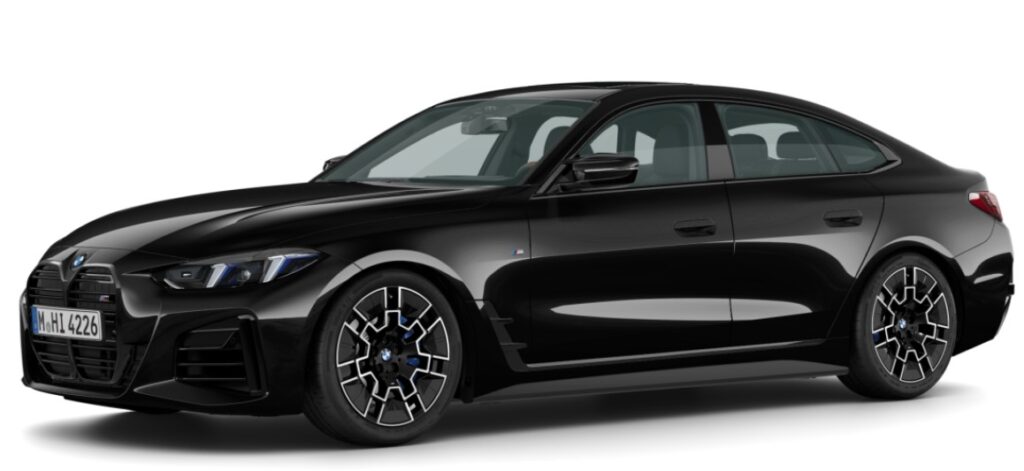
The BMW 4 Series is designed to deliver a balance of performance, luxury, and driving enjoyment. Whether you own a 420i, 430i, 440i, M440i, or the powerful M4, every version relies on a sophisticated cooling system to keep the engine operating at the correct temperature. At the heart of that system is engine coolant.
Many drivers pay attention to oil changes, brake maintenance, and tire replacements, yet engine coolant often goes unnoticed until a warning light appears. Unfortunately, ignoring coolant issues can lead to overheating, expensive repairs, and even engine failure.
In this guide, we will explore everything you need to know about BMW 4 Series engine coolant, including the correct coolant type, replacement intervals, common cooling system problems, leak diagnosis, maintenance tips, and ways to maximize the lifespan of your BMW's engine.
Content in this publication
- What Is Engine Coolant and Why Does It Matter?
- Understanding the BMW 4 Series Cooling System
- Which Coolant Should You Use in a BMW 4 Series?
- Can You Mix Different Coolants?
- How Much Coolant Does a BMW 4 Series Hold?
- How to Check the Coolant Level in a BMW 4 Series
- How Often Should BMW 4 Series Coolant Be Replaced?
- Signs Your BMW 4 Series Needs Coolant Maintenance
- Common BMW 4 Series Coolant Leaks
- BMW 4 Series Overheating Problems
- What to Do If Your BMW 4 Series Overheats
- The Importance of a Coolant Flush
- Why Air in the Cooling System Is a Problem
- Winter and Summer Coolant Performance
- BMW M4 Cooling System Considerations
- Cooling System Repair Costs
- Preventative Maintenance Tips for BMW 4 Series Coolant Systems
- How Long Does a BMW 4 Series Cooling System Last?
- Conclusion
- Frequently Asked Questions
What Is Engine Coolant and Why Does It Matter?
Engine coolant is a specially formulated liquid that circulates through the engine and radiator. Its purpose is to absorb excess heat from the engine and release that heat through the radiator.
Without coolant, temperatures inside the engine would rise rapidly, causing severe damage to critical components.
Modern coolant does far more than simply prevent overheating. It also:
- Prevents freezing during cold weather
- Protects metal components from corrosion
- Lubricates parts of the cooling system
- Helps maintain consistent operating temperatures
- Reduces wear on internal engine components
Think of coolant as the climate-control system for your engine. Just as we feel uncomfortable when temperatures become too hot or too cold, an engine performs best within a specific temperature range.
Understanding the BMW 4 Series Cooling System
The cooling system in a BMW 4 Series is a carefully engineered network of components designed to manage heat efficiently.
Several parts work together to ensure proper temperature regulation.
Radiator
The radiator removes heat from the coolant before it returns to the engine.
Water Pump
The water pump continuously circulates coolant throughout the system.
Thermostat
The thermostat regulates coolant flow based on engine temperature.
Expansion Tank
The coolant reservoir stores excess coolant and allows for thermal expansion.
Cooling Fans
Electric fans help move air through the radiator when additional cooling is needed.
Coolant Hoses
Flexible hoses transport coolant between the engine, radiator, and other cooling system components.
When all these parts function properly, the BMW 4 Series can maintain stable temperatures even under demanding driving conditions.
Which Coolant Should You Use in a BMW 4 Series?
One of the most common questions BMW owners ask is which coolant should be used.
BMW engines require a specific coolant formulation designed for aluminum engine components and modern cooling systems.
BMW Genuine Coolant
BMW's factory-approved coolant has traditionally been blue and is specifically formulated to provide:
- Long-lasting corrosion protection
- Excellent heat transfer properties
- Compatibility with BMW cooling system materials
- Protection against scale buildup
Using Approved Alternatives
Many aftermarket coolants are marketed as BMW-compatible. However, compatibility should always be verified through the product specifications rather than color alone.
Color does not determine coolant chemistry.
Always choose a coolant that explicitly meets BMW requirements.
Can You Mix Different Coolants?
Mixing coolant types is generally not recommended.
Different formulations contain different additives, and combining them may reduce performance or create unwanted chemical reactions.
Potential consequences include:
- Reduced corrosion protection
- Sludge formation
- Restricted coolant flow
- Premature cooling system wear
If a temporary top-up is necessary and the correct coolant is unavailable, distilled water can be used in an emergency. However, the cooling system should be serviced properly as soon as possible.
How Much Coolant Does a BMW 4 Series Hold?
Coolant capacity varies depending on the model and engine.
Typical capacities include:
| BMW 4 Series Model | Approximate Coolant Capacity |
|---|---|
| BMW 420i | 7–9 liters |
| BMW 430i | 8–10 liters |
| BMW 435i | 9–11 liters |
| BMW 440i | 9–11 liters |
| BMW M440i | 10–12 liters |
| BMW M4 | 10–13 liters |
Always consult the owner's manual or service documentation for the exact capacity of your vehicle.
How to Check the Coolant Level in a BMW 4 Series
Checking coolant levels regularly is one of the easiest maintenance tasks any owner can perform.
Allow the Engine to Cool
Never inspect the coolant reservoir immediately after driving.
The cooling system operates under pressure and can cause serious burns if opened while hot.
Locate the Coolant Reservoir
The expansion tank is usually located within the engine bay and features minimum and maximum level markings.
Inspect the Fluid Level
The coolant should remain between the MIN and MAX indicators.
If the level falls below the minimum mark, additional coolant may be required.
Look for Signs of Contamination
Healthy coolant should appear clean and free of debris.
Rust-colored, cloudy, or dirty coolant may indicate internal corrosion or system contamination.
How Often Should BMW 4 Series Coolant Be Replaced?
Coolant does not last forever.
Although BMW coolants are designed for long service intervals, they eventually lose their protective properties.
Most technicians recommend coolant replacement every:
- 4 to 5 years
- 50,000 to 60,000 miles
Regular replacement helps maintain corrosion protection and cooling efficiency.
Signs Your BMW 4 Series Needs Coolant Maintenance
Cooling system issues rarely appear without warning.
Recognizing early symptoms can help prevent expensive repairs.
Low Coolant Warning Message
Many BMW models display a warning when coolant levels drop below safe limits.
Engine Temperature Increases
A rising temperature gauge often signals cooling system trouble.
Visible Coolant Leaks
Puddles beneath the vehicle should never be ignored.
Sweet Smell Around the Vehicle
Coolant has a distinctive sweet odor that often becomes noticeable when leaks develop.
Repeated Coolant Top-Ups
If coolant levels continue to drop, a leak is likely present somewhere in the system.
Common BMW 4 Series Coolant Leaks
Cooling system leaks are among the most common issues BMW owners encounter as vehicles age.
Expansion Tank Cracks
The plastic coolant reservoir can become brittle over time.
Small cracks may develop and allow coolant to escape slowly.
Water Pump Failure
BMW water pumps eventually wear out and may begin leaking.
Symptoms often include:
- Coolant loss
- Engine overheating
- Unusual noises
Radiator Damage
Road debris, corrosion, and age can damage radiator components.
Even minor cracks may result in coolant loss.
Thermostat Housing Leaks
Thermostat housings sometimes develop cracks or seal failures.
This can cause both coolant loss and temperature fluctuations.
Deteriorated Coolant Hoses
Rubber hoses age naturally and can become:
- Brittle
- Cracked
- Swollen
- Leaky
Routine inspections help catch problems early.
BMW 4 Series Overheating Problems
Overheating is one of the most serious issues a vehicle can experience.
Modern BMW engines generate significant heat, especially turbocharged models.
Common Causes of Overheating
Several factors can cause excessive engine temperatures:
- Low coolant levels
- Faulty thermostat
- Failed water pump
- Radiator blockage
- Cooling fan malfunction
- Air trapped in the cooling system
Symptoms of Engine Overheating
Warning signs include:
- Rising temperature gauge
- Dashboard warning messages
- Steam from the engine bay
- Reduced engine performance
- Vehicle entering limp mode
Immediate action is essential whenever overheating occurs.
What to Do If Your BMW 4 Series Overheats
If your BMW begins overheating:
- Pull over safely.
- Turn off the engine.
- Allow the vehicle to cool completely.
- Inspect coolant levels.
- Arrange professional diagnosis if necessary.
Never remove the coolant cap while the engine is hot.
Pressurized coolant can cause severe injury.
The Importance of a Coolant Flush
Over time, coolant accumulates contaminants and loses effectiveness.
A coolant flush removes old fluid and restores cooling system performance.
Benefits of a Coolant Flush
A properly performed flush can:
- Improve heat transfer
- Remove debris and contaminants
- Reduce corrosion risk
- Extend component life
- Improve cooling system efficiency
Regular flushing is one of the best preventative maintenance practices available.
Why Air in the Cooling System Is a Problem
Air pockets can significantly reduce cooling efficiency.
After coolant replacement or cooling system repairs, trapped air must be removed.
Problems Caused by Air Pockets
Air trapped inside the system can cause:
- Overheating
- Poor heater performance
- Inconsistent temperature readings
- Reduced coolant circulation
Many BMW models require a specific bleeding procedure after coolant service.
Winter and Summer Coolant Performance
Coolant must perform effectively regardless of weather conditions.
Cold Weather Protection
During winter, coolant prevents freezing and protects engine components from cracking.
Hot Weather Protection
During summer, coolant prevents overheating during:
- Traffic congestion
- Long highway drives
- Mountain driving
- Towing activities
A healthy cooling system is equally important in both seasons.
BMW M4 Cooling System Considerations
The BMW M4 places greater demands on its cooling system than standard 4 Series models.
Its high-performance engine generates substantial heat during spirited driving and track use.
M4 owners should:
- Monitor coolant levels frequently
- Inspect cooling components regularly
- Replace aging parts proactively
- Follow maintenance schedules closely
Performance vehicles have less tolerance for cooling system neglect.
Cooling System Repair Costs
Cooling system repair expenses vary depending on the failed component.
Typical repairs include:
| Repair Type | Relative Cost |
|---|---|
| Coolant Top-Up | Low |
| Coolant Flush | Low to Moderate |
| Hose Replacement | Moderate |
| Thermostat Replacement | Moderate |
| Expansion Tank Replacement | Moderate |
| Water Pump Replacement | Moderate to High |
| Radiator Replacement | High |
| Head Gasket Repair | Very High |
Addressing minor issues early can prevent major repair bills later.
Preventative Maintenance Tips for BMW 4 Series Coolant Systems
Preventative maintenance remains the most cost-effective approach.
Helpful habits include:
- Check coolant levels monthly
- Use BMW-approved coolant
- Inspect hoses regularly
- Address leaks immediately
- Replace aging cooling components proactively
- Monitor dashboard warning messages
Small maintenance tasks today can prevent expensive repairs tomorrow.
How Long Does a BMW 4 Series Cooling System Last?
Component lifespan varies depending on driving conditions, climate, and maintenance quality.
Typical expectations include:
- Radiators: 100,000+ miles
- Water pumps: 60,000–120,000 miles
- Expansion tanks: 80,000–120,000 miles
- Coolant hoses: 8–10 years
Proper maintenance significantly extends the life of cooling system components.
Conclusion
The BMW 4 Series engine coolant system plays a critical role in protecting engine performance, reliability, and longevity. From regulating temperature to preventing corrosion and freezing, coolant does far more than most drivers realize.
By using the correct coolant, monitoring fluid levels regularly, addressing leaks quickly, and following recommended service intervals, we can keep our BMW 4 Series running efficiently for years to come. A healthy cooling system not only protects your investment but also ensures that every drive delivers the smooth performance BMW is known for.
Frequently Asked Questions
What coolant does a BMW 4 Series use?
BMW recommends a factory-approved coolant formulated specifically for BMW cooling systems and aluminum engine components.
How often should coolant be changed in a BMW 4 Series?
Most experts recommend replacing coolant every 4–5 years or approximately 50,000–60,000 miles.
Why is my BMW 4 Series losing coolant?
Common causes include leaks from the expansion tank, radiator, water pump, thermostat housing, or coolant hoses.
Can I drive with low coolant?
Driving with low coolant is not recommended because it can lead to overheating and serious engine damage.
What happens if a BMW engine overheats?
Severe overheating can damage the head gasket, warp cylinder heads, harm turbochargers, and potentially require engine replacement.
If you want to know other articles similar to BMW 4 Series Engine Coolant: The Complete Guide to Coolant Types, Maintenance, and Common Problems you can visit the category Service and Parts.
Nissan Rogue Oil Change Cost: Prices, Service Options, and What to Expect
Nissan Rogue Key Battery Replacement: Easy Step-by-Step Guide
Nissan Rogue Oil Change Interval: Complete Guide by Model Year
Nissan Rogue Brake Pads and Rotors Cost: Complete 2026 Guide

Kia Sorento Service Reset: How to Reset the Service Light
Kia Sorento Fuel Tank Capacity: Gallons, Litres and Model Differences
Leave a Reply
More content of your interest