
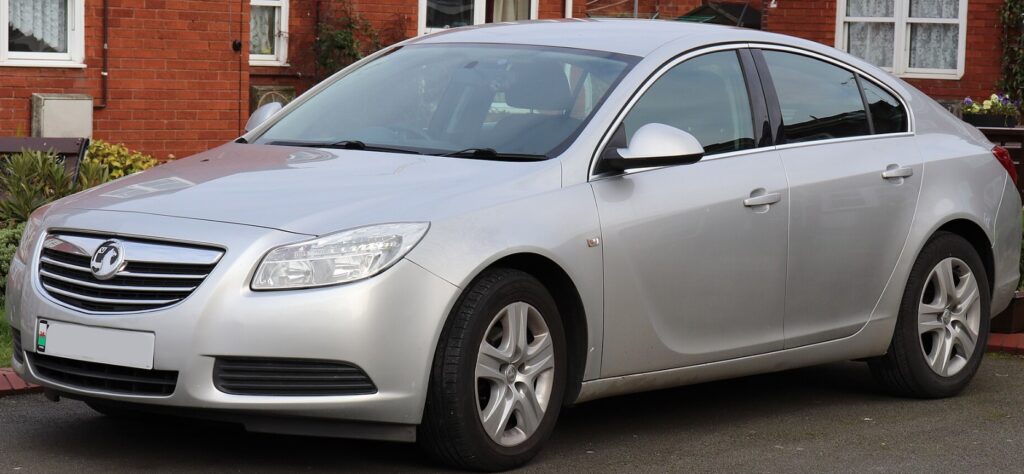
Vauxhall Insignia Tyre Pressure: Complete Guide for Safety, Performance, and Fuel Economy

Content in this publication
- Why Vauxhall Insignia Tyre Pressure Matters
- Understanding Vauxhall Insignia Recommended Tyre Pressure
- How Tyre Pressure Affects Driving Performance
- Common Vauxhall Insignia Tyre Pressure Settings
- How to Check Vauxhall Insignia Tyre Pressure
- The Dangers of Underinflated Tyres
- The Risks of Overinflated Tyres
- Vauxhall Insignia Tyre Pressure Monitoring System (TPMS)
- How to Reset the Vauxhall Insignia TPMS
- Seasonal Changes and Tyre Pressure
- Best Practices for Long Tyre Life
- How Tyre Pressure Influences Fuel Economy
- Tyre Pressure for Different Wheel Sizes
- Signs Your Tyres Need Immediate Attention
- Choosing the Right Tyres for Your Vauxhall Insignia
- The Cost of Ignoring Tyre Pressure
- Final Thoughts
- Frequently Asked Questions
Why Vauxhall Insignia Tyre Pressure Matters
Tyre pressure is one of the most overlooked aspects of vehicle maintenance, yet it has a direct impact on safety, handling, fuel economy, tyre lifespan, and driving comfort. Whether you own a Vauxhall Insignia hatchback, saloon, Sports Tourer, or a high-spec trim, maintaining the correct tyre pressure is essential.
Think of your tyres as the foundation of your vehicle. Just as a house needs a strong base, your Insignia relies on properly inflated tyres to deliver predictable handling and optimal performance.
Understanding Vauxhall Insignia Recommended Tyre Pressure
The correct tyre pressure for a Vauxhall Insignia depends on several factors:
- Model year
- Engine size
- Wheel size
- Vehicle load
- Driving conditions
Most Vauxhall Insignia models typically require pressures ranging between:
| Position | Typical PSI |
|---|---|
| Front Tyres | 32–38 PSI |
| Rear Tyres | 30–39 PSI |
Always check your vehicle-specific tyre pressure sticker located:
- Inside the driver's door frame
- Fuel filler flap
- Owner's manual
How Tyre Pressure Affects Driving Performance
Handling and Stability
Properly inflated tyres maintain the correct contact patch with the road surface. This improves:
- Cornering grip
- Steering precision
- High-speed stability
- Emergency manoeuvring
Braking Distance
Underinflated tyres can increase stopping distances. During emergency braking, every metre counts.
Ride Comfort
Correct pressure creates the perfect balance between comfort and control. Too much pressure results in a harsh ride, while too little pressure creates excessive tyre flex.
Common Vauxhall Insignia Tyre Pressure Settings
Normal Driving Conditions
For everyday commuting, manufacturers generally recommend moderate pressures designed for comfort and efficiency.
Fully Loaded Vehicle
When carrying:
- Multiple passengers
- Heavy luggage
- Holiday equipment
Tyre pressures usually need to be increased to support the additional weight safely.
Motorway Driving
Long-distance motorway journeys generate heat within tyres. Following the manufacturer's recommended loaded pressures helps maintain stability and efficiency.
How to Check Vauxhall Insignia Tyre Pressure
Step 1: Use a Reliable Gauge
Digital gauges tend to provide the most accurate readings.
Step 2: Check Cold Tyres
Measure pressure before driving or after the vehicle has been parked for at least three hours.
Step 3: Compare With Recommended Values
Check the readings against the vehicle's tyre information sticker.
Step 4: Adjust as Necessary
Add or release air until the correct pressure is achieved.
The Dangers of Underinflated Tyres
Increased Fuel Consumption
Low tyre pressure creates greater rolling resistance, forcing the engine to work harder.
Premature Tyre Wear
Underinflated tyres often wear excessively along the outer edges.
Higher Risk of Blowouts
Heat buildup caused by excessive tyre flex can increase the likelihood of tyre failure.
The Risks of Overinflated Tyres
Overinflation can be just as problematic.
Potential issues include:
- Reduced grip
- Uneven centre tread wear
- Harsher ride quality
- Increased vulnerability to road damage
Vauxhall Insignia Tyre Pressure Monitoring System (TPMS)
Many modern Insignia models are equipped with a TPMS system.
The TPMS monitors tyre conditions and warns drivers when pressure drops below safe levels.
What the TPMS Warning Light Means
A warning light may indicate:
- Low tyre pressure
- Rapid air loss
- Recent tyre replacement
- TPMS recalibration requirement
How to Reset the Vauxhall Insignia TPMS
After Adjusting Tyre Pressure
- Inflate tyres correctly.
- Turn on the ignition.
- Access vehicle settings.
- Select tyre pressure monitoring.
- Choose reset or relearn.
- Follow on-screen instructions.
Procedures can vary depending on model year.
Seasonal Changes and Tyre Pressure
Winter Conditions
Cold temperatures reduce tyre pressure naturally.
A general rule is that tyre pressure drops approximately 1 PSI for every 10°F (5.5°C) decrease in temperature.
Summer Driving
Warm weather increases tyre pressure slightly as air expands.
Regular monitoring remains important throughout the year.
Best Practices for Long Tyre Life
Check Monthly
Inspect tyre pressure at least once every month.
Inspect Before Long Trips
Always check tyres before:
- Holidays
- Business travel
- Road trips
Monitor Tread Wear
Uneven wear often indicates pressure problems.
How Tyre Pressure Influences Fuel Economy
A properly inflated Vauxhall Insignia can achieve noticeably better fuel efficiency.
Benefits include:
- Reduced rolling resistance
- Lower engine workload
- Improved mileage
- Reduced CO₂ emissions
Even small improvements can save significant money over time.
Tyre Pressure for Different Wheel Sizes
Insignia models may feature:
17-Inch Wheels
Generally prioritise comfort and efficiency.
18-Inch Wheels
Offer a balance of ride quality and handling.
19-Inch Wheels
Provide sharper steering response but may require different pressure specifications.
20-Inch Wheels
Typically found on sport-oriented variants and require careful pressure management.
Signs Your Tyres Need Immediate Attention
Watch for:
- TPMS warning light
- Vehicle pulling to one side
- Uneven tyre wear
- Reduced fuel economy
- Steering vibration
- Visible tyre damage
Addressing these issues early can prevent costly repairs.
Choosing the Right Tyres for Your Vauxhall Insignia
Tyre pressure and tyre quality work together.
Look for tyres that match:
- Vehicle specifications
- Driving style
- Climate conditions
- Budget requirements
Premium tyres often provide superior grip, longevity, and efficiency.
The Cost of Ignoring Tyre Pressure
Failing to maintain proper tyre pressure can lead to:
- Faster tyre replacement
- Increased fuel costs
- Reduced safety
- Suspension wear
- Poor vehicle performance
A simple five-minute pressure check can save hundreds of pounds over the life of the vehicle.
Final Thoughts
The correct Vauxhall Insignia tyre pressure is far more than a number printed on a sticker. It directly influences safety, comfort, fuel economy, tyre lifespan, and overall driving confidence. By checking pressures regularly, responding promptly to TPMS warnings, and following the manufacturer's recommendations, we can ensure our Insignia delivers the smooth, efficient, and safe driving experience it was designed to provide.
A properly inflated tyre is like a perfectly tuned instrument—everything simply works better. The reward is improved performance, lower costs, and greater peace of mind every time we take to the road.
Frequently Asked Questions
1. What is the recommended tyre pressure for a Vauxhall Insignia?
Most models typically require between 32 and 38 PSI, but always follow the tyre pressure label specific to your vehicle.
2. How often should I check tyre pressure on my Insignia?
At least once per month and before any long journey.
3. Why is my TPMS warning light still on after inflating the tyres?
The system may require a reset or relearn procedure after tyre pressures are corrected.
4. Does cold weather affect tyre pressure?
Yes. Lower temperatures reduce tyre pressure naturally, making winter checks especially important.
5. Can incorrect tyre pressure affect fuel economy?
Absolutely. Underinflated tyres increase rolling resistance and fuel consumption.
If you want to know other articles similar to Vauxhall Insignia Tyre Pressure: Complete Guide for Safety, Performance, and Fuel Economy you can visit the category Service and Parts.
Nissan Qashqai Fuel Tank Capacity: Complete Guide

Suzuki Swift Fuel Tank Capacity: Complete Guide

Mazda CX-5 Weight (2013–2026): Complete Guide in Pounds and KG

Kia Sportage Dashboard Symbols and Warning Lights

MINI Cooper Weight (2002–2027): Complete Weight Chart & Guide

Toyota RAV4 Engine Sizes: Complete Guide (1994–2026)
Leave a Reply
More content of your interest