

Vauxhall Insignia DPF Problems: Causes, Symptoms, Fixes, and Prevention Guide

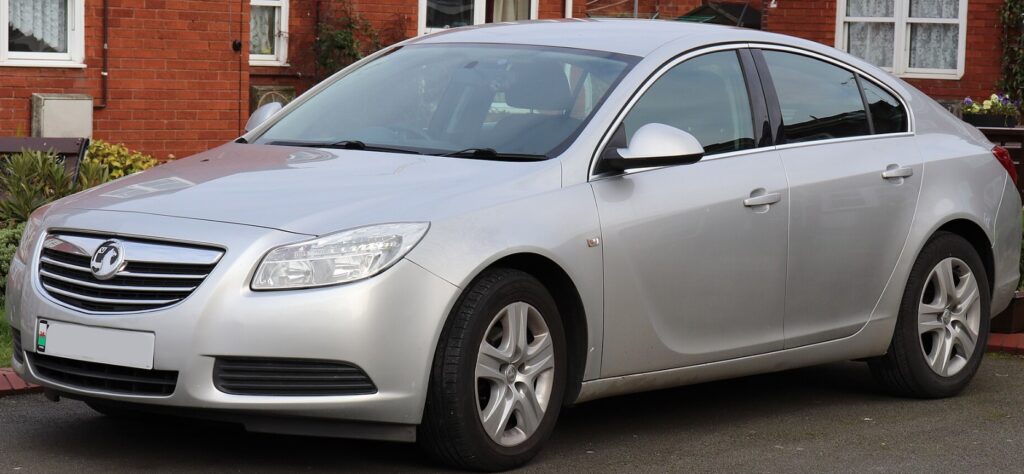
The diesel particulate filter (DPF) is one of the most important emissions components in a modern diesel-powered Vauxhall Insignia. Designed to capture and store soot produced during combustion, the DPF helps reduce harmful emissions and keeps the vehicle compliant with environmental regulations. However, it is also one of the components most likely to cause frustration for owners, particularly those who mainly drive in urban areas or make frequent short trips.
If you've noticed a DPF warning light, reduced engine power, poor fuel economy, or repeated regeneration attempts, your Vauxhall Insignia could be experiencing DPF problems. The good news is that many issues can be resolved before they become expensive repairs—provided they're identified early.
This comprehensive guide explains everything you need to know about Vauxhall Insignia DPF problems, including common symptoms, causes, diagnosis, repair options, expected costs, and practical maintenance tips to keep your diesel running smoothly.
Content in this publication
- What Is the DPF in a Vauxhall Insignia?
- How DPF Regeneration Works
- Common Symptoms of Vauxhall Insignia DPF Problems
- What Causes DPF Problems?
- Can You Continue Driving With a DPF Warning Light?
- How Is a Blocked DPF Diagnosed?
- Repair Options
- How Much Does It Cost to Fix a Vauxhall Insignia DPF?
- How to Prevent Future DPF Problems
- Is DPF Removal a Good Idea?
- Which Vauxhall Insignia Models Experience DPF Issues Most Often?
- Final Thoughts
What Is the DPF in a Vauxhall Insignia?
The diesel particulate filter is located within the exhaust system and is designed to trap microscopic soot particles generated by the diesel engine. Instead of allowing these particles to exit through the tailpipe, the filter stores them until they are burned away during a process known as regeneration.
Most Vauxhall Insignia diesel models—including the popular 2.0 CDTi engines—are equipped with a DPF as standard. Without regular regeneration, soot builds up inside the filter until exhaust flow becomes restricted.
How DPF Regeneration Works
The DPF cannot simply hold soot forever. Periodically, the engine management system increases exhaust temperatures to burn accumulated soot into fine ash.
There are three types of regeneration:
Passive Regeneration
Occurs naturally during long motorway journeys when exhaust temperatures remain high enough to burn soot continuously.
Active Regeneration
The engine injects additional fuel to increase exhaust temperatures when soot reaches a predetermined level.
Forced Regeneration
Performed by a diagnostic tool at a garage when normal regeneration can no longer clear the blockage.
Common Symptoms of Vauxhall Insignia DPF Problems
Recognizing the warning signs early can prevent expensive repairs.
DPF Warning Light
The dashboard DPF light is usually the first indication that soot levels have become excessive.
Engine Management Light
If the blockage becomes severe, the check engine light often appears alongside the DPF warning.
Reduced Engine Power
The ECU may place the engine into limp mode to protect the turbocharger and exhaust components.
Poor Acceleration
Restricted exhaust gases reduce engine efficiency, making acceleration sluggish.
Increased Fuel Consumption
During repeated regeneration attempts, additional fuel is injected into the engine, increasing fuel usage considerably.
You may be interested in reading Vauxhall Insignia Horn Not Working: Causes, Fixes, and Troubleshooting Guide
Frequent Cooling Fan Operation
Even after switching the engine off, the radiator fan may continue operating while regeneration attempts finish.
Strong Burning Smell
High exhaust temperatures generated during regeneration sometimes produce a hot metallic or burning odor.
What Causes DPF Problems?
A blocked DPF is usually the result of driving conditions rather than a defective filter.
Short Journeys
The engine rarely reaches operating temperature on short trips, preventing successful regeneration.
Urban Driving
Stop-start traffic interrupts regeneration before it can complete.
Ignoring Warning Lights
Continuing to drive with a DPF warning light allows soot levels to increase until regeneration is no longer possible.
Faulty Sensors
Several sensors help manage regeneration, including:
- Differential pressure sensor
- Exhaust gas temperature sensors
- Oxygen sensors
- Lambda sensors
If one fails, regeneration may never begin.
Turbocharger Problems
A worn turbo can leak oil into the exhaust, contaminating the DPF with ash that cannot be burned away.
Faulty EGR Valve
A sticking exhaust gas recirculation valve increases soot production dramatically.
Injector Problems
Poor fuel atomization creates excessive soot, overwhelming the filter.
Can You Continue Driving With a DPF Warning Light?
It depends on the severity.
If the warning light has only just appeared, taking the car for a 20–30 minute drive at motorway speeds (around 2,000–2,500 RPM) may allow active regeneration to complete successfully.
However, if:
- Reduced power appears
- The engine enters limp mode
- Multiple warning lights illuminate
you should stop relying on self-regeneration and have the vehicle diagnosed promptly.
Ignoring the warning may result in:
You may be interested in readingVauxhall Insignia Horn Not Working: Causes, Fixes, and Troubleshooting GuideYou may be interested in reading
Vauxhall Insignia Parking Sensors Not Working: Causes, Fixes, and Prevention Guide- Turbo damage
- Excessive exhaust back pressure
- Engine overheating
- Complete DPF blockage
- Expensive replacement
How Is a Blocked DPF Diagnosed?
Professional diagnosis involves more than simply reading fault codes.
A technician will usually:
- Scan ECU fault codes.
- Measure soot loading.
- Measure ash loading.
- Check differential pressure readings.
- Inspect exhaust temperature sensors.
- Test pressure sensor hoses.
- Examine the EGR valve.
- Check injector performance.
- Inspect turbocharger condition.
- Confirm regeneration history.
This process identifies whether the filter itself is blocked or another fault is preventing regeneration.
Repair Options
Manual Regeneration Drive
Suitable only when the blockage is mild.
Forced Regeneration
Using specialist diagnostic equipment, the garage initiates regeneration while monitoring exhaust temperatures.
Professional DPF Cleaning
If ash buildup is excessive, specialist cleaning removes deposits using water, air pressure, or thermal cleaning methods.
Sensor Replacement
Many apparent DPF failures are actually caused by inexpensive sensors or damaged pressure hoses.
DPF Replacement
If the filter substrate has melted or cracked, replacement is the only permanent solution.
How Much Does It Cost to Fix a Vauxhall Insignia DPF?
Approximate UK costs include:
| Repair | Estimated Cost |
|---|---|
| Diagnostic scan | £50–£100 |
| Forced regeneration | £80–£180 |
| Professional cleaning | £180–£350 |
| Pressure sensor | £60–£180 |
| Temperature sensor | £80–£220 |
| EGR valve | £250–£600 |
| New DPF | £900–£2,000+ |
Costs vary depending on engine type, location, and whether genuine or aftermarket parts are used.
How to Prevent Future DPF Problems
Preventative maintenance is far cheaper than replacing a blocked filter.
Good habits include:
- Drive on the motorway for at least 20–30 minutes every couple of weeks.
- Avoid switching the engine off during regeneration.
- Use the correct low-SAPS engine oil.
- Replace the air filter regularly.
- Maintain injectors and the EGR system.
- Address engine warning lights immediately.
- Use high-quality diesel fuel.
- Keep up with scheduled servicing.
Is DPF Removal a Good Idea?
Some owners consider removing the DPF entirely to eliminate future problems.
However, this approach is illegal in many countries, including the UK, because the vehicle no longer complies with emissions regulations. A removed or disabled DPF can also cause MOT failures, invalidate insurance, and lead to significant fines. For most drivers, repairing or professionally cleaning the original filter is the safer and more cost-effective long-term solution.
Which Vauxhall Insignia Models Experience DPF Issues Most Often?
DPF problems are most commonly reported on diesel-powered Insignia models, especially those fitted with the 2.0 CDTi engine. That does not necessarily mean the engine is unreliable; rather, these vehicles are often used for commuting, where repeated short trips prevent the filter from regenerating properly. Owners who regularly drive on motorways generally experience far fewer DPF-related issues because the exhaust reaches the temperatures needed to burn off accumulated soot.
Final Thoughts
Vauxhall Insignia DPF problems are usually preventable with the right driving habits and timely maintenance. The earliest warning signs—such as a DPF light, increased fuel consumption, sluggish acceleration, or frequent regeneration—should never be ignored. Acting quickly can often resolve the issue with a simple regeneration or sensor replacement, while delaying repairs may result in turbo damage or the need for an expensive new DPF. By understanding how the system works, keeping the engine well maintained, and allowing regeneration to complete whenever possible, you can extend the life of the diesel particulate filter and keep your Vauxhall Insignia running efficiently for many years.
You may be interested in readingVauxhall Insignia Horn Not Working: Causes, Fixes, and Troubleshooting GuideYou may be interested in reading
Vauxhall Insignia Parking Sensors Not Working: Causes, Fixes, and Prevention GuideYou may be interested in reading
Vauxhall Insignia Infotainment System Not Working: Causes, Fixes, and PreventionIf you want to know other articles similar to Vauxhall Insignia DPF Problems: Causes, Symptoms, Fixes, and Prevention Guide you can visit the category Common Problems.
Audi A4 Issues: Common Problems, Symptoms, and What Owners Should Know
Audi A4 Glow Plug Light Flashing: Causes, Diagnosis, and Fixes
Audi A4 1.4 TFSI Problems: Reliability, Symptoms, and Fixes

Ram 1500 Smells Like Coolant: Causes, Diagnosis, and Fixes

Problems With Hyundai Veloster: Common Issues, Warning Signs, and What Owners Should Know

Mazda 6 No Sound From Radio: Causes, Diagnosis, and Fixes
Leave a Reply
More content of your interest