

Vauxhall Insignia Horn Not Working: Causes, Fixes, and Troubleshooting Guide

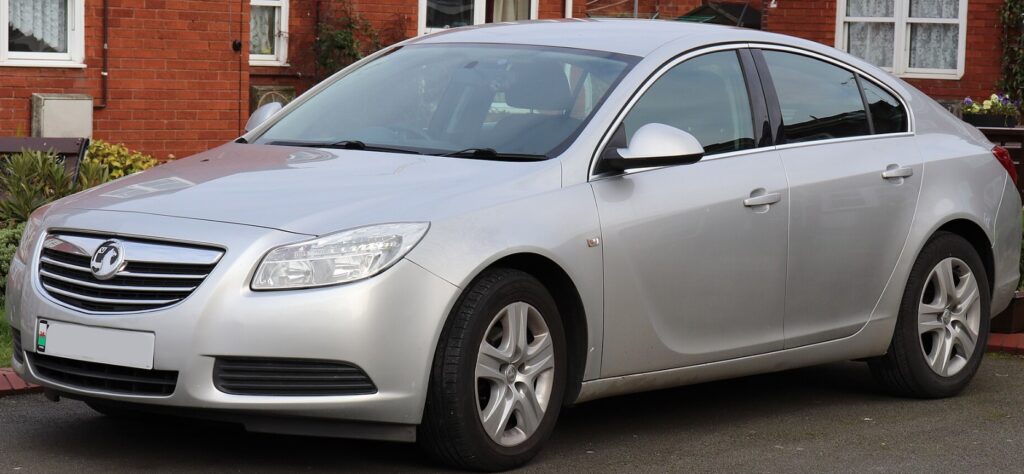
A horn might seem like one of the simplest parts of your Vauxhall Insignia, but it's actually an essential safety feature. Whether you're warning another driver, alerting a pedestrian, or passing a vehicle safely, a working horn can prevent accidents in seconds.
So what happens when you press the horn button and...nothing?
If your Vauxhall Insignia horn isn't working, don't panic. The problem could be something as simple as a blown fuse or as complex as a faulty clock spring inside the steering wheel. The good news is that most horn issues are straightforward to diagnose once you understand how the system works.
In this guide, we'll walk through the most common causes, explain how to test each component, and help you decide whether the repair is something you can handle yourself.
Content in this publication
- How the Vauxhall Insignia Horn System Works
- Why Is My Vauxhall Insignia Horn Not Working?
- How to Diagnose a Vauxhall Insignia Horn Problem
- Horn Works Intermittently
- Steering Wheel Buttons Not Working Too?
- Horn Sounds Weak
- DIY Repairs vs Professional Repairs
- How Much Does It Cost to Fix a Vauxhall Insignia Horn?
- Preventing Future Horn Problems
- Conclusion
- Frequently Asked Questions
How the Vauxhall Insignia Horn System Works
Think of your horn system like a chain. Every link has to work perfectly before the horn can make any sound.
When you press the horn pad on the steering wheel, an electrical signal travels through the clock spring, activates the horn relay, and sends power to the horn itself. The horn then uses electricity to vibrate an internal diaphragm, producing the familiar loud blast.
If any link in that chain breaks, the horn stops working.
Main Components of the Horn Circuit
The horn system includes:
- Horn switch in the steering wheel
- Clock spring
- Horn fuse
- Horn relay
- Wiring harness
- Horn unit
- Vehicle battery
A failure in any one of these components can silence the horn.
Common Signs of Horn Failure
Your Vauxhall Insignia may display symptoms such as:
- No sound at all
- Weak horn sound
- Horn only works occasionally
- Horn sounds continuously
- Steering wheel buttons stop working alongside the horn
Each symptom points toward a different potential fault.
Why Is My Vauxhall Insignia Horn Not Working?
Let's examine the most common causes.
Blown Fuse
The horn fuse protects the electrical circuit from overload.
If the fuse blows, electricity never reaches the horn.
A blown fuse is often caused by:
- Electrical short circuits
- Water intrusion
- A worn horn unit
- Damaged wiring
Fortunately, replacing a fuse is inexpensive and takes only a few minutes.
Faulty Horn Relay
The relay acts like an electrical switch.
Instead of the steering wheel carrying high current directly, the relay allows a low-current signal to activate the horn safely.
A defective relay may cause:
- Complete horn failure
- Intermittent operation
- Clicking noises without sound
Relays are relatively inexpensive and often easy to replace.
Damaged Horn Unit
Sometimes the horn itself simply wears out.
Years of exposure to:
- Rain
- Road salt
- Dirt
- Heat
- Vibration
can corrode the internal diaphragm or electrical contacts.
If power reaches the horn but it refuses to sound, the horn assembly is probably faulty.
Broken Steering Wheel Clock Spring
The clock spring is one of the most common reasons for horn failure.
You may be interested in reading Vauxhall Insignia Parking Sensors Not Working: Causes, Fixes, and Prevention Guide
Located behind the steering wheel, it allows electrical connections to remain intact while the wheel turns.
When it fails, you may notice:
- Horn not working
- Airbag warning light
- Cruise control problems
- Steering wheel buttons failing
If several steering wheel functions stop working simultaneously, the clock spring becomes the prime suspect.
Wiring Problems
Electrical wiring can suffer damage over time.
Common issues include:
- Broken wires
- Corrosion
- Loose connectors
- Water damage
- Rodent damage
Even one damaged wire can interrupt the horn circuit.
Weak or Failing Battery
Although less common, a weak battery can reduce voltage throughout the vehicle.
Symptoms may include:
- Dim headlights
- Slow engine cranking
- Weak horn
- Electrical glitches
Always verify battery condition before replacing expensive components.
How to Diagnose a Vauxhall Insignia Horn Problem
Diagnosing the issue methodically saves both time and money.
Step 1: Check the Fuse
Locate the fuse box using your owner's manual.
Remove the horn fuse and inspect it.
If the metal strip inside is broken, replace it with another fuse of exactly the same amperage.
Never install a higher-rated fuse.
Step 2: Inspect the Relay
Swap the horn relay with another identical relay from a non-essential circuit if available.
If the horn suddenly works, you've found the problem.
Step 3: Test the Horn
Disconnect the horn connector.
Using jumper wires, connect the horn directly to the battery.
If it sounds loudly, the horn is fine.
If it remains silent, replace the horn.
Step 4: Inspect the Wiring
Carefully inspect:
- Connectors
- Ground points
- Wire insulation
- Corrosion
- Loose terminals
A multimeter makes diagnosing electrical continuity much easier.
Horn Works Intermittently
An intermittent horn can be especially frustrating.
Possible causes include:
- Loose electrical connectors
- Failing relay
- Worn clock spring
- Corroded wiring
- Moisture inside the horn
Because intermittent faults come and go, patience is often required during diagnosis.
You may be interested in readingVauxhall Insignia Parking Sensors Not Working: Causes, Fixes, and Prevention GuideYou may be interested in reading
Vauxhall Insignia Infotainment System Not Working: Causes, Fixes, and PreventionIf your radio controls, cruise control, and horn all fail together, don't overlook the clock spring.
This component constantly flexes every time you turn the steering wheel.
Eventually, the internal ribbon cable breaks.
Clock Spring Failure Explained
Imagine bending a paperclip repeatedly.
Sooner or later, it snaps.
A clock spring experiences the same repeated movement thousands of times during the vehicle's life.
When it fails, multiple steering wheel functions disappear simultaneously.
Horn Sounds Weak
Sometimes the horn still works—but barely.
Common causes include:
- Low battery voltage
- Corroded terminals
- Rust inside the horn
- Poor ground connection
Cleaning electrical connections may restore full performance without replacing any parts.
DIY Repairs vs Professional Repairs
Some horn repairs are beginner-friendly.
Suitable DIY jobs include:
- Replacing a fuse
- Swapping a relay
- Cleaning connectors
- Replacing the horn unit
However, clock spring replacement requires extra caution because the steering wheel airbag must be removed.
If you're unfamiliar with airbag systems, it's safer to let a qualified technician perform this repair.
How Much Does It Cost to Fix a Vauxhall Insignia Horn?
Typical repair costs include:
| Repair | Estimated Cost |
| Fuse replacement | £2–£10 |
| Relay replacement | £15–£40 |
| New horn | £30–£90 |
| Wiring repair | £50–£200 |
| Clock spring replacement | £180–£450 |
Labour costs vary depending on your location and the garage you choose.
Preventing Future Horn Problems
Preventative maintenance can significantly extend the life of your horn system.
Helpful tips include:
- Avoid pressure washing directly around electrical connectors.
- Keep the battery in good condition.
- Repair damaged wiring promptly.
- Inspect connectors for corrosion annually.
- Replace worn fuses only with the correct rating.
Small maintenance habits today can prevent expensive repairs tomorrow.
Conclusion
A Vauxhall Insignia horn that stops working isn't just an inconvenience—it's a safety issue that deserves immediate attention. Fortunately, most horn problems stem from a handful of common faults, including blown fuses, faulty relays, damaged horn units, broken wiring, or a failed clock spring.
By following a logical troubleshooting process, you can often identify the issue without replacing unnecessary parts. Start with the simplest checks, such as the fuse and relay, before moving on to wiring and steering wheel components. In many cases, the repair is inexpensive and can be completed in less than an hour. If the fault involves the airbag system or steering wheel electronics, however, seeking professional assistance is the safest option.
Frequently Asked Questions
1. Why does my Vauxhall Insignia horn suddenly stop working?
The most common reasons are a blown fuse, faulty relay, defective horn, damaged wiring, or a failed clock spring.
2. Can I drive my Vauxhall Insignia with a broken horn?
While the vehicle may still be drivable, a non-functioning horn is a safety concern and may also result in failing a roadworthiness inspection, depending on local regulations.
3. How do I know if the horn relay is bad?
A faulty relay may click without activating the horn, cause intermittent operation, or prevent the horn from working entirely. Swapping it with an identical relay is a simple diagnostic test.
4. Does a faulty clock spring affect anything besides the horn?
Yes. It can also cause steering wheel controls, cruise control, and even the airbag warning light to malfunction.
You may be interested in readingVauxhall Insignia Parking Sensors Not Working: Causes, Fixes, and Prevention GuideYou may be interested in reading
Vauxhall Insignia Infotainment System Not Working: Causes, Fixes, and PreventionYou may be interested in reading
Vauxhall Insignia Not Starting: Complete Guide to Diagnosing and Fixing the Problem5. How long does it take to repair a Vauxhall Insignia horn?
Simple repairs such as replacing a fuse or relay can take less than 15 minutes, while clock spring replacement typically takes one to two hours depending on experience and vehicle model.
If you want to know other articles similar to Vauxhall Insignia Horn Not Working: Causes, Fixes, and Troubleshooting Guide you can visit the category Common Problems.
Ford Edge Transmission Issues: Problems, Symptoms, Causes, and Fixes
Ford Edge Issues: Common Problems, Warning Signs, and What Owners Should Know

Audi A4 Issues: Common Problems, Symptoms, and What Owners Should Know
Audi A4 Glow Plug Light Flashing: Causes, Diagnosis, and Fixes
Audi A4 1.4 TFSI Problems: Reliability, Symptoms, and Fixes

Ram 1500 Smells Like Coolant: Causes, Diagnosis, and Fixes
Leave a Reply
More content of your interest