

Vauxhall Insignia Not Starting: Complete Guide to Diagnosing and Fixing the Problem

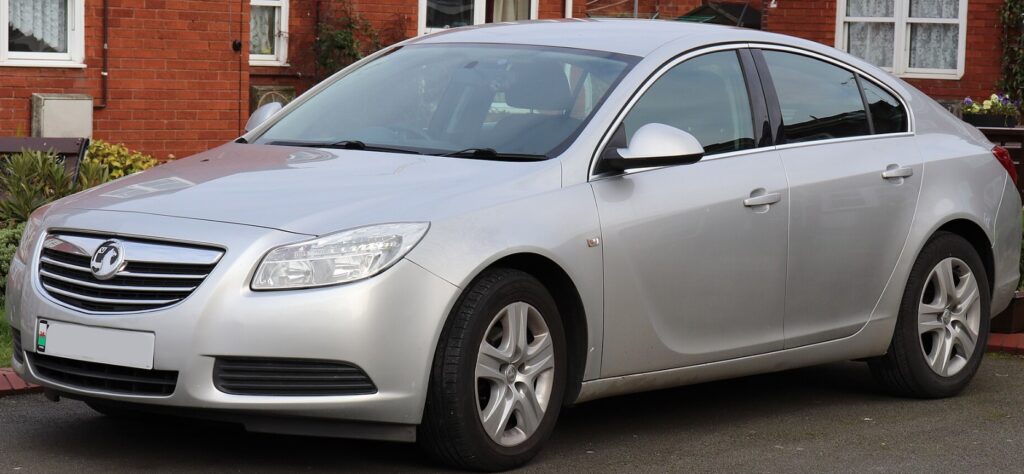
Few situations are more frustrating than climbing into your Vauxhall Insignia, pressing the start button or turning the key, and getting absolutely nothing in return. Whether the engine refuses to crank, cranks but won't fire, or starts briefly before stalling, the issue can leave us wondering where to begin.
The good news is that a Vauxhall Insignia not starting is often caused by a handful of common faults. Some are inexpensive and easy to fix at home, while others require professional diagnosis. Understanding the symptoms is the first step toward identifying the real culprit instead of replacing parts unnecessarily.
In this guide, we'll walk through the most common reasons why a Vauxhall Insignia won't start, explain how to diagnose each issue, and share practical solutions that can help get the car back on the road.
Content in this publication
- Understanding How the Starting System Works
- Different Starting Symptoms Mean Different Problems
- Battery Problems Are the Most Common Cause
- Loose or Corroded Battery Connections
- Starter Motor Failure
- Faulty Alternator Can Lead to Starting Problems
- Fuel Delivery Problems
- Crankshaft Position Sensor Failure
- Camshaft Sensor Problems
- Immobiliser Issues
- Spark Plug and Ignition Coil Problems
Understanding How the Starting System Works
Before jumping into troubleshooting, it's worth understanding what happens when we start the engine.
Several systems must work together perfectly:
- The battery supplies electrical power.
- The starter motor turns the engine.
- The ECU manages ignition and fuel delivery.
- The fuel pump sends fuel to the engine.
- The immobiliser verifies the key.
- The crankshaft sensor tells the ECU when to inject fuel and create spark.
If any one of these components fails, the engine may refuse to start.
Think of it like an orchestra. Every musician must play at exactly the right moment. If even one instrument is missing, the performance falls apart.
Different Starting Symptoms Mean Different Problems
Not every no-start condition has the same cause. Identifying exactly what the car does when we try to start it dramatically narrows the diagnosis.
No Crank at All
If nothing happens when turning the key or pressing the start button, common causes include:
- Flat battery
- Faulty starter motor
- Bad battery terminals
- Failed ignition switch
- Blown fuse
- Starter relay failure
- Immobiliser issue
The dashboard lights may still illuminate, but the engine doesn't even attempt to turn over.
Engine Cranks But Doesn't Start
When the starter spins the engine normally but combustion never begins, we're usually looking at:
- No fuel pressure
- Failed crankshaft sensor
- Ignition system fault
- Fuel injector problem
- Timing issue
- ECU fault
In this situation, the battery and starter are usually working correctly.
Starts Then Immediately Stalls
Sometimes the engine fires for a second before shutting down.
Possible causes include:
- Immobiliser malfunction
- Fuel pressure loss
- Air intake problem
- Sensor failure
- ECU communication issues
The exact symptom often points us directly toward the correct repair.
Battery Problems Are the Most Common Cause
If there is one component responsible for more starting problems than any other, it's the battery.
Modern Vauxhall Insignias rely heavily on electronics. Even a battery that seems "almost good" may no longer provide enough voltage to start the engine.
Common battery symptoms include:
- Slow cranking
- Clicking noise
- Flickering dashboard lights
- Multiple warning lights
- Clock resetting itself
A healthy battery should measure approximately:
- 12.6 volts with the engine off
- Around 14 volts while charging
Anything significantly below these figures deserves further testing.
Cold weather can make a weak battery fail almost overnight because chemical reactions inside the battery slow dramatically as temperatures fall.
Loose or Corroded Battery Connections
Sometimes the battery itself is perfectly healthy.
Instead, corrosion builds around the battery terminals, increasing electrical resistance.
Even a thin layer of corrosion can prevent enough current from reaching the starter motor.
Signs include:
- White powder around terminals
- Green corrosion
- Intermittent starting
- Clicking noises
Cleaning the terminals with a battery terminal brush often restores proper electrical contact.
Always disconnect the negative terminal first before cleaning.
Starter Motor Failure
The starter motor has one job: rotate the engine until combustion begins.
Over time, brushes wear out, solenoids stick, and internal windings fail.
Typical symptoms include:
- Single loud click
- Rapid clicking
- Grinding noises
- No engine rotation
Sometimes tapping the starter lightly with a rubber mallet temporarily frees a sticking solenoid, allowing one final start before replacement becomes necessary.
This isn't a permanent repair—but it can help confirm the diagnosis.
Faulty Alternator Can Lead to Starting Problems
Although the alternator doesn't actually start the engine, it keeps the battery charged.
If the alternator fails, the battery slowly discharges while driving.
Eventually:
- Battery warning light appears.
- Electrical accessories weaken.
- Headlights dim.
- Engine struggles to crank.
Many owners replace the battery only to discover the new battery also goes flat because the real problem was the alternator.
Testing charging voltage while the engine runs quickly confirms whether the alternator is working correctly.
Fuel Delivery Problems
Every engine needs the right mixture of fuel and air.
If fuel never reaches the combustion chamber, the engine can crank forever without starting.
Common fuel system faults include:
Failed Fuel Pump
The electric fuel pump normally primes for several seconds after turning on the ignition.
Listen carefully near the rear seats.
No humming sound may indicate:
- Failed fuel pump
- Blown fuse
- Relay failure
- Wiring fault
Blocked Fuel Filter
A clogged filter restricts fuel flow.
Symptoms often develop gradually:
- Hard starting
- Hesitation
- Poor acceleration
- Stalling
Replacing the fuel filter at recommended intervals prevents many of these issues.
Crankshaft Position Sensor Failure
One surprisingly common cause of a Vauxhall Insignia not starting is a faulty crankshaft position sensor.
Without this sensor, the ECU doesn't know:
- Engine speed
- Crankshaft position
- When to inject fuel
- When to fire the spark plugs
The result?
The engine cranks normally but never starts.
Interestingly, many crankshaft sensors fail only when hot.
The car may restart perfectly after cooling down, making diagnosis particularly confusing.
Camshaft Sensor Problems
The camshaft sensor works alongside the crankshaft sensor.
If either sensor sends incorrect data, the ECU may refuse to inject fuel correctly.
Symptoms often include:
- Long cranking
- Rough starting
- Engine warning light
- Poor fuel economy
- Random stalling
Scanning for diagnostic trouble codes usually confirms sensor-related faults.
Immobiliser Issues
Modern Insignias include an anti-theft immobiliser system.
If the key cannot be authenticated, the engine may crank briefly—or refuse to start entirely.
Possible causes include:
- Damaged key transponder
- Flat key fob battery
- Immobiliser antenna fault
- BCM communication problems
Trying the spare key is often the quickest way to rule out a faulty transponder.
If the spare key starts the car immediately, the original key likely needs repair or replacement.
Spark Plug and Ignition Coil Problems
Petrol-powered Vauxhall Insignias rely on a strong spark to ignite the air-fuel mixture.
Worn spark plugs or failing ignition coils can prevent combustion, especially during cold starts.
Common warning signs include:
- Engine misfires before failure
- Rough idle
- Poor fuel economy
- Reduced performance
- Difficulty starting in damp weather
Replacing spark plugs according to the manufacturer's service schedule helps maintain reliable starting performance.
If you want to know other articles similar to Vauxhall Insignia Not Starting: Complete Guide to Diagnosing and Fixing the Problem you can visit the category Common Problems.
Toyota Corolla Cross Issues: Common Problems and Fixes

MG HS Problems: Common Faults, Reliability and Years to Avoid (2019–2026)
Toyota Yaris Cross Battery Problems: Causes & Fixes

Volvo XC40 Sound Not Working? Complete Troubleshooting Guide

Mazda Diesel Engine Problems: Common Faults and Fixes
Volkswagen Key Not Detected or No Key Error: Causes and Fixes
Leave a Reply
More content of your interest