
Vauxhall Meriva Gear Change Problems: Causes, Symptoms, and Practical Fixes

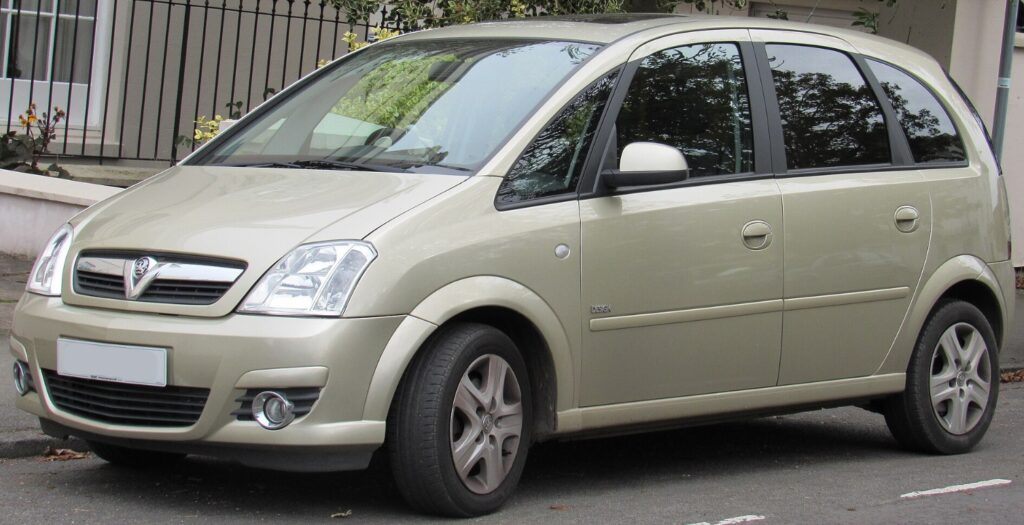
Vauxhall Meriva gear change problems can turn an otherwise practical family car into something that feels awkward, unpredictable, and expensive. One moment, the gearbox works normally. The next, the lever refuses to enter first gear, reverse crunches, the clutch pedal feels strange, or the transmission seems determined to fight every movement of your hand.
That can be frustrating, especially when the fault appears during busy traffic or just before an important journey. However, a difficult gear change does not automatically mean the entire gearbox has failed. The real cause may be something relatively simple, such as worn linkage components, old transmission oil, a hydraulic clutch fault, or a poorly adjusted selector cable.
The Meriva was sold with several engines, manual transmissions, automated manual systems, and conventional automatic gearboxes. As a result, the symptoms and likely repairs can differ considerably between models. A stiff manual gear lever requires a different investigation from an Easytronic transmission that refuses to select drive.
In this guide, we will explore the most common Vauxhall Meriva gear change problems, what the symptoms may mean, how to narrow down the cause, and when it is safer to stop driving. We will also look at likely repair options, prevention tips, and the questions owners frequently ask.
Content in this publication
- Common Symptoms of Vauxhall Meriva Gear Change Problems
- Why the Vauxhall Meriva Can Develop Gear Selection Faults
- Difficulty Selecting First Gear
- Vauxhall Meriva Reverse Gear Problems
- Stiff or Notchy Gear Lever
- Clutch Drag and Incomplete Disengagement
- Clutch Pedal Feels Heavy
- Clutch Pedal Feels Soft or Spongy
- Worn Synchromesh Inside the Gearbox
- Low, Old, or Incorrect Gearbox Oil
- Engine and Gearbox Mount Problems
- Gear Slipping Out While Driving
- Grinding During Gear Changes
- Vauxhall Meriva Easytronic Gear Change Problems
- Conventional Automatic Gear Change Problems
- Gear Change Problems When the Engine Is Cold
- Gear Change Problems After the Car Warms Up
- Gear Change Problems After Clutch Replacement
- How to Diagnose the Problem at Home
- Mistakes to Avoid
- How Much Can Repairs Cost?
- Can You Keep Driving With Gear Change Problems?
- How to Prevent Future Gear Change Problems
- Is a Gearbox Replacement Always Necessary?
- Choosing the Right Workshop
- Final Thoughts on Vauxhall Meriva Gear Change Problems
- Frequently Asked Questions
Common Symptoms of Vauxhall Meriva Gear Change Problems
Gearbox faults rarely introduce themselves politely. They usually arrive through small changes in how the car feels. Perhaps the lever becomes slightly heavier in the morning, reverse needs two attempts, or the clutch bite point moves higher than usual.
Those early clues matter. A gearbox problem is often like a loose thread on a jumper: ignore it for long enough, and the situation can unravel.
Common symptoms include:
- Difficulty selecting first gear
- Reverse gear grinding or refusing to engage
- A stiff or notchy gear lever
- Gears slipping out while driving
- Crunching during upward or downward shifts
- Delayed engagement after selecting a gear
- A clutch pedal that feels soft, heavy, or inconsistent
- Gear changes becoming harder when the engine is warm
- The vehicle moving even when the clutch pedal is fully depressed
- An Easytronic warning symbol appearing
- The display flashing “F”
- The car remaining stuck in neutral
- Shuddering when pulling away
- Whining, humming, or rattling from the transmission
- A burning smell after repeated gear changes
Some symptoms point toward the gearbox itself, while others originate in the clutch, hydraulics, cables, mounts, or electronic control system. Proper diagnosis means looking at the full picture rather than blaming the most expensive component first.
Why the Vauxhall Meriva Can Develop Gear Selection Faults
The Meriva is designed as a compact, versatile family vehicle. Many examples have spent years navigating urban traffic, short journeys, school runs, parking manoeuvres, and repeated stop-start driving.
That operating pattern places significant stress on the clutch and gear-selection system. Frequent low-speed shifts wear clutch components, selector cables, bushings, and transmission mounts more quickly than relaxed motorway driving.
Age also plays a major role. Rubber components deteriorate, cables stretch, hydraulic seals weaken, and gearbox oil gradually loses its protective qualities. A problem that feels sudden may actually be the final stage of a slow deterioration.
Manual and Automatic Merivas Behave Differently
Before diagnosing the fault, we need to identify which transmission the car uses.
A conventional manual Meriva has a clutch pedal and a gear lever operated directly by the driver. An Easytronic model is technically based on a manual gearbox but uses electronic actuators to operate the clutch and select gears. Some later Meriva versions were available with more conventional automatic transmissions.
This distinction matters because the phrase “gear change problem” can describe three very different situations:
- A physical selection fault in a manual gearbox
- An actuator or calibration issue in an Easytronic system
- A hydraulic, electronic, or internal fault in an automatic transmission
Difficulty Selecting First Gear
First gear is one of the most commonly reported trouble areas. The driver stops at a junction, presses the clutch, and discovers that the lever will not move smoothly into first. It may feel blocked, resistant, or only engage after selecting another gear first.
Possible Causes of First-Gear Resistance
Likely causes include:
- Clutch drag
- Worn selector linkage
- Stretched or misadjusted gear cables
- Low or unsuitable gearbox oil
- Worn first-gear synchromesh
- Damaged engine or gearbox mounts
- Internal selector-fork wear
A simple test can offer a useful clue. With the engine switched off, try moving the lever through all gears. If first gear selects easily with the engine off but becomes difficult when the engine is running, the clutch may not be disengaging completely.
That does not prove the clutch itself is worn. The issue could still involve the hydraulic system, clutch cable on applicable versions, release mechanism, or air in the system.
Why Selecting Second Gear First Sometimes Helps
Some drivers find that moving the lever briefly into second gear before selecting first allows it to engage more easily. This can help align internal gearbox components.
While this technique may get the car moving, it is not a repair. Think of it as nudging a sticky door rather than fixing the hinge. If the behaviour becomes frequent, the transmission and clutch system need inspection.
Vauxhall Meriva Reverse Gear Problems
Reverse gear commonly reveals clutch and selector issues because many manual transmissions do not use the same synchronising arrangement for reverse as they do for forward gears.
A slight pause before selecting reverse may be normal. Persistent crunching, resistance, or repeated failure to engage is not.
Why Reverse Gear Crunches
Reverse may grind when the gearbox input shaft continues rotating even though the clutch pedal is pressed. This is commonly caused by clutch drag.
Potential reasons include:
- The clutch is not releasing fully
- Air is trapped in the hydraulic system
- The clutch master cylinder is failing
- The slave cylinder is leaking or sticking
- The pressure plate is damaged
- The clutch disc is warped
- The driver selects reverse too quickly after pressing the pedal
Try pressing the clutch fully and waiting two or three seconds before selecting reverse. If this significantly reduces the grinding, residual shaft movement may be involved.
However, repeated crunching should not be accepted as normal. Every grind is a small mechanical protest, and repeated force can damage gear teeth and selector components.
A Useful Reverse-Gear Check
With the vehicle stationary and the handbrake applied:
- Press the clutch pedal fully.
- Select first gear.
- Return to neutral.
- Wait briefly.
- Select reverse.
If reverse engages more smoothly after first gear, the gearbox shafts may be slowing through the synchronised forward gear. Again, this is only a diagnostic clue, not a permanent cure.
Stiff or Notchy Gear Lever
A stiff gear lever does not always indicate internal gearbox failure. External components often cause the problem, particularly when the lever feels tight across several gears.
The gear lever connects to the transmission through cables, rods, joints, and bushings. Wear, corrosion, poor lubrication, or incorrect adjustment can make the entire system feel like a spoon moving through cold treacle.
Gear Selector Cable Problems
Selector cables can stretch, fray, seize, or fall out of adjustment. When this happens, the lever may struggle to locate particular gears even though the gearbox internals remain serviceable.
Typical signs include:
- Side-to-side lever movement feels restricted
- First, second, fifth, or reverse becomes difficult to find
- The lever position does not match the selected gear
- Gear selection changes when the engine moves under load
- The problem appeared after clutch or gearbox work
Cable adjustment should be performed correctly rather than guessed. A small positioning error can make several gears difficult to engage.
Worn Gear-Linkage Bushes
Plastic or rubber bushes reduce vibration and allow controlled movement. As they wear, the gear lever may become loose, vague, or imprecise.
The driver may feel as if they are searching for gears in a bowl of soup. The lever moves, but the route into each gear becomes less defined.
Replacing worn bushes can dramatically improve shift quality without opening the gearbox.
Clutch Drag and Incomplete Disengagement
Clutch drag occurs when the clutch does not fully separate the engine from the gearbox after the pedal is pressed. The gearbox input shaft continues turning, making gears difficult to engage.
This is one of the most important causes of Vauxhall Meriva gear change problems.
Signs of Clutch Drag
Watch for the following symptoms:
- First and reverse are difficult to select
- The car creeps forward with the clutch fully depressed
- Reverse crunches regularly
- Gear changes are easier with the engine off
- The clutch bite point changes from one journey to another
- The vehicle shudders when pulling away
- The pedal feels spongy or fails to return properly
Clutch drag should not be confused with clutch slip. Drag makes disengagement difficult, while slip means the clutch cannot hold engine power effectively.
Hydraulic Clutch Faults
Many Meriva versions use a hydraulic clutch system. The master cylinder converts pedal movement into hydraulic pressure, while the slave cylinder uses that pressure to operate the release mechanism.
A leak, weak seal, or trapped air can reduce clutch travel.
Look for:
- Low clutch or brake-fluid level
- Fluid near the pedal area
- Dampness around the gearbox housing
- A soft clutch pedal
- A pedal that sinks slowly
- Temporary improvement after pumping the pedal
If pumping the clutch pedal improves gear selection, a hydraulic fault becomes more likely. However, the system still needs proper diagnosis because internal clutch wear can produce similar symptoms.
Clutch Pedal Feels Heavy
A heavy clutch pedal may point to resistance within the clutch mechanism, release bearing, pressure plate, cable system, or pedal assembly.
Some clutch pedals become gradually heavier, so the driver adjusts without noticing. Only after driving another car does the Meriva pedal suddenly feel like a gym machine.
A heavy pedal combined with poor gear selection may indicate that the clutch assembly is approaching the end of its life. Continuing to force it can place additional strain on the release mechanism and hydraulic components.
Clutch Pedal Feels Soft or Spongy
A soft pedal usually suggests a hydraulic issue, particularly if the bite point changes or the pedal does not return consistently.
You may be interested in reading Toyota Corolla AE86 Engine Swap – The Ultimate Guide
Possible causes include:
- Air in the clutch hydraulic circuit
- Low fluid level
- Failing master cylinder
- Leaking slave cylinder
- Damaged hydraulic hose
- Internal seal bypass
Bleeding the system may help if air is present, but air often enters for a reason. Simply bleeding it without finding the leak may provide only temporary relief.
Worn Synchromesh Inside the Gearbox
Synchromesh components help match the rotational speeds of gears during selection. When they wear, the gearbox may crunch during particular shifts.
For example, a Meriva that crunches mainly when changing into second gear may have worn second-gear synchromesh. If every gear is difficult, the problem is more likely to involve the clutch, oil, linkage, or a broader internal fault.
Symptoms of Synchromesh Wear
Typical signs include:
- Crunching into one specific gear
- The gear engages more smoothly when shifting slowly
- Double-clutching reduces the problem
- Downshifts are worse than upshifts
- Gear selection is easier when the transmission is cold or warm
- No major change occurs after clutch bleeding or linkage adjustment
Synchromesh repairs normally require gearbox removal and dismantling. Before committing to that expense, a technician should rule out external faults.
Can Double-Clutching Help?
Double-clutching can temporarily reduce crunching by manually helping the gearbox match rotational speeds. It may make an ageing gearbox easier to drive, but it does not restore worn components.
Using the technique for a short trip to a repairer may be reasonable. Treating it as a permanent repair is risky because the underlying wear usually continues.
Low, Old, or Incorrect Gearbox Oil
Gearbox oil lubricates bearings, gears, shafts, and synchronisers. When the level is low or the oil has deteriorated, gear changes may become stiff, noisy, or inconsistent.
Leaks can occur around driveshaft seals, selector-shaft seals, drain plugs, or casing joints.
Signs of a Gearbox Oil Problem
Possible symptoms include:
- Gear changes are stiff when cold
- The gearbox whines at certain speeds
- Oil appears beneath the vehicle
- The transmission casing looks wet
- Shifts feel rougher than before
- Bearing noise changes when accelerating or coasting
- The problem worsened after transmission work
Using the correct oil specification is essential. Gearbox oil is not a universal liquid. An incorrect viscosity or additive package can affect synchroniser performance and shift quality.
Adding random oil because the bottle says “gear oil” is like pouring any available medicine into a glass and hoping it treats the right illness.
Can Fresh Gearbox Oil Improve Shifting?
Yes, fresh oil can improve shift quality when the existing oil is old, contaminated, low, or unsuitable. However, it cannot rebuild worn bearings or damaged synchronisers.
If a gearbox suddenly becomes difficult to use, the cause should be investigated before assuming an oil change will solve everything.
Engine and Gearbox Mount Problems
The engine and gearbox are supported by mounts designed to control movement and absorb vibration. When a mount tears, collapses, or softens, the drivetrain may move excessively during acceleration and gear changes.
This movement can disturb selector-cable alignment and make the gear lever jump or resist engagement.
Symptoms of Worn Mounts
Common signs include:
- A clunk when accelerating or lifting off
- Excessive engine movement
- Gear lever movement under throttle
- Vibration at idle
- Difficulty selecting gears during hard acceleration
- Knocking during take-off
- Jerking when changing direction
Mount inspection is particularly important when gear-selection problems change depending on engine load.
Gear Slipping Out While Driving
A gear that jumps back into neutral is a serious symptom. It can result from external linkage problems, but internal wear is also possible.
Potential causes include:
- Incorrect selector-cable adjustment
- Worn selector forks
- Damaged gear engagement teeth
- Weak detent springs
- Excessive shaft movement
- Worn gearbox bearings
- Damaged engine or gearbox mounts
Do not hold the gear lever forcibly in position while driving. That may load the selector mechanism and worsen the damage.
If the vehicle regularly jumps out of gear, arrange an inspection promptly.
Grinding During Gear Changes
Grinding is the sound of components failing to engage at compatible speeds. The cause may be poor clutch disengagement, worn synchronisers, incorrect shifting technique, or internal gearbox damage.
The pattern is useful:
- Grinding in every gear often suggests clutch drag.
- Grinding mainly in one gear suggests local synchroniser wear.
- Grinding only in reverse often points toward incomplete clutch disengagement.
- Grinding after recent repairs may indicate poor adjustment or incorrect installation.
- Grinding accompanied by whining may suggest broader gearbox wear.
Repeatedly forcing the lever is one of the fastest ways to turn a manageable problem into a major repair.
Vauxhall Meriva Easytronic Gear Change Problems
The Easytronic system creates a unique category of gear-change faults. It uses a manual gearbox with automated clutch and selection actuators. There is no conventional clutch pedal, but the car still relies on a clutch mechanism.
This design can deliver good fuel economy, but faults may feel confusing because the problem can involve mechanical parts, electronics, calibration, or software.
Common Easytronic Symptoms
Owners may experience:
- The transmission remains in neutral
- The display shows or flashes “F”
- The car refuses to select first or reverse
- Gear changes become slow or harsh
- The vehicle shudders when pulling away
- The clutch overheats in traffic
- The gearbox warning light appears
- The transmission works again after restarting
- Engagement becomes unreliable when hot
Easytronic Clutch Actuator Problems
The clutch actuator operates the clutch automatically. Wear, motor faults, sensor errors, or calibration problems can prevent correct clutch movement.
Symptoms may resemble a worn clutch because the system cannot position it accurately.
A diagnostic scan capable of communicating with the transmission control system is essential. A basic code reader may only access engine faults and miss the most useful transmission data.
Easytronic Gear Selector Actuator Faults
The gear selector actuator physically moves the transmission into different gears. If it sticks or loses position information, the car may remain in neutral or select gears unpredictably.
The system needs to know exactly where each gear sits. When its reference points are lost, it can behave like someone trying to find a light switch in a dark room.
Why Easytronic Calibration Matters
After certain repairs, the system may require clutch adaptation, bite-point learning, actuator calibration, or gearbox programming.
Replacing a clutch without completing the correct learning procedure can leave the car shifting poorly even though the mechanical work was performed correctly.
This is why Easytronic repairs should be handled by a workshop with suitable diagnostic equipment and experience.
Conventional Automatic Gear Change Problems
Some Meriva models use a more traditional automatic transmission. These can develop delayed engagement, harsh shifts, slipping, or refusal to select drive.
Possible causes include:
- Low transmission fluid
- Deteriorated fluid
- Solenoid faults
- Valve-body problems
- Electrical connector issues
- Transmission control faults
- Internal clutch-pack wear
- Torque-converter problems
- Sensor failure
Delayed Drive or Reverse Engagement
A delay after selecting drive or reverse may indicate low hydraulic pressure, fluid problems, valve-body wear, or internal seal deterioration.
A brief, consistent pause may be characteristic of the transmission. A delay that is worsening, accompanied by a thump, or combined with slipping needs professional diagnosis.
Harsh Automatic Gear Changes
Harsh shifts can result from electrical faults as well as mechanical damage. The control module relies on information from speed, throttle, temperature, and pressure sensors.
When a sensor sends implausible data, the transmission may enter a protective mode and apply excessive pressure, causing abrupt shifts.
Gear Change Problems When the Engine Is Cold
A gearbox that feels stiff only during the first few minutes may be affected by oil viscosity, linkage stiffness, clutch drag, or early synchroniser wear.
Cold oil is naturally thicker. However, extreme resistance, grinding, or refusal to engage is not something we should dismiss as normal winter behaviour.
Check whether:
- The correct gearbox oil is installed
- The oil level is correct
- The clutch releases fully
- The linkage moves freely
- The problem disappears completely when warm
- One gear is affected more than the others
If only second gear resists when cold, synchroniser wear may be developing. If all gears are difficult, clutch or linkage issues deserve closer attention.
Gear Change Problems After the Car Warms Up
Some faults become worse once the vehicle reaches operating temperature. Hydraulic seals may leak internally when warm, clutch components can expand, and electronic actuators may fail under heat.
You may be interested in readingToyota Corolla AE86 Engine Swap – The Ultimate GuideYou may be interested in reading
 Does the Toyota Camry Have CVT Transmission?
Potential causes include:
- Failing clutch hydraulics
- A slave cylinder that sticks when hot
- Worn clutch components
- Low or unsuitable transmission oil
- Easytronic actuator overheating
- Electrical resistance increasing with temperature
- Internal gearbox bearing wear
A repairer should ideally test-drive the vehicle long enough for the fault to appear. Diagnosing it cold in the workshop may produce a misleading “no fault found” result.
Gear Change Problems After Clutch Replacement
A new clutch should improve gear selection, but problems can remain or appear if the repair was incomplete or incorrectly adjusted.
Possible causes include:
- Air trapped in the hydraulic system
- Incorrect clutch installation
- Misaligned selector cables
- Damaged release mechanism
- Incorrect parts
- Flywheel problems
- Missing Easytronic adaptation
- Disturbed engine or gearbox mounts
- Low gearbox oil after reassembly
If gear selection became worse immediately after clutch work, return to the repairer promptly. Do not accept major new symptoms as a normal “bedding-in” process.
How to Diagnose the Problem at Home
We can perform a few basic checks without dismantling anything. These checks will not replace a professional inspection, but they can help describe the problem accurately.
Step 1: Compare Engine On and Engine Off
With the car parked safely, move the lever through the gears with the engine off. Then start the engine, press the clutch fully, and try again.
If the gears become much harder with the engine running, clutch disengagement is a strong suspect.
Step 2: Check the Clutch Pedal
Notice whether the pedal feels:
- Heavy
- Soft
- Spongy
- Sticky
- Slow to return
- Inconsistent
- Higher or lower than usual
Pedal behaviour can reveal hydraulic or mechanical clutch problems.
Step 3: Listen Carefully
Listen for:
- Crunching during selection
- Whining while driving
- Rattling at idle
- Clunks during acceleration
- Clicking from actuators
- Grinding when the clutch is pressed
Try to identify when the noise appears rather than simply saying, “The gearbox is noisy.”
Step 4: Look for Leaks
Check beneath the car and around the engine bay for fluid. Gearbox oil may smell strong and appear thicker than engine oil. Hydraulic fluid is generally lighter.
Avoid crawling beneath an unsupported vehicle. A jack alone is not a safe support.
Step 5: Note Which Gears Are Affected
Write down whether the fault affects:
- Every gear
- First and reverse
- Only second
- Higher gears
- Changes up
- Changes down
- Cold operation
- Hot operation
- Acceleration
- Stationary selection
This information can save diagnostic time and reduce guesswork.
Mistakes to Avoid
When a gear lever refuses to cooperate, frustration can take over. Unfortunately, a few common responses can make the damage worse.
Avoid:
- Forcing the gear lever
- Resting your hand permanently on the lever
- Holding the vehicle on a hill using the clutch
- Ignoring gearbox oil leaks
- Continuing to drive when gears jump out
- Repeatedly resetting an Easytronic fault without diagnosis
- Replacing the entire gearbox before checking cables and hydraulics
- Using incorrect transmission oil
- Assuming every crunch means total gearbox failure
- Allowing an inexperienced workshop to guess at actuator calibration
A good diagnosis begins with the cheapest external possibilities and moves toward internal causes only when evidence supports them.
How Much Can Repairs Cost?
Repair costs vary considerably according to the Meriva generation, engine, gearbox type, labour rates, parts quality, and the amount of dismantling required.
Relatively minor repairs may include:
- Linkage lubrication
- Selector-bush replacement
- Cable adjustment
- Hydraulic bleeding
- Gearbox oil replacement
- Sensor or wiring repair
More expensive work may include:
- Selector-cable replacement
- Clutch master-cylinder replacement
- Slave-cylinder replacement
- Full clutch replacement
- Dual-mass flywheel replacement where fitted
- Easytronic actuator repair
- Gearbox removal and rebuild
- Replacement transmission installation
The important point is not to approve a gearbox replacement based solely on a stiff lever. Ask what tests were performed, which fault codes were found, whether the clutch releases correctly, and whether the linkage has been inspected.
Can You Keep Driving With Gear Change Problems?
It depends on the severity and cause. A slightly notchy shift that has remained stable may allow cautious driving to a repairer. A transmission that jumps out of gear, grinds heavily, leaks fluid, or refuses to engage should not be treated casually.
Stop driving and seek assistance when:
- The car cannot reliably select a gear
- The clutch pedal remains on the floor
- A major fluid leak is visible
- The gearbox makes loud grinding noises
- The transmission jumps out of gear
- The Easytronic display shows a persistent fault
- The car unexpectedly moves with the clutch pressed
- There is a strong burning smell
- Drive or reverse engages violently
- The vehicle loses propulsion in traffic
Safety matters more than completing the journey.
How to Prevent Future Gear Change Problems
No transmission lasts forever, but good habits can extend its life.
Use the Clutch Properly
Press the pedal fully during gear changes. Avoid resting your foot on it while driving, as even light pressure can keep the release mechanism partially loaded.
Do Not Rush Reverse
Pause briefly after pressing the clutch before selecting reverse. This gives internal components time to stop rotating.
Avoid Holding the Car on the Clutch
Use the brake or handbrake on hills. Holding the vehicle at the bite point creates heat and accelerates clutch wear.
Repair Leaks Early
A small oil leak may look harmless, but the gearbox has a limited oil capacity. Losing even a modest amount can reduce lubrication.
Use the Correct Fluids
Follow the correct transmission-fluid specification for the exact gearbox. Do not rely on general advice intended for a different Meriva model.
Investigate Changes Promptly
A slight stiffness, new noise, or changing pedal feel is often cheaper to investigate early. Mechanical problems rarely heal themselves.
Is a Gearbox Replacement Always Necessary?
No. Many Vauxhall Meriva gear change problems originate outside the gearbox.
Before replacing the transmission, a competent workshop should consider:
- Clutch operation
- Hydraulic pressure and leaks
- Selector cables and linkage
- Gearbox oil level and condition
- Engine and transmission mounts
- Diagnostic trouble codes
- Actuator calibration on Easytronic models
- Internal gearbox wear
A used gearbox may appear cheaper than a rebuild, but its history is often unknown. It should be matched carefully to the vehicle and ideally supplied with some form of warranty.
Choosing the Right Workshop
Manual gearbox problems can be diagnosed by many general repairers, but Easytronic faults often require specialist knowledge.
Look for a workshop that:
- Has experience with Vauxhall or Opel transmissions
- Can access gearbox and clutch control modules
- Can perform actuator calibration
- Explains fault codes rather than merely clearing them
- Checks external components before recommending a gearbox
- Provides a written estimate
- Offers a warranty on parts and labour
- Is willing to demonstrate the diagnosed fault
Be cautious when the first recommendation is an expensive replacement without a road test, inspection, or diagnostic evidence.
Final Thoughts on Vauxhall Meriva Gear Change Problems
Vauxhall Meriva gear change problems can range from a dry linkage bush to serious internal transmission wear. The symptoms may feel similar from the driver’s seat, which is why careful diagnosis matters.
If every gear becomes difficult with the engine running, look closely at the clutch and hydraulic system. If only one gear crunches, worn synchromesh becomes more likely. If the lever feels vague or misaligned, inspect the cables, bushes, and mounts. On Easytronic models, fault-code reading and correct adaptation procedures are essential.
The worst approach is to keep forcing the lever and hope the problem disappears. The best approach is to observe the pattern, note when the fault occurs, and arrange diagnosis before secondary damage develops.
A reluctant gear change is the car whispering that something is wrong. Listen while it is still whispering, because repairs usually become more expensive once it starts shouting.
Frequently Asked Questions
Why is my Vauxhall Meriva difficult to put into first gear?
Difficulty selecting first gear may be caused by clutch drag, worn selector cables, linkage problems, low gearbox oil, or worn first-gear synchromesh. If first gear selects easily with the engine switched off but not while it is running, incomplete clutch disengagement is a likely cause.
Why does my Vauxhall Meriva crunch when selecting reverse?
Reverse can crunch when the gearbox input shaft continues rotating after the clutch pedal is pressed. This may result from clutch drag, hydraulic faults, a worn clutch assembly, or selecting reverse too quickly. Waiting briefly before engaging reverse may reduce the symptom, but persistent crunching requires inspection.
What does an “F” mean on a Vauxhall Meriva Easytronic display?
An “F” generally indicates that the Easytronic transmission control system has detected a fault. Possible causes include clutch-actuator problems, gear-selector actuator faults, sensor issues, wiring problems, low battery voltage, or failed calibration. A compatible diagnostic scan is needed to identify the exact cause.
Can low gearbox oil cause difficult gear changes?
Yes. Low, contaminated, or incorrect gearbox oil can make shifts stiff, noisy, or notchy. It can also accelerate bearing and synchroniser wear. The leak causing the low level should be repaired rather than simply topping up the oil repeatedly.
Does a stiff gear lever mean the gearbox needs replacing?
Not necessarily. A stiff gear lever may be caused by worn linkage bushes, seized selector cables, incorrect adjustment, clutch drag, damaged mounts, or old gearbox oil. These external components should be inspected before condemning the entire transmission.
You may be interested in readingToyota Corolla AE86 Engine Swap – The Ultimate GuideYou may be interested in reading
Does the Toyota Camry Have CVT Transmission?You may be interested in reading
 Toyota Camry Trim Levels 2014: A Detailed Guide to Choosing the Best
If you want to know other articles similar to Vauxhall Meriva Gear Change Problems: Causes, Symptoms, and Practical Fixes you can visit the category Common Problems.
Vauxhall Meriva Gearbox Problems: Symptoms, Causes, Repairs, and Costs
Vauxhall Meriva Petrol Cap Won’t Open: Causes, Quick Fixes, and Repairs
Vauxhall Meriva Key Stuck in Ignition: Causes and Fixes
Vauxhall Meriva Heater Not Working: Causes, Checks, and Fixes
Vauxhall Meriva Door Lock Fault: Causes, Diagnosis, and Fixes
Vauxhall Meriva Not Starting: Causes, Checks, and Fixes
Leave a Reply
More content of your interest