
Dacia Jogger Clutch Problems: Symptoms, Causes, and Fixes

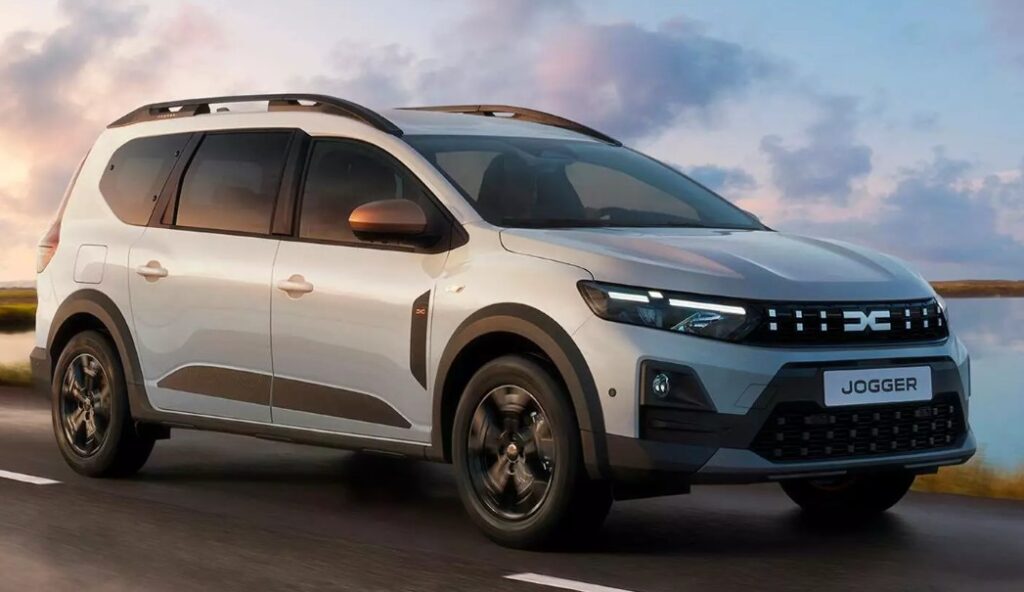
The Dacia Jogger has earned a loyal following for a simple reason: it offers acres of practicality without demanding luxury-car money. It can carry a family, swallow luggage, handle school runs, and still leave enough room in the budget for an actual holiday. Yet, like any manual car, it may eventually develop clutch-related trouble.
Dacia Jogger clutch problems can appear in several forms. Some drivers notice a high biting point. Others experience juddering, slipping, difficulty selecting gears, or a pedal that suddenly feels different. These symptoms do not automatically mean the entire clutch has failed. A hydraulic fault, worn engine mount, contaminated friction plate, gearbox issue, or even driving conditions can imitate clutch failure.
That distinction matters because replacing parts without diagnosing the real cause is like buying new shoes to cure a sprained ankle. The expense may be significant, but the original problem remains.
In this guide, we will examine the common warning signs, likely causes, diagnostic process, repair options, prevention strategies, and questions owners frequently ask. We will also clarify which versions of the Jogger actually use a conventional driver-operated clutch.
Content in this publication
- Does Every Dacia Jogger Have a Clutch?
- How the Dacia Jogger Clutch Works
- Common Dacia Jogger Clutch Problems
- What Causes Dacia Jogger Clutch Failure?
- Could the Problem Be Something Other Than the Clutch?
- Are Dacia Jogger Clutch Problems Covered by Warranty?
- Should We Check for Recalls?
- How Urgent Is a Dacia Jogger Clutch Problem?
- How Much Does Dacia Jogger Clutch Repair Cost?
- Should the Flywheel Be Replaced With the Clutch?
- Should We Replace the Slave Cylinder at the Same Time?
- Can We Drive With a Slipping Clutch?
- How to Prevent Premature Dacia Jogger Clutch Wear
- Buying a Used Dacia Jogger: Clutch Checks
- What to Tell the Mechanic
- DIY Checks We Can Perform Safely
- Common Misdiagnoses to Avoid
- Final Thoughts on Dacia Jogger Clutch Problems
- Frequently Asked Questions
Does Every Dacia Jogger Have a Clutch?
No. The answer depends on the engine and transmission installed.
Manual petrol and LPG versions use a conventional clutch operated by the driver through the clutch pedal. The clutch sits between the engine and gearbox, temporarily separating them whenever we change gear or stop without switching off the engine.
Full-hybrid Jogger models work differently. They do not have a conventional clutch pedal for the driver to operate. Dacia states that its full-hybrid powertrain does not require a traditional clutch, meaning owners of those versions should not interpret unusual automatic-transmission behaviour in the same way as manual-clutch trouble.
Therefore, this guide primarily applies to manual Dacia Jogger models, including petrol and bi-fuel versions fitted with a manual gearbox.
Why the Powertrain Matters
A manual Jogger that judders while moving away may have clutch, mounting, hydraulic, or engine-management trouble. A hybrid Jogger that hesitates or changes engine speed unexpectedly may instead be managing its electric motor, battery charge, and automatic gearbox.
Before arranging repairs, check:
- The exact model year
- Engine type
- Fuel type
- Manual or automatic transmission
- Current mileage
- Service and repair history
- Whether the symptoms occur when cold, hot, or both
These details allow a technician to follow the correct diagnostic path instead of treating every Jogger as mechanically identical.
How the Dacia Jogger Clutch Works
The clutch connects the engine to the manual gearbox. When we release the pedal, the clutch disc is pressed against the flywheel, allowing engine torque to reach the wheels. Pressing the pedal separates those components so that gears can be selected smoothly.
The main parts typically include:
- Clutch friction disc
- Pressure plate
- Release bearing
- Flywheel
- Hydraulic master cylinder
- Hydraulic slave cylinder
- Hydraulic lines and fluid
- Pedal mechanism
Each component has a different job, yet symptoms often overlap. A worn friction disc can cause slipping, while a failing slave cylinder can prevent the clutch from disengaging. A damaged engine mount may produce vibration that feels remarkably similar to clutch judder.
That is why proper inspection matters.
Common Dacia Jogger Clutch Problems
The most frequently reported clutch-type complaints generally fall into a few recognisable categories. Some develop slowly over thousands of miles. Others arrive almost overnight.
1. A High Clutch Biting Point
The biting point is the position where the clutch begins transmitting power as we lift the pedal.
A biting point that seems unusually high may indicate clutch wear, particularly when accompanied by slipping or reduced acceleration. However, pedal characteristics vary between cars, and a high bite alone does not prove that replacement is necessary.
We should be more concerned when the biting point:
- Has moved noticeably higher over time
- Is accompanied by a burning smell
- Makes hill starts increasingly difficult
- Causes engine revs to rise without matching acceleration
- Requires almost complete pedal release before the car moves
A stable high bite that has existed since the car was new may simply be part of the vehicle’s normal feel. A biting point that changes rapidly deserves investigation.
2. Clutch Judder When Moving Away
Clutch judder feels like repeated shaking, pulsing, or vibration as the car pulls away. It may travel through the pedal, seat, steering wheel, or entire cabin.
Judder is often most noticeable:
- During first-gear starts
- When reversing
- On hills
- When the engine is cold
- After stop-start traffic
- With several passengers or heavy luggage aboard
The clutch disc should engage progressively and evenly. If it grips, releases, and grips again, the drivetrain rocks like a table with one short leg.
Possible causes include:
- Uneven clutch-disc wear
- Heat-damaged friction material
- Oil or grease contamination
- A distorted pressure plate
- Flywheel surface damage
- Weak engine or gearbox mounts
- Incorrect clutch installation
- Engine running problems at low speed
Cold Versus Hot Judder
Judder that appears only during the first few starts of the day may be linked to moisture, surface contamination, material characteristics, or cold engine behaviour.
Judder that becomes worse after driving in traffic may point toward heat buildup. Constant judder, whether hot or cold, suggests a more established mechanical fault.
Keep a record of when it occurs. That small detail can save a workshop considerable diagnostic time.
3. Clutch Slipping Under Acceleration
Slipping occurs when the engine produces power but the clutch cannot transfer all of it to the gearbox.
The clearest symptom is a rise in engine speed without a proportional increase in road speed. It may feel as though the engine is sprinting while the car is jogging.
Slipping commonly appears:
- In higher gears
- During hard acceleration
- When climbing hills
- While carrying a heavy load
- During overtaking
- Once the drivetrain is hot
A worn friction disc is the classic cause, but contamination and weak pressure-plate clamping force can produce the same result.
Continuing to drive with significant slip generates extreme heat. That heat can damage the pressure plate and flywheel, turning what might have been a straightforward clutch replacement into a more expensive repair.
A Simple Observation Test
While driving safely in an appropriate place, notice whether engine speed suddenly climbs when accelerating in a high gear. Do not intentionally abuse the clutch or perform aggressive stall tests. Those methods can worsen the damage and provide less useful information than a proper road test.
If the revs flare repeatedly, arrange an inspection.
4. Difficulty Selecting Gears
A clutch that does not disengage completely may make first gear or reverse difficult to select. Gear changes may feel notchy, resistant, or accompanied by grinding.
Possible causes include:
- Air in the hydraulic system
- Low hydraulic fluid
- A leaking master cylinder
- A leaking slave cylinder
- Release-bearing trouble
- Pressure-plate failure
- Clutch-disc distortion
- Gear-selector cable problems
- Internal gearbox wear
One useful clue is whether the gears select easily with the engine switched off but resist when the engine is running. If so, clutch drag becomes more likely because the transmission input shaft may still be rotating.
However, we should not jump straight to a clutch replacement. Selector linkage and gearbox faults can create similar symptoms.
5. A Soft or Spongy Clutch Pedal
A healthy pedal should offer predictable resistance and return smoothly after being pressed.
A soft, spongy, or inconsistent pedal often points toward the hydraulic system. Air or fluid leakage reduces the force delivered to the clutch-release mechanism.
Look for:
- Pedal resistance changing between presses
- The pedal slowly sinking
- Difficulty selecting gears
- Fluid beneath the vehicle
- Dampness near hydraulic components
- A biting point close to the floor
Hydraulic problems can deteriorate quickly. A small leak may initially make the pedal feel odd, then leave the car unable to disengage the clutch at all.
6. Clutch Pedal Sticking to the Floor
A pedal that remains down is a clear warning sign.
Potential causes include:
- Failed master cylinder
- Failed slave cylinder
- Loss of hydraulic pressure
- Damaged pedal linkage
- Release mechanism failure
- Broken or displaced return spring
Do not repeatedly force the pedal or gearbox. If the clutch cannot disengage, attempting to drive may damage the transmission or create a dangerous situation at junctions.
Recovery is usually safer than trying to limp home.
7. A Heavy Clutch Pedal
A clutch pedal that becomes heavier over time may indicate resistance within the release system.
Possible sources include:
- Pressure-plate diaphragm wear
- A binding release bearing
- Mechanical obstruction
- Pedal-pivot trouble
- Hydraulic-cylinder problems
- Incorrectly fitted components
A naturally firm pedal is different from a pedal that suddenly requires noticeably more effort. Any change in pedal weight, travel, or smoothness should be documented and inspected.
8. Squeaking, Clicking, or Grinding Noises
Clutch noises often reveal when a problem occurs.
You may be interested in reading Vauxhall Antara Common Problems: A Complete Owner’s Guide
A noise while pressing the pedal may relate to the release bearing, pedal assembly, hydraulic mechanism, or pressure plate. A noise that disappears when the pedal is depressed could originate from another rotating transmission component.
Common patterns include:
Squeak During Pedal Movement
This may come from the pedal pivot, spring, hydraulic seals, or release mechanism. It can be minor, but lubrication should never be applied blindly because contaminating the clutch friction surfaces would create a much larger problem.
Rumbling With the Pedal Down
A worn release bearing becomes a strong possibility when rumbling or grinding appears specifically as the clutch pedal is pressed.
Clunk When Taking Up Drive
A clunk may be caused by excess movement in an engine mount, gearbox mount, driveshaft joint, or clutch assembly.
Noises should be assessed in context. The timing of the sound is often more valuable than its volume.
9. A Burning Clutch Smell
A burning clutch produces a sharp, acrid smell that may resemble overheated brakes, hot paper, or scorched fabric.
It can occur after:
- Holding the car on a hill using the clutch
- Repeated stop-start manoeuvres
- Reversing with heavy throttle
- Towing or carrying a heavy load
- Driving with the foot resting on the pedal
- Continuing to drive while the clutch slips
One brief smell after a difficult manoeuvre does not necessarily mean the clutch is destroyed. Allow the car to cool and avoid repeating the behaviour.
A recurring smell during ordinary driving, however, usually indicates excessive slip or overheating and should not be ignored.
What Causes Dacia Jogger Clutch Failure?
Clutches are wear components, but mileage alone never tells the whole story. Two identical cars can have very different clutch lives because their daily routines place different demands on the drivetrain.
Normal Friction-Material Wear
Every pull-away removes a microscopic amount of material from the clutch disc. Over time, the lining becomes thinner and the assembly loses its ability to transmit torque reliably.
Motorway driving is relatively gentle because the clutch remains engaged for long periods. Urban driving involves constant stops, starts, gear changes, parking manoeuvres, and creeping traffic.
As a result, a low-mileage city car can have more clutch wear than a higher-mileage motorway car.
Frequent Clutch Riding
Clutch riding happens when we rest a foot on the pedal or hold it partially depressed while driving.
Even light pedal pressure can keep the release bearing loaded and reduce the pressure plate’s grip. The resulting slip creates heat and accelerates wear.
A useful habit is simple: after changing gear, place the left foot on the footrest rather than hovering over the pedal.
Holding the Car on Hills
Balancing throttle and clutch to prevent rollback may feel convenient, but it forces the clutch to absorb energy continuously.
Use the brake pedal, parking brake, or hill-start assistance where fitted. Release the clutch only when ready to move.
The clutch should be a switch with a brief transition, not a substitute for the brakes.
Heavy Loads and Repeated Manoeuvring
The Jogger is designed around practicality, so it may regularly carry several passengers, camping equipment, pushchairs, or luggage. Extra mass requires more clutch effort when moving away.
The greatest strain usually occurs during:
- Uphill starts
- Slow reversing
- Tight parking
- Trailer manoeuvres
- Stop-start traffic
- Repeated starts on steep roads
Use the minimum engine speed needed and avoid holding the vehicle at the biting point longer than necessary.
Hydraulic Leaks
Hydraulic clutch systems depend on sealed fluid pressure. A leaking cylinder or line may prevent full disengagement.
Unlike worn friction material, hydraulic failure can appear quickly. The clutch may feel acceptable one day and nearly unusable the next.
Any unexplained fluid loss should be investigated. Merely topping up the reservoir does not repair the leak.
Oil Contamination
Oil from an engine rear-main seal or gearbox input-shaft seal can reach the clutch disc. Once contaminated, the friction material may grab unevenly or slip.
This can cause:
- Judder
- Burning smells
- Inconsistent engagement
- Slip under load
Replacing only the clutch without repairing the leak invites the same problem to return. The source of contamination must be identified before new components are installed.
Engine or Gearbox Mount Wear
Mounts hold the powertrain in place while absorbing vibration. If a mount softens, splits, or loosens, the engine and gearbox may move excessively as the clutch engages.
That movement can mimic clutch judder, create clunks, and make smooth pull-aways difficult.
This is one reason a road test and physical inspection should precede major parts replacement.
Could the Problem Be Something Other Than the Clutch?
Absolutely. Several faults wear convincing clutch costumes.
A rough-running engine may shudder at low revs. A worn mount may cause drivetrain vibration. Gear-selector cables may make gear engagement difficult. Brake drag can make the vehicle feel reluctant to move. Even an unsuitable driving position can lead to abrupt pedal operation.
A comprehensive diagnosis may include:
- Confirming the complaint with the owner
- Checking fluid level and visible leaks
- Examining pedal movement
- Road-testing the car
- Testing for slip under normal load
- Inspecting engine and gearbox mounts
- Checking gear-selector operation
- Listening for bearing noise
- Reviewing diagnostic fault codes
- Inspecting the clutch assembly if removal becomes necessary
Replacing the clutch should be a conclusion, not an opening guess.
Are Dacia Jogger Clutch Problems Covered by Warranty?
Warranty coverage depends on the cause, vehicle age, mileage, maintenance record, market, and applicable warranty terms.
Because the clutch friction disc naturally wears during use, ordinary wear may be excluded. However, a premature problem caused by a defective hydraulic component, pressure plate, bearing, seal, or manufacturing issue could be assessed differently.
Do not assume either outcome before the vehicle is inspected.
Dacia’s UK owner services currently describe a standard manufacturer warranty and the possibility of additional cover through Dacia Zen, subject to servicing, age, mileage, and other conditions. Owners should check the contract applicable to their particular vehicle rather than relying on general information.
How to Strengthen a Warranty Claim
Keep evidence such as:
- Service invoices
- Vehicle mileage records
- Videos of the symptom
- Dates when the fault occurred
- Recovery reports
- Previous workshop findings
- Written repair estimates
- Notes describing road and weather conditions
Ask the workshop to record the complaint accurately. “Customer reports clutch judder from cold during first-gear pull-away” is much more useful than “check clutch.”
Should We Check for Recalls?
Yes, although a clutch symptom does not automatically mean the vehicle is subject to a recall.
Dacia provides a VIN-based recall checker for campaigns and service notifications. Its UK page advises owners to enter the vehicle identification number and contact a retailer when the car is included. It also notes that its online tool supports recalls and service notifications from 2023 onward, with the DVLA checker recommended for earlier unresolved notices.
A VIN check is worth doing because campaigns apply to specific vehicles, production periods, or components—not simply every example of a model.
How Urgent Is a Dacia Jogger Clutch Problem?
Urgency depends on the symptom.
Stop Driving and Arrange Assistance When:
- The pedal stays on the floor
- Gears cannot be selected safely
- The clutch slips severely
- There is grinding during gear selection
- Fluid is leaking noticeably
- Smoke appears
- A strong burning smell continues
- The vehicle moves unpredictably
- The transmission makes loud mechanical noises
Dacia states that its assistance service is available around the clock in the UK mainland and Northern Ireland for technical problems, subject to the owner’s applicable cover.
Book an Inspection Soon When:
- The biting point is changing
- Judder is becoming more frequent
- The pedal feels heavier or softer
- A squeak has developed
- First or reverse gear is occasionally difficult
- The clutch smells after ordinary driving
- Acceleration feels weaker than before
Early diagnosis often costs less than waiting for complete failure.
How Much Does Dacia Jogger Clutch Repair Cost?
There is no single reliable price because labour rates, parts, transmission design, location, and the extent of damage vary.
The final bill may include:
You may be interested in readingVauxhall Antara Common Problems: A Complete Owner’s GuideYou may be interested in reading
Vauxhall Antara Alarm Keeps Going Off: Causes, Fixes, and Practical Troubleshooting- Clutch kit
- Release bearing
- Slave cylinder
- Flywheel inspection or replacement
- Hydraulic fluid
- Gearbox oil
- Seals
- Mounts
- Labour
- Diagnostic time
A basic hydraulic repair can cost substantially less than removing the gearbox. Conversely, a clutch replacement combined with flywheel or seal work can become a major job.
Ask each workshop whether its quotation includes:
- Parts and labour
- VAT or local taxes
- Flywheel inspection
- Hydraulic components
- New fluids
- Replacement seals
- Warranty on the repair
- Diagnostic charges
Comparing totals without comparing what is included is like comparing hotel prices when one includes meals and the other includes only a pillow.
Should the Flywheel Be Replaced With the Clutch?
Not automatically.
The flywheel should be inspected for:
- Heat spots
- Cracking
- Scoring
- Distortion
- Excessive play
- Surface contamination
- Abnormal noise
A serviceable flywheel may be reused where the manufacturer’s procedure allows it. A damaged flywheel can cause judder, noise, poor engagement, and premature wear of the new clutch.
Ask the technician to explain the inspection findings. Where possible, request photographs or measured results rather than accepting a vague recommendation.
Should We Replace the Slave Cylinder at the Same Time?
That decision depends on its design, condition, mileage, and position.
If the slave cylinder sits inside the gearbox bellhousing, replacing it during clutch work can be sensible because accessing it later may require removing the gearbox again. The additional part cost may be modest compared with repeating the labour.
However, parts should not be replaced blindly. The workshop should identify the design fitted to the exact vehicle and explain the risk-versus-cost calculation.
Can We Drive With a Slipping Clutch?
A mildly slipping clutch may still move the car, but that does not make continued driving wise.
Slip creates heat. Heat damages friction material, pressure plates, bearings, and flywheel surfaces. It can also worsen suddenly, leaving the vehicle unable to accelerate properly when joining traffic or climbing a hill.
Avoid:
- Hard acceleration
- Heavy loads
- Towing
- Steep routes
- Long journeys
- Busy junctions
- Overtaking
Arrange inspection or recovery rather than seeing how long the clutch can survive.
How to Prevent Premature Dacia Jogger Clutch Wear
No driving style can make a clutch immortal, but good habits can extend its useful life.
Use the Parking Brake on Hills
Hold the vehicle with the brake, prepare the biting point, and move away cleanly. Do not balance the car on the clutch.
Remove Your Foot From the Pedal
After changing gear, rest your foot away from the clutch. Constant light pressure can load the release system.
Avoid Excessive Revs
More throttle creates more heat when the clutch is slipping. Use enough engine speed for a smooth start, not a dramatic launch.
Do Not Creep Unnecessarily
In slow traffic, leave a larger gap and move in short, controlled stages. Constantly inching forward with the clutch half-engaged is punishing.
Select Neutral During Long Stops
At extended traffic lights or queues, use neutral and release the pedal when safe. This reduces continuous load on the release bearing.
Use Reverse Carefully
Reversing often requires delicate speed control, but prolonged slipping creates heat quickly. Pause between repeated manoeuvres when possible.
Follow the Correct Service Schedule
Dacia allows owners to view service intervals through My Dacia after adding the vehicle by registration or VIN. Following the vehicle-specific schedule supports general reliability and provides a useful maintenance record.
Although a conventional clutch may not have a fixed replacement interval, regular inspections can reveal leaks, mounting issues, and changes in pedal operation.
Buying a Used Dacia Jogger: Clutch Checks
A used Jogger can still be excellent value, but the clutch deserves attention during the test drive.
Before Starting the Engine
Check whether:
- The pedal moves smoothly
- There are fluid stains beneath the car
- The cabin smells burnt
- The service history is complete
- Previous clutch work is documented
During the Test Drive
Try the vehicle from cold when possible. Observe:
- First-gear engagement
- Reverse selection
- Biting-point height
- Judder during pull-away
- Acceleration in higher gears
- Pedal weight
- Mechanical noises
- Gear-change quality
Test on level ground and a moderate hill, but do not deliberately abuse someone else’s car.
After the Drive
Look and smell for signs of overheating. Ask direct questions:
- Has the clutch ever been replaced?
- Has the gearbox been removed?
- Has the car been used for towing?
- Does it mainly cover urban journeys?
- Has any hydraulic work been completed?
- Are there unresolved warranty claims?
A seller’s explanation should match the paperwork.
What to Tell the Mechanic
Detailed symptom descriptions improve diagnosis.
Instead of saying, “The clutch is bad,” explain:
- When the issue began
- Whether it is getting worse
- Which gears are affected
- Whether the engine is hot or cold
- Whether the car is loaded
- Whether the road is uphill
- Whether the pedal feels different
- Whether there are smells or noises
- Whether warning lights appear
A useful description might be:
“The vehicle judders during the first two cold pull-aways, particularly in reverse, but becomes smoother after ten minutes. The pedal feels normal and there is no slipping in higher gears.”
That information gives the technician a map instead of a fog bank.
DIY Checks We Can Perform Safely
Owners can carry out basic observations, but clutch removal is not a casual driveway task.
Safe checks include:
- Inspecting beneath the car for fresh fluid
- Checking whether the pedal returns normally
- Noting when noises occur
- Recording a video of judder
- Checking recall status by VIN
- Reviewing the service history
- Comparing hot and cold behaviour
- Checking whether gears engage more easily with the engine off
Avoid crawling beneath an unsupported vehicle, dismantling hydraulic systems without training, or repeatedly forcing the gearbox into gear.
Common Misdiagnoses to Avoid
“A High Bite Means the Clutch Is Finished”
Not always. A changing high bite combined with slip is more meaningful than pedal position alone.
“Judder Always Means a New Clutch”
No. Mounts, contamination, flywheel condition, engine performance, and installation issues can all cause judder.
“If It Still Drives, It Is Safe”
A clutch can function partially while remaining unreliable. Severe slip or incomplete disengagement may compromise safe acceleration and control.
“A New Clutch Will Fix Every Gear-Selection Problem”
Selector cables, hydraulic faults, gearbox oil, synchronisers, and internal transmission damage may be responsible.
“Clutches Fail Only at High Mileage”
Driving conditions matter as much as the odometer. Repeated urban starts can consume clutch life surprisingly quickly.
Final Thoughts on Dacia Jogger Clutch Problems
The Dacia Jogger is built around uncomplicated, family-friendly usefulness, but its manual clutch still operates under substantial mechanical and thermal stress. A changing biting point, judder, slip, difficult gear selection, unusual pedal behaviour, or burning smell should never be dismissed simply because the car continues moving.
The smartest approach is calm diagnosis.
First, identify the exact powertrain. Next, record when the symptom happens. Then allow a qualified technician to inspect the hydraulics, mounts, selector system, clutch assembly, and gearbox before authorising expensive work.
A clutch complaint may be as small as air in a hydraulic circuit or as serious as a worn friction disc and damaged flywheel. The symptoms can overlap, so guesswork is expensive.
Treat the early warning signs like a smoke alarm rather than background noise. Investigating them promptly may protect the gearbox, reduce repair costs, and keep the Jogger doing what it does best: carrying people and possessions without turning every journey into a mechanical drama.
Frequently Asked Questions
1. How long should a Dacia Jogger clutch last?
There is no guaranteed mileage. Clutch life depends heavily on traffic conditions, hill starts, vehicle load, towing, manoeuvring, and driving technique. A motorway-driven car may retain its original clutch far longer than a lower-mileage vehicle used mainly in congested city traffic.
2. Why does my Dacia Jogger judder when pulling away?
Possible causes include uneven clutch wear, contamination, flywheel damage, heat buildup, worn engine or gearbox mounts, or rough engine operation. Judder that changes between cold and hot conditions provides an important diagnostic clue.
3. Is a high biting point normal on a Dacia Jogger?
Some vehicles naturally have a relatively high bite. It becomes concerning when the position has changed, acceleration causes the engine to flare, hill starts become difficult, or a burning smell develops.
You may be interested in readingVauxhall Antara Common Problems: A Complete Owner’s GuideYou may be interested in reading
Vauxhall Antara Alarm Keeps Going Off: Causes, Fixes, and Practical TroubleshootingYou may be interested in reading
Vauxhall Antara 2.2 CDTi Problems: Symptoms, Causes, and Fixes4. Can a hydraulic fault feel like clutch failure?
Yes. A leaking or failing master cylinder, slave cylinder, or hydraulic line can cause a soft pedal, low biting point, difficult gear selection, or a pedal that sticks to the floor. The friction disc may still be serviceable.
5. Does the Dacia Jogger Hybrid have clutch problems?
The full-hybrid Jogger does not use a conventional driver-operated clutch pedal. Therefore, hesitation, unusual engine revs, or transmission behaviour in a hybrid should be diagnosed as a hybrid-powertrain or automatic-gearbox concern rather than treated like a manual clutch complaint.
If you want to know other articles similar to Dacia Jogger Clutch Problems: Symptoms, Causes, and Fixes you can visit the category Common Problems.
Vauxhall Antara DPF Light Flashing: Causes, Solutions, and Prevention
Vauxhall Antara Handbrake Not Holding: Causes, Checks, and Repairs
Vauxhall Antara Manual Gearbox Problems: Causes, Symptoms and Solutions
Vauxhall Antara Not Starting: Causes, Checks, and Fixes
Vauxhall Antara 2.2 CDTi Problems: Symptoms, Causes, and Fixes
Vauxhall Antara Alarm Keeps Going Off: Causes, Fixes, and Practical Troubleshooting
Leave a Reply
More content of your interest