
Dacia Jogger vs Skoda Kodiaq: Which Seven-Seater Is Better?

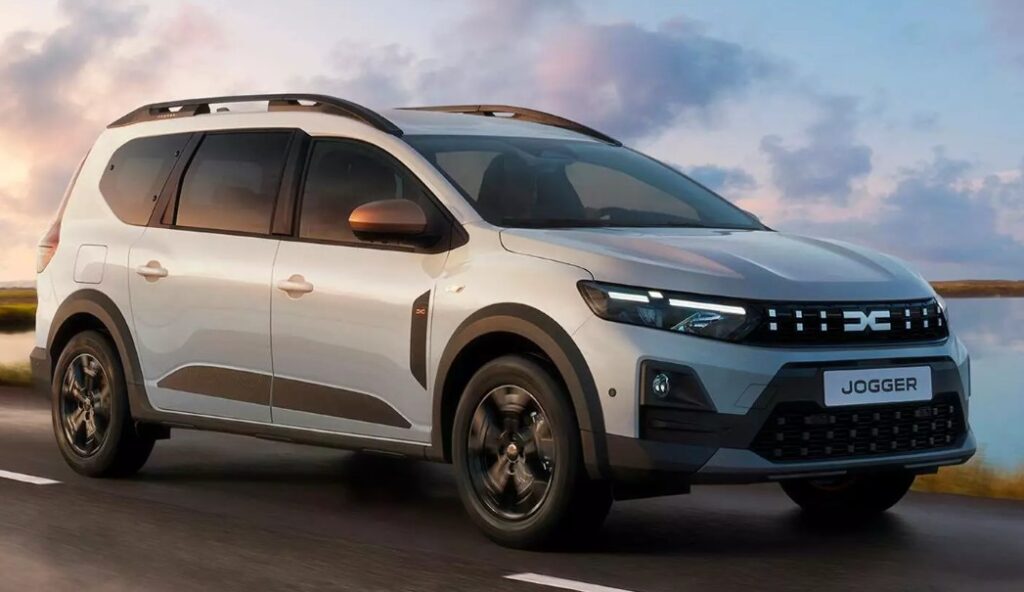
Choosing between the Dacia Jogger and Skoda Kodiaq may seem slightly unusual at first. Both can carry seven people, both work well as family vehicles, and both offer enough flexibility for school runs, holidays, shopping trips, and weekend adventures.
Look a little closer, however, and these cars approach family transport from opposite directions.
The Dacia Jogger is the practical bargain hunter. It combines elements of an estate car, an MPV, and a crossover without charging the premium normally associated with a seven-seat SUV. It is simple, spacious, light, and refreshingly honest.
The Skoda Kodiaq is the more sophisticated option. It is a large SUV with stronger engines, a higher-quality cabin, more advanced technology, greater towing ability, and a noticeably more refined driving experience.
So, which one deserves a place on our driveway?
The answer depends less on how many seats we need and more on what we expect from the vehicle surrounding those seats. The Jogger prioritises affordability and uncomplicated practicality. The Kodiaq offers comfort, safety technology, performance, and a more premium ownership experience.
Let us compare them properly.
Content in this publication
- Dacia Jogger vs Skoda Kodiaq at a Glance
- What Is the Main Difference Between the Dacia Jogger and Skoda Kodiaq?
- Exterior Design and Road Presence
- Dimensions and Everyday Manoeuvrability
- Interior Quality and Cabin Design
- Technology and Infotainment
- Seating Capacity and Passenger Space
- Are Both Cars Real Seven-Seaters?
- Boot Space and Luggage Capacity
- Engine Options and Performance
- Fuel Economy and Running Costs
- Driving Experience
- Ride Comfort and Refinement
- Safety and Driver Assistance
- Towing Ability
- Performance in Bad Weather
- Reliability and Mechanical Complexity
- Ownership Costs and Overall Value
- Dacia Jogger Pros and Cons
- Skoda Kodiaq Pros and Cons
- Which Is Better for a Large Family?
- Which Is Better for City Driving?
- Which Is Better for Motorway Driving?
- Which Is Better as a Used Car?
- Dacia Jogger vs Skoda Kodiaq: Which One Should We Buy?
- Final Verdict
- Frequently Asked Questions
Dacia Jogger vs Skoda Kodiaq at a Glance
Before examining every detail, here is the simplest way to understand the difference:
| Category | Dacia Jogger | Skoda Kodiaq |
|---|---|---|
| Vehicle type | Estate-MPV-crossover blend | Large SUV |
| Seating | Seven seats | Five or seven seats, depending on version |
| Main strength | Affordability and flexibility | Comfort, refinement and capability |
| Cabin quality | Functional and durable | More premium and sophisticated |
| Driving style | Light and easy | Smooth, stable and substantial |
| Engine choice | Smaller petrol and hybrid options | Petrol, diesel, plug-in hybrid and performance options, depending on market |
| Urban suitability | Easier and cheaper to operate | Larger and more cumbersome |
| Motorway comfort | Adequate | Excellent |
| Towing suitability | Light-duty | Much stronger |
| Best for | Budget-conscious families | Families wanting a complete large SUV |
The Jogger is the sensible pair of walking boots: inexpensive, comfortable and ready to get dirty. The Kodiaq is the technical hiking boot: heavier and costlier, but better equipped when conditions become demanding.
What Is the Main Difference Between the Dacia Jogger and Skoda Kodiaq?
The biggest difference is not size, power, or even price. It is philosophy.
Dacia designed the Jogger to provide maximum usable space with minimal complexity. It does not pretend to be a luxury SUV. It focuses on the things families genuinely use: seating flexibility, luggage room, efficient engines, sensible controls, and reasonable running costs.
Skoda designed the Kodiaq to compete as a full-size family SUV. It must therefore satisfy customers who expect high-quality materials, advanced driver assistance, automatic transmissions, powerful engines, strong towing performance, large infotainment screens, and long-distance comfort.
The Jogger asks, “How much practicality can we deliver for the money?”
The Kodiaq asks, “How complete can a seven-seat family SUV be?”
Neither question is wrong. They simply lead to very different vehicles.
Exterior Design and Road Presence
The Dacia Jogger Looks Purposeful Rather Than Prestigious
The Jogger has an unusual shape because it blends several types of car. Its front resembles a crossover, its long roofline recalls an estate, and its upright rear section serves the same purpose as an MPV.
It may not turn heads outside an expensive hotel, but that is hardly the point. The design communicates rugged practicality. Protective body cladding, roof rails, a generous glass area, and a tall profile help it look ready for active family life.
The Jogger is also relatively narrow and manageable. That matters when squeezing through crowded streets, navigating older car parks, or parking beside careless shoppers who appear to believe white lines are merely decorative.
The Skoda Kodiaq Has Genuine SUV Presence
The Kodiaq looks wider, taller and more substantial. Its proportions give it the road presence many buyers expect from a large SUV.
Recent versions combine a bold grille, sculpted lighting, cleaner body surfaces, and a more aerodynamic silhouette. The Kodiaq appears more expensive because it is more expensive. Even lower trim levels generally have the visual weight and detailing of a vehicle positioned above the Jogger.
For some families, that distinction will not matter. For others, design is part of the ownership experience. The Kodiaq feels more aspirational, whereas the Jogger feels deliberately utilitarian.
Dimensions and Everyday Manoeuvrability
The Dacia Jogger measures approximately 4,550 mm long, 1,853 mm wide with its mirrors folded, and 1,673 mm tall. Its wheelbase is 2,898 mm, which helps explain how Dacia has created so much cabin space inside a relatively manageable footprint.
The Kodiaq is a larger and broader SUV. Exact dimensions vary by generation and specification, but its extra width is noticeable in tight spaces.
Which One Is Easier to Park?
The Jogger is usually easier to place on the road. Its large windows, relatively slim body, and straightforward proportions make it less intimidating in urban traffic.
The Kodiaq offers parking sensors, cameras, and assistance systems that compensate for its size. Nevertheless, technology cannot physically shrink a car. A narrow parking space remains narrow, no matter how many coloured guidelines appear on the screen.
For regular city use, the Jogger has the advantage. For open roads and suburban driving, the Kodiaq’s size feels less problematic.
Interior Quality and Cabin Design
Dacia Jogger Interior: Simple but Sensible
The Jogger’s cabin is built around usefulness. Materials are generally hard-wearing rather than luxurious, and the dashboard design avoids unnecessary drama.
That simplicity can be appealing. Physical controls are easy to understand, essential functions do not require endless touchscreen exploration, and the interior feels ready for children, muddy shoes, snack crumbs, and the mysterious sticky substances that appear whenever young passengers enter a car.
Higher trim levels provide enough technology to keep the cabin feeling contemporary, but nobody will confuse the Jogger with a premium SUV.
Its interior succeeds because it is honest. We pay for space and practicality, not padded surfaces in places we rarely touch.
Skoda Kodiaq Interior: More Polished and More Relaxing
The Kodiaq sits in a different league for perceived quality. The dashboard feels more substantial, seats are more supportive, sound insulation is better, and switchgear generally operates with greater precision.
Depending on trim and market, buyers may find features such as:
- Large digital displays
- Configurable digital instruments
- Multi-zone climate control
- Heated or ventilated seats
- Ambient lighting
- Premium audio
- Electric seat adjustment
- Advanced connectivity
- Numerous charging ports
- Clever storage solutions
The Kodiaq feels like a vehicle designed for people who may spend several hours at a time behind the wheel. The Jogger feels like a vehicle designed to transport as many people and belongings as possible without making the monthly budget cry.
Technology and Infotainment
The Jogger provides the essentials, although equipment depends heavily on trim. Entry-level versions may use a simple smartphone-based media system, while better-equipped models add a dedicated touchscreen, smartphone integration, navigation-related functions, and additional driver information.
This approach keeps costs down. Many drivers already use their phones for navigation and music, so paying for elaborate built-in software may seem unnecessary.
The Kodiaq offers a much more advanced digital environment. Larger screens, sharper graphics, connected services, configurable menus, and more sophisticated driver-assistance displays create a modern experience.
However, more technology does not always mean greater ease of use. Touchscreen-heavy systems can make simple adjustments more distracting than traditional buttons. Skoda has worked to balance digital features with usable physical controls, but prospective buyers should test the system rather than judging it from photographs.
The Kodiaq wins for capability. The Jogger may win for simplicity.
Seating Capacity and Passenger Space
Are Both Cars Real Seven-Seaters?
Yes, but their third rows should not be treated as identical.
The Jogger is designed around seven-seat practicality from the beginning. Access to the rear is reasonably straightforward, and the upright body shape helps preserve headroom.
The Kodiaq is available in five- and seven-seat configurations in several markets. Its first and second rows feel broader, more comfortable, and more substantial. The third row remains best suited to children, teenagers, or shorter journeys for adults.
First-Row Comfort
The Kodiaq offers the better driving position. Its seats provide stronger support, adjustment ranges are more generous, and the elevated SUV perspective feels commanding.
The Jogger’s front seats are perfectly acceptable for everyday driving, but they are less sculpted. On a short school run, that difference may barely register. After four hours on a motorway, it becomes much easier to notice.
Second-Row Space
Both cars work well for families, but the Kodiaq provides a more premium second-row environment. Passengers benefit from greater width, more substantial seating, better ventilation options, and improved sound insulation.
You may be interested in reading Dacia Jogger vs Sandero Stepway: Which One Should We Buy?
The Jogger’s second row prioritises space efficiency. It can accommodate a family without fuss, although fitting three large child seats across the row may depend on the seats themselves and the exact vehicle specification.
Third-Row Practicality
The Jogger’s removable third-row seats are one of its cleverest features. Instead of merely folding into the floor, they can be removed when maximum cargo room is required. That produces useful flexibility, although taking seats out and storing them elsewhere requires effort and available garage or storage space.
The Kodiaq’s folding arrangement feels more integrated and polished. Its third row is easier to convert without physically carrying seats away, which may be preferable for families constantly switching between passengers and luggage.
Boot Space and Luggage Capacity
Cargo space is crucial in any seven-seat comparison because a vehicle can technically carry seven people while leaving almost nowhere for their belongings.
The Jogger provides roughly 212 litres in its smallest boot configuration and up to 2,085 litres under the measurement method shown in Dacia’s current technical information. Earlier VDA figures published by Dacia listed approximately 213 litres with all seats in use, 712 litres with the third row folded, and 1,819 litres with the second row folded and third-row seats removed.
The latest Kodiaq offers substantial capacity. Skoda lists 340 litres for the seven-seat version with all seats available and up to 2,035 litres when configured for maximum cargo space. Five-seat versions can provide 910 litres behind the rear seats and as much as 2,105 litres with them folded.
Which Boot Is More Useful?
The Kodiaq provides the more impressive luggage area, especially when carrying five people. Its wider body and more polished seat-folding system make it excellent for holidays, pushchairs, sports equipment, and large shopping trips.
The Jogger remains exceptionally practical for its price. Its low loading height and removable rear seats create a large, van-like area. The main compromise is that storing the removed seats becomes our responsibility.
The Kodiaq wins on capacity and convenience. The Jogger wins on value per litre.
Engine Options and Performance
Dacia Jogger Performance
Depending on the country and model year, the Jogger is available with small turbocharged petrol power and hybrid technology. A representative 1.0-litre turbocharged petrol version produces around 110 hp and 200 Nm of torque through a six-speed manual gearbox.
That engine is adequate rather than exciting. It handles everyday family driving sensibly, but a fully loaded Jogger requires patience when overtaking or climbing steep roads.
The hybrid option improves urban efficiency and automatic-driving convenience. It suits families spending significant time in stop-start traffic, where electric assistance can reduce fuel consumption and make progress feel smoother.
The Jogger is relatively light for a seven-seat vehicle, so it does not require a huge engine to remain usable. Still, nobody buys one expecting sports-car acceleration.
Skoda Kodiaq Performance
The Kodiaq offers a broader powertrain range. Depending on the market, that may include petrol, diesel, mild-hybrid, plug-in hybrid, four-wheel-drive, and high-performance variants.
Its stronger engines provide effortless motorway acceleration and greater confidence when the vehicle is fully loaded. Diesel models remain attractive for high-mileage drivers and towing, while plug-in hybrid versions may suit owners who can charge regularly and complete many short journeys on electric power.
The Kodiaq feels calmer under acceleration because it has more torque, better insulation, and smoother transmission options. Where the Jogger occasionally needs encouragement, the Kodiaq simply gets on with the job.
Fuel Economy and Running Costs
The Dacia Jogger should generally cost less to operate. Its smaller engines, lower weight, more affordable tyres, simpler equipment, and lower purchase price all contribute to reduced ownership costs.
The hybrid Jogger can be particularly efficient in town. Its petrol version may make more sense for buyers who cover modest annual mileage and want to keep the initial cost low.
The Kodiaq’s fuel consumption varies significantly according to engine, drivetrain and trim. Skoda’s UK information for certain seven-seat petrol and diesel versions lists a WLTP combined range of approximately 35.8 to 51.4 mpg.
Those figures can be respectable for a large SUV, particularly with a diesel engine. Even so, the Kodiaq will normally bring higher costs for:
- Purchase or finance payments
- Insurance
- Tyres
- Servicing
- Replacement parts
- Fuel in powerful petrol versions
- Depreciation in cash terms
The Kodiaq gives us more car, but it also sends more bills.
Driving Experience
How the Dacia Jogger Drives
The Jogger feels light, straightforward and easy to understand. Steering is not especially communicative, but it requires little effort. The suspension handles normal road imperfections reasonably well, although rough surfaces can expose the car’s simpler construction.
Body movement is noticeable because the Jogger is tall and softly tuned. It is not a vehicle we throw into corners for entertainment. Driven calmly, it behaves predictably.
Road and wind noise become more apparent at motorway speeds than in the Kodiaq. The Jogger remains usable for long journeys, but its budget roots never completely disappear.
How the Skoda Kodiaq Drives
The Kodiaq feels more planted. Its extra weight, wider stance, superior insulation, and more sophisticated chassis create a quieter and more controlled experience.
It is particularly impressive on motorways, where the vehicle settles into a relaxed rhythm. Stronger engines make overtaking easier, while automatic gearboxes reduce driver workload in traffic.
The Kodiaq is not a small car, and its weight can be felt on narrow roads. Nevertheless, it controls that mass effectively. Some versions may offer adaptive suspension or selectable drive modes, allowing owners to tailor the balance between comfort and responsiveness.
For regular long-distance travel, the Kodiaq wins comfortably.
Ride Comfort and Refinement
Comfort is one of the clearest dividing lines in this comparison.
The Jogger delivers acceptable comfort at a remarkably accessible price. Its tall tyres and relatively soft setup help absorb many bumps, but the cabin allows more vibration, tyre noise, engine sound, and wind noise to reach passengers.
The Kodiaq isolates occupants more effectively. Seats are more supportive, the suspension feels more composed, and the cabin remains calmer at speed.
This difference matters most when the vehicle is heavily loaded. Seven passengers generate noise before the engine even starts. A quieter, smoother car can reduce fatigue for everyone.
For occasional long trips, the Jogger is sufficient. For frequent touring, the Kodiaq is worth the extra money.
Safety and Driver Assistance
Safety deserves careful attention because the two vehicles achieved very different Euro NCAP results.
The Dacia Jogger received a one-star Euro NCAP rating under the assessment published in April 2022. Euro NCAP treated it as a partner model to the Sandero Stepway because their structures are closely related, carrying out additional checks where necessary.
The current-generation Skoda Kodiaq received a five-star Euro NCAP rating in July 2024. Euro NCAP highlighted its occupant protection systems and awarded its top overall rating.
Does One Star Mean the Jogger Is Unsafe?
A star rating is more complicated than a single crash test. Euro NCAP evaluates crash protection, vulnerable road-user protection, child protection, and safety-assistance technology. A low rating can therefore reflect limited active-safety equipment as well as physical crash performance.
Nevertheless, the difference cannot be ignored. The Kodiaq provides a more comprehensive safety package and performs to a much higher standard under the newer Euro NCAP assessment.
Families prioritising the strongest available driver assistance and occupant protection should choose the Kodiaq.
Towing Ability
The Jogger can tow a small trailer, but it is not designed as a serious towing machine. Dacia’s listed unbraked towing figure for a representative version is 645 kg, while exact braked limits depend on engine and specification.
The Kodiaq is significantly better suited to towing. Strong diesel torque, automatic transmissions, optional four-wheel drive, a heavier body, and higher permitted towing limits make it a more natural partner for a caravan, horsebox, or large trailer.
Anyone planning regular towing should check the precise legal limit for the selected version, including engine, drivetrain and vehicle weight. Even within the same model range, towing capacity can vary substantially.
For occasional light trailer use, the Jogger may be enough. For serious towing, the Kodiaq is the obvious choice.
Performance in Bad Weather
The front-wheel-drive Jogger is predictable in normal rain and winter conditions when equipped with suitable tyres. Its relatively low weight can be helpful, but it does not offer the same sense of security as a heavier all-wheel-drive SUV on difficult surfaces.
You may be interested in readingDacia Jogger vs Sandero Stepway: Which One Should We Buy?You may be interested in reading
 Opel Antara vs Nissan Qashqai: Which Used SUV Is Better?
Some Kodiaq versions include four-wheel drive. This can improve traction on snow, wet grass, gravel tracks, steep driveways, and muddy campsites.
Four-wheel drive does not shorten braking distances on ice, and it cannot replace quality seasonal tyres. Still, it provides an extra layer of capability for rural drivers or families regularly visiting challenging locations.
Reliability and Mechanical Complexity
The Jogger’s relative simplicity may appeal to owners who plan to keep the car for many years. Smaller engines, manual gearboxes on certain versions, and fewer luxury systems can mean fewer expensive components to repair.
The hybrid Jogger is naturally more complex than the basic petrol version, although it benefits from technology shared within the wider Renault Group.
The Kodiaq uses more sophisticated engines, transmissions, emissions systems, electronics, sensors, and driver-assistance hardware. None of that automatically makes it unreliable, but more complexity can increase potential repair costs outside warranty.
Service history matters more than the badge when buying used. We should examine:
- Evidence of scheduled servicing
- Gearbox maintenance where required
- Diesel particulate-filter usage patterns
- AdBlue and emissions-system history
- Warning lights
- Infotainment operation
- Camera and sensor functionality
- Tyre wear
- Previous towing use
- Hybrid battery or charging records where applicable
A simple Jogger with complete maintenance history may be a safer used purchase than a neglected Kodiaq loaded with equipment.
Ownership Costs and Overall Value
The Jogger’s strongest argument is not that it beats the Kodiaq in every category. It clearly does not. Its strength is how much family usefulness it provides for the money.
We can purchase a new or nearly new Jogger for considerably less than many seven-seat SUVs. That difference may allow a family to avoid excessive finance, retain savings, or spend money on the journeys the vehicle was purchased to support.
The Kodiaq justifies its premium through:
- Better materials
- Stronger performance
- Greater refinement
- Superior safety technology
- More luggage capacity
- Greater towing capability
- More advanced infotainment
- A wider choice of drivetrains
- A more prestigious appearance
The question is not whether the Kodiaq is the better vehicle in an absolute sense. It is.
The real question is whether those improvements are worth the additional purchase and operating costs for our particular lifestyle.
Dacia Jogger Pros and Cons
Advantages of the Dacia Jogger
- Excellent seven-seat value
- Flexible removable rear seats
- Large cargo area
- Relatively compact external dimensions
- Lower purchase price
- Sensible running costs
- Straightforward controls
- Easy urban manoeuvrability
- Hybrid availability in some markets
- Honest, family-friendly design
Disadvantages of the Dacia Jogger
- Basic interior materials
- Noticeably more road and wind noise
- Limited performance when fully loaded
- Lower Euro NCAP rating
- Less advanced safety technology
- Modest towing ability
- Third-row seats must be stored when removed
- Fewer luxury features
- No premium driving experience
Skoda Kodiaq Pros and Cons
Advantages of the Skoda Kodiaq
- Spacious and sophisticated interior
- Strong engine range
- Excellent motorway comfort
- Large luggage capacity
- Five-star Euro NCAP rating for the current generation
- Better towing performance
- Available four-wheel drive
- Advanced infotainment and assistance systems
- High-quality seating
- Strong overall versatility
Disadvantages of the Skoda Kodiaq
- Much higher purchase price
- More expensive servicing and repairs
- Larger and harder to park
- Higher tyre and insurance costs
- Third row remains best for smaller passengers
- More mechanical and electronic complexity
- Some touchscreen functions may distract
- Powerful versions can consume considerably more fuel
Which Is Better for a Large Family?
For a family mainly concerned with affordable seven-seat transport, the Jogger makes enormous sense. It provides enough room for daily life without forcing buyers into an expensive SUV.
It is particularly attractive when:
- The third row is used regularly by children
- Most journeys are local
- Annual mileage is moderate
- Towing is unimportant
- Budget is the main constraint
- The car will face messy family use
- Low ownership costs matter more than prestige
The Kodiaq is better for families wanting one vehicle to perform almost every task. It handles long-distance holidays, motorway commuting, towing, poor weather, business use, and premium family travel more convincingly.
It is particularly suitable when:
- Comfort is a high priority
- Adults frequently use the second row
- Motorway journeys are common
- Strong performance is important
- A caravan or heavy trailer must be towed
- Advanced safety equipment matters
- The budget comfortably covers higher costs
Which Is Better for City Driving?
The Jogger wins in the city.
It is lighter, narrower, less expensive to fuel, and easier to manoeuvre. Its exterior dimensions feel manageable for a vehicle carrying seven people.
The Kodiaq’s cameras and sensors help enormously, but its width can become tiring in old car parks and congested streets. Short urban trips also fail to showcase its greatest strengths.
A plug-in hybrid Kodiaq may work well in a city when charged regularly, but it remains a physically large vehicle.
Which Is Better for Motorway Driving?
The Kodiaq wins decisively.
Its superior sound insulation, stronger engines, supportive seats, stable handling, and driver-assistance technology make long journeys less demanding.
The Jogger can travel on motorways without difficulty, but we hear more noise and need to plan overtaking more carefully, especially with seven occupants and luggage.
A useful rule is simple: the Jogger gets us there; the Kodiaq makes the journey easier.
Which Is Better as a Used Car?
A used Jogger is appealing for buyers seeking a relatively recent seven-seater with modern equipment and remaining manufacturer warranty. Because new prices are already competitive, used examples should be evaluated carefully against discounted new-car offers.
A used Kodiaq can provide tremendous value because depreciation may place a well-equipped SUV within reach of buyers who could not justify the original price.
However, inspection is more important with the Kodiaq because of its mechanical complexity. A low purchase price can become misleading when tyres, brakes, automatic transmission servicing, emissions equipment, or electronic faults require attention.
We should buy condition and history rather than simply chasing the lowest advertised price.
Dacia Jogger vs Skoda Kodiaq: Which One Should We Buy?
Choose the Dacia Jogger when affordability, flexibility and low running costs dominate the decision. It is one of the most rational ways to transport seven people without purchasing a van or committing to an expensive SUV.
Choose the Skoda Kodiaq when comfort, safety technology, performance, towing ability and long-distance refinement matter more than keeping costs to an absolute minimum.
The Jogger is not a cheaper version of the Kodiaq. It is a different solution to the same family problem.
The Kodiaq treats seven-seat travel as a premium SUV experience. The Jogger strips the idea back to its practical essentials.
Final Verdict
In the Dacia Jogger vs Skoda Kodiaq comparison, the Kodiaq is the more complete vehicle. It is safer according to the referenced Euro NCAP assessments, quieter, faster, more comfortable, more capable, and better equipped.
Yet the Jogger may still be the smarter purchase.
Why pay for SUV prestige, powerful engines, and luxury materials when our daily routine consists mainly of school gates, supermarkets, football practice, and the occasional family holiday?
On the other hand, why tolerate extra noise, basic materials, and modest performance when we regularly cover long distances or tow a caravan?
The Dacia Jogger wins on simplicity and financial common sense. The Skoda Kodiaq wins on quality and all-round ability.
For value-conscious families, we recommend the Dacia Jogger.
For buyers seeking the best overall seven-seat family vehicle—and who can comfortably afford it—we recommend the Skoda Kodiaq.
Frequently Asked Questions
1. Is the Dacia Jogger bigger than the Skoda Kodiaq?
No. The Skoda Kodiaq is generally wider, taller and more substantial. The Jogger is impressively spacious relative to its slimmer, lighter body, which makes it easier to use in towns and narrow parking areas.
2. Which has more boot space, the Dacia Jogger or Skoda Kodiaq?
The Skoda Kodiaq generally provides more luggage space, especially in five-seat mode. Current UK specifications list up to 2,035 litres for the seven-seat Kodiaq, while Dacia lists a maximum of up to 2,085 litres for the Jogger under its current measurement method. Because manufacturers may use different configurations and measurement standards, buyers should compare the exact seat arrangement they expect to use.
3. Is the Skoda Kodiaq worth the extra money?
It can be. The Kodiaq offers a better cabin, stronger engines, improved refinement, superior towing ability, more technology, and a five-star 2024 Euro NCAP rating. Families primarily making short local journeys may find that the Jogger already provides everything they need.
4. Which car is cheaper to run?
The Dacia Jogger will generally be cheaper to run because it uses smaller engines, less expensive tyres, simpler equipment, and has a lower purchase price. Actual costs depend on mileage, insurance, fuel choice, maintenance history, and local taxation.
5. Is the Dacia Jogger good for long journeys?
Yes, the Jogger can handle long journeys and provides useful passenger and luggage space. However, the Kodiaq is noticeably quieter, more powerful, and more comfortable, making it the better option for frequent motorway travel.
You may be interested in readingDacia Jogger vs Sandero Stepway: Which One Should We Buy?You may be interested in reading
Opel Antara vs Nissan Qashqai: Which Used SUV Is Better?You may be interested in reading
 BMW 2 Series Years to Avoid: A Complete Used-Buyer Guide
If you want to know other articles similar to Dacia Jogger vs Skoda Kodiaq: Which Seven-Seater Is Better? you can visit the category Models.
Land Rover Defender 90 Alternative: The Best Rivals Worth Considering
Land Rover Defender 90 Models: Complete Guide to Trims, Engines and Versions
Toyota Hilux Generations: Complete History, Evolution, and Key Differences
BMW M2 vs M340i: Which BMW Performance Car Should We Buy?
BMW M2 vs Porsche 911: Which Sports Car Makes More Sense?
BMW M2 vs Mustang GT: Which Performance Coupe Should We Buy?
Leave a Reply
More content of your interest