
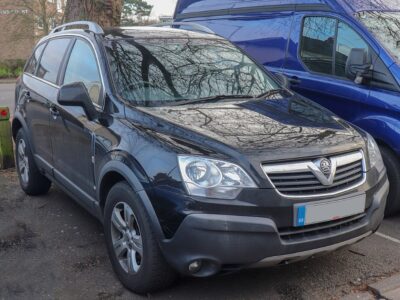
Vauxhall Antara Gearbox Oil Capacity: Complete Guide

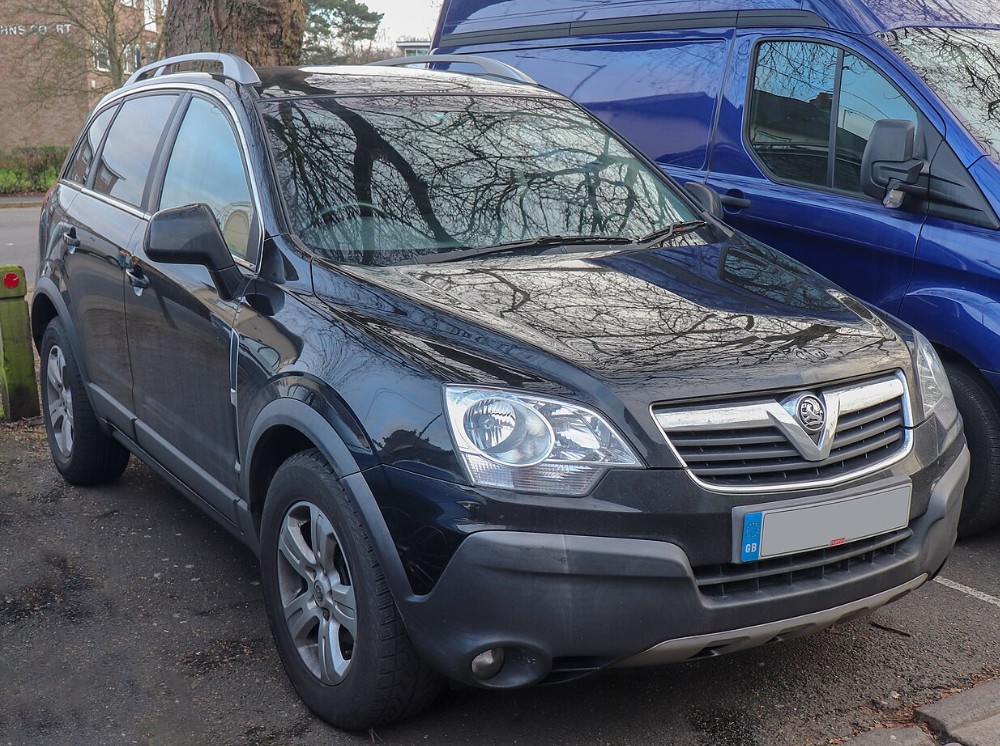
Finding the correct Vauxhall Antara gearbox oil capacity sounds simple until we discover how many variables sit beneath that one question. The Antara was sold with different engines, manual and automatic transmissions, front-wheel-drive and four-wheel-drive systems, plus several model-year updates. As a result, there is no single oil quantity that safely applies to every Antara.
For many six-speed manual Vauxhall Antara models, particularly the later 2.2 CDTi, the gearbox fill quantity is commonly listed at approximately 2.2 litres. Automatic transmissions hold considerably more fluid overall, but an ordinary drain-and-refill normally replaces only part of the total amount. Depending on the gearbox and the servicing procedure, an automatic fluid change may require roughly 4 to 6 litres, while a completely dry transmission can hold substantially more.
That distinction matters. Pouring in a published “total capacity” after a basic drain could leave the transmission badly overfilled. Equally, buying only two litres for an automatic gearbox could leave us halfway through the job with an empty bottle and a vehicle that cannot be safely driven.
In this guide, we will separate manual, automatic, transfer-box and differential capacities, explain why online figures often conflict, and show how to identify the correct specification before loosening a single plug.
Content in this publication
- Quick Vauxhall Antara Gearbox Oil Capacity Answer
- Why the Capacity Is Not the Same for Every Antara
- Manual Vauxhall Antara Gearbox Oil Capacity
- Automatic Vauxhall Antara Gearbox Oil Capacity
- Which Automatic Gearbox Is Fitted to the Antara?
- Correct Gearbox Oil Specification
- Gearbox Oil, Transfer Oil and Differential Oil Explained
- How Much Oil Should We Buy?
- Why the Drained Quantity May Be Lower Than Expected
- Common Signs of Low Gearbox Oil
- What Happens If We Overfill the Gearbox?
- Should Vauxhall Antara Gearbox Oil Be Changed?
- When Should Manual Gearbox Oil Be Replaced?
- When Should Automatic Transmission Fluid Be Replaced?
- Can We Change Antara Gearbox Oil at Home?
- Step-by-Step Manual Gearbox Oil Change Overview
- Automatic Transmission Fluid Change: Key Precautions
- Why Online Capacity Figures Conflict
- How to Check the Gearbox Oil Level
- Gearbox Oil Leak Locations to Inspect
- Choosing Between a Drain-and-Fill and a Flush
- Mistakes to Avoid
- Practical Capacity Checklist
- Vauxhall Antara Gearbox Oil Capacity by Scenario
- Final Thoughts
- Frequently Asked Questions
Quick Vauxhall Antara Gearbox Oil Capacity Answer
The following figures are useful starting points rather than universal fill instructions:
| Antara component | Approximate quantity | Important note |
|---|---|---|
| Six-speed manual gearbox | Around 2.2 litres | Commonly listed for later 2.2 CDTi models |
| Earlier manual gearbox | Often around 2–3 litres | Confirm by gearbox code |
| Automatic gearbox drain and refill | Roughly 4–6 litres | Only part of the total fluid normally drains |
| Automatic gearbox dry capacity | Often around 7–9+ litres | Applies after overhaul or complete emptying |
| Transfer box | Roughly 0.6–0.8 litres | Four-wheel-drive models only |
| Rear differential | Often below 1 litre | Depends on axle and model year |
A parts catalogue listing for the Antara 2.2 CDTi 4x4 identifies a 2.2-litre fill quantity for a six-speed transmission. However, Vauxhall’s owner literature does not present one universal gearbox capacity covering every Antara version, so the vehicle identification number, transmission code and workshop procedure remain more reliable than a broad model-level figure.
Why the Capacity Is Not the Same for Every Antara
The Vauxhall Antara had a relatively long production life. During that time, its drivetrain changed. Early vehicles commonly used the 2.0 CDTi diesel, while facelifted versions were available with the 2.2 CDTi in different power outputs. Petrol engines were also offered in some markets.
Those engines were paired with more than one transmission. We may therefore encounter:
- Five-speed or six-speed manual gearboxes
- Earlier five-speed automatic transmissions
- Later six-speed automatic transmissions
- Front-wheel-drive layouts
- All-wheel-drive layouts with separate transfer and axle oils
This is why searching only by registration year can be risky. Two Antaras registered months apart may not use the same gearbox, the same fluid or the same filling method.
Think of the model name as the surname and the gearbox code as the fingerprint. “Antara” narrows the search, but the transmission code tells us what is actually fitted.
Manual Vauxhall Antara Gearbox Oil Capacity
Typical Six-Speed Manual Capacity
For many later Antara 2.2 CDTi models with a six-speed manual gearbox, the most frequently quoted capacity is approximately 2.2 litres. A vehicle-specific transmission-oil listing for the 2.2 CDTi 4x4 gives that exact fill quantity.
In practical terms, we would normally purchase three one-litre bottles. The gearbox may accept only a little over two litres, but the extra fluid gives us breathing room for spillage, pump losses or slight differences in the service procedure.
We should not assume that every manual Antara takes 2.2 litres, though. Earlier engines and gearbox variants may have different requirements. Even when two transmissions look similar from underneath the car, their internal casing, differential arrangement and specified oil level may differ.
How a Manual Gearbox Is Normally Filled
A traditional manual gearbox is usually filled through a side plug until the oil reaches the designated level. On many designs, the correct level is close to the lower edge of the filling aperture, although this should never be assumed without confirming the exact workshop procedure.
The usual sequence is:
- Park the vehicle on a genuinely level surface.
- Secure it safely on suitable lifting equipment.
- Loosen the filler plug before removing the drain plug.
- Drain the old oil into a measured container.
- Inspect the plug and drained fluid for metal debris.
- Refit the drain plug with the correct seal.
- Pump in the approved fluid.
- Stop at the specified quantity or level-check point.
- Refit and correctly tighten the filler plug.
- Check for leaks after a short drive.
Why remove the filler plug first? Because draining the gearbox before confirming that we can refill it is like emptying a swimming pool before checking whether the tap works. A seized or damaged filler plug can turn a routine service into a stranded vehicle.
Automatic Vauxhall Antara Gearbox Oil Capacity
Automatic transmission capacity is where most confusion begins. We often see one source quoting four litres and another quoting eight or nine litres. Both figures may be reasonable because they describe different operations.
Drain-and-Refill Capacity
During a normal automatic transmission drain, not all the fluid leaves the gearbox. A significant quantity remains inside:
- The torque converter
- Valve body passages
- Hydraulic circuits
- Clutch assemblies
- Oil cooler
- Cooler pipes
- Internal cavities
A routine drain-and-refill may therefore replace approximately 4 to 6 litres, depending on the gearbox, oil temperature, drain method and whether additional lines or components are opened.
This is a service quantity, not necessarily the transmission’s total capacity.
Total or Dry-Fill Capacity
The dry capacity applies when the gearbox has been rebuilt, removed, completely emptied or installed without fluid. In that situation, the amount required can be around 7 to 9 litres or more, depending on the exact automatic transmission.
Some aftermarket catalogues provide broad Antara transmission-oil ranges of roughly 4–9 litres or 5.5–11 litres, but these figures combine different engines, transmissions and service conditions. They are useful for recognising that automatic systems hold much more than manual units, but they are too broad to use as a precise filling instruction.
Why We Should Never Refill an Automatic by Guesswork
Automatic transmissions are sensitive to both underfilling and overfilling. Low fluid can allow the pump to draw air, reducing hydraulic pressure and lubrication. Too much fluid can be whipped into foam by rotating components.
Foamed fluid does not behave like a solid hydraulic column. It compresses, heats up and disrupts pressure control. The gearbox may then shift harshly, flare between gears or enter a protection mode.
Many automatic transmissions require the oil level to be checked:
- With the vehicle level
- At a defined fluid temperature
- With the engine running
- After cycling through every selector position
- Through a level plug or overflow tube
- Using diagnostic equipment to monitor transmission temperature
That process is far more exact than simply pouring in the same number of litres that appeared in an online discussion.
Which Automatic Gearbox Is Fitted to the Antara?
The Antara’s transmission type varies by engine, production period and market. Early and late automatic models may therefore use different fluids and level-setting procedures.
The safest identification methods include:
Check the VIN
A Vauxhall parts department or transmission specialist can use the full vehicle identification number to identify the factory-fitted unit.
Look for the Gearbox Identification Plate
The gearbox may carry a label, stamped code or identification plate. Dirt, corrosion and undertrays can make it difficult to see, but it is more reliable than guessing by engine size alone.
Check the Service Record
Previous invoices may state:
- Transmission model
- Fluid specification
- Quantity used
- Filter or sump gasket part number
- Software adaptation work
We should still verify the information, especially if the invoice uses a generic phrase such as “gear oil.”
Use a Vehicle-Specific Parts Catalogue
A reputable catalogue filtered by VIN or exact registration can help identify the correct fluid. However, bottle size must not be confused with gearbox capacity. A listing that says “capacity: 1 litre” may describe the container, not the amount the gearbox requires.
That small misunderstanding causes a surprising amount of bad advice online.
Correct Gearbox Oil Specification
Capacity is only half the story. The wrong fluid at the correct level can still damage the transmission.
Manual Gearbox Oil
Manual Antara listings commonly reference products in the 75W, 75W-85 or 75W-90 range, often meeting a GM manual-transmission specification. Some catalogues show GL-4 products, while others list combined GL-4/GL-5 oils.
We should not choose a product based solely on viscosity. Two bottles labelled 75W-90 can use different additive packages. Synchronisers may react poorly to an oil designed primarily for heavily loaded differentials.
The safest approach is to match the exact GM or Vauxhall approval specified for the transmission.
Automatic Transmission Fluid
Automatic models generally require a dedicated ATF rather than conventional gear oil. The required standard depends on the transmission, and later GM automatic units commonly use a low-viscosity fluid meeting the appropriate Dexron specification.
We should never put manual 75W-90 gear oil into an automatic transmission. Nor should we assume that every red ATF is interchangeable. Colour is a dye, not an engineering approval.
You may be interested in reading Where to Find Reliable Fiat Repair Services Near Me
Transfer-Box and Differential Oil
On four-wheel-drive Antaras, the transmission, transfer box and rear differential are separate components. Each has its own fluid chamber and may require a different lubricant.
A transfer-box listing for the 2.0 CDTi 4x4 shows possible fill quantities around 0.6 or 0.8 litres, depending on the version.
This separate capacity is not included in the manual gearbox’s 2.2-litre figure. Filling the gearbox does not automatically service the transfer case or rear axle.
Gearbox Oil, Transfer Oil and Differential Oil Explained
These terms can become tangled, so let us separate them.
Gearbox Oil
This lubricates the gears, bearings, shafts and synchronisers inside a manual transmission. In an automatic gearbox, ATF also operates the hydraulic controls and clutch packs.
Transfer-Box Oil
Four-wheel-drive versions use a transfer unit to route power toward the rear wheels. Its oil protects gears, bearings and coupling components inside that casing.
Rear-Differential Oil
The rear differential allows the driven rear wheels to rotate at different speeds while cornering. It usually uses a heavy-duty gear lubricant designed for hypoid gears.
Why the Distinction Matters
Imagine ordering three keys for three different locks. They may all be made of metal and look broadly similar, yet only the correct key works in each lock. Drivetrain lubricants behave in much the same way.
Using the right quantity in the wrong compartment is not maintenance. It is a new problem wearing overalls.
How Much Oil Should We Buy?
For a later six-speed manual Antara with a verified 2.2-litre capacity, buying three litres is sensible.
For an automatic transmission service, the amount depends on the planned method:
- Basic drain and refill: consider purchasing around 5–6 litres after confirming the procedure.
- Repeated drain-and-refill service: more fluid will be required because the process is performed more than once.
- Sump removal and filter service: capacity may differ from a basic drain.
- Cooler-line exchange: potentially close to the full system volume.
- Rebuilt or dry transmission: obtain the exact dry-fill specification.
Never buy fluid based only on the maximum catalogue range. Start with the gearbox code and service method, then calculate the purchase quantity.
Why the Drained Quantity May Be Lower Than Expected
Suppose the gearbox capacity is listed as 2.2 litres, but only 1.7 litres drains out. Does that mean the published figure is wrong? Not necessarily.
Several factors can explain the difference:
- Some oil remains trapped inside the casing.
- The vehicle may not be perfectly level.
- The oil may be cold and draining slowly.
- The gearbox may already have been underfilled.
- The wrong drain plug may have been removed.
- The published figure may refer to a dry transmission.
- Internal deposits may hold or displace a small amount of fluid.
Measuring the old fluid is useful, but it should not become the sole refill rule. If the gearbox had a leak, replacing only what came out simply recreates the low level.
Common Signs of Low Gearbox Oil
A manual Antara with insufficient oil may show:
- Whining that rises with road speed
- Bearing rumble
- Difficult gear selection
- Notchy changes when cold
- Increased noise on acceleration or overrun
- Oil stains beneath the transmission
- Excessive heat
- Premature synchroniser wear
An automatic model may display:
- Delayed engagement when selecting Drive or Reverse
- Flare between shifts
- Harsh or unpredictable changes
- Shuddering
- Transmission warning messages
- Limp-home mode
- Overheating
- Dark or burnt-smelling fluid
These symptoms do not automatically prove that the fluid level is low. Solenoids, wiring, speed sensors, worn clutch packs, software issues and mechanical damage can produce similar behaviour. Diagnosis should come before pouring in more oil.
What Happens If We Overfill the Gearbox?
More is not better. A manual gearbox that is overfilled may push oil through seals or breathers. The rotating gears can churn the lubricant, increasing heat and aeration.
In an automatic transmission, overfilling can be even more troublesome. Foaming may reduce hydraulic stability and create erratic shifting. The excess fluid can also escape onto hot components.
Possible overfill symptoms include:
- Oil leaking from the breather
- New seal leaks
- Burning smells
- Smoke from fluid reaching the exhaust
- Harsh or inconsistent gear changes
- Fluid appearing aerated on inspection
- Elevated transmission temperature
If we suspect an overfill, the level should be corrected using the proper temperature-controlled procedure. Randomly draining “a bit” is not accurate enough.
Should Vauxhall Antara Gearbox Oil Be Changed?
Some owners are told that manual gearbox oil is filled for life. The phrase sounds reassuring, but “life” is not a scientific distance. It may refer to the manufacturer’s expected service life under normal conditions rather than the twenty-year ownership horizon many used Antaras are now approaching.
Oil ages through:
- Heat cycles
- Oxidation
- Moisture contamination
- Microscopic wear particles
- Additive depletion
- Shearing
- Seal and clutch material contamination
An official 2009 Antara maintenance document listed an automatic transmission oil change at four years or 60,000 kilometres/40,000 miles for the applicable service schedule. Service requirements can vary by country, model year and operating conditions, so the schedule for the specific vehicle should be checked.
For older Antaras with uncertain history, a careful inspection by a transmission specialist is sensible before deciding between a simple fluid change, a staged replacement or further diagnosis.
When Should Manual Gearbox Oil Be Replaced?
Even without a universally stated routine interval, replacement is worth considering when:
- The vehicle has high mileage.
- The service history is unknown.
- Gear selection has become stiff.
- The oil is contaminated.
- A driveshaft seal or casing leak has been repaired.
- The gearbox has been removed.
- Internal work has been completed.
- Water may have entered through a breather.
- Metallic debris is found in the drained oil.
For severe use—frequent towing, mountain driving, muddy tracks or repeated short journeys—the lubricant works harder. Heat is the quiet tax collector of every transmission, and demanding use makes it collect sooner.
When Should Automatic Transmission Fluid Be Replaced?
Automatic fluid service may be appropriate when the vehicle reaches the applicable scheduled interval or shows evidence of degraded fluid. We should also consider how the Antara has been used.
Heavy towing, urban stop-start driving and sustained high temperatures can accelerate ATF deterioration.
However, an old automatic transmission with serious slipping or internal wear may not be cured by fresh oil. New fluid is maintenance, not mechanical resurrection. If the gearbox already has burnt oil, heavy debris or pressure-related faults, professional testing should come first.
Can We Change Antara Gearbox Oil at Home?
A confident home mechanic can often service a manual gearbox with the right equipment. An automatic transmission is more demanding because the fluid level may depend on temperature and a precise overflow procedure.
Useful Equipment for a Manual Service
- Axle stands or a suitable lift
- Wheel chocks
- Correct sockets or plug tools
- Drain pan
- Fluid-transfer pump
- Torque wrench
- New sealing washers
- Approved gearbox oil
- Gloves and eye protection
- Workshop instructions for the exact gearbox
Extra Equipment for an Automatic Service
We may also need:
- Diagnostic scan tool
- Live transmission-temperature data
- Vehicle-level lifting equipment
- ATF filling adaptor
- Fluid pump
- Replacement sump gasket or filter
- Manufacturer-specific level procedure
If those requirements sound excessive, a specialist service is often cheaper than correcting a damaged gearbox.
Step-by-Step Manual Gearbox Oil Change Overview
1. Confirm the Transmission
Use the VIN, identification code and exact model details. Do not rely only on “2.2 diesel Antara.”
2. Obtain the Correct Fluid
Match the official specification, not merely the viscosity.
3. Warm the Gearbox Slightly
A brief drive helps the oil flow, but the transmission should not be dangerously hot when we work underneath it.
4. Level and Secure the Vehicle
A tilted car can produce an inaccurate fill level.
5. Loosen the Filler Plug
Do this before draining.
6. Remove the Drain Plug
Allow sufficient time for the old oil to drain.
You may be interested in readingWhere to Find Reliable Fiat Repair Services Near MeYou may be interested in reading
 Choosing the Best Seat Covers for Your Fiat 500
7. Inspect the Fluid
A light metallic paste on a magnetic plug may be normal. Large flakes, chips or heavy glitter deserve investigation.
8. Refit the Drain Plug
Use a new seal where required and tighten to the correct torque.
9. Add the New Oil
Pump in the measured amount or follow the official level method.
10. Recheck for Leaks
Inspect immediately and again after a test drive.
This overview is not a substitute for the workshop manual. Plug locations, tightening torques and level procedures vary between gearboxes.
Automatic Transmission Fluid Change: Key Precautions
Fluid Temperature Is Critical
ATF expands as it heats. A level that appears correct when cold may be wrong at operating temperature.
The Engine May Need to Run
Many overflow-type checks require the pump to circulate fluid while the engine idles.
Cycle Through the Gears
Moving the selector through each position fills the hydraulic circuits before the final level check.
Keep Everything Clean
Automatic valve bodies contain narrow passages and sensitive solenoids. Dirt that would look harmless on a garage floor can cause expensive hydraulic problems.
Do Not Mix Unverified Fluids
Top-ups should use a fluid that meets the correct specification and is compatible with what is already inside the gearbox.
Why Online Capacity Figures Conflict
Conflicting answers usually come from one of five mistakes.
Bottle Capacity Is Mistaken for Gearbox Capacity
A product described as “1 litre” may simply be sold in a one-litre bottle.
Dry Capacity Is Confused With Service Capacity
A completely empty automatic gearbox needs more fluid than a routine drain.
Different Gearboxes Are Grouped Together
A catalogue may combine every Antara transmission under one broad range.
Transfer-Box Oil Is Added to Gearbox Oil
Some sources lump the separate drivetrain components together.
The Opel Antara and Chevrolet Captiva Are Treated as Identical
The vehicles share architecture, but engine, gearbox and market differences still matter. Cross-referencing can help identify components, yet it should not replace VIN-specific data.
How to Check the Gearbox Oil Level
Many manual Antaras do not have a conventional dipstick. The level may be checked through a side plug.
Automatic versions may use:
- A dipstick on certain configurations
- A level plug
- An overflow standpipe
- A temperature-based workshop procedure
If no dipstick is visible, that does not mean the gearbox never needs checking. It usually means the method has moved underneath the vehicle and become less DIY-friendly.
Gearbox Oil Leak Locations to Inspect
Common leak areas include:
- Driveshaft seals
- Input-shaft seal
- Gear-selector shaft seal
- Drain or filler plugs
- Casing joints
- Automatic transmission sump
- Cooler hoses
- Cooler-pipe unions
- Transmission breather
- Transfer-box seals
- Connections between drivetrain casings
Oil can travel along an undertray and drip far from its source. Clean the area, identify the fluid colour and smell, then trace the highest wet point.
Choosing Between a Drain-and-Fill and a Flush
A drain-and-fill replaces only part of the ATF, but it is relatively gentle. Repeating the process after some driving gradually increases the percentage of fresh fluid.
A machine-assisted exchange replaces more of the old fluid, yet it must use the correct fluid and procedure. On a neglected, high-mileage gearbox with existing faults, aggressive flushing may not be appropriate.
The best method depends on:
- Current gearbox condition
- Mileage
- Previous service history
- Fluid colour and smell
- Fault codes
- Amount of debris
- Manufacturer guidance
- Specialist assessment
There is no single heroic procedure that suits every transmission. Sometimes restraint is better engineering than enthusiasm.
Mistakes to Avoid
- Assuming every Antara takes 2.2 litres
- Ordering fluid by model name alone
- Confusing litre bottle size with fill quantity
- Mixing ATF and manual gear oil
- Filling an automatic without monitoring temperature
- Draining before confirming the filler plug opens
- Reusing damaged sealing washers
- Working under an unsupported vehicle
- Using universal oil without the correct approval
- Ignoring transfer-box and differential fluids
- Treating a fluid change as a guaranteed gearbox repair
- Overfilling “for extra protection”
Practical Capacity Checklist
Before buying gearbox oil, record:
- Registration year
- VIN
- Engine size
- Engine code
- Manual or automatic transmission
- Number of forward gears
- Gearbox identification code
- Front-wheel drive or four-wheel drive
- Planned service method
- Required oil approval
- Service-fill quantity
- Dry-fill quantity, if relevant
- Level-check temperature
- Plug-seal requirements
With those details, a vague question becomes a precise maintenance plan.
Vauxhall Antara Gearbox Oil Capacity by Scenario
Later 2.2 CDTi Manual
Expect approximately 2.2 litres, subject to gearbox-code confirmation. Buy three litres of the approved manual transmission oil.
Earlier Manual Antara
Expect a quantity broadly in the two-to-three-litre region, but verify the exact transmission before purchasing.
Automatic Drain and Refill
Expect only part of the system volume to drain. Roughly four to six litres may be required, depending on the unit and procedure.
Automatic Gearbox Rebuild
A dry transmission, torque converter and cooler circuit may require roughly seven to nine litres or more. The rebuilder should use transmission-specific data.
Four-Wheel-Drive Transfer Box
Expect a relatively small quantity, often around 0.6–0.8 litres, but use the identified transfer-unit specification rather than the main gearbox figure.
Final Thoughts
The most useful answer to the Vauxhall Antara gearbox oil capacity question is not one magic number. It is a method.
For many later six-speed manual Antaras, 2.2 litres is a credible and commonly listed fill quantity. Automatic Antaras usually need around 4–6 litres for a conventional partial service, while their total dry capacity may be considerably higher. Four-wheel-drive models also contain separate transfer-box and rear-differential oils that must not be confused with gearbox fluid.
Before servicing the vehicle, identify the transmission through the VIN or gearbox code, confirm the approved lubricant and determine whether the published quantity refers to a drain-and-refill or a completely dry system.
Gearbox oil is the transmission’s bloodstream. The right fluid at the right level works quietly in the background; the wrong choice can turn a small maintenance job into a repair bill with far too many zeroes.
Frequently Asked Questions
1. How much gearbox oil does a Vauxhall Antara manual take?
Many later six-speed manual Vauxhall Antara 2.2 CDTi models are listed with an approximate gearbox oil capacity of 2.2 litres. Earlier manual transmissions may differ, so the gearbox code should be verified before filling.
2. How much transmission fluid does an automatic Antara need?
A normal automatic gearbox drain-and-refill may use approximately 4 to 6 litres. The complete dry capacity can be around 7 to 9 litres or more, depending on the transmission. Never use the total capacity for a routine drain without following the correct level procedure.
3. What gearbox oil should we use in a Vauxhall Antara?
The correct oil depends on the gearbox. Manual models generally require an approved manual transmission fluid, often in the 75W or 75W-90 range. Automatic models require the correct ATF specification. Match the manufacturer approval rather than choosing by viscosity or colour alone.
4. Does the transfer box use the same oil as the gearbox?
Not necessarily. The transfer box is a separate component with its own capacity and lubricant specification. Some Antara 4x4 transfer units are listed at approximately 0.6–0.8 litres, but the exact version must be identified before servicing.
You may be interested in readingWhere to Find Reliable Fiat Repair Services Near MeYou may be interested in reading
Choosing the Best Seat Covers for Your Fiat 500You may be interested in reading
 The Importance of Having a Spare Tire for Your Fiat 500
5. Can too much gearbox oil damage an Antara?
Yes. Overfilling can cause foaming, overheating, pressure problems and leakage through seals or breathers. Automatic transmissions are especially sensitive, so the level must be set at the specified temperature using the correct procedure.
If you want to know other articles similar to Vauxhall Antara Gearbox Oil Capacity: Complete Guide you can visit the category Service and Parts.
Vauxhall Antara TPMS Reset: Complete Step-by-Step Guide
Vauxhall Antara Kerb Weight: Complete UK Guide
Vauxhall Antara Tyre Size: Complete UK Fitment Guide
Vauxhall Antara Clutch Replacement Cost UK: Complete Price Guide
Vauxhall Antara Fuel Tank Capacity: Complete Guide
Vauxhall Antara DPF Light: Meaning, Causes, and Fixes
Leave a Reply
More content of your interest