
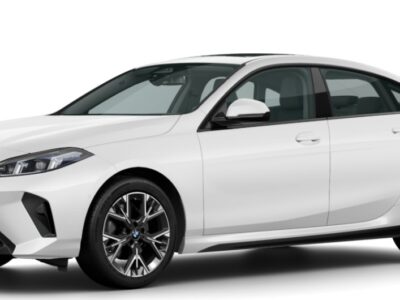
BMW 2 Series Not Starting: Causes, Diagnosis, and Fixes


A BMW 2 Series not starting can turn an ordinary morning into a frustrating guessing game. You press the start button, expect the engine to spring to life, and instead get silence, a rapid clicking noise, a slow crank, or an engine that spins without actually starting.
It feels a little like knocking on your own front door and discovering nobody is home.
The good news is that a BMW 2 Series starting problem usually leaves clues. The sound the car makes, the warning messages on the dashboard, the behavior of the lights, and even the weather can help us narrow down the cause.
This guide covers all major BMW 2 Series generations and body styles, including:
- F22 Coupé
- F23 Convertible
- F44 Gran Coupé
- F45 Active Tourer
- F46 Gran Tourer
- G42 Coupé
- U06 Active Tourer
- Petrol, diesel, mild-hybrid, and performance models
Although engines and electrical systems vary between versions, the basic diagnostic process remains surprisingly consistent.
We will begin with the easiest checks and gradually move toward more complicated faults. That way, we avoid replacing expensive parts when the real problem is something as simple as a weak battery or unrecognized key.
Content in this publication
- First, Identify What “Not Starting” Means
- Start With the Battery
- Inspect the Battery Terminals and Ground Connections
- Check Whether the Key Is Being Recognized
- Make Sure the Brake or Clutch Pedal Is Detected
- Confirm the Automatic Transmission Is in Park or Neutral
- Listen to the Starter Motor
- Check the Relevant Fuses and Relays
- When the Engine Cranks but Does Not Start
- Look for a Fuel Delivery Problem
- Consider Ignition Coil or Spark Plug Faults
- Crankshaft Position Sensor Failure
- Camshaft Position Sensor Failure
- Timing Chain or Timing Belt Problems
- Diesel-Specific Starting Problems
- Immobilizer and Electronic Authorization Faults
- Could the Alternator Be the Real Cause?
- Check for a Parasitic Battery Drain
- Cold Weather Starting Problems
- Hot Engine Will Not Restart
- Dashboard Messages That Matter
- Use an OBD Diagnostic Scanner
- A Practical Diagnostic Order
- Common Diagnostic Mistakes
- When Should We Call a Mechanic?
- Can We Prevent Future Starting Problems?
- Final Thoughts
- Frequently Asked Questions
First, Identify What “Not Starting” Means
Before touching a tool, we need to describe exactly what the BMW is doing.
“Not starting” can mean several different things, and each symptom points in a different direction.
The Car Is Completely Dead
You press the start button and get:
- No dashboard lights
- No interior lights
- No clicking
- No starter movement
- No response from the central locking
This usually indicates a discharged battery, a loose battery connection, a failed main power cable, or a serious electrical supply problem.
The Dashboard Lights Come On, but the Engine Does Not Crank
In this situation, the electronics appear normal, but the starter motor does nothing.
Possible causes include:
- Weak battery
- Faulty starter motor
- Failed starter solenoid
- Brake or clutch switch fault
- Gear selector position problem
- Immobilizer or key recognition issue
- Starter relay or wiring fault
The Starter Clicks but Does Not Turn the Engine
A single click often points toward a starter motor or solenoid problem.
Rapid clicking usually means the battery voltage is too low to operate the starter properly.
The Engine Cranks Slowly
A slow, heavy crank is commonly caused by:
- Weak battery
- Poor battery terminal connection
- Bad engine ground strap
- Failing starter motor
- Thick engine oil in very cold weather
The Engine Cranks Normally but Will Not Fire
If the engine spins at a normal speed but does not start, the battery and starter are probably doing their jobs.
We then need to investigate:
- Fuel delivery
- Ignition spark
- Engine timing
- Crankshaft or camshaft sensors
- Immobilizer authorization
- Engine management faults
That distinction matters. A no-crank problem is very different from a crank-but-no-start problem.
Start With the Battery
The 12-volt battery is the most common cause of starting trouble across the BMW 2 Series range.
Modern BMWs rely heavily on electronics. A battery may still illuminate the dashboard while being too weak to turn the engine. Think of it as a phone showing 5% charge: the screen works, but there may not be enough power for a demanding task.
Signs of a Weak BMW 2 Series Battery
Common symptoms include:
- Slow engine cranking
- Rapid clicking from the engine bay
- Flickering dashboard lights
- Clock or date resetting
- Multiple unrelated warning messages
- Central locking becoming weak or inconsistent
- Start-stop system becoming unavailable
- The car starting normally after a jump-start
BMW vehicles can display alarming warnings when battery voltage drops. Messages relating to the drivetrain, braking system, steering, or restraint system may appear even when those components are not actually faulty.
Low voltage can make the car’s computers behave like a room full of people talking over each other.
Check the Battery Voltage
Using a digital multimeter, measure the voltage across the battery terminals with the engine switched off.
A general guide is:
- Around 12.6 volts: fully charged
- Around 12.4 volts: partially charged
- Around 12.2 volts: significantly discharged
- Below 12 volts: weak or heavily discharged
- Below roughly 10 volts while cranking: likely unable to start reliably
Voltage alone does not reveal the battery’s full condition. A tired battery may show an acceptable resting voltage and still collapse under load.
A proper battery load test or electronic conductance test offers a more reliable answer.
Why BMW Batteries Fail
A BMW 2 Series battery can discharge because of:
- Age
- Frequent short journeys
- Cold temperatures
- Long periods of inactivity
- Dashcams or accessories drawing power
- A faulty alternator
- A parasitic electrical drain
- Repeated start-stop operation
- A boot, glovebox, or interior light staying on
Many BMW batteries last roughly four to six years, but driving habits and climate can shorten that period considerably.
Try a Safe Jump-Start
If the battery appears weak, a jump-start can confirm the diagnosis.
Use the designated jump terminals under the bonnet where fitted rather than connecting directly to the battery in the boot. BMW provides these points to protect the vehicle’s electrical system and battery monitoring equipment.
Connect the positive cable to the positive jump terminal. Connect the negative cable to the approved ground point, not to random painted metal.
If the car starts immediately after receiving external power, the battery is discharged or failing. However, we still need to determine why it lost charge.
Inspect the Battery Terminals and Ground Connections
Sometimes the battery itself is healthy, but its power cannot reach the starter.
Loose, dirty, or corroded connections create resistance. That resistance acts like a kink in a garden hose: electricity is available, but it cannot flow properly.
Check:
- Positive battery terminal
- Negative battery terminal
- Main chassis ground
- Engine ground strap
- Under-bonnet jump terminal
- Starter power cable
Look for white or green corrosion, heat damage, looseness, frayed cables, or broken mounting points.
A faulty engine ground strap can cause slow cranking, clicking, intermittent starting, and strange electrical warnings. It is an often-overlooked component, particularly on older or high-mileage vehicles.
Check Whether the Key Is Being Recognized
BMW 2 Series models use electronic keys and immobilizer authorization. If the vehicle does not recognize the key, it may refuse to crank or start.
Symptoms of a Key Recognition Problem
You may notice:
- “Remote control not detected”
- “Hold remote control to steering column”
- No response from the start button
- Central locking works intermittently
- One key works while the other does not
- The engine starts only when the key is placed in a specific position
Replace the Key Fob Battery
A weak key battery usually affects remote locking before it prevents starting, but replacing it is an easy first step.
Depending on the key design, BMW 2 Series key fobs commonly use coin-cell batteries such as CR2032 or CR2450 types. Check the number printed on the existing battery before buying a replacement.
Use the Emergency Key Recognition Position
If the key battery is flat, hold the key against the marked area on the steering column and press the brake or clutch while pushing the start button.
The exact position varies by model, but BMW often uses a key-shaped symbol near the steering column.
If the engine starts this way, the key battery or wireless recognition system is the likely culprit.
Try the Spare Key
A spare key is one of the best diagnostic tools we have.
If the spare starts the vehicle normally, the original key may be damaged, discharged, or no longer communicating properly.
If neither key works, the fault may lie in the vehicle’s antenna, immobilizer system, body control electronics, or power supply.
Make Sure the Brake or Clutch Pedal Is Detected
Automatic BMW 2 Series models normally require the brake pedal to be pressed before starting. Manual models require the clutch pedal.
A faulty pedal position switch can make the car believe the pedal is not being pressed.
Signs of a Brake Switch Fault
Possible clues include:
- Brake lights do not illuminate
- Start button does not trigger the starter
- A warning asks you to press the brake even when you are pressing it
- Cruise control behaves unexpectedly
- Gear selector remains locked
Check whether the brake lights operate. If they do not, inspect the brake light switch, fuse, wiring, and bulbs or LED modules.
Signs of a Clutch Switch Fault
On manual models, the car may show normal dashboard activity but refuse to crank.
Try pressing the clutch firmly to the floor. If the car starts only when the pedal is pushed unusually hard or held at a certain angle, the clutch position sensor may need adjustment or replacement.
Confirm the Automatic Transmission Is in Park or Neutral
An automatic BMW will not normally start unless the transmission control system detects Park or Neutral.
You may be interested in reading BMW 2 Series SOS Call System Failure: Causes, Diagnosis, and Fixes
Try the following:
- Press the brake pedal.
- Move the selector firmly into Park.
- Attempt to start the engine.
- If it does not crank, try Neutral.
- Move the selector through the gears and return it to Park.
If the car starts in Neutral but not Park, the gear position sensor, selector mechanism, or transmission range information may be faulty.
A dashboard indicator that does not match the physical selector position is another strong clue.
Listen to the Starter Motor
The starter motor turns the engine during startup. When it fails, the car may have full electrical power but no engine movement.
Single Click From the Starter Area
A single heavy click may mean the starter solenoid is engaging but the motor is not spinning.
Possible causes include:
- Worn starter motor
- Seized starter
- Internal solenoid failure
- Weak power or ground connection
- Mechanically locked engine
No Click at All
No sound can point to:
- Starter relay fault
- Immobilizer authorization issue
- Brake or clutch switch fault
- Gear selector problem
- Broken ignition signal wire
- Failed starter solenoid
- Electronic control module fault
Intermittent Starting
A failing starter often works unpredictably. The car may start perfectly ten times, then do nothing on the eleventh attempt.
Heat can worsen the problem. A worn starter may refuse to operate after a long drive but work again once it cools.
Can We Tap the Starter Motor?
On older vehicles, lightly tapping a failing starter sometimes helped worn internal contacts make temporary contact. On modern BMWs, access is often difficult, and striking nearby components can cause damage.
Treat this as an emergency diagnostic clue, not a repair.
Check the Relevant Fuses and Relays
A blown fuse can interrupt the starting system, fuel system, engine control module, or ignition circuit.
BMW fuse locations vary by generation and body style. Depending on the model, fuse panels may be located:
- Behind the glovebox
- In the passenger footwell
- In the luggage compartment
- In the engine bay
- Behind interior trim panels
Use the fuse chart for the exact vehicle. Do not assume that two BMW 2 Series models use the same fuse layout.
Inspect fuses related to:
- Engine control unit
- Starter circuit
- Fuel pump
- Ignition
- Transmission control
- Body control electronics
A fuse that looks intact can still be faulty. Testing it with a multimeter or test light is more reliable than visual inspection.
If a replacement fuse blows again, do not keep installing new ones. A repeated failure indicates a short circuit or overloaded component that needs proper diagnosis.
When the Engine Cranks but Does Not Start
If the engine cranks at normal speed, we know the battery, starter, and much of the starting circuit are functioning.
Now the engine needs three broad things:
- Correct fuel delivery
- Correct ignition or combustion conditions
- Correct timing and sensor information
Remove any one of those, and the engine will spin without starting.
Look for a Fuel Delivery Problem
A BMW 2 Series may crank but fail to start if fuel does not reach the engine at the correct pressure.
Potential causes include:
- Empty fuel tank
- Incorrect fuel level reading
- Failed in-tank fuel pump
- High-pressure fuel pump fault
- Blocked fuel filter
- Fuel pump control module problem
- Frozen or contaminated fuel
- Faulty fuel pressure sensor
Do Not Trust the Fuel Gauge Completely
It sounds obvious, but confirm that the car actually contains fuel.
A faulty level sensor or steep parking angle can create a misleading reading. Adding a small amount of the correct fuel is a simple test when the gauge is near empty.
Listen for the Fuel Pump
When unlocking the car or switching on the ignition, you may hear a faint humming sound from the rear area as the low-pressure fuel pump primes.
No sound does not automatically prove pump failure, but it gives us a useful lead.
A diagnostic scanner can reveal fuel pressure faults and allow a technician to command the pump electronically.
High-Pressure Fuel Pump Problems
Direct-injection petrol and diesel engines rely on high fuel pressure.
A failing high-pressure pump may cause:
- Extended cranking
- Rough starting
- Engine stalling
- Reduced power
- Drivetrain malfunction warnings
- Crank-but-no-start symptoms
- Fuel pressure fault codes
Because high-pressure fuel systems can be dangerous, testing should be performed with proper equipment.
Consider Ignition Coil or Spark Plug Faults
Petrol engines need a strong spark at the correct moment.
One failed ignition coil usually causes rough running or misfiring rather than a complete no-start. However, multiple failed coils, a power supply fault, or engine management failure can prevent starting.
Worn or fuel-fouled spark plugs can also make cold starting difficult.
Possible clues include:
- Engine cranks but tries to catch
- Strong smell of petrol
- Previous misfire warnings
- Rough running before the no-start
- Engine management light flashing
- Starting improves after the engine sits for a while
Repeatedly cranking a petrol engine can flood the cylinders with fuel. If that happens, allow the vehicle to rest before trying again.
Crankshaft Position Sensor Failure
The crankshaft position sensor tells the engine computer how fast the engine is rotating and where the crankshaft is positioned.
Without that information, the control unit may not trigger fuel injection or ignition correctly.
Symptoms can include:
- Engine cranks but does not start
- Engine cuts out while driving
- Intermittent starting
- No engine speed reading during cranking
- Fault codes relating to crankshaft synchronization
A diagnostic scan is usually the fastest way to identify this fault.
Camshaft Position Sensor Failure
Camshaft sensors help the engine computer control injection timing and variable valve operation.
A failed camshaft sensor may cause:
- Long cranking
- Rough starting
- Reduced power
- Engine warning light
- Intermittent no-start
- Timing correlation fault codes
Some engines may still start with one failed sensor, while others become much harder to start.
Timing Chain or Timing Belt Problems
Most BMW 2 Series engines use timing chains, although engine designs differ across generations and markets.
A stretched, slipped, or broken timing chain can stop the engine from starting.
Warning signs before failure may include:
- Metallic rattling during cold starts
- Timing-related fault codes
- Rough idle
- Reduced performance
- Engine warning light
- Extended cranking
If the engine suddenly cranks faster than normal, internal compression may be missing. Stop trying to start it and arrange professional inspection.
Continuing to crank an engine with a timing fault can increase internal damage.
Diesel-Specific Starting Problems
Diesel BMW 2 Series models have their own set of likely faults.
Glow Plug and Glow Plug Module Failure
Glow plugs heat the combustion chambers during cold starting.
One failed glow plug may cause little more than a rough cold start. Several failed plugs or a faulty control module can make a diesel engine difficult or impossible to start in low temperatures.
Symptoms include:
- Long cranking when cold
- White smoke during startup
- Rough running for several seconds
- Easier starting once the engine is warm
- Glow plug fault codes
Low Diesel Fuel Pressure
Diesel engines require precise fuel pressure.
Air entering the fuel system, a blocked filter, a weak low-pressure pump, injector leakage, or high-pressure pump failure can all cause extended cranking or a no-start condition.
Frozen or Contaminated Diesel
In severe cold, unsuitable diesel fuel can thicken and restrict flow.
Water or petrol contamination can also prevent starting and damage expensive components.
You may be interested in readingBMW 2 Series SOS Call System Failure: Causes, Diagnosis, and FixesYou may be interested in reading
 How to Fix Fiat 500 Clutch Problems: Symptoms and Solutions
If the vehicle was recently refuelled and stopped running soon afterward, fuel contamination should move high on our suspect list.
BMW starting systems involve communication between the key, body electronics, engine computer, and transmission system.
Depending on the generation, modules may include systems such as CAS, FEM, BDC, DME, or DDE.
If these systems do not agree that starting is authorized, the car may:
- Refuse to crank
- Crank but not start
- Show key or immobilizer warnings
- Lose communication with diagnostic equipment
- Start intermittently
Common triggers include:
- Low battery voltage
- Water damage
- Module failure
- Faulty wiring
- Lost synchronization
- Incorrectly programmed key
- Electrical work performed without proper battery support
Module replacement is rarely a simple plug-and-play job. Coding, programming, and synchronization may be required.
Could the Alternator Be the Real Cause?
The alternator does not normally start the engine, but it recharges the battery after the engine is running.
A failed alternator can leave the battery too weak to restart the car.
Signs include:
- Battery warning light
- Dimming lights
- Electrical systems shutting down
- Burning smell
- Whining noise
- Vehicle stalling while driving
- Repeated flat batteries
After jump-starting the car, charging voltage is commonly checked with a multimeter or scan tool. However, modern BMW charging systems vary their output, so a single voltage reading does not always tell the full story.
A workshop can test alternator performance under load and inspect the intelligent battery sensor data.
Check for a Parasitic Battery Drain
If the battery repeatedly goes flat after the car sits, something may be consuming power while the vehicle is parked.
Possible drains include:
- Dashcams
- Tracking devices
- Aftermarket alarms
- Faulty comfort access handles
- Entertainment system faults
- Control modules that fail to enter sleep mode
- Boot or glovebox lights
- Water-damaged electronics
- Improperly installed accessories
A parasitic drain test requires patience because BMW modules may remain awake for some time after the car is locked.
Measuring current too early can produce a false diagnosis.
Cold Weather Starting Problems
Cold weather exposes weak components.
Battery output falls, engine oil thickens, and diesel engines require more effective preheating. A vehicle that starts normally in warm weather may struggle after a freezing night.
Cold-weather suspects include:
- Aging battery
- Glow plug faults
- Incorrect engine oil
- Moisture in electrical connections
- Thickened diesel fuel
- Weak starter motor
Do not repeatedly crank the engine for long periods. Use short attempts with pauses in between to protect the starter and battery.
Hot Engine Will Not Restart
A BMW that starts cold but refuses to restart when hot may have a heat-sensitive component.
Possible causes include:
- Failing starter motor
- Crankshaft sensor
- Camshaft sensor
- Fuel pressure loss
- Injector leakage
- Electronic module fault
- Poor ground connection
Notice whether the problem disappears after the car cools for 20 to 60 minutes. That pattern can be extremely useful during diagnosis.
Dashboard Messages That Matter
Modern BMWs often provide clues through warning messages.
Pay attention to messages such as:
- Remote control not detected
- Ignition switched on
- Press brake to start
- Transmission not in Park
- Increased battery discharge
- Battery discharged
- Drivetrain malfunction
- Starter motor fault
- Fuel system warning
Take a photo before disconnecting the battery or clearing faults. That evidence may help a technician later.
Use an OBD Diagnostic Scanner
An OBD scanner can turn a vague starting problem into a much smaller puzzle.
A basic scanner may read engine codes, but BMW-compatible diagnostic equipment provides deeper access to body modules, immobilizer systems, battery management, transmission electronics, and fuel control.
Useful information includes:
- Stored fault codes
- Battery voltage during cranking
- Engine speed while cranking
- Fuel pressure
- Key authorization status
- Brake or clutch pedal status
- Gear selector position
- Communication faults
- Crankshaft and camshaft synchronization
Do not replace a part simply because a fault code names it.
For example, a low-voltage event can produce several misleading communication codes. We should diagnose the system, not just chase every message on the screen.
A Practical Diagnostic Order
When a BMW 2 Series will not start, use this sequence:
- Observe whether the dashboard powers up.
- Identify whether the engine cranks.
- Check battery voltage and connections.
- Try a jump-start.
- Try the spare key.
- Use the emergency key recognition position.
- Confirm brake or clutch pedal detection.
- Try starting in Neutral.
- Listen for starter and fuel pump operation.
- Inspect relevant fuses.
- Scan all control modules for fault codes.
- Check engine speed and fuel pressure while cranking.
- Investigate sensor, timing, fuel, or immobilizer faults.
- Arrange professional testing before replacing expensive components.
This order helps us avoid jumping straight to the worst-case scenario.
Common Diagnostic Mistakes
Replacing the Battery Without Testing the Charging System
A new battery may also go flat if the alternator is faulty or a parasitic drain remains.
Ignoring Battery Registration
Many BMW models use intelligent battery management.
When replacing the battery, the new unit should usually be registered to the vehicle. If the battery type or capacity changes, coding may also be required.
Failure to register the battery can shorten its life and affect charging behavior.
Clearing Fault Codes Too Early
Fault codes and freeze-frame data show what was happening when the problem occurred.
Clearing them before recording the information can erase valuable evidence.
Assuming Every Warning Indicates a Separate Failure
Low battery voltage can create a storm of unrelated warnings. Fix the power supply first, clear the codes, and see which faults return.
Continuing to Crank an Engine With Unusual Mechanical Noise
Grinding, rapid spinning, heavy knocking, or a sudden change in cranking sound can signal mechanical damage.
Stop and investigate rather than forcing the engine to start.
When Should We Call a Mechanic?
Professional help is sensible when:
- The battery and connections test correctly
- The engine cranks but will not start
- Fuel pressure is missing
- Immobilizer warnings appear
- The starter receives power but does not operate
- The engine makes abnormal mechanical noises
- Timing faults are stored
- The vehicle repeatedly drains its battery
- Water damage is suspected
- Control modules are not communicating
- The car starts intermittently without a clear pattern
BMW diagnostic systems can view live data that a generic code reader may miss. In complex cases, that access saves both time and money.
Can We Prevent Future Starting Problems?
We cannot prevent every failure, but a few habits reduce the risk.
- Drive the car regularly
- Use a smart battery maintainer during long storage
- Replace an aging battery before winter
- Avoid leaving accessories connected permanently
- Investigate battery discharge warnings promptly
- Service the vehicle on schedule
- Keep both keys functional
- Fix water leaks quickly
- Register replacement batteries correctly
- Address slow cranking before the car stops starting completely
Starting problems rarely improve by themselves. A slow crank today can become a silent start button tomorrow.
Final Thoughts
A BMW 2 Series not starting does not automatically mean a ruined engine, failed computer, or enormous repair bill.
In many cases, the cause is far simpler:
- A weak battery
- A loose ground connection
- An unrecognized key
- A brake or clutch switch
- A worn starter motor
- A fuel delivery issue
The most important step is to describe the symptom correctly. Does the car have electrical power? Does the starter click? Does the engine crank? Does it crank slowly or normally?
Those details create a diagnostic map.
We should begin with battery voltage and connections, then check key recognition, pedal inputs, selector position, starter operation, fuses, fuel delivery, and sensor data. By working in order, we replace fewer unnecessary parts and reach the real fault faster.
Frequently Asked Questions
Why does my BMW 2 Series click but not start?
Rapid clicking usually indicates low battery voltage or a poor battery connection. A single heavy click may point to a failing starter motor, starter solenoid, weak ground strap, or insufficient power reaching the starter.
Why does my BMW 2 Series crank but not start?
If the engine cranks normally but does not fire, investigate fuel pressure, crankshaft and camshaft sensors, ignition faults, immobilizer authorization, injectors, and engine timing. A diagnostic scan should be the next step.
Can a weak key battery stop a BMW 2 Series from starting?
It can interfere with key recognition, although the immobilizer chip may still work when the key is held against the emergency recognition point on the steering column. Trying the spare key can quickly confirm whether the original key is involved.
Why will my BMW start with a jump but not restart later?
The battery may be discharged, worn out, or not receiving sufficient charge from the alternator. A parasitic electrical drain may also be flattening the battery while the car is parked. Test the battery, charging system, and resting current draw.
Does a new BMW battery need to be registered?
On many BMW 2 Series models, yes. Battery registration tells the energy management system that a new battery has been installed. If the battery technology or capacity changes, additional coding may be necessary.
You may be interested in readingBMW 2 Series SOS Call System Failure: Causes, Diagnosis, and FixesYou may be interested in reading
How to Fix Fiat 500 Clutch Problems: Symptoms and SolutionsYou may be interested in reading
 Diagnosing Fiat 500 Automatic Gearbox Issues: What You Need to Know
If you want to know other articles similar to BMW 2 Series Not Starting: Causes, Diagnosis, and Fixes you can visit the category Common Problems.
BMW 2 Series Drivetrain Fault: Causes, Symptoms, and Fixes
BMW 2 Series SOS Call System Failure: Causes, Diagnosis, and Fixes
BMW 2 Series Rear Indicator Failure: Causes, Diagnosis, and Repair
BMW 2 Series Washer Jets Not Working: Complete Diagnostic Guide
BMW 2 Series Active Tourer Problems: Reliability Guide

Vauxhall Antara DPF Light Flashing: Causes, Solutions, and Prevention
Leave a Reply
More content of your interest