

Nissan Note e-Power Problems: Reliability, Symptoms, and Solutions

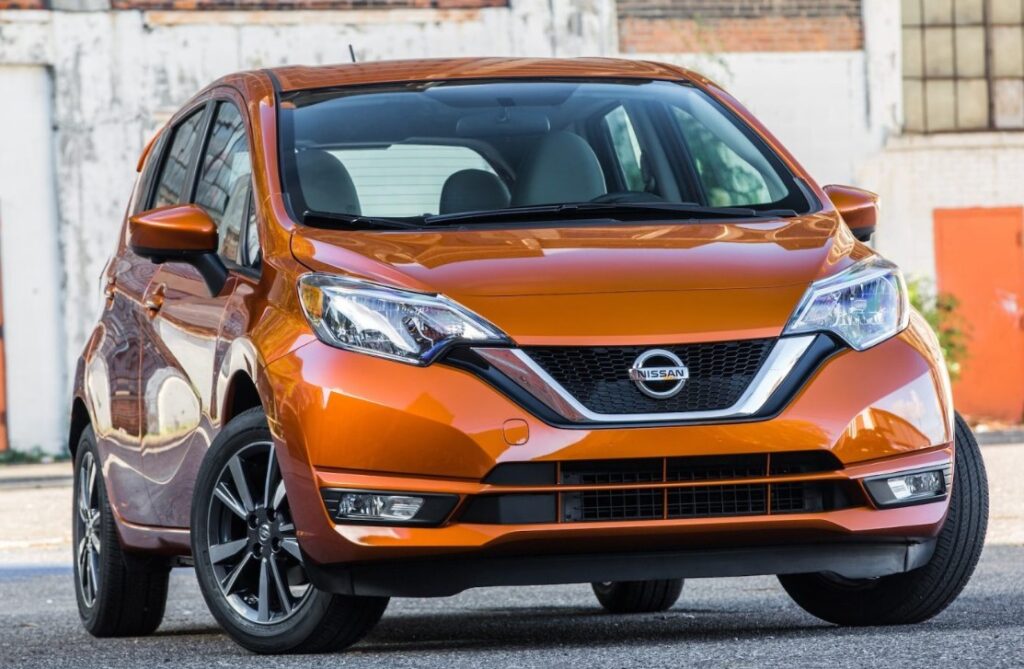
The Nissan Note e-Power is an unusual little car. It looks like a conventional hatchback, accelerates like an electric vehicle, and refuels at an ordinary petrol station. On paper, that combination sounds almost perfect.
Yet anyone considering a used model will eventually ask the uncomfortable question: what are the most common Nissan Note e-Power problems?
The answer is not as simple as saying the car is reliable or unreliable. The Note e-Power combines a petrol engine, generator, lithium-ion battery, inverter, electric motor, regenerative braking system, cooling circuits, sensors, and several electronic control modules. That creates a smooth and efficient driving experience, but it also means faults can be harder to diagnose than they would be in a basic petrol hatchback.
Some reported issues are minor annoyances. Others can cause warning messages, reduced power, expensive repairs, or even an inability to drive. There have also been official recalls affecting particular vehicles and production periods, so checking an individual chassis number is essential.
In this guide, we will examine the symptoms, causes, repair options, warning signs, and buying checks that matter most. We will also separate genuine faults from normal e-Power behaviour, because this car sometimes makes noises or changes its engine speed in ways that can alarm an unfamiliar driver.
Content in this publication
- How the Nissan Note e-Power System Works
- Are Nissan Note e-Power Cars Reliable?
- Most Common Nissan Note e-Power Problems
- 1. EV System Warning Light or Warning Message
- 2. Sudden Loss of Power or Reduced Acceleration
- 3. High-Voltage Battery Deterioration
- 4. 12-Volt Battery Problems
- 5. Petrol Engine Noise and Excessive Revving
- 6. Rough Engine Operation and Vibration
- 7. Poor Fuel Economy
- 8. Regenerative Braking Feels Weak or Inconsistent
- 9. Inverter and Power-Electronics Faults
- 10. Cooling-System Problems
- 11. Electrical and Sensor Faults
- 12. NISMO-S Battery Fuse Recall
- 13. Other Nissan Note Recall Considerations
- Nissan Note e-Power Warning Lights Explained
- How to Diagnose Nissan Note e-Power Problems Correctly
- Buying a Used Nissan Note e-Power
- Nissan Note e-Power Maintenance Tips
- How Expensive Are Nissan Note e-Power Repairs?
- Should You Avoid the Nissan Note e-Power?
- Final Verdict on Nissan Note e-Power Problems
- Frequently Asked Questions
How the Nissan Note e-Power System Works
Before discussing faults, we need to understand what is happening beneath the bonnet.
The Note e-Power is not a conventional parallel hybrid. In a traditional hybrid, the petrol engine may drive the wheels directly, either by itself or together with an electric motor. Nissan’s e-Power arrangement works differently.
The wheels are driven exclusively by an electric motor. The petrol engine acts mainly as an onboard electricity generator, producing energy for the battery and electric drive system. Nissan describes the first-generation system as consisting of a petrol engine, high-voltage battery, generator, inverter, and high-output drive motor.
Think of it as an electric car carrying its own compact power station.
This arrangement gives the Note:
- Immediate electric-motor torque
- Smooth acceleration without conventional gear changes
- Regenerative braking
- No need to connect the car to a charger
- Better urban efficiency than many ordinary petrol cars
- A quieter driving experience in suitable conditions
However, it also means the car depends heavily on software, electronics, sensors, battery management, and communication between multiple control units.
Why e-Power Faults Can Be Difficult to Diagnose
A conventional petrol car may have one obvious problem: the engine runs badly, the clutch slips, or the gearbox refuses to shift.
An e-Power problem can be more like a disagreement inside a committee. The petrol engine may be healthy, yet the vehicle might still lose power because the battery controller, inverter, cooling system, motor controller, or voltage supply has detected an abnormal condition.
The dashboard message tells us that something is wrong, but it does not always identify the guilty component.
That is why generic diagnosis can become expensive. Replacing parts based on guesswork is like throwing darts in the dark. A proper scan using equipment capable of accessing Nissan hybrid and e-Power modules is far more valuable than reading only standard engine codes.
Are Nissan Note e-Power Cars Reliable?
Generally, a well-maintained Note e-Power can be economical, responsive, and dependable. Its electric drive system removes several conventional wear points because there is no ordinary stepped automatic transmission connecting the petrol engine to the wheels.
Nevertheless, reliability depends heavily on four factors:
- The model year and production period
- Previous maintenance
- Battery and electrical-system condition
- Whether recall and software work has been completed
Imported cars create an extra complication. Many Note e-Power vehicles outside Japan arrived as used imports, and their service records may be incomplete or written in Japanese. A clean body and shiny interior do not prove that the battery, control software, or cooling systems are healthy.
First-Generation and Second-Generation Differences
The first Note e-Power appeared in Japan in 2016. Nissan later introduced its second-generation e-Power technology in the newer Note, with refinements intended to improve power delivery, smoothness, efficiency, and refinement. Nissan continues to market the current Japanese Note as using its second-generation e-Power system.
Older HE12-generation cars are now affordable in many import markets, but age introduces familiar problems:
- A weakening 12-volt battery
- Reduced high-voltage battery performance
- Worn suspension components
- Corroded electrical connections
- Cooling-system deterioration
- Deferred maintenance
- Outdated software
- Previous accident repairs
A newer car is not automatically trouble-free, but age and neglect often magnify small weaknesses.
Most Common Nissan Note e-Power Problems
The following issues deserve the closest attention. Not every vehicle will experience them, and some symptoms overlap, so accurate diagnosis remains essential.
1. EV System Warning Light or Warning Message
One of the most worrying Nissan Note e-Power problems is an EV-system warning on the instrument display.
Depending on the fault and market, the driver may see wording similar to:
- EV system fault
- EV system warning
- System malfunction
- Power limited
- Stop vehicle
- Visit dealer
- Hybrid system fault
The vehicle may continue driving normally, enter a reduced-power mode, refuse to select drive, or shut down propulsion completely.
Possible Causes of an EV-System Warning
The message can be triggered by several conditions:
- Battery-controller software fault
- High-voltage battery abnormality
- Inverter or motor-control fault
- Generator problem
- Cooling-system fault
- Insulation or high-voltage leakage detection
- Weak 12-volt battery
- Damaged wiring or connectors
- Communication failure between control modules
- Faulty current, temperature, or voltage sensor
Because the warning covers such a broad group of faults, it should never be diagnosed from the dashboard message alone.
A Relevant 2026 Nissan Recall
In Japan, Nissan announced a recall beginning on June 26, 2026, affecting certain Note, Note Aura, and X-Trail vehicles. Nissan stated that inappropriate lithium-ion battery-controller software could make an unnecessary abnormality determination.
According to the recall notice, affected vehicles could display an EV-system warning and limit motor output. In the worst case, motor output could stop while the vehicle was being driven, leaving it unable to continue. The remedy is reprogramming the lithium-ion battery controller with corrected software.
This does not mean every Note e-Power is affected. Recall eligibility depends on the exact model, chassis number, and production period.
2. Sudden Loss of Power or Reduced Acceleration
A Note e-Power should feel eager from a standstill because its electric motor delivers torque immediately. If the car suddenly becomes sluggish, refuses to accelerate properly, or displays a power-limited warning, something needs attention.
Possible causes include:
- Protective reduced-power mode
- High-voltage battery temperature issue
- Battery charge-state problem
- Inverter overheating
- Motor-controller fault
- Generator unable to supply sufficient electricity
- Fuel or ignition problem affecting the generator engine
- Software error
- Blocked cooling airflow
- Weak electrical supply from the 12-volt battery
Reduced power is sometimes a deliberate protective response. The system may limit output to prevent damage when it detects excessive temperature, abnormal voltage, or inconsistent sensor data.
What to Do When the Car Loses Power
Move to a safe location without switching the vehicle off in a dangerous position. Note any warning messages and photograph the instrument panel.
After stopping safely:
- Place the selector in Park.
- Apply the parking brake.
- Switch the vehicle off.
- Wait several minutes.
- Restart it once.
- Avoid repeated restart attempts if the warning returns.
- Arrange a diagnostic scan or recovery.
A restart may temporarily clear a software or voltage-related symptom, but it does not repair the underlying fault.
3. High-Voltage Battery Deterioration
The lithium-ion traction battery is smaller than the battery in a fully electric vehicle, but it still performs constant work. It receives electricity, supports acceleration, powers the drive motor, and absorbs energy during regenerative braking.
Over time, battery performance can deteriorate.
Signs of Possible Battery Degradation
Look for patterns such as:
- Petrol engine running more frequently
- Noticeably poorer fuel economy
- Battery gauge rising and falling unusually quickly
- Reduced electric response
- Engine revving hard during modest acceleration
- Frequent charging and discharging cycles
- Reduced regenerative-braking effectiveness
- EV-system warnings
- Reduced-power episodes
- Unusual battery cooling-fan activity
None of these symptoms proves the battery is defective. Cold weather, cabin-heating demand, steep roads, sustained high speed, or low fuel level can also change how the system behaves.
A battery-health scan is far more useful than judging the dashboard gauge alone.
Does the e-Power Battery Need Routine Replacement?
There is no universal mileage at which every battery must be replaced. Battery life depends on age, temperature exposure, charging cycles, driving conditions, software management, and previous use.
Some batteries remain perfectly serviceable for many years. Others develop module imbalance, sensor faults, damaged internal connections, or reduced capacity sooner.
We should therefore treat battery replacement as a condition-based repair rather than a scheduled service item.
4. 12-Volt Battery Problems
The small 12-volt battery may look ordinary, but it plays a critical role. It wakes the control modules, powers accessories, activates relays, and allows the high-voltage system to initialise.
A weak 12-volt battery can produce a carnival of confusing warnings.
Symptoms of a Weak 12-Volt Battery
Common signs include:
You may be interested in reading Nissan Note Issues: A New Zealand Diagnostic Guide
- Vehicle will not enter Ready mode
- Multiple warning lights appear together
- Keyless entry behaves inconsistently
- Dashboard flickers
- Infotainment system resets
- Selector will not operate normally
- EV warning appears after the car has been parked
- Car starts after a jump but later fails again
This is one of the first items worth testing when a Note e-Power develops unexplained electronic problems.
Why a Basic Voltage Check May Not Be Enough
A resting battery can show an acceptable voltage yet collapse under load. We need a proper battery condition or conductance test, not simply a quick reading with the vehicle switched off.
The charging system should also be checked. Installing a new battery without confirming that the vehicle is charging and managing it correctly may only postpone the problem.
5. Petrol Engine Noise and Excessive Revving
New owners often assume something is wrong when the engine starts unexpectedly or revs without matching road speed.
In an e-Power vehicle, engine speed is linked to electricity demand rather than directly to wheel speed. The engine may run harder while the car is travelling slowly because the generator needs to replenish the battery or support high electrical demand.
This can feel unnatural. We press the accelerator gently, yet the engine suddenly sounds as though it is climbing a mountain.
When Engine Noise Is Normal
The generator engine may become more noticeable when:
- The traction battery charge is low
- The cabin heater or demister is operating
- The car is climbing a hill
- Acceleration demand is high
- The weather is very cold
- The system is warming up
- The vehicle has been driven at sustained higher speed
Nissan launched the Note e-Power as a motor-driven vehicle whose petrol engine generates electricity for the lithium-ion battery when needed. Consequently, engine activity does not always correspond neatly with vehicle speed.
When Engine Noise Suggests a Fault
Investigate noises accompanied by:
- Rough running
- Metallic knocking
- Persistent vibration
- Misfiring
- Strong fuel smell
- Smoke
- Engine warning light
- Significant fuel-economy decline
- Difficulty starting the generator engine
- Abnormally high revving in mild conditions
Possible causes include worn engine mounts, ignition faults, poor-quality oil, overdue maintenance, cooling problems, intake contamination, exhaust damage, or an issue with the generator load.
6. Rough Engine Operation and Vibration
Although the electric motor moves the car, the petrol engine still requires ordinary maintenance. It has engine oil, spark plugs, filters, cooling components, fuel injectors, ignition coils, and mounting hardware.
When it runs roughly, the vibration may pass through the cabin even though propulsion remains electrically smooth.
Likely Causes
Potential causes include:
- Worn engine mounts
- Ageing spark plugs
- Faulty ignition coil
- Dirty injector
- Contaminated throttle body
- Intake leak
- Incorrect engine oil
- Low oil level
- Exhaust-system damage
- Engine misfire
- Deteriorated fuel
A vehicle that has spent months sitting in storage before export may be particularly vulnerable to weak batteries, old fuel, corrosion, and sticky mechanical components.
7. Poor Fuel Economy
The Note e-Power often performs best in urban and mixed driving, where regenerative braking and electric propulsion can work efficiently. Fuel consumption may worsen at sustained motorway speeds because the petrol engine must generate the energy required to maintain continuous high-speed travel.
Common Reasons for Increased Fuel Consumption
Poor economy may result from:
- Short journeys in cold weather
- Heavy use of cabin heating
- High motorway speeds
- Low tyre pressure
- Incorrect wheel alignment
- Binding brakes
- Worn or unsuitable tyres
- Degraded engine oil
- Dirty air filter
- Weak traction battery
- Sensor or ignition fault
- Excess cargo
- Aggressive acceleration
- Long periods of idling for heating or cooling
Before blaming the hybrid battery, check the basics. A soft tyre can quietly drink fuel like a leaky tap.
How to Measure Economy Properly
Do not judge consumption from one short journey. Reset the trip computer and measure several full tanks over normal driving.
Compare:
- Litres added
- Distance travelled
- Average speed
- Temperature
- Urban versus motorway use
- Heater and air-conditioning use
A consistent decline under similar conditions is more meaningful than a single disappointing trip.
8. Regenerative Braking Feels Weak or Inconsistent
One-pedal-style driving is an important part of the e-Power experience. Depending on model, mode, speed, battery charge, and conditions, lifting the accelerator can produce noticeable deceleration.
Drivers may worry when the effect changes.
Why Regenerative Braking Can Vary
Regeneration may reduce when:
- The battery is already highly charged
- The battery is too cold or too hot
- The vehicle is moving at very low speed
- Stability-control intervention is required
- Road grip is poor
- A different drive mode is selected
- The system detects a fault
The physical brakes still remain essential. Regenerative deceleration does not eliminate brake-pad and disc wear.
Signs of a Genuine Braking Problem
Arrange an inspection if you notice:
- Brake warning light
- Grinding or scraping
- Vehicle pulling to one side
- Excessive pedal travel
- Spongy pedal feel
- Strong vibration under braking
- Regeneration disappearing with an EV warning
- Burning smell from a wheel
- One wheel becoming unusually hot
A brake or stability-system fault is a safety issue, not merely an efficiency problem.
9. Inverter and Power-Electronics Faults
The inverter manages electrical energy between the battery, motor, and generator. It is one of the central conductors in the e-Power orchestra. If it cannot control voltage and current correctly, the entire performance can stop.
Possible Inverter-Fault Symptoms
These may include:
- EV-system warning
- Reduced power
- Failure to enter Ready mode
- Sudden propulsion loss
- Cooling-fan activity
- Electrical whining
- Fault codes related to voltage or motor control
- Vehicle shutting down under load
An inverter fault should be diagnosed by a qualified hybrid or EV technician. High-voltage components can remain dangerous even when the vehicle appears switched off.
Do Not Attempt High-Voltage DIY Repairs
Orange cables, battery housings, inverter assemblies, and high-voltage connectors should not be opened casually. Incorrect handling can cause severe electric shock, fire, component damage, or accidental system activation.
Routine maintenance is one thing. High-voltage repair is another world entirely.
10. Cooling-System Problems
The Note e-Power has several components that generate heat. The petrol engine requires cooling, while the battery and power electronics depend on controlled operating temperatures.
Cooling faults can trigger performance limitations before obvious overheating occurs.
Warning Signs
Watch for:
- Coolant warning
- Temperature warning
- Reduced-power mode
- Cooling fans running excessively
- Sweet coolant smell
- Visible leakage
- Coolant level repeatedly falling
- Gurgling sounds
- Cabin heater behaving strangely
- Warning messages after long climbs
Never open a hot cooling system. Allow the car to cool and follow the correct service procedure.
A small coolant leak can look harmless at first, but hybrid power electronics dislike excessive heat. Ignoring it may turn a modest repair into a painfully expensive one.
11. Electrical and Sensor Faults
Modern vehicles depend on sensors for wheel speed, temperature, voltage, current, accelerator position, braking demand, engine operation, battery condition, and vehicle stability.
A single inaccurate signal can cause several systems to complain at once.
Frequently Confused Electrical Symptoms
Owners may experience:
- Random dashboard warnings
- Parking sensors failing
- Camera display problems
- Keyless-entry faults
- Intermittent Ready-mode failure
- Automatic braking warnings
- Lane or collision-system messages
- Infotainment freezing
- Lights behaving unpredictably
Possible causes range from a weak 12-volt battery to water intrusion, corroded connectors, accident damage, software errors, or a failed sensor.
When several unrelated warnings appear simultaneously, we should suspect a shared voltage, grounding, communication, or wiring problem before assuming that every system has failed independently.
12. NISMO-S Battery Fuse Recall
Certain Note e-Power NISMO-S vehicles were included in a Japanese recall announced in December 2022.
Nissan reported that the specification of an internal lithium-ion battery fuse was unsuitable. Depending on how the car was driven, the fuse could deteriorate prematurely. In the worst case, it could rupture, illuminate a warning light, stop power supply to the motor, and leave the vehicle unable to drive.
The recall remedy involved replacing the internal battery fuse with an improved component.
This issue is especially important for buyers considering an imported NISMO-S. The car may look exciting, but performance styling should never distract us from checking its recall history.
13. Other Nissan Note Recall Considerations
Recall campaigns can cover large production ranges while only certain chassis numbers are eligible. For example, a 2019 Japanese Nissan Note recall listing included both HE12 and SNE12 e-Power model codes within the published production ranges.
The correct approach is simple:
You may be interested in readingNissan Note Issues: A New Zealand Diagnostic GuideYou may be interested in reading
Nissan Note Key Stuck in Ignition: Causes, Fixes, and Prevention- Locate the full chassis number
- Confirm the exact model code
- Contact Nissan or an authorised representative
- Check Japanese recall information when dealing with an import
- Request proof that campaign work was completed
- Do not rely solely on the seller’s verbal assurance
A recall does not automatically make a vehicle a bad purchase. Uncompleted recall work is the real concern.
Nissan Note e-Power Warning Lights Explained
Warning lights should be interpreted by colour, wording, and vehicle behaviour.
Red Warning
A red warning may indicate an urgent safety, braking, temperature, electrical, or propulsion problem. Stop as soon as it is safe and consult the owner information or recovery service.
Amber or Yellow Warning
An amber warning usually means the vehicle requires inspection but may still operate. However, an amber EV warning combined with reduced power, unusual noise, overheating, or poor braking should not be ignored.
Multiple Lights at Once
A cluster of warnings often points towards:
- Weak 12-volt battery
- Low system voltage
- Communication fault
- Wiring or grounding issue
- Control-module reset
- Water damage
Photograph the dashboard before switching off the car. Some messages disappear after a restart, leaving the technician with less evidence.
How to Diagnose Nissan Note e-Power Problems Correctly
Accurate diagnosis follows a sequence. Guessing wastes money.
Step 1: Record the Symptoms
Write down:
- What happened
- Vehicle speed
- Battery-gauge position
- Fuel level
- Weather and temperature
- Whether the heater was operating
- Warning-message wording
- Whether power was reduced
- Whether restarting changed anything
Step 2: Test the 12-Volt Battery
Check battery health, terminals, charging behaviour, and ground connections.
Step 3: Perform a Full-System Scan
Use diagnostic equipment capable of communicating with:
- Engine controller
- Vehicle control module
- Battery controller
- Motor and inverter system
- Brake controller
- Body-control module
- Driver-assistance systems
A cheap generic code reader may see only a small piece of the puzzle.
Step 4: Check Recalls and Software Updates
Confirm whether the chassis number has any open recall or service campaign. Software can be as important as hardware in an electrified vehicle.
Step 5: Inspect Cooling, Wiring, and Connectors
Look for leakage, corrosion, damaged harnesses, poor repairs, blocked vents, rodent damage, or accident-related problems.
Step 6: Analyse Live Data
A specialist can examine:
- Battery module voltages
- Temperature readings
- State of charge
- Generator output
- Motor current
- Inverter temperature
- Sensor consistency
- Misfire data
- 12-volt supply stability
Live data helps reveal what the system is doing, not merely what it did once.
Buying a Used Nissan Note e-Power
A careful inspection can save us from buying someone else’s unfinished repair project.
Essential Pre-Purchase Checks
Before paying, verify:
- Chassis and model codes
- Service history
- Recall completion
- Battery health
- Cold-start behaviour
- Warning lights
- Generator-engine smoothness
- Air-conditioning performance
- Tyre condition and matching sizes
- Brake condition
- Suspension noise
- Accident history
- Underbody corrosion
- Availability of both keys
- Diagnostic fault-code history
Test-Drive Checklist
Drive the vehicle from cold and include:
- Slow urban traffic
- Firm acceleration
- A hill
- Steady higher-speed driving
- Regenerative deceleration
- Conventional braking
- Tight turns
- Parking manoeuvres
- Heater and air-conditioning operation
- A restart after the drive
The car should enter Ready mode promptly, accelerate smoothly, brake consistently, and avoid persistent warning messages.
Be Suspicious of a Recently Cleared Dashboard
A seller may disconnect the battery or erase fault codes shortly before a viewing. Ask whether codes have recently been cleared and inspect diagnostic readiness, history, and pending faults where possible.
A dashboard without lights is reassuring, but it is not a complete health certificate.
Nissan Note e-Power Maintenance Tips
Preventive maintenance cannot eliminate every electronic fault, but it can reduce risk.
Follow the Correct Service Schedule
Pay attention to:
- Engine oil and filter
- Engine air filter
- Spark plugs
- Coolant condition
- Brake fluid
- Cabin filter
- Tyres
- Brakes
- 12-volt battery
- Cooling vents and fans
- Software campaigns
Use the oil grade and specification stated for the exact engine and market. A recommendation for one Note variant may not apply to another.
Do Not Ignore Small Electrical Symptoms
An occasional slow start into Ready mode, random warning, or infotainment reset may be the first sign of weak voltage or a poor connection.
Small electronic glitches are like whispers from the car. Listening early is cheaper than waiting for them to become screams.
Drive the Car Regularly
Long storage periods can harm the 12-volt battery, brakes, tyres, fuel quality, and electrical connections. Regular use helps keep systems active, although it cannot reverse existing battery degradation.
Keep Cooling Areas Clear
Do not block battery or cabin ventilation openings with luggage, seat covers, dirt, or pet hair. Heat is an enemy of batteries and power electronics.
How Expensive Are Nissan Note e-Power Repairs?
Repair cost varies dramatically by country and parts availability.
A 12-volt battery or worn engine mount may be relatively straightforward. An inverter, traction battery, damaged high-voltage harness, or specialised control module can be far more expensive.
Imported vehicles may face additional costs because:
- Parts must be ordered from Japan
- Local Nissan dealers may not officially support the model
- Diagnostic information may be limited
- Independent technicians may lack e-Power experience
- Used parts may have uncertain condition
- Software programming may require specialised access
Before buying, locate a workshop that already understands Nissan hybrid and EV systems. Discovering after a breakdown that nobody nearby can diagnose the car is like buying a boat before checking whether there is water.
Should You Avoid the Nissan Note e-Power?
Not necessarily.
The Note e-Power offers lively acceleration, compact dimensions, low-speed refinement, and strong urban efficiency. Its drivetrain is clever and appealing, particularly for drivers who want an electric-style experience without plugging in.
However, it is not the ideal vehicle for everyone.
We should approach carefully when:
- The car has no service history
- Recall status cannot be confirmed
- Warning lights have been cleared
- The seller refuses a diagnostic scan
- The engine runs roughly
- The battery gauge behaves erratically
- Replacement parts are difficult to obtain locally
- No qualified e-Power technician is available nearby
A well-documented example that passes a specialist inspection can be a far safer purchase than the cheapest car in the listings.
Final Verdict on Nissan Note e-Power Problems
The Nissan Note e-Power is neither a mechanical disaster nor a maintenance-free miracle. It is a sophisticated compact car whose electric drive system delivers smooth performance while the petrol engine quietly generates electricity in the background.
Its most important potential problems include EV-system warnings, reduced power, weak 12-volt batteries, high-voltage battery deterioration, inverter faults, cooling issues, rough generator-engine operation, inconsistent regenerative braking, and software-related abnormalities.
Certain vehicles have also been affected by official recalls, including a NISMO-S battery-fuse campaign and a 2026 battery-controller software recall covering eligible Note models in Japan. Checking the exact chassis number is therefore essential.
The golden rule is simple: diagnose before replacing, inspect before buying, and never ignore an EV-system warning.
With proper maintenance, completed recall work, healthy batteries, and support from a capable technician, the Note e-Power can remain an efficient and enjoyable hatchback. Without those safeguards, its clever technology can become a maze of warnings and expensive guesses.
Frequently Asked Questions
1. What is the most common Nissan Note e-Power problem?
There is no single fault affecting every vehicle, but weak 12-volt batteries, unexplained dashboard warnings, rough generator-engine operation, and reduced fuel economy are common concerns on ageing examples. EV-system warnings require a full diagnostic scan because they can involve software, battery, inverter, cooling, wiring, or sensor faults.
2. How long does a Nissan Note e-Power battery last?
Battery life depends on age, temperature, driving conditions, charging cycles, maintenance, and previous use. There is no fixed replacement mileage. A battery-health scan that compares module voltages, temperature data, and operating behaviour provides a better assessment than mileage alone.
3. Can you drive with the EV-system warning light on?
That depends on the warning and the car’s behaviour. If the warning is red, power is reduced, the car overheats, braking changes, or the vehicle behaves abnormally, stop somewhere safe and arrange professional assistance. Continuing to drive could worsen the fault or lead to a loss of propulsion.
4. Why does the Nissan Note e-Power engine rev while driving slowly?
The petrol engine generates electricity rather than directly matching road speed. It may rev to recharge the traction battery, warm the system, operate the heater, or satisfy high electrical demand. This can be normal. Rough running, knocking, smoke, warning lights, or excessive vibration are not normal.
5. Is a used Nissan Note e-Power worth buying?
It can be worthwhile when the vehicle has verifiable maintenance records, completed recalls, a healthy battery, no unexplained warnings, and access to competent e-Power servicing. A pre-purchase scan and battery assessment are strongly recommended, particularly for a Japanese import.
You may be interested in readingNissan Note Issues: A New Zealand Diagnostic GuideYou may be interested in reading
Nissan Note Key Stuck in Ignition: Causes, Fixes, and PreventionYou may be interested in reading
 Chevrolet Silverado Issues: Common Problems, Causes, and Solutions
If you want to know other articles similar to Nissan Note e-Power Problems: Reliability, Symptoms, and Solutions you can visit the category Common Problems.
Chevrolet Silverado Issues: Common Problems, Causes, and Solutions
Nissan Note Key Stuck in Ignition: Causes, Fixes, and Prevention
Nissan Note Issues: A New Zealand Diagnostic Guide

Ford Ranger Issues: Common Problems, Warning Signs, and Practical Fixes

Vauxhall Adam Problems: Common Faults, Warning Signs, and Buying Advice
BMW 2 Series Drivetrain Fault: Causes, Symptoms, and Fixes
Leave a Reply
More content of your interest