
Nissan Note e-Power Battery Replacement Cost NZ: Complete Owner’s Guide

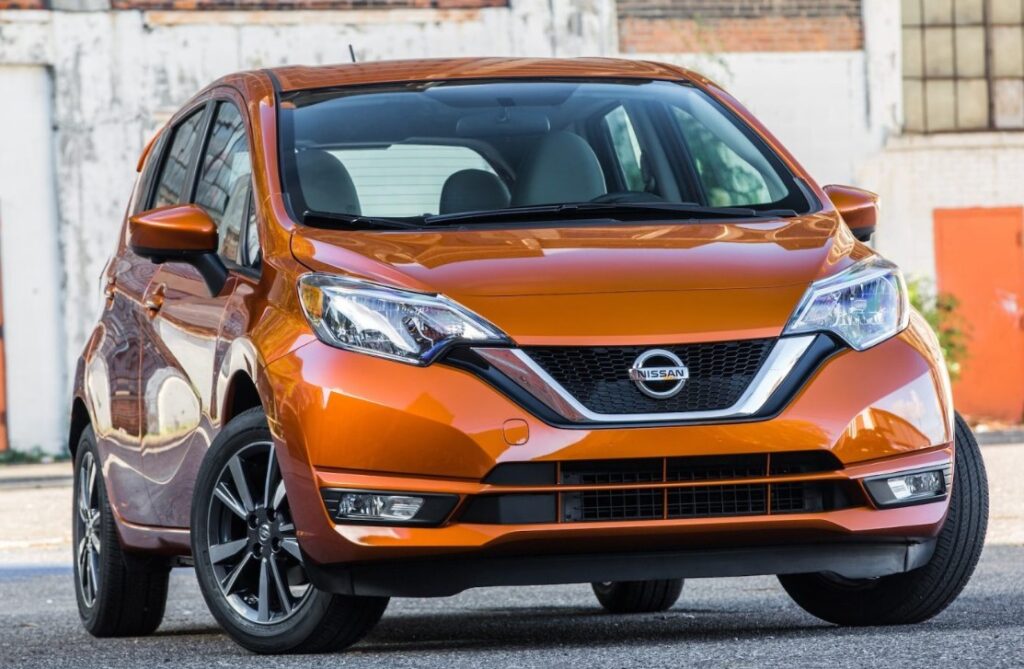
The Nissan Note e-Power battery replacement cost in NZ can come as a nasty surprise. Depending on the battery involved, its condition, the replacement option, parts availability, labour, and warranty coverage, the bill may range from a few hundred dollars to well above NZ$10,000.
That is a rather wide gap, isn’t it?
The reason is simple: a Nissan Note e-Power contains more than one battery. It has a conventional 12-volt auxiliary battery, much like an ordinary petrol car, as well as a high-voltage lithium-ion traction battery that helps power the electric motor.
Replacing the small 12V battery is usually routine and relatively affordable. Replacing the complete e-Power traction battery is another story. It can feel less like buying a car part and more like funding a small renovation.
In New Zealand, the challenge is amplified because most Nissan Note e-Power vehicles are used imports from Japan. Battery packs, compatible modules, specialist diagnostic equipment, and trained technicians are not necessarily available at every local workshop.
So, how much should we realistically budget? Is repairing the existing pack worthwhile? And when does replacing the battery make less financial sense than replacing the car?
Let’s unpack the numbers without turning the discussion into a bowl of electrical spaghetti.
Content in this publication
- How Much Does a Nissan Note e-Power Battery Replacement Cost in NZ?
- Understanding the Nissan e-Power System
- Which Battery Needs Replacing?
- Nissan Note e-Power Battery Replacement Cost Breakdown
- New, Used, Reconditioned, or Repaired Battery?
- Why Replacement Costs Vary So Much Across New Zealand
- Signs the Nissan Note e-Power Battery May Be Failing
- How Long Does a Nissan Note e-Power Battery Last?
- Can Maintenance Prevent Battery Replacement?
- How to Get an Accurate Battery Replacement Quote
- Should We Replace the Battery or Sell the Car?
- Buying a Used Nissan Note e-Power in NZ
- Can Insurance Cover e-Power Battery Replacement?
- Consumer Protection and Battery Warranties in New Zealand
- How to Reduce the Final Replacement Bill
- Is the Nissan Note e-Power Still Worth Owning?
- Final Thoughts on Nissan Note e-Power Battery Replacement Cost NZ
- Frequently Asked Questions
- 1. How much is a Nissan Note e-Power battery in New Zealand?
- 2. Can a Nissan Note e-Power battery be repaired instead of replaced?
- 3. How do we know whether the 12V or hybrid battery has failed?
- 4. Is a reconditioned Nissan Note e-Power battery reliable?
- 5. Is it worth replacing the battery in an older Nissan Note e-Power?
How Much Does a Nissan Note e-Power Battery Replacement Cost in NZ?
As a broad New Zealand guide, owners may encounter the following approximate costs:
| Battery service | Estimated NZ cost |
|---|---|
| 12V auxiliary battery replacement | NZ$250–NZ$600 |
| High-voltage battery diagnostic assessment | NZ$150–NZ$450 |
| Battery cooling-system service | NZ$150–NZ$500 |
| Individual module or limited pack repair | NZ$1,500–NZ$4,000 |
| Reconditioned traction battery installation | NZ$3,000–NZ$7,000 |
| Used traction battery installation | NZ$3,500–NZ$8,000 |
| New or fully assembled replacement pack | NZ$10,000–NZ$15,000+ |
These figures are estimates rather than fixed national prices. The final quote will depend on the vehicle’s chassis code, model year, battery generation, pack condition, labour requirements, shipping, taxes, and warranty.
One New Zealand hybrid-battery supplier lists a Nissan Note e-Power hybrid battery at approximately NZ$14,850, illustrating how expensive a complete replacement pack can become when a new or premium assembly is required.
By comparison, general New Zealand hybrid-battery replacement costs for smaller hybrid vehicles are often advertised around NZ$2,000 to NZ$3,500. However, the Nissan Note e-Power is not always directly comparable with common Toyota hybrids because its battery design, availability, control systems, and replacement market are different.
The smartest approach is therefore to avoid accepting a full-pack replacement quote until a qualified e-Power specialist has confirmed that the complete pack truly needs replacing.
Understanding the Nissan e-Power System
The Nissan Note e-Power is often called a hybrid, but it does not operate exactly like a Toyota Prius or a conventional parallel hybrid.
In the e-Power system, the petrol engine acts primarily as a generator. It produces electricity for the traction battery and electric-drive system. The wheels are driven by an electric motor rather than being directly powered by the petrol engine during normal operation.
That distinction matters because the high-voltage battery plays a central role in how the vehicle accelerates, regenerates energy, and manages power.
Nissan describes e-Power as an electrified system that provides electric-motor driving without requiring owners to plug the vehicle into an external charger.
Think of it this way: the petrol engine is the kitchen, the battery is the serving counter, and the electric motor is the waiter taking energy to the wheels. When the serving counter stops working properly, the whole restaurant becomes chaotic even though the kitchen is still producing food.
Is the Nissan Note e-Power a Full Electric Vehicle?
No. The Nissan Note e-Power is not a battery-electric vehicle like the Nissan Leaf.
It carries a much smaller traction battery than a full EV and uses its petrol engine to generate electricity. Drivers fill the car with petrol and do not normally charge it from a wall socket.
This smaller battery usually makes the e-Power system lighter and potentially less expensive to repair than a large EV battery. However, it does not automatically mean replacement will be cheap. Low parts availability can push the cost upwards.
Why the Battery Still Matters So Much
Although the petrol engine generates electricity, the vehicle still depends heavily on the traction battery.
The battery helps:
- Deliver power to the electric motor
- Store regenerative-braking energy
- Smooth sudden changes in electrical demand
- Support acceleration
- Reduce inefficient engine operation
- Maintain stable voltage throughout the system
A severely degraded or internally damaged pack may prevent the car from operating normally. In some cases, the vehicle may enter a reduced-power mode. In more serious situations, it may refuse to enter its ready-to-drive state.
Which Battery Needs Replacing?
Before worrying about a five-figure repair, we need to identify which battery is actually causing trouble.
Many owners hear the word “battery” and immediately picture the large high-voltage pack. Yet a weak 12V battery can produce a surprisingly dramatic collection of warnings.
The 12V Auxiliary Battery
The 12V battery supports the car’s computers, control units, locks, lights, accessories, and start-up sequence.
It does not crank the engine in exactly the same way as a conventional starter battery, but the car still needs sufficient 12V power to activate its electronic systems.
A weak 12V battery may cause:
- Failure to enter ready mode
- Multiple warning lights
- Central-locking problems
- Flickering dashboard displays
- Communication fault codes
- Intermittent starting behaviour
- Strange electrical symptoms
- Loss of stored settings
A replacement 12V battery may cost roughly NZ$250 to NZ$600, depending on its specification, brand, fitting service, and whether an AGM or other specialised type is required.
That is why the 12V battery should usually be tested first. Spending NZ$300 is much easier to swallow than spending NZ$13,000.
The High-Voltage Traction Battery
The traction battery is the expensive unit associated with the e-Power drive system.
Depending on the generation, the Nissan Note e-Power uses a compact lithium-ion battery pack. It is designed to charge and discharge frequently while remaining within a controlled operating range.
Unlike a full EV battery, it is not intended to store enough electricity for long-distance electric-only travel. Its job is to act as an efficient energy buffer between the generator, regenerative-braking system, and electric motor.
Can the Traction Battery Be Repaired?
Sometimes.
A specialist may find that the problem is limited to:
- One or more weakened modules
- Voltage imbalance
- Damaged wiring
- Corroded connections
- A temperature sensor
- A cooling fan
- A contactor
- A battery-management component
- An insulation fault
- Contamination or restricted airflow
In such cases, a targeted repair might restore operation without replacing the entire pack.
However, module replacement is not always the ideal long-term cure. A pack is a team, and inserting one stronger player into an ageing squad does not automatically make everyone perform equally. If the remaining modules are already tired, another failure may follow.
Nissan Note e-Power Battery Replacement Cost Breakdown
A replacement quote consists of more than the price of the battery itself.
1. Diagnostic Testing
A proper diagnosis may include:
- Scanning all control modules
- Recording battery-related fault codes
- Comparing module voltage
- Measuring voltage differences under load
- Checking battery temperature readings
- Inspecting cooling airflow
- Testing insulation resistance
- Reviewing charging and discharging behaviour
- Examining the 12V electrical supply
A basic scan may cost less, but a comprehensive high-voltage diagnosis can reasonably cost several hundred New Zealand dollars.
We should not view this as wasted money. A careful diagnosis is the map that stops us driving directly into the swamp of unnecessary replacement.
2. The Replacement Battery
The battery itself normally represents the largest part of the invoice.
Its price depends on whether it is:
- Brand-new
- New old stock
- Reconditioned
- Remanufactured
- Removed from a written-off vehicle
- Imported from Japan
- Supplied with control electronics
- Sold as a bare pack
- Supplied with a warranty
A locally advertised complete Nissan Note e-Power battery approaching NZ$15,000 demonstrates the upper end owners may face for a full assembly.
3. Labour and Installation
Battery removal and installation involve high-voltage safety procedures. The technician may need to isolate the electrical system, remove interior components, extract the battery pack, transfer hardware, install the replacement, clear codes, and test the vehicle.
Labour costs will vary by region and workshop. Specialist work in Auckland, Wellington, or Christchurch may be priced differently from work in a smaller centre where fewer qualified providers operate.
4. Freight and Import Costs
Because many replacement units come from overseas, freight can have a noticeable effect on the total.
The pack may require:
- Hazardous-goods handling
- Specialist packaging
- Marine or air freight
- Customs processing
- Goods and Services Tax
- Local delivery
- Insurance
A battery that initially looks affordable in Japan may become far less attractive once it reaches a New Zealand workshop.
5. Programming and Calibration
Some replacement jobs may require system resets, battery data registration, programming, calibration, or relearning procedures.
Not every workshop has the correct equipment or access to model-specific information. Before accepting a quote, we should ask whether programming and post-installation testing are included.
6. Disposal or Core Charges
The old battery still has value because it contains reusable components and recoverable materials.
You may be interested in reading Nissan Note Tyre Size: Complete New Zealand Guide
A supplier may:
- Require the old pack in exchange
- Apply a refundable core charge
- Reduce the price when retaining the old battery
- Charge for safe disposal
- Rebuild the old pack for future resale
Always ask who owns the removed battery after the repair. It may sound like a small detail, but it can affect the price and our rights.
New, Used, Reconditioned, or Repaired Battery?
There is no universally perfect option. The right choice depends on the car’s value, condition, planned ownership period, and our appetite for risk.
New Battery Pack
A new battery generally offers the best chance of long-term reliability.
Advantages include:
- Maximum expected service life
- More consistent module condition
- Stronger warranty potential
- Lower likelihood of an immediate repeat failure
- Better long-term ownership confidence
Disadvantages include:
- Very high purchase price
- Limited availability
- Possible import delays
- Poor financial fit for an older car
- Risk of costing nearly as much as the vehicle
A new pack makes the most sense when the rest of the car is excellent, the owner plans to keep it for years, and the replacement is backed by a meaningful warranty.
Used Battery Pack
A used pack may come from a dismantled or accident-damaged vehicle.
Advantages include:
- Lower initial cost
- Potentially quick availability
- Original Nissan components
- Sensible option for a lower-value car
Disadvantages include:
- Unknown storage history
- Uncertain remaining life
- Limited battery-health information
- Short warranty
- Possibility of hidden damage
- Risk of buying another ageing pack
Mileage alone does not reveal everything. A low-kilometre battery exposed to heat, poor storage, water, or long periods at an unsuitable charge level may be worse than a higher-kilometre pack that was treated properly.
Reconditioned Battery Pack
A reconditioned pack may be inspected, balanced, tested, cleaned, and fitted with replacement modules where necessary.
New Zealand hybrid-battery specialists commonly present reconditioning as a cheaper alternative to full replacement. General industry guidance suggests it can cost substantially less than fitting a new pack, although longevity depends heavily on the quality of the work and the underlying condition of the modules.
Advantages include:
- Lower price than a new pack
- Reuse of serviceable components
- Testing before installation
- Warranty may be included
- Reduced waste
Disadvantages include:
- Quality varies between suppliers
- Not equivalent to a brand-new battery
- Some original modules may remain
- Future imbalance is possible
- Warranty conditions may be restrictive
Questions to Ask About a Reconditioned Pack
Before signing the invoice, ask:
- Which components were replaced?
- Were all modules load-tested?
- How were the modules matched?
- Was the cooling system cleaned?
- Is installation included?
- What is the written warranty?
- Is labour covered if the pack fails?
- Is the warranty transferable?
- Are diagnostic fees refundable?
- What conditions void the warranty?
A glossy phrase such as “fully refurbished” means little unless the supplier explains what was actually done.
Module-Level Repair
A module-level repair is usually the least expensive high-voltage option.
It may suit a vehicle with a clearly isolated fault and an otherwise healthy pack. However, it should not be confused with complete battery renewal.
The key question is not merely whether the car can be made to run again. We need to ask how likely the repair is to remain dependable after six months, one year, or several years.
Why Replacement Costs Vary So Much Across New Zealand
Two owners can receive dramatically different quotes for what appears to be the same problem.
Vehicle Generation and Chassis Code
The second-generation E12 Nissan Note e-Power and third-generation E13 models do not necessarily use interchangeable battery systems.
The third-generation Note launched in Japan from late 2020 and uses an updated e-Power platform. Some versions also have all-wheel drive with an additional rear electric motor.
A workshop therefore needs the full chassis details rather than simply “Nissan Note.”
Parts Availability
Toyota hybrid batteries are widely supported because models such as the Prius and Aqua are extremely common in New Zealand.
Nissan Note e-Power support is more specialised. Fewer available replacement packs can mean:
- Longer waiting periods
- Higher freight costs
- Less price competition
- Fewer warranty choices
- Greater dependence on imported components
Workshop Experience
A technician familiar with ordinary hybrids may not have detailed experience with Nissan e-Power architecture.
Specialist knowledge matters because replacing an expensive part without confirming the root cause can turn an already painful repair into a financial bonfire.
Location
Owners outside major centres may need to transport the car to a specialist.
That can add:
- Towing fees
- Vehicle transport costs
- Additional diagnostic charges
- Accommodation or travel costs
- Delays while parts arrive
Warranty Length
A cheaper battery with a 30-day parts-only warranty is not directly comparable with one carrying a two-year parts-and-labour warranty.
The warranty has value, especially when the replacement involves a used or rebuilt pack.
Signs the Nissan Note e-Power Battery May Be Failing
Battery degradation does not always arrive with drums and flashing banners. It can creep in quietly.
Possible warning signs include:
- Hybrid-system warning messages
- Reduced acceleration
- Unusual engine operation
- Engine running more frequently
- Noticeably worse fuel economy
- Failure to enter ready mode
- Reduced regenerative braking
- Sudden changes in charge level
- Electrical whining or relay noises
- Power limitation
- Battery-related diagnostic codes
- Repeated overheating warnings
These symptoms do not prove that the complete battery has failed. They can also be caused by sensors, cooling restrictions, wiring faults, control modules, the 12V battery, generator issues, or inverter-related problems.
Why Fuel Economy May Decline
A healthy traction battery accepts and supplies energy efficiently.
As usable capacity or power capability declines, the petrol engine may need to operate more frequently to maintain the required electrical supply. The system can begin behaving like a runner carrying a leaking water bottle: it keeps topping up because energy is not being stored and delivered as effectively.
However, poor fuel economy can also result from tyres, driving style, short trips, cold starts, overdue servicing, or engine problems. Battery replacement should never be recommended from fuel consumption alone.
How Long Does a Nissan Note e-Power Battery Last?
There is no single expiry date.
Battery life depends on:
- Age
- Kilometres travelled
- Temperature exposure
- Driving patterns
- Cooling-system condition
- Manufacturing variation
- Storage history
- Accident or flood exposure
- Charging and discharging cycles
- Previous repairs
Many lithium-ion automotive batteries can remain serviceable for years, but ageing is unavoidable. Capacity and power capability gradually decline as the internal chemistry changes.
A heavily used car may accumulate cycles quickly, while an older low-mileage import may have experienced long storage periods. Neither age nor mileage tells the whole story.
Does New Zealand’s Climate Help?
New Zealand generally avoids the extreme year-round heat experienced in some countries, which can be beneficial for lithium-ion battery longevity.
Still, local conditions vary. A car stored outside in strong summer sun, used for constant short urban journeys, or operated with blocked cooling vents may experience additional stress.
Coastal moisture, flooding, poor repairs, and corrosion are also worth considering when inspecting an imported vehicle.
Can Maintenance Prevent Battery Replacement?
We cannot stop battery ageing, but we can reduce avoidable stress.
Keep the Cooling System Clean
Battery cooling vents and fans should remain unobstructed.
Dust, pet hair, fibres, and debris can reduce airflow. When the battery operates at higher temperatures, performance may fall and degradation can accelerate.
Cleaning must be carried out carefully. High-voltage battery components should not be opened or handled casually.
Maintain the 12V Battery
A weak auxiliary battery can trigger faults and place additional stress on electronic systems.
Testing it periodically is inexpensive and may prevent confusing breakdowns.
Service the Petrol Engine
Remember that the engine is still an important part of the e-Power system.
You may be interested in readingNissan Note Tyre Size: Complete New Zealand GuideYou may be interested in reading
Nissan Note Boot Space: Complete New Zealand GuideCorrect oil, filters, spark plugs, coolant, and routine servicing help the generator side of the powertrain operate properly. A neglected petrol engine can create symptoms that owners mistakenly blame on the traction battery.
Investigate Warning Lights Promptly
Ignoring a warning until the vehicle stops completely may turn a manageable fault into an expensive one.
Early diagnosis can reveal overheating, imbalance, wiring issues, or cooling problems before wider damage occurs.
How to Get an Accurate Battery Replacement Quote
An accurate quote should be based on the individual vehicle.
Provide the workshop with:
- Registration number
- Chassis number
- Model year
- Current mileage
- Dashboard warning messages
- Diagnostic codes, when available
- Previous repair history
- Details of when the problem occurs
Request a Written, Itemised Quote
The quote should separate:
- Diagnostic charges
- Battery cost
- Labour
- Freight
- GST
- Programming
- Consumables
- Disposal fees
- Warranty coverage
Without an itemised quote, comparing workshops becomes almost impossible.
Get a Second Opinion
A second diagnosis is sensible when the proposed repair costs several thousand dollars.
This does not mean the first workshop is dishonest. Battery faults can be complex, and different specialists may offer different repair pathways.
One may recommend a complete new pack. Another may identify a repairable module or control-system fault.
Should We Replace the Battery or Sell the Car?
This is where arithmetic meets emotion.
Suppose the car is worth NZ$12,000 in good operating condition and receives a NZ$14,000 battery quote. Installing the new pack may not make financial sense unless the rest of the vehicle is exceptional and the owner intends to keep it for a long time.
On the other hand, a NZ$3,500 warranted repair on a well-maintained car could be reasonable.
Calculate the Real Vehicle Value
Consider:
- Current retail value when working
- Value with a failed battery
- Outstanding finance
- Mechanical condition
- Tyre condition
- Upcoming registration and servicing
- Insurance costs
- Expected years of future ownership
- Cost of buying a replacement vehicle
A repair that initially looks expensive may still be cheaper than buying another car with unknown problems.
When Replacement Makes Sense
Battery replacement may be worthwhile when:
- The car is otherwise in excellent condition
- The body and interior are clean
- The engine and generator are healthy
- The transmission and drive system operate correctly
- The replacement has a strong warranty
- The repair cost is well below the car’s post-repair value
- We plan to keep the vehicle for several years
When Walking Away May Be Smarter
Selling or trading the vehicle may be more sensible when:
- The battery quote exceeds the car’s value
- The car has accident damage
- Other major repairs are approaching
- Corrosion or water damage is present
- The replacement comes with little warranty
- The diagnosis remains uncertain
- We were already planning to sell soon
Do not let sunk-cost thinking trap us. Money already spent on the car is gone. The decision should be based on future cost, future value, and future reliability.
Buying a Used Nissan Note e-Power in NZ
The battery question should be addressed before purchase rather than after the dashboard lights up on the drive home.
Get a Pre-Purchase Hybrid Inspection
A normal pre-purchase inspection may not include detailed high-voltage battery analysis.
Ask specifically for:
- Full-system diagnostic scan
- Battery-code history
- Module voltage comparison
- Temperature data
- Cooling-system inspection
- 12V battery test
- Road test under load
- Generator and engine assessment
Check the Import and Auction History
Japanese auction sheets and import records may reveal:
- Accident repairs
- Flood concerns
- Odometer history
- Previous warning lights
- Overall vehicle grading
- Long storage periods
Documentation is not perfect, but it gives us more pieces of the puzzle.
Do Not Rely Only on Low Mileage
An eight-year-old battery is still eight years old, even when the odometer looks attractive.
Mileage matters, but age, use pattern, temperature, maintenance, and storage also shape battery health.
Can Insurance Cover e-Power Battery Replacement?
Normal mechanical degradation is generally treated as maintenance or wear rather than accidental damage.
However, insurance may become relevant when battery damage results from:
- A collision
- Flooding
- Fire
- Theft-related damage
- An insured external event
Coverage depends entirely on the policy and circumstances. We should contact the insurer before authorising repairs when accidental damage may be involved.
Mechanical-breakdown insurance may offer some protection, but exclusions, age limits, mileage limits, claim caps, and definitions of battery degradation require careful reading.
Consumer Protection and Battery Warranties in New Zealand
A written commercial warranty is important, but it does not necessarily replace rights provided by New Zealand consumer law.
The practical outcome will depend on who sold the vehicle or battery, what was represented, how long ago the purchase occurred, and whether the transaction was private or commercial.
Keep:
- Quotes
- Invoices
- Diagnostic reports
- Emails
- Battery test results
- Warranty documents
- Maintenance records
Good paperwork gives us a much firmer platform if a dispute develops.
Read the Small Print
A battery warranty may exclude:
- Labour
- Freight
- Diagnostic fees
- Commercial or rideshare use
- Cooling-system faults
- Water damage
- Incorrect installation
- Failure to service the vehicle
- Problems outside specified voltage limits
- Gradual capacity loss
The headline warranty period is only part of the story.
How to Reduce the Final Replacement Bill
We may be able to reduce the expense without cutting unsafe corners.
Consider:
- Testing the 12V battery first
- Obtaining a complete diagnostic report
- Comparing at least two specialist quotes
- Asking about module-level repair
- Comparing used and reconditioned packs
- Checking whether fitting is included
- Negotiating the core value of the old battery
- Confirming freight and GST before ordering
- Asking for a parts-and-labour warranty
- Checking whether the supplier has a local replacement unit
The cheapest quote is not automatically the best. A slightly higher price with proper testing and a meaningful warranty may be better value than repeating the same repair next year.
Is the Nissan Note e-Power Still Worth Owning?
For many New Zealand drivers, yes.
The Note e-Power can offer smooth electric-motor acceleration, practical interior space, easy urban driving, and reasonable fuel efficiency without needing home charging.
The possibility of an expensive battery repair should not automatically condemn the model. Conventional cars can also require engines, transmissions, turbochargers, diesel particulate filters, or complex emissions-system repairs.
What matters is buying carefully, maintaining the car properly, and understanding the financial risk.
A cheap imported hybrid with no inspection can be a lottery ticket. A well-assessed example with service records and healthy systems can be a clever daily driver.
Final Thoughts on Nissan Note e-Power Battery Replacement Cost NZ
The Nissan Note e-Power battery replacement cost in NZ varies enormously because “battery replacement” can describe several completely different repairs.
A routine 12V battery replacement may cost only a few hundred dollars. A module-level traction-battery repair may run into several thousand. A complete premium replacement pack can approach or exceed NZ$15,000.
Our best defence is a proper diagnosis.
Do not assume the complete traction battery has failed because the car displays warning lights or refuses to start. Test the 12V battery, retrieve the diagnostic codes, inspect the cooling system, and consult a workshop with genuine Nissan e-Power experience.
Then compare the repair cost with the car’s value, condition, and expected remaining ownership period.
The battery may be the heart of the e-Power system, but good decision-making is the brain. Use both before opening the wallet.
Frequently Asked Questions
1. How much is a Nissan Note e-Power battery in New Zealand?
A full high-voltage battery replacement may cost approximately NZ$10,000 to NZ$15,000 or more, particularly when a new or complete pack is required. Used, repaired, or reconditioned options may fall around NZ$1,500 to NZ$8,000, depending on the work performed, battery condition, labour, freight, and warranty.
2. Can a Nissan Note e-Power battery be repaired instead of replaced?
Yes, some batteries can be repaired when the fault is limited to particular modules, sensors, wiring, contactors, or cooling components. A specialist must test the complete pack to determine whether a targeted repair is safe and financially worthwhile.
3. How do we know whether the 12V or hybrid battery has failed?
A weak 12V battery may cause starting problems, warning lights, locking issues, and communication codes. A traction-battery fault may cause reduced performance, hybrid warnings, irregular charge readings, or failure to enter ready mode. Diagnostic testing is needed because the symptoms can overlap.
You may be interested in readingNissan Note Tyre Size: Complete New Zealand GuideYou may be interested in reading
Nissan Note Boot Space: Complete New Zealand GuideYou may be interested in reading
Nissan Note Service Reset: Complete Guide for Every Generation4. Is a reconditioned Nissan Note e-Power battery reliable?
It can be, but reliability depends on the quality of the modules, testing procedures, balancing, assembly, and warranty. Ask exactly what was replaced and whether both parts and labour are covered if the battery fails.
5. Is it worth replacing the battery in an older Nissan Note e-Power?
It may be worthwhile when the car is otherwise healthy, the repair is warranted, and the cost is comfortably below the vehicle’s post-repair value. A complete NZ$10,000–NZ$15,000 replacement may be difficult to justify on a lower-value example, while a NZ$3,000–NZ$5,000 repair could still make financial sense.
If you want to know other articles similar to Nissan Note e-Power Battery Replacement Cost NZ: Complete Owner’s Guide you can visit the category Service and Parts.
GMC Sierra Weight: Complete Guide by Model and Generation
GMC Sierra Tire Size: Complete Buyer’s Guide
GMC Sierra 1500 Towing Capacity: Complete Canada Guide

Chevrolet Silverado Towing Capacity: Complete Guide to Every Generation and Model
Nissan Note Gearbox Price in New Zealand: Complete Buyer’s Guide
Nissan Note e-Power Battery Life: A New Zealand Buyer’s Guide
Leave a Reply
More content of your interest