
Chevrolet Silverado Towing Capacity: Complete Guide to Every Generation and Model

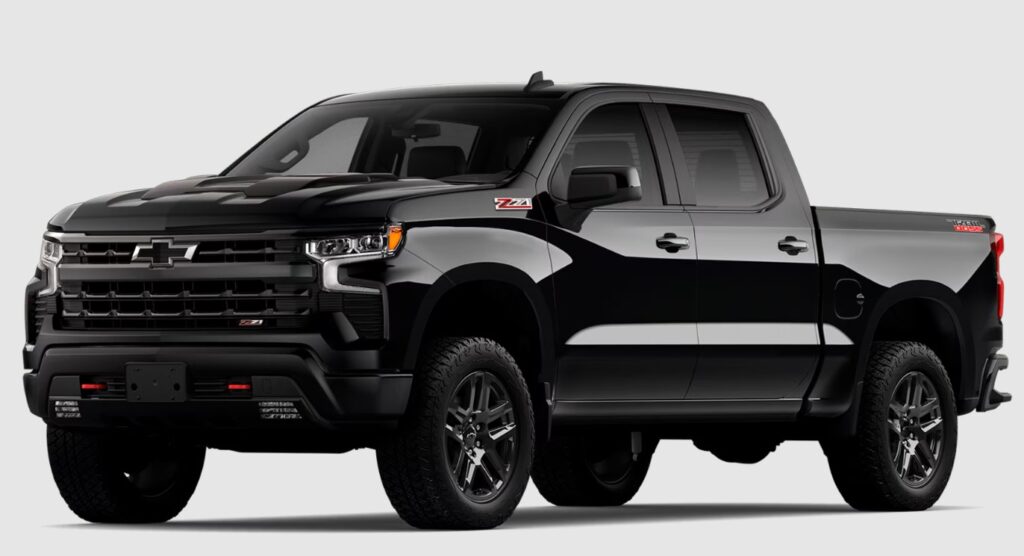
The Chevrolet Silverado towing capacity can range from the weight of a modest utility trailer to the kind of pulling power needed for a large fifth-wheel camper, heavy equipment trailer, or commercial load.
That sounds simple enough, but Silverado towing figures are rarely represented by one universal number. Cab style, bed length, engine, transmission, axle ratio, drivetrain, hitch type, wheel size, payload, and factory towing packages can all change what a particular truck is permitted to pull.
In other words, two Silverados parked beside each other may look nearly identical while having dramatically different towing ratings.
Across the Silverado family, light-duty 1500 models have generally been designed for daily driving, recreational towing, and lighter commercial work. Silverado 2500HD trucks step into serious heavy-duty territory, while properly configured Silverado 3500HD models can pull the heaviest trailers in the lineup.
For the 2026 model year, Chevrolet advertises a maximum available towing capacity of 13,300 pounds for the Silverado 1500 and as much as 36,000 pounds for the Silverado HD family. Those headline numbers apply only to specific configurations, not every truck wearing a Silverado badge.
Let’s break down what those numbers really mean, how capacity has evolved through the generations, and how we can determine the safe towing limit of an individual Silverado.
Content in this publication
- Chevrolet Silverado Towing Capacity at a Glance
- What Does Towing Capacity Actually Mean?
- Chevrolet Silverado Generations Explained
- First-Generation Chevrolet Silverado Towing Capacity: 1999–2006
- Second-Generation Chevrolet Silverado Towing Capacity: 2007–2013
- Third-Generation Chevrolet Silverado Towing Capacity: 2014–2018
- Fourth-Generation Chevrolet Silverado Towing Capacity: 2019–Present
- Chevrolet Silverado 2500HD Towing Capacity
- Chevrolet Silverado 3500HD Towing Capacity
- Conventional, Fifth-Wheel, and Gooseneck Towing
- The Numbers That Matter Besides Towing Capacity
- How to Find Your Exact Silverado Towing Capacity
- How Much Towing Capacity Do We Really Need?
- Best Silverado for Travel Trailers
- Best Silverado for Boats
- Best Silverado for Fifth-Wheel Campers
- Does Four-Wheel Drive Reduce Towing Capacity?
- Does Cab Size Affect Silverado Towing Capacity?
- Do Larger Wheels Improve Towing?
- Essential Equipment for Safe Silverado Towing
- Common Silverado Towing Mistakes
- Final Thoughts on Chevrolet Silverado Towing Capacity
- Frequently Asked Questions
Chevrolet Silverado Towing Capacity at a Glance
The following figures provide a broad overview of the Silverado family. They should be treated as general reference points rather than ratings for a specific vehicle.
| Silverado model | Typical towing role | Approximate maximum capacity |
|---|---|---|
| Silverado 1500 | Boats, travel trailers, utility trailers | Up to 13,300 lbs |
| Silverado 2500HD | Large campers, equipment, commercial trailers | Often above 18,000 lbs |
| Silverado 3500HD SRW | Heavy fifth-wheel and gooseneck trailers | More than 20,000 lbs in many configurations |
| Silverado 3500HD DRW | Maximum-duty gooseneck and fifth-wheel towing | Up to 36,000 lbs |
| Silverado EV | Recreational and light commercial towing | Depends on battery, trim, and configuration |
The 2026 Silverado 1500 reaches its advertised 13,300-pound maximum with a Double Cab, standard bed, available 3.0-liter Duramax turbo-diesel engine, 20-inch wheels, and the required equipment. Chevrolet’s current documentation also warns that passengers, cargo, accessories, and optional equipment can reduce the amount a truck can tow.
That last point matters enormously. A maximum rating is the ceiling achieved under carefully defined conditions. It is not a blanket promise that every Silverado 1500 can tow 13,300 pounds.
What Does Towing Capacity Actually Mean?
Towing capacity is the maximum loaded trailer weight that a properly configured vehicle is rated to pull.
Notice the phrase loaded trailer weight. We are not merely counting the empty trailer listed in a sales brochure. We must include everything placed inside or on it:
- Water
- Fuel
- Batteries
- Propane tanks
- Camping gear
- Tools
- Cargo
- Motorcycles or ATVs
- Food and personal belongings
- Dealer-installed equipment
A travel trailer advertised with a 7,000-pound dry weight can easily approach 8,000 or 9,000 pounds once prepared for a trip. Dry weight is the starting line, not the finish.
Maximum Rating Versus Real-World Capacity
A Silverado’s published maximum towing figure usually represents a carefully selected configuration. The truck may require:
- A specific engine
- Rear-wheel drive
- A particular cab and bed combination
- A required axle ratio
- The Max Trailering Package
- Factory cooling upgrades
- An integrated trailer brake controller
- A weight-distributing hitch
- Certain wheel and tire combinations
Changing just one item can lower the rating.
A crew cab may weigh more than a regular cab. Four-wheel drive adds components and weight. Luxury features, larger wheels, running boards, passengers, cargo, and accessories consume part of the truck’s available payload.
Towing is like packing a suitcase with a strict airline limit. Every item counts, even when it seems small.
Chevrolet Silverado Generations Explained
The Silverado name appeared on Chevrolet trucks as a trim designation before becoming a standalone model line for the 1999 model year.
For towing research, it helps to divide the modern Silverado into four primary light-duty generations:
- First generation: 1999–2006, with the Classic continuing into 2007
- Second generation: 2007–2013
- Third generation: 2014–2018
- Fourth generation: 2019 onward
Heavy-duty Silverado generations do not always follow exactly the same redesign schedule as the 1500. HD trucks may carry older bodywork or mechanical platforms for an additional model year.
That is why we should always search by exact model year and series rather than assuming every Silverado from the same calendar year shares the same towing chart.
First-Generation Chevrolet Silverado Towing Capacity: 1999–2006
The first-generation Silverado arrived during a period when full-size pickups were rapidly becoming more comfortable, powerful, and versatile.
Chevrolet offered an enormous range of configurations, including light-duty 1500 trucks, intermediate 1500HD versions, 2500 models, 2500HD trucks, and 3500 heavy-duty configurations.
Depending on the year and setup, engines included familiar Chevrolet powerplants such as:
- 4.3-liter V6
- 4.8-liter V8
- 5.3-liter V8
- 6.0-liter V8
- 8.1-liter V8
- 6.6-liter Duramax diesel
First-Generation Silverado 1500 Capacity
Many early Silverado 1500 configurations were rated somewhere between approximately 4,000 and 9,000 pounds. Properly equipped models could move beyond that general range in certain years.
A basic V6 work truck with a tall highway axle ratio could not tow like a 5.3-liter V8 model equipped with the factory trailering package and a more favorable rear axle.
This generation illustrates why engine displacement alone never tells the whole story. A V8 badge may sound reassuring, but the axle ratio, cooling system, hitch, transmission, and gross combined weight rating remain equally important.
First-Generation Silverado HD Capacity
The arrival of the 2500HD and 3500HD gave buyers far greater capability. The 8.1-liter gasoline V8 delivered substantial low-speed strength, while the Duramax diesel and Allison transmission combination quickly earned a loyal following among drivers who regularly pulled heavy trailers.
Depending on year, body, drivetrain, axle, and hitch type, first-generation HD Silverados could move well into five-digit trailer ratings.
Why Early Silverado Ratings Require Careful Verification
Early trucks are especially difficult to summarize because:
- Equipment may have been replaced
- Axle gears may have been changed
- The original hitch may no longer be installed
- Aftermarket bumpers can alter hitch compatibility
- Door labels may be damaged or missing
- Previous owners may not know the original factory configuration
For an older Silverado, decoding the vehicle identification number and factory option codes is often more reliable than trusting a used-truck advertisement.
Second-Generation Chevrolet Silverado Towing Capacity: 2007–2013
The second-generation Silverado brought more refined interiors, improved chassis tuning, stronger powertrains, and increasingly sophisticated towing equipment.
Silverado 1500 buyers could choose engines such as the 4.3-liter V6, 4.8-liter V8, 5.3-liter V8, 6.0-liter V8, and 6.2-liter V8, depending on the year and trim.
Second-Generation Silverado 1500 Towing Capacity
Properly equipped second-generation 1500 models commonly reached maximum ratings in the neighborhood of 10,000 pounds or more. Lower-spec configurations remained far below those headline figures.
During this era, six-speed automatic transmissions became more common. Their wider gear range improved launch performance and helped engines remain closer to their useful power band while climbing or accelerating with a trailer.
Still, a larger engine did not automatically create maximum capacity. The highest ratings generally depended on favorable combinations of:
- Engine choice
- Axle ratio
- Cab style
- Bed length
- Two-wheel or four-wheel drive
- Factory trailering equipment
Second-Generation Silverado 2500HD and 3500HD
The HD lineup grew increasingly capable, particularly after powertrain upgrades to the Duramax diesel and Allison transmission.
Conventional towing ratings climbed, while gooseneck and fifth-wheel configurations gave owners access to considerably higher limits than bumper-pull arrangements.
A fifth-wheel or gooseneck trailer places weight over or slightly ahead of the rear axle. This can improve stability and distribute the load more effectively than a long conventional trailer attached behind the bumper.
That does not mean every HD truck should automatically use a bed-mounted hitch. Payload, rear axle capacity, bed length, hitch clearance, and trailer design still determine whether the setup works safely.
Third-Generation Chevrolet Silverado Towing Capacity: 2014–2018
The third-generation Silverado introduced stronger frames, updated engines, quieter cabins, improved braking technology, and more advanced trailering features.
Its EcoTec3 engine family included:
- 4.3-liter V6
- 5.3-liter V8
- 6.2-liter V8
These engines used technologies such as direct injection, variable valve timing, and cylinder deactivation.
Third-Generation Silverado 1500 Capacity
Maximum towing capacity rose to roughly 12,500 pounds in properly equipped late-generation models.
The 6.2-liter V8 became the headline towing engine, but certain 5.3-liter configurations also offered useful capacity for travel trailers, boats, and work equipment.
We should not assume that an expensive trim automatically tows more. A heavily equipped luxury crew cab may have less payload and a lower trailer rating than a simpler work-oriented model.
That is one of the Silverado’s recurring ironies: the truck with fewer comfort features may sometimes be the stronger towing tool.
Third-Generation Silverado HD Capacity
Silverado 2500HD and 3500HD trucks continued using gasoline and Duramax diesel powertrains. In 2017, Chevrolet introduced the L5P version of the 6.6-liter Duramax, delivering significantly greater output than the diesel it replaced.
As engine torque, frame strength, cooling, and hitch engineering improved, HD maximum ratings climbed. Properly configured 3500HD dual-rear-wheel trucks were particularly capable when paired with gooseneck or fifth-wheel trailers.
Fourth-Generation Chevrolet Silverado Towing Capacity: 2019–Present
The fourth-generation Silverado 1500 arrived for 2019 with reduced body weight, a larger bed, additional powertrain choices, and more trailering technology.
Engine availability has included:
- 2.7-liter turbocharged four-cylinder, now marketed as TurboMax
- 4.3-liter V6 on earlier versions
- 5.3-liter V8
- 6.2-liter V8
- 3.0-liter Duramax turbo-diesel inline-six
Current Silverado 1500 Maximum Towing Capacity
For 2026, Chevrolet states that the Silverado 1500 has an available maximum towing capacity of 13,300 pounds.
The maximum is achieved by a Double Cab with the standard bed, 3.0-liter Duramax turbo-diesel, 20-inch wheels, and the required towing equipment.
The same official chart shows that ratings vary considerably across engines, cabs, beds, drivetrains, and packages. Some configurations sit near 9,000 pounds, while others cross 11,000, 12,000, or 13,000 pounds.
Silverado 1500 Towing Capacity by Engine
TurboMax 2.7-Liter Engine
The TurboMax engine demonstrates how much truck technology has changed. A four-cylinder engine in a full-size pickup once sounded like bringing a pocketknife to a lumberyard. Modern turbocharging has rewritten that expectation.
You may be interested in reading GMC Sierra 1500 Towing Capacity: Complete Canada Guide
The current TurboMax produces strong low-end torque and can handle many boats, utility trailers, car trailers, and medium-size campers.
However, its maximum capacity generally remains below the strongest Duramax and V8 configurations. It works best for drivers who want everyday drivability and useful towing ability without automatically choosing the largest engine.
5.3-Liter EcoTec3 V8
The 5.3-liter V8 is one of the most familiar engines in the Silverado family. It offers a practical balance of availability, performance, and towing capability.
Properly configured models can tow substantial travel trailers and equipment. The exact rating depends heavily on cab, bed, axle, drivetrain, and package selection.
For many owners, the 5.3-liter V8 sits in the Silverado sweet spot. It is strong enough for serious recreational towing without necessarily carrying the purchase price or fuel appetite associated with the largest gasoline engine.
6.2-Liter EcoTec3 V8
The 6.2-liter V8 provides 420 horsepower and 460 pound-feet of torque in the current generation. Chevrolet pairs it with a 10-speed automatic transmission.
It offers confident acceleration and strong towing performance, particularly when merging, climbing, or passing.
The 6.2-liter engine does not automatically produce the highest rating in every configuration. The current 3.0-liter diesel can match or exceed it in selected maximum-towing arrangements.
3.0-Liter Duramax Turbo-Diesel
The 3.0-liter Duramax inline-six has become one of the most interesting Silverado towing engines.
For 2026, Chevrolet lists it at 305 horsepower and 495 pound-feet of torque, with an available maximum towing capacity of 13,300 pounds in the qualifying configuration.
Its broad torque delivery can feel calm and controlled under load. Rather than shouting its way up a hill, the diesel tends to lean into the work like a strong draft horse.
Diesel ownership still involves tradeoffs. Purchase price, fuel availability, emissions-system maintenance, and repair costs deserve consideration. Drivers who tow frequently over long distances may value its torque and highway efficiency more than owners who pull a trailer twice per year.
Chevrolet Silverado 2500HD Towing Capacity
The Silverado 2500HD occupies the middle ground between everyday pickup usability and serious commercial capability.
It is often chosen for:
- Large travel trailers
- Fifth-wheel campers
- Horse trailers
- Construction equipment
- Enclosed vehicle trailers
- Landscaping machinery
- Agricultural loads
Current Silverado HD models are available with a 6.6-liter gasoline V8 or a 6.6-liter Duramax turbo-diesel V8.
6.6-Liter Gasoline V8 Towing
The gasoline V8 can be a sensible choice for drivers who need heavy-duty chassis capacity but do not tow at maximum weight every day.
Advantages may include a lower initial purchase price, simpler fuel requirements, and potentially lower costs for certain repairs.
The gasoline engine generally offers less maximum pulling capacity than the Duramax in comparable heavy-duty applications, particularly for the heaviest fifth-wheel and gooseneck work.
6.6-Liter Duramax Diesel Towing
The Duramax is the heavyweight option. Its abundant torque, exhaust braking capability, and pairing with the Allison-branded automatic transmission make it especially attractive for frequent towing.
A diesel HD truck does more than pull hard. It can also provide greater control on descents when its exhaust brake and transmission management systems are used correctly.
That downhill confidence matters. Reaching the top of a mountain is only half the job. We still have to bring the trailer back down without overheating the brakes.
Chevrolet Silverado 3500HD Towing Capacity
The Silverado 3500HD is the top towing model in the conventional Silverado pickup family.
It is available with single rear wheels or dual rear wheels. The dual-rear-wheel configuration adds tire contact area, rear axle capacity, and stability for heavy loads.
Single-Rear-Wheel 3500HD
A single-rear-wheel 3500HD preserves a more manageable width while offering more payload and towing potential than many 2500HD configurations.
It can be an attractive option for owners pulling large fifth-wheel campers who do not need the maximum rating of a dually.
Dual-Rear-Wheel 3500HD
The dually is the Silverado’s towing sledgehammer.
Chevrolet advertises a maximum of 36,000 pounds for properly equipped current Silverado HD trucks. Achieving that figure requires a highly specific 3500HD configuration, a bed-mounted gooseneck connection, the correct powertrain, and the required trailering equipment.
Without the qualifying setup, the capacity is lower. Chevrolet’s trailering documentation notes that one top configuration drops to 35,500 pounds without the available Max Trailering Package.
A difference of 500 pounds may sound small beside a 36,000-pound headline, but towing regulations do not grade on a curve. Exceeding a rating remains exceeding a rating.
Conventional, Fifth-Wheel, and Gooseneck Towing
Not every hitch pulls the same way.
Conventional Bumper-Pull Towing
A conventional trailer connects to a receiver behind the rear bumper. This arrangement is common for:
- Boats
- Utility trailers
- Travel trailers
- Car haulers
- Small equipment trailers
Conventional trailers normally place about 10% to 15% of their loaded weight on the hitch, although the appropriate percentage varies by trailer type.
A 10,000-pound travel trailer could therefore place roughly 1,000 to 1,500 pounds on the truck before we add passengers, bed cargo, hitch hardware, or accessories.
Fifth-Wheel Towing
A fifth-wheel hitch mounts in the truck bed and uses a kingpin connection. It is common among large recreational campers.
Fifth-wheel pin weight may represent roughly 15% to 25% of the loaded trailer weight. That can consume payload quickly.
A fifth-wheel trailer may be comfortably below the truck’s tow rating while still pushing the truck beyond its payload, rear axle, or tire limits.
Gooseneck Towing
A gooseneck trailer uses a ball mounted in or above the bed floor. This design is widely used for agricultural, livestock, construction, and commercial trailers.
Like a fifth-wheel, it places load over the rear axle and can support much higher trailer ratings than many bumper-pull arrangements.
Why Hitch Type Changes Capacity
Bed-mounted hitches transfer weight into the truck’s frame near the rear axle. This creates a more stable foundation for heavy trailers than applying the same load several feet behind the axle.
However, the hitch itself must be rated for the load, installed correctly, and compatible with the truck and trailer.
The Numbers That Matter Besides Towing Capacity
The maximum trailer figure receives all the attention, but it is only one piece of the puzzle.
GVWR
Gross Vehicle Weight Rating is the maximum permitted weight of the loaded truck.
It includes:
- The truck
- Driver
- Passengers
- Cargo
- Hitch equipment
- Trailer tongue or pin weight
- Accessories
GCWR
Gross Combined Weight Rating is the maximum permitted combined weight of the loaded truck and loaded trailer.
Chevrolet defines GCWR as the allowable combined weight of the vehicle and trailer, including occupants, fuel, equipment, and cargo.
GAWR
Gross Axle Weight Rating is the maximum load permitted on each axle.
A truck may remain below its total GVWR while overloading the rear axle. This is particularly relevant with fifth-wheel and gooseneck trailers.
Payload Capacity
Payload is the amount of weight the truck can carry, not pull.
Trailer tongue weight or pin weight counts against payload. So do people, luggage, toolboxes, tonneau covers, auxiliary fuel tanks, and everything else added to the truck.
Tire and Wheel Ratings
The tires must support the actual load placed on them. Larger aftermarket wheels do not automatically increase capability, and some tire substitutions may reduce load capacity.
We should always confirm load index, inflation requirements, wheel ratings, and rear axle weight.
How to Find Your Exact Silverado Towing Capacity
The safest answer is written on the truck and in its model-specific documentation.
Step 1: Check the Trailering Information Label
Many newer Silverados include a trailering label inside the driver-side door area. It may list:
- Gross vehicle weight rating
- Gross combined weight rating
- Rear axle rating
- Maximum payload
- Maximum tongue weight
- Maximum conventional trailer weight
- Gooseneck or fifth-wheel limits
Step 2: Read the Owner’s Manual
Use the manual for the exact model year.
You may be interested in readingGMC Sierra 1500 Towing Capacity: Complete Canada GuideYou may be interested in reading
GMC Sierra Tire Size: Complete Buyer’s GuideDo not rely on a towing chart from a newer or older truck. Even when the body appears unchanged, Chevrolet may revise powertrains, packages, axle ratios, and ratings.
Step 3: Identify the Engine and Axle Ratio
A truck with the right engine but the wrong axle ratio may have a lower rating than expected.
Factory build information, option codes, dealership records, or a VIN-based build sheet can help identify the original configuration.
Step 4: Confirm the Factory Tow Package
A receiver hitch alone does not prove that the truck has the full trailering package.
A complete factory package may include cooling upgrades, wiring, hitch guidance, an integrated brake controller, stronger suspension components, or different axle hardware.
Step 5: Weigh the Loaded Combination
A certified public scale is one of the best reality checks available.
Weigh the truck and trailer as they are actually used—with passengers, fuel, water, cargo, hitch equipment, and supplies aboard.
Real numbers beat optimistic guesses every time.
How Much Towing Capacity Do We Really Need?
We should avoid choosing a truck whose limit barely matches the trailer’s expected loaded weight.
A reasonable buffer gives us room for cargo changes, steep grades, wind, heat, and unexpected additions.
For example, towing a 9,900-pound trailer with a truck rated for 10,000 pounds may technically appear possible, but it leaves almost no flexibility. Payload or axle limits may already be exceeded before the trailer reaches that weight.
There is no universal percentage that guarantees safety, because truck and trailer designs vary. Still, many buyers prefer a combination that operates comfortably below every applicable rating.
The goal is not merely to make the trailer move. The goal is to control it during crosswinds, emergency braking, highway merging, descending grades, and evasive maneuvers.
Best Silverado for Travel Trailers
The right model depends on loaded trailer weight and tongue weight.
A Silverado 1500 may be suitable for small and medium travel trailers. Larger campers can quickly push a half-ton truck toward its payload or rear axle limits, even when the brochure towing number seems adequate.
For heavier travel trailers, a 2500HD often provides:
- More payload
- Stronger axles
- Larger brakes
- Heavier suspension
- Greater cooling capacity
- Improved stability
A large fifth-wheel may require a 3500HD, especially when pin weight is substantial.
Best Silverado for Boats
Many Silverado 1500 configurations can handle fishing boats, wake boats, pontoons, and smaller cabin cruisers.
Remember to include:
- Trailer weight
- Fuel
- Batteries
- Fishing equipment
- Water
- Coolers
- Safety gear
Boat trailers also expose brakes, hubs, wiring, and connectors to water. Towing capacity is only part of safe ownership; trailer maintenance matters just as much.
Best Silverado for Fifth-Wheel Campers
For fifth-wheel towing, payload is often the deciding factor.
A 2500HD may have enough advertised tow capacity for a trailer but insufficient payload after accounting for pin weight, passengers, and hitch hardware.
A 3500HD can provide more payload headroom. Dual rear wheels may improve stability and capacity for the heaviest campers, though they add width and can feel less convenient in parking lots or narrow roads.
Does Four-Wheel Drive Reduce Towing Capacity?
Sometimes.
Four-wheel-drive equipment adds weight. That added weight can reduce payload and may lower the maximum trailer rating compared with an otherwise similar two-wheel-drive truck.
However, four-wheel drive can be extremely useful on:
- Wet boat ramps
- Muddy campsites
- Snow-covered roads
- Gravel work sites
- Soft farm fields
The “best” configuration is not necessarily the one with the biggest brochure number. It is the one that safely fits the places where we actually drive.
Does Cab Size Affect Silverado Towing Capacity?
Yes.
A regular cab is generally lighter than a double cab or crew cab. That lower curb weight can leave more room within weight limits.
Crew cabs offer better passenger comfort but may sacrifice some payload or maximum towing capacity.
Bed length matters as well. Long beds can improve clearance for fifth-wheel towing and may be offered in the configurations that achieve the highest HD ratings.
Do Larger Wheels Improve Towing?
Not automatically.
Wheel size can alter tire sidewall height, available tire ratings, gearing effect, ride quality, and the specific combinations Chevrolet certifies.
Certain factory maximum-towing configurations require particular wheel sizes. The 2026 Silverado 1500 maximum, for example, is associated with 20-inch wheels in the qualifying Double Cab diesel configuration.
Aftermarket wheels should never be assumed to increase capability. They may be heavier or have lower load ratings than the original equipment.
Essential Equipment for Safe Silverado Towing
A capable truck still needs the right supporting equipment.
Important items may include:
- Correctly rated receiver or bed-mounted hitch
- Weight-distributing hitch where required
- Integrated or compatible trailer brake controller
- Proper safety chains
- Breakaway switch
- Extended towing mirrors
- Correct hitch ball size and rating
- Properly inflated load-rated tires
- Functional trailer brakes
- Working lights and wiring
- Wheel chocks
- Torque wrench for trailer wheels
- Spare tires for both truck and trailer
Newer Silverados may also offer trailering cameras, hitch guidance, trailer profiles, tire-pressure monitoring, lighting tests, and an in-vehicle trailering app.
Technology is useful, but it does not replace correct loading and sound judgment. A camera can show us the trailer. It cannot repeal physics.
Common Silverado Towing Mistakes
Using Dry Trailer Weight
Dry weight excludes much of what we carry. Always estimate or measure loaded weight.
Ignoring Payload
A truck can exceed payload before reaching its towing limit.
Assuming Every Trim Has the Maximum Rating
A ZR2, High Country, Trail Boss, or crew cab may tow less than a lighter configuration.
Forgetting Hitch Weight
Hitch hardware and tongue or pin weight count as truck payload.
Trusting Online Advertisements
Used-vehicle listings frequently repeat generic maximum figures that do not apply to the individual truck.
Modifying the Truck Without Recalculating
Lift kits, oversized tires, aftermarket bumpers, toolboxes, and auxiliary tanks can affect handling, payload, braking, and hitch geometry.
Final Thoughts on Chevrolet Silverado Towing Capacity
The Silverado family covers a remarkably wide spectrum.
A light-duty Silverado 1500 can serve as a comfortable daily vehicle while pulling a boat, utility trailer, or travel trailer. A Silverado 2500HD moves into serious camper and equipment territory. A Silverado 3500HD dually, properly configured, can tow loads that would have seemed like commercial tractor territory to pickup owners a few decades ago.
Current headline capacities reach 13,300 pounds for the Silverado 1500 and 36,000 pounds for the Silverado HD lineup, but those figures belong to specific trucks with specific equipment.
The smartest towing decision begins with the vehicle’s door label, owner’s manual, factory configuration, loaded trailer weight, payload, axle ratings, tire ratings, and gross combined weight rating.
We should treat the maximum number as a boundary, not a target.
A well-matched Silverado and trailer should feel composed, predictable, and controlled. When the truck strains, squats excessively, wanders in crosswinds, or runs out of payload, the combination is telling us something. It is better to listen before the road delivers the message in a much louder voice.
Frequently Asked Questions
1. What is the maximum Chevrolet Silverado towing capacity?
The current Silverado 1500 can tow up to 13,300 pounds when properly configured. A qualifying Silverado 3500HD can tow up to 36,000 pounds with a gooseneck trailer. Actual capacity varies by model, engine, cab, bed, drivetrain, hitch, wheel size, and equipment.
2. Can a Chevrolet Silverado 1500 tow a camper?
Yes. Many Silverado 1500 models can tow small or medium travel trailers. We must compare the camper’s loaded weight and tongue weight with the truck’s specific towing, payload, axle, tire, and hitch ratings.
3. Which Silverado engine is best for towing?
For the current Silverado 1500, the 3.0-liter Duramax diesel offers the highest available rating in the qualifying configuration, while the 6.2-liter V8 also provides strong performance. In HD trucks, the 6.6-liter Duramax is generally the preferred engine for maximum towing and frequent heavy work.
You may be interested in readingGMC Sierra 1500 Towing Capacity: Complete Canada GuideYou may be interested in reading
GMC Sierra Tire Size: Complete Buyer’s GuideYou may be interested in reading
GMC Sierra Weight: Complete Guide by Model and Generation4. Is a Silverado 2500HD better than a 1500 for towing?
A 2500HD generally provides stronger axles, larger brakes, more payload, heavier suspension components, and greater stability. It is often the better choice for large travel trailers, heavy equipment, and some fifth-wheel campers.
5. Where can I find my Silverado’s exact tow rating?
Check the trailering label near the driver’s door, the owner’s manual, the official Chevrolet trailering guide for the exact model year, and the truck’s factory build information. For the most accurate real-world assessment, weigh the fully loaded truck and trailer at a certified scale.
If you want to know other articles similar to Chevrolet Silverado Towing Capacity: Complete Guide to Every Generation and Model you can visit the category Service and Parts.
GMC Sierra Weight: Complete Guide by Model and Generation
GMC Sierra Tire Size: Complete Buyer’s Guide
GMC Sierra 1500 Towing Capacity: Complete Canada Guide
Nissan Note Gearbox Price in New Zealand: Complete Buyer’s Guide
Nissan Note e-Power Battery Life: A New Zealand Buyer’s Guide
Nissan Note Dashboard Symbols and Meanings: Complete Guide
Leave a Reply
More content of your interest