

Chevrolet Silverado Maintenance Schedule: Complete Owner’s Guide

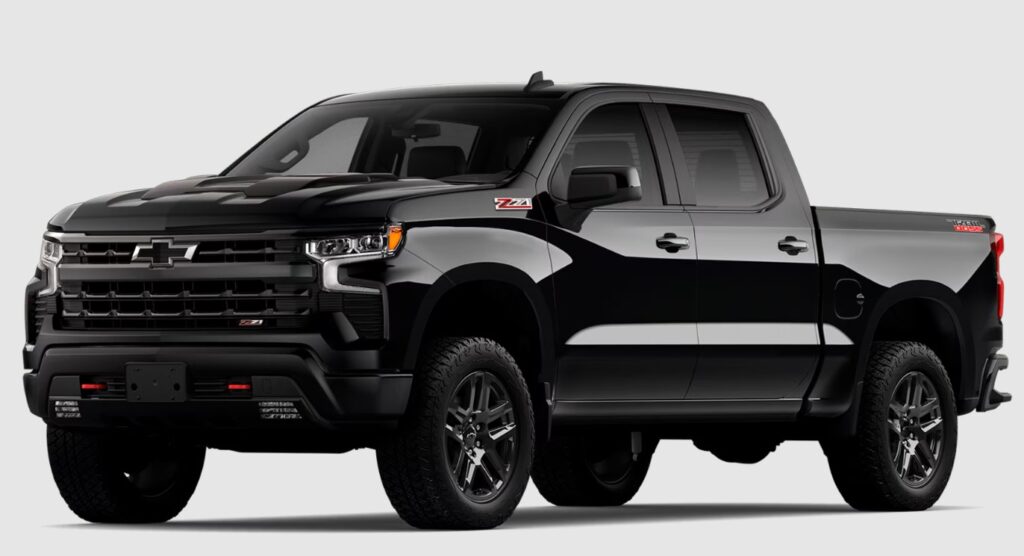
A Chevrolet Silverado can haul trailers, cross muddy job sites, handle long highway trips, and survive years of daily work. Yet even the toughest truck needs regular attention. Steel may be strong, but neglected oil, worn brakes, and contaminated fluids can quietly turn a dependable pickup into an expensive driveway ornament.
Following a Chevrolet Silverado maintenance schedule helps us prevent that outcome. It gives the engine clean lubrication, keeps the transmission shifting properly, protects the four-wheel-drive system, and catches small problems before they become wallet-crushing repairs.
However, there is no single schedule that applies perfectly to every Silverado ever built. The Silverado nameplate spans multiple generations, engines, transmissions, duty ratings, and technologies. A first-generation 5.3-liter V8 does not have exactly the same requirements as a modern 3.0-liter Duramax diesel or a heavy-duty Silverado 3500HD.
For that reason, this guide presents a practical maintenance framework for all Chevrolet Silverado generations while explaining where owners must consult the manual for their specific model year, engine, drivetrain, and operating conditions. Chevrolet itself directs owners to the correct model-year owner’s manual for the official service schedule.
Content in this publication
- Chevrolet Silverado Maintenance Schedule at a Glance
- Why Silverado Maintenance Is More Than an Oil Change
- How Silverado Maintenance Changed Across Generations
- Engine Oil and Filter Schedule
- Tire Rotation and Inspection Schedule
- Brake Inspection and Brake-Fluid Care
- Engine Air Filter Replacement
- Cabin Air Filter Schedule
- Transmission Maintenance Schedule
- Transfer-Case Maintenance for 4WD Silverados
- Front and Rear Differential Service
- Cooling-System Maintenance
- Spark Plug and Ignition Maintenance
- Battery and Charging-System Maintenance
- Diesel Silverado Maintenance Requirements
- Maintenance for Towing and Heavy-Duty Use
- Severe-Service Silverado Maintenance Schedule
- Silverado Maintenance Beyond 100,000 Miles
- Monthly Silverado Maintenance Checklist
- Seasonal Maintenance Checklist
- Common Silverado Maintenance Mistakes
- How to Build a Silverado Maintenance Log
- Should We Use a Chevrolet Dealer or Independent Shop?
- Finding the Exact Schedule for Your Silverado
- Final Thoughts on the Chevrolet Silverado Maintenance Schedule
- Frequently Asked Questions
- 1. How often should a Chevrolet Silverado receive an oil change?
- 2. Is Silverado maintenance required every 7,500 miles?
- 3. When should Silverado transmission fluid be changed?
- 4. What maintenance does a Silverado need at 100,000 miles?
- 5. Does a diesel Silverado follow the same maintenance schedule as a gasoline Silverado?
Chevrolet Silverado Maintenance Schedule at a Glance
The following table provides a useful starting point for gasoline-powered Silverado 1500 models operating under normal conditions. Exact requirements can differ, so we should always compare this guide with the truck’s owner’s manual.
| Mileage or Time | Recommended Maintenance |
|---|---|
| Monthly | Check tires, lights, visible leaks, and fluid levels |
| Oil-life alert or within 12 months | Change engine oil and filter |
| About every 7,500 miles | Rotate tires and inspect brakes |
| 15,000 miles | Inspect steering, suspension, belts, hoses, and air filters |
| 22,500–30,000 miles | Replace cabin air filter when equipped |
| 30,000–45,000 miles | Inspect or replace engine air filter |
| 45,000–60,000 miles | Inspect transmission, differential, and transfer-case fluids |
| Around 60,000 miles | Inspect spark plugs, cooling system, and drive belts |
| 90,000–100,000 miles | Major fluid, ignition, and driveline inspection |
| Around 150,000 miles | Cooling-system and extended-life component service |
| Every year | Complete multipoint safety inspection |
Modern Chevrolet maintenance programs often revolve around approximately 7,500-mile service visits, but engine oil changes should primarily follow the Oil Life Monitoring system and the time limit stated in the model-specific manual. Chevrolet recommends reviewing the owner’s manual rather than treating a generic mileage chart as universal.
Why Silverado Maintenance Is More Than an Oil Change
Many owners think truck maintenance begins and ends with engine oil. Oil is essential, of course, but it is only one player on a much larger team.
A Silverado contains multiple systems that experience heat, friction, pressure, vibration, and contamination:
- Engine and cooling system
- Automatic or manual transmission
- Transfer case on four-wheel-drive models
- Front and rear differentials
- Brakes and hydraulic fluid
- Steering and suspension
- Battery and charging system
- Fuel and emissions equipment
- Tires and wheel bearings
- Diesel exhaust and fuel-filter systems
Ignoring one of these systems is like keeping a roof in perfect condition while allowing the foundation to crack. The truck may look healthy until the hidden weakness finally announces itself.
Regular maintenance also gives us a chance to spot oil seepage, cracked boots, loose steering parts, uneven tire wear, corrosion, and deteriorated hoses. These early warnings often cost far less to address than the failure they are predicting.
How Silverado Maintenance Changed Across Generations
The Chevrolet Silverado entered the market for the 1999 model year, replacing the Chevrolet C/K as the company’s principal full-size pickup nameplate. Since then, maintenance technology has changed dramatically.
First Generation: 1999–2006 Silverado
First-generation trucks are mechanically simpler than modern Silverados, but age has become their biggest maintenance concern.
Owners should watch for:
- Deteriorated rubber hoses and vacuum lines
- Cooling-system deposits
- Leaking transmission cooler lines
- Worn suspension bushings
- Corroded brake and fuel lines
- Differential and transfer-case leaks
- Aging electrical grounds
- Oil consumption or seepage
Mileage alone no longer tells the full story. A low-mileage 2002 Silverado may still need extensive fluid, hose, seal, and suspension work simply because its materials have aged for more than two decades.
Maintenance Priorities for Older First-Generation Trucks
We should establish a baseline whenever buying one of these trucks used. That may include changing every major fluid unless reliable service records prove the work was recently completed.
A sensible baseline service can include:
- Engine oil and filter
- Coolant inspection or replacement
- Brake-fluid test
- Transmission-fluid inspection
- Transfer-case fluid
- Front and rear differential fluids
- Engine air filter
- Fuel filter where separately serviceable
- Spark plugs and wires
- Serpentine belt
- Battery and charging-system test
Second Generation: 2007–2013 Silverado
The second-generation Silverado added refinement, newer electronics, updated powertrains, and greater dependence on onboard monitoring systems.
Maintenance remains relatively straightforward, but we should pay close attention to oil level between changes, especially on high-mileage V8 engines. Some trucks may use oil without leaving an obvious puddle beneath them.
Key areas include:
- Oil-level monitoring
- Active Fuel Management-related engine behavior
- Battery condition
- Transmission-fluid condition
- Cooling-system health
- Four-wheel-drive operation
- Tire-pressure monitoring sensors
- Rust in harsh-winter regions
Checking oil every few fuel stops is a small habit with enormous value. Waiting for the oil-pressure warning is not a maintenance strategy; by then, the engine may already be in danger.
Third Generation: 2014–2018 Silverado
Third-generation Silverados introduced newer body construction, direct-injected engines, advanced electronics, and updated automatic transmissions.
These trucks depend more heavily on clean fluids, correct specifications, and proper diagnostic procedures. Using “something close enough” from a dusty garage shelf is risky. The wrong oil viscosity, coolant formula, or transmission fluid can create more trouble than it solves.
Important maintenance areas include:
- Oil changes based on the Oil Life Monitor
- Direct-injection fuel-system cleanliness
- Transmission behavior and fluid condition
- Condenser and air-conditioning performance
- Battery voltage
- Electronic sensor health
- Differential and transfer-case fluids
- Brake and suspension inspection
Watch for Transmission Symptoms Early
A hesitation, harsh shift, shudder, or delayed engagement should not be ignored. Sometimes the cause is related to software or fluid condition rather than catastrophic internal damage.
We should document when the symptom happens:
- Cold or hot
- Light or heavy throttle
- Uphill or downhill
- Towing or unloaded
- At a particular speed
- During specific gear changes
That information can help a qualified technician diagnose the problem more efficiently.
Fourth Generation: 2019 to Present
The current Silverado generation offers a wide range of engines, including turbocharged gasoline, naturally aspirated V8, and Duramax diesel options. It also uses more sophisticated electronics, driver-assistance systems, multi-speed transmissions, and connected vehicle services.
These trucks reward owners who follow the model-specific schedule carefully.
Modern maintenance may involve:
- Oil-life monitoring
- Diesel fuel-filter monitoring
- Diesel exhaust fluid
- Advanced transmission procedures
- Electronic brake systems
- Camera and radar calibration
- Turbocharger-related inspections
- Software updates
- Battery-management systems
- Electronic locking differentials
A universal chart is especially limited here because two Silverados parked beside each other may have completely different engines and service needs.
Engine Oil and Filter Schedule
Engine oil is the bloodstream of the Silverado’s engine. It lubricates bearings, removes heat, suspends contaminants, cleans internal surfaces, and helps operate certain hydraulic systems.
Follow the Oil Life Monitor
Most newer Silverados use an Oil Life Monitoring system rather than a rigid oil-change interval. The system estimates oil condition by considering factors such as:
- Engine temperature
- Operating time
- Driving patterns
- Engine load
- Trip length
- Starting frequency
- Ambient conditions
When the oil-life system indicates that a change is due, we should arrange service promptly. Oil should also generally be changed at least once within the time limit stated by Chevrolet, even when the mileage is low.
Oil life is not the same as oil level. The monitor cannot replace checking the dipstick. An engine may have usable oil quality but an unsafe oil quantity.
When Should We Check the Oil Level?
Check it:
- At least once a month
- Before a long journey
- Before towing
- After extended high-speed driving
- When buying a used Silverado
- Whenever unusual engine noise appears
- If a leak or burning smell is present
Park on level ground and follow the manual’s procedure regarding engine temperature and waiting time.
Severe Driving Can Shorten Oil Life
The following conditions may require more frequent service:
- Frequent towing
- Repeated short trips
- Long periods of idling
- Dusty roads
- Extreme heat or cold
- Snowplow operation
- Heavy payloads
- Stop-and-go traffic
- Commercial use
A truck that idles all day at a job site may accumulate relatively few miles while still placing many hours of stress on the oil.
Tire Rotation and Inspection Schedule
For many Silverado models, tire rotation is associated with routine service intervals around 7,500 miles. Chevrolet’s covered maintenance information also identifies tire rotation as a service performed according to the vehicle’s specific maintenance schedule.
Rotating the tires helps distribute wear more evenly, but rotation cannot cure an underlying mechanical issue.
Inspect the Tires During Every Rotation
Look for:
- Uneven shoulder wear
- Center tread wear
- Cupping or scalloping
- Cracks and dry rot
- Bulges
- Embedded objects
- Low tread depth
- Air-pressure differences
- Wheel damage
Uneven wear can point toward incorrect pressure, poor alignment, weak shocks, worn steering parts, or an unbalanced wheel.
Do Not Forget the Spare Tire
A spare tire can lose pressure while doing absolutely nothing. Check its pressure during routine service, especially before a road trip or towing journey.
On trucks with a spare stored beneath the bed, we should also inspect the carrier and lowering mechanism. Discovering that it is corroded solid on the side of a highway is nobody’s idea of a good afternoon.
Brake Inspection and Brake-Fluid Care
Silverado brakes work hard, particularly when the truck carries cargo or tows a trailer. Pads and rotors should be inspected during tire rotations or whenever warning symptoms appear.
Common signs of brake trouble include:
- Squealing or grinding
- Steering-wheel vibration
- Brake-pedal pulsation
- Pulling to one side
- Soft pedal feel
- Longer stopping distance
- Brake warning lights
- Burning odor after braking
Brake Fluid Is Often Overlooked
Brake fluid absorbs moisture over time. Excess moisture can reduce boiling resistance and contribute to internal corrosion.
Not every Silverado generation uses the same fixed replacement interval, so testing the fluid’s condition is a sensible approach. A shop can inspect moisture content and contamination while checking the hydraulic system for leaks.
Towing through mountains creates far more brake heat than relaxed driving across flat highways. Usage matters as much as mileage.
Engine Air Filter Replacement
The engine air filter prevents dust and debris from entering the engine. A dirty filter can restrict airflow, although replacement intervals vary enormously by environment.
A Silverado driven mostly on clean paved roads may keep its filter for a long time. A truck working on construction sites, farms, gravel roads, or desert terrain may need one much sooner.
Inspect the filter periodically and replace it when dirty or at the model-specific interval.
Signs of a Restricted Air Filter
Possible clues include:
- Reduced acceleration
- Lower fuel economy
- Unusual intake noise
- Heavy dirt accumulation
- Poor performance under load
We should avoid blasting disposable filters with high-pressure air. That can damage the filter media and create tiny passages for dirt.
Cabin Air Filter Schedule
Many newer Silverado models use a cabin air filter to clean incoming ventilation air. Depending on the model and environment, replacement may be needed around the 22,500-to-30,000-mile range or sooner.
A clogged cabin filter may cause:
- Weak airflow
- Musty odors
- Noisy fan operation
- Slow window defogging
- Increased dust inside the cab
Owners in polluted, dusty, or pollen-heavy areas may benefit from checking it more frequently.
Older Silverado generations may not have the same filter arrangement, so we should confirm whether the specific truck is equipped with one.
Transmission Maintenance Schedule
Transmission service is one of the most misunderstood parts of Silverado ownership.
Some drivers believe transmission fluid should never be changed. Others replace it at every opportunity. The best answer lies between those extremes: follow the correct schedule, use the exact approved fluid, and consider the truck’s workload.
Normal Versus Severe Transmission Use
Severe use commonly includes:
- Frequent trailer towing
- Commercial hauling
- Mountain driving
- Stop-and-go operation
- Extended idling
- Off-road driving
- Snowplow use
- High ambient temperatures
Under these conditions, transmission-fluid service may be required earlier than it would be for a lightly used highway truck.
Should We Flush an Older Transmission?
A high-pressure or machine flush is not automatically the best choice for every old, poorly maintained transmission.
For a high-mileage truck with unknown history, we should first obtain a professional evaluation. The technician may recommend a pan removal, filter replacement where applicable, fluid inspection, or gradual service rather than an aggressive flush.
The goal is not merely to make the fluid look red. The goal is to protect the transmission without disturbing a unit that already has internal wear.
Transmission Warning Signs
Schedule an inspection when the truck shows:
- Delayed engagement
- Gear slipping
- Harsh shifts
- Shuddering
- Fluid leaks
- Overheating
- Burning odor
- Unusual whining
- Warning messages
Catching a fluid leak early may save the unit. Continuing to drive until it stops moving usually does not.
Transfer-Case Maintenance for 4WD Silverados
Four-wheel-drive Silverados use a transfer case to distribute power between the front and rear axles. Its fluid must handle gears, chains, bearings, clutches, or electronic control components depending on the design.
Transfer-case fluid should be inspected for:
- Low level
- Leakage
- Burnt odor
- Metallic debris
- Water contamination
- Incorrect fluid
Service may be needed sooner when the truck tows frequently, operates off-road, crosses water, or spends long periods in four-wheel drive.
Test the Four-Wheel-Drive System Regularly
Do not wait for a snowstorm to discover that 4WD no longer works.
Periodically test the system in a safe, appropriate setting and follow the owner’s manual regarding surface conditions and engagement procedures. Listen for grinding, binding, clicking, or delayed engagement.
Front and Rear Differential Service
Differentials allow wheels to turn at different speeds while transmitting torque. Their gear oil lives a difficult life, especially in towing and off-road applications.
Chevrolet notes that differential and transfer-case inspection becomes particularly relevant as mileage approaches 100,000 miles, although earlier service may be recommended depending on use and model.
When Differential Fluid Needs Earlier Attention
Consider earlier inspection after:
- Deep-water crossings
- Frequent heavy towing
- Off-road operation
- Extreme heat exposure
- Axle seal leakage
- Submersion
- Differential repairs
- Repeated high-load use
Milky fluid can indicate water contamination. Metallic glitter may suggest internal wear. A howling sound that changes with speed deserves diagnosis.
Limited-slip and electronically controlled differentials may require specific lubricants or additives. Guessing is not worth the risk.
Cooling-System Maintenance
The cooling system controls engine temperature and protects internal components from overheating, freezing, and corrosion.
It includes:
- Coolant
- Radiator
- Water pump
- Thermostat
- Hoses
- Heater core
- Expansion or surge tank
- Cooling fans
- Pressure cap
Coolant can look acceptable while its protective additives are depleted. We should follow the replacement interval for the specific model year rather than judging only by color.
Cooling-System Warning Signs
Watch for:
- Rising temperature gauge
- Sweet odor
- Coolant beneath the truck
- Low coolant level
- Heater performance changes
- Cracked hoses
- White residue around fittings
- Frequent fan operation
- Warning messages
Never remove a pressurized coolant cap from a hot engine. The system can release scalding fluid and steam.
Inspect Hoses and Belts
Rubber components deteriorate through heat cycles and age. Check for:
- Cracks
- Swelling
- Fraying
- Glazing
- Soft spots
- Hard or brittle sections
- Coolant staining
- Belt squeal
Older-generation Silverado owners should place particular emphasis on age-related deterioration, even when annual mileage is low.
Spark Plug and Ignition Maintenance
Spark-plug replacement intervals vary by engine and model year. Some modern Silverado engines use long-life plugs, but “long life” does not mean “forever.”
Worn plugs can contribute to:
- Misfires
- Rough idle
- Reduced fuel economy
- Difficult starting
- Poor towing performance
- Check-engine lights
- Catalytic-converter damage
Older trucks may also have conventional plug wires that require inspection. Newer engines may use individual ignition coils.
When replacing plugs, use the correct type, heat range, gap specification, and torque procedure. The cheapest plug on the shelf is not necessarily suitable for the engine.
Battery and Charging-System Maintenance
A weak battery can create strange symptoms in a modern Silverado. Low voltage may trigger multiple warnings, communication faults, slow cranking, or inconsistent electronic behavior.
Test the battery:
- Before winter
- Before extreme summer heat
- Before a long trip
- After repeated slow starts
- When electronics behave unpredictably
- During annual maintenance
Clean corrosion from the terminals and inspect the hold-down hardware. A loose battery bouncing over rough roads can suffer internal damage.
Older Silverado Electrical Grounds
On aging trucks, corroded ground connections can mimic expensive component failures. Inspect battery cables, frame grounds, engine grounds, and major electrical connectors when diagnosing intermittent problems.
Electricity is invisible, and that makes bad grounds excellent actors. They can impersonate a failing starter, alternator, sensor, or control module.
Diesel Silverado Maintenance Requirements
Duramax-equipped Silverados add several maintenance items that gasoline models do not share.
Depending on the model, these can include:
- Diesel fuel-filter replacement
- Water-separator draining
- Diesel exhaust fluid replenishment
- Glow-plug system inspection
- Turbocharger-system checks
- Diesel particulate filter management
- Exhaust-emissions system service
- Fuel-system contamination precautions
Diesel Fuel Filters Matter
Modern diesel injection systems operate at extremely high pressure and require clean fuel. A contaminated or overdue fuel filter can threaten expensive pumps and injectors.
Follow the truck’s fuel-filter life indicator or model-specific schedule. Do not ignore water-in-fuel warnings.
Diesel Exhaust Fluid
Diesel exhaust fluid, commonly called DEF, is part of the emissions-control system on newer diesel trucks. The truck monitors its level and warns the driver as it drops.
Running it critically low can eventually lead to speed limitations or starting restrictions, depending on the system. DEF should be clean, correctly stored, and added without contaminating the diesel fuel tank.
Maintenance for Towing and Heavy-Duty Use
A Silverado that regularly pulls a trailer lives a different life from one that carries groceries.
Towing increases stress on:
- Transmission fluid
- Engine oil
- Cooling system
- Brakes
- Tires
- Wheel bearings
- Differential oil
- Suspension
- Driveshaft components
Pre-Towing Inspection Checklist
Before a long towing journey, inspect:
- Engine-oil level
- Coolant level
- Transmission-fluid leaks
- Tire pressures
- Trailer-tire condition
- Brake operation
- Trailer lights
- Hitch and safety chains
- Wheel-lug condition
- Brake-controller operation
- Differential and transfer-case leaks
- DEF level on diesel models
Do Not Ignore Trailer Maintenance
A perfectly maintained Silverado cannot compensate for dry trailer bearings, cracked trailer tires, overloaded axles, or faulty brakes.
The truck and trailer function as one system once they are connected.
Severe-Service Silverado Maintenance Schedule
Owners operating under severe conditions should shorten inspection and service intervals according to the manual.
A practical severe-service routine may include:
Every 3,000–5,000 Miles
- Check oil level and condition
- Inspect tires
- Inspect visible leaks
- Check air filter
- Inspect brakes
- Check suspension and steering
- Review fluid-monitoring systems
Every 15,000–30,000 Miles
- Closely inspect driveline fluids
- Inspect transmission condition
- Inspect cooling components
- Check wheel bearings
- Inspect driveshaft joints
- Replace filters as needed
- Examine belts and hoses
After Water, Mud, or Deep Off-Road Use
- Inspect axle fluid for contamination
- Inspect transfer-case fluid
- Clean brakes and underbody
- Inspect electrical connectors
- Check wheel bearings
- Remove packed mud from cooling components
- Check skid plates and shields
This is a conservative framework rather than a substitute for the official severe-use schedule.
Silverado Maintenance Beyond 100,000 Miles
Reaching 100,000 miles is not an expiration date. Many Silverados continue working far beyond that point when maintained properly.
At higher mileage, preventive inspections become increasingly valuable.
Focus on:
- Cooling-system integrity
- Oil and coolant leaks
- Transmission condition
- Differential bearings
- Wheel bearings
- Engine mounts
- Suspension bushings
- Ball joints
- Tie rods
- Driveshaft joints
- Brake lines
- Fuel lines
- Exhaust components
- Sensors and wiring
- Alternator and starter performance
Create a High-Mileage Baseline
When acquiring a used high-mileage Silverado, start by collecting service records. If records are unavailable, have a qualified technician perform a comprehensive inspection.
Avoid blindly replacing every part. Diagnose first, prioritize safety, then address reliability and comfort.
A useful order is:
- Brakes and tires
- Steering and suspension
- Fluid leaks
- Cooling system
- Engine and transmission condition
- Four-wheel-drive system
- Electrical and charging system
- Convenience features
Monthly Silverado Maintenance Checklist
A ten-minute driveway inspection can catch problems early.
Once a month, check:
- Engine-oil level
- Coolant level when cold
- Washer fluid
- Tire pressures
- Tire tread
- Exterior lights
- Wiper blades
- Battery corrosion
- Visible leaks
- Unusual odors
- Warning lights
- Trailer equipment when used
Listen to the truck as well. A new click, hum, clunk, hiss, or vibration is information.
Machines often whisper before they shout.
Seasonal Maintenance Checklist
Before Winter
- Test the battery
- Check antifreeze protection
- Inspect tires
- Test four-wheel drive
- Replace weak wiper blades
- Check heater and defroster
- Inspect exterior lights
- Lubricate locks and hinges where appropriate
- Prepare emergency supplies
Before Summer
- Inspect air-conditioning performance
- Check cooling-system condition
- Inspect belts and hoses
- Test the battery
- Check tire pressures
- Clean debris from heat exchangers
- Inspect trailer equipment
- Verify spare-tire pressure
Heat is particularly hard on batteries, cooling systems, and transmission fluid. Summer preparation is not merely about keeping the cab comfortable.
Common Silverado Maintenance Mistakes
Resetting the Oil Monitor Without Changing Oil
The reset does not renew the oil. It merely resets the calculation. Always reset the monitor only after completing the required service.
Using the Wrong Fluid
Different generations, transmissions, transfer cases, and axles may require different products. Match the exact specification in the manual.
Ignoring Time-Based Maintenance
A truck driven only 2,000 miles per year still experiences moisture, corrosion, battery aging, rubber deterioration, and fluid breakdown.
Waiting for a Warning Light
Some problems do not trigger a warning until they are advanced. Physical inspections still matter.
Skipping Maintenance Because the Truck Feels Fine
A fluid can degrade without changing the driving experience. Brake pads can wear evenly and quietly. A battery can start normally one day and fail the next.
Preventive maintenance works precisely because it acts before symptoms become dramatic.
How to Build a Silverado Maintenance Log
Keep a record containing:
- Date
- Mileage
- Engine hours where relevant
- Service performed
- Fluid specification
- Parts used
- Repair shop
- Inspection findings
- Next service due
- Receipts
A maintenance log helps us avoid duplicate work, plan future expenses, support warranty claims, and show future buyers that the truck was cared for.
Digital records are convenient, but a folder of receipts still has value. The best system is the one we will actually maintain.
Should We Use a Chevrolet Dealer or Independent Shop?
Both can be good choices.
A Chevrolet dealership may provide:
- Factory-specific diagnostic tools
- Access to service information
- Familiarity with current recalls and updates
- Technicians trained on newer systems
- Warranty-related support
A strong independent shop may offer:
- Lower labor rates
- Personal relationships
- Experience with older trucks
- Flexible repair options
- Familiarity with local conditions
The logo above the door matters less than technician competence, honest communication, correct parts, proper fluids, and documented work.
Finding the Exact Schedule for Your Silverado
Because this guide covers all generations, the final authority should be the owner’s manual for the precise truck.
Use the:
- Model year
- Silverado series
- Engine
- Transmission
- Two-wheel-drive or four-wheel-drive configuration
- Standard or heavy-duty classification
- Gasoline or diesel fuel type
Chevrolet provides searchable owner’s manuals and downloadable guides by year, make, and model.
A Silverado 1500, 2500HD, 3500HD, and medium-duty Silverado may carry the same family name but follow different maintenance requirements.
Final Thoughts on the Chevrolet Silverado Maintenance Schedule
A Chevrolet Silverado is built for demanding work, but toughness should never be confused with immunity.
The smartest maintenance strategy combines three things: the factory schedule, the truck’s actual workload, and regular observation. We follow the Oil Life Monitor, rotate and inspect the tires, monitor every major fluid, service the driveline appropriately, and respond quickly when the truck begins behaving differently.
Older generations need special attention to age-related deterioration. Newer generations require exact fluids, careful diagnostics, and respect for advanced electronic systems. Diesel trucks add fuel-filter, DEF, and emissions-system responsibilities. Towing and severe-duty use shorten the distance between inspections.
The key is consistency. A maintenance schedule is not a dramatic rescue operation. It is a collection of small, sensible actions repeated over time. Like tightening one bolt before it rattles loose, each action feels minor—but together they can keep a Silverado dependable for hundreds of thousands of miles.
Frequently Asked Questions
1. How often should a Chevrolet Silverado receive an oil change?
Modern Silverados should generally follow the Oil Life Monitoring system and the maximum time limit stated in the owner’s manual. Severe use, towing, extensive idling, dusty roads, and short journeys may cause the system to request service sooner. Older trucks without a dependable monitor should follow their model-year manual and operating conditions.
2. Is Silverado maintenance required every 7,500 miles?
Many newer Silverado maintenance plans use approximately 7,500-mile intervals for tire rotation, inspections, and routine service. However, not every component is replaced at that mileage, and not every generation follows the same pattern. The model-specific owner’s manual remains the final authority.
3. When should Silverado transmission fluid be changed?
The interval depends on model year, transmission type, and whether the truck operates under normal or severe conditions. Frequent towing, hauling, commercial work, mountain driving, or stop-and-go use may require earlier service. Use only the exact approved fluid and procedure.
4. What maintenance does a Silverado need at 100,000 miles?
Around 100,000 miles, owners should arrange a thorough inspection of the engine, cooling system, ignition components, transmission, transfer case, differentials, brakes, steering, suspension, belts, hoses, wheel bearings, battery, and charging system. Required replacements depend on service history and model specifications.
5. Does a diesel Silverado follow the same maintenance schedule as a gasoline Silverado?
No. Duramax diesel models may require diesel fuel-filter replacement, water-separator service, DEF replenishment, emissions-system monitoring, and other diesel-specific procedures. Heavy-duty and diesel owners should follow the manual for their exact engine and chassis.
If you want to know other articles similar to Chevrolet Silverado Maintenance Schedule: Complete Owner’s Guide you can visit the category Maintenance.
Kia Sorento Service Schedule: Complete Maintenance Guide

Haval Jolion Service Cost: Australia Maintenance Guide

Nissan Rogue Maintenance Schedule: Complete Service Guide

Honda Passport Maintenance Codes: Complete Maintenance Minder Guide
Honda Passport Maintenance Schedule: Complete Service Guide
Nissan Rogue Maintenance Schedule: Complete Service Guide
Leave a Reply
More content of your interest