

Chevrolet Silverado Gas Mileage: Complete MPG Guide

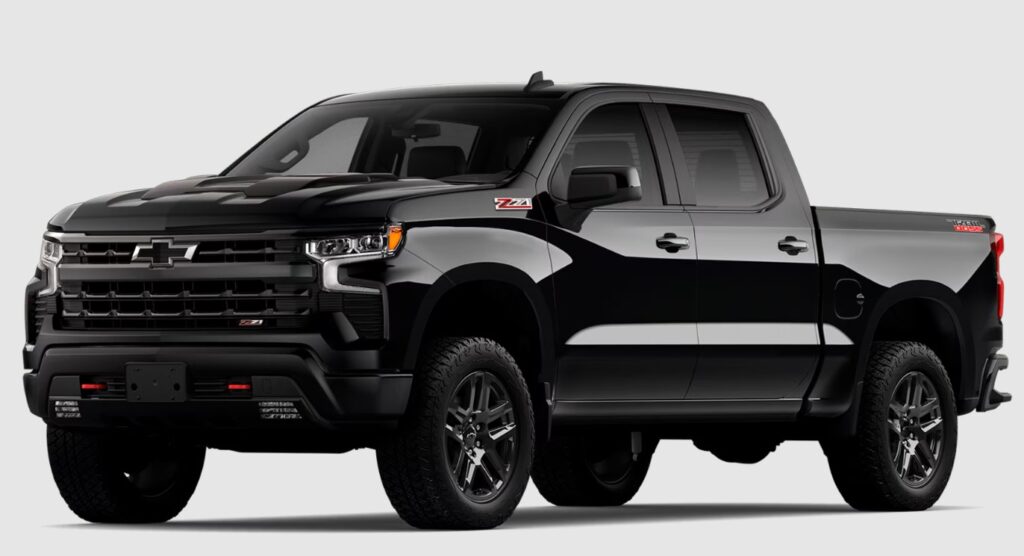
Chevrolet Silverado gas mileage has never been a one-number story. Ask three Silverado owners what fuel economy they get, and we may hear three wildly different answers. One driver might squeeze nearly 30 mpg from a modern diesel on the highway, while another watches a lifted V8 gulp fuel like a thirsty workhorse after a long day.
That difference is not necessarily a sign that something is wrong. The Silverado has been sold with four-cylinder, six-cylinder, V8, diesel, hybrid, and electric powertrains. It has also appeared in rear-wheel-drive, four-wheel-drive, standard-cab, crew-cab, short-bed, long-bed, off-road, and heavy-duty configurations. Each combination changes how far the truck travels on a gallon of fuel.
In the United States, the Silverado nameplate officially arrived for the 1999 model year, replacing Chevrolet’s C/K pickup line. Since then, four principal Silverado 1500 generations have reached American roads, followed by the all-electric Silverado EV.
In this guide, we will explore Chevrolet Silverado gas mileage across all generations, identify the most economical engines, explain why real-world MPG varies, and share practical ways to reduce fuel consumption.
Content in this publication
- Chevrolet Silverado Gas Mileage at a Glance
- Why Silverado MPG Varies So Much
- EPA MPG Versus Real-World Gas Mileage
- First-Generation Silverado Gas Mileage: 1999–2006
- Silverado Classic Gas Mileage
- Second-Generation Silverado Gas Mileage: 2007–2013
- Chevrolet Silverado Hybrid Gas Mileage
- Third-Generation Silverado Gas Mileage: 2014–2018
- Fourth-Generation Silverado Gas Mileage: 2019–Present
- 2.7-Liter Turbo and TurboMax Gas Mileage
- Modern 5.3-Liter V8 Gas Mileage
- Modern 6.2-Liter V8 Gas Mileage
- 3.0-Liter Duramax Diesel Gas Mileage
- Silverado Trail Boss Gas Mileage
- Silverado ZR2 Gas Mileage
- Silverado 2500HD and 3500HD Gas Mileage
- Chevrolet Silverado EV Efficiency
- Which Silverado Engine Gets the Best Gas Mileage?
- Two-Wheel Drive Versus Four-Wheel Drive MPG
- How Cab and Bed Size Affect Silverado MPG
- How Towing Changes Chevrolet Silverado Gas Mileage
- How Payload Affects Silverado MPG
- Common Reasons for Poor Silverado Gas Mileage
- How to Improve Chevrolet Silverado Gas Mileage
- Is Chevrolet Silverado Gas Mileage Good?
- How to Choose the Most Fuel-Efficient Used Silverado
- Conclusion: Understanding Silverado Fuel Economy
- Frequently Asked Questions
Chevrolet Silverado Gas Mileage at a Glance
A Silverado 1500 can generally return anything from the low teens to the upper 20s in miles per gallon, depending on its year, engine, drivetrain, tires, body configuration, and driving environment.
Here is a broad overview:
| Silverado type | Typical combined economy |
|---|---|
| Older gasoline V8 models | About 13–17 mpg |
| Modern gasoline V8 models | About 16–20 mpg |
| Modern TurboMax four-cylinder models | About 17–20 mpg |
| Modern 3.0-liter Duramax diesel models | About 23–25 mpg |
| Silverado Hybrid models | About 21 mpg combined |
| Silverado HD gasoline models | Often 10–15 mpg in real use |
| Silverado HD diesel models | Often 13–19 mpg in real use |
| Silverado EV | Rated in MPGe, not traditional MPG |
These figures are broad planning ranges rather than promises. Two trucks from the same model year can have different EPA ratings because one has four-wheel drive, larger tires, an off-road package, or a different axle ratio.
For the current 2026 Silverado 1500, Chevrolet advertises up to 23 mpg city and 28 mpg highway with the available 3.0-liter Duramax diesel in a two-wheel-drive configuration. Four-wheel-drive diesel versions are rated as high as 22 mpg city and 26 mpg highway.
Why Silverado MPG Varies So Much
Fuel economy changes because a pickup does more than carry people. It may tow a travel trailer on Friday, crawl through mud on Saturday, and cruise empty to work on Monday.
The most important variables include:
- Engine type and displacement
- Two-wheel drive or four-wheel drive
- Cab and bed configuration
- Vehicle weight
- Axle ratio
- Tire size and tread pattern
- Suspension height
- Payload and trailer weight
- Driving speed
- Weather and terrain
- Maintenance condition
- Fuel formulation
A lightly equipped rear-wheel-drive truck on highway tires has an easier job than a crew-cab 4x4 with steel bumpers, mud-terrain tires, and a trailer. One slips through the air in loafers; the other runs a marathon in work boots.
EPA MPG Versus Real-World Gas Mileage
EPA fuel-economy estimates provide a standardized comparison between vehicles. They do not predict exactly what every owner will see.
Drivers may beat the official highway number when traveling steadily on flat roads at moderate speeds. Others may fall well below the combined rating during short trips, winter driving, heavy towing, extended idling, or stop-and-go traffic.
A Silverado’s dashboard average can also differ from a hand-calculated result. For the most reliable real-world measurement, we can use this simple method:
- Fill the tank completely.
- Reset the trip odometer.
- Drive normally through most of the tank.
- Refill at the same pump when possible.
- Divide miles driven by gallons added.
If we travel 360 miles and refill with 20 gallons, the truck returned 18 mpg.
Why the Dashboard Number Can Be Optimistic
The onboard computer estimates fuel consumption through injector activity and vehicle data. Small differences in tire diameter, fuel delivery, idling, and calibration can influence the result.
The display is useful for identifying trends, but repeated hand calculations give us a clearer long-term average.
First-Generation Silverado Gas Mileage: 1999–2006
The first-generation Silverado 1500 introduced the truck as a separate model line for 1999. Early engine options included the 4.3-liter V6 and several V8s, most notably the 4.8-liter, 5.3-liter, and 6.0-liter engines.
By modern standards, these trucks are not especially economical. However, their relatively straightforward powertrains and lighter configurations can deliver respectable highway results when properly maintained.
4.3-Liter V6 Fuel Economy
The 4.3-liter V6 was generally the economy-minded option, particularly in rear-wheel-drive regular-cab work trucks. Depending on the year and configuration, owners can commonly expect fuel economy somewhere in the mid-teens, with highway figures reaching the upper teens under favorable conditions.
The V6 uses less fuel when the truck is lightly loaded. Once we ask it to pull a heavy trailer or climb steep grades, it may work harder and lose much of its advantage over a V8.
4.8-Liter V8 Gas Mileage
The 4.8-liter V8 offers a useful middle ground. It does not produce the low-end torque of the larger engines, but it can be reasonably efficient in a light two-wheel-drive truck.
Real-world combined economy often lands around 14–17 mpg. Highway drivers may see better numbers, while city use can drag mileage toward the low teens.
5.3-Liter V8 Gas Mileage
The 5.3-liter V8 became one of the Silverado’s signature engines. Its combination of torque, availability, and durability made it enormously popular.
First-generation 5.3-liter trucks commonly return approximately:
- 13–16 mpg in mixed driving
- 15–19 mpg on the highway
- 10–14 mpg while towing or operating in heavy city traffic
A two-wheel-drive regular cab will usually outperform a four-wheel-drive crew cab. Age also matters. Worn oxygen sensors, dragging brakes, dirty injectors, and weak ignition components can slowly shave miles from every gallon.
6.0-Liter V8 Fuel Consumption
The 6.0-liter V8 prioritizes power over economy. We should generally expect low-to-mid-teen fuel economy, with towing, oversized tires, or aggressive driving pushing the number lower.
It is the engine equivalent of a heavy hammer: extremely useful when we need it, but not designed for delicate work.
Silverado Classic Gas Mileage
Chevrolet continued selling the outgoing body style as the Silverado Classic during the transition to the second generation. Its economy is similar to that of the final first-generation trucks because the underlying engines, transmissions, and architecture remained closely related.
Buyers comparing a 2007 Silverado Classic with a redesigned 2007 Silverado should verify the exact body style and engine rather than relying on the model year alone.
Second-Generation Silverado Gas Mileage: 2007–2013
The second-generation Silverado arrived with revised aerodynamics, updated engines, and wider use of fuel-saving technology. The 5.3-liter V8 became available with Active Fuel Management, which could deactivate cylinders under light loads.
On paper, that sounds like turning a V8 into a four-cylinder while cruising. In reality, the improvement depends heavily on speed, terrain, load, and how often the engine can remain in its reduced-cylinder mode.
Second-Generation 4.3-Liter V6 MPG
The older 4.3-liter V6 continued in work-oriented models. Its fuel economy remained modest because it was paired with older transmission technology for much of its life.
A V6 badge does not automatically make a full-size truck economical. Engine design, gearing, vehicle weight, and workload matter as much as cylinder count.
Second-Generation 4.8-Liter V8 MPG
The 4.8-liter remained a sensible option for buyers who did not need maximum towing strength. It can deliver mid-teen combined economy, although the 5.3-liter may perform similarly during relaxed highway driving because of its cylinder-deactivation system and stronger torque.
Second-Generation 5.3-Liter V8 MPG
Many 2007–2013 Silverado 1500 models with the 5.3-liter engine fall around the mid-teens in combined use.
Typical owner expectations include:
- Around 13–16 mpg in city-heavy driving
- Around 16–21 mpg on open highways
- Around 11–14 mpg when towing substantial loads
Four-wheel drive, crew-cab weight, aggressive tires, and short trips can pull those figures downward.
6.0-Liter and 6.2-Liter V8 MPG
The larger 6.0-liter and 6.2-liter engines offer stronger acceleration and towing capability but usually consume more fuel. Mixed-driving results in the 12–15 mpg area are common, although highway mileage may improve when the truck is lightly loaded and driven smoothly.
Buyers choosing these engines should view fuel consumption as part of the cost of accessing greater performance.
Chevrolet Silverado Hybrid Gas Mileage
Chevrolet offered a two-mode hybrid Silverado during the second generation. It combined a 6.0-liter V8 with electric motors, a battery pack, and a specialized transmission.
The system could move the truck electrically at low speeds under limited conditions, shut off the gasoline engine at stops, and assist the V8 during acceleration. EPA combined economy reached roughly 21 mpg in certain configurations, which was impressive for a full-size gasoline pickup of its era.
Was the Silverado Hybrid Actually Efficient?
In urban driving, yes. Its greatest advantage appeared in situations where a normal V8 wasted fuel idling or repeatedly accelerating from a stop.
The benefit was less dramatic during continuous high-speed highway driving. The hybrid system also added weight and mechanical complexity.
Today, a used Silverado Hybrid may still be economical, but battery condition and specialized repair costs deserve careful attention. Saving money at the pump loses its shine if an aging hybrid component creates a large repair bill.
Third-Generation Silverado Gas Mileage: 2014–2018
The redesigned 2014 Silverado brought direct fuel injection, revised cylinder-deactivation technology, six-speed and later eight-speed transmissions, improved aerodynamics, and a new engine family.
Available engines included:
- 4.3-liter EcoTec3 V6
- 5.3-liter EcoTec3 V8
- 6.2-liter EcoTec3 V8
These trucks generally improved fuel economy without abandoning traditional naturally aspirated engines.
2014–2018 Silverado 4.3-Liter V6 MPG
The newer 4.3-liter V6 is considerably more modern than its predecessor. In suitable configurations, it can reach the high teens in combined driving and move into the low 20s on the highway.
It works well for drivers who carry moderate loads and do not tow near the truck’s upper limits. Under heavy strain, however, the engine must rev and use more fuel.
2014–2018 Silverado 5.3-Liter V8 MPG
The 5.3-liter remained the volume choice. A rear-wheel-drive truck can deliver highway economy around the low 20s under favorable conditions, while four-wheel-drive and off-road versions generally return less.
Real-world mixed mileage often settles around 16–19 mpg.
This engine gives us a practical balance: enough strength for everyday truck duties without the appetite of the 6.2-liter. For many used-truck buyers, it is the Goldilocks option—not tiny, not enormous, but often just right.
2014–2018 Silverado 6.2-Liter V8 MPG
The 6.2-liter engine delivers effortless power, especially during passing and towing. Its fuel economy can be surprisingly close to the 5.3-liter on a gentle highway cruise, but city driving and frequent acceleration reveal the difference.
Combined mileage commonly falls in the mid-teens. Premium fuel recommendations on some applications may also increase operating costs even when MPG appears acceptable.
Fourth-Generation Silverado Gas Mileage: 2019–Present
The fourth-generation Silverado 1500 broadened the powertrain menu. Depending on the year, buyers could choose among a turbocharged four-cylinder, a V6, two V8s, and a 3.0-liter inline-six Duramax diesel.
Chevrolet also reduced weight in selected areas and introduced transmissions with more ratios. More gears allow the engine to stay closer to its efficient operating range instead of shouting where a whisper will do.
2.7-Liter Turbo and TurboMax Gas Mileage
The turbocharged 2.7-liter four-cylinder may seem small for a full-size pickup, but it produces substantial torque. Chevrolet later branded an updated version as TurboMax.
Fuel economy varies by cab, drivetrain, tires, and model year, but combined ratings and real-world results generally sit in the high teens. Highway figures can reach the low 20s in favorable configurations.
Does the Four-Cylinder Silverado Save More Fuel?
Sometimes—but not always by a dramatic margin.
The engine can be efficient when the truck is lightly loaded and driven smoothly. Under boost, while towing, climbing, or accelerating hard, it may consume fuel rapidly. Turbocharging allows a small engine to behave like a larger one, but it cannot create power from fresh air alone.
Its main appeal is the combination of strong low-speed torque, lower entry cost in some trims, and acceptable economy.
Modern 5.3-Liter V8 Gas Mileage
Current-generation 5.3-liter trucks generally return mid-to-high-teen combined economy, with low-20s highway performance possible in efficient two-wheel-drive setups.
Dynamic Fuel Management can deactivate different numbers of cylinders depending on demand. This is more flexible than earlier systems that primarily switched between four- and eight-cylinder operation.
Even so, tires and trim matter. A highway-oriented LT may use less fuel than a Trail Boss with a suspension lift and all-terrain tires, even when both trucks share the same engine.
Modern 6.2-Liter V8 Gas Mileage
The 6.2-liter V8 is the performance leader among Silverado gasoline engines. It offers strong acceleration and confident towing, but economy is secondary.
Drivers may see mid-teen combined results in normal use. Highway mileage can approach the upper teens or low 20s under ideal conditions, while city driving, cold starts, premium fuel, and heavy throttle use raise the cost per mile.
We do not buy the 6.2-liter because we enjoy passing gas stations. We buy it because power arrives with the effortlessness of a wave rolling onto shore.
3.0-Liter Duramax Diesel Gas Mileage
The 3.0-liter Duramax inline-six is the fuel-economy champion of the conventional Silverado 1500 lineup.
For 2026, Chevrolet lists up to 23 mpg city and 28 mpg highway for two-wheel-drive versions and up to 22 mpg city and 26 mpg highway for four-wheel-drive models. Chevrolet identifies the diesel’s 28-mpg highway figure as best in class among comparable diesel-equipped pickups.
Why the Duramax Uses Less Fuel
Diesel fuel contains more energy per gallon than gasoline, and diesel engines operate with high compression and lean combustion. The inline-six also produces abundant low-rpm torque, allowing the truck to move without constantly chasing higher engine speeds.
The result is a truck that can feel relaxed while returning fuel economy once associated with midsize pickups.
Is the Diesel Always the Cheapest Option?
Not necessarily. We must consider:
- Higher purchase price
- Diesel fuel prices
- Diesel exhaust fluid
- Oil and filter requirements
- Emissions-system maintenance
- Mostly short-trip operation
- Potential long-term repair costs
Drivers covering substantial highway mileage may recover the diesel premium more easily. Someone driving only a few thousand city miles per year may save more by choosing a less expensive gasoline truck.
Silverado Trail Boss Gas Mileage
Trail Boss models sit higher and use off-road-oriented tires, four-wheel drive, skid plates, and other rugged hardware. These features improve capability but increase weight, rolling resistance, and aerodynamic drag.
A Trail Boss will normally return lower MPG than a comparable road-focused Silverado. Depending on the engine and driving pattern, losing roughly 1–3 mpg compared with a more efficient configuration would not be surprising.
That sounds small until we multiply it across thousands of miles.
Silverado ZR2 Gas Mileage
The ZR2 pushes the formula further with specialized dampers, aggressive tires, additional ground clearance, and off-road equipment.
Its shape and hardware are designed to conquer rough terrain, not to set records at the fuel pump. Gasoline ZR2 models frequently live in the low-to-mid teens in real mixed driving, although diesel versions can perform better.
The ZR2 is a mountain boot, not a running shoe. Expecting both to move with equal efficiency misses the point of their design.
Silverado 2500HD and 3500HD Gas Mileage
Heavy-duty pickups are generally not required to display EPA fuel-economy estimates in the same manner as light-duty vehicles. Consequently, Silverado 2500HD and 3500HD shoppers often rely on owner reports and independent testing.
Chevrolet offers the Silverado HD with gasoline and Duramax diesel powertrains, emphasizing payload and towing rather than MPG. The current HD range is engineered for demanding work and can tow far more than a light-duty pickup when properly configured.
Silverado HD Gasoline MPG
An unloaded gasoline Silverado HD may return approximately 11–15 mpg in mixed driving. Heavy traffic, large tires, winter idling, and short journeys can lower that result.
While towing a large trailer, fuel economy may fall into single digits.
Silverado HD Duramax Diesel MPG
An unloaded diesel HD truck may produce roughly 14–19 mpg in favorable use. Towing can reduce that figure substantially, but diesel torque allows the engine to handle heavy loads without the high-rpm behavior of a gasoline engine.
A diesel HD may use fewer gallons while towing, yet diesel fuel, maintenance, and acquisition costs must still be considered.
Chevrolet Silverado EV Efficiency
The Silverado EV does not have traditional gas mileage because it does not burn gasoline. Instead, the EPA describes its efficiency in miles per gallon equivalent, or MPGe, and reports electricity consumption in kilowatt-hours per 100 miles.
MPGe allows us to compare the energy efficiency of electric and combustion vehicles. It does not mean the truck contains a gallon of electric fuel.
Why Silverado EV Range Changes
Electric range depends on many of the same forces that affect gasoline MPG:
- Highway speed
- Outside temperature
- Cabin heating
- Payload
- Trailer weight
- Terrain
- Tire pressure
- Wheel size
- Driving style
Towing creates a particularly large range penalty because a tall trailer adds aerodynamic drag. The battery may be enormous, but the air remains stubborn.
Which Silverado Engine Gets the Best Gas Mileage?
Among conventional current Silverado 1500 engines, the 3.0-liter Duramax diesel delivers the strongest official fuel-economy figures. Chevrolet lists up to 28 mpg highway in a two-wheel-drive configuration.
For buyers who prefer gasoline, the best configuration depends on the model year and body style. The TurboMax can be economical during light-duty use, while the 5.3-liter V8 may produce similar highway results when cylinder management operates frequently.
The “best” engine therefore depends on more than the largest MPG number.
Best for Long Highway Trips
The 3.0-liter Duramax is typically the strongest choice. It combines low engine speed, abundant torque, and excellent highway efficiency.
Best for Lower Initial Cost
A TurboMax-powered truck may cost less than a diesel and avoids diesel-specific maintenance. It can make sense for moderate annual mileage.
Best Balance of Familiarity and Capability
The 5.3-liter V8 remains attractive for drivers who want traditional V8 behavior, widespread service familiarity, and broad towing capability.
Best for Maximum Gasoline Performance
The 6.2-liter V8 is the choice for drivers prioritizing acceleration and power over fuel savings.
Two-Wheel Drive Versus Four-Wheel Drive MPG
Two-wheel-drive Silverados usually achieve better fuel economy because they carry fewer driveline components and experience less mechanical resistance.
The difference may be only 1–2 mpg on paper, but it can become meaningful over time.
Suppose one truck averages 20 mpg and another averages 18 mpg over 15,000 miles:
- At 20 mpg, it consumes 750 gallons.
- At 18 mpg, it consumes about 833 gallons.
- The difference is approximately 83 gallons per year.
Four-wheel drive may still be worth the extra fuel for snow, mud, job sites, boat ramps, or off-road travel. Efficiency is only one part of usefulness.
How Cab and Bed Size Affect Silverado MPG
A crew cab, long bed, and heavy trim package add mass. A longer or taller configuration can also influence aerodynamic behavior.
The difference may not appear dramatic in a single trip, but every extra pound must be accelerated repeatedly. City driving exposes this penalty more than steady highway cruising.
Regular-cab and double-cab trucks can therefore outperform large crew-cab versions when all other variables are similar.
How Towing Changes Chevrolet Silverado Gas Mileage
Towing can reduce Silverado MPG by 20–50 percent—or even more—depending on the trailer.
Weight matters during acceleration and climbing, but aerodynamic drag often becomes the bigger enemy at highway speed. A tall travel trailer behaves like a wall moving through the wind.
A Silverado that returns 20 mpg unloaded might achieve only 9–13 mpg while pulling a large camper. A smaller, lower utility trailer may cause a much milder drop.
Why Speed Matters So Much When Towing
Aerodynamic resistance rises sharply as speed increases. Driving at 75 mph rather than 60–65 mph can consume much more fuel, particularly with a tall trailer.
Slowing down safely may deliver a larger improvement than any bolt-on fuel-saving accessory.
How Payload Affects Silverado MPG
Tools, cargo, passengers, and accessories increase the energy needed to accelerate and climb hills. A few lightweight items will make little difference, but carrying hundreds of pounds every day can reduce economy.
We should remove unnecessary cargo rather than treating the bed like a rolling storage unit. A toolbox full of equipment we never use is essentially a passenger that never contributes gas money.
Common Reasons for Poor Silverado Gas Mileage
A sudden or gradual MPG decline can result from:
- Low tire pressure
- Incorrect wheel alignment
- Dragging brake calipers
- Dirty air filter
- Worn spark plugs
- Weak oxygen sensors
- Faulty thermostat
- Dirty mass-airflow sensor
- Fuel-system problems
- Incorrect engine oil
- Oversized tires
- Suspension lift
- Excessive idling
- Frequent remote starting
- Winter-blend fuel
- Cold weather
- Short journeys
- High cruising speeds
A dashboard warning light deserves attention. Even when the truck appears to run normally, a sensor or emissions fault may force the engine to use a less efficient strategy.
How to Improve Chevrolet Silverado Gas Mileage
We cannot turn a full-size pickup into a compact hybrid, but we can help it use less fuel.
Maintain Proper Tire Pressure
Underinflated tires increase rolling resistance and heat. Check pressures when the tires are cold and follow the label on the driver’s door jamb rather than the maximum pressure printed on the tire.
Chevrolet also notes that maintaining appropriate tire pressure supports tire life and vehicle handling.
Drive at Moderate Highway Speeds
High speed is one of the fastest ways to destroy truck fuel economy. A reduction from 75 mph to around 65 mph can create a noticeable improvement, especially with a lift, roof-mounted cargo, or trailer.
Accelerate Smoothly
The Silverado is heavy. Launching it aggressively requires a large burst of energy. Building speed progressively reduces fuel demand and is easier on tires, brakes, and driveline components.
Reduce Unnecessary Idling
Remote start is convenient in extreme weather, but long warm-up periods burn fuel while producing zero miles per gallon.
Modern engines generally do not need lengthy warm-ups before normal gentle driving.
Remove Unneeded Weight
Take out tools, materials, and accessories that are not required. Weight savings may not transform MPG overnight, but they support every other efficiency effort.
Use the Recommended Engine Oil
Oil with the correct viscosity helps reduce internal friction and supports systems such as variable valve timing and cylinder deactivation.
Always follow the owner’s manual for the exact year and engine.
Keep the Truck Aerodynamically Clean
Large light bars, roof baskets, oversized mirrors, and other accessories can increase drag. A tonneau cover may help airflow in some situations, but buyers should remain skeptical of dramatic fuel-saving claims.
Plan Trips More Efficiently
Combining errands allows the engine and transmission to reach operating temperature. Several short cold trips use more fuel than one longer route covering the same distance.
Is Chevrolet Silverado Gas Mileage Good?
For a full-size pickup, the Silverado can be impressively efficient—especially with the 3.0-liter Duramax. A highway rating as high as 28 mpg would have sounded almost unbelievable when the first Silverado arrived in 1999.
Still, “good” depends on the job.
A 15-mpg V8 may look inefficient next to a compact car, yet it may be reasonable for a truck carrying equipment or towing several thousand pounds. Meanwhile, a diesel returning 26 mpg may be unnecessary for an owner who drives very little and rarely leaves town.
The right comparison is not simply truck versus car. It is one Silverado configuration versus another configuration capable of doing the same work.
How to Choose the Most Fuel-Efficient Used Silverado
Used-truck shoppers should look beyond the engine badge.
Before buying, verify:
- The exact model year
- Engine size and engine code
- Two-wheel drive or four-wheel drive
- Axle ratio
- Cab and bed configuration
- Factory or aftermarket tire size
- Suspension modifications
- Maintenance history
- Dashboard warning lights
- Real fuel-economy records, when available
A modified truck may return considerably less than its original EPA rating. Regearing, tire calibration, alignment, and accessory weight can all alter the result.
A pre-purchase inspection is especially valuable. Poor MPG may be the visible tip of a deeper mechanical iceberg.
Conclusion: Understanding Silverado Fuel Economy
Chevrolet Silverado gas mileage has improved substantially since the truck debuted for 1999. Early V6 and V8 models commonly operated in the mid-teens, while modern powertrains use direct injection, turbocharging, cylinder management, advanced transmissions, diesel efficiency, and electrification to travel farther with less energy.
The 3.0-liter Duramax currently leads the traditional Silverado 1500 lineup, reaching an advertised 28 mpg highway in selected two-wheel-drive configurations. The TurboMax offers strong torque from a smaller gasoline engine, the 5.3-liter V8 remains a versatile all-rounder, and the 6.2-liter prioritizes effortless performance.
Yet no EPA label can account for every trailer, lift kit, cold morning, mountain pass, or heavy right foot. The smartest approach is to match the truck to the job, compare exact configurations, and calculate fuel use across complete tanks.
A Silverado will never sip fuel like a tiny commuter. It is a broad-shouldered tool built to carry, pull, and work. Choose the right version, treat it well, and its appetite can be far more reasonable than its size suggests.
Frequently Asked Questions
1. What Chevrolet Silverado gets the best gas mileage?
The 3.0-liter Duramax diesel is generally the most fuel-efficient conventional Silverado 1500. For 2026, selected two-wheel-drive versions are advertised at up to 23 mpg city and 28 mpg highway.
2. What gas mileage does a 5.3-liter Silverado get?
Depending on the year and configuration, a 5.3-liter Silverado commonly returns approximately 15–19 mpg in mixed real-world driving. Efficient two-wheel-drive models may reach the low 20s on the highway, while lifted, off-road, or towing configurations may return substantially less.
3. Why is my Silverado getting only 12 mpg?
Heavy city traffic, idling, towing, oversized tires, four-wheel drive, winter weather, short trips, low tire pressure, or mechanical faults can produce a 12-mpg average. Compare several hand-calculated tanks and inspect the truck if the decline appeared suddenly.
4. Does a tonneau cover improve Silverado MPG?
A tonneau cover may modestly improve airflow in certain conditions, but results vary. We should not expect a dramatic transformation. Driving speed, tire choice, vehicle height, and trailer use usually have a much larger effect.
5. Does four-wheel drive reduce Silverado gas mileage?
Usually, yes. Four-wheel-drive hardware adds weight and mechanical resistance. Depending on the year and engine, a 4x4 Silverado may return around 1–2 mpg less than a comparable two-wheel-drive model, although the exact difference varies.
If you want to know other articles similar to Chevrolet Silverado Gas Mileage: Complete MPG Guide you can visit the category Driving.
Can Nissan Rogue Pull a Boat? Complete Towing Guide
Can Nissan Rogue Be Flat Towed? Complete Towing Guide
Are Nissan Rogue Good on Gas? MPG, Fuel Economy, and Real-World Costs
Can Nissan Rogue Drive in Snow? Complete Winter Driving Guide

Kia Sorento Diesel Fuel Consumption: MPG, Efficiency and Real-World Range
Haval Jolion Hybrid Fuel Consumption: How Efficient Is It Really?
Leave a Reply
More content of your interest