

GMC Sierra Check Engine Light Flashing Then Stops: Causes, Risks, and Fixes

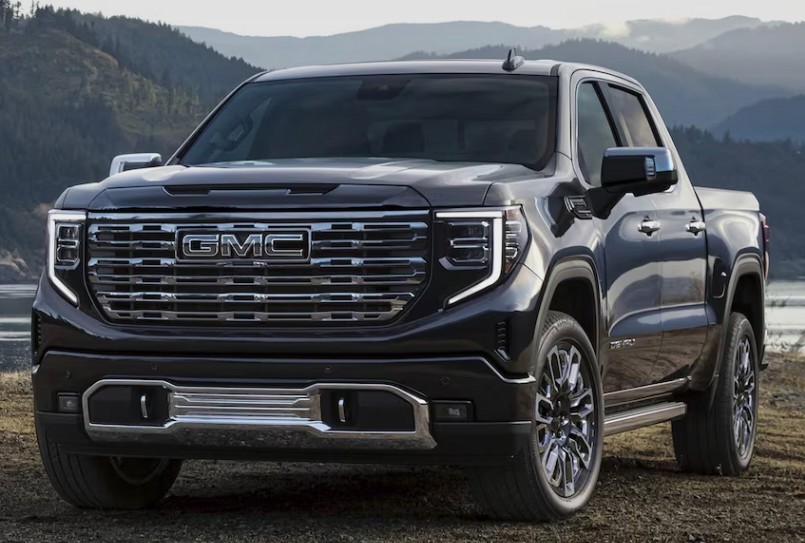
A GMC Sierra check engine light flashing then stops situation can feel strangely reassuring. The light flashed, the truck kept moving, and a few seconds later everything looked normal again. Problem solved, right?
Unfortunately, not always.
A flashing check engine light is the truck’s way of waving a red flag rather than quietly leaving a note on the dashboard. In most cases, it indicates an active engine misfire severe enough to potentially damage the catalytic converter. When the flashing stops, the underlying fault may have temporarily disappeared, but that does not mean the problem repaired itself.
Think of it like hearing a smoke alarm chirp and then go silent. The silence is welcome, but we still need to find out what triggered it.
In this guide, we will explain why a GMC Sierra check engine light may flash briefly and then stop, which causes are most common, when it is safe to continue driving, and how we can diagnose the problem without replacing parts blindly.
Content in this publication
- What Does a Flashing Check Engine Light Mean on a GMC Sierra?
- Is It Safe to Drive When the Light Flashes and Stops?
- Most Common Cause: An Intermittent Engine Misfire
- Worn or Damaged Spark Plugs
- Failing Ignition Coil or Coil Boot
- Loose or Damaged Spark-Plug Wires
- Fuel Injector Problems
- Low Fuel Pressure or Weak Fuel Delivery
- Vacuum Leaks and Unmetered Air
- Dirty or Faulty Mass Airflow Sensor
- Faulty Purge Valve and EVAP-System Problems
- Bad Fuel or Water Contamination
- Active Fuel Management or Dynamic Fuel Management Issues
- Low Compression or Internal Engine Damage
- Camshaft or Crankshaft Sensor Problems
- Damaged Wiring or Loose Electrical Connections
- Why the Problem Happens Under Acceleration
- Why It Flashes at Startup and Then Stops
- Why It Flashes at Idle but Stops While Driving
- How to Diagnose a GMC Sierra Flashing Check Engine Light
- Can a Loose Gas Cap Cause a Flashing Check Engine Light?
- Can Low Oil Cause the Check Engine Light to Flash?
- Can the Light Stop Without Storing a Code?
- Should We Clear the Code After the Light Stops?
- Common Mistakes to Avoid
- How Much Can the Repair Cost?
- How to Reduce the Risk of Future Misfires
- When to Call a Professional Technician
- Final Thoughts
- Frequently Asked Questions
- 1. Why did my GMC Sierra check engine light flash three times and stop?
- 2. Can I drive my GMC Sierra after the flashing light disappears?
- 3. Why does the light flash only when I accelerate?
- 4. Will replacing the spark plugs fix a flashing check engine light?
- 5. Why is there no code after the light flashed?
What Does a Flashing Check Engine Light Mean on a GMC Sierra?
A steady check engine light generally means the Sierra’s powertrain control module has detected a fault that needs attention. The truck may still run normally, and the problem may not require an immediate roadside stop.
A flashing check engine light is more urgent.
It usually indicates that one or more cylinders are misfiring badly enough to send unburned fuel into the exhaust system. That fuel can ignite inside the catalytic converter, producing extreme heat and damaging the converter’s internal material.
The catalytic converter is designed to clean exhaust gases, not burn a steady stream of raw gasoline. When excessive fuel reaches it, temperatures can rise quickly.
Steady Versus Flashing Check Engine Light
The difference matters:
- A steady light usually indicates a stored emissions, sensor, fuel-system, or engine-management fault.
- A flashing light usually indicates an active and potentially catalyst-damaging misfire.
- A light that flashes and then becomes steady means the severe misfire may have eased, although a fault remains stored.
- A light that flashes and completely turns off can indicate an intermittent misfire that is not currently active.
Even when the light disappears, the Sierra’s computer may retain a pending, history, or permanent diagnostic trouble code.
Why the Light Stops Flashing
The light may stop because the misfire is no longer severe enough to exceed the computer’s warning threshold. This can happen when:
- Engine speed changes
- The truck warms up
- The driver releases the accelerator
- Moisture evaporates from an ignition component
- Fuel pressure stabilizes
- A loose connection temporarily makes contact again
- Cylinder deactivation changes operating conditions
- The engine load decreases
The computer is continuously measuring crankshaft speed variations to identify misfires. If the misfire count falls below a certain level, the light may stop flashing even though the underlying weakness remains.
Is It Safe to Drive When the Light Flashes and Stops?
That depends on how the truck is running.
If the light flashed briefly but the Sierra now runs smoothly, we may be able to drive a short distance carefully to a safe location or repair facility. However, we should avoid heavy acceleration, towing, steep hills, and high engine speeds.
If the truck is shaking, losing power, smelling strongly of fuel, backfiring, or overheating, continuing to drive can turn a manageable repair into a far more expensive one.
Stop Driving Immediately If You Notice These Symptoms
Pull over safely and shut the engine off when the flashing light is accompanied by:
- Severe shaking or bucking
- Major power loss
- Loud knocking or metallic noises
- Thick smoke from the exhaust
- A strong raw-fuel smell
- An overheating warning
- Oil-pressure warnings
- Repeated backfiring
- A red-hot catalytic converter
- Difficulty keeping the engine running
A tow bill is frustrating, but it is often cheaper than replacing catalytic converters, oxygen sensors, or an engine damaged by continued operation.
When a Short, Gentle Drive May Be Reasonable
A limited drive may be reasonable when:
- The flashing lasted only a few seconds
- The engine is now running smoothly
- No overheating or oil-pressure warning is present
- There is no strong fuel smell
- The truck has normal power
- The destination is nearby
- We can drive without towing or hard acceleration
This is not permission to ignore the warning for several weeks. It simply means we may not need to panic if the truck is currently stable.
Most Common Cause: An Intermittent Engine Misfire
The most common explanation for a GMC Sierra check engine light flashing and then stopping is an intermittent misfire.
An engine needs the correct combination of air, fuel, compression, and spark. If one ingredient disappears for even a moment, combustion becomes incomplete. The affected cylinder may stumble, recover, and then stumble again later.
Common misfire codes include:
- P0300: Random or multiple-cylinder misfire
- P0301: Cylinder 1 misfire
- P0302: Cylinder 2 misfire
- P0303: Cylinder 3 misfire
- P0304: Cylinder 4 misfire
- P0305: Cylinder 5 misfire
- P0306: Cylinder 6 misfire
- P0307: Cylinder 7 misfire
- P0308: Cylinder 8 misfire
Not every Sierra has eight cylinders, so the available cylinder-specific codes depend on the engine.
Worn or Damaged Spark Plugs
Spark plugs work in a brutal environment. They face heat, pressure, electrical voltage, and combustion deposits thousands of times per minute.
As the electrodes wear, the ignition system needs more voltage to jump the widening gap. Under light cruising, the plug may still fire normally. Under acceleration, towing, or climbing a hill, cylinder pressure increases and the spark may fail.
That explains why some Sierra owners see the light flash only when pressing the accelerator.
Signs of a Spark-Plug Problem
A worn or fouled spark plug may cause:
- Rough acceleration
- Hesitation under load
- Reduced fuel economy
- Hard starting
- A flashing light during passing or hill climbing
- A cylinder-specific misfire code
- Rough idle after a cold start
Inspecting the spark plug can also provide clues. Oil contamination, fuel wetness, heavy carbon, broken porcelain, or an excessively wide gap can point toward different underlying problems.
Do Not Replace Only One Plug Without Looking Deeper
If one plug is fouled, we should ask why. The plug may be the cause, but it can also be the messenger.
For example, an oil-fouled plug may indicate an oil-consumption issue. A fuel-soaked plug may point toward a failed injector or missing spark. A chalky white plug may suggest excessive heat or a lean mixture.
Failing Ignition Coil or Coil Boot
Modern GMC Sierra engines commonly use individual ignition coils. A weakening coil may work perfectly at idle and fail only under heavier load.
Heat can also expose an internal coil fault. The truck may start normally, misfire after warming up, and then recover once driving conditions change.
A cracked coil boot can allow electrical energy to escape before it reaches the spark plug. Moisture makes this more likely, which is why some trucks misfire after rain, washing, or driving through deep water.
How Coil Problems Are Confirmed
When a scan tool shows a specific cylinder misfire, a technician may swap the suspect ignition coil with a coil from another cylinder.
For example:
- Cylinder 3 has a misfire code.
- The cylinder 3 coil is moved to cylinder 5.
- The codes are cleared.
- The truck is driven or monitored again.
- If the misfire moves to cylinder 5, the coil is likely faulty.
This simple test can prevent unnecessary replacement of injectors, sensors, and other expensive components.
Loose or Damaged Spark-Plug Wires
Some Sierra engines use spark-plug wires between the coils and plugs. These wires can deteriorate from heat, age, abrasion, oil contamination, or improper removal.
A damaged wire may create an intermittent misfire when:
- The engine moves under torque
- Humidity is high
- The wire becomes hot
- The truck accelerates
- The wire touches a hot exhaust component
- The internal conductor separates
A plug wire can look fine from the outside while failing internally. Burn marks, hardened insulation, corrosion, and loose terminals deserve attention.
Fuel Injector Problems
A fuel injector can become restricted, electrically intermittent, stuck open, or completely inoperative.
A restricted injector may not deliver enough fuel during acceleration. A leaking injector can send too much fuel into the cylinder, producing rough running and allowing unburned fuel to reach the exhaust.
Clues Pointing Toward an Injector Fault
Injector-related symptoms may include:
- A repeated misfire on the same cylinder
- Fuel odor from the exhaust
- Difficult hot starting
- Rough idle
- Poor fuel economy
- A wet spark plug
- Unusual fuel-trim readings
- Misfire that remains after swapping the coil and plug
Injectors should be tested rather than condemned based only on a misfire code. Electrical checks, balance testing, waveform analysis, and listening tests can help separate an injector fault from a wiring or mechanical problem.
Low Fuel Pressure or Weak Fuel Delivery
The Sierra may run normally at idle while struggling to receive enough fuel under load.
A weakening fuel pump, restricted filter, faulty fuel-pump control module, wiring problem, contaminated fuel, or pressure-regulation fault can cause the engine to lean out during acceleration.
The light may flash while the truck is climbing a hill and stop once the driver releases the throttle.
You may be interested in reading Chevrolet Silverado Transmission Issues: Symptoms, Causes, and Solutions
Why Fuel Pressure Must Be Tested Under Load
A static pressure reading in the driveway does not always tell the full story. A pump may maintain acceptable pressure at idle yet fail to deliver enough volume when the engine demands more fuel.
Depending on the model and engine, diagnosis may require monitoring both low-side and high-side fuel pressure while the problem occurs.
Vacuum Leaks and Unmetered Air
A vacuum leak allows air to enter the engine without being properly measured or controlled. The mixture becomes too lean, particularly at idle or during a cold start.
Possible leak sources include:
- Split intake hoses
- Intake-manifold gasket leaks
- Brake-booster hoses
- PCV-system faults
- Purge-valve problems
- Loose clamps
- Cracked vacuum lines
- Throttle-body gasket leaks
A small leak may cause an occasional misfire. A larger leak can create rough idle, lean codes, high fuel trims, and stalling.
Cold-Start Misfires and Intake Leaks
Some intake leaks become more noticeable when the engine is cold. Materials contract overnight, leaving a temporary gap. As the engine warms, the components expand and the leak becomes smaller.
That can create a classic pattern: flashing light after startup, rough running for less than a minute, and normal operation afterward.
Dirty or Faulty Mass Airflow Sensor
The mass airflow sensor helps the engine computer estimate how much air enters the engine. Incorrect readings can disturb fueling and cause hesitation or misfires.
However, we should not automatically replace the sensor because a scan tool shows a lean code. Air leaks, fuel-pressure problems, contaminated air filters, wiring faults, and exhaust leaks can create similar symptoms.
If cleaning is appropriate, only a product designed for mass airflow sensors should be used. Carburetor cleaner, brake cleaner, and physical scrubbing may damage the delicate sensing element.
Faulty Purge Valve and EVAP-System Problems
A stuck-open evaporative-emissions purge valve can allow excessive fuel vapor or unmetered air to enter the intake.
This may cause:
- Rough starting after refueling
- Extended cranking
- Rough idle
- Temporary misfires
- Rich or lean conditions
- EVAP-system trouble codes
- A flashing light that settles after the engine stabilizes
If the Sierra misbehaves mainly after filling the fuel tank, the purge system deserves closer inspection.
Bad Fuel or Water Contamination
Poor-quality fuel, water contamination, or the wrong fuel can cause multiple cylinders to misfire.
The symptoms may begin shortly after refueling and can include:
- Rough operation
- Hesitation
- Reduced power
- Hard starting
- Stalling
- P0300 random misfire code
- Flashing check engine light under acceleration
Before assuming several ignition coils failed simultaneously, we should consider whether the problem began immediately after a fuel stop.
Active Fuel Management or Dynamic Fuel Management Issues
Some GMC Sierra V8 engines use cylinder-deactivation systems known as Active Fuel Management or Dynamic Fuel Management. These systems can deactivate selected cylinders under certain driving conditions to reduce fuel consumption.
Problems involving lifters, oil-control components, solenoids, wiring, or mechanical wear can cause intermittent misfires.
Warning signs may include:
- A persistent cylinder-specific misfire
- Ticking or tapping noise
- Low compression
- Rough idle
- Misfire that remains after ignition parts are swapped
- Metal debris in the oil
- Reduced power
- Abnormal rocker-arm movement
A faulty lifter is more serious than a worn spark plug. Repeatedly replacing coils will not solve a cylinder that cannot mechanically open its valves correctly.
Why Compression Testing Matters
If the same cylinder continues to misfire after confirming spark and fuel, we need to test the cylinder’s mechanical health.
Useful tests include:
- Compression testing
- Relative-compression testing
- Cylinder leak-down testing
- Valve-train inspection
- Cranking-current analysis
- Borescope inspection
These tests help determine whether the engine has a valve, lifter, piston, ring, camshaft, or head-gasket problem.
Low Compression or Internal Engine Damage
An engine can produce a temporary or persistent misfire when a cylinder loses compression.
Possible causes include:
- Burned valves
- Broken valve springs
- Collapsed lifters
- Worn camshaft lobes
- Piston damage
- Worn piston rings
- Head-gasket leakage
- Timing problems
Mechanical faults often become more noticeable at idle, although some appear mainly under load.
If the spark plug, coil, injector, wiring, and air-fuel mixture check out, compression should not be overlooked.
Camshaft or Crankshaft Sensor Problems
The engine computer relies on crankshaft and camshaft position signals to control ignition timing, fuel injection, and misfire detection.
An intermittent sensor or wiring fault can cause hesitation, stalling, difficult starting, or misfire-like behavior. Heat, vibration, corrosion, and damaged connectors may cause the signal to disappear momentarily.
Related codes may appear alongside misfire codes, although not every intermittent fault sets a clear code immediately.
Damaged Wiring or Loose Electrical Connections
The Sierra’s engine bay experiences heat, vibration, moisture, oil, and occasional rodent activity. Wiring problems are therefore more common than many owners expect.
A loose connector may interrupt power or control signals to:
- Ignition coils
- Fuel injectors
- Engine sensors
- Fuel-system components
- Control modules
- Ground circuits
The connection may fail when the engine twists under acceleration and reconnect when the load decreases. That creates a flash-and-stop pattern that can be difficult to reproduce in the workshop.
Electrical Areas Worth Inspecting
Look for:
- Broken connector locks
- Bent or pushed-back terminals
- Green corrosion
- Oil inside connectors
- Melted insulation
- Harnesses rubbing against metal
- Loose engine grounds
- Rodent damage
- Previous repair splices
- Wiring near exhaust components
A visual inspection cannot detect every electrical fault, but it often reveals the simplest answer.
Why the Problem Happens Under Acceleration
A check engine light that flashes only during acceleration strongly suggests a problem exposed by increased load.
Under acceleration:
- Cylinder pressure rises
- More spark voltage is required
- Fuel demand increases
- Engine movement stresses wiring
- Weak coils become easier to detect
- Fuel-pressure limitations become apparent
- Lean mixtures create stronger symptoms
The likely causes include worn spark plugs, weak coils, damaged plug wires, low fuel pressure, restricted injectors, or mechanical weakness.
Flashing While Towing or Climbing Hills
Towing places sustained pressure on the ignition, fuel, cooling, and transmission systems. A Sierra that feels fine while empty may misfire when pulling a trailer.
If the light flashes while towing, reduce throttle, safely pull over, and avoid forcing the truck to continue under heavy load. Repeated misfires can overheat the catalytic converter surprisingly quickly.
Why It Flashes at Startup and Then Stops
A cold-start flashing light may point toward:
- Fouled spark plugs
- Weak ignition coils
- Moisture around ignition components
- Intake-manifold leaks
- A leaking injector
- Coolant entering a cylinder
- Low compression
- Carbon buildup
- A sticking valve
- Incorrect fuel enrichment
A brief rough start after the truck has been parked overnight deserves attention, especially when it repeats on the same cylinder.
Watch for Coolant Loss
If the Sierra misfires at startup and slowly loses coolant without an obvious external leak, further diagnosis is important. Coolant entering a cylinder can temporarily foul combustion and damage internal components.
White vapor alone is not proof because condensation is normal during cold weather. Persistent sweet-smelling exhaust, coolant loss, overheating, or a steam-cleaned spark plug provides stronger evidence.
Why It Flashes at Idle but Stops While Driving
A misfire that appears mainly at idle may be caused by:
- A vacuum leak
- Dirty throttle body
- Weak compression
- Injector imbalance
- Purge-valve fault
- Carbon deposits
- A worn engine mount exaggerating normal vibration
- Low idle-speed control issues
At higher engine speeds, the problem may become less noticeable because airflow and combustion momentum increase. The fault has not necessarily disappeared; the engine may simply be masking it better.
How to Diagnose a GMC Sierra Flashing Check Engine Light
The best diagnosis follows evidence rather than guesses.
You may be interested in readingChevrolet Silverado Transmission Issues: Symptoms, Causes, and SolutionsYou may be interested in reading
Chevy Silverado Jerking When Slowing Down: Causes and FixesStep 1: Observe Exactly When It Happens
Write down the circumstances:
- Cold or warm engine
- Idle or acceleration
- After refueling
- During rain
- While towing
- At a specific speed
- Only on hills
- After extended driving
- With a low fuel level
- After recent maintenance
Patterns can narrow the diagnosis dramatically.
Step 2: Scan for Current and Pending Codes
Use an OBD-II scanner capable of reading:
- Current codes
- Pending codes
- Permanent codes
- Freeze-frame data
- Live misfire counters
- Fuel trims
- Fuel-pressure data
- Sensor readings
Do not clear the codes immediately. Freeze-frame data shows what the engine was doing when the fault appeared, including speed, load, temperature, and fuel-trim conditions.
Step 3: Inspect Basic Components
Before buying parts, inspect:
- Spark plugs
- Ignition coils
- Plug wires, where equipped
- Electrical connectors
- Vacuum hoses
- Intake ducting
- Battery terminals
- Engine grounds
- Air filter
- Fluid levels
- Signs of coolant or oil leaks
Recent work is especially relevant. A loose coil connector after spark-plug replacement can imitate a major engine problem.
Step 4: Use Misfire Data
Advanced scan tools can display cylinder-specific misfire counts. This tells us whether the problem affects one cylinder, one bank, or the entire engine.
One-cylinder misfires often point toward a plug, coil, injector, wiring, or compression issue.
Multiple-cylinder misfires may indicate fuel quality, low fuel pressure, a major vacuum leak, timing problems, or a control-system fault.
Step 5: Swap Test Ignition Components
When practical, move the suspected coil or plug to another cylinder. If the misfire follows the component, we have found useful evidence.
Parts should only be swapped when doing so is safe and compatible. Connectors, fasteners, boots, and spark-plug threads can be damaged by careless handling.
Step 6: Test Fuel and Mechanical Condition
If the ignition system checks out, test:
- Injector operation
- Fuel pressure
- Fuel volume
- Fuel quality
- Compression
- Cylinder leakage
- Valve-train movement
- Camshaft condition
This prevents the “parts cannon” approach, where one component after another is replaced without confirming the failure.
Can a Loose Gas Cap Cause a Flashing Check Engine Light?
A loose gas cap can trigger a steady check engine light because it allows the evaporative-emissions system to leak.
It generally does not cause the light to flash.
A flashing light points much more strongly toward an active misfire or another severe engine-management problem. Tightening the gas cap may solve an EVAP code, but it should not be treated as the main explanation for a flashing warning.
Can Low Oil Cause the Check Engine Light to Flash?
Low oil does not usually trigger a flashing check engine light directly. However, insufficient oil pressure or oil level can affect variable valve timing, lifters, cylinder-deactivation components, and internal engine lubrication.
That may eventually create misfires or mechanical damage.
Check the oil level on a level surface according to the owner’s manual. If the oil-pressure warning appears, shut the engine off immediately rather than continuing to drive.
Can the Light Stop Without Storing a Code?
Yes, but a code is often still available.
The truck may store a pending code before illuminating a steady warning. Some intermittent events do not mature into confirmed codes if they fail to repeat within the required driving cycle.
A basic scanner may also miss manufacturer-specific information, historical misfire data, or advanced module codes.
For that reason, “no codes found” does not always mean “no problem exists.”
Should We Clear the Code After the Light Stops?
Clearing the code too soon erases valuable diagnostic information.
It may remove:
- Freeze-frame data
- Pending codes
- Fuel-trim history
- Readiness-monitor status
- Evidence needed to reproduce the fault
Scan and record the information first. After repairs are completed, the codes can be cleared and the truck can be driven through an appropriate verification cycle.
Disconnecting the battery is not a diagnosis. It may temporarily turn off the light while leaving the original fault untouched.
Common Mistakes to Avoid
A flashing check engine light creates urgency, but panic can lead to expensive mistakes.
Avoid:
- Continuing to tow with an active misfire
- Replacing all coils without testing
- Assuming the gas cap caused the flashing
- Clearing codes before recording them
- Ignoring a recurring cold-start misfire
- Driving until the catalytic converter glows
- Using incorrect spark plugs
- Guessing at injector faults
- Overlooking damaged wiring
- Assuming a disappeared light means a repaired truck
The goal is not merely to turn off the warning. The goal is to correct the fault that caused it.
How Much Can the Repair Cost?
Repair costs vary widely because a flashing light is a symptom rather than a specific diagnosis.
The problem might be a loose connector requiring only a small adjustment. It could also involve several spark plugs, an ignition coil, an injector, a catalytic converter, or internal engine work.
Generally, ignition-component repairs are less expensive than fuel-system, catalytic-converter, or internal engine repairs. Early diagnosis can prevent the original misfire from damaging additional components.
The cheapest approach is not always replacing the cheapest part. The cheapest approach is identifying the correct failed part before spending money.
How to Reduce the Risk of Future Misfires
Regular maintenance cannot prevent every failure, but it reduces the odds.
Helpful habits include:
- Replace spark plugs at the correct interval
- Use the specified plug type and gap
- Inspect plug wires and coil boots
- Repair oil and coolant leaks promptly
- Use quality fuel from reliable stations
- Maintain clean electrical connections
- Address steady warning lights early
- Check oil regularly
- Avoid pressure-washing sensitive ignition components
- Follow the correct service schedule
- Investigate rough running before towing
Small symptoms often arrive before major failures. A slight stumble today can become a flashing dashboard warning tomorrow.
When to Call a Professional Technician
Professional diagnosis is recommended when:
- The light flashes repeatedly
- The engine shakes
- The same cylinder keeps misfiring
- Ignition swaps do not move the misfire
- Fuel pressure must be tested
- Compression is low
- Valve-train noise is present
- Wiring damage is suspected
- The truck loses coolant
- The catalytic converter overheats
- The problem appears only under load
A technician with bidirectional scan equipment and proper test tools can monitor misfire counts, command components, evaluate fuel trims, test injectors, and verify mechanical condition more accurately than a basic code reader alone.
Final Thoughts
When a GMC Sierra check engine light flashes and then stops, the truck is not necessarily telling us that the problem has gone away. It is telling us that a severe fault occurred briefly and is not severe enough to trigger the same warning at this exact moment.
The most common cause is an intermittent misfire involving spark plugs, ignition coils, plug wires, injectors, fuel pressure, vacuum leaks, wiring, or internal engine components. The timing of the warning—during startup, acceleration, towing, rain, or refueling—offers valuable clues.
If the truck is shaking, losing power, overheating, or smelling strongly of fuel, we should stop driving. If it is running normally after a brief flash, a careful trip to a safe location may be possible, but the codes should still be scanned promptly.
A warning light that disappears is easy to forget. Yet intermittent faults are like cracks in a windshield: they often begin quietly and spread when pressure rises. Catching the cause early can protect the catalytic converter, preserve engine reliability, and save us from a much larger repair later.
Frequently Asked Questions
1. Why did my GMC Sierra check engine light flash three times and stop?
The engine computer likely detected a brief misfire severe enough to threaten the catalytic converter. Once the misfire rate dropped below the warning threshold, the flashing stopped. Scan the truck for pending and stored misfire codes even if the light is now off.
2. Can I drive my GMC Sierra after the flashing light disappears?
A short, gentle drive may be possible if the engine runs smoothly and there are no fuel smells, overheating warnings, knocking sounds, or major power loss. Avoid towing and hard acceleration. Stop driving if the light flashes again or the engine begins shaking.
3. Why does the light flash only when I accelerate?
Acceleration raises cylinder pressure and fuel demand. Weak ignition coils, worn spark plugs, damaged plug wires, low fuel pressure, restricted injectors, or compression problems may only become noticeable under these heavier conditions.
4. Will replacing the spark plugs fix a flashing check engine light?
It may, especially if the plugs are worn, fouled, cracked, or incorrectly gapped. However, a flashing light can also result from coils, injectors, wiring, fuel-pressure problems, vacuum leaks, or internal engine damage. Diagnosis should confirm the cause before parts are replaced.
You may be interested in readingChevrolet Silverado Transmission Issues: Symptoms, Causes, and SolutionsYou may be interested in reading
Chevy Silverado Jerking When Slowing Down: Causes and FixesYou may be interested in reading
 Nissan Note Key Fob Not Working: Causes and Fixes
5. Why is there no code after the light flashed?
The fault may have been too brief to mature into a confirmed code, or the scanner may not display pending, history, or manufacturer-specific data. A more capable scan tool may reveal misfire counters, freeze-frame information, or codes that a basic reader misses.
If you want to know other articles similar to GMC Sierra Check Engine Light Flashing Then Stops: Causes, Risks, and Fixes you can visit the category Common Problems.
Vauxhall Adam Touch Screen Not Working: Causes, Fixes, and Troubleshooting Guide
Vauxhall Adam Gear Selector Problems: Causes, Fixes, and Warning Signs
Vauxhall Adam Air Conditioning Not Working: Complete Troubleshooting Guide
Vauxhall Adam Fuel Gauge Not Working: Causes and Fixes
Vauxhall Adam Clutch Pedal Not Returning: Causes, Diagnosis, and Repair Guide
Vauxhall Adam Not Starting: Causes, Checks, and Fixes
Leave a Reply
More content of your interest