
Ford Ranger 2.0 Bi-Turbo Wet Belt Replacement Cost

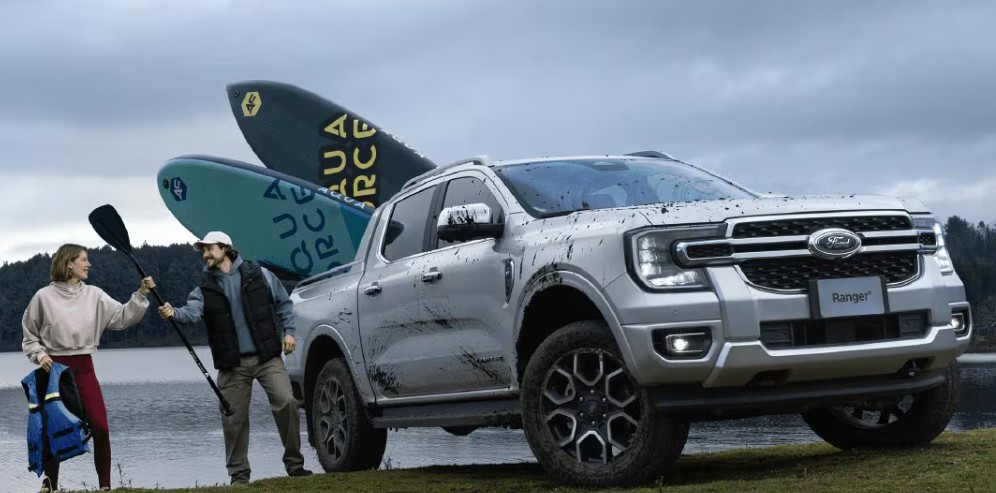
The Ford Ranger 2.0 Bi-Turbo wet belt replacement cost can range from roughly £1,000 to £2,500 in the United Kingdom, AUD $1,500 to $3,500 in Australia, €1,200 to €2,800 across much of Europe, and ZAR 15,000 to ZAR 35,000 in South Africa.
Those are broad working estimates rather than fixed menu prices. Your final bill depends on where you live, who performs the work, what parts are included, and whether the mechanic finds belt debris inside the lubrication system.
This is not an ordinary timing-belt job. The belt operates inside the engine, surrounded by oil. Reaching it requires careful disassembly, specialist timing tools, fresh fluids, replacement seals, and a thorough inspection of the oil pickup system. In other words, the belt itself is rarely the expensive part. Accessing it is where the money disappears.
A straightforward preventive replacement can save the engine. A delayed replacement after the belt has started deteriorating may lead to oil starvation, turbocharger damage, internal engine wear, or complete engine failure.
Let us break down the real costs, the parts that should be replaced, the warning signs to watch for, and the questions we should ask before approving a workshop quote.
Content in this publication
- How Much Does a Ford Ranger Wet Belt Replacement Cost?
- What Is a Wet Timing Belt?
- Why Is Wet Belt Replacement So Expensive?
- Ford Ranger 2.0 Bi-Turbo Wet Belt Cost Breakdown
- UK Replacement Cost
- Australian Replacement Cost
- New Zealand Replacement Cost
- European Replacement Cost
- South African Replacement Cost
- When Should the Wet Belt Be Replaced?
- Warning Signs of Wet Belt Deterioration
- Preventive Replacement Versus Failure Repair
- Dealer or Independent Specialist?
- Can We Replace the Wet Belt Ourselves?
- How to Reduce the Replacement Cost
- Is Wet Belt Replacement Worth Paying For?
- How to Evaluate a Used Ranger Before Buying
- Final Thoughts
- Frequently Asked Questions
How Much Does a Ford Ranger Wet Belt Replacement Cost?
The following figures provide a practical international guide for a Ford Ranger fitted with the 2.0-litre EcoBlue Bi-Turbo diesel engine.
| Market | Independent specialist | Ford dealer or premium workshop |
|---|---|---|
| United Kingdom | £1,000–£1,600 | £1,800–£2,500+ |
| Australia | AUD $1,500–$2,500 | AUD $2,500–$3,500+ |
| New Zealand | NZD $1,800–$3,000 | NZD $3,000–$4,000+ |
| European Union | €1,200–€1,900 | €2,000–€2,800+ |
| South Africa | ZAR 15,000–ZAR 25,000 | ZAR 25,000–ZAR 35,000+ |
| United States* | USD $1,500–$3,000 | Availability varies |
| Canada* | CAD $2,000–$4,000 | Availability varies |
*The 2.0 EcoBlue Bi-Turbo Ranger is uncommon in the United States and Canada, so imported parts, limited specialist availability, and longer diagnostic times can push costs upward.
Australian repair platforms publish broader Ford Ranger timing-belt estimates beginning around AUD $550 and extending beyond AUD $1,300. However, a wet-belt replacement on the 2.0 Bi-Turbo is generally more involved than a conventional external timing-belt service, so model-specific quotes may be substantially higher.
In the UK, specialist advertisements and workshop guides commonly place Ford wet-belt work near or above £1,000. One Ranger-specific specialist listing advertises an all-inclusive figure of approximately £1,200, while broader Ford wet-belt guides quote independent-specialist prices of roughly £950 to £1,200 before VAT.
Why Are the Price Ranges So Wide?
Two workshops may both advertise “wet belt replacement,” yet include completely different levels of work.
The cheaper quote might cover:
- The main timing belt
- Basic seals
- Engine oil
- Oil filter
- Standard labor
The more comprehensive quote may also include:
- Genuine or original-equipment belt components
- Tensioners and guides
- Single-use crankshaft bolts
- Oil pump belt replacement where applicable
- Sump removal and cleaning
- Oil pickup inspection
- Front crankshaft seal
- Timing-cover resealing
- Coolant replacement
- Auxiliary drive belt
- Diagnostic checks
- Oil-pressure verification
- Turbocharger oil-feed inspection
That difference matters. Comparing two prices without comparing their itemized contents is like comparing hotel rooms without checking whether one includes a bed.
What Is a Wet Timing Belt?
A conventional dry timing belt operates outside the lubricated part of the engine, normally behind a protective plastic cover. A wet timing belt—or belt-in-oil system—runs inside the engine and is continuously exposed to engine oil.
The design can reduce mechanical noise and friction. It can also package components neatly inside a compact engine. However, the belt must live in a chemically demanding environment where heat, soot, fuel dilution, oil additives, and extended service intervals all affect its condition.
The Ford 2.0 EcoBlue diesel used in certain Ranger and Everest models employs this belt-in-oil arrangement. The system should not be confused with the timing-chain setup found in some other Ranger engines.
Which Ford Ranger Models Have the Wet Belt?
The wet-belt discussion mainly concerns Rangers fitted with the 2.0-litre EcoBlue diesel, including certain single-turbo and Bi-Turbo versions.
Depending on the country and model year, this engine has appeared in variants such as:
- Ranger XLT
- Ranger Wildtrak
- Ranger Limited
- Ranger Sport
- Ranger Raptor in selected earlier markets
- Ranger and Everest models sharing related engine architecture
Specifications differ between markets and production periods. We should therefore confirm the engine code and parts application through the vehicle identification number rather than relying solely on the badge attached to the tailgate.
A 2.0 badge does not automatically tell us which belt kit, oil specification, replacement procedure, or interval applies.
Why Is Wet Belt Replacement So Expensive?
The replacement belt itself may cost only a few hundred pounds, euros, or dollars. Online parts listings show that individual timing-belt components can be comparatively inexpensive, although prices vary enormously by brand and kit contents.
Labor creates the larger bill.
Technicians may need to remove or reposition several components before they can reach the timing system. They must lock the engine at precisely the correct position, release the belt, inspect internal surfaces, fit the replacement components, reseal opened areas, refill the engine, and verify correct operation.
A single timing error can turn a routine service into a wrecked engine. This is not a job where “close enough” works.
The Labor Component
Hourly workshop rates vary by country and business type.
An independent diesel specialist may charge far less per hour than a main Ford dealer. Yet the independent specialist may complete the work faster because it performs EcoBlue wet-belt jobs every week.
The opposite can also happen. A cheap general workshop may underestimate the job, discover that it lacks a required tool, and leave the vehicle occupying a lift while it waits for parts or outside assistance.
The best value often comes from a workshop with:
- Direct EcoBlue experience
- The correct engine-timing tools
- A documented replacement procedure
- Clear warranty terms
- Familiarity with oil-pressure problems
- Access to genuine or reputable OE-quality parts
Why Specialist Experience Matters
Experience reduces uncertainty.
A specialist knows which bolts are single-use, where sealant must be applied, which areas collect debris, and what secondary damage commonly appears. That knowledge may increase the advertised price but reduce the chance of repeat labor.
We are not merely paying someone to install rubber and tensioners. We are paying for a correct diagnosis, controlled disassembly, accurate timing, contamination prevention, and reliable reassembly.
Ford Ranger 2.0 Bi-Turbo Wet Belt Cost Breakdown
A typical invoice can be divided into several categories.
1. Timing Belt Parts
The timing components may represent approximately 10% to 25% of the total bill, depending on the kit used.
A complete package might contain:
- Wet timing belt
- Tensioner
- Guide components
- Crankshaft seal
- Camshaft-related seals where required
- Replacement bolts
- Timing-cover seals or sealant
Genuine Ford parts usually cost more than generic alternatives. Reputable original-equipment suppliers may provide a reasonable middle ground, but we should avoid an unrecognized kit simply because it saves a small amount.
A low-quality belt can place an entire engine at risk. Saving £100 on parts makes little sense when the engine is worth thousands.
2. Engine Oil and Filter
Fresh oil and a new filter should normally be included.
The engine has been opened, and contaminated oil may contain tiny particles that cannot be seen during a quick visual inspection. Correct oil is particularly important because a wet belt is designed to work with an approved lubricant specification.
Using oil based only on viscosity—such as assuming every 5W-30 product is interchangeable—is a mistake. Viscosity tells us only part of the story. Additive chemistry and manufacturer approval also matter.
3. Sump and Oil Pickup Inspection
This is one of the most important cost variables.
If the old belt shows cracking, swelling, delamination, or missing material, fragments may have travelled downward and collected around the oil pickup strainer.
A partially blocked strainer can reduce oil flow. The dashboard warning may not appear until pressure has already fallen dangerously low.
Removing and cleaning the sump adds labor, but skipping this stage after evidence of belt deterioration is a false economy.
Depending on the exact engine specification and replacement procedure, the workshop may recommend replacing an additional oil pump drive belt or related components while access is available.
Some real-world replacement discussions specifically mention oil-pump belt replacement as part of a more complete job.
We should ask whether the quoted kit includes every belt located in the opened area. Paying for most of the disassembly twice would be painful.
5. Coolant, Sealant, Bolts, and Consumables
These small items quietly inflate the invoice.
They can include:
- Coolant
- Degreaser
- Engine sealant
- O-rings
- Gaskets
- Crankshaft bolt
- Pulley bolts
- Workshop disposal charges
- Environmental fees
Individually, they may look minor. Collectively, they can add several hundred units of local currency.
UK Replacement Cost
The UK has a relatively active network of independent Ford wet-belt specialists. This competition can produce more predictable pricing than in countries where the 2.0 EcoBlue Ranger is less common.
A sensible UK budget is:
- £1,000–£1,300: Competitive specialist price for a preventive replacement
- £1,300–£1,600: More comprehensive service with additional cleaning or parts
- £1,800–£2,500+: Main-dealer pricing or a complicated repair
Some general UK estimates place Ford wet-belt work between roughly £800 and £1,800, while dedicated specialists frequently advertise figures around £1,000 to £1,200 before taxes or optional repairs.
Does the UK Quote Include VAT?
Always check.
A price of £1,200 excluding VAT becomes £1,440 once 20% VAT is added. That is a significant difference, not a rounding error.
Ask the workshop to confirm whether the price includes:
- VAT
- Oil
- Filter
- Replacement bolts
- Sump removal
- Oil pickup cleaning
- Diagnostic testing
- Written warranty
Australian Replacement Cost
In Australia, labor rates, regional transport distances, and parts availability can create a wide spread.
We should generally budget:
- AUD $1,500–$2,000: Lower-cost preventive replacement
- AUD $2,000–$2,500: Specialist job with broader parts coverage
- AUD $2,500–$3,500+: Dealer work, regional pricing, or additional repairs
Generic Ford Ranger timing-belt estimates in Australia can start lower, but the wet-belt system requires a model-specific quote.
Australian suppliers also sell genuine timing-belt kits specifically for the Ranger 2.0 Bi-Turbo, confirming that parts can be sourced separately from the complete installed service.
City Versus Regional Australian Prices
Sydney, Melbourne, Brisbane, Perth, and Adelaide owners may have access to several qualified specialists. Regional owners might face:
- Higher parts freight
- Fewer experienced workshops
- Longer booking times
- Towing costs
- Dealer-only availability
- Overnight accommodation if the vehicle must travel
A metropolitan quote can therefore look cheaper even before transportation costs enter the picture.
New Zealand Replacement Cost
New Zealand Ranger owners may see estimates around:
- NZD $1,800–$2,400: Independent workshop
- NZD $2,400–$3,000: EcoBlue or diesel specialist
- NZD $3,000–$4,000+: Dealer or repair involving contamination
Availability can vary considerably between Auckland, Wellington, Christchurch, and smaller towns.
Because the Ranger is popular in New Zealand, knowledge of the platform is generally reasonable. However, not every mechanic who services Rangers regularly has completed this exact wet-belt procedure.
European Replacement Cost
Across Europe, expect substantial differences between countries.
A broad guide is:
- €1,200–€1,600: Lower-cost independent specialist
- €1,600–€1,900: Comprehensive independent repair
- €2,000–€2,800+: Dealer or high-labor-cost market
Labor rates in Germany, the Netherlands, Ireland, France, and Scandinavia may exceed those in parts of Spain, Portugal, Poland, Romania, or other lower-cost markets.
Cross-border repair can appear attractive, but we should consider warranty logistics. Returning hundreds of kilometres to resolve an oil leak can erase the original saving.
South African Replacement Cost
South Africa has a large Ranger community and a useful base of diesel and 4x4 specialists.
Working estimates are:
- ZAR 15,000–ZAR 20,000: Competitive preventive service
- ZAR 20,000–ZAR 25,000: More complete specialist replacement
- ZAR 25,000–ZAR 35,000+: Dealer work or additional contamination repairs
Online owner discussions sometimes mention lower figures, but informal quotes may omit parts, taxes, oil-system cleaning, or follow-up work.
We should compare written, itemized quotations—not remembered figures from social media comments.
When Should the Wet Belt Be Replaced?
Published intervals can differ according to model year, market, engine code, and service schedule. Some industry sources cite a long factory interval of up to approximately 240,000 kilometres or 10 years for certain applications, while independent specialists often advocate earlier inspection or preventive replacement under demanding operating conditions.
The correct answer for your Ranger should come from:
- The VIN-specific Ford maintenance schedule
- The owner’s handbook for the vehicle’s original market
- Current Ford technical information
- The vehicle’s age and mileage
- Its maintenance and oil history
- A physical inspection by a qualified specialist
We should not adopt a random internet interval as though every Ranger uses the same schedule.
Why Some Owners Replace It Early
Owners may choose earlier replacement when the vehicle:
- Tows heavy trailers regularly
- Idles for long periods
- Operates in extreme heat
- Completes frequent short journeys
- Has an uncertain maintenance history
- Has exceeded recommended oil intervals
- Has been filled with an incorrect oil
- Shows possible belt material in the oil or filter
- Is approaching an age where rubber degradation becomes a concern
Preventive replacement is essentially risk management. We pay a known amount today to reduce the chance of an unknown—and potentially much larger—bill tomorrow.
Warning Signs of Wet Belt Deterioration
A wet belt can deteriorate without producing the dramatic squeal associated with an exposed accessory belt.
Possible warning signs include:
- Low oil-pressure warning
- Unusual ticking or rattling
- Engine warning light
- Reduced performance
- Difficult starting
- Rough running
- Visible belt cracking during inspection
- Rubber debris in the oil filter
- Debris in the sump
- Turbocharger noise
- Oil contamination
- Unexplained internal engine wear
Unfortunately, there may be little warning before serious damage occurs.
Do Not Ignore the Oil-Pressure Light
An oil-pressure warning is not a polite maintenance reminder. It is closer to a fire alarm.
If the light appears while driving, continuing the journey can damage the crankshaft bearings, camshaft surfaces, turbocharger, and other lubricated components.
Stop safely and switch off the engine. Arrange professional diagnosis rather than repeatedly restarting the vehicle to see whether the light disappears.
Why a New Belt May Not Fix Existing Damage
A workshop can install a perfect new belt, but it cannot reverse damage caused by previous oil starvation.
If the engine has operated with restricted oil flow, the repair may also require:
- Turbocharger replacement
- Bearing inspection
- Oil pump work
- Cylinder-head repairs
- Engine rebuild
- Complete replacement engine
This is why diagnostic work before replacement is valuable when warning lights or unusual noises have already appeared.
Preventive Replacement Versus Failure Repair
A preventive job might cost £1,200. A failed-belt event can multiply that figure several times.
Possible outcomes include:
| Situation | Likely financial impact |
| Preventive belt replacement | Normal quoted service cost |
| Belt debris with no pressure loss | Replacement plus cleaning |
| Blocked oil pickup | Additional diagnostic and oil-system work |
| Damaged turbocharger | Belt job plus turbo replacement |
| Internal engine damage | Rebuild or replacement engine |
| Complete engine failure | Potentially uneconomical repair |
A severely damaged engine can generate a bill of several thousand pounds, euros, or dollars. The exact figure depends on whether we install a used engine, rebuilt unit, remanufactured engine, or new factory assembly.
Dealer or Independent Specialist?
Neither option is automatically right.
Advantages of a Ford Dealer
A dealer may offer:
- Direct access to Ford service information
- Genuine components
- Factory diagnostic equipment
- Dealer-backed warranty
- Better support for goodwill claims
- Complete digital service records
Advantages of an Independent Specialist
A specialist may provide:
- Lower labor rates
- More frequent wet-belt experience
- Flexible parts choices
- Detailed before-and-after photographs
- Direct contact with the technician
- More willingness to clean and inspect related systems
The strongest independent specialists may know this repair better than a dealer technician who rarely performs it.
Questions to Ask the Workshop
Before booking, ask:
- Have you replaced the wet belt on this exact 2.0 EcoBlue engine?
- Is the quote fixed or estimated?
- Does it include taxes?
- Are the parts genuine Ford or OE quality?
- Will you replace single-use bolts?
- Is the sump removed?
- Is the oil pickup cleaned and inspected?
- Is the oil pump belt included where applicable?
- Which oil specification will be used?
- What warranty covers parts and labor?
- Will you check oil pressure afterward?
- What happens if you discover belt debris or engine damage?
A good workshop should answer clearly. Vague replies are smoke leaking from under the door.
Can We Replace the Wet Belt Ourselves?
For most owners, this is not a sensible DIY project.
The work requires specialist timing equipment, accurate engine positioning, controlled torque procedures, safe vehicle support, internal sealing work, and the ability to diagnose existing oil-system damage.
A mistake can lead to:
- Incorrect valve timing
- Piston-to-valve contact
- Oil leaks
- Low oil pressure
- Pulley movement
- Broken fasteners
- Complete engine failure
An experienced professional mechanic with the correct technical data may perform the work independently. A casual home mechanic should not treat it like an accessory-belt replacement.
How to Reduce the Replacement Cost
We cannot make the job cheap, but we can avoid unnecessary expense.
Get Several Itemized Quotes
Request at least three written quotations from:
- A Ford dealer
- A Ford commercial-vehicle specialist
- An independent diesel or wet-belt specialist
Compare the included work line by line.
Book Before Symptoms Appear
Preventive work is usually more predictable. Once low oil pressure, turbo noise, or belt debris appears, the workshop must spend more time inspecting and diagnosing.
Maintain the Engine Correctly
Use the exact approved oil specification and respect the required oil-change interval.
Correct servicing cannot make the belt immortal, but it helps maintain the environment for which the belt was designed.
Avoid Choosing on Price Alone
The cheapest quote may exclude the sump, pickup cleaning, bolts, taxes, or necessary secondary components.
The right question is not “Which workshop is cheapest?” It is “Which workshop offers the most complete correct repair at a fair price?”
Is Wet Belt Replacement Worth Paying For?
If the Ranger is otherwise healthy, well maintained, and valuable enough to keep, preventive replacement usually makes financial sense.
Consider the vehicle’s:
- Current market value
- Mileage
- Service history
- Body and chassis condition
- Transmission condition
- Turbocharger health
- Remaining finance
- Intended ownership period
Spending £1,500 on a sound truck worth £20,000 is easier to justify than spending the same amount on a neglected vehicle with several unresolved faults.
However, selling purely to avoid scheduled maintenance may not save money. Buyers who understand the engine may discount the vehicle if the belt is overdue or undocumented.
A completed replacement with a detailed invoice can therefore support resale confidence.
How to Evaluate a Used Ranger Before Buying
When buying a used 2.0 Bi-Turbo Ranger, ask for evidence rather than verbal reassurance.
Look for:
- Complete service invoices
- Correct oil specification
- Consistent oil-change intervals
- Wet-belt replacement receipt
- Workshop name and warranty
- Itemized parts list
- Oil-pressure testing
- Clean cold-start behavior
- No abnormal turbo noise
- No oil warning history
If the seller says, “The previous owner probably did it,” assume it was not done until documentation proves otherwise.
A pre-purchase inspection by an EcoBlue specialist may be one of the best investments we make.
Final Thoughts
The Ford Ranger 2.0 Bi-Turbo wet belt replacement cost is substantial because the repair is labor-intensive, technically sensitive, and closely connected to the engine’s lubrication system.
Across major markets, an uncomplicated preventive replacement commonly falls within these broad ranges:
- UK: £1,000–£2,500+
- Australia: AUD $1,500–$3,500+
- New Zealand: NZD $1,800–$4,000+
- Europe: €1,200–€2,800+
- South Africa: ZAR 15,000–ZAR 35,000+
The lowest quote is not necessarily the best one. We should look for correct parts, experienced labor, sump and oil-pickup inspection, fresh approved oil, replacement hardware, and a meaningful warranty.
Think of the wet belt as a relatively small gatekeeper guarding a very expensive engine. Replacing that gatekeeper on time may feel painful, but ignoring it can open the door to a much larger repair.
Frequently Asked Questions
1. How much is a Ford Ranger 2.0 Bi-Turbo wet belt replacement?
A preventive replacement generally costs around £1,000–£2,500 in the UK, AUD $1,500–$3,500 in Australia, NZD $1,800–$4,000 in New Zealand, or €1,200–€2,800 in Europe. Prices rise when the oil system contains belt debris or internal damage is found.
2. Why does the Ford Ranger wet belt cost so much to replace?
The belt is located inside the engine and runs in oil. Technicians must remove several components, lock the engine timing precisely, replace seals and hardware, refill the engine, and often inspect or clean the sump and oil pickup. Labor forms a large part of the bill.
3. Should the oil pickup be cleaned during replacement?
It should be inspected, particularly if the old belt shows deterioration. Belt fragments can restrict the pickup strainer and reduce oil pressure. Whether full sump removal is necessary depends on the engine’s condition and the workshop procedure.
4. Can an incorrect engine oil damage the wet belt?
Oil that does not meet the required Ford specification may be incompatible with the belt system or provide unsuitable protection. We should use the exact manufacturer-approved specification rather than selecting oil by viscosity alone.
5. Is it safe to drive with a low oil-pressure warning?
No. Stop as soon as it is safe and switch off the engine. Continued operation can damage the turbocharger, bearings, camshaft, and other internal components. The vehicle should be diagnosed before it is driven again.
If you want to know other articles similar to Ford Ranger 2.0 Bi-Turbo Wet Belt Replacement Cost you can visit the category Service and Parts.
BYD Shark 6 Weight: Kerb Weight, Payload, GVM and What It Means
BYD Shark 6 Towing Capacity: Complete Towing Guide
Peugeot RCZ Engine Swap: Options, Costs, Compatibility, and What You Need to Know
Mitsubishi Pajero Sport Engine Size: Complete Engine Guide
Mitsubishi Pajero Sport Weight: Kerb Weight, GVM, Payload and What It Really Means
Mitsubishi Pajero Sport Service Reset: Complete Step-by-Step Guide
Leave a Reply
More content of your interest