
Ford Ranger Cruise Control Not Working: Causes, Diagnosis, and Fixes

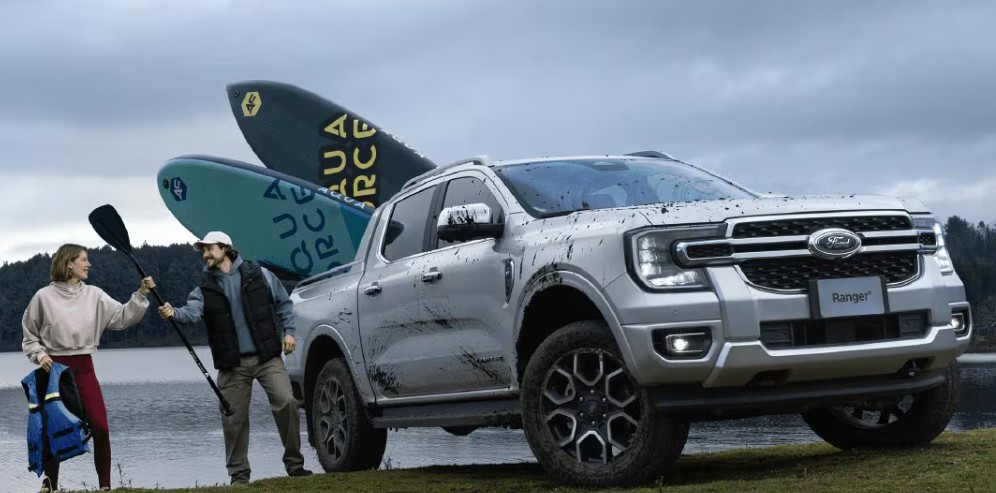
Cruise control is one of those features we tend to take for granted. When it works, it quietly makes long highway journeys more comfortable, reduces driver fatigue, and helps us maintain a steady speed. When it suddenly stops working, however, the change feels immediate. We press the button, wait for the dashboard symbol, and get absolutely nothing.
The good news is that a Ford Ranger cruise-control failure does not automatically mean an expensive control module has failed. In many cases, the cause is a relatively small component, such as a brake-pedal switch, blown fuse, dirty radar sensor, weak battery, or damaged wheel-speed sensor.
The challenge is that cruise control does not operate alone. It communicates with the braking system, engine-control module, transmission, steering-wheel switches, stability-control system, and, on newer Rangers, cameras and radar sensors. It works like a chain of people passing a message. If one person drops the note, the final instruction never arrives.
In this guide, we will examine why Ford Ranger cruise control is not working, how to interpret the symptoms, which checks we can perform ourselves, and when professional diagnostics are the safer choice.
Content in this publication
- How Ford Ranger Cruise Control Works
- Common Ford Ranger Cruise-Control Symptoms
- Why Other Warning Lights Matter
- Faulty Brake-Pedal Switch
- Clutch Switch Problems on Manual Rangers
- Blown Fuse or Loss of Electrical Power
- Steering-Wheel Button Failure
- Clock-Spring Failure
- Wheel-Speed Sensor or ABS Fault
- Check-Engine Light and Powertrain Faults
- Electronic Throttle-Body Problems
- Weak Battery or Charging-System Problems
- Damaged Wiring, Grounds, or Connectors
- Blocked Adaptive-Cruise Radar
- Windscreen Camera Problems
- Radar Misalignment
- Software or Module Communication Fault
- Cruise Control Operating Conditions
- Step-by-Step Ford Ranger Cruise-Control Diagnosis
- Can We Repair It at Home?
- Common Diagnostic Mistakes
- Why Cruise Control May Work Intermittently
- Cruise-Control Failure After Specific Repairs
- Is It Safe to Drive Without Cruise Control?
- Ford Ranger Cruise-Control Repair Costs
- How to Prevent Cruise-Control Problems
- Final Thoughts
- Frequently Asked Questions
How Ford Ranger Cruise Control Works
Traditional cruise control allows us to select a road speed and maintain it without keeping constant pressure on the accelerator pedal.
Once the system is activated, the powertrain control module monitors the vehicle’s speed and adjusts the electronic throttle to compensate for hills, wind, and changing road conditions.
To operate safely, the system relies on information from several components:
- Cruise-control buttons
- Brake-pedal position switch
- Clutch-pedal switch on manual models
- Wheel-speed sensors
- ABS and stability-control modules
- Electronic throttle body
- Engine and transmission modules
- Steering-column electronics
- Relevant wiring, connectors, fuses, and grounds
If any of these systems reports a fault or an implausible signal, cruise control may be disabled.
That is not the Ranger being temperamental. It is the vehicle choosing caution over convenience.
Traditional and Adaptive Cruise Control
Not every Ford Ranger uses the same type of cruise-control system.
Traditional cruise control simply maintains the speed selected by the driver. Adaptive cruise control adds the ability to monitor vehicles ahead and adjust speed automatically.
Depending on the Ranger’s model year and specification, adaptive cruise may use:
- A front-mounted radar sensor
- A windscreen-mounted camera
- A combination of radar and camera data
This distinction matters because traditional cruise faults often involve pedal switches, steering controls, fuses, speed sensors, or engine faults. Adaptive cruise adds sensor visibility, alignment, calibration, and environmental conditions to the diagnostic list.
Common Ford Ranger Cruise-Control Symptoms
The exact behaviour of the system often gives us the first clue.
Cruise Control Will Not Turn On
We press the main cruise button, but no symbol appears on the instrument cluster.
Possible causes include:
- Blown fuse
- Failed steering-wheel switch
- Clock-spring fault
- Wiring problem
- Low system voltage
- Control-module communication fault
Cruise Control Turns On but Will Not Set
The cruise symbol appears, but pressing the SET button does not store the vehicle’s speed.
Likely causes include:
- Faulty brake switch
- Faulty clutch switch
- ABS or stability-control fault
- Wheel-speed sensor issue
- Engine-management fault
- Vehicle speed below the activation threshold
- Incorrect transmission or drive-mode condition
Cruise Control Cancels by Itself
The system may set normally and then disengage after a few seconds or several minutes.
This may be caused by:
- Intermittent brake-switch signal
- Loose electrical connector
- Wheel-speed sensor signal dropout
- Engine or transmission fault
- Damaged steering-wheel control
- Stability-control intervention
- Radar or camera obstruction
If adaptive cruise fails during rain, fog, snow, dust, or direct sunlight, the problem may be temporary.
The radar and camera act like electronic eyes. When those eyes are covered by mud, insects, ice, or condensation, the system may switch itself off until visibility improves.
Why Other Warning Lights Matter
One of the most common diagnostic mistakes is focusing only on the cruise-control symbol.
Cruise control may stop working because another system has reported a fault. Warning lights for the ABS, traction control, engine, transmission, or airbag system can all provide important clues.
For example, a failed wheel-speed sensor may trigger:
- ABS warning light
- Traction-control warning
- Stability-control warning
- Hill-descent-control warning
- Cruise-control failure
The actual fault is not necessarily inside the cruise-control system. Cruise control is often just the feature that gets disabled as a result.
Faulty Brake-Pedal Switch
The brake-pedal switch is one of the most common causes of Ford Ranger cruise control not working.
When we press the brake pedal, the switch performs two important jobs. It activates the brake lights and tells the cruise-control system to disengage.
If the switch becomes stuck, misadjusted, or electrically unreliable, the Ranger may believe the brake pedal is being pressed even when it is fully released.
Cruise control may then:
- Refuse to set
- Cancel randomly
- Work intermittently
- Show no dedicated cruise warning
- Operate only when the pedal is lifted slightly
How to Check Brake-Light Operation
Park safely and ask another person to observe the rear brake lights while we operate the pedal.
Look for lights that:
- Remain on after releasing the pedal
- Do not illuminate
- Flicker
- Respond late
- Require excessive pedal movement
- Work only intermittently
We can also park near a wall and use the reflection to check the lights.
However, normal brake-light operation does not completely rule out the switch. Some switches contain separate internal circuits. One circuit may control the lamps while another sends pedal-position data to the vehicle’s electronic modules.
Why Adjustment Is Important
Installing a new brake switch does not always solve the problem if it is adjusted incorrectly.
The switch must sit at the correct distance from the pedal mechanism. If it is too close or too far away, the control module may receive the wrong pedal signal.
Clutch Switch Problems on Manual Rangers
Manual-transmission Rangers normally use a clutch-pedal switch to cancel cruise control when the clutch is pressed.
This prevents the engine from revving uncontrollably when the drivetrain is disconnected.
If the switch indicates that the clutch is depressed all the time, cruise control may never activate.
Possible signs include:
- Cruise control will not set
- Cruise cancels when driving over bumps
- The system works when the clutch pedal is lifted manually
- The clutch pedal has excessive free play
- Starting behaviour becomes inconsistent on some models
A damaged pedal stop, weak pedal return, loose switch, or obstructive floor mat may also affect operation.
Blown Fuse or Loss of Electrical Power
Cruise-control functions rely on electrical circuits protected by fuses.
Depending on the Ranger generation, the cruise system may share power with:
- Steering-wheel controls
- Brake switches
- Body-control electronics
- Driver-assistance sensors
- Instrument-cluster functions
- Steering-column modules
The correct fuse number varies between markets, engines, body styles, and model years. We should always consult the owner’s manual or model-specific wiring information.
How to Inspect a Fuse
- Switch off the ignition.
- Locate the appropriate fuse box.
- Identify the correct fuse.
- Remove it using the proper tool.
- Inspect the metal strip.
- Test continuity with a multimeter if possible.
- Replace it only with the same amperage rating.
Never replace a fuse with one of a higher rating. That does not fix the fault. It simply removes the circuit’s protection.
If the new fuse blows immediately, there may be a short circuit, damaged wire, or failed component.
The cruise-control buttons may wear out over time. Internal contacts can become dirty, damaged, or inconsistent.
The problem may affect:
- Main cruise-control button
- SET button
- RESUME button
- CANCEL button
- Speed increase or decrease controls
We should observe whether all buttons fail or only one.
Useful questions include:
- Does the cruise symbol appear?
- Does SET work while RESUME fails?
- Do audio controls still work?
- Does the button respond only when pressed hard?
- Does the fault change as the steering wheel turns?
A diagnostic scan tool with live data can show whether each button command is being recognised by the steering-column or body-control module.
Clock-Spring Failure
The clock spring is a flexible electrical connection behind the steering wheel. It allows the wheel to rotate while maintaining electrical communication with the airbag, horn, switches, and other steering-wheel functions.
A damaged clock spring may cause:
- Cruise-control buttons to fail
- Horn failure
- Airbag warning light
- Intermittent steering-wheel controls
- Problems that change when turning the wheel
- Clicking or rubbing noises
Because the clock spring is connected to the airbag system, replacement should be handled carefully.
Improper removal may damage the airbag circuit, and incorrect installation can destroy the new clock spring when the steering wheel reaches full lock.
Wheel-Speed Sensor or ABS Fault
Cruise control needs an accurate speed signal. Wheel-speed sensors provide crucial information to the ABS and stability-control systems.
A sensor may fail because of:
- Damaged wiring
- Corroded connector
- Metal debris
- Water intrusion
- Failed wheel bearing
- Damaged magnetic encoder
- Excessive sensor gap
When the ABS module detects unreliable speed information, cruise control may be disabled.
Common Accompanying Warnings
A wheel-speed sensor problem may also cause:
- ABS light
- Traction-control light
- Stability-control warning
- Hill-descent warning
- Four-wheel-drive warning
- Inconsistent speedometer behaviour
A basic engine-code reader may not access the ABS system. We may need a scanner capable of communicating with several vehicle modules.
Using Live Wheel-Speed Data
Live data can show the individual speed reported by each wheel.
During a controlled road test, one sensor may:
- Drop suddenly to zero
- Report a lower speed
- Spike upward
- Respond later than the others
- Become unstable over bumps
That brief signal error may be enough to cancel cruise control.
Check-Engine Light and Powertrain Faults
The Ranger may disable cruise control when the engine or transmission control system detects a fault.
Even when the vehicle seems to drive normally, the control module may decide that automatic speed maintenance is not safe.
Possible causes include:
- Electronic throttle fault
- Turbocharger or boost issue
- Accelerator-pedal sensor problem
- Emissions-system malfunction
- Transmission fault
- Engine-temperature issue
- Communication fault between modules
If the check-engine light is illuminated, retrieving diagnostic trouble codes should be one of our first steps.
Replacing cruise-control buttons while ignoring an active engine fault is like fixing the doorbell when the entire house has lost power.
Electronic Throttle-Body Problems
Modern Ford Rangers generally use electronic throttle control.
Instead of a direct mechanical cable, the accelerator pedal sends an electronic request to the engine-control module. The module then commands the throttle body.
Cruise control uses the same system to maintain speed.
A throttle-related fault may cause:
- Cruise-control failure
- Reduced-power mode
- Poor acceleration
- Hesitation
- Unstable idle
- Wrench warning
- Check-engine light
Throttle-body cleaning is sometimes recommended too quickly. Carbon buildup can matter, but electrical motor failure, sensor disagreement, damaged wiring, poor voltage, or software issues can produce similar symptoms.
Diagnosis should come before replacement.
Weak Battery or Charging-System Problems
A weak battery can create strange electronic behaviour.
The engine may still start, but voltage may fall low enough to cause communication errors between modules. Cruise control and driver-assistance systems may then become unavailable.
Voltage-related symptoms often appear:
- After jump-starting
- After long storage
- During cold starts
- Alongside several unrelated warnings
- Following battery replacement
- When the alternator is undercharging
Cruise Control Failure After Battery Replacement
If cruise control stopped working after battery work, check:
- Battery-terminal tightness
- Ground-cable security
- Battery-monitoring sensor connection
- Relevant fuses
- Stored low-voltage codes
- Required steering-angle recalibration
- Driver-assistance calibration status
A resting voltage reading alone does not always prove the battery is healthy. A load test gives a clearer picture.
Damaged Wiring, Grounds, or Connectors
Ford Rangers often work in demanding environments. Dust, mud, water, towing, vibration, and off-road driving can all affect wiring.
Potential problem areas include:
- Brake-pedal wiring
- Clutch-switch connector
- Steering-column harness
- Front wheel-speed sensor wires
- Radar-sensor connectors
- Engine-bay ground points
- Wiring behind the front bumper
- Trailer-accessory connections
Signs of trouble include:
- Green corrosion
- Loose terminals
- Damaged insulation
- Stretched wires
- Water inside connectors
- Poorly repaired wiring
- Melted fuse holders
Aftermarket Accessories Can Be Involved
Cruise-control problems sometimes begin after installation of:
- Driving lights
- Bull bars
- Trailer-brake controllers
- Remote-start systems
- Alarm systems
- Tracking devices
- Dash cameras
- Audio equipment
An accessory may be functioning normally while its installation interferes with another circuit.
The timing of the failure matters. If cruise control stopped working immediately after electrical or front-end work, that recent repair deserves close attention.
Blocked Adaptive-Cruise Radar
Adaptive cruise relies on radar to monitor traffic ahead.
Depending on the Ranger version, the sensor may be mounted:
- Behind the grille
- Behind a badge
- Inside the bumper
- Behind a dedicated sensor panel
Mud, snow, insects, road salt, vinyl wrap, or accessories may interfere with its field of view.
Clean the sensor area gently with water and a soft cloth.
Avoid:
- Abrasive products
- Strong solvents
- Pressure washing from close range
- Attaching stickers
- Applying thick coatings
- Repositioning the sensor manually
Accessories That May Block Radar
Potentially problematic accessories include:
- Bull bars
- Winches
- Driving lights
- Number-plate brackets
- Nonstandard grilles
- Oversized badges
- Front-mounted cameras
- Decorative covers
The accessory does not always need to sit directly in front of the sensor. Nearby metalwork can sometimes interfere with radar performance.
Windscreen Camera Problems
Some adaptive-cruise and driver-assistance systems use a camera near the top of the windscreen.
The camera’s view may be reduced by:
- Dirty glass
- Internal condensation
- Stickers
- Toll devices
- Heavy rain
- Dense fog
- Low sunlight
- Windscreen damage
- Incorrect replacement glass
Calibration After Windscreen Replacement
Camera calibration may be required after:
- Windscreen replacement
- Camera removal
- Collision repair
- Suspension modification
- Wheel-alignment changes
- Ride-height changes
The camera may look correctly positioned while still being slightly misaligned.
A tiny angle at the windscreen becomes a much larger error farther down the road.
Radar Misalignment
The radar sensor can become misaligned after:
- Front-end collision
- Minor bumper impact
- Grille removal
- Radar-bracket replacement
- Suspension modification
- Bull-bar installation
- Off-road impact
Adaptive cruise may then become unavailable or react inconsistently.
Radar calibration usually requires specialised equipment, a level working area, correct tyre pressures, and manufacturer-specific procedures.
This is not a component we should adjust by eye.
Software or Module Communication Fault
A modern Ranger contains several electronic modules that communicate over a data network.
Cruise control may fail when one module cannot communicate correctly with another.
Possible symptoms include:
- Cruise working after restarting
- Several systems failing at once
- Intermittent warning messages
- No visible component damage
- Lost-communication fault codes
- Failure after software programming
- Failure after low battery voltage
A workshop may need to:
- Scan all modules
- Record communication codes
- Check network resistance
- Verify software versions
- Update module programming
- Reset learned values
- Perform calibration procedures
Restarting the vehicle may temporarily restore operation, but repeated failures indicate an unresolved problem.
Cruise Control Operating Conditions
Not every refusal to activate means the system is broken.
Cruise control may be unavailable when:
- The Ranger is travelling too slowly
- The transmission is in an unsuitable gear
- The parking brake is partly applied
- Stability control is actively intervening
- The wheels are slipping
- A door or bonnet is open
- A low-range four-wheel-drive mode is selected
- An off-road drive mode is active
- The gradient is too steep
- Sensor visibility is poor
- Certain trailer conditions are detected
Operating limits vary by generation and equipment level, so the owner’s manual remains important.
Step-by-Step Ford Ranger Cruise-Control Diagnosis
Step 1: Identify the Exact Symptom
Before replacing anything, determine precisely what the system does.
Ask:
- Does the cruise symbol appear?
- Does the system set a speed?
- Does it cancel immediately?
- Does it fail only in certain weather?
- Does restarting restore it?
- Are other warning lights illuminated?
- Did the problem begin after a repair?
The better the symptom description, the faster the diagnosis.
Step 2: Check Dashboard Warnings
Look for:
- ABS warning
- Stability-control warning
- Traction-control warning
- Check-engine light
- Powertrain warning
- Airbag warning
- Battery warning
- Adaptive-cruise message
A related warning may point directly toward the system that is disabling cruise control.
Step 3: Inspect Brake and Clutch Operation
Check that the pedals return fully and are not obstructed by floor mats.
Confirm brake-light operation and inspect the clutch pedal on manual Rangers.
A pedal that does not return fully may keep its switch activated.
Step 4: Clean Radar and Camera Areas
Clean the front sensor area and the windscreen section in front of the camera.
Check for mud, insects, stickers, snow, condensation, or accessory obstruction.
Step 5: Inspect the Correct Fuses
Use reliable information for the exact Ranger model.
Replace only confirmed failed fuses and use the correct amperage.
Step 6: Check Battery and Charging Condition
Inspect:
- Battery terminals
- Ground connections
- Alternator output
- Battery condition
- Signs of corrosion
- Low-voltage fault codes
Multiple electronic warnings often point toward a voltage or ground problem.
Step 7: Scan All Relevant Modules
Do not scan only the engine computer.
Relevant modules may include:
- Powertrain control
- ABS
- Body control
- Steering-column control
- Instrument cluster
- Driver-assistance module
- Restraint-control module
Record the codes before clearing them.
Step 8: Examine Live Data
Useful live-data values include:
- Brake-pedal status
- Clutch-pedal status
- Cruise-switch commands
- Individual wheel speeds
- Throttle position
- Accelerator-pedal position
- Steering-wheel angle
- Radar alignment status
- Camera visibility status
- Cruise-control inhibition reason
The cruise inhibition parameter can be especially helpful because it may reveal exactly why the system refuses to engage.
Can We Repair It at Home?
Some checks are suitable for a careful owner:
- Cleaning the radar area
- Cleaning the camera’s windscreen area
- Checking brake lights
- Inspecting floor mats
- Checking fuses
- Inspecting battery terminals
- Reading diagnostic codes
- Looking for obvious wiring damage
More complex tasks should usually be handled professionally:
- Clock-spring replacement
- Airbag-related repairs
- Radar calibration
- Camera calibration
- Module programming
- Network diagnosis
- Internal harness repair
- Electronic throttle diagnosis
- Intermittent road-test faults
Cruise control directly affects vehicle speed. Guesswork should not be part of the repair strategy.
Common Diagnostic Mistakes
Replacing Parts Without Scanning
The cruise buttons may appear suspicious, but an ABS fault could be the true cause.
Clearing Codes Too Early
Stored codes provide evidence. Clearing them before recording the information can make diagnosis harder.
Ignoring Brake-Light Behaviour
A small brake switch can disable the entire cruise system.
Assuming a Code Proves a Component Is Bad
A sensor-related code may be caused by wiring, voltage, corrosion, or calibration rather than the sensor itself.
Ignoring Recent Repairs
Windscreen, bumper, suspension, wheel-bearing, battery, and steering-wheel work can all affect cruise-control operation.
Bypassing Safety Switches
Never bypass the brake or clutch switch. These switches are designed to cancel cruise immediately in an emergency.
Why Cruise Control May Work Intermittently
Intermittent problems often seem random, but they usually have a pattern.
Heat may affect an electrical connection. Vibration may disturb a loose terminal. Turning the steering wheel may flex a damaged clock spring. Moisture may enter a connector. A pedal switch may sit right on the edge of its adjustment range.
Keep a record of:
- Weather
- Road conditions
- Vehicle speed
- Steering position
- Warning lights
- Time since starting
- Recent repairs
- Whether restarting helps
Patterns turn vague complaints into useful diagnostic clues.
Cruise-Control Failure After Specific Repairs
After Windscreen Replacement
Possible causes include:
- Camera misalignment
- Missing calibration
- Incorrect glass
- Camera connector problem
- Obstructed camera view
After Front-Bumper Repair
Check:
- Radar position
- Radar bracket
- Wiring connectors
- Grille alignment
- Accessory interference
After Brake Work
Inspect:
- Brake-pedal switch
- Brake-fluid level
- Pedal return
- ABS sensor wiring
- Wheel-speed sensor codes
After Wheel-Bearing Replacement
Possible issues include:
- Damaged wheel-speed sensor
- Incorrect bearing orientation
- Damaged magnetic encoder
- Loose sensor connector
- Incorrect sensor gap
After Battery Replacement
Check:
- Terminal security
- Battery-monitoring sensor
- Ground connections
- Low-voltage codes
- Relevant fuses
- Required calibration
After Steering-Wheel Repair
Inspect:
- Cruise-button connector
- Clock spring
- Steering-angle sensor
- Airbag warning status
- Column wiring
Is It Safe to Drive Without Cruise Control?
A Ranger can usually be driven without cruise control because the feature is optional.
However, we should consider why it stopped working.
Driving may not be advisable if the fault appears with:
- Brake warning
- ABS warning
- Erratic braking
- Reduced engine power
- Throttle problems
- Transmission malfunction
- Airbag warning after steering repair
- Speedometer failure
- Multiple electrical warnings
If cruise control is the only unavailable feature and the Ranger drives normally, manual driving is generally possible while diagnosis is arranged.
Ford Ranger Cruise-Control Repair Costs
Repair costs vary significantly by model year, market, labour rate, and failed component.
A fuse, connector repair, or brake-switch adjustment may be inexpensive. A radar sensor, camera calibration, clock spring, wiring investigation, or module replacement may cost considerably more.
Before approving repairs, ask the workshop:
- Which fault codes were found?
- Which test confirmed the failed part?
- Was power and ground checked?
- Was live data examined?
- Does the part require programming?
- Is calibration included?
- Could another fault disable cruise again?
A good diagnosis should follow a chain of evidence.
How to Prevent Cruise-Control Problems
We cannot prevent every fault, but sensible maintenance helps.
Keep the front radar area clean. Maintain a clear windscreen around the camera. Replace a weak battery before voltage becomes unstable. Repair ABS, engine, and stability-control warnings promptly.
After windscreen, bumper, suspension, or collision repairs, ask whether calibration is required.
Ensure aftermarket accessories are installed correctly and do not obstruct driver-assistance sensors.
Small warning signs should not be ignored. A brake light that occasionally stays on or an adaptive-cruise message that repeatedly disappears after restarting may be the beginning of a larger fault.
Final Thoughts
When Ford Ranger cruise control is not working, the cruise system itself may not be the actual problem.
A brake switch, clutch switch, wheel-speed sensor, ABS fault, weak battery, throttle problem, steering-wheel connection, blocked radar, misaligned camera, wiring fault, or software issue can all disable the feature.
The smartest approach is systematic:
- Identify the exact symptom.
- Check all warning lights.
- Inspect the pedals and brake lights.
- Clean adaptive-cruise sensors.
- Check model-specific fuses.
- Test the battery and charging system.
- Scan all relevant modules.
- Review live data before replacing parts.
We should avoid firing the parts cannon. Replacing components without evidence is like trying to repair a watch with a hammer. We may eventually change something, but we are more likely to create additional problems.
With careful observation and proper diagnostic information, most Ford Ranger cruise-control faults can be narrowed down efficiently and repaired without unnecessary expense.
Frequently Asked Questions
Why does my Ford Ranger cruise control turn on but not set?
The system may be receiving an active brake or clutch signal. It may also detect an ABS fault, wheel-speed sensor problem, engine-management issue, unsuitable speed, or restricted operating condition.
Can a brake-light switch disable cruise control?
Yes. If the brake switch reports that the pedal is pressed, cruise control will not set or will cancel immediately. The brake lights may still appear to work if the switch has more than one internal circuit.
Why did cruise control stop working after battery replacement?
Possible causes include loose terminals, disturbed grounds, low voltage, blown fuses, stored communication codes, or lost calibration. Check the battery installation and scan the relevant modules.
Does an ABS warning light affect cruise control?
Yes. Cruise control relies on reliable wheel-speed and stability-control data. An ABS fault may cause the Ranger to disable cruise control as a safety precaution.
The radar or camera may be blocked, dirty, misaligned, or affected by poor weather. Calibration may also be required after windscreen, bumper, suspension, or collision repairs.
If you want to know other articles similar to Ford Ranger Cruise Control Not Working: Causes, Diagnosis, and Fixes you can visit the category Common Problems.
Volvo S90 Common Problems: Reliability & Repair Guide
Volvo S90 No Sound: Causes, Fixes and Solutions

Nissan Rogue Smells Like Gas: Causes and Fixes
Vauxhall Agila Problems: Common Faults & Fixes

Kia Sorento Jerking When Accelerating: Causes & Fixes

Jaguar F-Pace Low Battery: Causes, Warning Signs, and How to Fix It
Leave a Reply
More content of your interest