
Does GMC Sierra Take Diesel? A Complete Fuel and Engine Guide

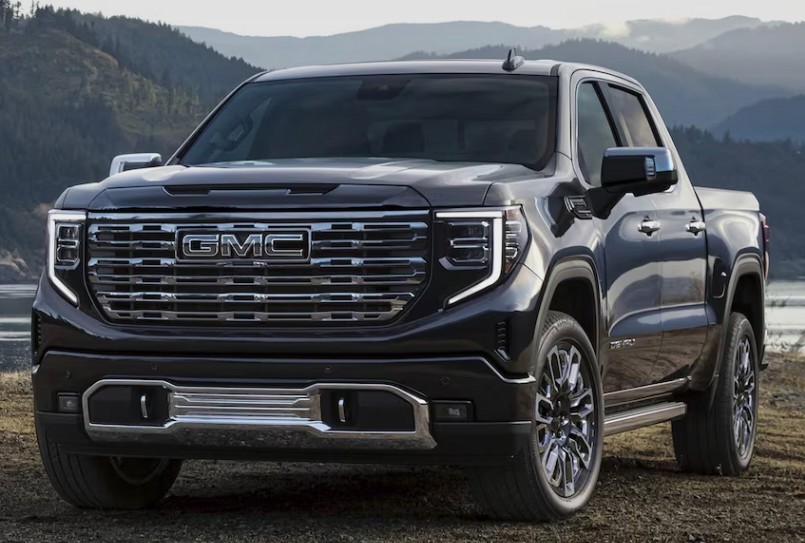
Yes, the GMC Sierra can take diesel—but only when it is equipped with a Duramax diesel engine. Other Sierra trucks use gasoline, so we cannot safely pour diesel into every model wearing a Sierra badge.
That distinction matters more than it may seem. The GMC Sierra family includes light-duty, heavy-duty, gasoline, diesel, and electric configurations. Two trucks parked beside each other may look nearly identical while requiring completely different sources of energy.
For the 2026 model year, GMC offers a 3.0-liter Duramax turbo-diesel engine in the Sierra 1500 and an available 6.6-liter Duramax turbo-diesel V8 in the Sierra 2500 HD and Sierra 3500 HD. The Sierra 1500 diesel produces 305 horsepower and 495 lb-ft of torque, while the current heavy-duty Duramax produces 470 horsepower and 975 lb-ft of torque.
Let’s untangle the engine choices, fuel requirements, ownership costs, benefits, drawbacks, and common mistakes so we know exactly when a GMC Sierra takes diesel—and when it absolutely does not.
Content in this publication
- The Simple Answer: Some GMC Sierra Trucks Take Diesel
- Which GMC Sierra Models Offer a Diesel Engine?
- What Type of Diesel Does a GMC Sierra Use?
- How Can We Tell Whether a GMC Sierra Is Diesel?
- What Happens If We Put Diesel in a Gasoline Sierra?
- What Happens If We Put Gasoline in a Diesel Sierra?
- Does a GMC Sierra Diesel Need DEF?
- GMC Sierra 1500 Diesel Versus Gasoline
- Sierra HD Diesel Versus Gasoline
- Is a GMC Sierra Diesel Better for Towing?
- Does the Sierra Diesel Get Better Fuel Economy?
- What Maintenance Does a Sierra Diesel Need?
- Do Short Trips Cause Problems for a Sierra Diesel?
- Can We Leave a Sierra Diesel Idling for Long Periods?
- How Does Cold Weather Affect a Sierra Diesel?
- Can a GMC Sierra Diesel Run Out of Fuel?
- Is Diesel More Expensive to Own?
- Should We Buy a Used GMC Sierra Diesel?
- Who Should Choose a GMC Sierra Diesel?
- Who May Be Better With a Gasoline Sierra?
- Final Verdict: Does GMC Sierra Take Diesel?
- Frequently Asked Questions
The Simple Answer: Some GMC Sierra Trucks Take Diesel
A GMC Sierra takes diesel fuel if its engine is identified as a Duramax turbo-diesel. If the truck has a TurboMax gasoline engine, an EcoTec3 V8, or a standard 6.6-liter gasoline V8, it requires gasoline instead.
Here is the basic breakdown:
- Sierra 1500 with 3.0L Duramax: Takes diesel
- Sierra 1500 with TurboMax engine: Takes gasoline
- Sierra 1500 with 5.3L EcoTec3 V8: Takes gasoline
- Sierra 1500 with 6.2L EcoTec3 V8: Takes gasoline
- Sierra 2500 HD or 3500 HD with 6.6L Duramax: Takes diesel
- Sierra HD with 6.6L gas V8: Takes gasoline
- GMC Sierra EV: Uses electricity, not diesel or gasoline
The safest rule is wonderfully simple: never choose fuel based only on the truck’s body style, trim name, or size. Check the fuel door, dashboard, vehicle identification information, or owner’s manual first.
Which GMC Sierra Models Offer a Diesel Engine?
Diesel availability changes according to model, trim, drivetrain, cab configuration, market, and model year. However, modern Sierra diesel trucks generally fall into two major groups.
GMC Sierra 1500 Diesel
The Sierra 1500 is GMC’s light-duty full-size pickup. Although many people associate diesel power exclusively with enormous work trucks, the Sierra 1500 can also be equipped with a diesel engine.
The current option is a 3.0-liter Duramax turbo-diesel inline-six. It is paired with a 10-speed automatic transmission and is designed to blend torque, towing ability, everyday drivability, and relatively strong fuel economy.
For 2026, GMC lists the Sierra 1500 Duramax at:
- 305 horsepower
- 495 lb-ft of torque
- 10-speed automatic transmission
- Up to 13,300 pounds of available maximum towing capacity
- Up to 1,880 pounds of available maximum payload
Those maximum ratings apply only to properly configured vehicles. Cab style, bed length, axle ratio, drivetrain, trim, wheels, optional packages, passengers, cargo, and installed accessories can all affect the real rating of an individual truck.
The diesel engine is not automatically installed in every Sierra 1500. It may be optional or standard depending on the trim and configuration. For example, the 2026 Sierra 1500 AT4 lists the 3.0-liter Duramax and 10-speed automatic transmission among its standard features.
GMC Sierra 2500 HD Diesel
The Sierra 2500 HD steps into heavy-duty territory. It is designed for buyers who need more substantial towing, payload, cooling, chassis strength, and long-distance work capability than a typical light-duty pickup provides.
Its available diesel engine is the 6.6-liter Duramax turbo-diesel V8. GMC pairs it with an Allison 10-speed automatic transmission. The alternative is a 6.6-liter gasoline V8, which means a Sierra 2500 HD is not automatically a diesel just because it is large.
The diesel version is particularly attractive for drivers who frequently tow large travel trailers, equipment trailers, boats, livestock trailers, or commercial loads.
GMC Sierra 3500 HD Diesel
The Sierra 3500 HD also offers the 6.6-liter Duramax turbo-diesel V8. It sits at the top of the conventional Sierra pickup range and is available in configurations intended for demanding payload and trailering work.
Depending on configuration, buyers may find:
- Single-rear-wheel models
- Dual-rear-wheel models
- Conventional towing setups
- Gooseneck towing preparation
- Fifth-wheel towing preparation
- Multiple cab and bed combinations
The 3500 HD diesel is the draft horse of the family. It may wear polished chrome and carry a luxurious interior, but underneath the decoration sits a powertrain designed to pull serious weight.
What Type of Diesel Does a GMC Sierra Use?
A diesel-powered GMC Sierra requires automotive diesel fuel that meets the specifications stated in its owner’s manual. At a normal filling station in the United States or Canada, this generally means using the road-going ultra-low-sulfur diesel dispensed from the diesel pump.
We should never assume that every fuel labeled “diesel” is automatically appropriate. Marine fuel, heating oil, contaminated fuel, off-road fuel, or fuels with unsuitable biodiesel concentrations can create legal, operational, emissions, or warranty problems.
Look for the Correct Diesel Pump
Diesel pump handles are often green in the United States, but handle colors are not standardized everywhere. A green handle is therefore a clue—not proof.
Always read the pump label. It should clearly identify the product as diesel.
In other countries, diesel may be labeled:
- Diesel
- Automotive diesel
- ULSD
- Derv
- Gasóleo
- Gasoil
- B7, B10, or another blend designation
Because fuel standards differ by country, imported trucks deserve extra care. The owner’s manual and local GMC guidance should take priority over internet assumptions.
Can a Sierra Duramax Use Biodiesel?
Some Duramax engines may accept approved biodiesel blends up to a specified concentration, but the permitted level depends on the model year, engine, market, climate, and manufacturer guidance.
Biodiesel can behave differently from conventional petroleum diesel. It may absorb water more readily, degrade during extended storage, loosen deposits in an older fuel system, or perform differently in low temperatures.
Before using a blend containing a substantial percentage of biodiesel, we should check:
- The diesel supplement for the exact model year.
- The label on the fuel pump.
- The maximum blend approved by GMC.
- Local temperature and storage conditions.
- Whether the truck will sit unused for an extended period.
A modern diesel injection system works with extremely precise tolerances. Feeding it questionable fuel is like pouring gritty water into a fine watch: the damage may not appear instantly, but the risk is real.
How Can We Tell Whether a GMC Sierra Is Diesel?
Buying used, borrowing a truck, or driving a company vehicle can make fuel identification less obvious. Fortunately, several clues can confirm the engine type.
Check the Fuel Door and Fuel Cap
Open the fuel door and read every label around the filler neck. A diesel Sierra may display wording such as:
- Diesel fuel only
- Ultra-low-sulfur diesel
- Duramax diesel
- No gasoline
- DEF
Heavy-duty diesel models may also place the Diesel Exhaust Fluid filler in the fuel-door area. GMC lists a DEF fill located inside the fuel door on current 6.6-liter Duramax-equipped Sierra HD configurations.
Do not rely solely on cap color. Caps can be replaced, swapped, faded, or incorrectly installed.
Look for Duramax Badging
A Duramax badge on the hood, fender, tailgate, or engine cover strongly suggests diesel power. Nevertheless, badges are cosmetic pieces. Owners can remove or add them.
Treat the badge as evidence, but confirm it through the fuel-door label or vehicle documentation.
Check the Instrument Cluster
A diesel Sierra may display diesel-specific indicators or messages, including:
- Glow-plug or wait-to-start light
- Diesel Exhaust Fluid level
- Exhaust filter cleaning message
- Water-in-fuel warning
- Diesel exhaust brake indicator
- Reduced-speed emissions warning
Gasoline models normally will not show these diesel-system functions.
Listen to the Engine Carefully
Diesel engines often produce a deeper idle and more distinct combustion sound, particularly when cold. Modern Duramax engines, however, are much quieter than old agricultural diesels.
Sound alone is not a reliable identification method. A direct-injection gasoline engine may sound surprisingly mechanical, while a warm modern diesel can be impressively smooth.
Decode the VIN
The vehicle identification number can identify the installed engine when checked through an appropriate dealer system, manufacturer database, build sheet, or reliable VIN decoder.
This is one of the best methods when purchasing a used Sierra because it can reveal the factory powertrain rather than whatever badges are currently attached to the body.
Read the Owner’s Manual and Diesel Supplement
Diesel-equipped Sierra trucks may include a separate Duramax diesel supplement covering operation, fuel, emissions equipment, cold-weather starting, DEF, exhaust-filter regeneration, and maintenance.
GMC’s diesel supplement specifically contains diesel-engine operating information and a diesel maintenance schedule.
What Happens If We Put Diesel in a Gasoline Sierra?
Putting diesel into a gasoline-powered Sierra is a serious fueling mistake. Diesel is heavier, less volatile, and designed to ignite under compression rather than from a gasoline engine’s spark plugs.
If the engine has not been started, stop immediately. Do not turn the ignition on unnecessarily, because some vehicles may activate the fuel pump before the engine starts.
The normal remedy may involve:
- Towing the truck
- Draining the fuel tank
- Flushing the fuel lines
- Inspecting or replacing filters
- Refilling with correct gasoline
- Testing the fuel system
Starting or driving the truck can spread contaminated fuel throughout the system. The engine may run poorly, smoke, misfire, stall, or refuse to restart.
Do Not Try to Dilute the Diesel
Adding gasoline on top of the diesel and hoping the mixture “balances out” is not a proper repair. Modern engines use sensitive injection systems, oxygen sensors, catalytic converters, and electronic controls.
Professional draining is far cheaper than gambling with the entire fuel and emissions system.
What Happens If We Put Gasoline in a Diesel Sierra?
Gasoline in a Duramax diesel can be even more destructive. Diesel fuel does more than create combustion; it also helps lubricate components within the high-pressure fuel system.
Gasoline reduces that lubricity. If the engine runs, the high-pressure pump and injectors may suffer severe wear. Metal contamination can then circulate through the system like glitter in a stream, reaching multiple expensive components.
If gasoline enters a diesel Sierra:
- Do not start the engine.
- Do not cycle the ignition more than necessary.
- Move away from the pump only if it can be done safely without starting the truck.
- Arrange professional towing.
- Tell the technician exactly what fuel was added and approximately how much.
- Keep the fuel receipt if available.
A simple drain may be sufficient when the vehicle was not started. Once contaminated fuel has circulated, repairs can become dramatically more complicated.
Does a GMC Sierra Diesel Need DEF?
Modern Duramax-powered Sierra trucks use Diesel Exhaust Fluid as part of their emissions-control systems. DEF is not diesel fuel, and it does not go into the diesel tank.
DEF is stored in a separate reservoir and injected into the exhaust system. It supports selective catalytic reduction, which helps reduce nitrogen-oxide emissions.
Diesel Fuel and DEF Are Not Interchangeable
Think of the two fillers as separate doors leading to separate rooms:
- Diesel goes into the fuel tank.
- DEF goes into the DEF reservoir.
Putting DEF into the diesel tank can cause extensive fuel-system damage because DEF contains water and urea. Putting diesel into the DEF tank can damage emissions equipment.
Always pause and read the labels before pouring.
What Happens When DEF Runs Low?
The truck normally provides warnings before the reservoir becomes empty. Ignoring those warnings may eventually lead to speed limitations or starting restrictions required by the emissions-control strategy.
The exact warning sequence varies by model year. The owner’s manual should be treated as the final authority.
We should refill with fresh DEF that meets the required standard, keep the container clean, and avoid storing it for excessive periods in severe heat.
GMC Sierra 1500 Diesel Versus Gasoline
Choosing between the 3.0-liter Duramax and a gasoline Sierra 1500 is less about declaring one universally superior and more about matching the engine to the job.
Why Choose the 3.0L Duramax?
The light-duty Duramax may suit drivers who value:
- Strong low-rpm torque
- Frequent highway travel
- Regular towing
- Longer driving range
- Relaxed power delivery
- Potentially better fuel economy
- Diesel driving characteristics
Its 495 lb-ft of torque arrives in a way that makes the truck feel composed under load. Rather than shouting at high engine speed, it often pushes with the steady confidence of a moving walkway.
GMC describes the 2026 Sierra 1500 Duramax as offering best-in-class fuel economy and up to 13,300 pounds of available maximum towing when properly equipped.
Why Choose a Gasoline Sierra 1500?
A gasoline engine may make more sense for drivers who:
- Cover relatively few miles
- Make frequent short trips
- Do not tow regularly
- Want a lower initial purchase price
- Prefer simpler refueling availability
- Want to avoid DEF-related maintenance
- Live where diesel costs substantially more
Gasoline engines can also warm more quickly during short urban trips. That may matter for owners whose truck spends most of its life moving between home, school, shops, and local errands.
Which One Feels Better to Drive?
The answer depends on what we enjoy.
The 6.2-liter gasoline V8 offers traditional V8 response and sound. The 3.0-liter diesel inline-six delivers a broad wave of torque and usually feels less hurried. The smaller gasoline options may reduce purchase cost while still providing enough performance for everyday driving.
A test drive should include the conditions that matter: highway merging, hills, parking, rough roads, and—where practical—a realistic towing comparison.
Sierra HD Diesel Versus Gasoline
The decision becomes more consequential with the Sierra 2500 HD and 3500 HD.
The standard 6.6-liter gas V8 can be an excellent work engine, especially when annual mileage is modest or loads are intermittent. The available 6.6-liter Duramax turbo-diesel V8 is aimed more directly at sustained heavy-duty use.
GMC pairs the current Duramax V8 with an Allison 10-speed automatic and rates it at 470 horsepower and 975 lb-ft of torque.
When the HD Diesel Makes Sense
The heavy-duty diesel becomes compelling when we regularly:
- Tow large fifth-wheel trailers
- Pull gooseneck equipment trailers
- Travel through mountain regions
- Cover high annual mileage
- Carry and tow simultaneously
- Operate commercially
- Need an integrated exhaust brake
- Expect stronger resale demand in a diesel-oriented market
The exhaust brake can help control speed on long descents, reducing dependence on the service brakes. That is especially valuable when descending with a heavy trailer.
When the HD Gas Engine Makes Sense
The gasoline HD may be the smarter choice when we:
- Drive fewer miles each year
- Tow only occasionally
- Make repeated short trips
- Want a lower purchase price
- Prefer lower mechanical complexity
- Operate in an environment where diesel support is limited
- Need payload more than maximum towing capability
Diesel engines and their emissions systems reward proper operating conditions. A truck that spends its life idling or making tiny trips may never use its diesel advantages fully.
Is a GMC Sierra Diesel Better for Towing?
In many demanding towing situations, yes. Diesel engines produce substantial torque at relatively low engine speeds, helping the truck launch a load, climb grades, and maintain speed without constantly revving.
However, the word “better” needs context.
A diesel engine does not automatically increase every rating. Payload may be reduced because the diesel powertrain itself is heavier. Two visually identical Sierra trucks can have different payload stickers due to engine choice, trim equipment, cab style, drivetrain, and factory options.
Always Check the Door-Jamb Label
For real-world towing, we need more than a headline maximum. Check:
- Payload rating
- Gross Vehicle Weight Rating
- Gross Combined Weight Rating
- Rear Gross Axle Weight Rating
- Hitch rating
- Tire load capacity
- Trailer tongue or pin weight
- Passenger and cargo weight
The glamorous towing number in an advertisement is only the ceiling of a carefully configured example. The yellow or white label on the actual truck tells a more personal story.
Does the Sierra Diesel Get Better Fuel Economy?
The Sierra 1500 diesel is generally selected partly for its fuel-efficiency potential, especially during steady highway driving. GMC specifically promotes the 3.0-liter Duramax as the fuel-economy leader within its class.
Real fuel consumption still depends on:
- Driving speed
- Trailer weight and shape
- Temperature
- Wind
- Terrain
- Tires
- Lift kits
- Wheel size
- Idling
- Payload
- Regeneration activity
- Driving style
A tall travel trailer can transform the aerodynamic profile of the truck into something resembling a brick wall on wheels. Even an efficient diesel will consume considerably more fuel while pushing that wall through the air.
Heavy-duty trucks are not always published with the same official fuel-economy ratings as light-duty vehicles. Owner reports can provide context, but they should not be confused with controlled, directly comparable testing.
What Maintenance Does a Sierra Diesel Need?
A diesel Sierra requires ordinary truck maintenance plus several diesel-specific services.
Typical areas include:
- Engine oil and filter
- Fuel filter
- Air filter
- DEF
- Water separator inspection or draining
- Cooling system
- Transmission fluid
- Differential fluids
- Transfer-case fluid
- Emissions-system monitoring
- Serpentine belt and related components
The exact schedule varies by engine, model year, operating environment, and duty cycle. A truck used for towing, dusty construction work, prolonged idling, or extreme temperatures may require more attentive service.
Diesel Fuel Filters Matter
Modern common-rail diesel systems use extremely high pressures and precise injectors. Clean fuel is essential.
A clogged or contaminated fuel filter may contribute to:
- Hard starting
- Reduced power
- Rough operation
- Fuel-pressure warnings
- Poor acceleration
- Premature pump or injector wear
We should use the correct filter specification and follow the vehicle’s maintenance monitor or published schedule.
Oil Selection Matters Too
Diesel engines require oil meeting specific viscosity and performance standards. “Diesel oil” written on a bottle does not guarantee suitability for every Duramax.
Use the grade and specification listed for the exact engine and climate. The wrong oil can affect lubrication, cold starting, emissions-system operation, and durability.
Do Short Trips Cause Problems for a Sierra Diesel?
They can. Modern diesel trucks use a diesel particulate filter to capture soot. The vehicle periodically raises exhaust temperature to burn that soot through a process commonly called regeneration.
Frequent short journeys, extended low-speed use, and repeated shutdowns can make regeneration more difficult to complete.
Possible warning signs include:
- Exhaust-filter messages
- Increased idle speed
- Different exhaust smell
- Cooling fan operation
- Temporarily higher fuel consumption
- Requests to continue driving
- Reduced-power warnings if the condition is ignored
A single short trip will not ruin a diesel. The concern is a long-term pattern where the truck rarely reaches normal operating temperature or sustained road speed.
For a driver covering three miles to work and three miles home each day, a gasoline Sierra may be the more natural fit.
Can We Leave a Sierra Diesel Idling for Long Periods?
Diesel trucks have a reputation for idling endlessly, but modern emissions-equipped engines do not benefit from unnecessary idle time.
Prolonged idling can contribute to:
- Soot accumulation
- Fuel dilution
- Increased regeneration frequency
- Wasted fuel
- Additional engine hours
- Emissions-system stress
Certain commercial situations require idling, and some trucks have operating modes designed around stationary work. For ordinary personal use, however, driving gently after startup is often more useful than letting the truck idle for an excessive period.
Follow GMC’s cold-weather and operating instructions for the specific model.
How Does Cold Weather Affect a Sierra Diesel?
Diesel fuel can thicken or gel at very low temperatures, particularly when the fuel is not blended for the climate. Cold conditions also increase the demands placed on batteries, glow plugs, oil, and starting systems.
Useful cold-weather practices include:
- Buy diesel from a busy local station.
- Use winter-grade fuel where required.
- Keep the batteries in good condition.
- Use the specified engine oil.
- Follow the wait-to-start indicator.
- Use the factory block heater when recommended.
- Avoid unapproved fuel additives.
- Keep an adequate amount of fuel in the tank.
GMC lists an engine block heater among the features included with current Sierra HD Duramax configurations.
The truck’s manual should determine whether an additive is permitted. More additive is not automatically better.
Can a GMC Sierra Diesel Run Out of Fuel?
Yes, but running a diesel completely dry can create more inconvenience than running out of gasoline. Air may enter the fuel system, and the system may require a specific priming procedure before the engine restarts.
Do not repeatedly crank the starter without following the correct instructions. Excessive cranking can drain the batteries or overheat the starter.
When the fuel level is low, refill before parking on a steep slope or entering a remote area. A diesel fuel gauge is not an invitation to negotiate with fate.
Is Diesel More Expensive to Own?
A diesel Sierra usually carries a higher purchase price than a comparable gasoline version. Maintenance items, fuel filters, emissions components, and potential fuel-system repairs can also cost more.
However, ownership economics depend on the full picture:
- Purchase-price difference
- Annual mileage
- Local fuel prices
- Fuel consumption
- Towing frequency
- Maintenance cost
- Insurance
- Resale value
- Planned ownership period
- Cost of downtime
A driver covering long highway distances while towing may recover part of the diesel premium through efficiency and capability. A low-mileage urban owner may never reach the break-even point.
We should not buy diesel purely because it sounds more “truck-like.” The right powertrain is the one that serves the work rather than decorating the driveway.
Should We Buy a Used GMC Sierra Diesel?
A well-maintained used Sierra Duramax can be a desirable truck, but inspection quality matters.
Before buying, review:
- Service records
- Engine hours and idle hours
- Cold-start behavior
- Diagnostic trouble codes
- Fuel-system history
- Emissions-system condition
- DEF-system warnings
- Evidence of tuning or modification
- Oil or coolant leaks
- Transmission operation
- Cooling-system condition
- Trailer and fifth-wheel wear
An aftermarket tune, emissions delete, oversized tires, suspension lift, or heavy towing history does not automatically make a truck bad. It does increase the need for careful evaluation.
Unauthorized emissions modifications may also create legal, registration, inspection, warranty, resale, and reliability problems.
Get a Diesel-Specific Inspection
A general visual inspection is not enough. A qualified technician should scan all control modules, examine live data, assess fuel-pressure behavior, inspect the emissions system, and look for signs of overheating or contamination.
The cleanest-looking truck in the parking lot can still carry an expensive secret under its hood.
Who Should Choose a GMC Sierra Diesel?
A Sierra diesel is particularly well suited to someone who:
- Tows frequently
- Drives long distances
- Values low-rpm torque
- Wants the range of a light-duty diesel
- Needs heavy-duty trailering capability
- Understands diesel maintenance
- Can operate the truck long enough to complete regeneration
- Plans to keep the vehicle for several years
Who May Be Better With a Gasoline Sierra?
A gasoline Sierra may be the better fit for someone who:
- Drives mainly in the city
- Makes repeated short journeys
- Tows infrequently
- Wants a lower initial price
- Prefers simpler ownership
- Covers low annual mileage
- Does not want to manage DEF
- Has limited access to diesel service
Neither choice is automatically more intelligent. Matching the engine to the mission is what matters.
Final Verdict: Does GMC Sierra Take Diesel?
Yes, a GMC Sierra takes diesel when it is fitted with a Duramax diesel engine.
The modern Sierra 1500 can be equipped with a 3.0-liter Duramax turbo-diesel inline-six, while the Sierra 2500 HD and 3500 HD offer a 6.6-liter Duramax turbo-diesel V8. Gasoline engines remain available throughout the lineup, so we must identify the installed engine before choosing a pump.
The diesel Sierra makes a persuasive case for regular towing, long highway journeys, substantial torque, and heavy-duty work. The gasoline Sierra often makes more financial and practical sense for short trips, low annual mileage, and occasional hauling.
Before refueling, read the fuel-door label. Before towing, read the truck’s individual ratings. Before buying, consider how the vehicle will actually be used.
A diesel Sierra can pull like a locomotive, but only when we feed it correctly, maintain it properly, and give it the type of work it was built to handle.
Frequently Asked Questions
1. Does every GMC Sierra take diesel fuel?
No. Only Sierra trucks equipped with a Duramax diesel engine take diesel. Other Sierra models use gasoline, while the Sierra EV uses electricity. Check the fuel-door label or VIN before refueling.
2. What diesel engine is available in the GMC Sierra 1500?
The current Sierra 1500 offers a 3.0-liter Duramax turbo-diesel inline-six. For 2026, GMC rates it at 305 horsepower and 495 lb-ft of torque and pairs it with a 10-speed automatic transmission.
3. Does the GMC Sierra 2500 HD come standard with diesel?
Not necessarily. Sierra HD models offer an available 6.6-liter Duramax turbo-diesel V8, but a 6.6-liter gasoline V8 is also available and may be standard depending on the configuration.
4. Can we put regular gasoline in a Duramax Sierra?
No. Gasoline can damage the diesel fuel system, particularly if the engine is started. Do not start the truck. Arrange professional towing and have the fuel system drained and inspected.
5. Does a GMC Sierra diesel require DEF?
Modern Sierra Duramax trucks use Diesel Exhaust Fluid as part of the emissions system. DEF belongs in its own reservoir, not in the diesel tank. The truck will display warnings as the DEF level becomes low.
If you want to know other articles similar to Does GMC Sierra Take Diesel? A Complete Fuel and Engine Guide you can visit the category Service and Parts.
BYD Shark 6 Weight: Kerb Weight, Payload, GVM and What It Means
BYD Shark 6 Towing Capacity: Complete Towing Guide

Peugeot RCZ Engine Swap: Options, Costs, Compatibility, and What You Need to Know
Mitsubishi Pajero Sport Engine Size: Complete Engine Guide
Mitsubishi Pajero Sport Weight: Kerb Weight, GVM, Payload and What It Really Means
Mitsubishi Pajero Sport Service Reset: Complete Step-by-Step Guide
Leave a Reply
More content of your interest