

Are GMC Sierra 1500 Good Trucks? An Honest Buyer’s Guide

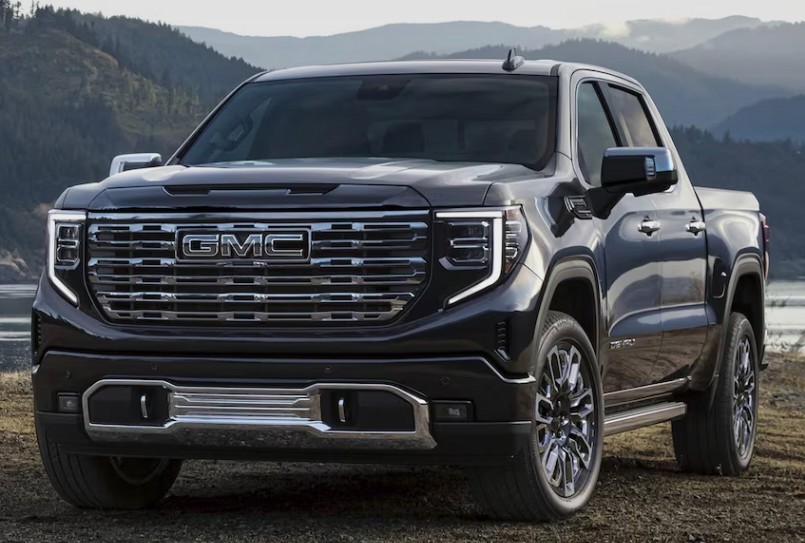
The GMC Sierra 1500 has always carried itself like the well-dressed member of the pickup-truck family. It can haul building materials on Friday, tow a boat on Saturday, and pull up outside a nice restaurant on Sunday without looking out of place.
But polished styling and chrome trim do not automatically make a good truck.
So, are GMC Sierra 1500 good trucks?
Yes, GMC Sierra 1500 models are generally good full-size trucks. They offer strong engine choices, impressive towing capability, comfortable cabins, practical cargo features, and trims ranging from basic work trucks to genuinely luxurious pickups. However, their long-term dependability varies by model year, engine, transmission, maintenance history, and equipment level.
A Sierra can be an excellent purchase when we choose the right configuration. Pick carelessly, though, and repair bills can arrive like an unexpected thunderstorm.
Let’s break down what the Sierra does well, where it struggles, and whether it deserves a place in our driveway.
Content in this publication
- What Kind of Truck Is the GMC Sierra 1500?
- Are GMC Sierra 1500 Good Trucks Overall?
- What Makes the GMC Sierra 1500 a Good Truck?
- Is the GMC Sierra 1500 Reliable?
- Common GMC Sierra 1500 Problems
- Which GMC Sierra 1500 Years Are Best?
- Which GMC Sierra 1500 Years Should We Approach Carefully?
- Is the GMC Sierra 1500 Good for Daily Driving?
- Is the Sierra 1500 a Good Family Truck?
- Is the GMC Sierra 1500 Good Off Road?
- Is the GMC Sierra 1500 Fuel Efficient?
- Are GMC Sierra 1500 Trucks Expensive to Maintain?
- How Long Can a GMC Sierra 1500 Last?
- GMC Sierra 1500 Versus Chevrolet Silverado 1500
- GMC Sierra 1500 Versus Ford F-150
- GMC Sierra 1500 Versus Ram 1500
- Which GMC Sierra 1500 Trim Is Best?
- What Should We Check Before Buying a Used Sierra 1500?
- Who Should Buy a GMC Sierra 1500?
- Who Should Consider Something Else?
- Pros and Cons of the GMC Sierra 1500
- Final Verdict: Are GMC Sierra 1500 Good Trucks?
- Frequently Asked Questions
What Kind of Truck Is the GMC Sierra 1500?
The Sierra 1500 is GMC’s light-duty, full-size pickup. It shares much of its underlying engineering with the Chevrolet Silverado 1500, including frames, engines, transmissions, and numerous mechanical components.
However, GMC generally positions the Sierra as the more premium option.
That distinction becomes obvious as we move through the trim range. Entry-level versions are practical and relatively straightforward, while Denali and Denali Ultimate models aim to blend truck capability with luxury-SUV comfort.
Depending on the model year, buyers may encounter several configurations:
- Regular Cab, Double Cab, or Crew Cab
- Short, standard, or long cargo boxes
- Two-wheel drive or four-wheel drive
- Turbocharged gasoline engines
- Naturally aspirated V8 engines
- Duramax turbo-diesel engines
- Work-oriented, luxury, or off-road trims
That variety is one of the Sierra’s biggest advantages. We can configure one as a basic job-site companion, a family vehicle, a highway cruiser, or a serious recreational tow rig.
Are GMC Sierra 1500 Good Trucks Overall?
In broad terms, yes.
The Sierra 1500 competes well in the areas that matter most to full-size truck owners: power, towing, passenger space, bed usability, technology, and road comfort. Current versions offer multiple powertrains and can tow up to approximately 13,200 pounds when correctly configured with the available diesel engine and required equipment.
Independent reviewers also continue to rate the truck competitively. Car and Driver gives the 2026 Sierra 1500 an 8.5 out of 10, highlighting its blend of capability and refinement.
Still, “good” does not mean flawless.
The Sierra’s strengths are substantial, but shoppers must consider:
- Potential transmission complaints
- Complex electronic systems
- Fuel-management-related V8 concerns on some years
- High prices on upper trims
- Expensive repairs outside warranty
- Considerable differences between model years
The smartest answer, therefore, is not merely that Sierra 1500 trucks are good. It is that the right Sierra 1500 can be very good, while the wrong used example can become very expensive.
What Makes the GMC Sierra 1500 a Good Truck?
The Sierra succeeds because it does not rely on a single selling point. It combines capability, comfort, appearance, and flexibility in one broad package.
Strong Engine Choices
One buyer may want traditional V8 power. Another may prioritize diesel torque and fuel efficiency. Someone else may need a lower-cost turbocharged engine for commuting and occasional towing.
The Sierra gives us those choices.
Modern lineups have included engines such as:
- A 2.7-liter TurboMax four-cylinder
- A 5.3-liter V8
- A 6.2-liter V8
- A 3.0-liter Duramax turbo-diesel inline-six
Not every engine is offered in every cab, trim, or model year, but the selection allows us to match the truck to the work rather than forcing one powertrain to suit everyone.
The Turbocharged Four-Cylinder
Some traditional truck buyers instinctively distrust a four-cylinder engine in a full-size pickup. That reaction is understandable. A large GMC with a small engine sounds like a heavyweight boxer wearing running shoes.
Yet the TurboMax engine produces substantial low-end torque. In current Sierra applications, it delivers 430 pound-feet and can support towing of up to 9,400 pounds when properly equipped.
It works well for:
- Daily commuting
- Light commercial work
- Moderate trailers
- Urban driving
- Buyers seeking a lower entry price
It may not provide the soundtrack or effortless high-speed pull of a V8, but it is more capable than its cylinder count suggests.
The 5.3-Liter V8
The 5.3-liter V8 is often the sensible middle-ground engine.
It usually provides:
- Familiar V8 performance
- Strong parts availability
- Broad towing capability
- Better value than the largest V8
- Adequate power for most owners
For everyday truck use, the 5.3-liter engine can be the porridge that is neither too hot nor too cold. It is not the most exciting option, but it fits a wide range of driving situations.
However, used buyers should investigate service history carefully, particularly on vehicles equipped with cylinder-deactivation systems. Oil consumption, valvetrain noise, misfires, or lifter problems should never be dismissed as harmless quirks.
The 6.2-Liter V8
The 6.2-liter V8 is the performance-oriented choice.
It makes a Sierra feel unexpectedly quick for something shaped like a garden shed. Acceleration is strong, passing power is abundant, and heavy loads feel less intimidating.
This engine best suits buyers who:
- Want maximum gasoline-engine performance
- Tow regularly
- Drive in mountainous areas
- Prefer quick acceleration
- Do not mind higher fuel and ownership costs
The trade-off is obvious. More power usually means greater fuel consumption, a higher purchase price, and potentially larger repair bills.
The 3.0-Liter Duramax Diesel
For many long-distance drivers and frequent towers, the Duramax diesel is the star of the lineup.
Its strengths include:
- Strong low-speed torque
- Relaxed highway performance
- Competitive fuel economy
- Excellent towing suitability
- Impressive driving range
The diesel does not roar like a big gasoline V8. Instead, it delivers power like a slow-moving river: calm, steady, and difficult to stop.
It can be an excellent engine for owners who cover substantial mileage. Nevertheless, diesel emissions equipment, fuel-system components, and specialized maintenance can be costly once the factory warranty expires.
Impressive Towing Ability
A truck may have leather seats, giant screens, and enough cameras to film a documentary, but it still needs to work.
The Sierra 1500 does.
Properly configured current models can tow up to approximately 13,200 pounds, although actual capacity depends on the engine, cab, bed, axle ratio, drivetrain, hitch equipment, and the truck’s individual certification label.
That capacity makes the Sierra suitable for towing:
- Travel trailers
- Boats
- Utility trailers
- Car haulers
- Small equipment trailers
- Horse trailers within the truck’s limits
We should never assume that every Sierra shares the advertised maximum. A luxurious Crew Cab with large wheels and optional equipment may tow less than a lighter, carefully configured model.
The door-jamb label and official towing guide matter more than a dealership advertisement.
A Practical and Versatile Bed
The Sierra’s cargo bed is more than an empty steel box.
Depending on the trim and model year, useful features may include:
- Multiple tie-down points
- LED bed lighting
- Household-style power outlets
- Spray-in bedliners
- Corner bumper steps
- Carbon-composite bed construction
- GMC’s MultiPro tailgate
The MultiPro tailgate is one of the Sierra’s signature features. It can function as a conventional tailgate, load stop, step, work surface, or secondary access panel.
Is it essential? No.
Is it useful? Often, yes.
Once we have used the built-in step while climbing into the bed with muddy boots, an ordinary tailgate can suddenly feel as dated as a flip phone.
Spacious Crew Cab Interior
Crew Cab Sierra models provide generous room for adults in both seating rows. The rear area can accommodate children, coworkers, tall passengers, groceries, luggage, tools, and the family dog without becoming a human game of Tetris.
This makes the Sierra more versatile than older pickups that treated rear passengers like an afterthought.
For many owners, the truck functions as:
- A work vehicle during the week
- A family vehicle after work
- A tow vehicle on holidays
- A road-trip vehicle on weekends
That multi-role ability helps justify the Sierra’s size and cost.
Comfortable Highway Ride
A Sierra 1500 will not glide like a luxury sedan over every broken road. It still uses truck-oriented suspension, and an empty bed can contribute to a bouncy response over repeated bumps.
Even so, its ride is generally comfortable for a body-on-frame pickup.
Edmunds notes that the current Sierra rides relatively smoothly on highways and absorbs smaller impacts well, though it can feel bouncy on roads with frequent dips and uneven surfaces.
You may be interested in reading How Many Miles Does a GMC Sierra Last? A Complete Longevity Guide
That description captures the truck accurately. On open roads, it can feel stable and relaxed. On rough city streets, its size and suspension remind us that we are still driving a pickup.
Is the GMC Sierra 1500 Reliable?
Reliability depends heavily on the specific year and configuration.
A well-maintained Sierra with a proven engine and complete service records can cover high mileage. A neglected truck with warning lights, transmission hesitation, modified suspension, and no maintenance paperwork can drain a bank account faster than we can say “extended warranty.”
Some independent reliability assessments place certain model years above average. For example, Edmunds cites a RepairPal rating of 3.5 out of 5 for the 2018 Sierra 1500, ranking it fourth among 19 full-size trucks in that comparison.
That does not mean every 2018 truck is perfect. Nor does it guarantee that newer or older models perform identically.
Reliability is better judged through five filters:
- Model year
- Engine choice
- Transmission type
- Maintenance history
- Previous use
A lightly used personal truck and a former fleet vehicle may wear the same badge while having lived completely different lives.
Common GMC Sierra 1500 Problems
No full-size truck is immune to mechanical problems, and the Sierra is no exception.
Transmission Hesitation or Harsh Shifting
Some Sierra owners report symptoms such as:
- Hesitation when accelerating
- Rough low-speed shifts
- Clunks when engaging gear
- Shuddering under light throttle
- Delayed response
- Abrupt downshifts
These symptoms do not always mean the transmission has failed. Software calibration, fluid condition, torque-converter behavior, driveline slack, or adaptive shift programming may contribute.
Still, a rough test drive should never be ignored.
Drive the truck cold and fully warmed up. Test it in traffic, on the highway, while reversing, and during light and moderate acceleration.
V8 Lifter and Cylinder-Deactivation Concerns
Certain GM V8 engines use systems that deactivate cylinders under light loads to improve fuel efficiency.
The concept is clever, but additional mechanical complexity can create additional failure points. Some owners have experienced lifter trouble, misfires, ticking noises, reduced power, or internal engine damage.
Warning signs include:
- Persistent ticking
- Check-engine lights
- Uneven idle
- Misfire codes
- Loss of power
- Excessive oil consumption
A single noise does not automatically condemn an engine, but unusual valvetrain sounds deserve professional diagnosis.
Infotainment and Electronic Glitches
Modern Sierras contain numerous electronic modules and connected features. More technology can make daily driving easier, but it can also create minor frustrations.
Possible complaints include:
- Frozen screens
- Delayed startup
- Phone connection failures
- Camera faults
- Audio interruptions
- Warning messages
- Software-related bugs
These problems may be corrected through updates or component replacement. Nevertheless, repeated electrical issues can become irritating, especially after warranty coverage ends.
Air-Conditioning Problems
Some older Sierra generations have been associated with air-conditioning leaks or component failures.
A weak air conditioner may result from:
- Refrigerant leaks
- Condenser damage
- Compressor trouble
- Sensor faults
- Electrical problems
During a pre-purchase inspection, run the system at its coldest setting and confirm that it cools consistently from every vent.
Brake, Steering, or Suspension Wear
A Sierra is heavy, and many examples spend their lives towing, hauling, driving on unpaved roads, or carrying oversized wheels.
Wear may appear in:
- Brake pads and rotors
- Wheel bearings
- Ball joints
- Tie rods
- Shocks
- Control-arm components
- Tires
Lifted trucks deserve additional scrutiny because modifications can alter suspension geometry, steering behavior, tire wear, and driveline angles.
Which GMC Sierra 1500 Years Are Best?
There is no universally perfect year.
Later examples often offer better interiors, safety technology, towing aids, and infotainment. Older models can be simpler and less expensive to purchase but may require more age-related maintenance.
Rather than choosing solely by year, we should look for a combination of:
- Strong maintenance records
- Reasonable mileage
- Clean diagnostic scan
- Smooth engine operation
- Proper transmission behavior
- Minimal rust
- No unresolved recalls
- Original or professionally installed modifications
Some buyers prefer late-production years within a generation because manufacturers have had time to refine software, components, and assembly processes.
However, condition is often more important than reputation. A carefully maintained truck from a supposedly average year can be a better purchase than a neglected example from a highly recommended year.
Which GMC Sierra 1500 Years Should We Approach Carefully?
Certain production periods receive more owner complaints than others, but broad “avoid this year” lists can oversimplify the issue.
Two trucks built in the same year may differ in:
- Engine
- Transmission
- Drivetrain
- Cab
- Factory options
- Service history
- Software updates
- Previous repairs
Instead of automatically rejecting a model year, investigate the exact truck.
Check the vehicle identification number through the official NHTSA recall database. NHTSA allows owners and shoppers to identify open safety recalls associated with a specific vehicle.
We should be especially cautious when a used Sierra has:
- A flashing check-engine light
- Harsh transmission engagement
- Low oil pressure
- Persistent engine ticking
- Missing service records
- Heavy rust underneath
- Evidence of flood exposure
- Poorly installed aftermarket wiring
- Emissions equipment removed
- Suspension modifications without documentation
A bargain price can look inviting, but a cheap truck with an expensive problem is not truly cheap.
Is the GMC Sierra 1500 Good for Daily Driving?
It can be, provided we are comfortable with its dimensions.
The Sierra offers a commanding driving position, spacious seats, good highway comfort, and useful driver-assistance systems. The cabin can feel calm and refined, particularly in SLT and Denali trims.
However, daily use has disadvantages:
- Tight parking spaces become challenging
- Fuel costs can be substantial
- Large wheels may reduce ride comfort
- Urban manoeuvring requires attention
- Garages may not accommodate every configuration
- Replacement tires can be expensive
Drivers who regularly use the bed, tow trailers, travel with several passengers, or carry equipment may find the size worthwhile.
Someone who mainly drives alone through crowded city streets may be buying far more truck than necessary.
Is the Sierra 1500 a Good Family Truck?
Crew Cab models can work extremely well as family vehicles.
Parents may appreciate:
- Wide-opening rear doors
- Generous rear legroom
- Elevated seating
- Numerous storage areas
- Available safety technology
- Large cargo capacity
- The ability to tow holiday equipment
The flat or nearly flat rear floor in some configurations also makes it easier to load bags, boxes, or pets.
Still, the truck’s height can make entry difficult for small children or passengers with limited mobility. Running boards may be essential rather than decorative.
Is the GMC Sierra 1500 Good Off Road?
Standard Sierras can handle gravel roads, snow, muddy tracks, and mild trails when equipped with four-wheel drive and suitable tires.
For more serious use, AT4 and AT4X models are designed with off-road driving in mind. Depending on the version, equipment may include:
- Increased ground clearance
- Off-road suspension tuning
- Skid plates
- All-terrain or mud-terrain tires
- Locking differentials
- Hill-descent control
- Additional camera views
The AT4 is often the balanced choice for buyers who want daily comfort and credible off-road ability.
The AT4X is more specialized. It can be impressive away from pavement, but its price, aggressive tires, and hardware may be unnecessary for drivers whose toughest obstacle is a shopping-centre speed bump.
Is the GMC Sierra 1500 Fuel Efficient?
Fuel efficiency is relative in the full-size truck world.
The Sierra will not sip fuel like a compact hybrid, but certain configurations perform respectably for their size. Car and Driver lists combined EPA estimates ranging from roughly 16 to 24 mpg across the current lineup, depending on the engine and configuration.
The diesel is generally the strongest option for long-distance efficiency. The turbocharged four-cylinder may also be economical in lighter-duty use.
Large V8 engines, four-wheel drive, off-road tires, towing, short journeys, aggressive acceleration, and heavy accessories can all increase consumption.
Real-world fuel use depends on:
- Engine
- Cab and bed combination
- Axle ratio
- Tire type
- Driving speed
- Weather
- Payload
- Trailer weight
- Terrain
Anyone purchasing a Sierra should budget for truck-level fuel expenses rather than relying on the best advertised figure.
Are GMC Sierra 1500 Trucks Expensive to Maintain?
Routine maintenance is generally manageable, especially because the Sierra shares many mechanical components with the Chevrolet Silverado.
Common parts are widely available, and many independent workshops understand the platform.
You may be interested in readingHow Many Miles Does a GMC Sierra Last? A Complete Longevity GuideYou may be interested in reading
 Are Ford Ranger Reliable? A Complete Ownership Guide
Regular expenses may include:
- Engine oil and filters
- Brake servicing
- Tires
- Transmission fluid
- Differential fluid
- Transfer-case service
- Batteries
- Spark plugs on gasoline engines
- Diesel fuel filters
- Emissions-system maintenance
Luxury trims can become considerably more expensive when specialized electronics, adaptive suspension components, premium lighting, cameras, or large wheels require replacement.
The Sierra is not an exotic vehicle, but neither is it an economy car. Its size, weight, complexity, and capabilities influence operating costs.
How Long Can a GMC Sierra 1500 Last?
A properly maintained Sierra 1500 can exceed 200,000 miles. Some examples travel considerably farther, particularly when used mainly on highways and serviced consistently.
Mileage alone does not tell the whole story.
A truck with 150,000 gentle highway miles may be healthier than one with 70,000 miles accumulated through:
- Heavy towing
- Short cold journeys
- Long periods of idling
- Off-road work
- Snow-plough duty
- Poor maintenance
- Overloading
Long life depends on timely fluid changes, cooling-system health, rust prevention, correct towing practices, and early attention to warning signs.
A durable truck is built at the factory, but longevity is finished in the owner’s garage.
GMC Sierra 1500 Versus Chevrolet Silverado 1500
Mechanically, the Sierra and Silverado are close relatives.
They often share:
- Engines
- Transmissions
- Frames
- Drivetrain components
- Cab structures
- Safety systems
- Towing technology
The main differences usually involve exterior styling, interior design, trim structure, equipment packaging, and brand positioning.
The Silverado may offer a lower entry price or broader availability. The Sierra often feels more upscale, particularly in Denali form.
We should compare equivalent configurations rather than assuming one badge is automatically better.
A Sierra Elevation and a Silverado High Country serve very different buyers, even though both belong to the same engineering family.
GMC Sierra 1500 Versus Ford F-150
The Ford F-150 remains one of the Sierra’s toughest competitors.
The Ford may appeal to buyers who want:
- A wider powertrain selection
- Strong payload configurations
- Extensive trim choices
- Broad dealer availability
- Innovative work features
The Sierra may appeal more to those who prefer:
- GMC styling
- The MultiPro tailgate
- Duramax diesel characteristics
- Denali luxury
- A more distinctive premium image
Neither is automatically superior. The better truck depends on local pricing, engine preference, towing needs, dealer support, and seat comfort.
A test drive can reveal more than an afternoon spent comparing specification tables.
GMC Sierra 1500 Versus Ram 1500
The Ram 1500 has traditionally been praised for its comfortable ride and attractive interior.
The Sierra counters with:
- Strong towing configurations
- Useful bed features
- Diesel availability in recent lineups
- Broad trim variety
- Solid V8 performance
- Advanced trailering cameras
Buyers prioritizing ride comfort may prefer the Ram. Those who value GMC’s styling, diesel powertrain, tailgate design, or towing interface may lean toward the Sierra.
Again, condition matters enormously in the used market.
Which GMC Sierra 1500 Trim Is Best?
The ideal trim depends on what we want the truck to do.
Pro
The Pro is aimed at work-focused buyers. It usually offers fewer luxury features and a lower starting price.
Best for:
- Fleets
- Contractors
- Commercial users
- Buyers who value simplicity
SLE
The SLE adds convenience and comfort without climbing too far into luxury pricing.
It can be a sensible all-rounder for buyers who want modern equipment but do not need premium materials.
Elevation
Elevation models combine body-colour styling, larger wheels, and a more modern appearance.
They suit buyers who want a truck that looks sporty without paying Denali money.
SLT
The SLT often represents the sweet spot between capability and luxury.
It may include leather seating, additional technology, upgraded powertrain availability, and better comfort features.
AT4
The AT4 blends off-road equipment with an upscale interior.
It works well for drivers who genuinely use unpaved roads but still want a comfortable daily vehicle.
AT4X
The AT4X is the more serious off-road model.
Its capability is impressive, but buyers should consider whether they will actually use the specialized hardware.
Denali
Denali models focus on luxury, technology, appearance, and highway comfort.
They are ideal for buyers who want premium features while retaining truck capability.
Denali Ultimate
Denali Ultimate sits near the top of the range, combining luxury materials, advanced technology, and a correspondingly high price.
It is less a traditional work truck and more a luxury vehicle with a bed.
What Should We Check Before Buying a Used Sierra 1500?
A professional pre-purchase inspection is one of the best investments we can make.
Before buying, inspect the following:
- Cold start: Listen for ticking, knocking, rattling, or uneven idle.
- Oil condition: Check the level, colour, smell, and service records.
- Transmission: Test for hesitation, shuddering, slipping, or harsh engagement.
- Four-wheel-drive system: Confirm that all modes engage correctly.
- Electronics: Test every camera, switch, screen, window, lock, and outlet.
- Air conditioning: Verify strong, consistent cooling.
- Undercarriage: Look for rust, leaks, impact damage, and poor repairs.
- Tires: Uneven wear may indicate alignment or suspension trouble.
- Trailer hitch: Heavy wear may suggest frequent towing.
- Diagnostic scan: Check stored, pending, and permanent fault codes.
- Recall status: Search the VIN through NHTSA.
- Maintenance history: Prefer records over verbal promises.
Do not allow shiny paint to distract us from mechanical evidence. A polished hood cannot repair a slipping transmission.
Who Should Buy a GMC Sierra 1500?
The Sierra makes sense for buyers who need a full-size truck and value a degree of refinement.
It is especially suitable for people who:
- Tow recreational or work trailers
- Carry bulky equipment
- Need a spacious Crew Cab
- Want a diesel option
- Prefer upscale styling
- Need four-wheel-drive capability
- Use the truck for both work and family duties
Who Should Consider Something Else?
The Sierra may not be ideal for drivers who:
- Rarely carry cargo
- Never tow
- Live in dense urban areas
- Have limited parking
- Prioritize maximum fuel economy
- Want low-cost tires and maintenance
- Prefer compact-car handling
A midsize pickup, crossover, van, or SUV may serve those needs more efficiently.
Buying a full-size truck simply because we like its appearance can be emotionally satisfying, but the fuel station will eventually join the conversation.
Pros and Cons of the GMC Sierra 1500
Main Advantages
- Strong selection of engines
- High towing potential
- Spacious Crew Cab
- Useful cargo-bed features
- Attractive exterior styling
- Premium Denali trims
- Capable AT4 and AT4X versions
- Comfortable highway manners
- Broad parts and service availability
- Strong diesel performance
Main Disadvantages
- Some model years report engine or transmission concerns
- Upper trims can be very expensive
- Large dimensions complicate urban driving
- V8 fuel consumption can be high
- Complex technology may increase repair costs
- Ride can become bouncy on uneven roads
- Large wheels may reduce comfort
- Used examples vary greatly in condition
Final Verdict: Are GMC Sierra 1500 Good Trucks?
Yes, the GMC Sierra 1500 is a good truck, and the best versions are excellent.
It offers the capability expected from a full-size pickup while adding distinctive styling, clever bed features, spacious interiors, and trims that can feel genuinely luxurious. The Duramax diesel is particularly attractive for high-mileage driving and towing, while the V8 engines provide the traditional performance many truck buyers still want.
However, we should not buy one blindly.
Model year, engine choice, transmission behaviour, service history, previous towing use, and recall status all matter. A well-maintained Sierra can be a dependable workhorse and comfortable family vehicle. A neglected or poorly modified example can become a rolling repair invoice.
The Sierra is like a high-quality pair of work boots: strong, handsome, and versatile, but only valuable when the size and purpose fit the owner.
Choose the right configuration, inspect it carefully, and maintain it properly. Do that, and the GMC Sierra 1500 can be a very good truck indeed.
Frequently Asked Questions
1. Is the GMC Sierra 1500 more reliable than the Chevrolet Silverado?
The two trucks share many engines, transmissions, platforms, and electrical components, so their overall reliability is usually similar. Individual condition and maintenance history matter more than the badge.
2. What is the best GMC Sierra 1500 engine?
The 5.3-liter V8 is a strong all-round choice, while the 3.0-liter Duramax diesel is excellent for long-distance driving and frequent towing. The 6.2-liter V8 is best for buyers who prioritize gasoline-engine power.
3. How many miles can a GMC Sierra 1500 last?
A properly maintained Sierra 1500 can exceed 200,000 miles. Longevity depends on maintenance, towing history, rust, driving conditions, and how quickly mechanical problems are addressed.
You may be interested in readingHow Many Miles Does a GMC Sierra Last? A Complete Longevity GuideYou may be interested in reading
Are Ford Ranger Reliable? A Complete Ownership GuideYou may be interested in reading
Are Ford Ranger Reliable? A Complete Ownership Guide4. Is a used GMC Sierra 1500 worth buying?
Yes, provided it passes a professional inspection and has a documented maintenance history. Buyers should test the transmission, listen for engine noises, inspect the underbody, scan for diagnostic codes, and check for open recalls.
5. Is the GMC Sierra 1500 good for towing?
Yes. Properly equipped models offer strong towing capability, with current diesel configurations reaching approximately 13,200 pounds. Actual capacity varies by engine, cab, drivetrain, axle ratio, options, and the vehicle’s individual rating label.
If you want to know other articles similar to Are GMC Sierra 1500 Good Trucks? An Honest Buyer’s Guide you can visit the category Blog.
Volvo S90 Reliability: Problems, Costs & Best Years
Is Haval Jolion a Good Car? Honest Review, Reliability, Pros and Cons
How to Start Haval Jolion With Spare Key: Complete Guide
How to Calculate Per Diem on an Auto Loan

How to Calculate the Residual Value of a Car

Is the Honda Passport Selling Well? Sales Numbers Tell the Story
Leave a Reply
More content of your interest