
Chevrolet Silverado vs Toyota Tundra: Which Full-Size Truck Is Better?

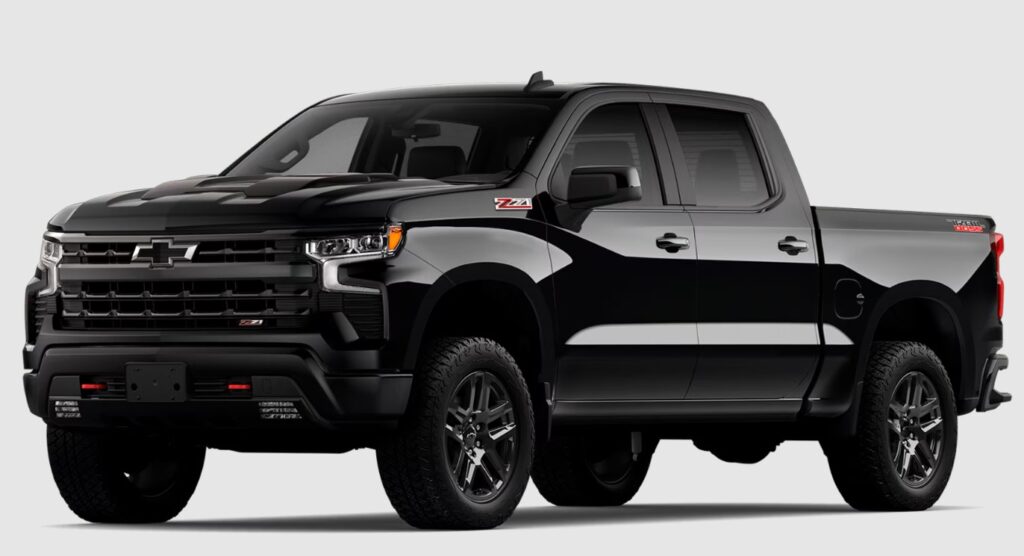
Choosing between the Chevrolet Silverado 1500 and Toyota Tundra is not simply a matter of comparing horsepower figures and picking the truck with the largest number. These pickups approach the full-size truck formula from different directions.
The Silverado is the sprawling American toolbox. It offers numerous engines, cab styles, bed lengths, towing configurations, and trim levels. Buyers can shape it into almost anything—from a straightforward work truck to a leather-lined highway cruiser or a mud-ready off-road machine.
The Tundra feels more focused. Toyota offers fewer powertrain combinations, but its twin-turbocharged V6 engines deliver serious torque, while the available i-FORCE MAX hybrid adds muscular acceleration without turning the truck into a complicated science project.
So, which truck deserves a place in our driveway?
For maximum towing, broader configuration choices, diesel availability, and traditional V8 character, the Silverado has the advantage. For standard safety equipment, strong hybrid performance, a durable composite bed, and a more streamlined buying experience, the Tundra makes a persuasive case.
Let us compare the 2026 Chevrolet Silverado 1500 and 2026 Toyota Tundra across the areas that matter most.
Content in this publication
- Chevrolet Silverado vs Toyota Tundra at a Glance
- Which Truck Wins Overall?
- Engine Options and Performance
- Acceleration and Everyday Driving
- Towing Capacity Comparison
- Payload and Work Capability
- Bed Sizes and Cargo Space
- Cab Space and Passenger Comfort
- Interior Quality and Technology
- Ride Quality and Handling
- Fuel Economy
- Off-Road Capability
- Safety and Driver Assistance
- Reliability and Long-Term Ownership
- Trim Levels and Buyer Choice
- Which Truck Offers Better Value?
- Chevrolet Silverado Pros and Cons
- Toyota Tundra Pros and Cons
- Who Should Buy the Chevrolet Silverado?
- Who Should Buy the Toyota Tundra?
- Chevrolet Silverado vs Toyota Tundra: Final Verdict
- Frequently Asked Questions
Chevrolet Silverado vs Toyota Tundra at a Glance
| Category | Chevrolet Silverado 1500 | Toyota Tundra |
|---|---|---|
| Maximum towing capacity | Up to 13,300 pounds | Up to 12,000 pounds |
| Maximum payload | More than 2,000 pounds in select configurations | Approximately 1,940 pounds, depending on configuration |
| Engine variety | Turbo four-cylinder, two V8s, turbo-diesel | Twin-turbo V6 and hybrid twin-turbo V6 |
| Hybrid option | No conventional hybrid | Available i-FORCE MAX hybrid |
| Diesel option | Available 3.0-liter Duramax | Not available |
| Bed choices | Short, standard, and long | 5.5-, 6.5-, and 8.1-foot beds |
| Off-road highlights | Trail Boss and ZR2 | TRD Off-Road and TRD Pro |
| Best for | Towing, work, variety, diesel buyers | Hybrid power, safety, daily comfort |
Chevrolet rates the 2026 Silverado 1500 to tow as much as 13,300 pounds, while Toyota lists a maximum Tundra towing capacity of 12,000 pounds. Actual capacities vary significantly by engine, drivetrain, cab, bed, axle ratio, equipment package, and passenger load.
Which Truck Wins Overall?
The Chevrolet Silverado wins our overall comparison by a narrow margin because it serves a broader range of truck buyers.
It can be configured as an affordable jobsite pickup, a long-distance diesel tow vehicle, a V8-powered family truck, or an aggressive off-roader. That versatility is difficult to beat.
However, the Toyota Tundra may be the better personal truck for buyers who do not need the Silverado’s maximum capabilities. Its strong standard engine, available hybrid system, generous safety technology, and durable bed create a balanced package that feels designed for everyday ownership rather than specification-sheet domination.
Our basic verdict looks like this:
- Choose the Silverado for maximum towing, higher payload potential, diesel efficiency, V8 power, and greater configuration freedom.
- Choose the Tundra for hybrid performance, straightforward engine choices, standard driver-assistance technology, and a tough composite cargo bed.
Neither truck is universally better. The right answer depends on what we expect the truck to do after the showroom lights disappear.
Engine Options and Performance
Silverado Engine Choices
The Silverado’s engine menu resembles a well-stocked hardware store. Chevrolet offers four distinct powertrains, giving buyers considerably more freedom than Toyota.
Depending on configuration, Silverado buyers can select:
- A TurboMax turbocharged four-cylinder
- A 5.3-liter EcoTec3 V8
- A 6.2-liter EcoTec3 V8
- A 3.0-liter Duramax turbo-diesel inline-six
That variety matters because truck buyers rarely have identical priorities. A local contractor may want strong low-speed torque without paying for a V8. A traditionalist may refuse to consider anything without eight cylinders. A frequent traveler towing a camper may prefer the relaxed torque and highway efficiency of the Duramax diesel.
The TurboMax engine develops 430 pound-feet of torque, an impressive figure for the Silverado’s standard powerplant. Chevrolet also continues to offer the 3.0-liter Duramax, which the company identifies as the only diesel option in its light-duty pickup class.
Is the Silverado Four-Cylinder Powerful Enough?
For daily driving, moderate hauling, and lighter trailers, yes.
The TurboMax does not sound or feel like a classic small-block V8, but it produces its torque low in the rev range. That makes the Silverado feel energetic when pulling away from traffic lights or climbing a grade with cargo aboard.
Nevertheless, buyers planning to tow near the truck’s upper limits should examine the V8 and diesel configurations. The four-cylinder is capable, but it is not the powertrain that unlocks the Silverado’s maximum 13,300-pound tow rating.
Tundra Engine Choices
Toyota takes a simpler path. Every current Tundra uses a twin-turbocharged 3.4-liter V6 in either conventional or hybrid form.
The standard i-FORCE engine produces up to 389 horsepower and 479 pound-feet of torque in most applications. The available i-FORCE MAX hybrid combines the twin-turbo V6 with an electric motor, producing 437 horsepower and 583 pound-feet of torque.
Those numbers give the hybrid Tundra a deep reservoir of effortless thrust. Press the accelerator, and the truck moves with the confidence of a locomotive that has suddenly remembered it is late.
Toyota’s hybrid system is not primarily designed to transform the Tundra into an economy champion. Instead, it uses electrification to strengthen low-end response and fill gaps in the engine’s power delivery.
Does the Tundra Need a V8?
Traditional truck enthusiasts may still miss the thunder and mechanical character of Toyota’s discontinued 5.7-liter V8. Emotionally, the V8 had undeniable charm.
Objectively, the twin-turbo V6 produces more usable torque and stronger acceleration. The hybrid is especially muscular at low speeds, where its electric motor contributes immediate assistance.
The greater concern is complexity. Two turbochargers, hybrid components, electronics, and thermal-management systems create more potential service points than an old naturally aspirated V8. That does not automatically make the new system unreliable, but buyers intending to keep a truck for 15 or 20 years may reasonably consider long-term repair costs.
Acceleration and Everyday Driving
The Tundra hybrid is generally the livelier truck. Its electric assistance provides rapid initial response, and the ten-speed automatic transmission keeps the engine close to its strongest operating range.
The Silverado’s 6.2-liter V8 answers with smooth, naturally aspirated power. It does not require turbochargers to build its strength, and its soundtrack is pure American pickup theater. For some buyers, that rumble carries more weight than an acceleration test.
The Duramax Silverado is less dramatic but wonderfully relaxed. Its torque arrives without fuss, making it particularly satisfying on highways and while towing.
Around town, both trucks feel large because they are large. Narrow parking structures, crowded urban streets, and short driveways can make either vehicle feel like a boat navigating a bathtub. Available surround-view cameras and parking sensors are not decorative luxuries here; they can become everyday essentials.
Towing Capacity Comparison
Silverado Towing Capacity
Properly equipped, the 2026 Chevrolet Silverado 1500 can tow up to 13,300 pounds. That gives it a 1,300-pound numerical advantage over the Tundra’s published maximum.
That advantage can matter when pulling:
- A large travel trailer
- A substantial boat
- A multi-horse trailer
- Construction equipment
- An enclosed vehicle trailer
However, we should never treat a manufacturer’s maximum towing figure as the capability of every truck sitting on a dealership lot.
A luxury Crew Cab with four-wheel drive, large wheels, accessories, and several passengers may have a much lower practical towing allowance than a lighter configuration engineered to achieve the headline rating.
Tundra Towing Capacity
The Tundra’s maximum rating of 12,000 pounds remains highly competitive. It is more than sufficient for many recreational trailers, boats, utility trailers, and car haulers.
Toyota also equips the Tundra with Trailer-Sway Control as standard equipment. Depending on trim and packages, buyers can obtain integrated towing technologies that help with trailer alignment, monitoring, braking, and visibility.
Which Truck Is Better for Towing?
The Silverado wins when raw capacity and powertrain variety matter most.
Its 6.2-liter V8 and 3.0-liter Duramax provide two appealing personalities for serious towing. The V8 offers strong horsepower and familiar response, while the diesel provides abundant low-rpm torque and calmer long-distance behavior.
The Tundra remains a competent tow vehicle, especially with the standard twin-turbo engine. Yet the Silverado’s higher ceiling, available diesel, and broader selection of towing-oriented configurations give Chevrolet the clearer advantage.
Never Ignore Payload While Towing
A truck can reach its payload limit before reaching its advertised towing maximum.
Payload includes:
You may be interested in reading Chevrolet Silverado vs Ram 1500: Which Full-Size Truck Is Better?
- Passengers
- Cargo in the cabin
- Cargo in the bed
- Aftermarket accessories
- The trailer’s tongue weight
- Weight-distributing hitch equipment
A travel trailer weighing 10,000 pounds might place roughly 1,000 to 1,500 pounds on the hitch, depending on design and loading. Add four adults, luggage, a toolbox, and a bed cover, and the truck’s payload rating can disappear surprisingly quickly.
The yellow payload label inside the driver’s door is therefore more useful than a marketing headline.
Payload and Work Capability
The Silverado has the stronger work-truck credentials. Certain configurations provide payload ratings above 2,000 pounds, and Chevrolet’s configurator shows maximum payload figures exceeding 2,500 pounds for some body configurations.
The Tundra’s maximum payload is lower, at roughly 1,940 pounds in the most favorable configuration. Real-world CrewMax, four-wheel-drive, hybrid, and luxury versions will carry less.
For transporting landscaping materials, tools, masonry supplies, or heavy machinery, the Silverado’s higher potential payload matters. It also offers Regular Cab configurations that appeal to fleets and commercial users who do not need a large rear seat.
The Tundra is certainly capable of working. Its composite bed is resistant to rust and everyday dents, and Toyota reinforces it with aluminum cross members.
Still, the Silverado gives businesses more ways to build a truck around a specific job.
Bed Sizes and Cargo Space
Silverado Bed Options
The Silverado is available with short, standard, and long cargo beds. Its Durabed design is one of the most spacious in the segment, offering up to 89.1 cubic feet in long-bed form. Chevrolet lists 71.7 cubic feet for the regular bed and 62.9 cubic feet for the short bed.
Chevrolet’s available Multi-Flex Tailgate can be configured in several positions to create a step, load stop, work surface, or easier access point.
For tradespeople, campers, and anyone who regularly carries awkward equipment, those details can be more valuable than another inch of touchscreen space.
Tundra Bed Options
The Tundra offers 5.5-, 6.5-, and 8.1-foot beds. Double Cab models can be paired with the 6.5- or 8.1-foot bed, while CrewMax models are available with 5.5- and 6.5-foot beds.
Toyota’s composite bed is a major advantage for buyers concerned about corrosion and cosmetic damage. It acts almost like built-in armor against the ordinary abuse pickups experience.
A steel bed can be repaired conventionally and may be preferred by some commercial operators. The Tundra’s composite construction, however, eliminates the anxiety caused by every shovel, toolbox, or bag of gravel scraping against painted steel.
Which Bed Is Better?
The Silverado wins for total cargo volume and bed functionality. The Tundra wins for material durability and rust resistance.
Our choice depends on the cargo:
- For maximum space, building materials, and configurable tailgate functions, choose Silverado.
- For outdoor equipment, wet gear, and long-term resistance to dents and corrosion, choose Tundra.
Cab Space and Passenger Comfort
Both trucks can provide spacious cabins, particularly in Crew Cab or CrewMax form.
The Silverado Crew Cab offers generous rear-seat room and a broad, upright interior. It feels airy, practical, and familiar. Storage compartments are plentiful, and certain trims include clever rear seatback storage.
The Tundra CrewMax also provides abundant legroom, though the hybrid battery can affect under-seat storage compared with non-hybrid versions. Its seating position feels commanding, and the dashboard has a rugged, architectural appearance.
For families, either truck can function as a large SUV with an open cargo box attached. Child seats fit easily in the rear, adults can travel comfortably, and the flat rear floor makes it easier to carry pets or equipment inside.
The difference comes down to atmosphere. The Silverado feels broader and more traditional. The Tundra feels chunkier, more modern, and slightly more adventurous.
Interior Quality and Technology
Silverado Interior
Lower Silverado trims are designed to survive muddy boots and hard use. Their plastics are practical rather than luxurious.
LT and higher trims receive a much more attractive dashboard design, including a large center display and digital instrument cluster. High Country models add leather, decorative trim, premium audio, and the kind of equipment once reserved for expensive luxury SUVs.
Chevrolet’s infotainment system is intuitive, with clear graphics and useful physical controls. Drivers can change temperature or volume without tapping through digital menus like they are trying to unlock a secret level in a video game.
Tundra Interior
The Tundra’s available 14-inch multimedia display dominates the dashboard. It is crisp, responsive, and visually impressive.
Physical controls remain available for major functions, which helps the cabin feel modern without becoming frustrating. Toyota also offers upscale appointments in Limited, Platinum, 1794 Edition, and Capstone trims.
The Tundra’s interior design is more dramatic than the Silverado’s. Large vents, bold surfaces, and thick controls reinforce the truck’s rugged personality.
Technology Winner
The result is almost a tie.
The Tundra has a strong interface and an imposing available touchscreen. The Silverado counters with a refined digital layout, excellent camera availability, integrated Google-based features in compatible trims, and advanced trailering tools.
We give the Silverado a slight edge for towing-related technology and the Tundra a slight edge for visual impact.
Ride Quality and Handling
Neither truck drives like a compact crossover, but both are considerably more civilized than pickups from two decades ago.
The Silverado uses a traditional leaf-spring rear suspension. It feels stable and predictable, especially when carrying weight. With an empty bed, sharper bumps can cause some rear-end movement, although wheel size and trim selection have a major influence on comfort.
The Tundra uses a coil-spring rear suspension, which generally provides a more settled ride over broken pavement. It can feel smoother when empty and slightly more composed during everyday commuting.
That does not mean every Tundra rides better than every Silverado. A TRD Pro on aggressive tires may feel firmer than a road-oriented Silverado LT. Likewise, a Silverado ZR2’s sophisticated dampers can control rough surfaces impressively.
For ordinary driving, however, the Tundra’s coil-spring arrangement gives it a comfort advantage.
Fuel Economy
Fuel economy varies by engine, drivetrain, cab, tires, axle ratio, and equipment.
The Silverado offers the broadest range of efficiency strategies. Its 3.0-liter Duramax is the standout for long highway journeys, with Chevrolet advertising up to 28 mpg on the highway in certain configurations.
The smaller TurboMax engine can also be sensible for drivers who do not require maximum towing capability.
The Tundra hybrid deserves clarification. Its i-FORCE MAX badge may suggest dramatic fuel savings, but the system is primarily tuned for power. It can improve efficiency in some conditions, yet its biggest benefit is torque and response.
For buyers covering thousands of highway miles annually, the Silverado Duramax is the most compelling choice. For short urban trips, neither full-size truck will behave like an economy car. They are heavy, tall, aerodynamically blunt machines pushing a large hole through the air.
Off-Road Capability
Silverado Trail Boss and ZR2
The Silverado Custom Trail Boss and LT Trail Boss add off-road-oriented suspension, increased ride height, four-wheel drive, underbody protection, and all-terrain tires.
The ZR2 goes further with specialized dampers, front and rear electronic locking differentials, protective hardware, and terrain-focused tuning. It is the Silverado for buyers who see a rocky trail and wonder where it goes rather than why it has not been paved.
You may be interested in readingChevrolet Silverado vs Ram 1500: Which Full-Size Truck Is Better?You may be interested in reading
Chevrolet Silverado vs Toyota Tacoma: Which Truck Fits Your Life?Tundra TRD Off-Road and TRD Pro
Toyota’s TRD Off-Road package adds useful trail equipment without requiring buyers to choose the most expensive off-road trim.
The TRD Pro is the flagship. It combines the i-FORCE MAX hybrid powertrain with FOX suspension components, underbody protection, aggressive tires, unique styling, and Toyota’s electronic trail systems.
Which Truck Is Better Off-Road?
The Silverado ZR2 has a strong mechanical advantage because of its front and rear locking differentials. That equipment provides excellent control in technical situations.
The Tundra TRD Pro counters with powerful hybrid torque, excellent suspension tuning, and Toyota’s long-standing off-road identity.
For slow, difficult terrain, we favor the Silverado ZR2. For desert roads, camping routes, and high-speed rough surfaces, the Tundra TRD Pro feels equally at home.
Safety and Driver Assistance
Toyota has a meaningful advantage in standard safety content.
Every 2026 Tundra grade includes Toyota Safety Sense 2.5, which bundles several driver-assistance technologies.
Depending on configuration, these systems may include:
- Pre-collision assistance
- Pedestrian detection
- Lane-departure alert
- Lane-tracing assistance
- Adaptive cruise control
- Automatic high beams
- Road-sign assistance
Chevrolet also equips the Silverado with important safety technology, but feature availability can vary more noticeably by trim and package.
The Silverado fights back with excellent available camera systems and towing-focused visibility tools. When maneuvering a trailer, a carefully positioned camera can be more useful than a dozen glowing warning icons.
For standard family-oriented safety, the Tundra wins. For trailer visibility and camera sophistication, the Silverado is highly competitive.
Reliability and Long-Term Ownership
Toyota’s reputation for long-term durability gives the Tundra an immediate psychological advantage. Many buyers walk into a Toyota showroom expecting the truck to survive years of hard use with minimal drama.
However, reputation should not replace research.
The current Tundra generation uses a more complex twin-turbocharged platform than its V8 predecessor. The i-FORCE MAX adds hybrid hardware, further increasing mechanical and electronic complexity.
The Silverado also uses advanced technology, including turbocharging, cylinder-management systems, diesel emissions equipment, and sophisticated transmissions. Reliability can vary by engine, model year, maintenance history, and use.
For the simplest ownership path, buyers should avoid assuming that the most expensive or powerful powertrain is automatically the best. A truck used mainly for commuting does not necessarily need a maximum-output engine or an elaborate off-road package.
Maintenance records, warranty coverage, dealership support, and correct operation matter as much as the badge on the grille.
Trim Levels and Buyer Choice
The Silverado’s trim lineup stretches across a wide price and personality range. The 2026 truck is available in nine models, according to Chevrolet.
Common Silverado trims include:
- Work Truck
- Custom
- LT
- RST
- Custom Trail Boss
- LT Trail Boss
- LTZ
- High Country
- ZR2
The Tundra lineup generally includes:
- SR
- SR5
- Limited
- Platinum
- 1794 Edition
- TRD Pro
- Capstone
Chevrolet provides more opportunities to combine cab styles, engines, bed lengths, and visual themes. Toyota’s selection is narrower but easier to understand.
The Silverado is like ordering from a large restaurant menu: almost everyone can find exactly what they want, but choosing may take time. The Tundra is more like a focused menu where the kitchen has already eliminated many of the confusing combinations.
Which Truck Offers Better Value?
Value depends on the configuration rather than the nameplate.
A basic Silverado Work Truck may be more suitable for a commercial buyer than an entry-level Tundra because Chevrolet offers work-focused body combinations and a wider selection of engines.
The Tundra SR5 and Limited can represent strong value for private buyers who want a powerful standard engine, modern technology, and generous safety equipment without navigating a maze of packages.
At the upper end, Silverado High Country, Silverado ZR2, Tundra Capstone, and Tundra TRD Pro models can become remarkably expensive. At those prices, we should compare not only monthly payments but also:
- Insurance premiums
- Fuel expenses
- Tire replacement costs
- Registration charges
- Finance interest
- Expected depreciation
- Scheduled maintenance
- Potential long-term repairs
A truck that costs slightly more initially may be cheaper over five years if it retains value well or consumes less fuel. Conversely, a discounted luxury trim can still become expensive if it requires premium tires, costly suspension components, or complicated repairs.
Chevrolet Silverado Pros and Cons
Silverado Advantages
- Higher maximum towing capacity
- Greater payload potential
- Four engine choices
- Available turbo-diesel
- Two available V8 engines
- Numerous cab and bed configurations
- Excellent cargo-bed volume
- Useful Multi-Flex Tailgate
- Strong trailering camera technology
- Serious ZR2 off-road capability
Silverado Disadvantages
- Some lower trims feel basic inside
- Configuration choices can become confusing
- Ride quality may feel busier when the bed is empty
- Larger engines can consume substantial fuel
- Desirable packages quickly increase the price
Toyota Tundra Pros and Cons
Tundra Advantages
- Powerful standard twin-turbo V6
- Strong i-FORCE MAX hybrid
- Comfortable coil-spring rear suspension
- Durable composite bed
- Standard Toyota Safety Sense 2.5
- Modern cabin technology
- Impressive CrewMax passenger space
- Strong TRD off-road options
- Simpler powertrain selection
Tundra Disadvantages
- Lower maximum towing capacity
- Lower maximum payload
- No V8 option
- No diesel option
- Hybrid prioritizes power over dramatic fuel savings
- Fewer basic work-truck configurations
- Complex twin-turbo and hybrid hardware may concern long-term owners
Who Should Buy the Chevrolet Silverado?
The Silverado is the better option for buyers who:
- Regularly tow heavy trailers.
- Need maximum payload capability.
- Want a diesel half-ton pickup.
- Prefer traditional V8 power.
- Require a Regular Cab or specialized work configuration.
- Carry bulky cargo and value maximum bed volume.
- Need advanced trailering cameras.
- Want front and rear lockers in a factory off-road truck.
It is especially attractive for contractors, farmers, frequent recreational towers, and buyers who want to customize a truck around a very specific job.
Who Should Buy the Toyota Tundra?
The Tundra is the better option for buyers who:
- Want strong standard performance.
- Prefer hybrid-assisted torque.
- Value standard safety technology.
- Frequently drive with an empty bed.
- Want a corrosion-resistant composite cargo box.
- Prefer fewer engine decisions.
- Need a spacious family-oriented CrewMax.
- Like Toyota’s TRD design and off-road ecosystem.
It makes particular sense as a personal-use truck that must commute during the week, carry a family, tow recreational equipment, and explore unpaved roads on weekends.
Chevrolet Silverado vs Toyota Tundra: Final Verdict
The Chevrolet Silverado 1500 is the more capable and versatile truck overall. It tows more, can carry more in favorable configurations, offers diesel and V8 engines, provides greater cargo-box volume, and gives buyers an enormous range of body and trim combinations.
The Toyota Tundra is the more focused alternative. Its standard twin-turbo V6 is powerful, the i-FORCE MAX hybrid delivers tremendous torque, the coil-spring rear suspension supports comfortable daily driving, and the composite bed provides practical long-term durability.
Our final category winners are:
- Best for maximum towing: Chevrolet Silverado
- Best for payload: Chevrolet Silverado
- Best engine selection: Chevrolet Silverado
- Best diesel option: Chevrolet Silverado
- Best hybrid performance: Toyota Tundra
- Best standard safety package: Toyota Tundra
- Best cargo-bed volume: Chevrolet Silverado
- Best bed material: Toyota Tundra
- Best daily ride: Toyota Tundra
- Best overall versatility: Chevrolet Silverado
The Silverado wins the comparison, but the margin is not enormous. Buyers towing below 12,000 pounds and prioritizing comfort, safety, and hybrid torque may be happier in the Tundra.
The smartest decision is to stop asking which truck is better in isolation and ask a more useful question: which truck is better for the work, roads, passengers, trailers, and ownership period we actually have?
That answer may be wearing a bow tie—or carrying Toyota lettering across its tailgate.
Frequently Asked Questions
1. Is the Toyota Tundra more reliable than the Chevrolet Silverado?
Toyota has a strong historical reputation for durability, but reliability varies by model year, engine, maintenance, and driving conditions. The current Tundra’s twin-turbo and hybrid systems are more complex than its former V8, while Silverado reliability can differ among its four powertrains. A complete service history and warranty coverage are more useful than reputation alone.
2. Which truck can tow more, the Silverado or Tundra?
The 2026 Chevrolet Silverado 1500 can tow up to 13,300 pounds when properly equipped. The 2026 Toyota Tundra is rated to tow up to 12,000 pounds. The Silverado therefore has the higher advertised maximum, although individual truck ratings depend on configuration.
3. Is the Tundra hybrid more fuel-efficient than the Silverado?
Not necessarily in every situation. Toyota’s i-FORCE MAX hybrid is designed mainly to improve power and low-speed torque. The Silverado’s 3.0-liter Duramax diesel can be particularly efficient during highway driving, with Chevrolet advertising up to 28 mpg highway in certain configurations.
4. Which truck is better for off-roading?
The Silverado ZR2 is excellent for technical terrain because it offers sophisticated dampers and front and rear locking differentials. The Tundra TRD Pro is also highly capable, combining FOX suspension hardware with strong hybrid torque and Toyota’s trail technology. We favor the ZR2 for crawling and the TRD Pro for fast, rough trails.
You may be interested in readingChevrolet Silverado vs Ram 1500: Which Full-Size Truck Is Better?You may be interested in reading
Chevrolet Silverado vs Toyota Tacoma: Which Truck Fits Your Life?You may be interested in reading
Chevrolet Silverado vs Ford Raptor: Which Truck Wins?5. Is the Silverado or Tundra better for daily driving?
The Tundra may feel slightly smoother when unladen because of its coil-spring rear suspension. The Silverado remains comfortable, especially in road-focused trims, and offers excellent diesel highway manners. Buyers should test trucks with comparable wheel sizes because oversized wheels and aggressive tires can substantially alter ride comfort.
If you want to know other articles similar to Chevrolet Silverado vs Toyota Tundra: Which Full-Size Truck Is Better? you can visit the category Models.
BYD Shark 6 2025 vs 2026: What Actually Changed?
BMW i7 vs Porsche Taycan: Luxury EVs With Very Different Personalities
BMW i7 vs 7 Series: Which BMW Flagship Makes More Sense?
BMW i7 vs Mercedes EQS: The Ultimate Luxury EV Comparison
BMW i7 vs M760e: Electric Luxury or Plug-In Hybrid Power?
NFINITI QX60 or Similar: Luxury SUVs Worth Comparing
Leave a Reply
More content of your interest