
Ford Ranger Versus Ford Maverick: Which Pickup Fits Your Life?

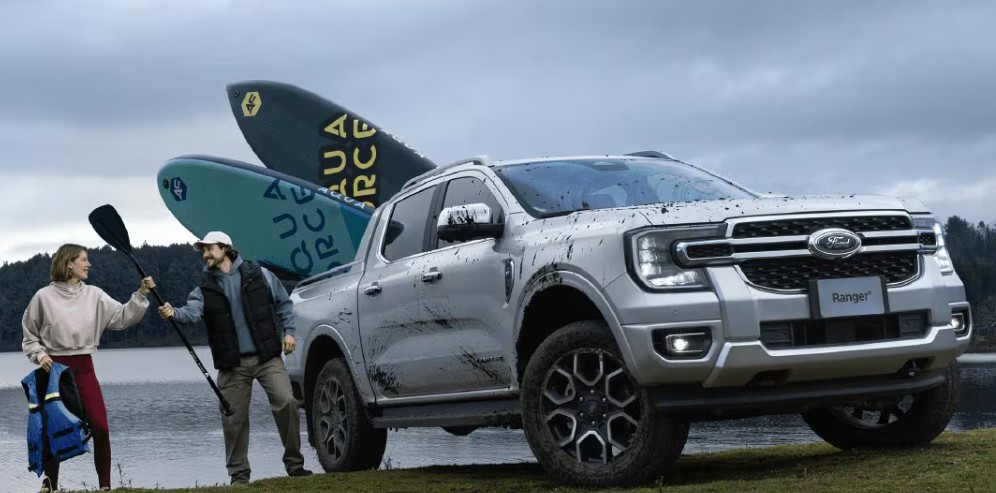
Choosing between the Ford Ranger and Ford Maverick sounds simple until we look beneath the badges. Both wear the Blue Oval. Both have four doors, useful beds, modern cabins, and enough everyday practicality to tempt SUV buyers. Yet they approach the pickup-truck formula from completely different directions.
The Maverick is the clever urban multitool. It is compact, efficient, easy to park, and designed for people who want a truck without the bulk or running costs traditionally associated with one.
The Ranger is the more traditional workhorse. It sits higher, tows considerably more, handles rough terrain with greater confidence, and feels more comfortable when life involves large trailers, difficult tracks, heavy equipment, or regular outdoor adventures.
So, which one should we choose?
That depends less on which truck is “better” and more on what we expect it to do. Buying the Ranger for occasional garden-center trips could be like wearing mountaineering boots to walk through a shopping mall. Buying the Maverick for frequent heavy towing could be like bringing a pocketknife to cut down a tree.
Let us break down the Ford Ranger versus Ford Maverick comparison and find the pickup that genuinely fits our lifestyle.
Content in this publication
- Ford Ranger Versus Ford Maverick at a Glance
- Understanding the Fundamental Difference
- Exterior Size and Road Presence
- Engine Performance and Driving Character
- Fuel Economy and Running Costs
- Towing Capacity: A Clear Ranger Victory
- Payload and Bed Utility
- Interior Space and Passenger Comfort
- Ride Quality and Everyday Driving
- Off-Road Capability
- Technology and Convenience
- Ownership Costs and Value
- Ford Ranger Versus Ford Maverick for Work
- Ford Ranger Versus Ford Maverick for Adventures
- Safety and Driver Confidence
- Potential Drawbacks of the Ford Ranger
- Potential Drawbacks of the Ford Maverick
- Which Truck Is Better for First-Time Pickup Owners?
- Ford Ranger Versus Ford Maverick: Who Should Buy Which?
- The Most Important Question to Ask Before Buying
- Final Verdict: Ford Ranger or Ford Maverick?
- Frequently Asked Questions
Ford Ranger Versus Ford Maverick at a Glance
Before diving into the finer details, here is the basic difference:
| Category | Ford Ranger | Ford Maverick |
|---|---|---|
| Pickup class | Midsize truck | Compact truck |
| Construction | Body-on-frame | Unibody |
| Best environment | Worksites, trails and towing | Cities, suburbs and daily driving |
| Maximum available towing | Up to 7,500 pounds | Up to 4,000 pounds |
| Maximum available payload | Up to 1,767 pounds | Up to 1,500 pounds |
| Fuel-saving option | Conventional turbocharged engines | Available hybrid powertrain |
| Parking ease | Manageable but relatively large | Excellent for a pickup |
| Off-road potential | Strong, especially specialized trims | Suitable for light-to-moderate adventures |
| Ride character | Truck-like and substantial | Car-like and relaxed |
| Best for | Serious truck users | Lifestyle and first-time truck buyers |
For the 2026 model year in the United States, Ford advertises a maximum available towing capacity of 7,500 pounds and a maximum available payload of 1,767 pounds for the Ranger. The Maverick offers up to 1,500 pounds of payload and can tow up to 4,000 pounds when correctly configured. Exact capacities vary by engine, trim, equipment, passengers, accessories, and cargo.
Those numbers tell us plenty, but they do not tell us everything. The real story is how each truck feels and functions in daily life.
Understanding the Fundamental Difference
The Ranger Is a Traditional Pickup
The Ford Ranger follows the classic pickup recipe. It uses body-on-frame construction, meaning the cab and bed sit on a separate structural frame. This design is widely favored for towing, hauling, off-road durability, and demanding commercial use.
That traditional layout gives the Ranger a tougher personality. We feel its height when climbing into the cabin. We notice its mass when driving through tight streets. We appreciate its strength when pulling a trailer or crossing uneven ground.
The Ranger is not enormous by full-size-truck standards, but it behaves like a serious pickup rather than a crossover with a bed.
The Maverick Thinks Differently
The Ford Maverick uses unibody construction, with the body and underlying structure integrated more like those of a crossover or passenger car.
That decision shapes almost everything about it.
The Maverick generally feels lighter, more agile, and easier to drive. It is less intimidating in traffic and more comfortable in cramped parking areas. For buyers moving from a sedan, hatchback, or compact SUV, it offers a gentle introduction to truck ownership.
It is still useful, but usefulness is packaged around everyday convenience rather than maximum muscle.
Exterior Size and Road Presence
The Ranger Looks and Feels More Substantial
Place these trucks beside each other and the difference is immediately visible. The Ranger is longer, taller, wider in stance, and more imposing. Its upright body, larger tires, and greater ground clearance give it the familiar presence of a conventional pickup.
That size provides benefits. The Ranger feels planted on rough roads and better prepared for deep ruts, steep tracks, or bulky towing duties. It also gives drivers the elevated view many truck buyers enjoy.
However, size brings compromise. Parking garages, narrow streets, older driveways, and crowded supermarket spaces can make the Ranger feel like a large suitcase in a small overhead compartment.
It will fit into normal life, but we may need to think more carefully about where we put it.
The Maverick Is the City-Friendly Truck
The Maverick’s compact proportions are one of its strongest selling points. It occupies less space, turns more easily, and feels far more natural in dense urban areas.
That matters more than specification sheets suggest.
Imagine squeezing into a parallel-parking space after work, navigating a narrow apartment garage, or making a quick three-point turn on a residential street. The Maverick handles these ordinary challenges with less drama.
It offers enough visual toughness to feel like a truck while avoiding the cumbersome dimensions that discourage many potential truck owners.
Which Truck Is Easier to Live With?
For city driving and suburban errands, the Maverick wins.
For rural roads, large properties, worksites, and open spaces, the Ranger’s size becomes less of a burden and more of an advantage.
Engine Performance and Driving Character
Ranger Performance Feels More Muscular
The Ranger is designed around stronger acceleration under load, higher towing capacity, and more demanding terrain. Depending on trim and market, buyers may find different turbocharged engine choices, while the high-performance Ranger Raptor sits at the wild end of the lineup.
The 2026 Ranger Raptor sold in the United States uses a 405-horsepower 3.0-liter EcoBoost V6, emphasizing how far the Ranger family can stretch toward serious high-speed off-road performance.
Most Ranger buyers will not need Raptor levels of power. Even the mainstream versions deliver the kind of low-speed pull and confident acceleration expected from a midsize pickup.
When we press the accelerator, the Ranger feels purposeful. It is particularly convincing when merging with traffic, climbing hills, or carrying additional weight.
The Maverick Prioritizes Efficiency and Accessibility
The Maverick’s defining powertrain advantage is the availability of hybrid propulsion. Rather than chasing maximum output, the hybrid setup focuses on smooth urban performance and lower fuel consumption.
That makes the Maverick unusual in the pickup market. It lets us carry home-improvement materials, bicycles, camping gear, or gardening supplies without accepting the fuel appetite of a larger truck.
Turbocharged gasoline configurations offer more energetic acceleration and can unlock stronger towing capability. Even so, the Maverick remains tuned primarily for everyday usability rather than heavy-duty performance.
Which One Feels Faster?
In normal traffic, both can feel responsive enough. The Ranger delivers the stronger, more forceful sensation, particularly at higher speeds or under load.
The Maverick feels lighter on its feet. It may not have the Ranger’s deep reserves of strength, but it often seems eager and nimble because it has less truck to move.
Fuel Economy and Running Costs
The Maverick Is the Efficiency Champion
This category strongly favors the Maverick, especially in hybrid form.
Ford’s compact pickup was designed partly for drivers who like the practicality of a bed but dislike the cost of feeding a conventional truck. In stop-and-go traffic, where hybrid systems can recover energy and reduce engine use, the difference can be substantial.
For commuters, delivery-based small businesses, or households using the truck as their primary vehicle, fuel savings can accumulate quickly.
We should also consider indirect savings. The Maverick’s smaller dimensions may mean:
- Less expensive tires, depending on trim
- Lower fuel spending
- Easier maneuvering and potentially less parking stress
- A lower purchase price in comparable entry-level configurations
- Less temptation to buy capability we rarely use
The Ranger Costs More to Operate but Does More
The Ranger will generally consume more fuel because it is larger, heavier, more powerful, and shaped around capability rather than maximum efficiency.
That does not make it wasteful by default. A vehicle should be judged against the job it performs. If the Ranger replaces a larger full-size truck while still meeting our towing and hauling needs, it may represent a practical middle ground.
The problem appears when we buy the Ranger for its rugged image but use it almost entirely for light commuting. In that scenario, we are paying every week for capability that remains parked beneath us.
Towing Capacity: A Clear Ranger Victory
How Much Can the Ford Ranger Tow?
The 2026 Ford Ranger offers up to 7,500 pounds of maximum available towing capacity when properly configured. Ford specifies that trailers above 3,500 pounds require the appropriate trailer-tow equipment, and the exact rating depends on vehicle configuration and loading.
That figure opens the door to larger recreational trailers, heavier boats, equipment trailers, and more demanding towing situations.
The Ranger also feels better suited to towing because of its longer, heavier, truck-based platform. Weight is not always an advantage, but when a trailer begins pushing and pulling from behind, the more substantial vehicle can feel calmer and more controlled.
How Much Can the Ford Maverick Tow?
The Maverick can tow up to 4,000 pounds when equipped with the necessary towing package and compatible configuration. Standard towing limits may be lower, so buyers should never assume that every Maverick can pull the advertised maximum.
You may be interested in reading Ford Ranger Versus Toyota Tacoma: Which Midsize Truck Wins?
Four thousand pounds is still useful. It may cover:
- Small camping trailers
- Utility trailers
- Personal watercraft
- Lightweight boats
- Motorcycles or ATVs
- Modest landscaping equipment
The Maverick is therefore not helpless. It simply operates in a lighter towing class.
When Should We Choose the Ranger for Towing?
The Ranger is the smarter choice when we tow frequently, approach the Maverick’s upper limit, travel through mountains, carry significant cargo while towing, or expect our trailer needs to grow.
Running a smaller truck at its maximum capacity regularly is rarely as relaxing as using a larger truck with breathing room.
Payload and Bed Utility
The Payload Numbers Are Surprisingly Close
Ford lists maximum available payload figures of up to 1,767 pounds for the Ranger and up to 1,500 pounds for selected Maverick configurations.
At first glance, that gap may look smaller than expected. Yet payload ratings must be interpreted carefully.
Payload includes everything added to the truck: passengers, tools, accessories, luggage, bed cargo, and trailer tongue weight. A truck carrying four adults may have far less remaining capacity for building materials than its headline number suggests.
We should always check the specific certification label on the vehicle rather than relying exclusively on an advertised maximum.
The Maverick’s Bed Is Cleverly Designed
The Maverick’s bed may be shorter and smaller, but Ford has emphasized flexible organization. It suits people who carry awkward everyday items rather than massive loads.
We can use it for:
- Bicycles
- Camping equipment
- Flat-packed furniture
- Gardening supplies
- Coolers and sports gear
- Tools for a small service business
- Home-renovation materials
Its lower loading height can also make lifting heavy bags or equipment easier.
The Ranger’s Bed Is Better for Bigger Jobs
The Ranger offers the more substantial cargo environment. It better suits large toolboxes, dirty machinery, bulky recreational equipment, and frequent worksite use.
Its greater overall capability also matters when the bed is full. A truck is not merely a box on wheels; suspension, brakes, tires, cooling, frame strength, and power delivery all influence how confidently it handles a load.
For occasional weekend projects, the Maverick is often enough. For repeated commercial or agricultural work, the Ranger is the safer long-term bet.
Interior Space and Passenger Comfort
The Maverick Feels Simple but Smart
Inside, the Maverick embraces practical design. Its cabin makes good use of modest exterior dimensions, offering useful storage areas and a straightforward layout.
It is not trying to imitate a luxury SUV in every trim. Instead, it feels honest and functional—more like a well-organized workshop than an expensive lounge.
That approach suits the truck’s personality. We can climb in with muddy shoes, place bottles and small items in accessible spaces, and use the rear area for passengers or additional cargo.
Rear-seat space is adequate for a compact pickup, though taller adults may notice that it does not offer the sprawling comfort of a larger vehicle.
The Ranger Gives Passengers More Truck Around Them
The Ranger’s larger body creates a more substantial cabin atmosphere. Ford describes the current Ranger’s interior as accommodating up to five occupants, with an available modern digital interface and comfort features depending on trim.
It feels more appropriate for longer journeys, especially when adults regularly occupy the rear seats. The higher seating position and broader sense of space can make it feel like a more serious touring vehicle.
However, neither truck should automatically be treated like a full-size crew-cab pickup. Families should physically test the rear seats, child-seat installation, and door openings before buying.
Which Is Better for a Family?
The answer depends on family size and usage.
The Maverick works brilliantly for a couple, a small family, or households in which the rear seats are used occasionally.
The Ranger may be preferable for longer road trips, growing children, regular adult passengers, and families carrying both people and heavy recreational equipment.
Ride Quality and Everyday Driving
The Maverick Drives More Like a Crossover
This is where the Maverick charms people who never thought they wanted a truck.
Its unibody structure and compact footprint help it feel composed and approachable. Steering is generally easier, body movement feels controlled, and the truck does not constantly remind us that it was designed to drag heavy equipment through the wilderness.
On broken pavement, it may feel less bouncy when the bed is empty than a traditional pickup. Around corners, it behaves predictably. On the highway, it feels familiar to drivers accustomed to compact crossovers.
The Ranger Feels Like a Real Truck—Because It Is One
The Ranger feels heavier and taller. Its ride can be firmer or more truck-like, particularly when unloaded, although modern suspension tuning keeps it far removed from the crude pickups of the past.
There is a reassuring sense of solidity. The Ranger does not dance around potholes; it tends to stride over them. Yet we will notice more body movement, a wider turning circle, and greater effort when navigating confined spaces.
For some buyers, that substantial character is exactly the appeal. For others, it becomes unnecessary friction during the daily commute.
Off-Road Capability
The Ranger Is the Serious Trail Machine
When the pavement ends, the Ranger takes control of this comparison.
Its body-on-frame construction, available four-wheel-drive systems, greater ground clearance, and off-road-focused variants give it a broader capability envelope. Depending on trim, equipment may include terrain-management features, protective hardware, locking differentials, specialized suspension, and multiple drive modes.
The Ranger Raptor pushes this formula further with a powerful V6, reinforced suspension hardware, and selectable modes designed for challenging terrain.
The Ranger is better suited to:
- Rocky trails
- Deep mud
- Steep climbs
- Difficult farm access
- Remote campsites
- Repeated off-road use
- Higher-speed desert-style driving in specialized trims
The Maverick Can Still Get Dirty
We should not dismiss the Maverick as a pavement-only vehicle. Properly equipped versions can handle gravel roads, snow, wet fields, forest tracks, and moderate trails.
Its compact size can even become an advantage on narrow routes where a larger truck feels clumsy.
Still, the Maverick’s lower-duty architecture and lighter components mean we should approach difficult terrain with realistic expectations. It is an adventure companion, not a mountain goat wearing steel armor.
Which One Is Better in Snow?
Both can perform well with the appropriate drivetrain and, more importantly, the correct tires.
The Maverick’s manageable size and available all-wheel-drive configurations make it appealing for snowy urban and suburban use. The Ranger’s available four-wheel drive, ground clearance, and heavier-duty hardware make it more suitable for deeper snow, unplowed routes, and remote travel.
Technology and Convenience
Both trucks offer modern infotainment, smartphone integration, driver-assistance technology, and connected features, although availability varies by trim and model year.
The more important distinction is how the technology supports each truck’s purpose.
Maverick Technology Serves Daily Life
In the Maverick, technology tends to make commuting and routine ownership easier. Its approachable controls, efficient powertrain information, available driver aids, and practical cabin features support ordinary journeys.
This is the truck we can lend to a family member without delivering a ten-minute lecture on its dimensions.
Ranger Technology Supports Capability
The Ranger adds technology that becomes useful when towing, driving off-road, or maneuvering a larger vehicle. Depending on equipment, buyers may find camera views, trail-oriented systems, towing assistance, selectable drive modes, and more advanced digital displays.
These features are not merely toys when the truck is used seriously. A well-positioned camera can prevent expensive damage on a trail, while towing aids can reduce stress at a crowded launch ramp.
Ownership Costs and Value
Why the Maverick Usually Costs Less
The Maverick is positioned as the more affordable gateway into Ford truck ownership. Its potential savings extend beyond the initial price.
You may be interested in readingFord Ranger Versus Toyota Tacoma: Which Midsize Truck Wins?You may be interested in reading
Ford Ranger Versus Chevy Colorado: Which Midsize Truck Wins?We may spend less on:
- Fuel
- Tires
- Certain routine maintenance items
- Insurance, depending on driver and location
- Financing
- Urban parking
- Accessories needed to make it manageable
Because it is easier to use every day, the Maverick may also deliver greater practical value for owners who rarely tow heavy loads.
Why Paying More for the Ranger Can Make Sense
The Ranger costs more because it provides more structural capability, stronger towing performance, greater off-road potential, and a larger overall package.
For someone who needs those strengths, buying the Ranger may be less expensive than purchasing an undersized truck and replacing it later.
Capability has value when we use it. It becomes costly decoration when we do not.
Ford Ranger Versus Ford Maverick for Work
Choose the Maverick for Light-Duty Businesses
The Maverick can be a superb business vehicle for:
- Property inspectors
- Photographers
- Mobile technicians
- Garden-maintenance services
- Small delivery operations
- Real-estate professionals
- Cleaning companies
- Pool-service providers
It offers an open bed for dirty equipment while retaining the fuel efficiency and maneuverability needed for daily appointments.
For businesses operating mainly in cities, the Maverick may save time as well as fuel.
Choose the Ranger for Demanding Work
The Ranger is the better match for:
- Construction
- Farming
- Heavy landscaping
- Equipment transport
- Rural maintenance
- Regular trailer use
- Remote-site access
- Utility work
It provides a larger safety and capability margin when tools, passengers, cargo, and trailers all arrive at once.
A Useful Rule for Commercial Buyers
We should calculate the heaviest realistic working day—not the lightest average day.
Add the weight of passengers, accessories, permanent toolboxes, cargo, and trailer tongue load. That total often reveals whether the compact Maverick remains suitable or whether the Ranger is the more responsible choice.
Ford Ranger Versus Ford Maverick for Adventures
For camping, surfing, cycling, fishing, and weekend escapes, either truck can work brilliantly.
The Maverick is ideal when the journey includes long highway sections, urban parking, and relatively light equipment. It gives us a bed for muddy gear without turning the Monday commute into a fuel-burning expedition.
The Ranger becomes more attractive when adventure means remote trails, a larger boat, a heavier camper, deep snow, or difficult access roads.
Think of the Maverick as a comfortable hiking shoe. It is versatile, light, and suited to most recreational outings.
The Ranger is a rugged boot. It is heavier and less subtle, but when the path becomes rough, we understand why we brought it.
Safety and Driver Confidence
Modern safety equipment depends on trim, package, and market, so buyers should compare specific vehicles rather than assuming every example includes the same systems.
Commonly available technologies across modern Ford trucks may include:
- Automatic emergency braking
- Blind-spot monitoring
- Lane-support features
- Rear parking assistance
- Adaptive cruise control on selected trims
- Reversing cameras
- Trailer-related monitoring or assistance
The Maverick’s compact size naturally improves visibility and maneuverability in crowded environments.
The Ranger’s commanding driving position can inspire confidence on highways and rural roads, but its larger dimensions require greater awareness near pedestrians, cyclists, low obstacles, and tight parking spaces.
No electronic system replaces careful driving. A camera can show us a hidden object, but it cannot make a rushed decision sensible.
Potential Drawbacks of the Ford Ranger
The Ranger’s strengths produce several disadvantages:
- Higher purchase and operating costs
- Greater fuel consumption
- More difficult urban parking
- A more truck-like ride
- Larger tires and potentially higher replacement costs
- More capability than many commuters need
- Less convenient loading height
We should also resist buying a specialized off-road trim purely for appearance. Aggressive tires and performance suspension may look exciting but can introduce additional noise, cost, or compromise during routine road use.
Potential Drawbacks of the Ford Maverick
The Maverick also asks us to accept limitations:
- Lower maximum towing capacity
- Less confidence with heavy trailers
- Smaller bed and cabin
- Reduced suitability for severe off-roading
- Fewer reserves for expanding business needs
- Less traditional truck feel
- Payload can disappear quickly once passengers and accessories are added
Its affordability can also encourage buyers to add packages and high trims until the price approaches larger trucks. At that point, we should pause and compare capability rather than becoming hypnotized by the options list.
Which Truck Is Better for First-Time Pickup Owners?
For most first-time pickup buyers, the Maverick is easier to recommend.
It requires fewer lifestyle adjustments. We do not need to relearn parking, tolerate dramatically higher fuel costs, or wrestle with an oversized vehicle on every grocery run.
The Maverick lets us discover whether we genuinely benefit from an open bed. Many owners will realize it provides all the truck they need.
The Ranger makes sense for first-time owners who already know their requirements. If we have a large trailer, a rural property, an off-road hobby, or a job involving heavy equipment, starting with the more capable platform avoids frustration.
Ford Ranger Versus Ford Maverick: Who Should Buy Which?
Buy the Ford Maverick When:
- We drive mainly in cities or suburbs.
- Fuel economy is a major priority.
- We want an available hybrid pickup.
- We rarely tow more than a lightweight trailer.
- We carry bikes, tools, furniture, or garden supplies.
- Easy parking matters every day.
- We want a truck that drives more like a crossover.
- We are buying our first pickup.
- Lower ownership costs matter more than maximum capability.
Buy the Ford Ranger When:
- We tow frequently or need more capacity.
- We regularly travel off-road.
- We carry heavier equipment.
- We need a more durable commercial platform.
- We prefer a traditional truck driving position.
- We live in a rural or remote area.
- We expect our towing or hauling needs to grow.
- We want access to serious off-road variants.
- Capability matters more than compact dimensions.
The Most Important Question to Ask Before Buying
Do we need a truck for what we actually do—or for the person we imagine becoming on weekends?
That question can save thousands.
It is easy to picture ourselves pulling a large camper through the mountains, crossing muddy trails, and loading the bed with construction supplies. Our real calendar may show a daily commute, two annual camping trips, and occasional furniture shopping.
There is nothing wrong with buying the truck we simply enjoy. Vehicles are emotional purchases as well as practical tools. We should only recognize when emotion is asking us to pay for unused size, fuel, and capability.
Likewise, choosing the Maverick solely because it costs less can backfire if we repeatedly strain its towing and payload limits. The right truck should make our hardest normal task feel comfortable—not merely possible.
Final Verdict: Ford Ranger or Ford Maverick?
The Ford Ranger wins on traditional truck capability. It tows more, tackles difficult terrain more confidently, offers stronger performance options, and suits buyers who genuinely need a hardworking midsize pickup.
The Ford Maverick wins on everyday intelligence. It is easier to park, potentially far more efficient, less intimidating, and remarkably useful for a compact vehicle. For commuters, homeowners, small-business operators, and casual adventurers, it may be the more rational choice.
Our verdict is simple:
Choose the Ford Maverick when we want a practical everyday vehicle that happens to have a pickup bed.
Choose the Ford Ranger when we want a genuine work-and-adventure pickup that can also handle everyday driving.
The Ranger is the stronger hammer. The Maverick is the smarter multitool. The winner depends on whether our life is filled with heavy nails or a hundred smaller jobs.
Frequently Asked Questions
1. Is the Ford Ranger bigger than the Ford Maverick?
Yes. The Ranger is a midsize body-on-frame pickup, while the Maverick is a smaller unibody compact pickup. The Ranger has a more imposing stance and is generally better suited to towing, off-roading, and heavy-duty use. The Maverick is easier to maneuver and park.
2. Which is more fuel-efficient, the Ranger or Maverick?
The Maverick is generally more fuel-efficient, particularly with its available hybrid powertrain. The Ranger is heavier and designed around greater towing, hauling, and off-road capability, so it normally uses more fuel.
3. Can the Ford Maverick tow a camper?
Yes, provided the camper falls within the exact truck’s rated towing capacity. Properly configured Maverick models can tow up to 4,000 pounds, but passengers, cargo, equipment, and trailer tongue weight must also be considered.
4. Is the Ford Ranger better for off-roading?
Yes. The Ranger’s traditional truck construction, available four-wheel drive, ground clearance, and specialized off-road trims make it better suited to challenging terrain. The Maverick can handle light trails and poor weather when appropriately equipped, but it is not designed for the same level of punishment.
5. Is the Maverick a real truck?
Yes. It has a separate cargo bed, meaningful payload capacity, available towing capability, and the versatility expected from a pickup. It simply uses a crossover-like unibody structure rather than the Ranger’s body-on-frame design. Calling it a “real truck” depends less on tradition and more on whether it performs the work we need.
You may be interested in readingFord Ranger Versus Toyota Tacoma: Which Midsize Truck Wins?You may be interested in reading
Ford Ranger Versus Chevy Colorado: Which Midsize Truck Wins?You may be interested in reading
Ford Ranger Similar Trucks: The Best Alternatives ComparedIf you want to know other articles similar to Ford Ranger Versus Ford Maverick: Which Pickup Fits Your Life? you can visit the category Models.
BYD Shark 6 2025 vs 2026: What Actually Changed?
BMW i7 vs Porsche Taycan: Luxury EVs With Very Different Personalities
BMW i7 vs 7 Series: Which BMW Flagship Makes More Sense?
BMW i7 vs Mercedes EQS: The Ultimate Luxury EV Comparison
BMW i7 vs M760e: Electric Luxury or Plug-In Hybrid Power?
NFINITI QX60 or Similar: Luxury SUVs Worth Comparing
Leave a Reply
More content of your interest