

Ford Ranger Similar Trucks: The Best Alternatives Compared

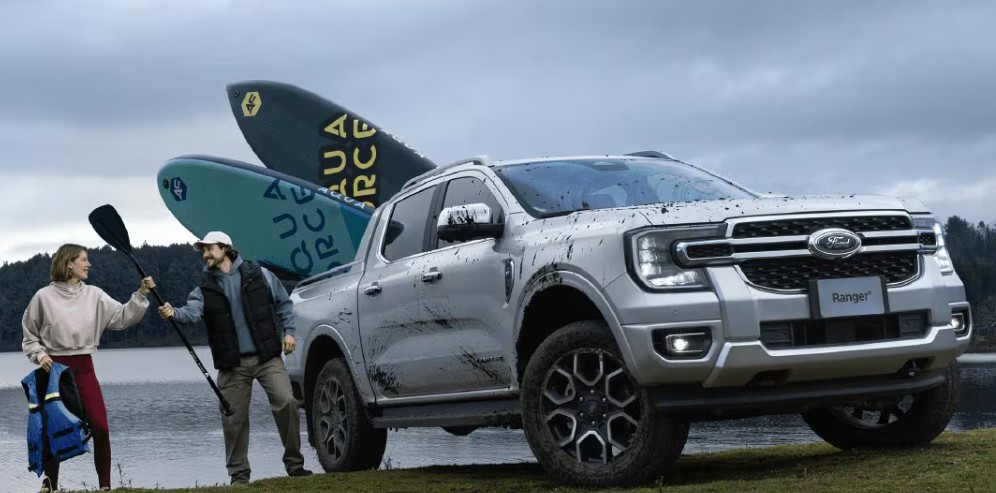
The Ford Ranger occupies one of the most useful corners of the pickup market. It is large enough to tow, haul, explore, and handle demanding jobs, yet it remains more manageable than a full-size truck. That balanced character explains why so many buyers search for a Ford Ranger similar vehicle rather than immediately jumping into something larger.
But what actually makes another truck similar to the Ranger?
It is not simply a matter of matching dimensions. A genuine Ford Ranger alternative should offer a comparable blend of towing ability, payload capacity, off-road confidence, passenger comfort, technology, and everyday usability. Some competitors imitate that formula closely. Others lean harder toward work, luxury, efficiency, or wilderness adventures.
In this guide, we compare the strongest Ford Ranger rivals, explain where each one excels, and help determine which midsize pickup fits different types of buyers.
Content in this publication
- What Type of Truck Is Similar to the Ford Ranger?
- Why Buyers Look for Ford Ranger Alternatives
- Ford Ranger Overview: The Benchmark
- Toyota Tacoma: The Closest American Rival
- Chevrolet Colorado: The Towing-Focused Alternative
- Nissan Frontier: The Traditional Choice
- Toyota Hilux: The Global Workhorse
- Isuzu D-Max: A Practical and Dependable Rival
- Mitsubishi Triton: The Value-Conscious Alternative
- Volkswagen Amarok: The Ranger’s Sophisticated Relative
- Mazda BT-50: A Refined Isuzu-Based Option
- Nissan Navara: A Comfortable Global Competitor
- Jeep Gladiator: The Adventure-First Alternative
- GMC Canyon: The More Premium Colorado
- Ford Maverick: A Smaller and More Efficient Alternative
- Ford F-150: The Larger Step Up
- Which Ford Ranger Similar Truck Is Best for Towing?
- Which Ranger Alternative Is Best Off Road?
- Which Similar Truck Is Best for Daily Driving?
- Which Ford Ranger Competitor Is Most Reliable?
- How to Choose the Right Ranger Alternative
- Best Ford Ranger Alternatives by Buyer Type
- Final Verdict: What Is Most Similar to a Ford Ranger?
- Frequently Asked Questions
What Type of Truck Is Similar to the Ford Ranger?
The Ranger belongs to the midsize pickup category. That places it between compact lifestyle trucks, such as the Ford Maverick, and full-size workhorses, such as the Ford F-150.
A similar truck will normally provide:
- A separate cargo bed
- Body-on-frame construction
- Rear-wheel drive or four-wheel drive
- Serious towing capability
- Useful payload capacity
- Double-cab or crew-cab availability
- Off-road-focused trim levels
- Enough comfort for everyday driving
The exact Ranger formula varies by country. North American models emphasize turbocharged gasoline engines, while many international Rangers are sold with diesel engines and different cab or chassis configurations.
That distinction matters. A Toyota Tacoma may be the most obvious alternative in the United States, while a Toyota Hilux, Isuzu D-Max, Mitsubishi Triton, or Volkswagen Amarok may be more relevant in Australia, New Zealand, Europe, Africa, or parts of Asia.
Why Buyers Look for Ford Ranger Alternatives
The Ranger is remarkably well rounded, but no truck is perfect for everyone.
Some buyers want a naturally aspirated engine rather than a turbocharged one. Others prioritize maximum towing, a simpler work-oriented cabin, better fuel economy, stronger resale value, or a more aggressive off-road package.
Price and availability also play major roles. A desirable Ranger trim can become expensive once four-wheel drive, towing equipment, driver-assistance technology, and premium interior features are added.
Searching beyond the Ford showroom may uncover a truck that fits your lifestyle more naturally.
The Main Reasons to Consider Another Truck
A competing pickup may offer:
- A lower purchase price
- A longer standard equipment list
- A preferred engine or transmission
- Better dealership coverage in your region
- Greater towing or payload capacity
- A more comfortable rear seat
- More specialized off-road hardware
- Stronger long-term resale values
- A longer cargo bed
- A simpler work-truck configuration
The trick is identifying which characteristics genuinely matter to us. Buying a pickup based only on its toughest-looking photograph is like choosing hiking boots because the laces look adventurous. The real test begins after we start using them.
Ford Ranger Overview: The Benchmark
The modern Ranger combines traditional pickup construction with the technology and refinement expected from a contemporary family vehicle.
In the United States, the 2026 Ranger offers a maximum available towing capacity of 7,500 pounds and a maximum available payload of 1,767 pounds, although actual figures depend on engine, drivetrain, trim, and equipment.
Those numbers place it near the front of the midsize category without turning it into a cumbersome full-size truck.
The Ranger also stands out because its range can serve very different buyers. A basic version can work as a practical daily pickup, while a Ranger Raptor brings specialized suspension, increased performance, and serious off-road personality.
What the Ranger Does Particularly Well
The Ranger’s greatest advantage is balance.
It does not necessarily dominate every category, but it performs strongly in nearly all of them. It can carry a family, tow recreational equipment, travel on rough tracks, and still fit into spaces that would make an F-150 feel like a ship entering a narrow canal.
Its turbocharged engines provide useful low-end torque, while the available towing and camera technologies reduce some of the stress associated with trailers.
Where the Ranger May Fall Short
Depending on trim and market, potential disadvantages can include:
- A higher price than basic work-focused competitors
- A firm ride when the bed is empty
- Limited rear-seat space compared with some larger pickups
- Complex electronic systems
- Expensive high-performance versions
- Fewer body configurations in certain countries
These are not universal deal-breakers. They simply create space for rivals to make their case.
Toyota Tacoma: The Closest American Rival
For North American buyers, the Toyota Tacoma is usually the first truck placed beside the Ford Ranger.
Both are midsize body-on-frame pickups with strong brand recognition, multiple trim levels, four-wheel-drive options, and dedicated off-road variants. Both are intended to work during the week and disappear into the mountains on Saturday morning.
The 2026 Tacoma can tow up to 6,500 pounds and carry a payload of up to 1,705 pounds when properly configured. Toyota also offers towing aids such as an integrated trailer brake controller and Trailer Backup Guide on selected versions.
Tacoma Strengths
The Tacoma appeals to buyers who value:
- A broad range of adventure-oriented trims
- Toyota’s established pickup reputation
- Strong resale appeal
- Gasoline and hybrid powertrain availability
- Extensive aftermarket support
- Specialized off-road models
- Distinctive, rugged styling
Its cabin feels modern and purposeful, particularly in higher trims. Meanwhile, the aftermarket offers enough bumpers, racks, suspension kits, wheels, tents, lights, and recovery gear to transform a Tacoma into almost anything.
Ranger vs Tacoma
Choose the Ranger when stronger maximum towing capacity, punchy turbocharged performance, or a more road-oriented driving character matters most.
Choose the Tacoma when modification potential, hybrid availability, adventurous trim variety, or long-term brand loyalty takes priority.
The rivalry is close. The better truck depends less on a scoreboard and more on how we intend to use it.
Chevrolet Colorado: The Towing-Focused Alternative
The Chevrolet Colorado is another direct Ranger competitor in North America.
It follows a familiar recipe: body-on-frame construction, turbocharged power, crew-cab practicality, and trims ranging from everyday transportation to aggressive off-road machinery.
Chevrolet lists maximum available towing of 7,700 pounds for the Colorado, placing properly equipped versions slightly ahead of the conventional Ranger’s 7,500-pound maximum.
Why the Colorado Stands Out
The Colorado is attractive because it feels focused. Its engine produces substantial torque, its cabin technology is competitive, and its off-road lineup offers several levels of capability rather than one token appearance package.
Depending on the model, buyers can choose increasingly adventurous versions, including trims designed for desert travel, rocky terrain, and more technical trails.
Ranger vs Colorado
The Colorado may be preferable for buyers who want:
- Maximum midsize towing capacity
- Strong standard engine output
- Bold exterior styling
- Multiple off-road trim choices
- A modern infotainment-focused cabin
The Ranger may feel more balanced and familiar, particularly for buyers who already like Ford’s controls, towing systems, or broader truck ecosystem.
Think of the Colorado as the Ranger’s louder gym partner. It walks into the room flexing, but underneath the attitude is a genuinely capable machine.
Nissan Frontier: The Traditional Choice
The Nissan Frontier takes a slightly different path.
While many competitors have embraced smaller turbocharged engines or hybrid systems, the Frontier retains the appeal of a conventional V6. Its 3.8-liter engine produces 310 horsepower, and properly configured 2026 models can tow up to 7,150 pounds.
That makes it a compelling option for drivers who prefer straightforward mechanical character.
Frontier Strengths
The Frontier offers:
- A standard naturally aspirated V6
- Strong horsepower
- A fully boxed ladder frame
- Relatively simple trim choices
- Useful towing capacity
- Traditional pickup styling
- The off-road-oriented PRO-4X model
The engine’s linear power delivery can feel more predictable than a smaller turbocharged unit. There is no waiting for boost or wondering how a heavily stressed small engine will feel under load.
Ranger vs Frontier
The Ranger generally offers a broader performance range, greater maximum towing capability, and more advanced versions at the top of the lineup.
The Frontier counters with mechanical familiarity and a truck-like personality that many owners still appreciate.
You may be interested in reading GMC Sierra vs Canyon: Which GMC Truck Fits You Best?
It feels less like a laptop wearing work boots and more like a traditional pickup that has learned how to use a touchscreen.
Toyota Hilux: The Global Workhorse
Outside North America, the Toyota Hilux is one of the most important Ford Ranger alternatives.
Its reputation has been built over decades of demanding commercial, agricultural, military, and recreational use. It is available in numerous configurations, including basic single-cab work models and well-equipped double-cab lifestyle versions.
The Hilux is not always the smoothest, fastest, or most luxurious pickup in its segment. That is partly the point. Its identity revolves around toughness, simplicity, and durability.
Why Buyers Choose the Hilux
Common reasons include:
- A long-established reliability reputation
- Strong resale values in many markets
- Extensive dealer and parts support
- Proven diesel engine options
- Multiple cab and chassis configurations
- Excellent suitability for remote regions
- A huge accessory market
Ranger vs Hilux
The Ranger often feels more powerful, refined, spacious, and technologically advanced.
The Hilux often feels simpler and more utilitarian. Buyers operating in isolated areas may value its familiarity, parts availability, and long-standing reputation more than an extra layer of cabin technology.
The Ranger is like a sophisticated multitool. The Hilux is more like a heavy steel hammer. One does more things elegantly; the other earns trust by continuing to swing.
Isuzu D-Max: A Practical and Dependable Rival
The Isuzu D-Max is a strong contender for buyers who prioritize work capability, efficiency, and diesel durability.
Isuzu does not attempt to disguise the D-Max as a sports car with a cargo bed. It remains proudly truck-like, although newer versions provide significantly more comfort, safety equipment, and infotainment technology than earlier models.
What Makes the D-Max Attractive?
The D-Max is commonly praised for:
- A durable diesel-focused powertrain
- Sensible running costs
- Strong work credentials
- Competitive towing ability
- Useful payload capacity
- Straightforward controls
- A growing range of lifestyle trims
Its appeal is especially clear for rural owners, tradespeople, fleets, and long-distance travelers who care more about dependability than acceleration statistics.
Ranger vs D-Max
The Ranger generally delivers stronger performance, a more polished interior, and a wider selection of premium or performance-oriented variants.
The D-Max fights back with simplicity and value. It may not arrive at the campsite first, but it gives the impression that it would still be running after everyone else has gone home.
Mitsubishi Triton: The Value-Conscious Alternative
The Mitsubishi Triton, known as the L200 in some regions, often undercuts the Ranger while still providing genuine four-wheel-drive ability and practical towing capacity.
Newer generations have become larger, stronger, and more refined, moving the Triton closer to the Ranger in size and everyday usability.
Triton Advantages
Depending on the market and configuration, its strengths may include:
- Competitive pricing
- Manageable exterior dimensions
- Diesel efficiency
- Proven four-wheel-drive systems
- Good standard equipment
- A comfortable double-cab layout
- Strong warranty coverage in certain countries
Ranger vs Triton
The Ranger tends to feel more premium and offers greater performance breadth. Its cabin, engine choices, and high-end models may also be more appealing to lifestyle buyers.
The Triton makes sense when we want the essential abilities of a midsize pickup without paying for every luxury or performance feature.
It is the sensible hiking backpack beside the Ranger’s feature-loaded expedition pack. Both can reach the summit; one simply carries fewer gadgets.
Volkswagen Amarok: The Ranger’s Sophisticated Relative
The current Volkswagen Amarok is especially interesting because it shares major underpinnings with the global Ford Ranger.
That relationship makes it one of the most genuinely similar trucks available. Yet Volkswagen has given the Amarok its own styling, cabin presentation, equipment structure, and brand personality.
What Separates the Amarok?
The Amarok often emphasizes:
- Premium interior presentation
- Road-trip comfort
- Distinctive Volkswagen styling
- Powerful diesel engine choices in applicable markets
- Strong towing ability
- Lifestyle-oriented trim levels
- A more upscale image
Ranger vs Amarok
Underneath, the two trucks may be close relatives, but their personalities differ.
The Ranger projects an adventurous, work-ready Ford identity. The Amarok tends to feel more restrained and European, particularly inside.
Choosing between them can come down to pricing, local dealer support, warranty terms, equipment packaging, and personal taste. It is a little like choosing between two houses built on the same foundation: the floor plan is familiar, but the furniture changes the mood.
Mazda BT-50: A Refined Isuzu-Based Option
The Mazda BT-50 offers another interesting interpretation of the midsize pickup.
Current versions in many markets share their basic platform and diesel powertrain with the Isuzu D-Max. Mazda then adds unique exterior design, trim, equipment choices, and a more lifestyle-focused presentation.
Why Consider the BT-50?
The BT-50 may suit buyers who want:
- Proven D-Max foundations
- More elegant exterior styling
- A comfortable cabin
- Practical diesel performance
- Competitive towing capacity
- Strong safety equipment
- A less common alternative to mainstream pickups
Ranger vs BT-50
The Ranger normally offers greater performance variety and a more extensive trim hierarchy.
The BT-50 feels calmer and less aggressive. It can be an excellent choice for owners who need genuine pickup capability but do not want their truck to look as though it is permanently challenging every traffic light to a duel.
In markets where the Nissan Frontier is not sold, the Nissan Navara may occupy a similar position.
The Navara combines diesel power, double-cab practicality, and respectable off-road capability. Certain versions have also used rear suspension arrangements designed to improve ride comfort compared with more traditional leaf-sprung pickups.
It can suit:
- Drivers who spend substantial time on paved roads
- Families using a pickup as their primary vehicle
- Buyers seeking diesel torque
- Owners who tow recreational equipment
- Customers with strong local Nissan support
- Drivers wanting an alternative to the Hilux-Ranger rivalry
The Ranger may offer stronger engines, more sophisticated technology, and a fresher overall package, depending on the model year and market.
The Navara can remain attractive as a comfortable, proven, and potentially more affordable choice.
Jeep Gladiator: The Adventure-First Alternative
The Jeep Gladiator competes with the Ranger in size and capability, but its mission is different.
It is essentially an open-air adventure vehicle with a pickup bed. Removable roof panels, removable doors, solid axles, and Jeep’s off-road heritage give it a personality no conventional Ranger trim fully copies.
Gladiator Strengths
The Gladiator stands out through:
- Exceptional trail-oriented hardware
- Removable roof and doors
- Distinctive Jeep styling
- Strong aftermarket support
- Solid front and rear axles
- Dedicated off-road trims
- Genuine lifestyle appeal
Ranger vs Gladiator
Choose the Ranger for more conventional daily comfort, stronger mainstream pickup manners, and a broader work-and-family balance.
Choose the Gladiator when outdoor character, technical off-roading, and open-air driving matter more than refinement.
The Gladiator is not necessarily the most rational Ranger alternative. Then again, nobody removes a vehicle’s doors because logic demanded it.
The GMC Canyon shares its foundation and much of its engineering with the Chevrolet Colorado but presents itself as the more upscale option.
It blends strong turbocharged performance with rugged styling, generous technology, and premium trims.
Why Choose the Canyon?
The Canyon may appeal to buyers seeking:
- Colorado capability with a more premium image
- A well-equipped standard specification
- Strong towing performance
- Advanced camera technology
- Luxury-oriented trim options
- Serious off-road variants
Ranger vs Canyon
A Ranger may provide broader pricing flexibility, while the Canyon often begins with more equipment and a higher-end atmosphere.
You may be interested in readingGMC Sierra vs Canyon: Which GMC Truck Fits You Best?You may be interested in reading
GMC Sierra vs Denali: What Is the Real Difference?The decision is partly emotional. The Ranger looks ready to work. The Canyon looks ready to work after checking into a boutique hotel.
Ford Maverick: A Smaller and More Efficient Alternative
The Ford Maverick is not a direct Ranger rival, but it deserves consideration because many buyers overestimate how much truck they actually need.
Unlike the body-on-frame Ranger, the Maverick uses car-like unibody construction. It is smaller, easier to park, typically more efficient, and available with a hybrid powertrain.
When the Maverick Makes More Sense
Consider it when:
- Most driving takes place in cities
- The bed will carry light household cargo
- Maximum towing is unnecessary
- Fuel economy matters more than off-road articulation
- Parking space is limited
- Purchase price is a major concern
Ranger vs Maverick
The Ranger is the better tool for heavy towing, rough tracks, larger payloads, and traditional pickup work.
The Maverick is better for urban commuting, weekend projects, bicycles, camping equipment, and occasional hauling.
Buying a Ranger for two bags of garden soil is like wearing mountaineering boots to walk through a shopping mall. Capable? Certainly. Necessary? Probably not.
Ford F-150: The Larger Step Up
At the opposite end of the spectrum sits the Ford F-150.
It offers greater cabin space, more engine choices, higher towing limits in suitable configurations, and a broader selection of work, luxury, and performance models.
When an F-150 Is Worth Considering
A full-size truck may be better when we regularly need:
- More rear-seat room
- A wider or longer cargo bed
- Higher towing capacity
- Greater payload flexibility
- More engine choices
- Full-size interior storage
- Heavy-duty work accessories
Ranger vs F-150
The Ranger is easier to maneuver, park, and drive on narrow roads. It is also more appropriately sized for many international cities and trails.
The F-150 offers more capability and comfort but demands more physical space. Before upgrading, measure the garage—not just the trailer.
Which Ford Ranger Similar Truck Is Best for Towing?
For North American midsize trucks, the Chevrolet Colorado and GMC Canyon are particularly strong towing choices, with available ratings reaching 7,700 pounds. The conventional 2026 Ranger follows closely at up to 7,500 pounds, while the 2026 Nissan Frontier reaches up to 7,150 pounds and the 2026 Tacoma reaches up to 6,500 pounds. Actual limits vary by configuration and equipment.
Outside North America, several diesel pickups are commonly rated to tow around 3,500 kilograms when correctly configured, although local rules, trailer brakes, gross combination mass, and model specifications must always be checked.
Do Not Shop by the Maximum Number Alone
Maximum towing figures often apply only to particular versions.
Before buying, confirm:
- Engine
- Drivetrain
- Cab style
- Axle ratio
- Tow package
- Gross vehicle mass
- Gross combination mass
- Payload remaining after passengers and accessories
- Maximum tow-ball or tongue weight
A truck may technically tow a heavy trailer while having little payload capacity left for passengers, luggage, accessories, and hitch weight.
Which Ranger Alternative Is Best Off Road?
There is no single answer because off-road driving takes many forms.
For slow, technical terrain, the Jeep Gladiator’s axle design and specialized trims are compelling. For high-speed desert travel, models such as the Ranger Raptor and specialized Colorado variants may be more suitable. The Tacoma offers several highly capable trail-focused configurations and enormous aftermarket support.
Internationally, the Hilux, D-Max, Triton, Navara, Amarok, and BT-50 can all become serious touring vehicles with the right tires, suspension, protection, recovery points, and driver training.
Off-Road Equipment That Matters
Look beyond stickers and black wheels. Useful hardware includes:
- Low-range four-wheel drive
- Locking differentials
- Underbody protection
- Suitable all-terrain tires
- Strong recovery points
- Adequate ground clearance
- Hill-descent control
- Off-road camera views
- Appropriate approach and departure angles
A dramatic badge does not create traction. Tires, gearing, clearance, and driver judgment do.
Which Similar Truck Is Best for Daily Driving?
For everyday use, the best choice depends on road conditions and passenger needs.
The Ranger, Colorado, Canyon, Tacoma, and Amarok generally provide a strong blend of modern technology and pickup capability. The Maverick is easier to operate in crowded cities, while the BT-50 and Navara can appeal to drivers seeking a calmer lifestyle-oriented truck.
Test rear-seat access and comfort before buying. Crew-cab trucks may look spacious from outside, but seat angle, floor height, legroom, and door opening size can make a major difference.
Also drive the truck without cargo. Leaf-sprung pickups sometimes ride very differently when their beds are empty.
Which Ford Ranger Competitor Is Most Reliable?
Reliability cannot be reduced to one badge or one internet story.
A vehicle’s long-term dependability depends on:
- Model year
- Engine and transmission
- Maintenance quality
- Driving environment
- Towing frequency
- Modifications
- Fuel and lubricant quality
- Previous ownership
- Dealer expertise
- Parts availability
The Hilux, D-Max, Tacoma, Frontier, and Ranger all have loyal owners, but each range contains stronger and weaker combinations.
A well-maintained truck with documented servicing is usually a safer used purchase than a neglected example from a supposedly unbeatable brand.
How to Choose the Right Ranger Alternative
Start by describing your real usage rather than your imagined lifestyle.
Ask these questions:
- How often will we tow?
- What is the trailer’s fully loaded weight?
- How much payload do we genuinely need?
- Will passengers regularly use the rear seats?
- Do we drive in cities or remote regions?
- Is fuel economy a major priority?
- Do we need low-range four-wheel drive?
- Which brands have strong local service support?
- How long do we plan to keep the truck?
- Are modifications part of the plan?
Then test-drive at least three competitors.
A specification sheet cannot reveal seat comfort, steering feel, visibility, throttle response, transmission behavior, road noise, or whether the touchscreen irritates us within five minutes.
Best Ford Ranger Alternatives by Buyer Type
For a fast overview, these are the most logical matches:
- Best close American rival: Toyota Tacoma
- Best for maximum midsize towing: Chevrolet Colorado or GMC Canyon
- Best traditional V6 option: Nissan Frontier
- Best global workhorse: Toyota Hilux
- Best diesel-focused practical choice: Isuzu D-Max
- Best value-oriented alternative: Mitsubishi Triton
- Most closely related premium alternative: Volkswagen Amarok
- Best open-air off-roader: Jeep Gladiator
- Best smaller urban pickup: Ford Maverick
- Best larger upgrade: Ford F-150
- Best understated lifestyle option: Mazda BT-50
- Best comfort-focused global alternative: Nissan Navara
Final Verdict: What Is Most Similar to a Ford Ranger?
The answer changes by country and purpose.
In North America, the Toyota Tacoma, Chevrolet Colorado, GMC Canyon, and Nissan Frontier are the closest direct competitors. The Tacoma offers a vast adventure ecosystem, the Colorado and Canyon emphasize power and towing, and the Frontier delivers traditional V6 character.
In global markets, the Toyota Hilux, Isuzu D-Max, Mitsubishi Triton, Volkswagen Amarok, Mazda BT-50, and Nissan Navara are the most relevant alternatives. The Amarok is particularly close to the Ranger mechanically, while the Hilux and D-Max appeal strongly to durability-focused buyers.
The Ranger remains one of the category’s best all-rounders. It combines useful towing, modern powertrains, daily comfort, technology, and genuine off-road potential without becoming full-size.
Still, the best pickup is not automatically the truck with the largest screen, boldest grille, or highest maximum rating. It is the one that matches our roads, workload, passengers, trailer, budget, and ownership plans.
Choose the tool that fits the job. Everything else is chrome.
Frequently Asked Questions
What truck is most similar to a Ford Ranger?
In the United States, the Toyota Tacoma, Chevrolet Colorado, GMC Canyon, and Nissan Frontier are the most similar. Internationally, the Toyota Hilux, Volkswagen Amarok, Isuzu D-Max, Mitsubishi Triton, Mazda BT-50, and Nissan Navara are close alternatives.
Is the Toyota Tacoma better than the Ford Ranger?
The Tacoma may be better for buyers who prioritize off-road trim variety, hybrid availability, aftermarket accessories, and strong resale appeal. The Ranger may be preferable for its higher conventional maximum towing capacity, turbocharged performance, and balanced road manners.
Is the Chevrolet Colorado bigger than the Ford Ranger?
They occupy the same midsize pickup category, although exact length, width, wheelbase, and cabin dimensions vary by cab, trim, model year, and equipment. Neither should be assumed to fit a garage without checking its specific dimensions.
Which Ford Ranger alternative is most affordable?
Pricing varies significantly by country and trim. The Mitsubishi Triton, Isuzu D-Max, Nissan Frontier, and lower-specification Hilux models can offer strong value in certain markets. Buyers should compare equivalent drivetrains and equipment rather than base prices alone.
Should we buy a midsize or full-size pickup?
Choose a midsize pickup when maneuverability, parking, trail access, and moderate towing matter most. Consider a full-size truck when you regularly need more passenger room, payload capacity, bed space, or towing capability.
You may be interested in readingGMC Sierra vs Canyon: Which GMC Truck Fits You Best?You may be interested in reading
GMC Sierra vs Denali: What Is the Real Difference?You may be interested in reading
GMC Sierra vs Ram 1500: Which Truck Is Better?If you want to know other articles similar to Ford Ranger Similar Trucks: The Best Alternatives Compared you can visit the category Models.
Kia Sorento Models: Complete Guide to Trims, Engines and Versions
BYD Shark 6 vs Ranger vs HiLux: Which Ute Makes the Most Sense in 2026?
BYD Shark 6 vs MG U9: Which Ute Makes More Sense in 2026?
BYD Shark 6 vs Ford Ranger Raptor: Which Performance Ute Is Better in 2026?
BYD Shark 6 vs Kia Tasman: Which Ute Is Better?
BYD Shark 6 vs 7: What We Know So Far
Leave a Reply
More content of your interest