
GMC Sierra vs Ram 1500: Which Truck Is Better?

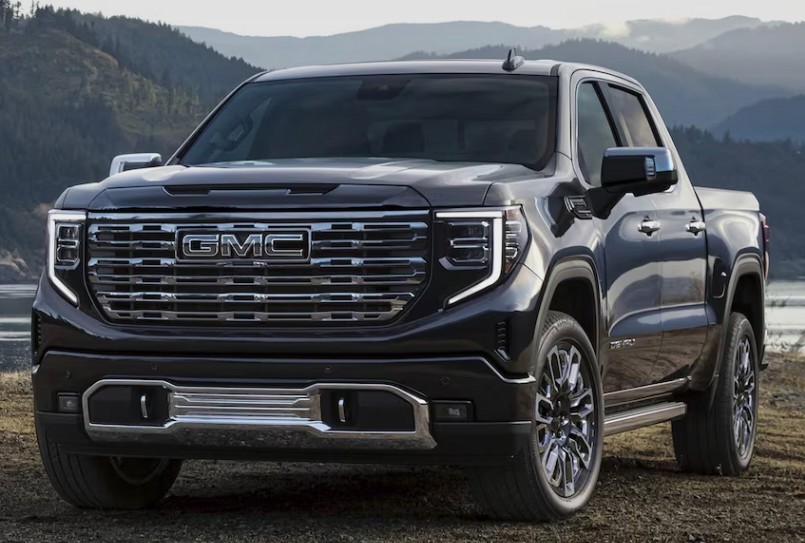
Choosing between the GMC Sierra and Ram 1500 is a little like choosing between a tailored work boot and a premium hiking boot. Both are tough, comfortable, and ready to get dirty, but each approaches the job with a different personality.
The GMC Sierra 1500 feels traditional in the best possible way. It offers muscular V8 engines, an available diesel, useful bed technology, serious towing strength, and luxury trims that look equally comfortable at a construction site or an upscale hotel.
The Ram 1500 follows another path. It blends truck capability with an exceptionally refined cabin, strong turbocharged six-cylinder engines, available air suspension, clever storage, and one of the smoothest rides in the full-size pickup class.
So, which one deserves a place in our driveway?
In this GMC Sierra vs Ram 1500 comparison, we will examine performance, towing capacity, payload, comfort, technology, fuel economy, reliability, off-road ability, practicality, and ownership costs. We are focusing primarily on the 2026 models, although many of the fundamental differences also apply to recent used examples.
Content in this publication
- GMC Sierra vs Ram 1500 at a Glance
- What Is the Main Difference Between the GMC Sierra and Ram 1500?
- Engine Options and Performance
- GMC Sierra vs Ram 1500 Performance Winner
- Towing Capacity: Sierra Takes the Lead
- Payload and Hauling Capability
- Bed Size and Cargo Practicality
- Interior Comfort and Cabin Quality
- Technology and Infotainment
- Fuel Economy and Driving Range
- Handling and Everyday Driving
- Off-Road Capability
- Exterior Design
- Trim Levels and Buyer Profiles
- Reliability and Long-Term Ownership
- Maintenance and Ownership Costs
- GMC Sierra vs Ram 1500 for Work
- GMC Sierra vs Ram 1500 for Families
- GMC Sierra vs Ram 1500 for Towing a Travel Trailer
- GMC Sierra vs Ram 1500: Pros and Cons
- Which Truck Offers Better Value?
- Final Verdict: Is the GMC Sierra Better Than the Ram 1500?
- Frequently Asked Questions
GMC Sierra vs Ram 1500 at a Glance
Before digging into the details, here is the overall picture:
| Category | GMC Sierra 1500 | Ram 1500 |
|---|---|---|
| Maximum available horsepower | 420 hp | 540 hp |
| Maximum available torque | 495 lb-ft | 521 lb-ft |
| Maximum towing capacity | 13,200 pounds | 11,610 pounds |
| Maximum payload capacity | Configuration-dependent | 2,360 pounds |
| Diesel engine available | Yes | No |
| V8 engine available | Yes | Yes |
| Best-known luxury trim | Denali Ultimate | Tungsten |
| Main off-road trims | AT4 and AT4X | Rebel and RHO |
| Maximum bed length | 8-foot long bed available | 6-foot-4-inch bed |
| Ride character | Firm and controlled | Smooth and composed |
The specifications reveal an immediate divide. The Sierra is the stronger choice for maximum towing and bed versatility, while the Ram offers considerably more peak horsepower and a softer, more sophisticated driving experience.
Actual payload and towing limits depend heavily on the cab, bed, drivetrain, engine, axle ratio, trim, passengers, and installed equipment. We should always check the certification label and towing guide for the exact truck rather than relying only on advertised maximums.
What Is the Main Difference Between the GMC Sierra and Ram 1500?
The Sierra 1500 prioritizes traditional truck capability with premium refinement. It gives us several cab and bed combinations, a classically muscular appearance, an available turbo-diesel engine, strong towing technology, and the clever MultiPro tailgate.
The Ram 1500 prioritizes comfort, interior sophistication, and modern performance. It generally rides more smoothly, offers an upscale cabin even before we reach the highest trims, and provides powerful Hurricane inline-six engines.
In simple terms:
- Choose the Sierra for maximum towing, diesel efficiency, bed utility, and classic truck character.
- Choose the Ram for ride comfort, high horsepower, cabin quality, and daily-driving refinement.
- Compare individual configurations carefully because trim selection can completely change the experience.
A basic Sierra Pro and a Sierra Denali Ultimate almost feel like different vehicles. The same is true when comparing a work-oriented Ram Tradesman with a luxurious Ram Tungsten.
Engine Options and Performance
GMC Sierra 1500 Engine Lineup
One of the Sierra’s greatest advantages is the variety under its hood. The 2026 lineup offers four distinct engines:
- A 2.7-liter TurboMax four-cylinder
- A 5.3-liter EcoTec3 V8
- A 6.2-liter EcoTec3 V8
- A 3.0-liter Duramax turbo-diesel inline-six
The TurboMax produces 310 horsepower and 430 lb-ft of torque. Those figures may look unusual for a four-cylinder engine, but the generous low-end torque helps it pull away confidently and handle ordinary hauling duties. GMC advertises towing of up to 9,400 pounds with this engine when properly configured.
The 5.3-liter V8 is the familiar middle ground. It produces 355 horsepower and gives the Sierra the relaxed, natural response many truck buyers still prefer. It may not be the fastest option, but it feels appropriately matched to a full-size pickup.
The 6.2-liter V8 is the performance-oriented gas engine. With 420 horsepower and 460 lb-ft of torque, it delivers strong acceleration and effortless passing power. Press the accelerator, and the Sierra moves with the confidence of a much smaller vehicle.
Then we have the 3.0-liter Duramax diesel. It is the quiet strategist of the group. Rather than chasing dramatic horsepower, it delivers substantial low-speed torque, strong towing ability, and potentially better highway fuel economy.
Which Sierra Engine Is Best?
For general use, the 5.3-liter V8 is arguably the most balanced option. It offers familiar performance without the price or fuel appetite of the 6.2-liter engine.
For heavy towing and long-distance driving, the Duramax diesel is the standout.
For drivers who value acceleration, sound, and effortless highway power, the 6.2-liter V8 is difficult to resist.
The TurboMax makes sense for buyers who want strong low-end torque at a lower entry price, although traditionalists may still prefer the smoother character of a V8.
Ram 1500 Engine Lineup
The 2026 Ram 1500 counters with four available powertrains:
- A 3.6-liter Pentastar V6
- A standard-output 3.0-liter Hurricane inline-six
- A high-output 3.0-liter Hurricane inline-six
- A returning 5.7-liter HEMI V8
The Pentastar V6 remains the sensible entry-level engine. It is adequate for daily driving and moderate work, although it does not provide the effortless force of the more powerful alternatives.
The standard-output Hurricane produces 420 horsepower and 469 lb-ft of torque. That is already enough to make the Ram feel lively, especially during highway merging and passing.
The high-output Hurricane turns the dial much further, generating up to 540 horsepower and 521 lb-ft of torque. It transforms a large pickup into something remarkably quick. Ram calls the 2026 model its strongest Ram 1500 yet, and the headline numbers support that description.
The 5.7-liter HEMI V8 also returns for 2026 on selected models, producing 395 horsepower and 410 lb-ft of torque. It may not match the high-output Hurricane on paper, but its familiar sound and response carry an emotional appeal that specifications cannot fully measure.
Which Ram Engine Is Best?
The standard-output Hurricane is the sweet spot for most buyers. It delivers more than enough performance without moving into the pricing and fuel-consumption territory of the high-output version.
The high-output Hurricane is the choice for drivers who want maximum acceleration and performance.
The HEMI V8 suits buyers who value traditional V8 character.
The Pentastar V6 remains the practical option for lighter use and budget-conscious configurations.
GMC Sierra vs Ram 1500 Performance Winner
The Ram 1500 wins for outright acceleration and peak horsepower. Its 540-horsepower Hurricane engine leaves the Sierra’s 420-horsepower maximum well behind.
However, performance is more than a race away from a traffic light. The Sierra’s diesel delivers a relaxed wave of torque, while its 6.2-liter V8 feels powerful without needing to work hard.
Our verdict is straightforward:
- Ram wins for speed.
- Sierra wins for powertrain variety.
- Ram offers the stronger turbocharged gas engine.
- Sierra is the only one of the pair with a diesel option.
- Both continue to offer a V8 for traditional truck buyers.
Towing Capacity: Sierra Takes the Lead
Towing is one of the clearest areas of separation.
The properly equipped 2026 GMC Sierra 1500 can tow up to 13,200 pounds with its available 3.0-liter Duramax diesel.
The properly equipped 2026 Ram 1500 can tow up to 11,610 pounds.
That gives the Sierra a maximum advertised advantage of 1,590 pounds. For someone towing a large travel trailer, boat, or equipment trailer, that difference may be decisive.
Why Maximum Towing Numbers Can Be Misleading
We should not walk into a dealership, point at any Sierra or Ram, and assume it can tow the advertised maximum. Those numbers usually apply to a specific configuration designed to maximize capacity.
Luxury trims, four-wheel drive, larger wheels, crew cabs, off-road equipment, and optional accessories add weight. As curb weight rises, available payload often falls. Payload matters because trailer tongue weight counts against the truck’s payload rating.
For example, a trailer weighing 10,000 pounds may place roughly 1,000 to 1,500 pounds on the hitch, depending on its design and loading. Add passengers, tools, cargo, and accessories, and the truck can reach its payload limit before reaching its advertised towing limit.
Towing Technology
The Sierra supports towing with an available ProGrade Trailering System, integrated tools, and up to 14 camera views on selected models. These features can make hitching, monitoring, and maneuvering a trailer less stressful.
The Ram also offers an extensive collection of towing technology, including available trailer-assistance features and integrated monitoring systems.
The Sierra’s camera coverage and trailering interface feel especially cohesive. It is as though GMC designed the truck around the entire towing process rather than simply giving it enough engine power to move a trailer.
Which Truck Is Better for Towing?
The Sierra is our winner for frequent or heavy towing because it offers:
- A higher maximum towing capacity
- An available turbo-diesel engine
- Strong low-speed torque
- Excellent camera coverage
- Integrated trailering tools
- Multiple cab and bed configurations
The Ram remains a capable tow vehicle, but the Sierra provides more breathing room near the upper end of the light-duty segment.
Payload and Hauling Capability
The 2026 Ram 1500 offers a maximum payload capacity of up to 2,360 pounds when properly equipped.
Sierra payload varies significantly by configuration. Certain work-oriented versions exceed 2,000 pounds, while heavily equipped luxury and off-road models carry less because their equipment increases curb weight.
The Ram therefore competes strongly when the job involves carrying materials directly in the bed rather than pulling a trailer.
Still, payload is not the complete hauling story. Bed size, tie-down locations, tailgate design, bed access, cargo management, and available power outlets affect how useful the truck feels on an ordinary Saturday morning.
Bed Size and Cargo Practicality
Sierra Bed Advantages
The Sierra offers short, standard, and long-bed configurations, depending on cab style. The long bed provides up to 89.1 cubic feet of cargo volume, while shorter versions offer 62.9 or 71.7 cubic feet.
That versatility matters. Contractors may prefer a regular cab with an eight-foot bed, while families may choose a crew cab with a short bed. Buyers can shape the Sierra around the job instead of accepting one basic formula.
The available MultiPro tailgate is another major advantage. Its six-function design can operate as a load stop, work surface, bed step, inner gate, or conventional tailgate. It may initially seem like a gadget, but after using the integrated step while carrying tools or climbing into the bed, its value becomes obvious.
You may be interested in reading GMC Sierra vs Toyota Tundra: Which Full-Size Truck Wins?
Ram Bed Advantages
The Ram offers 5-foot-7-inch and 6-foot-4-inch bed choices. Its maximum bed cargo length is 76.3 inches.
Although it cannot match the Sierra’s available eight-foot bed, it counters with clever features such as the available RamBox cargo-management system. The lockable compartments built into the bed sides are useful for tools, recovery equipment, groceries, muddy boots, or anything we would rather keep away from the cabin.
Available multifunction tailgate solutions also improve loading flexibility.
Bed Utility Winner
The Sierra wins for pure bed capacity, configuration choice, and tailgate versatility.
The Ram may be more convenient for owners who love organized, lockable bedside storage.
Interior Comfort and Cabin Quality
This is where the Ram 1500 has traditionally built its reputation.
The Ram’s cabin feels calm, solid, and thoughtfully designed. Its seats are supportive, its available materials are genuinely upscale, and its control layout balances physical buttons with large digital displays.
Even midrange versions can feel richer than we expect from a working pickup. Move into the Tungsten trim, and the Ram begins to resemble a luxury SUV with a cargo bed attached.
Ram 1500 Ride Comfort
The Ram’s coil-spring rear suspension gives it an important advantage over the Sierra’s traditional leaf-spring arrangement. On broken pavement, expansion joints, and rough urban roads, the Ram often feels more settled.
An available four-corner air suspension can further improve comfort, load leveling, and entry height. It can also raise the truck for additional ground clearance or lower it for easier access.
The result is a truck that does not hop and shudder as much when the bed is empty. For long commutes, family trips, or daily urban use, that refinement matters.
Sierra Interior Comfort
The Sierra is hardly uncomfortable. Crew Cab models provide generous passenger space, including approximately 44.5 inches of front legroom and 43.4 inches of rear legroom in selected configurations.
Higher Sierra trims add leather, real wood, patterned aluminum, heated and ventilated seats, massaging front seats, premium audio, and broad digital displays.
The Denali Ultimate is especially luxurious. It includes full-grain leather seating, 16-way heated and ventilated front seats with massage, a 12-speaker Bose system, and Super Cruise.
Still, the Ram’s cabin tends to feel more cohesive. The Sierra impresses with features; the Ram impresses with atmosphere.
Interior Winner
The Ram 1500 wins for:
- Ride quality
- Cabin ambience
- Rear-seat comfort
- Material richness
- Daily-driving refinement
The Sierra remains spacious and well equipped, particularly in Denali form, but the Ram feels more naturally luxurious.
Technology and Infotainment
Technology is no longer a side dish in a modern pickup. It influences navigation, towing, safety, entertainment, and even how easily we complete a day’s work.
Sierra Technology
The Sierra offers up to 40 inches of combined digital display area on selected trims, including a central infotainment screen, digital driver display, and head-up display.
Available features include:
- A 13.4-inch infotainment display
- A 12.3-inch digital driver display
- Google-based built-in services
- Wireless smartphone integration
- A head-up display
- Up to 14 camera views
- Trailer-specific camera functions
- Super Cruise hands-free driving assistance
Super Cruise is one of the Sierra’s strongest advantages. On compatible roads, it can support hands-free driving and reduce fatigue during long highway journeys. Selected Sierra versions can also use the system while towing, subject to equipment and operating conditions.
Ram Technology
The Ram offers one of the most screen-rich cabins in the segment. Depending on trim, buyers can access a large central touchscreen, digital instrument cluster, head-up display, and a separate front-passenger display.
That passenger screen can allow the person beside us to manage entertainment, navigation, and compatible device functions without interfering with the main display.
The 2026 Ram also offers an available onboard power system with output of up to two kilowatts and two 120-volt outlets, making it useful for tools, appliances, camping equipment, or mobile work.
Technology Winner
This category ends in a near tie.
The Sierra wins for trailering cameras and hands-free highway driving.
The Ram wins for cabin entertainment, screen integration, and available onboard power.
The right choice depends on whether we want technology to help us tow and travel or to transform the cabin into a rolling digital lounge.
Fuel Economy and Driving Range
Fuel economy varies by engine, drivetrain, wheel size, axle ratio, cab configuration, and driving conditions.
The Sierra’s 3.0-liter Duramax diesel is generally the most appealing choice for drivers who cover long highway distances. Diesel torque allows the engine to move the truck with relatively little effort, particularly when towing or cruising.
The smaller Sierra TurboMax may also make sense for drivers who do not require V8 power, although real-world efficiency can fall when it is pushed hard or asked to tow regularly.
The Ram’s standard-output Hurricane balances strong performance with modern turbocharged efficiency, but its economy still depends heavily on driving style. Turbocharged engines can behave like responsible adults under light throttle and hungry teenagers when we repeatedly summon boost.
The high-output Hurricane is designed around performance rather than fuel savings. The HEMI V8 also carries the expected appetite of a large-displacement gas engine.
Ram offers a fuel tank with capacity of up to 33 gallons on certain configurations, supporting longer distances between stops even when consumption is substantial.
Fuel Economy Winner
The Sierra wins for long-distance efficiency because it offers the Duramax diesel.
For gas-only buyers, the result is less obvious and depends on engine selection. The Ram’s Hurricane engines combine impressive power with reasonable cruising manners, while the Sierra offers a broader range of choices.
Handling and Everyday Driving
The Sierra feels stable, substantial, and predictable. Its steering is generally straightforward, and the truck remains composed while towing or carrying weight.
The Ram feels softer and more polished. Its suspension absorbs small impacts better, and its cabin is less disturbed by rough surfaces. That makes it easier to forget we are driving a large pickup—until we reach a tight parking structure.
Both are enormous by ordinary-car standards. Camera systems, parking sensors, and surround-view technology are therefore more than luxury features. They can prevent a scraped wheel, bent bumper, or embarrassing encounter with a concrete column.
Which Is Easier to Drive Every Day?
The Ram 1500 is the better everyday truck for most drivers. It rides more comfortably and feels more like a premium SUV from behind the wheel.
The Sierra feels slightly more work-focused and connected to traditional pickup expectations. Some buyers will prefer that firmness, particularly when the truck spends much of its life towing.
Off-Road Capability
Sierra AT4 and AT4X
The Sierra AT4 comes with a two-inch factory suspension lift, off-road suspension, a two-speed transfer case, skid plates, hill-descent control, and all-terrain capability. It is a strong choice for drivers who want genuine trail ability without sacrificing comfort.
The AT4X moves further into serious off-road territory. It adds Multimatic DSSV dampers, front and rear electronic locking differentials, and more aggressive hardware. The available AEV Edition introduces additional underbody protection, a stamped-steel front bumper, and winch capability.
Ram Rebel and RHO
The Ram Rebel is the practical off-road option. It combines aggressive styling with useful equipment for dirt roads, trails, snow, and moderate rock work.
The Ram RHO targets performance enthusiasts. Its high-output Hurricane engine produces enormous power, turning open desert roads and loose surfaces into its natural playground.
The Rebel is the trail companion. The RHO is the adrenaline machine.
Off-Road Winner
The Sierra AT4X wins for technical, low-speed off-roading because of its available front and rear locking differentials and specialized suspension.
The Ram RHO wins for high-speed off-road performance.
For moderate recreational use, the Sierra AT4 and Ram Rebel are both capable, comfortable choices.
Exterior Design
Design is subjective, but these trucks project noticeably different personalities.
The Sierra wears a squared-off, upright face. Its grille is broad, its lighting is sharply defined, and its body looks formal and muscular. The Denali leans into chrome and polish, while the AT4 uses darker trim to create a rugged appearance.
The Ram looks smoother and more aerodynamic. Its body has softer transitions, and its cabin appears more integrated with the bed. It is still unmistakably a truck, but it wears its size with less visual aggression.
You may be interested in readingGMC Sierra vs Toyota Tundra: Which Full-Size Truck Wins?You may be interested in reading
GMC Sierra vs Dodge Ram: Which Full-Size Truck Is Better?The Sierra says, “I came to work.”
The Ram says, “I finished the work, showered, and booked the best table in town.”
Neither approach is wrong.
Trim Levels and Buyer Profiles
Who Should Buy a GMC Sierra Pro, SLE, Elevation, or SLT?
The Sierra Pro suits fleets, tradespeople, and buyers who prioritize utility.
The SLE adds enough convenience and technology to make daily use more pleasant.
The Elevation is the style-focused choice, combining body-color details and a contemporary appearance.
The SLT is a strong all-rounder, blending V8 availability, comfort features, towing equipment, and premium materials without reaching Denali pricing.
Who Should Buy a Sierra Denali or Denali Ultimate?
The Denali is for buyers who want luxury but still expect genuine towing and hauling ability.
The Denali Ultimate pushes further with premium leather, massage seats, a high-end audio system, Super Cruise, and exclusive exterior details.
It is expensive, but it makes a clear statement. This is not a work truck pretending to be luxurious. It is a luxury vehicle that happens to retain a highly capable bed and frame.
Who Should Buy a Ram Tradesman, Big Horn, Laramie, Limited, or Tungsten?
The Tradesman is the practical work configuration.
The Big Horn offers a broad range of options and often represents the value sweet spot.
The Laramie introduces more premium materials and technology without moving fully into flagship territory.
The Limited is aimed at traditional luxury-truck buyers.
The Tungsten sits at the top, offering richer materials, extensive technology, and the kind of cabin that makes a luxury sedan feel unnecessary.
Reliability and Long-Term Ownership
Neither truck is mechanically simple. Both can include turbocharging, cylinder-management systems, large digital displays, advanced driver assistance, electronically controlled drivetrains, and complex convenience equipment.
The Sierra’s long-running 5.3-liter and 6.2-liter V8 families are familiar to many mechanics, but some previous examples have experienced concerns involving lifters, cylinder-deactivation hardware, oil consumption, or transmission behavior.
The Duramax diesel can be durable and efficient, but diesel ownership brings additional emissions equipment and specialized maintenance requirements.
The Ram’s Pentastar V6 and HEMI V8 have also been used extensively, although owners of earlier models have reported issues such as exhaust-manifold hardware failures, electronic concerns, air-suspension problems, and HEMI valvetrain noise.
The Hurricane inline-six is newer than the traditional engines, so its very long-term history is still developing.
How Can We Improve Reliability?
Regardless of badge, we should:
- Follow the severe-duty maintenance schedule when towing frequently.
- Use the specified oil and filters.
- Avoid extending oil-change intervals excessively.
- Service transmission, differential, and transfer-case fluids appropriately.
- Inspect cooling components before towing season.
- Address warning lights and unusual noises early.
- Obtain a pre-purchase inspection when buying used.
- Review recall completion and service records.
A well-maintained truck with a documented history is usually a safer purchase than a neglected example from a supposedly superior model year.
Maintenance and Ownership Costs
The cost of ownership depends more on configuration than the grille badge.
Large wheels increase tire costs. Off-road tires may wear faster and create more road noise. Air suspension improves comfort but adds expensive components. Turbocharged engines bring additional plumbing and heat-management systems. Diesel engines can save fuel during long-distance use but require specialized fluids, filters, and emissions equipment.
Luxury trims also introduce more powered accessories, cameras, sensors, audio components, and electronic modules. They are wonderful under warranty; outside warranty, one failed feature can be surprisingly expensive.
The most cost-conscious versions are usually:
- A Sierra with the TurboMax or 5.3-liter V8
- A Ram with the Pentastar V6 or standard-output Hurricane
- A midrange trim without oversized wheels
- A configuration without specialized off-road suspension
- A truck equipped only with technology we will genuinely use
Buying the most expensive version is easy. Buying the version that matches our real life requires more discipline.
GMC Sierra vs Ram 1500 for Work
The Sierra is generally the better traditional work truck.
It offers more bed configurations, including an available eight-foot bed, a higher maximum towing rating, an available diesel, a useful MultiPro tailgate, and excellent trailer-camera technology.
The Ram remains competitive thanks to its strong payload rating, available RamBox storage, powerful engines, and onboard electrical power. It may be the better mobile office because its cabin is so comfortable.
For construction materials, equipment trailers, and bed-focused utility, choose the Sierra.
For mixed work, commuting, client visits, and mobile-office duties, the Ram deserves serious consideration.
GMC Sierra vs Ram 1500 for Families
The Ram wins as a family truck.
Its smooth ride, spacious rear seat, quiet cabin, clever interior storage, and upscale materials make road trips easier. Children may not care about torque curves, but they certainly notice when the rear seat is comfortable and the ride does not toss them around.
The Sierra Crew Cab is also roomy, and its available Super Cruise system can reduce fatigue on compatible highways. However, the Ram creates the more relaxing overall environment.
GMC Sierra vs Ram 1500 for Towing a Travel Trailer
For a larger travel trailer, we would start with the Sierra.
Its higher maximum towing capacity and available diesel make it especially attractive for long-distance towing. The diesel’s low-end torque also feels natural when climbing grades or merging with a loaded trailer.
However, payload remains crucial. A luxury Sierra with several passengers may have less payload capacity than expected. The same warning applies to a Ram.
Before buying either truck for a trailer, calculate:
- Loaded trailer weight
- Estimated tongue weight
- Passenger weight
- Cargo carried in the cab and bed
- Weight of the hitch and accessories
- The truck’s specific payload rating
- Gross combined weight limits
The yellow payload label on the actual vehicle matters more than a glossy brochure.
GMC Sierra vs Ram 1500: Pros and Cons
GMC Sierra 1500 Pros
- Higher maximum towing capacity
- Available Duramax diesel engine
- Several bed lengths and cab styles
- Useful MultiPro tailgate
- Strong trailer-camera technology
- Available Super Cruise
- Excellent AT4X off-road hardware
- Traditional V8 choices
- Bold, upscale exterior styling
GMC Sierra 1500 Cons
- Firmer ride than the Ram
- High trims become expensive quickly
- Four-cylinder engine may not appeal to traditional buyers
- Luxury cabin is impressive but not always as cohesive as the Ram’s
- Some engine and transmission combinations have complicated maintenance histories
Ram 1500 Pros
- Excellent ride quality
- Premium interior design
- Up to 540 horsepower
- Strong maximum payload rating
- Available V8 engine
- Spacious and quiet cabin
- Clever RamBox storage
- Available air suspension
- Useful onboard power
- Excellent family and daily-driving manners
Ram 1500 Cons
- Lower maximum towing capacity
- No diesel engine in the current light-duty lineup
- No eight-foot bed
- Air suspension can add long-term repair costs
- High-output models can be thirsty
- Newer Hurricane engines have a shorter long-term track record
Which Truck Offers Better Value?
Value depends on what we use.
The Sierra offers better value when our priorities are towing, bed length, diesel efficiency, or trailer technology. Paying for those abilities makes sense when they solve a real problem.
The Ram offers better value when the truck is also our family car, commuter, road-trip vehicle, and mobile office. Its comfort provides a benefit every time we drive, not only when we attach a trailer.
Midrange trims often deliver the best balance. A Sierra SLT or Ram Laramie can provide strong engines, modern technology, heated seats, towing equipment, and premium styling without the flagship price.
Final Verdict: Is the GMC Sierra Better Than the Ram 1500?
The GMC Sierra 1500 is better for towing, diesel buyers, bed versatility, and traditional truck work.
The Ram 1500 is better for comfort, interior quality, horsepower, family use, and daily driving.
Our overall recommendation depends on the role:
- Best for maximum towing: GMC Sierra 1500
- Best for daily comfort: Ram 1500
- Best diesel option: GMC Sierra 1500
- Best high-performance engine: Ram 1500
- Best bed versatility: GMC Sierra 1500
- Best luxury cabin: Ram 1500
- Best low-speed off-roader: GMC Sierra AT4X
- Best high-speed off-roader: Ram 1500 RHO
- Best family truck: Ram 1500
- Best traditional work truck: GMC Sierra 1500
If we regularly tow a heavy trailer or need an eight-foot bed, the Sierra is the more logical answer. If we spend most of our time commuting, carrying passengers, and taking highway trips, the Ram is likely to make every mile more enjoyable.
Neither truck wins every category. That is precisely what makes this comparison interesting. The Sierra behaves like a capable truck that learned luxury. The Ram behaves like a luxury vehicle that never forgot how to work.
Frequently Asked Questions
1. Which is more reliable, the GMC Sierra or Ram 1500?
Reliability depends on the engine, trim, maintenance history, and model year. Both trucks have proven powertrains as well as complex systems that can become expensive outside warranty. A documented maintenance history and professional inspection matter more than brand reputation alone.
2. Which can tow more, the GMC Sierra or Ram 1500?
The properly equipped 2026 GMC Sierra 1500 can tow up to 13,200 pounds, while the 2026 Ram 1500 can tow up to 11,610 pounds. The Sierra therefore has the higher advertised maximum.
3. Is the Ram 1500 more comfortable than the GMC Sierra?
Generally, yes. The Ram’s coil-spring rear suspension and available air suspension give it a smoother ride, particularly when the bed is empty. The Sierra is comfortable but usually feels firmer and more traditionally truck-like.
You may be interested in readingGMC Sierra vs Toyota Tundra: Which Full-Size Truck Wins?You may be interested in reading
GMC Sierra vs Dodge Ram: Which Full-Size Truck Is Better?You may be interested in reading
GMC Sierra or Similar: The Best Full-Size Truck Alternatives4. Does the GMC Sierra or Ram 1500 have better fuel economy?
The Sierra has the advantage for long-distance efficiency because it offers a 3.0-liter Duramax diesel. Gas-engine economy varies by configuration, driving style, wheel size, drivetrain, and load.
5. Should we buy a Sierra Denali or Ram 1500 Tungsten?
Choose the Sierra Denali if towing technology, available diesel power, Super Cruise, and bold exterior styling are the priorities. Choose the Ram Tungsten if ride comfort, cabin materials, rear-seat luxury, and high-output gas performance matter more.
If you want to know other articles similar to GMC Sierra vs Ram 1500: Which Truck Is Better? you can visit the category Models.
BMW i7 vs Porsche Taycan: Luxury EVs With Very Different Personalities
BMW i7 vs 7 Series: Which BMW Flagship Makes More Sense?
BMW i7 vs Mercedes EQS: The Ultimate Luxury EV Comparison
BMW i7 vs M760e: Electric Luxury or Plug-In Hybrid Power?
NFINITI QX60 or Similar: Luxury SUVs Worth Comparing
Infiniti QX60 vs VW Atlas: Which Three-Row SUV Makes More Sense?
Leave a Reply
More content of your interest