

GMC Sierra Smells Like Gas: Causes, Risks, and Fixes

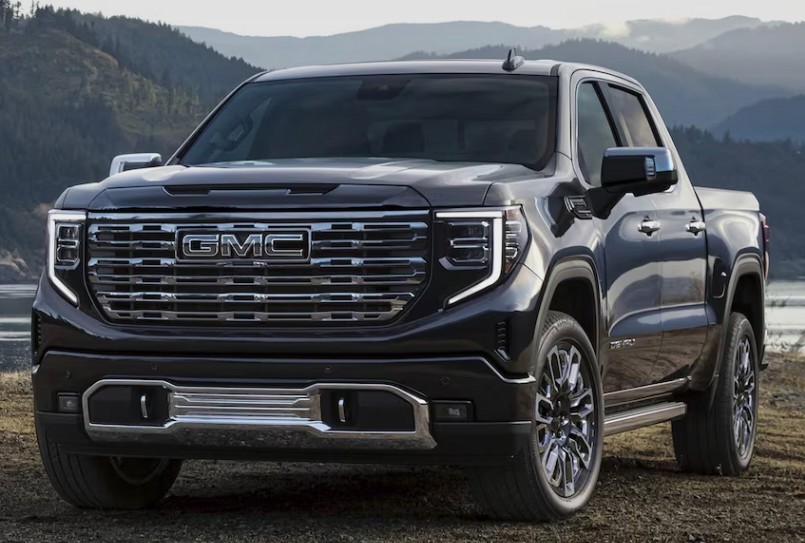
When a GMC Sierra smells like gas, we should never shrug it off as “just an old-truck smell.” Modern fuel systems are designed to keep gasoline and fuel vapors sealed away from the cabin. A noticeable gasoline odor may point to something simple, such as a loose fuel cap, but it can also signal a leaking fuel line, damaged injector, failing evaporative-emissions component, or another issue that could create a fire risk.
The location, timing, and strength of the smell can give us valuable clues. Does the odor appear only after filling the tank? Is it strongest near the engine, around the rear wheel, or inside the cabin? Does it happen during startup, while driving, or after parking?
Let’s work through the likely causes and the safest next steps.
Content in this publication
- Is It Safe to Drive a GMC Sierra That Smells Like Gas?
- Most Common Reasons a GMC Sierra Smells Like Gas
- EVAP System Problems That Cause Fuel Odors
- Why the Cabin Smells Like Gas
- Why the Sierra Smells Like Gas During Startup
- What We Can Check Safely at Home
- Common Diagnostic Trouble Codes
- How a Mechanic Diagnoses the Problem
- Conclusion
- Frequently Asked Questions
Is It Safe to Drive a GMC Sierra That Smells Like Gas?
In general, we should avoid driving the truck until we know where the smell is coming from. Gasoline vapor is highly flammable, and a leak near a hot exhaust component or electrical spark can become dangerous quickly.
Stop the truck, turn off the engine, and move away from traffic if:
- The gasoline odor is strong or getting worse.
- We can see liquid fuel under the truck.
- The engine runs roughly or misfires.
- The check-engine light is flashing.
- Fuel appears around the engine or fuel rail.
- We feel dizzy, nauseated, or light-headed inside the cabin.
Do not smoke, use a lighter, or attempt repairs near an open flame. If fuel is visibly dripping, the safest move is to have the Sierra towed to a qualified repair facility.
A faint odor immediately after refueling might come from spilled gasoline, but it should disappear fairly quickly. If it lingers, returns, or enters the cabin, an inspection is still warranted.
Most Common Reasons a GMC Sierra Smells Like Gas
The most frequently reported categories are the fuel cap, the fuel-delivery system, and the emissions-control system. [4]
1. Loose, Damaged, or Missing Gas Cap
The gas cap is the easiest place to begin. It seals the fuel tank and prevents vapors from escaping. If it is loose, cracked, missing, or fitted with a damaged rubber seal, gasoline vapor may collect around the fuel door or drift toward the cabin. [2]
Turn the cap until it clicks securely. Then inspect it for:
- Cracks in the plastic.
- A flattened or broken rubber seal.
- Damaged threads.
- Dirt around the filler neck.
- A cap that no longer tightens properly.
A faulty cap can also trigger the check-engine light because the evaporative-emissions system detects that the fuel tank is not sealed.
When a New Gas Cap May Solve the Problem
Replacement may help when the odor is concentrated around the fuel door, appears after refueling, or is accompanied by an EVAP-related fault code. However, replacing the cap blindly is not enough when the odor comes from the engine bay or fuel is visible beneath the truck.
2. Fuel Spilled During Refueling
Sometimes the cause is less mechanical. Gasoline may splash onto the body, wheel well, frame, or pavement while the tank is being filled.
A small spill should evaporate, but the smell can remain longer if fuel soaks into dirt, protective coatings, or nearby materials. Avoid topping off the tank after the pump automatically shuts off. Overfilling can push fuel into parts of the evaporative-emissions system that are intended to handle vapor rather than liquid gasoline.
If the odor started immediately after refueling, check the fuel door area and the ground below the filler neck. A smell that remains for several trips suggests there may be more than a simple spill.
3. Leaking Fuel Line or Hose
Fuel lines carry gasoline from the tank to the engine under pressure. Corrosion, impact damage, loose connections, or aging seals can allow fuel to escape.
On older Sierra trucks, metal fuel lines may corrode, particularly in areas where road salt and moisture are common. Flexible hoses and connection points can also deteriorate.
Possible signs include:
You may be interested in reading Mitsubishi Outlander Sport Reliability: Is It a Dependable SUV?
- Wet spots along the frame.
- A strong smell beneath the cab or bed.
- Drops forming while the engine runs.
- Hard starting.
- Reduced fuel economy.
- Fuel-pressure problems.
A leaking pressurized fuel line requires immediate attention. We should not start the engine repeatedly while searching for the leak.
4. Leaking Fuel Injector or Injector Seal
The GMC Sierra’s fuel injectors deliver a carefully measured amount of fuel to each cylinder. An injector can leak internally, externally, or around its sealing O-ring.
A leak near the fuel rail may create a strong odor in the engine compartment. The smell can then enter the cabin through the ventilation system, especially when the truck is stationary.
Other symptoms may include:
- Rough idle.
- Misfires.
- Long cranking before startup.
- Poor fuel economy.
- Dark exhaust smoke.
- Oil that smells like gasoline.
- A check-engine light.
Direct-injection systems operate at very high pressures. We should not loosen fuel fittings without the proper procedure and equipment. Forum discussions involving gasoline odors in Sierra trucks also emphasize that a persistent fuel smell can indicate an unsafe fuel-injection problem requiring a complete inspection. [1]
5. Fuel-Pump Module or Tank-Seal Leak
The fuel-pump module is commonly mounted at the top of the fuel tank. A damaged seal, cracked fitting, corroded retaining ring, or failing module can allow vapor or liquid fuel to escape.
Because the leak may sit above the tank, gasoline might not immediately drip onto the ground. Instead, we may notice a strong odor near the rear of the truck, particularly after filling the tank completely.
The smell may become stronger when:
- The tank is full.
- The truck is parked on an incline.
- Fuel sloshes during turns.
- The weather is warm.
- The Sierra has just been driven.
Inspecting the top of the tank often requires lowering the tank or removing the bed, so professional diagnosis is usually the practical choice.
EVAP System Problems That Cause Fuel Odors
The evaporative-emissions system, commonly called the EVAP system, captures gasoline vapor and routes it into the engine to be burned. It includes hoses, valves, a charcoal canister, pressure sensors, and the fuel cap.
When one of these components fails, vapor can escape instead of remaining contained.
6. Cracked EVAP Hose
A brittle or disconnected vapor hose can release gasoline fumes beneath the truck or inside the engine bay. The leak may be too small to produce liquid fuel but large enough to create a noticeable smell.
A smoke test is one of the most effective ways to locate small EVAP leaks. A technician introduces safe diagnostic smoke into the sealed system and watches for smoke escaping through damaged hoses or fittings.
7. Faulty Purge Valve
The purge valve controls when fuel vapor moves from the charcoal canister into the engine. If it sticks open, the engine may receive too much vapor, especially during startup or immediately after refueling.
Typical symptoms include:
- Hard starting after filling the tank.
- Rough idle.
- Stalling.
- A fuel smell.
- EVAP trouble codes.
- Reduced fuel economy.
A purge-valve fault may feel like the engine is briefly flooded after refueling.
8. Saturated or Damaged Charcoal Canister
The charcoal canister stores fuel vapor until the engine can burn it. Topping off the fuel tank repeatedly can allow liquid gasoline to enter and damage the canister.
Once saturated, the canister may release a persistent gasoline odor near the rear of the truck. It can also send charcoal particles into EVAP lines and valves, creating additional problems.
You may be interested in readingMitsubishi Outlander Sport Reliability: Is It a Dependable SUV?You may be interested in reading
Is the Mitsubishi Outlander a Good Car? An Honest Buyer’s GuideWhy the Cabin Smells Like Gas
A gasoline smell inside the GMC Sierra does not necessarily mean the leak is inside the cab. The heating and air-conditioning system draws outside air through vents near the base of the windshield. Vapors from the engine bay can therefore enter the cabin.
The odor may become stronger:
- While idling.
- With the fan running.
- When using outside-air mode.
- At stoplights.
- When the windows are open.
- After parking in an enclosed garage.
Switching temporarily to recirculation may reduce the odor, but it does not fix the source. Fuel fumes should not be allowed to accumulate inside the vehicle.
Why the Sierra Smells Like Gas During Startup
A brief rich-fuel smell from the exhaust can occur during a cold start because the engine uses extra fuel while warming up. However, raw gasoline odor from under the hood or inside the cabin is not something we should treat as normal.
Possible startup-related causes include:
- A leaking injector allowing fuel into a cylinder while parked.
- A purge valve stuck open.
- An overly rich air-fuel mixture.
- Ignition problems leaving fuel unburned.
- A fuel-rail or line leak that becomes active when pressure builds.
A missing or poorly sealed gas cap is also a common and easily corrected source of escaping fuel vapor. [5]
What We Can Check Safely at Home
Without dismantling the fuel system, we can perform a basic visual and smell-based inspection.
Simple Inspection Checklist
- Tighten and inspect the gas cap.
- Look for recent fuel spills.
- Check beneath the truck for wet spots.
- Smell near the fuel door, engine bay, and rear tank area.
- Note whether the odor changes with fuel level.
- Check whether the engine starts or idles differently.
- Scan for diagnostic trouble codes.
- Inspect accessible EVAP hoses for obvious disconnections.
- Check the engine oil for an unusual gasoline smell.
Do not crawl beneath a running truck to search for a fuel leak. Do not touch wet fuel-system components, and never test for leaks using a flame.
Common Diagnostic Trouble Codes
A scan tool may reveal codes such as:
- P0440: General EVAP system fault.
- P0442: Small EVAP leak.
- P0446: Vent-control circuit issue.
- P0455: Large EVAP leak.
- P0456: Very small EVAP leak.
- P0496: EVAP flow when it should not occur.
- P0172/P0175: Rich fuel mixture.
- P0300: Random or multiple-cylinder misfire.
Codes guide the diagnosis, but they do not automatically identify the failed part. For example, a large-leak code could come from a loose cap, split hose, damaged canister, or faulty valve.
How a Mechanic Diagnoses the Problem
A professional inspection may include:
- Scanning the engine computer.
- Inspecting fuel lines and connections.
- Measuring fuel pressure.
- Checking pressure decay after shutdown.
- Inspecting injectors and the fuel rail.
- Performing an EVAP smoke test.
- Testing the purge and vent valves.
- Examining the fuel-pump module and tank seals.
- Checking for exhaust misfires or an overly rich mixture.
Multiple issues can allow gasoline odors to linger or enter the cabin, which is why a systematic inspection is more reliable than replacing parts at random. [6]
Conclusion
When a GMC Sierra smells like gas, we should begin with the simple possibilities but remain alert to the serious ones. A loose gas cap or small refueling spill may be harmless once corrected. A leaking line, injector, fuel-pump seal, or EVAP component is a different story.
The strongest clues are where the odor appears, when it happens, whether the fuel tank is full, and whether the engine shows additional symptoms. If gasoline is visible, the smell is strong, or the cabin fills with fumes, shut the truck off and arrange professional service. Gasoline odors are like smoke alarms: sometimes the cause is minor, but ignoring the warning is never worth the gamble.
Frequently Asked Questions
1. Why does my GMC Sierra smell like gas after filling up?
The tank may have been overfilled, fuel may have spilled near the filler neck, or the gas cap may not be sealing properly. A leaking pump-module seal or saturated charcoal canister can also smell stronger when the tank is full.
2. Can a bad gas cap cause a strong gasoline smell?
Yes. A loose, damaged, or missing gas cap allows fuel vapor to escape. The smell is usually strongest near the fuel door and may be accompanied by an EVAP-related check-engine light. [3]
3. Why does the smell enter the cabin?
Fuel vapor from the engine bay or beneath the truck can enter through the ventilation intake, open windows, or imperfect body seals. This often becomes more noticeable while idling.
4. Can a bad purge valve make the Sierra smell like gas?
Yes. A purge valve stuck open may send excessive fuel vapor into the engine, causing hard starts after refueling, rough idle, rich running, and a gasoline odor.
You may be interested in readingMitsubishi Outlander Sport Reliability: Is It a Dependable SUV?You may be interested in reading
Is the Mitsubishi Outlander a Good Car? An Honest Buyer’s GuideYou may be interested in reading
Mitsubishi Outlander Reliability Rating: Is It a Dependable SUV?5. Should I drive to a repair shop if fuel is leaking?
No. If liquid gasoline is visible or the smell is intense, shut the engine off and have the truck towed. Driving could expose the leak to heat, sparks, or electrical components.
If you want to know other articles similar to GMC Sierra Smells Like Gas: Causes, Risks, and Fixes you can visit the category Blog.
BYD Shark 6 Reliability: How Dependable Is This Hybrid Ute?
BYD Shark 6 Insurance Cost: What Should You Expect?

Mitsubishi Pajero Sport Reliability: Is It a Dependable SUV?
Mitsubishi Pajero Sport Years to Avoid: A Used Buyer’s Guide

Is Infiniti QX60 Reliable? A Complete Reliability Guide

Peugeot RCZ Insurance Group: Complete UK Guide
Leave a Reply
More content of your interest