
Mitsubishi Outlander Reliability Rating: Is It a Dependable SUV?

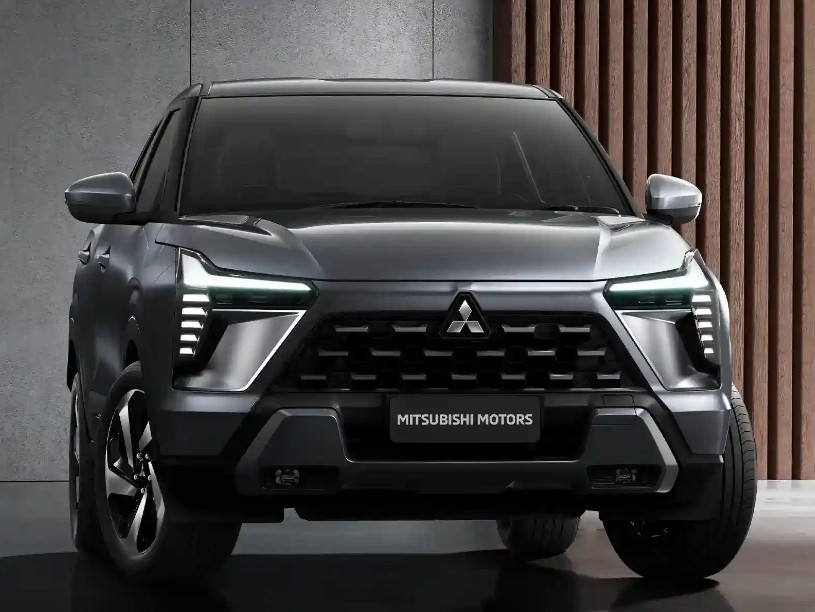
The Mitsubishi Outlander reliability rating tells a more encouraging story than many shoppers expect. Mitsubishi may not enjoy the same reliability reputation as Toyota or Honda, but the Outlander has quietly developed into a practical, generally dependable compact SUV with reasonable repair costs, long warranty coverage, and relatively few visits to the repair shop.
According to RepairPal, the Mitsubishi Outlander earns a reliability rating of 4.0 out of 5.0, ranking eighth out of 26 compact SUVs. Its estimated average annual repair cost is $519, which is lower than the average for many competing vehicles in its class.
The 2026 Outlander also receives a J.D. Power consumer score of 78 out of 100. That score indicates respectable overall owner satisfaction, although it does not place the SUV at the absolute top of the segment.
So, is the Mitsubishi Outlander reliable? Broadly speaking, yes. It is not indestructible, and certain years have more trouble spots than others. However, a properly maintained Outlander can be a dependable family vehicle, especially when we choose the right model year and verify its service history.
Let’s dig deeper than the headline ratings.
Content in this publication
- What Is the Mitsubishi Outlander Reliability Rating?
- How Reliable Is the Mitsubishi Outlander Overall?
- Understanding Reliability Scores Before Buying
- Mitsubishi Outlander Repair Costs
- Are Mitsubishi Outlander Engines Reliable?
- How Reliable Is the Outlander CVT?
- Mitsubishi Outlander Electrical Reliability
- Mitsubishi Outlander Suspension and Steering Reliability
- Mitsubishi Outlander Reliability by Generation
- First-Generation Outlander Reliability
- Second-Generation Outlander Reliability
- Third-Generation Outlander Reliability
- Fourth-Generation Outlander Reliability
- Does the Mitsubishi Outlander Have Many Recalls?
- Mitsubishi Outlander Warranty and Reliability Confidence
- How Long Can a Mitsubishi Outlander Last?
- Mitsubishi Outlander PHEV Reliability
- Mitsubishi Outlander Reliability Compared With Rivals
- Signs of an Unreliable Used Outlander
- How to Make a Mitsubishi Outlander More Reliable
- Should You Buy a Mitsubishi Outlander?
- Final Verdict on the Mitsubishi Outlander Reliability Rating
- Frequently Asked Questions
What Is the Mitsubishi Outlander Reliability Rating?
The most commonly cited Mitsubishi Outlander reliability rating is 4.0 out of 5.0 from RepairPal. This places the vehicle comfortably above average among compact SUVs. RepairPal calculates its ratings by considering repair frequency, repair severity, and annual maintenance expenses.
That matters because a vehicle can be inexpensive to repair but require frequent attention. Another vehicle may rarely break down but produce enormous bills when something finally fails. Reliability is not one simple number. It is more like a three-legged stool: cost, frequency, and severity must all remain balanced.
For the Outlander, the overall picture is favorable:
- Repair expenses are generally manageable.
- Major mechanical failures are not especially frequent.
- Routine servicing is relatively straightforward.
- Parts availability is reasonable in established Mitsubishi markets.
- Warranty protection is among the strongest in the industry.
The rating does not mean every Outlander will perform identically. Mileage, climate, maintenance habits, driving style, and previous ownership can completely change the experience.
How Reliable Is the Mitsubishi Outlander Overall?
We would describe the Mitsubishi Outlander as an above-average but not class-leading SUV for reliability.
That distinction is important. The Outlander is not usually the first vehicle people mention when discussing bulletproof Japanese SUVs. Yet it can deliver many years of dependable service without demanding the higher purchase prices often attached to more famous competitors.
The Outlander’s reliability strengths usually include its relatively simple naturally aspirated engines in earlier generations, sensible maintenance requirements, durable interior components, and affordable routine repairs. Its weaker areas may include continuously variable transmission concerns on poorly maintained older models, electrical glitches, suspension wear, infotainment problems, and occasional recall-related issues.
In other words, the Outlander is rarely a maintenance-free appliance. No vehicle is. Nevertheless, it can be a trustworthy workhorse when treated properly.
Our Practical Reliability Verdict
Based on published reliability ratings, average repair costs, warranty coverage, and typical ownership patterns, we would place the Mitsubishi Outlander at approximately:
Overall reliability assessment: 8 out of 10
That score reflects a vehicle that is generally dependable and economical to own but still requires careful model-year selection.
Understanding Reliability Scores Before Buying
Reliability ratings can be useful, but they should not be treated as sacred tablets carved in stone.
Different organizations use different methodologies. Some focus on verified owner surveys. Others analyze reported repair frequency and costs. Certain scores evaluate only the first few years of ownership, while others include aging vehicles with more than 100,000 miles.
This means two trustworthy sources can give the same vehicle different scores without either source necessarily being wrong.
What Reliability Ratings Usually Measure
Most rating systems examine some combination of:
- The number of repairs reported by owners.
- The average annual repair expense.
- The probability of a serious mechanical problem.
- The frequency of unscheduled workshop visits.
- Owner satisfaction and perceived quality.
- Problems experienced during a specific ownership period.
- Recall history and safety-related defects.
We should therefore use a rating as a starting point, not as a substitute for inspecting the exact vehicle we plan to buy.
Why Individual Vehicle Condition Matters More
A well-maintained Outlander with 100,000 miles can be a safer purchase than a neglected example with 50,000 miles.
Service records reveal whether the owner changed fluids on time, addressed recalls, replaced worn components, and responded to warning lights. The odometer tells us how far the SUV has traveled. The maintenance history tells us how painful that journey may have been.
Mitsubishi Outlander Repair Costs
One of the Outlander’s most appealing reliability characteristics is its relatively low average repair cost.
RepairPal estimates an average annual repair expense of $519 for the Outlander. The same source gives Mitsubishi as a brand a rating of 4.0 out of 5.0, ranking it sixth among 32 vehicle brands, with an estimated brand-wide annual repair cost of $535.
Naturally, owners will not spend exactly $519 every year. One year may involve only oil changes and filters. Another might bring tires, brakes, suspension work, and a battery all at once.
Common Ownership Expenses
Normal Outlander expenses can include:
- Engine oil and filter changes
- Brake-pad and rotor replacement
- Tire replacement and alignment
- Battery replacement
- Transmission-fluid servicing
- Spark-plug replacement
- Coolant changes
- Suspension bushings or links
- Wheel bearings
- Air-conditioning repairs
- Sensors and electrical components
These are not automatically signs of poor reliability. Many are wear items that eventually require replacement on every vehicle.
Routine Maintenance Versus Unexpected Repairs
We should separate scheduled maintenance from genuine breakdowns.
Replacing brake pads at the end of their usable life is normal. Replacing a transmission prematurely is not. Installing new tires is ownership. Repeatedly diagnosing an intermittent electrical failure is a reliability concern.
When online discussions mix these categories together, a vehicle can sound far worse than it truly is.
Are Mitsubishi Outlander Engines Reliable?
Most Mitsubishi Outlander engines are capable of lasting well beyond 100,000 miles when serviced consistently. Some reach 200,000 miles or more, although longevity depends heavily on maintenance and operating conditions.
Older Outlanders often used naturally aspirated four-cylinder or V6 engines. These engines may feel less sophisticated than newer turbocharged powertrains, but simplicity can become a valuable friend as mileage climbs.
A basic engine is like a sturdy pair of boots. It may not attract much attention at first, yet it often keeps walking after flashier alternatives have begun complaining.
Depending on the year and engine, owners may encounter:
- Oil leaks from aging seals or gaskets
- Increased oil consumption
- Worn engine mounts
- Ignition-coil failures
- Oxygen-sensor problems
- Throttle-body contamination
- Cooling-system leaks
- Timing-related noise
- Check-engine lights caused by emissions components
These issues are not universal. They are simply areas worth inspecting, particularly on higher-mileage vehicles.
Signs of a Healthy Outlander Engine
A healthy engine should start quickly, idle evenly, accelerate without hesitation, and operate without persistent warning lights.
During an inspection, we should look for:
- Clean oil at the correct level
- No heavy smoke from the exhaust
- No strong fuel or burning-oil odors
- No tapping, knocking, or grinding sounds
- Stable coolant temperature
- Smooth cold starts
- Consistent power delivery
- No visible fluid leaks
A cold start is especially revealing. Sellers sometimes warm a vehicle before a viewing because certain noises or starting problems are more noticeable when the engine is cold.
How Reliable Is the Outlander CVT?
The continuously variable transmission is one of the biggest concerns for shoppers considering an older Mitsubishi Outlander.
A CVT does not shift through conventional gears in the same way as a traditional automatic transmission. It can hold the engine at a steady speed while the vehicle accelerates, which may feel unusual to drivers unfamiliar with the design.
Unusual operation does not necessarily indicate failure. However, delayed engagement, violent shuddering, whining, overheating warnings, or inconsistent acceleration deserve immediate attention.
CVT Maintenance Is Essential
Transmission-fluid condition matters enormously. A CVT that receives the correct fluid at sensible intervals has a much better chance of surviving long-term ownership than one treated as a sealed, maintenance-free unit.
When considering a used Outlander, we should ask:
- Was the transmission fluid replaced?
- Was the correct Mitsubishi-approved fluid used?
- Are service invoices available?
- Has the transmission ever overheated?
- Does the vehicle shudder under acceleration?
- Is there a delay when selecting Drive or Reverse?
- Are any transmission warning lights present?
A missing fluid-service history is not proof that the transmission is failing. Still, it adds uncertainty, and uncertainty should affect the price we are willing to pay.
You may be interested in reading How Nissan Serena Hybrid Works: A Complete Guide
How to Protect the CVT
To reduce strain on the transmission:
- Follow the correct fluid-service schedule.
- Avoid repeatedly launching the vehicle aggressively.
- Do not exceed the towing limit.
- Address overheating warnings immediately.
- Allow the drivetrain to warm gradually in very cold weather.
- Use only the specified transmission fluid.
- Investigate new noises before they become louder.
Preventive maintenance is cheaper than optimism.
Mitsubishi Outlander Electrical Reliability
Electrical issues can appear on almost any modern SUV because current vehicles contain dozens of control modules, sensors, cameras, switches, and networked systems.
On some Outlanders, owners may report problems involving infotainment screens, keyless-entry functions, batteries, cameras, warning messages, or power-operated accessories. Software faults can also create symptoms that look more serious than they really are.
A weak 12-volt battery, for instance, can trigger multiple warning lights and strange electronic behavior. The dashboard may suddenly resemble a Christmas tree even though the root cause is relatively simple.
Electrical Items to Test Before Buying
We should test every feature, including:
- Touchscreen and physical controls
- Bluetooth connection
- Apple CarPlay or Android Auto
- Rearview camera
- Parking sensors
- Adaptive cruise control
- Blind-spot monitoring
- Power windows
- Door locks
- Keyless entry
- Heated seats
- Climate-control system
- Power tailgate
- Headlights and interior lights
- USB ports and charging sockets
Do not assume a malfunctioning accessory is cheap to repair. A small camera or control module can produce a surprisingly large invoice.
Mitsubishi Outlander Suspension and Steering Reliability
The Outlander’s suspension is generally durable, but wear becomes normal as mileage rises.
Bushings, links, bearings, struts, and ball joints spend their lives absorbing potholes, speed bumps, rough roads, and vehicle weight. In regions with damaged pavement, these components may age faster than expected.
Common warning signs include:
- Clunking over bumps
- Uneven tire wear
- Steering vibration
- Wandering at highway speed
- Excessive body movement
- Clicking during turns
- A humming sound that changes with speed
- A steering wheel that does not return smoothly
A professional pre-purchase inspection can distinguish a minor worn link from a more expensive steering or suspension problem.
Mitsubishi Outlander Reliability by Generation
The Outlander has changed substantially across generations, so we should not discuss every model year as though it were mechanically identical.
First-Generation Outlander Reliability
Early Outlanders are now old enough that condition matters more than their original reliability rating.
Even a durable design develops age-related issues after two decades. Rubber seals harden, wiring connections corrode, suspension parts wear, and cooling systems become vulnerable.
A first-generation vehicle may still be dependable, but it should be purchased primarily on inspection results and maintenance evidence rather than reputation.
Best Fit for Budget-Minded Buyers
An older Outlander can make sense for someone who wants inexpensive transportation and is comfortable paying for occasional age-related repairs.
It is less suitable for someone expecting a completely predictable, nearly new ownership experience.
Second-Generation Outlander Reliability
The second-generation Outlander is often appreciated for its straightforward design, practical cabin, and available V6 power.
Well-kept examples can be durable. However, corrosion, suspension wear, fluid leaks, transmission behavior, and recall completion deserve close attention because these vehicles are now firmly in used-car territory.
Buyers in cold climates should inspect the underside carefully. Road salt can turn a healthy-looking SUV into a rusty surprise hidden beneath clean paint.
Third-Generation Outlander Reliability
The third generation became widely known for its value, fuel efficiency, available all-wheel drive, and optional three-row layout.
Its reliability is generally respectable, but CVT maintenance becomes a central buying consideration. Some owners may also experience infotainment glitches, electrical annoyances, suspension wear, or issues associated with specific recalls.
The third-generation Outlander can be a strong used buy when accompanied by complete service records. It can be a risky bargain when its history consists of little more than a clean exterior and a seller’s promise.
What to Prioritize on a Third-Generation Model
Check the following:
- CVT fluid-service history
- Smooth acceleration from a stop
- Transmission performance after warming up
- Suspension noises
- Brake condition
- Air-conditioning performance
- Battery age
- Infotainment operation
- Recall status
- Evidence of regular engine-oil changes
Fourth-Generation Outlander Reliability
The fourth-generation Outlander introduced more modern styling, upgraded technology, improved interior quality, and a stronger family resemblance to other vehicles developed within the Renault-Nissan-Mitsubishi Alliance.
Newer vehicles contain more electronic systems, so their potential trouble points differ from those of older, mechanically simpler models. Cameras, driver-assistance functions, infotainment software, electronic tailgates, and control modules all add convenience but also create more places for glitches to appear.
The 2026 model currently holds a J.D. Power consumer score of 78 out of 100. Because it remains relatively new, its true high-mileage durability will become clearer as more vehicles accumulate years and distance.
Is the New Outlander More Reliable?
It is too early to declare the latest generation definitively more reliable over 10 or 15 years.
Early owner experiences and short-term scores can reveal manufacturing defects, software issues, and initial quality. They cannot fully predict how engines, transmissions, electronics, and interior systems will behave at 150,000 miles.
That does not make the latest model a bad choice. It simply means long-term certainty has not yet matured.
Does the Mitsubishi Outlander Have Many Recalls?
Recall history varies considerably by model year.
A recall does not automatically mean a vehicle is unreliable. Manufacturers issue recalls to correct safety-related defects, and even highly respected vehicles can be recalled. What matters is whether the specific vehicle is affected and whether the repair has been completed.
In 2026, Mitsubishi recalled more than 108,000 vehicles in the United States because affected liftgate gas springs could fail and allow the liftgate to fall unexpectedly. Certain Outlander and Outlander hybrid vehicles were included, with replacement parts provided free of charge.
Mitsubishi operates an official recall lookup service, while U.S. owners can also check their vehicle through NHTSA using the vehicle identification number.
Why VIN Checks Are Better Than General Lists
Recall lists published by model year can help, but they do not tell us whether one exact vehicle is affected.
Production date, factory, component supplier, trim, and market may all influence eligibility. A VIN lookup gives a more precise answer.
Before buying, we should request proof that all open recalls have been resolved.
Mitsubishi Outlander Warranty and Reliability Confidence
Mitsubishi’s warranty is one of the Outlander’s strongest selling points in the United States.
For eligible new vehicles, Mitsubishi advertises a 10-year or 100,000-mile limited powertrain warranty for the original owner. Subsequent owners generally receive the remaining balance of the five-year or 60,000-mile new-vehicle limited warranty rather than the full original-owner powertrain term. Coverage conditions and exclusions apply.
Canadian coverage differs in distance, with Mitsubishi Canada advertising a 10-year or 160,000-kilometre powertrain limited warranty, subject to its applicable conditions.
A Long Warranty Is Valuable, but Not Magical
Strong warranty coverage can reduce financial risk, but it does not eliminate the need for maintenance.
Warranty claims may require proof that the vehicle was serviced correctly. Damage caused by neglect, improper modifications, misuse, or unapproved fluids may not be covered.
Keep invoices. Record dates and mileage. A folder full of service documents may look boring, but it can become extremely exciting when an expensive repair claim is being reviewed.
How Long Can a Mitsubishi Outlander Last?
A Mitsubishi Outlander can realistically last between 150,000 and 200,000 miles, and some examples may exceed that range.
There is no guaranteed expiration point. Vehicle longevity depends on:
You may be interested in readingHow Nissan Serena Hybrid Works: A Complete GuideYou may be interested in reading
 Renault Koleos Reliability: Is This SUV Built to Last?
- Maintenance quality
- Driving conditions
- Climate
- Accident history
- Rust prevention
- Fluid-service intervals
- Towing habits
- Engine and transmission condition
- Availability of replacement parts
- The owner’s willingness to repair aging components
A vehicle does not suddenly become unreliable at 100,001 miles. Wear accumulates gradually. The goal is to manage that wear before it becomes failure.
Can an Outlander Reach 200,000 Miles?
Yes, but reaching 200,000 miles usually requires more than basic oil changes.
Owners should expect to replace wear items and possibly repair cooling, suspension, air-conditioning, ignition, and electrical components along the way. Longevity does not mean every original component survives forever. It means the vehicle remains economically and mechanically viable.
Mitsubishi Outlander PHEV Reliability
The Outlander PHEV adds electric motors, a high-voltage battery, charging equipment, power electronics, regenerative braking, and specialized cooling systems.
That additional complexity may sound alarming, but hybrid systems can also reduce strain on the gasoline engine and conventional brakes in certain driving conditions.
Reliability depends on the model year, battery condition, charging history, software updates, climate, and maintenance.
What to Check on a Used Outlander PHEV
Before buying, investigate:
- Remaining electric range
- Battery-health information
- Charging-port condition
- Charging speed and consistency
- Dashboard warning messages
- Gasoline-engine operation
- Transition between electric and hybrid modes
- Service records from qualified technicians
- High-voltage battery warranty
- Recall and software-update history
A PHEV that has lost some electric range may still function as a usable hybrid, but battery degradation should be reflected in the purchase price.
Is the PHEV Less Reliable Than the Gas Model?
Not necessarily.
The PHEV contains more components, but it does not rely on every component equally during every trip. Short journeys may place limited demand on the gasoline engine. Regenerative braking can reduce physical brake wear. On the other hand, high-voltage components require specialized knowledge and can be expensive outside warranty coverage.
The best option depends on how we drive and whether qualified Mitsubishi hybrid service is available nearby.
Mitsubishi Outlander Reliability Compared With Rivals
The compact SUV category is packed tighter than a supermarket parking lot on a Saturday afternoon.
The Outlander commonly competes with vehicles such as the:
- Toyota RAV4
- Honda CR-V
- Mazda CX-5
- Subaru Forester
- Nissan Rogue
- Hyundai Tucson
- Kia Sportage
- Volkswagen Tiguan
Some rivals have stronger resale values or more established long-term reliability reputations. Others offer more powerful engines, sharper handling, or larger dealer networks.
The Outlander often fights back with competitive pricing, strong warranty protection, available all-wheel drive, distinctive styling, and a small third row on certain versions.
Where the Outlander Has an Advantage
The Outlander may be especially attractive when:
- Its purchase price is lower than comparable rivals.
- Warranty coverage remains active.
- The service history is complete.
- We need occasional third-row flexibility.
- A local Mitsubishi dealer is convenient.
- Insurance and financing costs are competitive.
- The vehicle passes a professional inspection.
Where Rivals May Be Stronger
A rival may be preferable when:
- Maximum resale value is the priority.
- We need a genuinely spacious third row.
- The nearest Mitsubishi service center is far away.
- We want stronger acceleration.
- A competing model has a clearer maintenance history.
- Long-term parts availability is a major concern in our region.
Reliability should be judged alongside price. Paying thousands more to avoid a few hundred dollars in possible future repairs does not always produce the best financial result.
Signs of an Unreliable Used Outlander
Even a reliable model can become a bad purchase after neglect.
Walk away or investigate carefully when we notice:
- Missing maintenance records
- Warning lights that were recently cleared
- Transmission shudder
- Delayed engagement
- Engine knocking
- Overheating history
- Coolant or oil leaks
- Mismatched tires
- Uneven tire wear
- Heavy rust
- Damp carpets
- Electrical accessories that work intermittently
- Accident repairs with poor panel alignment
- Strong air-freshener odors masking moisture or smoke
- A seller unwilling to permit an inspection
A suspiciously low price is rarely a gift from the universe. It is often an invoice wearing camouflage.
How to Make a Mitsubishi Outlander More Reliable
Reliability is partly designed at the factory and partly created in the driveway.
Follow a Preventive Maintenance Routine
Our core routine should include:
- Check engine oil regularly.
- Replace oil and filters on schedule.
- Service the transmission with the correct fluid.
- Monitor coolant condition.
- Inspect belts and hoses.
- Rotate tires.
- Maintain correct tire pressure.
- Replace brake fluid as recommended.
- Address warning lights promptly.
- Keep recall repairs current.
- Wash road salt from the underside.
- Avoid exceeding towing or payload limits.
Use the Correct Fluids and Parts
The cheapest fluid is not always the least expensive choice.
CVTs, hybrid systems, cooling systems, and modern engines may require precise fluid specifications. Using a product that merely looks similar can create shifting problems, overheating, seal damage, or warranty disputes.
Always verify the specification in the owner’s manual or official service information.
Do Not Ignore Small Symptoms
Mechanical problems rarely improve through denial.
A faint wheel-bearing hum can become a loud roar. A minor coolant leak can lead to overheating. A small transmission shudder can become a major drivability problem.
Early diagnosis gives us choices. Late diagnosis gives us bills.
Should You Buy a Mitsubishi Outlander?
The Mitsubishi Outlander is worth considering when we want a practical SUV with a solid reliability rating, manageable repair costs, strong warranty coverage, and good value for money.
It is particularly compelling as a used vehicle when depreciation has lowered its price more quickly than that of a Toyota RAV4 or Honda CR-V.
However, we should not purchase one blindly because the model receives a 4.0-out-of-5.0 reliability rating. The exact vehicle still needs a history check, recall check, road test, and independent inspection.
Who Should Buy One?
The Outlander may suit:
- Families seeking affordable SUV space
- Buyers prioritizing warranty protection
- Drivers who want available all-wheel drive
- Owners willing to maintain a CVT correctly
- Shoppers seeking value beyond the most popular brands
- PHEV buyers with access to regular charging
- People who need occasional rather than full-time third-row seating
Who Should Consider Another SUV?
Look elsewhere when:
- You need a large, adult-friendly third row.
- You want the strongest resale value possible.
- You dislike CVT driving characteristics.
- Mitsubishi service is unavailable locally.
- You need heavy towing ability.
- You prioritize sporty performance.
- The available Outlander has incomplete maintenance records.
Final Verdict on the Mitsubishi Outlander Reliability Rating
The Mitsubishi Outlander reliability rating is strong enough to place it among the better compact SUVs for cost-conscious ownership.
RepairPal rates the Outlander at 4.0 out of 5.0 and ranks it eighth among 26 compact SUVs, while estimating average annual repair costs at $519. The current 2026 model has a J.D. Power consumer score of 78 out of 100. These figures suggest good, though not flawless, dependability.
The Outlander’s greatest strengths are its reasonable running costs, long warranty, useful interior, and attractive pricing. Its biggest question marks involve CVT maintenance on certain used models, age-related suspension wear, occasional electrical issues, and model-specific recalls.
Would we call it bulletproof? No.
Would we call it a sensible and potentially long-lasting SUV? Absolutely.
Choose the model year carefully, inspect the vehicle properly, maintain it consistently, and the Outlander can serve as a dependable family companion rather than a frequent visitor to the repair shop.
Frequently Asked Questions
1. What is the Mitsubishi Outlander reliability rating?
RepairPal gives the Mitsubishi Outlander a reliability rating of 4.0 out of 5.0 and ranks it eighth out of 26 compact SUVs. It also estimates average annual repair costs of $519.
2. Is the Mitsubishi Outlander expensive to maintain?
The Outlander is generally not considered especially expensive to maintain. Routine servicing and common repairs are reasonably priced compared with many compact SUVs. Costs can increase when a neglected CVT, hybrid component, or electronic system requires major work.
3. How many miles will a Mitsubishi Outlander last?
A properly maintained Outlander can often last between 150,000 and 200,000 miles. Some vehicles may travel farther, while neglected examples can experience expensive problems much earlier.
4. Does the Mitsubishi Outlander have transmission problems?
Some older Outlanders may develop CVT shuddering, delayed engagement, overheating, or unusual noises, particularly when transmission-fluid maintenance has been ignored. These problems do not affect every vehicle, so service history and a thorough road test are essential.
5. Is a used Mitsubishi Outlander a good buy?
Yes, a used Outlander can be a good buy when it has complete maintenance records, smooth transmission operation, no serious accident damage, and no unresolved recalls. A professional pre-purchase inspection is strongly recommended.
You may be interested in readingHow Nissan Serena Hybrid Works: A Complete GuideYou may be interested in reading
Renault Koleos Reliability: Is This SUV Built to Last?You may be interested in reading
Renault Koleos Pros and Cons: An Honest Ownership GuideIf you want to know other articles similar to Mitsubishi Outlander Reliability Rating: Is It a Dependable SUV? you can visit the category Blog.
BYD Shark 6 Reliability: How Dependable Is This Hybrid Ute?
BYD Shark 6 Insurance Cost: What Should You Expect?
Mitsubishi Pajero Sport Reliability: Is It a Dependable SUV?
Mitsubishi Pajero Sport Years to Avoid: A Used Buyer’s Guide
Is Infiniti QX60 Reliable? A Complete Reliability Guide
Peugeot RCZ Insurance Group: Complete UK Guide
Leave a Reply
More content of your interest