
Mitsubishi Outlander PHEV Problems: A Complete Owner’s Guide

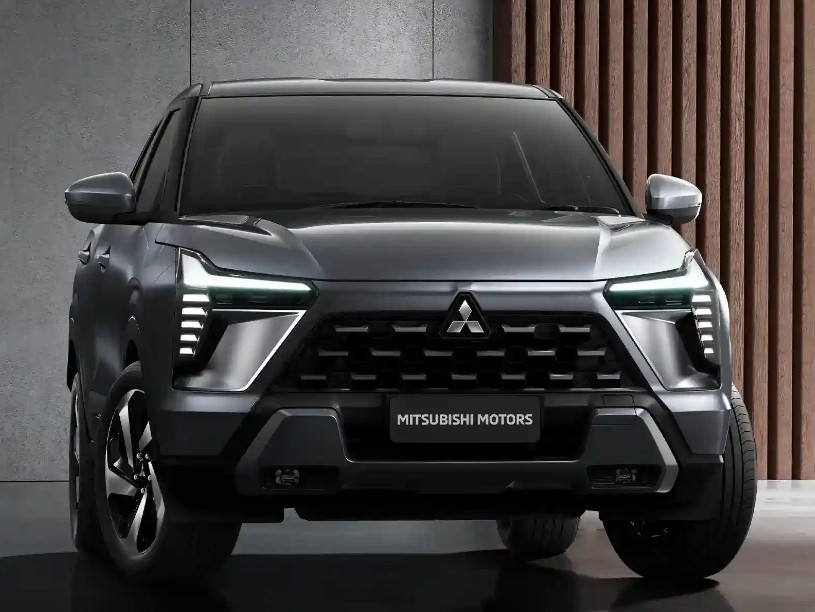
The Mitsubishi Outlander PHEV has spent years carving out a comfortable niche in the plug-in hybrid SUV market. It offers electric commuting, gasoline-powered flexibility, available all-wheel drive, and enough space for everyday family life. On paper, it sounds like a Swiss Army knife on wheels.
But is the Mitsubishi Outlander PHEV trouble-free?
Not exactly.
Like every technically complex vehicle, the Outlander PHEV has its weak spots. Some owners enjoy years of quiet, economical driving, while others encounter battery deterioration, charging faults, cabin-heating problems, warning lights, infotainment glitches, or unexpectedly poor fuel economy.
The important thing is to separate genuine mechanical failures from normal plug-in hybrid behavior. A reduced electric range during winter, for example, does not automatically mean the battery is defective. On the other hand, a sudden and permanent range loss deserves investigation.
In this guide, we will examine the most frequently discussed Mitsubishi Outlander PHEV problems, their likely causes, warning signs, repair considerations, and the checks we should perform before purchasing a used model.
Content in this publication
- Is the Mitsubishi Outlander PHEV Reliable?
- The Most Common Mitsubishi Outlander PHEV Problems
- 1. High-Voltage Battery Degradation
- 2. Electric Range Is Lower Than Expected
- 3. Charging Problems
- 4. Weak 12-Volt Battery
- 5. Cabin Heater Not Working Properly
- 6. EV-System Warning Messages
- 7. Poor Cold-Weather Performance
- 8. Gasoline Engine Starts Unexpectedly
- 9. Loud Engine Noise Under Acceleration
- 10. Infotainment and Rearview-Camera Problems
- 11. Regenerative-Braking Concerns
- 12. Brake Wear and Corrosion
- 13. Suspension Noise and Tire Wear
- 14. Tailgate and Accessory Faults
- 15. Air-Conditioning Problems
- Which Mitsubishi Outlander PHEV Years Have More Problems?
- How Expensive Are Outlander PHEV Repairs?
- How to Inspect a Used Mitsubishi Outlander PHEV
- How to Reduce the Risk of Future Problems
- Should You Avoid the Mitsubishi Outlander PHEV?
- Final Thoughts
- Frequently Asked Questions
Is the Mitsubishi Outlander PHEV Reliable?
Overall, the Mitsubishi Outlander PHEV can be a reliable vehicle when it is serviced properly and regularly charged. Its hybrid system eliminates some traditional transmission components, and the electric motors can reduce the workload placed on the gasoline engine during short journeys.
However, the Outlander PHEV is more complicated than an ordinary gasoline SUV. It combines:
- A gasoline engine
- Front and rear electric motors
- A high-voltage traction battery
- A battery-management system
- An onboard charger
- An inverter
- Regenerative braking
- Multiple cooling systems
- Sophisticated control software
That complexity creates more possible failure points. It also means that diagnosis often requires Mitsubishi-specific equipment rather than a basic code reader.
Reliability varies significantly by model year, climate, mileage, charging habits, maintenance history, and generation. Older examples may suffer from battery-capacity loss, while newer models can experience software and electronic issues that have little to do with mechanical wear.
The Most Common Mitsubishi Outlander PHEV Problems
The problems most frequently mentioned by owners and technicians include:
- High-voltage battery degradation
- Reduced electric driving range
- Charging failures
- Weak or failing 12-volt batteries
- Cabin heater problems
- EV-system warning messages
- Poor cold-weather performance
- Unexpected gasoline-engine operation
- Noisy engine behavior under acceleration
- Infotainment and rearview-camera faults
- Regenerative-braking inconsistencies
- Suspension and brake wear
- Air-conditioning faults
- Tailgate and electrical-accessory problems
- Expensive specialist diagnosis
Not every vehicle will develop these issues. Still, understanding them helps us recognize the difference between a minor inconvenience and a costly repair.
1. High-Voltage Battery Degradation
Battery degradation is probably the most widely discussed Mitsubishi Outlander PHEV problem, particularly among owners of earlier-generation vehicles.
All lithium-ion batteries gradually lose usable capacity. That process is normal. The question is how quickly the capacity declines and whether the loss substantially affects daily driving.
Some owners report that their displayed electric range becomes noticeably lower after several years. In severe cases, the vehicle may travel far fewer electric miles than it did when new, even under favorable weather conditions.
What Causes Battery Degradation?
Several factors can contribute:
- Natural chemical aging
- Frequent exposure to high temperatures
- Regularly leaving the battery fully charged for long periods
- High mileage
- Repeated rapid charging
- Cell imbalance
- Battery-management calibration issues
- Long periods without use
- Heavy heating or air-conditioning demand
High battery temperature and prolonged operation at a high state of charge can accelerate lithium-ion battery aging. However, actual degradation depends on the battery chemistry, thermal controls, software strategy, and usage pattern.
Signs of a Degraded Drive Battery
Look for:
- Permanently reduced EV range
- Rapid loss of displayed charge
- The gasoline engine starting sooner than expected
- Large differences between summer and winter range
- Battery state-of-health readings below expectations
- Charging ending unusually quickly
- The battery gauge falling suddenly under load
A single low-range journey proves very little. Temperature, speed, hills, tire pressure, climate control, and driving style can all affect the estimate.
The better approach is to record several full-charge journeys under similar conditions.
Can the Battery Be Reset?
Some owners discuss battery-management resets or recalibration procedures. These may alter the vehicle’s estimated capacity or correct inaccurate calculations, but they cannot reverse physical battery deterioration.
Think of it like resetting a bathroom scale. The display may become more accurate, but the reset does not change the object being weighed.
A proper battery evaluation should include:
- Diagnostic trouble-code scanning
- Battery state-of-health data
- Cell-voltage comparison
- Charging records
- Temperature readings
- Capacity testing where available
2. Electric Range Is Lower Than Expected
A reduced EV range is not always a defect.
The number shown on the dashboard is an estimate based on recent driving behavior, climate-control use, temperature, terrain, and other conditions. If we drive aggressively for several days, the prediction may shrink. If we then drive gently, it may rise again.
Why the Estimated Range Changes
Common reasons include:
- Cold weather
- Cabin-heater use
- High motorway speeds
- Steep terrain
- Short journeys
- Low tire pressure
- Heavy cargo
- Roof boxes or bicycle racks
- Strong acceleration
- Battery aging
Electric vehicles and plug-in hybrids generally consume more energy when heating the cabin in cold conditions. Cold battery temperatures also reduce efficiency and available performance.
When Low Range Becomes Suspicious
We should investigate when:
- The decline appears suddenly
- Range remains low in mild weather
- The battery drops several bars over a short distance
- Charging time becomes much shorter
- The gasoline engine starts almost immediately
- Diagnostic warnings accompany the range loss
Comparing current performance with another vehicle of the same model year is useful, but only when both vehicles are driven under similar conditions.
3. Charging Problems
Charging trouble can make a plug-in hybrid feel like a regular gasoline SUV wearing an expensive electrical backpack.
Owners may experience:
- Charging that will not begin
- Charging that stops unexpectedly
- A connector that will not lock or release
- Warning lights near the charge port
- Scheduled charging that fails
- Slow charging
- Problems at public chargers
- Failure to recognize the cable
Possible Causes of Charging Failure
The fault may come from the car, but it could also come from the power source.
Potential causes include:
- Damaged charging cable
- Faulty household outlet
- Poor grounding
- Charger communication errors
- Incorrect timer settings
- Weak 12-volt battery
- Contaminated charge-port pins
- Onboard-charger failure
- High-voltage system fault
- Excessive battery temperature
- Software problems
Before blaming the vehicle, we should try another compatible charger. We should also disable scheduled charging temporarily and confirm that the cable is fully inserted.
Home-Charging Safety Matters
A standard household outlet must be in good condition and properly grounded. Extension cords, loose sockets, overheated plugs, and overloaded circuits can create serious risks.
If a plug becomes hot, smells burned, or shows discoloration, charging should stop immediately. An electrician should inspect the circuit.
4. Weak 12-Volt Battery
Ironically, the enormous high-voltage battery cannot prevent a small 12-volt battery from causing chaos.
The 12-volt battery powers computers, locks, relays, lights, and the systems needed to activate the high-voltage drivetrain. If it becomes weak, the Outlander PHEV may appear to have a major hybrid-system failure even when the traction battery is healthy.
Symptoms of a Weak 12-Volt Battery
We may notice:
- The vehicle will not enter Ready mode
- Multiple warning lights appear
- Doors fail to unlock normally
- The infotainment system restarts
- Charging will not begin
- Electrical accessories behave strangely
- The car appears completely dead
- Error messages disappear after a jump-start
A conventional voltage check may not reveal the whole story. The battery should be load-tested, particularly if it is more than a few years old.
Why the 12-Volt Battery Often Gets Blamed Late
Hybrid warning messages look dramatic. Owners understandably assume the expensive traction battery has failed. Yet unstable 12-volt voltage can confuse numerous control modules at once.
Testing the 12-volt battery early can save hours of unnecessary diagnosis.
5. Cabin Heater Not Working Properly
Heating complaints appear regularly in discussions about the Outlander PHEV, especially in colder climates.
Depending on the model year and operating conditions, the vehicle may use electric heating, engine heat, or a combination of both. A fault in the heating system can produce weak airflow, cold air, intermittent heat, or excessive gasoline-engine operation.
Possible Heater-Problem Causes
These may include:
- Electric-heater failure
- Coolant circulation problems
- Low coolant level
- Air trapped in the system
- Faulty valves
- Failed temperature sensors
- Climate-control software faults
- Heater-pump failure
- Blocked heater core
- Weak 12-volt battery
Some drivers are surprised when the gasoline engine starts to provide cabin heat. This can be normal in very cold weather or under high heating demand.
However, persistent cold air after the vehicle reaches operating temperature suggests a genuine fault.
6. EV-System Warning Messages
Messages such as “EV System Service Required” can be alarming because they cover a broad range of possible issues.
The warning may relate to:
- A weak 12-volt battery
- Charging-system failure
- Battery-temperature problems
- Inverter faults
- Electric-motor control issues
- Isolation faults
- Damaged wiring
- Sensor failure
- Software errors
- High-voltage battery faults
The phrase itself is not a diagnosis.
A generic scan tool may read ordinary engine codes but miss Mitsubishi-specific hybrid data. For serious or recurring EV warnings, we need a technician with suitable diagnostic software and high-voltage training.
Should We Keep Driving?
That depends on the symptoms.
Stop driving and seek assistance when:
- The vehicle loses power
- A red warning appears
- There is smoke or a burning smell
- The battery temperature is abnormally high
- The car will not enter Ready mode
- The warning is accompanied by severe vibration
- Charging equipment becomes hot or damaged
A temporary message that disappears after restarting may still deserve a scan. Stored codes can provide clues even after the dashboard looks normal again.
7. Poor Cold-Weather Performance
Winter can expose the Outlander PHEV’s limitations like a spotlight on a dusty stage.
Owners may notice:
- Shorter electric range
- More frequent engine operation
- Slower charging
- Reduced regenerative braking
- Higher gasoline consumption
- Longer cabin warm-up times
- A louder engine
- Reduced power in extreme temperatures
These changes do not necessarily indicate failure. Batteries are less efficient when cold, and heating the cabin consumes substantial energy.
How to Improve Winter Performance
We can reduce the impact by:
- Preheating while connected to a charger
- Parking in a garage
- Using heated seats instead of maximum cabin heat
- Keeping tires properly inflated
- Driving smoothly
- Combining short journeys
- Charging shortly before departure
- Removing unnecessary cargo
Preconditioning is especially helpful because it warms the cabin using external electricity rather than draining the battery immediately after departure.
8. Gasoline Engine Starts Unexpectedly
Many new owners expect the Outlander PHEV to remain in electric mode whenever the battery has charge. In reality, the gasoline engine may start for several legitimate reasons.
These include:
- High acceleration demand
- Low outside temperature
- Windshield defrosting
- Cabin-heating demand
- Battery protection
- Fuel-system maintenance
- High-speed driving
- Low battery charge
- Certain drive-mode selections
- Engine lubrication requirements
The vehicle’s computers make these decisions automatically.
When Engine Operation May Indicate a Problem
Further inspection may be justified when:
- The engine runs constantly in mild weather
- EV mode is repeatedly unavailable
- The battery shows plenty of charge
- No heavy heating or acceleration is requested
- Fuel consumption suddenly worsens
- Warning lights appear
A diagnostic scan can reveal whether a temperature sensor, battery condition, software setting, or hybrid-system fault is forcing engine operation.
9. Loud Engine Noise Under Acceleration
The Outlander PHEV does not always behave like a traditional automatic vehicle. Under heavy acceleration or while climbing, its gasoline engine may hold a steady, high speed while road speed increases separately.
This can create a droning sound that drivers interpret as transmission slipping.
In many cases, it is a normal characteristic of the powertrain. The engine is operating at a speed selected for efficient electricity generation or direct assistance rather than following familiar gear changes.
Older reviews also criticized some versions for producing an intrusive, monotonous engine note under heavy load.
Normal Noise Versus Mechanical Trouble
Normal behavior usually:
- Appears during strong acceleration
- Stops when demand decreases
- Produces no warning lights
- Causes no vibration
- Does not reduce performance
Mechanical trouble may involve:
- Metallic knocking
- Persistent rattling
- Misfiring
- Burning smells
- Oil-pressure warnings
- Sudden power loss
- Excessive vibration
Unusual noises should not be dismissed simply because the powertrain operates differently from a conventional SUV.
10. Infotainment and Rearview-Camera Problems
Some newer Outlander PHEV models have experienced infotainment-system faults, including frozen screens or temporary loss of the rearview-camera image.
A 2025 U.S. safety recall covered certain 2023–2025 Outlander PHEV vehicles because improper infotainment software programming could cause the display to freeze, reboot, or show a black screen, potentially removing the rearview-camera image while reversing. The remedy involved updated software.
Common Infotainment Complaints
Drivers may encounter:
- A black display
- Slow startup
- Bluetooth disconnections
- Smartphone-integration failures
- Frozen menus
- Audio dropouts
- Repeated reboots
- Missing camera images
- Delayed touch response
Software updates can solve some of these issues. Others may require inspection of the head unit, wiring, camera, or 12-volt electrical supply.
Always Check the VIN for Recalls
Recall coverage depends on the individual vehicle, not simply the model name. Before purchasing a used Outlander PHEV, we should check its vehicle identification number through the official recall system for the country where the SUV is registered.
Recall work should generally be completed by an authorized dealer at no cost to the owner when the vehicle is covered by the campaign.
11. Regenerative-Braking Concerns
The Outlander PHEV uses regenerative braking to recover energy during deceleration. Depending on the selected regeneration level and battery condition, the amount of slowing can vary.
Owners sometimes report:
- Weak regeneration
- Inconsistent deceleration
- Regeneration becoming unavailable
- A different brake-pedal feel
- Sudden transition between regenerative and friction braking
Why Regeneration May Be Limited
Regenerative braking may decrease when:
- The battery is nearly full
- The battery is too cold
- Traction is limited
- The system detects a fault
- Vehicle stability controls intervene
When the battery is full, there is nowhere useful to store recovered energy. The vehicle must rely more heavily on its conventional brakes.
An abrupt or unsafe-feeling change, however, should be checked professionally.
12. Brake Wear and Corrosion
Regenerative braking can reduce brake-pad wear, but it creates an unexpected downside: conventional brakes may be used less frequently.
In wet or salty climates, lightly used brake discs can develop corrosion. Calipers may also become sticky if the brakes are not inspected and serviced.
Signs of Brake Problems
Look for:
- Grinding
- Squealing
- Pulsation
- Rusty brake discs
- Uneven braking
- A sticking wheel
- Reduced efficiency
- Excessive heat from one corner
- Parking-brake warnings
Low mileage does not guarantee healthy brakes. Time, moisture, road salt, and lack of use can matter as much as distance.
13. Suspension Noise and Tire Wear
The Outlander PHEV carries a substantial battery pack, making it heavier than a comparable gasoline vehicle. That weight can place additional stress on tires, suspension bushings, wheel bearings, and alignment components.
Potential symptoms include:
- Knocking over bumps
- Uneven tire wear
- Steering vibration
- Wandering on the highway
- Creaking at low speeds
- Premature shock-absorber wear
- Wheel-bearing humming
Regular tire rotation and alignment checks are particularly important. Incorrect tire pressure not only accelerates wear but also reduces electric range.
14. Tailgate and Accessory Faults
Power-tailgate systems can develop problems involving switches, sensors, gas struts, wiring, or control modules.
Symptoms may include:
- Tailgate opening only partially
- Tailgate reversing direction
- Warning beeps
- Failure to respond
- Difficulty staying open
- Unusual noises from the struts
A 2025 U.S. recall report also addressed certain older Outlander and Outlander PHEV vehicles in connection with tailgate gas-spring rupture concerns. Applicability depends on the exact model and VIN.
Small electrical annoyances can also include keyless-entry faults, parking-sensor problems, camera errors, and intermittent powered-seat operation.
15. Air-Conditioning Problems
Air conditioning plays two roles in a plug-in hybrid. It cools the passengers, and parts of the thermal-management system may also help protect electrical components.
Common complaints include:
- Air that is not cold
- Intermittent cooling
- Compressor noise
- Cooling that stops while stationary
- Climate-control error messages
- Reduced performance during charging
Possible causes range from low refrigerant to compressor, sensor, electrical, or control-module faults.
Because some hybrid air-conditioning compressors use specialized oil and high-voltage power, servicing should be performed by a technician familiar with electrified vehicles.
Which Mitsubishi Outlander PHEV Years Have More Problems?
It is difficult to label one model year universally “bad” because the Outlander PHEV has been sold in many countries with different specifications, batteries, warranties, recalls, and software versions.
Broadly speaking:
Earlier-Generation Models
Older examples are more likely to show:
- Battery-capacity loss
- Reduced EV range
- Aging 12-volt batteries
- Worn suspension parts
- Corroded brakes
- Heater faults
- Outdated infotainment
- Charging-port wear
Their advantage is that common repair patterns are better understood, and purchase prices are usually lower.
Newer-Generation Models
Newer vehicles offer greater range, more power, modern safety equipment, and a more refined cabin. However, they may experience:
- Infotainment bugs
- Camera faults
- Software recalls
- Sensor warnings
- Connectivity issues
- Complex electronic problems
A newer model is not automatically risk-free. It simply trades some age-related concerns for more software-dependent ones.
How Expensive Are Outlander PHEV Repairs?
Repair costs vary enormously.
A weak 12-volt battery may be relatively affordable. A damaged high-voltage battery, onboard charger, inverter, air-conditioning compressor, or electric heater can be considerably more expensive.
The final bill depends on:
- Vehicle age
- Country
- Warranty status
- Parts availability
- Dealer labor rates
- Whether individual components can be repaired
- Whether an entire assembly must be replaced
- Independent hybrid-specialist availability
Does Mitsubishi Cover the PHEV Battery?
Warranty terms differ by country, model year, ownership status, and component.
In the United States, Mitsubishi has advertised long powertrain and PHEV-component coverage on qualifying vehicles, although exact transferability and limitations vary. Owners should read the warranty booklet for the specific vehicle rather than assuming all used examples receive identical protection.
Battery warranties may cover complete failure but not every degree of gradual capacity reduction. The wording matters enormously.
How to Inspect a Used Mitsubishi Outlander PHEV
Buying a used PHEV without checking the hybrid system is like buying a house without looking at the roof. Everything may appear fine until the expensive part starts leaking.
Used-Buyer Checklist
Before purchasing, we should:
- Check the full service history
- Confirm recall completion
- Test the vehicle from a full charge
- Compare displayed and actual EV range
- Scan all control modules
- Check battery state-of-health data
- Test both normal and rapid charging where applicable
- Inspect the charging cable
- Test heating and air conditioning
- Check the 12-volt battery
- Listen for suspension noises
- Inspect brake-disc corrosion
- Verify all cameras and sensors
- Test the power tailgate
- Check for accident or flood damage
- Confirm warranty coverage in writing
Why a Full-Charge Test Drive Matters
A five-minute drive tells us almost nothing about battery health.
Ideally, we should begin with a fully charged battery and drive long enough to observe:
- How quickly the range falls
- When the gasoline engine starts
- Whether the battery gauge behaves smoothly
- Whether warning messages appear
- Whether heating or air conditioning works
- Whether acceleration remains consistent
A pre-purchase inspection by a Mitsubishi dealer or qualified hybrid specialist is money well spent.
How to Reduce the Risk of Future Problems
We cannot stop every failure, but sensible ownership habits can improve reliability.
Recommended Practices
- Follow the official maintenance schedule
- Keep the 12-volt battery healthy
- Install software updates
- Complete recall work promptly
- Avoid damaged or overheated charging equipment
- Maintain correct tire pressure
- Use the gasoline engine regularly
- Do not ignore warning lights
- Keep cooling-system services current
- Inspect brakes even when pad wear is low
- Avoid leaving the vehicle unused for long periods
- Have repeated range loss professionally measured
Do Not Treat Every Warning With a Reset
Disconnecting the 12-volt battery may temporarily clear a message, but it can also erase useful diagnostic information. Repeatedly resetting a warning without finding the cause is like silencing a smoke alarm while the kitchen is still burning.
Read the codes first whenever possible.
Should You Avoid the Mitsubishi Outlander PHEV?
Not necessarily.
The Outlander PHEV can make sense for drivers who:
- Can charge at home
- Make frequent short journeys
- Need gasoline flexibility for long trips
- Want all-wheel-drive capability
- Understand winter-range limitations
- Have access to competent servicing
It may be less suitable for someone who cannot charge regularly, expects maximum motorway fuel economy, or lives far from a qualified hybrid repair facility.
Without frequent charging, the vehicle must carry a heavy battery and electric system while relying largely on gasoline. That is like taking a packed suitcase everywhere but never opening it.
Final Thoughts
The Mitsubishi Outlander PHEV is neither a disaster waiting to happen nor a flawless electric miracle. It is a practical, sophisticated SUV with real strengths and a recognizable collection of weaknesses.
Battery degradation remains one of the most important concerns on older vehicles. Charging faults, weak 12-volt batteries, cabin-heating issues, unusual engine operation, brake corrosion, and electronic glitches also deserve attention. On newer examples, software and infotainment problems may be more relevant than mechanical wear.
The smartest approach is not to fear the technology but to inspect it properly.
A well-maintained Outlander PHEV with healthy battery data, completed recalls, reliable charging, and a strong service history can still be an appealing used vehicle. A neglected example with vague battery information and a dashboard full of warnings can quickly become an expensive puzzle.
We should buy the condition, history, diagnostic results, and remaining warranty—not merely the badge or model year.
Frequently Asked Questions
1. What is the biggest Mitsubishi Outlander PHEV problem?
For many older vehicles, the most significant concern is high-voltage battery degradation. It can reduce electric range and cause the gasoline engine to operate more frequently. However, actual battery condition varies greatly between individual vehicles.
2. How long does an Outlander PHEV battery last?
A traction battery can remain usable for many years, but its capacity gradually declines. Climate, mileage, charging habits, temperature exposure, and battery management all influence its lifespan. A diagnostic state-of-health test provides more useful information than age alone.
3. Why does my Outlander PHEV engine run with a full battery?
The engine may start because of cold weather, cabin heating, windshield defrosting, high acceleration demand, fuel-system maintenance, battery protection, or driving conditions. Constant operation in mild conditions may require diagnosis.
4. Why will my Mitsubishi Outlander PHEV not charge?
Possible causes include charger failure, poor electrical grounding, timer settings, a weak 12-volt battery, damaged charge-port components, onboard-charger faults, software errors, or a high-voltage-system problem. Testing another compatible charging source is a useful first step.
5. Is a used Mitsubishi Outlander PHEV worth buying?
It can be worth buying when the battery has been tested, the service history is complete, recalls are finished, and all charging and climate-control functions operate correctly. A professional hybrid inspection is strongly recommended before purchase.
If you want to know other articles similar to Mitsubishi Outlander PHEV Problems: A Complete Owner’s Guide you can visit the category Common Problems.
Volvo S90 Common Problems: Reliability & Repair Guide
Volvo S90 No Sound: Causes, Fixes and Solutions

Nissan Rogue Smells Like Gas: Causes and Fixes
Vauxhall Agila Problems: Common Faults & Fixes

Kia Sorento Jerking When Accelerating: Causes & Fixes

Jaguar F-Pace Low Battery: Causes, Warning Signs, and How to Fix It
Leave a Reply
More content of your interest