

Peugeot 206 Reliability: Is This Small French Car Still Worth Buying?

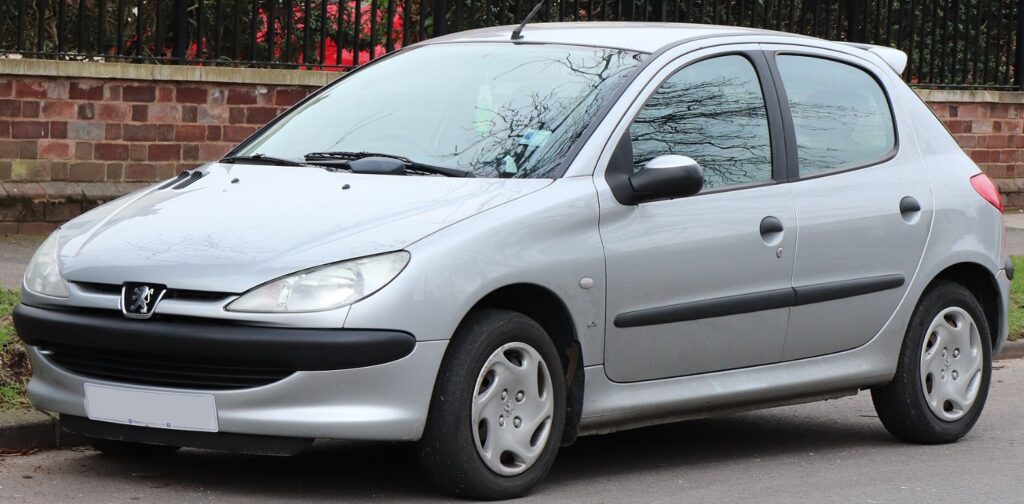
Few affordable hatchbacks have aged with as much personality as the Peugeot 206. Even decades after its debut, we still see it weaving through busy city streets, squeezing into tiny parking spaces, and serving as inexpensive first-time transport. Its curved body, compact dimensions, and playful handling helped it become one of Peugeot’s most recognisable cars.
But attractive styling is only half the conversation. The question that matters to used-car buyers is simple: How reliable is the Peugeot 206 today?
The honest answer sits somewhere between “surprisingly durable” and “potentially frustrating.” A well-maintained Peugeot 206 can remain dependable, economical, and enjoyable. A neglected one, however, can behave like an old house with charming windows and leaking pipes—lovely to look at, but constantly asking for attention.
The Peugeot 206 earned mixed reliability ratings during its original production life. Some assessments described its mechanical reliability and interior quality as below average, while others found its overall reliability acceptable but highlighted electrical faults as a major source of complaints.
Today, the condition of an individual car matters far more than the badge on its bonnet. Let us examine what normally goes wrong, which engines tend to make the most sense, and how we can find a Peugeot 206 that still has plenty of life left.
Content in this publication
- Peugeot 206 Reliability at a Glance
- Why Peugeot 206 Reliability Varies So Much
- Are Peugeot 206 Engines Reliable?
- Peugeot 206 Petrol Engine Reliability
- Peugeot 206 Diesel Engine Reliability
- Peugeot 206 Manual Gearbox Reliability
- Peugeot 206 Automatic Gearbox Reliability
- Peugeot 206 Electrical Problems
- Rear Axle and Suspension Reliability
- Steering Reliability and Driving Feel
- Cooling-System Problems
- Timing-Belt Reliability
- Brakes, Exhaust, and Everyday Wear
- Peugeot 206 Interior Quality and Reliability
- Water Leaks and Rust
- Is the Peugeot 206 CC Reliable?
- How Long Can a Peugeot 206 Last?
- Are Peugeot 206 Parts Expensive?
- Peugeot 206 Reliability Compared With Its Rivals
- Best Peugeot 206 Version for Reliability
- Peugeot 206 Models We Would Inspect More Carefully
- Peugeot 206 Reliability Checklist Before Buying
- Maintenance Habits That Improve Peugeot 206 Reliability
- Is the Peugeot 206 a Good First Car?
- Is the Peugeot 206 Reliable Enough for Daily Driving?
- Safety Recalls and VIN Checks
- Final Verdict: Is the Peugeot 206 Reliable?
- Frequently Asked Questions
Peugeot 206 Reliability at a Glance
The Peugeot 206 is not the most reliable small car from its era, but neither is it automatically a bad purchase.
Most examples are now old enough for age, mileage, previous repairs, and owner behaviour to shape their reliability. Two identical-looking cars can deliver completely different ownership experiences. One may start every morning without complaint, while the other lights up its dashboard like a Christmas tree.
Our General Reliability Verdict
We would describe Peugeot 206 reliability as:
- Average to below average overall
- Reasonably good at the engine level
- More troublesome electrically
- Highly dependent on maintenance history
- Affordable to repair when common faults are caught early
- Riskier when fitted with a neglected automatic transmission
- More complicated in 206 CC convertible form
The basic mechanical design is not excessively sophisticated. That helps keep many routine repairs manageable. Yet electrical accessories, suspension wear, cooling-system neglect, and age-related deterioration can turn an apparently cheap car into an expensive little project.
Why Peugeot 206 Reliability Varies So Much
Reliability discussions often treat every car of the same model as though it came from one enormous mould. Used vehicles do not work that way.
The Peugeot 206 was sold with several petrol and diesel engines, manual and automatic transmissions, multiple body styles, and different equipment levels. It also remained on sale in various markets for many years.
That variety creates very different ownership outcomes.
Age Is Now the Biggest Reliability Factor
Many Peugeot 206 models are more than 15 or 20 years old. At that age, rubber seals harden, wiring connections corrode, suspension bushes soften, plastic fittings become brittle, and previous repair quality begins to matter.
A low-mileage car is not automatically the safest choice either. A vehicle that has spent years sitting outside may suffer from:
- Perished tyres
- Seized brakes
- Weak batteries
- Rusty exhaust components
- Deteriorated seals
- Old fluids
- Corroded electrical contacts
Mileage tells only one chapter of the story. Maintenance records reveal the rest.
Previous Owners Make or Break the Car
The Peugeot 206 was often purchased as inexpensive transport. Unfortunately, cheap cars sometimes receive cheap maintenance.
Owners may postpone timing-belt replacement, ignore coolant leaks, fit low-quality suspension parts, or continue driving with warning lights illuminated. These shortcuts accumulate like unpaid bills.
A properly serviced 206 can feel tight, cheerful, and mechanically healthy. A neglected example may have faults layered on top of faults, making diagnosis difficult.
Are Peugeot 206 Engines Reliable?
In general, the engines are not the weakest part of the Peugeot 206. Many can cover high mileages when serviced correctly.
The biggest risks usually come from missed timing-belt changes, overheating, poor-quality oil, neglected cooling systems, and unresolved warning lights. In other words, the engine itself may be sound, but its supporting systems still require attention.
Peugeot 206 Petrol Engine Reliability
Petrol-powered versions remain popular because they are simple, relatively light, and well suited to short urban journeys.
1.1-Litre Petrol Engine
The 1.1-litre engine is basic and economical, but it can feel breathless outside town. Reliability can be acceptable because there is relatively little complexity, although older examples may suffer from oil leaks, ignition faults, cooling problems, and worn engine mounts.
This engine suits drivers who prioritise low running costs over speed. We would not choose it for frequent motorway driving, steep terrain, or a fully loaded car.
What to Check on the 1.1 Petrol
Look for:
- Uneven idle
- Blue exhaust smoke
- Oil around the engine
- Coolant loss
- Tapping or rattling noises
- Hesitation when accelerating
- Evidence of timing-belt replacement
A smooth idle and clean acceleration are reassuring. Misfiring, overheating, or unexplained coolant loss should make us cautious.
1.4-Litre Petrol Engine
The 1.4 petrol is one of the more balanced choices. It normally offers enough performance for everyday use without creating excessive running costs.
When maintained properly, it can be durable. Common age-related complaints may involve ignition coils, sensors, idle quality, oil seepage, cooling-system components, and worn mounts.
The key word is “maintained.” A documented timing-belt service and a healthy cooling system are worth more than shiny paint or aftermarket alloy wheels.
1.6-Litre Petrol Engine
The 1.6 petrol delivers stronger performance and makes the 206 feel more energetic. It is commonly found in better-equipped models and sporty versions.
The engine can be reliable, but we should inspect it carefully for:
- Irregular idling
- Ignition-coil problems
- Oil leaks
- Coolant leaks
- Worn mounts
- Sensor faults
- Poorly executed modifications
Sportier cars may have been driven harder. That does not automatically make them unreliable, but it increases the importance of service history and a thorough inspection.
2.0-Litre GTI and RC/GTi 180 Reliability
Performance-oriented 206 models are enjoyable, but reliability depends heavily on previous ownership.
A standard, carefully serviced example may be a rewarding modern classic. A modified or abused car can become a financial trap. We should examine the clutch, gearbox, suspension, brakes, cooling system, tyres, and engine mounts closely.
Performance models deserve a specialist inspection. Their increasing age and enthusiast appeal mean that originality and documented maintenance are especially valuable.
Peugeot 206 Diesel Engine Reliability
Diesel versions can be economical and long-lasting, particularly when used for regular longer journeys.
Older Peugeot diesel engines often earned a reputation for durability, but age-related fuel-system, turbocharger, air-intake, and emissions-related faults may appear. Diesel savings also become less compelling when the car is used only for short urban trips.
1.4 HDi Reliability
The 1.4 HDi is economical and generally capable of high mileage. It can be an excellent choice for drivers covering substantial distances, provided servicing has been consistent.
Potential issues include:
- Injector seal leakage
- Turbo lubrication problems
- EGR contamination
- Fuel-system faults
- Oil leaks
- Air-hose deterioration
- Glow-plug problems
Frequent oil changes with the correct specification are essential. A turbocharger is only as healthy as the oil feeding it.
2.0 HDi Reliability
The 2.0 HDi is often considered a robust engine when properly maintained. It offers stronger torque than the smaller diesel and can handle longer journeys comfortably.
However, we should still check for injector issues, worn engine mounts, turbo wear, coolant leaks, smoke under acceleration, and clutch deterioration.
High mileage alone should not frighten us. A documented 2.0 HDi with regular maintenance may be a better purchase than a low-mileage car with no history.
Peugeot 206 Manual Gearbox Reliability
The manual gearbox is generally the safer transmission choice.
Most manual units can last well, although worn linkages, tired clutches, oil leaks, noisy bearings, and synchromesh wear can appear as mileage increases.
During the test drive, we should change through every gear at different speeds. The lever should not feel excessively loose, and the transmission should not crunch when selecting first, second, or reverse.
Clutch Warning Signs
A worn clutch may reveal itself through:
- A high biting point
- Slipping under hard acceleration
- Shuddering when moving away
- Difficulty selecting gears
- A heavy or inconsistent pedal
- Unusual noises when pressing the pedal
Clutch replacement is a normal wear-related repair, but its cost should be reflected in the purchase price.
Peugeot 206 Automatic Gearbox Reliability
Automatic models require more caution.
Reports concerning the Peugeot 206 frequently mention jerky gear changes, fluid leaks, control-related faults, and automatic-transmission problems. The automatic versions of the 206 CC have also attracted complaints involving both the gearbox and its electronic controls.
You may be interested in reading Ford Taurus Reliability: A Complete Used-Car Guide
A healthy automatic should engage drive and reverse without a harsh delay. It should shift smoothly when cold and warm, without sudden jolts, warning messages, slipping, or becoming stuck in one gear.
Should We Avoid Every Automatic 206?
Not necessarily, but we would only consider one with strong maintenance evidence and a fault-free test drive.
An unusually cheap automatic may be cheap for a reason. Transmission diagnosis and repair can cost more than the vehicle is worth.
Peugeot 206 Electrical Problems
Electrical issues are among the Peugeot 206’s most widely reported weaknesses. One used-car assessment noted that electrical faults represented a large share of reported problems, with central locking identified as a frequent source of trouble.
Typical electrical complaints include:
- Central locking that works intermittently
- Electric windows that move slowly or stop
- Dashboard warning lights
- Immobiliser or starting problems
- Faulty indicator controls
- Heater-fan failures
- Radio or display problems
- Poor electrical connections
- Battery-drain issues
- Sensor-related engine warnings
Most individual faults are not catastrophic. The frustration comes when several small issues appear together.
Central Locking and Window Faults
Failed locking actuators and window-regulator motors are regularly mentioned among common Peugeot 206 problems.
Before buying, test every door, key, window, mirror, switch, and remote function. Do not accept “it probably just needs a fuse” without evidence. Sometimes it does. Sometimes that sentence is the opening line of a much longer repair story.
Battery and Charging Problems
Old batteries can create a surprising number of symptoms. Low voltage may lead to strange warning lights, intermittent central locking, poor starting, or electronic confusion.
We should check:
- Battery age
- Alternator output
- Battery-terminal condition
- Earth connections
- Whether the car starts quickly from cold
- Whether warning lights disappear normally
Replacing a weak battery is simple. Chasing multiple electrical symptoms caused by corrosion or damaged wiring is not.
Rear Axle and Suspension Reliability
The rear axle is one of the most important Peugeot 206 inspection points.
Wear or corrosion in the rear-axle assembly may cause knocking, unstable handling, abnormal tyre wear, visible wheel lean, or poor alignment. Rear-axle deterioration is repeatedly identified as a common 206 trouble area.
How to Spot a Worn Rear Axle
Stand behind the car on level ground and look at the rear wheels. If the top of one wheel leans noticeably inward, the axle may be worn.
During the test drive, listen for:
- Rear knocking noises
- Creaking over bumps
- Rumbling sounds
- Unstable cornering
- A loose or wandering feeling
- Tyre noise caused by uneven wear
A replacement or rebuilt axle can restore the car, but we need to include that repair in our budget.
Front Suspension Wear
Front suspension components also wear with age. Common candidates include:
- Drop links
- Ball joints
- Control-arm bushes
- Strut mounts
- Wheel bearings
- Tie-rod ends
- Shock absorbers
Knocking over broken roads is not something we should dismiss as “normal for an old car.” It may be common, but it still indicates wear.
Steering Reliability and Driving Feel
One reason people still enjoy the Peugeot 206 is its lively steering. The car feels light and eager around town, almost like a shopping trolley that has suddenly discovered motorsport.
However, worn suspension or steering components can ruin that character. Excessive play, vibration, uneven assistance, or wandering at speed deserves investigation.
Check whether the steering wheel returns smoothly after a corner and whether the car tracks straight on a flat road.
Heavy steering may point to power-steering trouble, a slipping belt, low fluid on applicable systems, or another mechanical fault. Never ignore sudden changes in steering effort.
Cooling-System Problems
Cooling-system maintenance is critical on any older Peugeot 206.
A minor coolant leak can grow into overheating, cylinder-head damage, or head-gasket failure. The cooling fan, thermostat, radiator, hoses, expansion tank, and water pump all deserve attention.
Warning Signs of Cooling Trouble
Watch for:
- Coolant below the minimum mark
- White residue around hose connections
- A sweet smell after driving
- Temperature fluctuations
- Cooling fan failure
- Steam from the engine bay
- Creamy residue under the oil cap
- Persistent white exhaust smoke
- Bubbles in the coolant reservoir
A small amount of light residue under the oil cap may occur on cars used for very short journeys. Combined with coolant loss or overheating, however, it becomes more concerning.
Timing-Belt Reliability
Several Peugeot 206 engines use a timing belt. If that belt fails, internal engine damage may follow.
We should never rely on a seller saying, “The previous owner probably changed it.” A timing belt is either documented or it is not.
Ask for an invoice showing:
- Replacement date
- Vehicle mileage
- Belt-kit brand
- Tensioner replacement
- Water-pump replacement, where appropriate
When no proof exists, we should budget for immediate replacement. Think of it as buying insurance for the engine.
Brakes, Exhaust, and Everyday Wear
The braking system is generally conventional, but age introduces familiar problems such as seized calipers, worn discs, damaged hoses, handbrake issues, and corroded brake pipes.
The exhaust may also deteriorate through corrosion, especially on cars used for repeated short journeys. Noisy exhaust systems have been reported by owners of the 206 CC in particular.
A rattling heat shield may be inexpensive to fix. A failed catalytic converter or heavily corroded system can be more costly.
Peugeot 206 Interior Quality and Reliability
The 206 cabin looks distinctive, but some materials do not age gracefully.
Used-car assessments have criticised the model’s interior quality, including aspects of the seats and ventilation system.
Common cabin complaints include:
- Worn seat bolsters
- Loose trim
- Broken switches
- Sagging or damaged upholstery
- Heater-control problems
- Noisy ventilation fans
- Failed dashboard bulbs
- Water entering the footwells
- Worn steering-wheel surfaces
These faults rarely stop the car from moving, but they reveal how the vehicle has been treated.
A dirty yet mechanically sound car can be cleaned. A suspiciously polished car with warning lights and no service records is much harder to rescue.
Water Leaks and Rust
The Peugeot 206 body generally resists severe structural corrosion reasonably well, but no older vehicle is immune.
Check the:
- Sills
- Wheel arches
- Floor
- Jacking points
- Suspension mounting areas
- Brake pipes
- Exhaust
- Area beneath the boot carpet
- Door bottoms
- Windscreen edges
Water leaks may come from door seals, drainage points, the ventilation intake, damaged body seals, or convertible-roof components. Footwell leaks and roof-seal problems are among the issues reported on ageing examples.
Lift the carpets whenever possible. Dampness, staining, mould, or a strong air-freshener scent may indicate hidden moisture.
Is the Peugeot 206 CC Reliable?
The Peugeot 206 CC deserves separate treatment because its folding metal roof adds complexity.
When operating properly, the roof turns the car into an entertaining small convertible. When it fails, diagnosis can involve switches, sensors, hydraulic components, wiring, seals, catches, or alignment.
Water leaks are a recognised complaint, and roof repairs can be expensive relative to the value of the car.
How to Test a 206 CC Roof
Operate the roof through a complete opening and closing cycle. Do not test it only halfway.
Check that:
- The mechanism moves smoothly.
- No warning tone continues after closing.
- The windows lower and raise correctly.
- The boot closes and locks properly.
- The roof seals sit evenly.
- No hydraulic fluid is visible.
- The cabin and boot remain dry.
- The roof does not produce grinding noises.
A seller who refuses to demonstrate the roof may already know the ending to this story.
How Long Can a Peugeot 206 Last?
A well-maintained Peugeot 206 can exceed 150,000 miles or roughly 240,000 kilometres. Some cars travel considerably farther.
You may be interested in readingFord Taurus Reliability: A Complete Used-Car GuideYou may be interested in reading
 Mitsubishi Outlander Reliability by Year: The Complete Used-Buyer Guide
However, maximum mileage is not the most useful measure of reliability. A vehicle can technically continue running while requiring constant repairs. We should instead ask whether it can remain safe, predictable, and economical.
Longevity depends on:
- Engine choice
- Oil-change frequency
- Cooling-system care
- Timing-belt history
- Driving conditions
- Rust exposure
- Repair quality
- Previous overheating
- Transmission maintenance
- Availability of suitable parts
A high-mileage car with a thick folder of invoices may have more reliable miles ahead than a low-mileage example that has been ignored.
Are Peugeot 206 Parts Expensive?
Routine parts are generally affordable in markets where the 206 was popular.
Service items such as filters, belts, brake components, suspension parts, batteries, and ignition components are usually available through aftermarket suppliers.
The more expensive situations tend to involve:
- Automatic transmission failure
- Major engine damage
- Convertible-roof repairs
- Extensive electrical diagnosis
- Rear-axle replacement
- Catalytic-converter replacement
- Severe corrosion
- Multiple deferred repairs at once
The Peugeot 206 can be cheap to maintain when we address one problem early. It becomes costly when five ignored problems arrive together.
Peugeot 206 Reliability Compared With Its Rivals
Against rivals such as the Toyota Yaris, Honda Jazz, Ford Fiesta, Renault Clio, Volkswagen Polo, and Vauxhall Corsa, the 206 sits somewhere in the middle-to-lower part of the reliability conversation.
A Toyota Yaris may offer a stronger reputation for long-term dependability. A Ford Fiesta may provide wider specialist familiarity in some markets. A Volkswagen Polo may feel more solid inside.
Yet the Peugeot often fights back with:
- Attractive styling
- Low purchase prices
- Comfortable seats
- Light controls
- Enjoyable handling
- Good fuel economy
- Broad parts availability
- A wide choice of engines and body styles
The smartest decision depends on the actual cars available, not merely their reputations. A cared-for 206 is preferable to a neglected rival wearing a more respected badge.
Best Peugeot 206 Version for Reliability
For many buyers, a simple petrol engine with a manual gearbox offers the lowest-risk combination.
A well-maintained 1.4 petrol manual can provide a useful balance of performance, economy, mechanical simplicity, and parts availability.
The 1.1 may suit gentle city use, while the 1.6 offers stronger performance. Diesel models make more sense when we regularly cover longer distances.
Our Lower-Risk Configuration
We would generally look for:
- A later-production hatchback
- A manual gearbox
- A naturally aspirated petrol engine
- Complete maintenance records
- A documented timing-belt change
- No overheating history
- A healthy rear axle
- Fully functioning electrics
- Standard, unmodified condition
This is not a guarantee of reliability. It simply removes several common risk factors.
Peugeot 206 Models We Would Inspect More Carefully
Certain versions deserve additional caution:
- Neglected automatic models
- Cheap 206 CC convertibles
- Heavily modified GTI models
- Cars with no timing-belt history
- Diesels used only for short journeys
- Vehicles showing rear-wheel lean
- Cars with repeated overheating
- Examples with several electrical faults
- Vehicles sold immediately after a failed inspection
- Cars with suspiciously fresh paint around structural areas
A low price can be tempting, but an inexpensive car with unresolved faults is not necessarily good value.
Peugeot 206 Reliability Checklist Before Buying
We should inspect the vehicle in daylight and start the engine from completely cold.
Exterior and Body
Check for:
- Uneven panel gaps
- Paint mismatch
- Rust
- Dampness in the boot
- Damaged seals
- Uneven tyre wear
- Leaning rear wheels
- Missing trim
- Cracked lights
- Poor accident repairs
Engine Bay
Inspect:
- Engine-oil level and condition
- Coolant level
- Oil and coolant leaks
- Battery terminals
- Hose condition
- Belt condition
- Signs of overheating
- Improvised wiring
- Recently cleaned areas hiding leaks
Interior and Electrics
Test:
- Central locking
- Both keys
- Electric windows
- Mirrors
- Horn
- Wipers
- Washers
- Heater fan
- Air conditioning
- Dashboard display
- Interior lights
- Radio
- Every warning light
The warning lights should illuminate when the ignition is switched on and then disappear normally after the engine starts. A light that never illuminates may have been deliberately disabled.
Test Drive
During the drive, check:
- Cold starting
- Idle stability
- Clutch operation
- Gear selection
- Steering response
- Brake performance
- Suspension noise
- Engine temperature
- Exhaust smoke
- Acceleration
- Warning lights
- Straight-line tracking
Drive on smooth and rough roads. A five-minute lap around the seller’s block is not enough.
Maintenance Habits That Improve Peugeot 206 Reliability
Once we own the car, preventative maintenance becomes our strongest defence.
Follow a Sensible Routine
We should:
- Change the engine oil and filter regularly.
- Use the correct oil specification.
- Replace the timing belt on schedule.
- Inspect coolant hoses and levels.
- Repair overheating immediately.
- Check suspension and steering annually.
- Keep battery terminals clean.
- Investigate warning lights promptly.
- Avoid the cheapest possible replacement parts.
- Keep invoices for future resale.
Do Not Ignore Small Symptoms
A weak window motor, slight coolant smell, occasional misfire, or faint suspension knock may seem harmless.
But small faults rarely improve by themselves. They wait quietly, gathering friends.
Early diagnosis is usually cheaper than roadside recovery, damaged tyres, a failed inspection, or major engine work.
Is the Peugeot 206 a Good First Car?
The Peugeot 206 can still work well as a first car because it is compact, easy to park, inexpensive to purchase, and generally straightforward to drive.
However, first-time buyers should avoid choosing purely on colour, wheels, or stereo equipment. Mechanical condition matters far more.
A pre-purchase inspection is especially valuable for anyone unfamiliar with used cars. Paying a professional to reject a bad example can save far more than the inspection costs.
Is the Peugeot 206 Reliable Enough for Daily Driving?
Yes, a healthy Peugeot 206 can still serve as a daily driver.
We would feel comfortable using one regularly when it has:
- A stable engine temperature
- No significant fluid leaks
- A recent timing-belt service
- A solid rear axle
- Reliable starting
- A healthy charging system
- Good tyres and brakes
- No active warning lights
- Predictable clutch and gearbox behaviour
We would not depend on a car that overheats, loses coolant, has intermittent immobiliser faults, or displays obvious rear-axle wear.
Daily reliability begins with removing uncertainty.
Safety Recalls and VIN Checks
Recall status can vary by production date, specification, and market. Rather than relying on a general online list, owners should check the vehicle identification number through Peugeot or the appropriate national recall database.
Peugeot provides a VIN-based recall checker and advises owners to contact an authorised repairer promptly when a campaign applies. Recall work is generally completed without charge.
A recall check should be part of our buying process, just like checking the service history and vehicle identity.
Final Verdict: Is the Peugeot 206 Reliable?
The Peugeot 206 is not a flawless reliability champion. Electrical problems, worn rear axles, ageing suspension, coolant leaks, window failures, central-locking faults, and automatic-transmission issues can all appear.
Yet dismissing every 206 as unreliable would be unfair.
Its engines can last well. Manual transmissions are generally straightforward. Routine parts remain accessible in many markets, and repairs are often affordable when faults are handled early.
The greatest danger is not the Peugeot badge. It is neglect.
A documented, rust-free, manual Peugeot 206 with a healthy cooling system and solid rear axle can still provide enjoyable, economical transport. A suspiciously cheap car with no history, several warning lights, and a leaning rear wheel may quickly consume more money than it saves.
We should buy on condition, not emotion. The 206 may have a charming face, but even charming faces need a proper inspection.
Frequently Asked Questions
1. Is the Peugeot 206 generally reliable?
The Peugeot 206 offers average to below-average overall reliability. Its engines can be durable, but electrical faults, suspension wear, rear-axle problems, and age-related deterioration are common concerns. Maintenance history is more important than mileage alone.
2. What is the most reliable Peugeot 206 engine?
A well-maintained 1.4-litre petrol engine with a manual gearbox is often a sensible all-round choice. It offers reasonable performance without excessive complexity. The 1.4 HDi and 2.0 HDi can also last well when serviced correctly.
3. What is the most common Peugeot 206 problem?
Electrical faults are among the most frequently reported issues, particularly problems involving central locking, electric windows, sensors, and dashboard warnings. Rear-axle wear is another major inspection point.
You may be interested in readingFord Taurus Reliability: A Complete Used-Car GuideYou may be interested in reading
Mitsubishi Outlander Reliability by Year: The Complete Used-Buyer GuideYou may be interested in reading
Mitsubishi Outlander Longevity: How Long Can It Last?4. How many miles can a Peugeot 206 last?
A properly maintained Peugeot 206 may exceed 150,000 miles, or approximately 240,000 kilometres. Some examples travel farther, but longevity depends on servicing, engine condition, cooling-system care, transmission health, and rust prevention.
5. Should we buy a used Peugeot 206?
A Peugeot 206 can be a worthwhile low-cost purchase when it has complete maintenance records, a documented timing-belt change, a manual gearbox, functioning electrics, and no rear-axle or overheating problems. A professional inspection is strongly recommended.
If you want to know other articles similar to Peugeot 206 Reliability: Is This Small French Car Still Worth Buying? you can visit the category Blog.
Mitsubishi Pajero Sport Reliability: Is It a Dependable SUV?
Mitsubishi Pajero Sport Years to Avoid: A Used Buyer’s Guide

Is Infiniti QX60 Reliable? A Complete Reliability Guide
Peugeot RCZ Insurance Group: Complete UK Guide
Peugeot RCZ Reliability: How Dependable Is This Stylish Coupé?

Mazda CX-8 Reliability: How Dependable Is This 7-Seat SUV?
Leave a Reply
More content of your interest