

Ford Taurus Reliability: A Complete Used-Car Guide

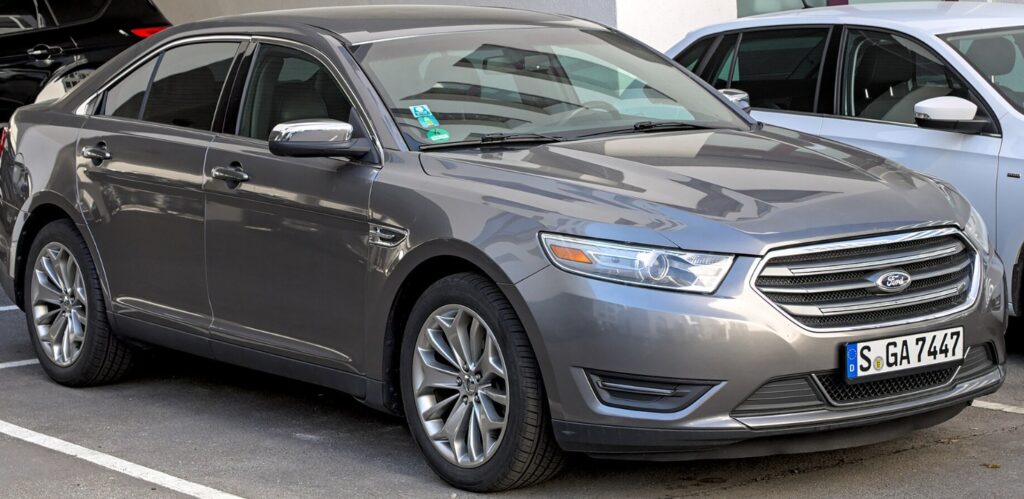
The Ford Taurus has worn many hats during its long life. It started as a forward-thinking family sedan, became a familiar sight in rental fleets and police departments, disappeared briefly, and later returned as a large, comfortable cruiser with available all-wheel drive and serious performance in SHO form.
But how dependable is it?
Overall, Ford Taurus reliability ranges from average to good, depending heavily on the generation, engine, model year, maintenance history, and previous use. A carefully maintained Taurus can travel well beyond 150,000 miles, and some examples reach 200,000 miles or more. However, neglected cars can become expensive surprisingly quickly, especially when internal water pumps, steering components, transmissions, turbochargers, or electronic systems begin to fail.
The Taurus is not a car we should judge by its badge alone. Two vehicles from the same model year can deliver completely different ownership experiences. One may feel like a comfortable highway locomotive, while the other drains a repair budget one warning light at a time.
In this guide, we will examine Ford Taurus reliability by generation, identify common problems, discuss expected lifespan, compare engines, highlight the best and worst years, and explain exactly what to inspect before buying one.
Content in this publication
- Is the Ford Taurus Reliable?
- Ford Taurus Reliability by Generation
- Most Common Ford Taurus Reliability Problems
- Best Ford Taurus Years for Reliability
- Ford Taurus Years to Approach Carefully
- How Long Does a Ford Taurus Last?
- Which Ford Taurus Engine Is Most Reliable?
- Ford Taurus Maintenance for Better Reliability
- How to Inspect a Used Ford Taurus
- Are Former Police Ford Taurus Models Reliable?
- Ford Taurus Reliability Versus Competitors
- Is a Used Ford Taurus Worth Buying?
- Ford Taurus Reliability Verdict
- Frequently Asked Questions
Is the Ford Taurus Reliable?
The Ford Taurus is generally considered an average-reliability full-size sedan. It is not usually placed among the most bulletproof cars in its class, but neither is it automatically an unreliable choice.
RepairPal estimates average annual Ford Taurus repair and maintenance costs at approximately $697, compared with about $590 for full-size cars overall. This suggests that Taurus ownership can cost somewhat more than the class average, although vehicle age, mileage, location, and maintenance history can significantly change the real figure.
What does that mean in everyday language?
A Taurus will probably not behave like an appliance that runs forever with nothing beyond oil changes. Nevertheless, a good example can provide years of dependable transportation when its owner stays ahead of maintenance.
The key strengths supporting Ford Taurus reliability include:
- Durable naturally aspirated V6 engines in many models
- Comfortable highway performance
- Generally solid body construction
- Widely available mechanical parts
- Familiarity among independent repair shops
- Strong long-distance cruising ability
- Proven fleet and law-enforcement use
Its reliability weaknesses include:
- Expensive internal water-pump repairs on certain V6 engines
- Power-steering failures on some model years
- Transmission problems in older generations
- Complicated EcoBoost hardware in SHO models
- Aging electronics and infotainment systems
- Higher repair costs than some midsize alternatives
- Poor visibility that can make body damage more likely
In other words, the Taurus is dependable when purchased intelligently. Buying solely because the price looks attractive can be like adopting a large dog without asking what it eats.
Ford Taurus Reliability by Generation
The Taurus name covers several mechanically different vehicles. We cannot discuss its dependability accurately without separating the generations.
First Generation: 1986–1991
The original Taurus transformed the American family-sedan market with its aerodynamic design and front-wheel-drive layout. For its era, it was innovative, spacious, and generally practical.
Today, however, age matters more than the model’s original reliability reputation. Rubber seals, wiring, cooling systems, fuel components, suspension bushings, and transmissions may all require attention.
Common concerns now include:
- Automatic transmission wear
- Cooling-system leaks
- Oil leaks
- Old electrical connectors
- Deteriorated engine mounts
- Rust in snow-belt regions
- Hard-to-find cosmetic and interior parts
A first-generation Taurus can still be enjoyable as a classic, but it should not be evaluated like a modern daily driver. Even a low-mileage example may need substantial age-related restoration.
Second Generation: 1992–1995
The second-generation Taurus retained much of the original platform while introducing styling, safety, and refinement updates.
Reliability is often acceptable when the vehicle has survived in good condition, but automatic transmission durability remains a concern. Buyers should also look for cooling-system neglect and oil leakage.
The SHO deserves special attention. It offered impressive performance through Yamaha-developed engines, but it is now a specialist vehicle. Parts availability, previous modifications, and technician knowledge can matter more than mileage.
Should We Daily-Drive an Early Taurus?
It is possible, but doing so requires realistic expectations. A 30-year-old Taurus may be mechanically simple compared with a modern sedan, yet age can create unpredictable problems.
A clean early Taurus is better suited to an enthusiast who:
- Can perform basic repairs
- Has access to a trusted mechanic
- Accepts occasional parts searches
- Keeps another transportation option available
- Values originality more than modern convenience
Third Generation: 1996–1999
The dramatically rounded third-generation Taurus remains one of the most recognizable versions ever built. Its design was bold, but its reliability record was mixed.
Transmission trouble became one of the generation’s defining concerns. Engine problems were not inevitable, but the automatic transmission could become a costly weak point, especially when fluid changes were ignored.
Other common aging issues include:
- Heater-core problems
- Cooling-system corrosion
- Suspension wear
- Power-window failures
- Electrical faults
- Dashboard and interior deterioration
The 1996–1999 SHO Camshaft Concern
The V8-powered Taurus SHO is fascinating, rare, and potentially expensive. Some engines became known for camshaft sprocket failures. Enthusiasts often address the risk by welding the cam sprockets, but documentation is essential.
We would not recommend buying a V8 SHO as ordinary transportation unless its history is extremely clear. It is better viewed as an enthusiast car with unique maintenance requirements.
Fourth Generation: 2000–2007
The fourth-generation Taurus moved away from the oval-heavy styling of its predecessor and returned to a more conventional appearance. These cars are affordable, comfortable, and mechanically familiar, but reliability varies considerably.
Many examples use either the 3.0-liter Vulcan V6 or the more powerful 3.0-liter Duratec V6.
The Vulcan engine is simple and usually durable, although it is not especially powerful. The Duratec offers better performance but has more complexity and can be more expensive to repair.
Frequent issues include:
- Automatic transmission failure
- Coil and ignition problems
- Oil-pan gasket leaks
- Cooling-system faults
- Broken front springs
- Worn engine mounts
- Idle-control problems
- Rust underneath the vehicle
RepairPal lists engine oil-pan gasket leaks, freeway-speed bucking or misfires, and idle-air bypass valve problems among frequently reported Taurus concerns.
Why Maintenance Records Matter So Much
A fourth-generation Taurus with 140,000 miles and a thick folder of service receipts may be safer than one showing 80,000 miles with no history.
Transmission-fluid changes are particularly important. An automatic transmission that has spent years running on burnt, contaminated fluid may shift acceptably during a quick test drive and still be close to failure.
Mileage tells us how far the car has traveled. Maintenance records tell us how it traveled.
Fifth Generation: 2008–2009
The 2008 Taurus was essentially a renamed and updated Ford Five Hundred. It was larger, taller, and more spacious than the previous Taurus.
This generation uses a 3.5-liter V6 and a six-speed automatic transmission. In general, it feels more substantial and modern than the 2000–2007 model.
Positive qualities include:
- Spacious passenger compartment
- Large trunk
- Strong crash structure
- Comfortable ride
- Available all-wheel drive
- Reasonably durable basic engine design
Potential trouble spots include:
- Internal water-pump concerns
- Transmission issues
- Wheel-bearing noise
- Suspension wear
- Electrical accessories
- Air-conditioning faults
- All-wheel-drive maintenance
The 2008 and 2009 Taurus can represent good value, but buyers should verify the cooling system carefully. A leaking internal water pump can turn a seemingly affordable purchase into a major repair.
Sixth Generation: 2010–2019
The final U.S.-market Taurus generation looked dramatically different. It became wider, heavier, more stylish, and more technologically advanced.
Most standard models use a naturally aspirated 3.5-liter V6, while some later cars received a 2.0-liter EcoBoost four-cylinder. The Taurus SHO uses a twin-turbocharged 3.5-liter EcoBoost V6 and standard all-wheel drive.
This generation is usually the one people mean when searching for Ford Taurus reliability today.
It offers:
- Excellent highway stability
- Strong V6 performance
- Comfortable seats
- Large trunk capacity
- Available all-wheel drive
- Good sound insulation
- Modern safety and convenience features
- Impressive SHO acceleration
However, its complexity means that repair bills can be substantial.
Most Common Ford Taurus Reliability Problems
No Taurus will experience every problem listed below. Still, understanding the recurring patterns helps us inspect a used example more intelligently.
Internal Water-Pump Failure
The internal water pump is one of the most important concerns on Taurus models equipped with certain versions of Ford’s 3.5-liter and 3.7-liter Cyclone V6.
Unlike a conventional external water pump, this unit is mounted inside the engine and driven by the timing chain. When it begins leaking, coolant may escape externally through a passage, but it can also contaminate the engine oil in severe cases.
Possible warning signs include:
- Falling coolant level
- Sweet coolant smell
- Engine overheating
- Milky or contaminated oil
- Coolant beneath the vehicle
- Rattling near the timing-cover area
- Temperature fluctuations
- White exhaust smoke in severe cases
The repair is labor-intensive because technicians must access the timing components. Depending on labor rates and secondary damage, the total can run into thousands of dollars.
CarComplaints owner reports for the 2013 Taurus identify water-pump failure among the model year’s most expensive commonly reported concerns, with an average reported repair cost of approximately $2,500 in its submitted cases.
Can Water-Pump Failure Be Prevented?
There is no guaranteed preventive formula, but good cooling-system maintenance may help reduce risk.
We should:
- Use the correct coolant specification
- Avoid mixing incompatible coolant types
- Repair overheating immediately
- Watch the coolant reservoir level
- Change contaminated or overdue coolant
- Inspect for leakage during every service
- Investigate unexplained coolant loss promptly
Ignoring a slowly dropping coolant level is like ignoring water entering a boat because the deck still looks dry.
Power-Steering Failure
Some later Taurus models have experienced power-steering-assist problems. Depending on the year and configuration, the system may use electronic power steering.
Symptoms may include:
- Suddenly heavy steering
- Steering-assist warning messages
- Intermittent loss of assistance
- Unusual steering noises
- Steering that feels inconsistent
- Warning lights after startup
For the 2013 Taurus, owner-submitted complaint data identify power-steering-assist failure as a prominent issue, with reported repairs averaging around $1,700 in the cases tracked by CarComplaints.
A temporary return of steering assistance after restarting the car does not mean the problem has disappeared. Intermittent steering failure should always be diagnosed before purchase.
Automatic Transmission Problems
Transmission reliability differs by generation, mileage, service history, and previous driving conditions.
Older Taurus generations developed a reputation for transmission failures. Later six-speed units can also suffer from:
- Harsh shifting
- Delayed engagement
- Slipping
- Torque-converter shudder
- Fluid leaks
- Sensor problems
- Valve-body faults
- Failure to select a gear
- Hesitation when accelerating
During a test drive, we should operate the car when cold and after it reaches full temperature. Some transmissions shift normally for the first few minutes and begin acting up only after the fluid heats.
You may be interested in reading Mitsubishi Outlander Reliability by Year: The Complete Used-Buyer Guide
What Does a Healthy Taurus Transmission Feel Like?
A healthy transmission should:
- Engage Drive and Reverse without a long delay
- Shift smoothly under light throttle
- Respond cleanly during harder acceleration
- Avoid flaring between gears
- Remain quiet at highway speed
- Downshift without violent banging
- Show clean fluid with no burnt odor
No used transmission is perfectly silky, but obvious hesitation, slipping, or clunking deserves investigation.
EcoBoost Turbocharger and PTU Problems
The Taurus SHO is the star athlete of the family. Its twin-turbocharged V6 delivers the kind of acceleration that can make a large sedan feel unexpectedly alive.
That performance comes with extra hardware:
- Two turbochargers
- Additional cooling requirements
- Direct fuel injection
- More complex intake plumbing
- All-wheel drive
- A power transfer unit
- Higher thermal loads
Possible SHO concerns include:
- Turbo oil or coolant leaks
- Boost leaks
- Carbon buildup
- Ignition misfires
- Worn spark plugs
- PTU fluid deterioration
- PTU overheating
- Timing-related noise
- Expensive cooling-system repairs
- Neglect caused by extended oil-change intervals
A SHO that has been modified, tuned, raced, or poorly maintained may become significantly riskier.
Is the Taurus SHO Reliable?
A stock, well-maintained Taurus SHO can be reliable enough for daily driving. However, it is not the safest Taurus for someone seeking minimal operating costs.
We should expect higher expenses for:
- Tires
- Brakes
- Fuel
- Spark plugs
- Turbo-related repairs
- AWD servicing
- Cooling-system work
- Insurance
- Performance-specific parts
The SHO is best for an owner who genuinely wants its power and is prepared to maintain it. Buying one simply because it costs less than a newer performance sedan can be false economy.
Electrical and Infotainment Issues
Later Taurus models may develop faults involving:
- SYNC infotainment
- Touchscreen response
- Backup cameras
- Door-lock actuators
- Climate-control modules
- Parking sensors
- Blind-spot monitoring
- Power seats
- Keyless-entry systems
- Battery-drain complaints
Electrical problems are not always catastrophic, but they can be irritating and difficult to diagnose. A weak battery may also create multiple warning messages that look more serious than the original cause.
Test every switch, screen, sensor, lock, window, seat motor, camera, and climate-control setting before buying.
Suspension and Wheel-Bearing Wear
The Taurus is a large, heavy sedan. Its weight places considerable stress on suspension and steering components.
Watch for:
- Clunking over bumps
- Uneven tire wear
- Steering vibration
- Humming wheel bearings
- Wandering on the highway
- Broken springs
- Worn control-arm bushings
- Weak struts or shocks
- Poor wheel alignment
A quiet cabin can mask suspension noise during a short drive, so we should test the car over rough pavement as well as smooth roads.
Oil Leaks and Engine Misfires
Older Taurus engines may develop oil leaks from gaskets and seals. Misfires can result from worn spark plugs, ignition coils, vacuum leaks, fuel-delivery faults, or intake-related problems.
Warning signs include:
- Rough idle
- Flashing check-engine light
- Fuel smell
- Reduced power
- Poor fuel economy
- Oil spots beneath the car
- Smoke from the engine bay
A flashing check-engine light indicates an active misfire that can damage the catalytic converter. We should not dismiss it as a minor sensor issue.
Best Ford Taurus Years for Reliability
There is no single perfect model year, and condition remains more important than a ranking. Nevertheless, some later Taurus years are generally more appealing because Ford had time to refine the platform.
2015 Ford Taurus
The 2015 model sits near the middle of the final generation. It offers modern styling, good comfort, and a mature version of the platform.
Its advantages include:
- Broad parts availability
- Familiar 3.5-liter V6
- Comfortable highway manners
- Available AWD
- Updated technology compared with early models
- Fewer first-year concerns than the 2010 redesign
Buyers must still inspect the water pump, steering system, transmission behavior, electronics, and maintenance records.
2016 Ford Taurus
The 2016 Taurus is another reasonable choice when properly maintained. It feels modern enough for daily use without commanding the price of the newest examples.
However, shoppers should check the VIN for open recalls. In 2025, Ford recalled certain 2016–2019 Taurus sedans because exterior B-pillar trim could detach while driving. Dealers were directed to inspect and repair or replace affected trim at no charge.
A recall does not automatically make a vehicle unreliable. An unresolved recall simply means the owner should arrange the prescribed repair.
2017–2019 Ford Taurus
The final years are attractive because they benefited from years of production experience and are usually easier to find with lower mileage.
The 2019 Taurus has relatively limited owner-complaint data compared with earlier years, although low complaint totals can partly reflect fewer vehicles sold and less accumulated age rather than guaranteed superior durability.
Late-model examples remain vulnerable to normal Taurus concerns, particularly:
- Internal water-pump failure
- Aging electronics
- Suspension wear
- Transmission neglect
- SHO-specific turbo and AWD issues
- Open recall work
A clean 2017–2019 SEL or Limited with the naturally aspirated V6 may be one of the most balanced Taurus purchases.
Ford Taurus Years to Approach Carefully
Calling a year “bad” can oversimplify the issue. Plenty of owners have driven supposedly problematic model years without catastrophic failures. Still, certain years generate enough concern to justify extra caution.
2003 Ford Taurus
The 2003 Taurus has attracted a high volume of owner complaints in used-car reliability discussions. Transmission problems, suspension concerns, and age-related engine issues can make neglected examples risky.
At this point, any 2003 Taurus is also more than two decades old. Even a mechanically decent car may need work involving:
- Brake lines
- Fuel lines
- Rusted subframes
- Cooling hoses
- Motor mounts
- Struts
- Wheel bearings
- Electrical grounds
- Air-conditioning components
Its purchase price may be low, but the repair total can quickly exceed the vehicle’s market value.
2008–2010 Ford Taurus
These years introduced a newer mechanical package and, in 2010, a complete styling transformation. Early examples can still be good vehicles, but buyers should examine them carefully for:
- Water-pump leakage
- Transmission behavior
- AWD or PTU maintenance
- Electrical problems
- Steering concerns
- Cooling-system neglect
The 2010 model also represents the first year of the sixth-generation redesign, and first-year vehicles often carry more small issues than later versions.
2013 Ford Taurus
The 2013 Taurus received styling and technology updates, but owner-submitted complaint data highlight several costly concerns. CarComplaints lists steering, engine, and windshield issues among the major categories reported for this model year.
That does not mean every 2013 Taurus should be avoided. It means a pre-purchase inspection is especially important.
We would want evidence of:
- Stable coolant level
- Smooth steering assistance
- Quiet cold startup
- Correct transmission operation
- Completed recall work
- Regular oil changes
- No unexplained warning messages
How Long Does a Ford Taurus Last?
A Ford Taurus can commonly last 150,000 to 200,000 miles when properly maintained. Well-cared-for examples may travel farther, while neglected vehicles may require uneconomical repairs before 120,000 miles.
The difference often comes down to five factors:
- Engine and transmission maintenance
- Cooling-system care
- Driving environment
- Rust exposure
- The owner’s willingness to fix small problems early
Highway mileage is usually easier on a Taurus than repeated short trips. Long highway drives allow the engine to reach proper temperature and reduce constant transmission shifting, braking, and steering input.
City use, police service, rental use, towing, aggressive driving, and long periods of idling can create greater wear than the odometer suggests.
Can a Ford Taurus Reach 300,000 Miles?
Yes, but 300,000 miles should be considered an exceptional result rather than a guaranteed expectation.
To reach that mileage, a Taurus will probably need several significant replacements during its life, such as:
- Suspension components
- Wheel bearings
- Alternator
- Starter
- Cooling-system parts
- Engine mounts
- Air-conditioning components
- Sensors
- Transmission repairs
- Possibly an internal water pump
A vehicle can last 300,000 miles without retaining every original component. Longevity means the chassis and powertrain remain worth maintaining, not that nothing ever breaks.
Which Ford Taurus Engine Is Most Reliable?
The answer depends on the generation, but for later models, the naturally aspirated V6 usually offers the best balance between performance and complexity.
3.0-Liter Vulcan V6
The Vulcan V6 found in many older Taurus models is not exciting, but simplicity is one of its strengths.
Benefits include:
- Straightforward design
- Affordable parts
- Broad mechanic familiarity
- Moderate repair costs
- Good durability with regular maintenance
Weaknesses include:
- Limited power
- Possible head-gasket or cooling issues on neglected examples
- Oil leaks
- Aging ignition and idle components
- Transmission pairing concerns
The engine may outlast the transmission, which is an important distinction when evaluating older cars.
3.0-Liter Duratec V6
The Duratec provides stronger performance and a more modern driving experience than the Vulcan.
Potential concerns include:
- Oil leaks
- Intake-system problems
- Ignition-coil failures
- Cooling-system faults
- More difficult access to some components
A maintained Duratec can be durable, but repairs may require more labor.
3.5-Liter Naturally Aspirated V6
The naturally aspirated 3.5-liter V6 is the sensible choice for most buyers considering a 2008–2019 Taurus.
It delivers:
- Strong acceleration
- Smooth highway power
- No turbochargers
- Wide parts availability
- Proven use across multiple Ford products
Its main reliability concern is the internal water pump. Because that failure can become so costly, buyers should not treat the engine as maintenance-free.
3.5-Liter EcoBoost V6
The twin-turbo EcoBoost in the SHO is powerful and entertaining. It can also be reliable under careful ownership.
Compared with the naturally aspirated V6, however, it has more components that can age or fail.
Choose it when performance is a priority. Do not choose it expecting the cheapest long-term ownership.
2.0-Liter EcoBoost Four-Cylinder
Some later Taurus models used a turbocharged 2.0-liter four-cylinder. It may deliver respectable fuel economy under gentle driving, but moving such a large sedan requires considerable boost.
The engine can feel adequate rather than effortless. Buyers should inspect for:
You may be interested in readingMitsubishi Outlander Reliability by Year: The Complete Used-Buyer GuideYou may be interested in reading
Mitsubishi Outlander Longevity: How Long Can It Last?- Cooling problems
- Turbocharger wear
- Oil leaks
- Boost leaks
- Misfires
- Maintenance neglect
- Signs of overheating
For long-term simplicity, many shoppers may prefer the naturally aspirated V6.
Ford Taurus Maintenance for Better Reliability
Reliability is not merely something a vehicle possesses. It is also something an owner creates.
Ford provides model-specific maintenance schedules through its support portal and advises owners to consult the applicable owner’s manual for exact intervals.
Follow Sensible Oil-Change Intervals
Use the correct oil viscosity and specification for the engine. Severe driving conditions may justify shorter intervals than the maximum shown by an oil-life monitor.
Severe conditions can include:
- Frequent short trips
- Long idling periods
- Extreme temperatures
- Heavy traffic
- Dusty roads
- Aggressive driving
- Towing or heavy loading
- Turbocharged operation
Oil is particularly important in the SHO because turbochargers depend on clean lubrication and experience intense heat.
Service the Transmission
The idea that transmission fluid should never be changed has damaged many otherwise usable cars.
A reasonable maintenance plan should consider:
- Fluid condition
- Ford’s specified procedure
- Vehicle usage
- Transmission type
- Previous service history
- Evidence of slipping or contamination
A routine fluid service cannot repair a failing transmission. However, appropriate maintenance performed before symptoms develop can support longer life.
Maintain the Cooling System
Cooling-system care is central to Ford Taurus reliability.
We should regularly inspect:
- Coolant level
- Coolant color and condition
- Reservoir cracks
- Hose deterioration
- Radiator leaks
- Thermostat operation
- Cooling fans
- Water-pump warning signs
- Engine-oil contamination
Never continue driving an overheating Taurus. A short trip with the temperature gauge in the red can transform a manageable repair into engine replacement.
Protect the AWD System
All-wheel-drive models require additional attention.
Check:
- PTU fluid condition
- Rear differential service
- Axle-seal leaks
- Matching tire sizes
- Similar tire tread depths
- Driveline vibration
- Burning fluid odors
Using mismatched tires can force the AWD system to compensate continuously, increasing heat and wear.
Do Not Ignore the PTU
The power transfer unit lives in a hot environment and holds a relatively small amount of fluid. On AWD vehicles, regular inspection and sensible fluid servicing may help reduce the chance of expensive failure.
A burnt-oil smell after driving is worth investigating.
How to Inspect a Used Ford Taurus
A good inspection can save more money than aggressive price negotiation.
Before Starting the Engine
Inspect the vehicle while it is cold. A seller who warms the engine before our arrival may be trying to hide a rough start, rattle, smoke, or warning light.
Check:
- Coolant level
- Oil level and condition
- Fluid leakage
- Battery age
- Belt condition
- Tire matching
- Uneven tire wear
- Rust underneath
- Damaged wiring
- Evidence of recent cleaning around leaks
During Cold Startup
Listen for:
- Timing-related rattles
- Knocking
- Belt squeal
- Rough idle
- Exhaust leaks
- Misfires
- Abnormal turbo noise on SHO models
Watch the exhaust for persistent white, blue, or black smoke.
During the Test Drive
The test drive should include:
- Low-speed city driving
- Harder acceleration
- Highway cruising
- Braking from moderate speed
- Tight parking-lot turns
- Rough pavement
- Reverse engagement
- Several full stops and restarts
Pay attention to steering weight, gear changes, wheel-bearing hum, suspension noise, brake vibration, and warning messages.
After the Test Drive
Recheck:
- Coolant level
- Oil cap
- Fluid leakage
- Burning smells
- Cooling-fan operation
- Transmission engagement
- Engine temperature
Some leaks appear only after the vehicle is fully warm.
Get a Pre-Purchase Inspection
A professional inspection should include a diagnostic scan, even when no warning lights are visible. Stored and pending trouble codes can reveal problems that have not yet triggered a dashboard alert.
Ask the mechanic to examine:
- Cooling-system pressure
- Water-pump leakage signs
- Transmission condition
- Steering system
- Suspension
- AWD components
- Turbochargers on SHO models
- Rust and structural damage
- Recall status
- Emissions readiness monitors
If readiness monitors are incomplete, the seller may have recently cleared diagnostic codes.
Are Former Police Ford Taurus Models Reliable?
Used Police Interceptor Sedans can look tempting because they offer upgraded cooling, stronger brakes, AWD availability, and heavy-duty components.
However, police use creates a unique type of wear.
A police Taurus may have spent thousands of hours idling. Its odometer may appear reasonable while the engine, cooling system, alternator, air conditioning, and electrical equipment have operated far longer than the mileage suggests.
Possible disadvantages include:
- High idle hours
- Hard acceleration
- Repeated braking
- Curb impacts
- Worn interiors
- Removed police wiring
- Drilled body panels
- Incomplete service records
- Accident repairs
- Heavy suspension wear
Former administrative or detective vehicles can be better than patrol cars, but the vehicle’s specific history matters.
Check engine hours where available and compare them with mileage. A bargain police Taurus can be a sturdy workhorse, but it can also be a retired athlete with tired knees.
Ford Taurus Reliability Versus Competitors
The Taurus competes indirectly with large sedans such as the Toyota Avalon, Chevrolet Impala, Chrysler 300, Buick LaCrosse, and Hyundai Azera.
Ford Taurus vs Toyota Avalon Reliability
The Avalon generally has the stronger reputation for low-drama long-term ownership. It also tends to hold its value better.
The Taurus may offer:
- Lower purchase prices
- Available AWD
- SHO performance
- A more substantial road feel
- More affordable used inventory
The Avalon may offer:
- Better resale value
- More consistent reliability
- Lower risk of major cooling-system repairs
- More efficient interior packaging
For pure dependability, the Avalon is usually the safer choice. For value, AWD, or performance, the Taurus may be more appealing.
Ford Taurus vs Chevrolet Impala Reliability
The Impala and Taurus are more closely matched. Both can deliver comfortable, affordable full-size transportation.
The Taurus offers available AWD and the high-performance SHO. The Impala often provides better interior space utilization and easier outward visibility.
Reliability depends heavily on year and engine, but both require careful used-car inspections.
Ford Taurus vs Chrysler 300 Reliability
The Chrysler 300 offers rear-wheel-drive character and available V8 power. The Taurus uses front-wheel-drive architecture with available AWD.
Both can become expensive as they age. The Taurus may appeal to drivers who prefer secure all-weather traction, while the 300 attracts those who value traditional rear-wheel-drive dynamics.
Neither should be bought without service records and a professional inspection.
Is a Used Ford Taurus Worth Buying?
A used Ford Taurus can absolutely be worth buying when the price reflects its age, mileage, and mechanical condition.
It is particularly attractive for drivers who want:
- A quiet highway cruiser
- Comfortable front seats
- A huge trunk
- Strong V6 power
- Available AWD
- Low used-car pricing
- Subtle performance in SHO form
It may not be ideal for drivers who want:
- Maximum fuel economy
- Easy city parking
- Class-leading rear-seat packaging
- Minimal repair risk
- Strong resale value
- Simple engine access
- Compact exterior dimensions
The Best Taurus Buyer
The ideal owner appreciates comfort and value, performs preventive maintenance, and keeps an emergency repair fund.
The Wrong Taurus Buyer
A Taurus may disappoint someone who buys the cheapest available example, ignores warning lights, postpones fluid services, or expects economy-car operating costs.
The purchase price is merely the admission ticket. Condition determines the cost of the show.
Ford Taurus Reliability Verdict
The Ford Taurus is neither an indestructible legend nor a mechanical disaster. Its reliability sits in the middle, with certain engines and years offering genuinely solid service and others carrying expensive risks.
For most buyers, a later naturally aspirated V6 model with documented maintenance is the safest route. A 2015–2019 SEL or Limited can provide comfort, power, and highway stability at an appealing used-car price.
The Taurus SHO is far more exciting, but it demands a larger maintenance budget and a more careful inspection. Older generations can still serve as inexpensive transportation, although transmission condition, corrosion, and age-related deterioration become increasingly important.
Above all, we should buy the individual car rather than the reputation. A perfect model year with poor maintenance is a bad purchase. A supposedly average year with thorough records, clean fluids, no leaks, and careful ownership can be a dependable companion.
That is the real story of Ford Taurus reliability: it rewards preparation. Choose well, maintain it consistently, and this big American sedan can keep rolling with the calm determination of a freight train crossing an open plain.
Frequently Asked Questions
1. Is the Ford Taurus a reliable used car?
Yes, the Ford Taurus can be a reliable used car, particularly when equipped with a naturally aspirated V6 and supported by complete maintenance records. Overall reliability is average, and buyers should inspect the cooling system, transmission, steering, electronics, and suspension before purchasing.
2. What is the biggest Ford Taurus reliability problem?
On many later V6 models, the internal water pump is one of the most serious concerns. Because it is mounted inside the engine and driven by the timing chain, replacement requires extensive labor. Severe leakage may also allow coolant to contaminate the oil and damage the engine.
3. How many miles can a Ford Taurus last?
A properly maintained Ford Taurus can often reach 150,000 to 200,000 miles. Some examples exceed 200,000 or even approach 300,000 miles, although major repairs and component replacements should be expected as mileage increases.
4. Is the Ford Taurus SHO dependable?
A well-maintained, unmodified Taurus SHO can be dependable, but it is more complex and expensive to own than a standard Taurus. Its twin turbochargers, AWD system, PTU, direct-injection hardware, and higher performance increase maintenance requirements and potential repair costs.
You may be interested in readingMitsubishi Outlander Reliability by Year: The Complete Used-Buyer GuideYou may be interested in reading
Mitsubishi Outlander Longevity: How Long Can It Last?You may be interested in reading
 Is Peugeot 206 a Good Car? An Honest Used-Car Guide
5. Which Ford Taurus engine is the most reliable?
For later Taurus models, the naturally aspirated 3.5-liter V6 generally offers the best combination of power, durability, and mechanical simplicity. Buyers must still watch for internal water-pump problems and verify that the cooling system has been maintained correctly.
If you want to know other articles similar to Ford Taurus Reliability: A Complete Used-Car Guide you can visit the category Blog.
Mitsubishi Pajero Sport Reliability: Is It a Dependable SUV?
Mitsubishi Pajero Sport Years to Avoid: A Used Buyer’s Guide

Is Infiniti QX60 Reliable? A Complete Reliability Guide
Peugeot RCZ Insurance Group: Complete UK Guide
Peugeot RCZ Reliability: How Dependable Is This Stylish Coupé?

Mazda CX-8 Reliability: How Dependable Is This 7-Seat SUV?
Leave a Reply
More content of your interest