
Is Peugeot 206 a Good Car? An Honest Used-Car Guide

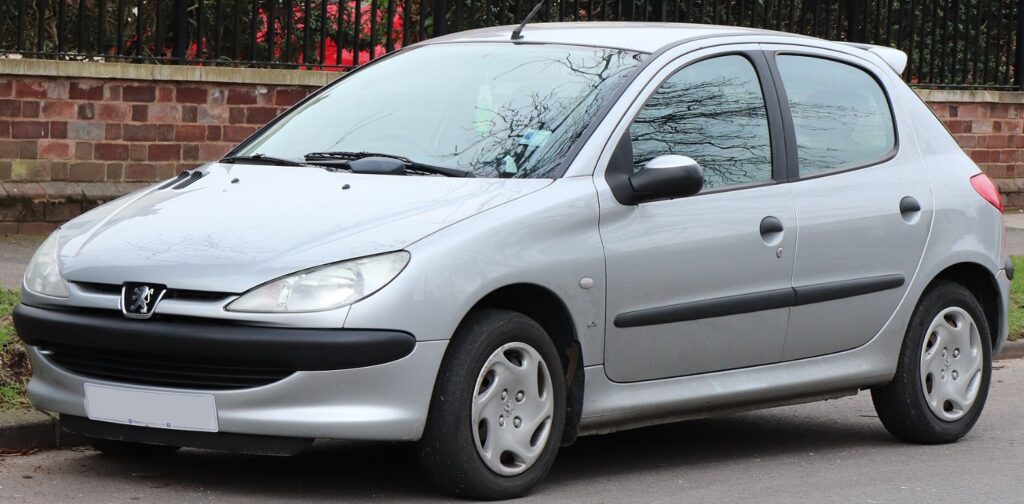
The Peugeot 206 is one of those cars almost everyone recognizes. Compact, rounded, and unmistakably French, it became a familiar sight on European roads and later found enthusiastic owners across the UK, Australia, New Zealand, South America, and other markets.
But familiarity does not automatically equal quality. So, is Peugeot 206 a good car, especially now that most examples are well into used-car territory?
Broadly speaking, yes—the Peugeot 206 can still be a good car for the right buyer. It is affordable, economical, easy to park, and surprisingly enjoyable to drive. However, it is not a vehicle we should purchase blindly. Age, maintenance history, engine choice, electrical condition, and previous ownership matter far more than the badge on the bonnet.
A tidy Peugeot 206 can feel like a cheerful little companion. A neglected one can behave like a shopping bag full of loose wires and warning lights.
Let us explore the good, the bad, and everything between.
Content in this publication
- Peugeot 206 at a Glance
- Is Peugeot 206 a Good Car Overall?
- Why the Peugeot 206 Became So Popular
- What Is the Peugeot 206 Like to Drive?
- Is the Peugeot 206 Comfortable?
- How Practical Is the Peugeot 206?
- Peugeot 206 Engine Options
- Peugeot 206 Fuel Economy
- Is the Peugeot 206 Reliable?
- Common Peugeot 206 Problems
- Peugeot 206 Safety
- Is the Peugeot 206 Cheap to Maintain?
- Peugeot 206 Interior Quality
- Is the Peugeot 206 a Good First Car?
- Is the Peugeot 206 Good for Motorway Driving?
- Is the Peugeot 206 Good for Families?
- Which Peugeot 206 Should We Buy?
- Who Should Avoid the Peugeot 206?
- What to Check Before Buying a Peugeot 206
- How Much Should We Pay for a Peugeot 206?
- Peugeot 206 Pros and Cons
- Peugeot 206 Versus Newer Small Cars
- Can a Peugeot 206 Still Be Used Daily?
- Is Peugeot 206 a Good Car for the Money?
- Final Verdict: Is Peugeot 206 a Good Car?
- Frequently Asked Questions
Peugeot 206 at a Glance
Peugeot introduced the 206 during the late 1990s as a replacement for the popular 205. It was designed to compete in the crowded small-car class, offering buyers a blend of style, affordability, efficiency, and European character.
Over its long production life, the 206 appeared in several body styles:
- Three-door hatchback
- Five-door hatchback
- 206 CC convertible
- 206 SW estate
- 206 sedan in selected markets
- Performance-oriented GTi and RC versions
This variety helped the car appeal to students, young professionals, small families, commuters, and driving enthusiasts.
The standard hatchback remains the version most buyers encounter today. It is small outside, reasonably practical inside, and generally inexpensive to run. That sounds ideal, but we must remember that even the newest examples are no longer young cars.
Is Peugeot 206 a Good Car Overall?
The Peugeot 206 is a good car when judged according to its intended purpose and price.
It was never designed to deliver luxury-car refinement, large-family practicality, or flawless long-term durability. Instead, it offered compact dimensions, low fuel use, simple engines, distinctive styling, and a lively driving experience.
For urban driving, short commutes, first-time ownership, or low-cost transportation, the 206 can make excellent sense. Its biggest strengths include:
- Affordable purchase prices
- Compact dimensions
- Economical petrol and diesel engines
- Light, responsive handling
- Wide parts availability
- Relatively simple mechanical components
- Strong visual appeal for its age
However, we should not confuse cheap purchase prices with guaranteed cheap ownership. A poorly maintained example may require suspension work, electrical repairs, cooling-system attention, or a replacement timing belt almost immediately.
The individual car matters more than the model’s overall reputation.
Why the Peugeot 206 Became So Popular
The 206 arrived with something many small cars lacked at the time: personality.
Its swept-back headlights, curved roofline, compact proportions, and sculpted body made it look more stylish than many boxy competitors. Even today, a clean 206 does not appear completely anonymous.
Peugeot also understood that small cars should not feel joyless. The 206 was affordable, but it did not look like a punishment for having a limited budget. It offered a dashboard with character, comfortable seats, responsive steering, and a broad range of engines.
A Small Car With Broad Appeal
The base models appealed to cost-conscious drivers. Diesel versions attracted high-mileage motorists. The 206 CC brought open-top motoring to buyers who could not justify an expensive roadster. Meanwhile, the GTi and RC gave enthusiasts something more exciting.
Few small cars stretched across so many buyer groups without losing their identity.
What Is the Peugeot 206 Like to Drive?
The Peugeot 206 generally feels light, agile, and responsive. Around town, it darts through traffic with the eagerness of a small dog chasing a tennis ball.
Its compact size makes narrow streets less intimidating, while the relatively light steering helps during parking and low-speed manoeuvres. Visibility is generally acceptable in the hatchback, although rear visibility can vary depending on body style and trim.
On winding roads, the 206 can be entertaining. It changes direction quickly and often feels more playful than some heavier modern hatchbacks.
Ride Comfort
Ride quality depends heavily on wheel size, suspension condition, and trim level.
Standard versions with smaller wheels usually offer acceptable comfort. They can absorb ordinary road imperfections reasonably well, although sharp potholes may still enter the cabin with a noticeable thump.
Sportier versions tend to feel firmer. An old 206 with worn bushes, tired dampers, or damaged springs may ride harshly and produce knocks over rough surfaces. Buyers sometimes blame the model when the real issue is simply exhausted suspension.
Steering and Handling
The steering feels direct enough for everyday driving, though it may not communicate as clearly as the steering in the earlier Peugeot 205. Nevertheless, the 206 remains more engaging than many basic city cars.
Body roll is present in ordinary models, but the chassis usually feels predictable. Good tyres make a major difference. Cheap mismatched tyres can turn a composed 206 into a nervous little machine, particularly in wet weather.
Are Sporty Versions Better to Drive?
The 206 GTi and RC offer stronger performance, sharper suspension, larger wheels, and more enthusiastic acceleration. They can be genuinely enjoyable, but they require careful inspection.
Many sporty examples have been modified, driven aggressively, or maintained inconsistently. An untouched car with a detailed service history is usually worth more than one covered in aftermarket parts and optimistic claims.
Is the Peugeot 206 Comfortable?
For a small car of its era, the 206 is reasonably comfortable, especially in the front.
The seats are often softer and more supportive than we might expect from an inexpensive hatchback. The dashboard layout is simple, and most essential controls fall easily to hand.
Still, the driving position does not suit everyone. Some drivers find the pedals slightly offset, while taller people may struggle to create an ideal relationship between the steering wheel, seat, and pedals.
Front-Seat Space
Front-seat passengers receive a decent amount of room considering the car’s external size. Average-height adults should feel comfortable, although shoulder room is naturally limited.
Tall drivers should test the car rather than relying on measurements. A ten-minute drive can reveal more than a full page of specifications.
Rear-Seat Space
Rear-seat accommodation is more restricted.
Children should fit without major difficulty, but taller adults may find knee room and headroom tight. Three adults across the rear bench will feel squeezed. The five-door hatchback improves access, while the three-door requires passengers to climb past the folded front seats.
The Peugeot 206 works better as a car for one or two people who occasionally carry passengers than as a full-time family vehicle.
How Practical Is the Peugeot 206?
Practicality is acceptable rather than exceptional.
The hatchback boot can handle grocery shopping, a few travel bags, or everyday work equipment. Folding the rear seats creates additional space, although the loading area is not as square or convenient as that of some rivals.
The 206 SW estate offers a more useful cargo area and is worth considering for buyers who need extra room without moving into a larger vehicle.
Everyday Storage
Interior storage is modest by modern standards. There are door pockets, a glovebox, and smaller compartments, but we should not expect the clever storage solutions found in newer superminis.
Cupholders may also be limited or awkward depending on the model and market. This sounds minor until we attempt to balance a hot drink while negotiating a roundabout.
Peugeot 206 Engine Options
The Peugeot 206 was sold with numerous petrol and diesel engines, and availability varied by country and model year.
Common petrol choices included smaller 1.1-litre and 1.4-litre engines, as well as larger 1.6-litre and 2.0-litre units. Diesel options included naturally aspirated and turbocharged engines of different capacities.
Each engine gives the car a slightly different personality.
Small Petrol Engines
The smaller petrol engines are usually simple, affordable, and adequate for city driving. They suit buyers who value low insurance costs and basic transportation.
However, performance can feel modest, especially with several passengers, air conditioning running, or motorway hills ahead. Overtaking requires planning rather than hope.
A small petrol 206 makes the most sense for:
- Urban commutes
- Short journeys
- New drivers
- Low annual mileage
- Drivers who prioritize simplicity
The 1.4-Litre Petrol Engine
The 1.4-litre petrol engine often provides a useful middle ground. It normally feels more flexible than the smallest engine without becoming expensive to operate.
For many buyers, it offers enough performance for mixed driving while remaining reasonably economical. As always, maintenance history is critical. Oil leaks, cooling issues, neglected timing belts, and uneven running should not be ignored.
The 1.6-Litre Petrol Engine
A 1.6-litre 206 feels noticeably livelier. It is better suited to motorway use, hilly areas, and drivers who want stronger acceleration.
Fuel consumption may be slightly higher, but the engine does not need to work as hard in demanding conditions. In some cases, a larger engine driven gently can feel more relaxed than a smaller engine constantly pushed near its limits.
Diesel Engines
Diesel versions can deliver excellent fuel economy, especially on longer journeys. Older naturally aspirated diesels are slow but relatively straightforward, while turbocharged HDi engines offer stronger torque and improved usability.
You may be interested in reading Are Peugeot 206 CC Good Cars? An Honest Used-Car Guide
A diesel 206 may appeal to high-mileage drivers, but age introduces additional questions:
- Has the turbocharger been maintained properly?
- Are the injectors healthy?
- Does the engine start cleanly when cold?
- Is there excessive smoke?
- Has the car mainly completed short urban trips?
- Are fuel-system repairs economically sensible?
For low annual mileage, a petrol model may be the safer and simpler choice.
Peugeot 206 Fuel Economy
Fuel economy is one of the 206’s main advantages.
Smaller petrol models can be economical in ordinary use, especially when maintained properly and driven smoothly. Diesel versions can use even less fuel on long journeys.
Real-world consumption depends on traffic, driving style, tyre pressure, engine condition, transmission type, and journey length. A neglected car with a faulty sensor, dragging brake, or incorrect tyres may consume far more fuel than expected.
How to Improve Peugeot 206 Fuel Economy
We can reduce fuel consumption by following a few straightforward habits:
- Maintain the correct tyre pressures.
- Replace dirty air filters.
- Use the recommended engine oil.
- Avoid carrying unnecessary weight.
- Accelerate progressively.
- Fix engine warning lights quickly.
- Check for binding brakes.
- Keep wheel alignment within specification.
- Avoid repeated very short journeys.
- Service the engine at sensible intervals.
Fuel economy is not controlled by one magical component. It is the result of many small systems working together.
Is the Peugeot 206 Reliable?
Peugeot 206 reliability is mixed but not necessarily poor.
The basic engines and manual transmissions can cover substantial distances when maintained correctly. Many problems associated with the 206 are related not only to the original design but also to age, neglected servicing, low-quality repairs, and years of ownership by budget-conscious drivers.
We should expect an older 206 to need occasional attention. Rubber bushes deteriorate. Electrical connections corrode. Sensors fail. Plastic components become brittle. These issues affect almost every ageing vehicle, regardless of brand.
What Makes a Reliable Peugeot 206?
A reliable 206 usually has:
- A documented service history
- Regular oil changes
- Proof of timing-belt replacement
- A healthy cooling system
- Matching quality tyres
- No persistent warning lights
- Smooth engine operation
- A clean interior that suggests careful ownership
- No evidence of rushed accident repairs
- Suspension that feels quiet and controlled
A shiny body does not compensate for a dry coolant reservoir or a rattling engine.
Common Peugeot 206 Problems
No used car is perfect, and the 206 has several known areas that deserve attention.
Electrical Faults
Electrical issues are among the most commonly reported Peugeot 206 problems. Symptoms may include:
- Central locking that works intermittently
- Electric windows that stop operating
- Dashboard warning lights
- Faulty indicator stalks
- Non-working interior electronics
- Immobilizer or starting problems
- Incorrect exterior-light behaviour
Not every electrical fault is expensive. Sometimes the cause is a tired battery, poor earth connection, damaged wiring, blown fuse, or corroded connector. However, random electrical work can quickly become frustrating if the car has been modified badly.
Check for Previous Alarm or Stereo Installations
Aftermarket alarms, stereos, amplifiers, trackers, and remote-locking systems may introduce wiring faults. Look beneath the dashboard for loose cables, taped connections, or suspicious splices.
A factory-looking cabin is usually reassuring.
Suspension Wear
Front suspension components can wear with age. Listen for knocking, clunking, squeaking, or rattling over uneven roads.
Possible causes include:
- Anti-roll-bar links
- Control-arm bushes
- Ball joints
- Strut mounts
- Dampers
- Springs
Rear suspension condition also deserves careful attention. Abnormal rear-wheel angles, uneven tyre wear, creaking, or unstable handling may indicate wear in the rear axle assembly.
Rear axle repairs can be significant relative to the car’s value, so we should inspect this area seriously.
Cooling-System Problems
An overheating 206 should never be treated casually.
Possible trouble spots include the radiator, thermostat, coolant hoses, expansion tank, cooling fan, temperature sensor, and water pump. Coolant leaks may appear small at first but can lead to severe engine damage.
Check that:
- The coolant level is correct.
- The coolant looks clean.
- The engine reaches normal temperature.
- The cooling fan operates.
- There is no sweet smell inside the cabin.
- There is no creamy residue beneath the oil cap.
- The temperature gauge remains stable during the test drive.
One overheating incident can turn a cheap car into an expensive ornament.
Timing-Belt Neglect
Many Peugeot 206 engines use a timing belt. Replacement intervals vary by engine, age, mileage, and market guidance.
When proof of replacement is missing, we should assume the job may be due. A timing-belt failure can cause major internal engine damage.
Ideally, the belt should be replaced as part of a complete kit, often including the tensioners and water pump where appropriate.
Oil Leaks
Minor oil seepage is not unusual on older engines, but active leaks require investigation.
Inspect the engine, gearbox, sump area, and ground beneath the vehicle. A lightly damp engine is different from one dripping oil after a short drive.
Leaks may come from seals, gaskets, breather systems, or poorly completed previous repairs.
Gearbox and Clutch Wear
Manual gearboxes are generally straightforward, but clutch wear is common on high-mileage cars.
Warning signs include:
- A high clutch biting point
- Slipping under acceleration
- Difficulty selecting gears
- Grinding noises
- Clutch-pedal vibration
- Gearbox whine
Automatic versions require additional caution. Older automatic transmissions can be expensive to repair, and neglected fluid or existing shift problems should make us reconsider the purchase.
Peugeot 206 Safety
The Peugeot 206 was designed in a different safety era. Depending on trim and market, equipment may include front airbags, side airbags, anti-lock brakes, and other basic safety features.
However, it cannot match a modern small car for crash protection, driver-assistance technology, structural development, or collision-avoidance systems.
This does not automatically make it unsuitable, but buyers should maintain realistic expectations. We should also check that all safety warning lights illuminate when the ignition is switched on and then go out after the engine starts.
A warning light that never appears may have been disabled rather than repaired.
Is the Peugeot 206 Cheap to Maintain?
Routine Peugeot 206 maintenance can be affordable. Parts are widely available in many regions, and independent mechanics are familiar with the model.
Common service items such as filters, brake pads, spark plugs, belts, and suspension links are usually not exotic.
Costs rise when several neglected jobs arrive at once. A cheap car may suddenly need:
- Four tyres
- A timing-belt kit
- Front suspension work
- Brake repairs
- A battery
- Cooling-system repairs
- Air-conditioning service
Individually, these jobs may be manageable. Combined, they can exceed the vehicle’s purchase price.
The Importance of Preventive Maintenance
Preventive maintenance is the difference between owning an inexpensive old car and constantly rescuing one.
We should keep an eye on fluid levels, unusual noises, tyre wear, warning lights, and temperature changes. The 206 often gives clues before a problem becomes catastrophic. Ignoring those clues is like hearing water drip from the ceiling and waiting for the roof to collapse.
Peugeot 206 Interior Quality
The interior design has aged better visually than some rivals, but material quality is modest.
Hard plastics are common, and older cars may develop rattles, worn switchgear, sagging trim, or damaged seat fabric. Sun exposure can fade surfaces and weaken plastics.
Still, a well-preserved cabin can feel surprisingly pleasant. The dashboard has more character than the featureless grey panels found in many economy cars from the same period.
Signs of a Well-Cared-For Interior
Look for:
- Clean seat fabric
- A complete dashboard
- Working switches
- Undamaged door handles
- A functional heater fan
- Dry carpets
- No musty smell
- No evidence of water leaks
- Secure interior trim
- Two working keys where possible
Interior condition often reveals how the whole car has been treated.
Is the Peugeot 206 a Good First Car?
Yes, the Peugeot 206 can be a good first car.
Its small dimensions make parking easier, and lower-powered versions are generally manageable for inexperienced drivers. Purchase prices can also be attractive, while parts and independent repair options are widely available.
However, first-time buyers should avoid choosing solely on colour, wheels, or stereo equipment. A mechanically healthy basic model is far better than a modified sporty-looking car with hidden problems.
Why New Drivers May Like It
The 206 offers several first-car advantages:
You may be interested in readingAre Peugeot 206 CC Good Cars? An Honest Used-Car GuideYou may be interested in reading
 Mitsubishi Outlander Any Good? An Honest Buyer’s Guide
- Easy manoeuvrability
- Modest running costs
- Simple controls
- Good availability on the used market
- Affordable basic maintenance
- Enough character to feel special
Insurance costs vary significantly by country, driver profile, engine size, and trim. Sporty models may be much more expensive to insure.
Is the Peugeot 206 Good for Motorway Driving?
The 206 can handle motorway driving, but some versions are better suited than others.
Smaller engines may feel noisy or strained at higher speeds, particularly when carrying passengers. Larger petrol engines and turbo diesels generally provide more relaxed cruising.
Road and wind noise are more noticeable than in newer cars. Stability should be acceptable when the suspension, tyres, alignment, and brakes are in good condition.
For occasional motorway journeys, a healthy 206 should cope. For daily long-distance travel, we may prefer a larger, newer, and more refined vehicle.
Is the Peugeot 206 Good for Families?
The 206 can serve a small family, but space is limited.
A five-door hatchback is more practical than the three-door, especially when fitting child seats. The boot is adequate for ordinary errands, but prams, luggage, and family equipment can fill it quickly.
The 206 SW is a stronger choice for families who like the model but need additional cargo capacity.
For two adults and one child, the standard hatchback may work well. For three growing children and regular road trips, it will begin to feel like a suitcase someone is trying to sit on.
Which Peugeot 206 Should We Buy?
There is no single best version for every driver.
Best for City Driving
A well-maintained small petrol model with a manual gearbox is often the simplest option. It should be economical, easy to park, and inexpensive to service.
Best for Mixed Driving
A 1.4-litre or 1.6-litre petrol version may provide a better balance between performance and economy.
Best for Long Distances
A healthy HDi diesel can be efficient and torquey, but it should have strong maintenance records and no obvious fuel-system or turbo problems.
Best for Enthusiasts
The GTi and RC are the interesting choices, but originality, condition, and history are essential. Buying the cheapest performance version is rarely the cheapest route to enjoyable ownership.
Best for Extra Practicality
The 206 SW offers more luggage room while retaining compact dimensions.
Who Should Avoid the Peugeot 206?
The Peugeot 206 will not suit every buyer.
We may want something else when we need:
- Modern crash-avoidance technology
- Large rear-seat space
- Strong motorway refinement
- A long factory warranty
- Minimal age-related maintenance
- Large cargo capacity
- Completely predictable electrical behaviour
Anyone who dislikes repairing small problems should consider a newer car. Even an excellent 206 is still an ageing vehicle, and occasional faults are part of the ownership equation.
What to Check Before Buying a Peugeot 206
A careful inspection can save far more money than aggressive price negotiation.
Exterior Inspection
Check the body for mismatched paint, uneven panel gaps, corrosion, cracked lights, and accident damage. Examine the roof mechanism carefully on a 206 CC.
Look at the tyres. Uneven wear may suggest alignment problems, suspension wear, or rear axle trouble.
Engine Inspection
Start the engine from cold whenever possible. Listen for rattles, tapping, knocking, or inconsistent idle speed.
Check for smoke, coolant leaks, oil leaks, warning lights, and evidence of overheating.
Road-Test Inspection
During the test drive:
- Accelerate through every gear.
- Test the clutch under load.
- Listen for suspension knocks.
- Check that the steering tracks straight.
- Brake firmly in a safe area.
- Test the air conditioning.
- Operate every electric window.
- Try the central locking.
- Watch the temperature gauge.
- Check for warning lights.
Paperwork Inspection
Ask for invoices, inspection reports, ownership records, timing-belt evidence, and service history.
A stamped book is helpful, but detailed invoices are even better because they show what was actually replaced.
Never Skip a Professional Inspection
A pre-purchase inspection is highly recommended, particularly when we do not have mechanical experience.
The inspection may cost money, but it is cheaper than discovering a damaged rear axle, overheating engine, or failing automatic gearbox after payment.
How Much Should We Pay for a Peugeot 206?
Prices vary widely by country, specification, body style, mileage, and condition.
Instead of chasing the cheapest example, we should compare total value. A more expensive car with recent tyres, a completed timing-belt service, healthy suspension, and a detailed history may cost less overall than a bargain vehicle needing immediate repairs.
The initial price is merely the entrance ticket. Maintenance determines the cost of the whole show.
Peugeot 206 Pros and Cons
Main Advantages
- Stylish design that still has personality
- Affordable purchase prices
- Good fuel economy
- Compact and easy to park
- Fun, light handling
- Wide selection of engines and body styles
- Good availability of parts
- Suitable as a first car
- Straightforward routine servicing
- Comfortable front seats
Main Disadvantages
- Age-related electrical issues
- Limited rear-seat space
- Modest safety by modern standards
- Potential rear axle wear
- Suspension components may need replacement
- Cooling-system neglect can become expensive
- Automatic versions require caution
- Cabin plastics can rattle
- Small engines feel slow on faster roads
- Previous-owner neglect is common
Peugeot 206 Versus Newer Small Cars
A newer small car will usually offer better crash protection, improved refinement, more technology, cleaner emissions, and greater interior space.
The Peugeot 206 fights back with affordability, simplicity, compact dimensions, and character. It may also be easier for home mechanics to understand than a modern car packed with sensors, touchscreens, turbocharging, and complex driver-assistance systems.
The decision depends on priorities. Do we want the lowest purchase price and a charming driving experience, or modern safety and reduced age-related risk?
There is no universally correct answer.
Can a Peugeot 206 Still Be Used Daily?
Yes, a properly maintained Peugeot 206 can still be used as a daily car.
Many owners continue to rely on them for commuting, shopping, school runs, and general transport. The secret is beginning with a good example and staying ahead of maintenance.
A daily-driven 206 should receive:
- Regular oil and filter changes
- Frequent fluid checks
- Prompt warning-light diagnosis
- Tyre-pressure checks
- Cooling-system inspections
- Suspension inspections
- Timing-belt replacement when due
- Battery and charging-system checks
The car may be old, but it does not have to feel unreliable.
Is Peugeot 206 a Good Car for the Money?
This is where the 206 makes its strongest argument.
For a modest price, we can get a recognizable, economical, reasonably comfortable car that is more enjoyable than many basic alternatives. When maintained well, it provides honest transportation without pretending to be something grander.
The danger lies in buying a neglected example because the price seems irresistible. Cheap cars attract postponed maintenance, improvised repairs, and owners who sell when the problems begin stacking up.
A good Peugeot 206 is good value. A bad Peugeot 206 is simply cheap.
Final Verdict: Is Peugeot 206 a Good Car?
So, is Peugeot 206 a good car?
Yes, it can be.
The Peugeot 206 remains a charming, affordable, and economical small car. It is particularly well suited to city driving, first-time buyers, couples, and anyone seeking basic transportation with a touch of personality.
Its engines can be dependable, its handling is enjoyable, and routine maintenance is often affordable. However, the car’s age means condition is everything. Electrical faults, suspension wear, cooling problems, neglected timing belts, and tired rear axles can quickly turn a tempting deal into a financial headache.
We should buy the cleanest, best-maintained example we can afford—not necessarily the newest, lowest-mileage, or cheapest one.
Choose carefully, inspect thoroughly, and maintain it properly. Do that, and the Peugeot 206 can still be a loyal little car: compact enough to slip through the city, lively enough to raise a smile, and practical enough to handle ordinary life without drama.
Frequently Asked Questions
1. Is the Peugeot 206 reliable?
The Peugeot 206 can be reliable when serviced correctly. Its basic petrol engines and manual gearboxes are generally straightforward, but electrical faults, suspension wear, cooling issues, and timing-belt neglect are common concerns on older examples. Maintenance history is more important than mileage alone.
2. Is a Peugeot 206 expensive to maintain?
Routine maintenance is usually affordable because parts are widely available and many independent mechanics understand the model. Costs can rise when a neglected car needs several repairs at once, such as suspension work, tyres, a timing belt, brakes, and cooling-system components.
3. Is the Peugeot 206 a good first car?
Yes. Its compact size, easy manoeuvrability, affordable pricing, and economical engines make it suitable for new drivers. Buyers should choose an unmodified model with a strong service history and obtain an insurance quote before purchasing.
4. Which Peugeot 206 engine is best?
The best engine depends on how the car will be used. Small petrol engines suit urban driving, while 1.4-litre and 1.6-litre petrol versions offer better all-round performance. Diesel models can be economical for longer journeys but require careful inspection because age-related fuel-system and turbo repairs may be costly.
You may be interested in readingAre Peugeot 206 CC Good Cars? An Honest Used-Car GuideYou may be interested in reading
Mitsubishi Outlander Any Good? An Honest Buyer’s GuideYou may be interested in reading
Mitsubishi Outlander Depreciation: Value, Resale, and What Owners Should Expect5. What should we check before buying a Peugeot 206?
Check the timing-belt history, cooling system, rear axle, suspension, tyres, electrical equipment, clutch, gearbox, warning lights, and evidence of accident damage. Start the engine cold, complete a thorough road test, and arrange a professional inspection whenever possible.
If you want to know other articles similar to Is Peugeot 206 a Good Car? An Honest Used-Car Guide you can visit the category Blog.
Mitsubishi Pajero Sport Reliability: Is It a Dependable SUV?
Mitsubishi Pajero Sport Years to Avoid: A Used Buyer’s Guide
Is Infiniti QX60 Reliable? A Complete Reliability Guide
Peugeot RCZ Insurance Group: Complete UK Guide
Peugeot RCZ Reliability: How Dependable Is This Stylish Coupé?
Mazda CX-8 Reliability: How Dependable Is This 7-Seat SUV?
Leave a Reply
More content of your interest