
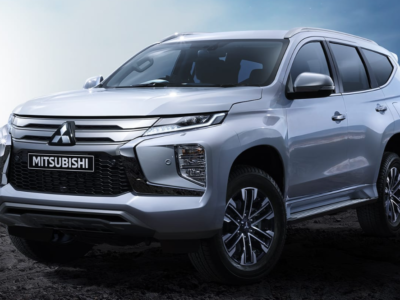
Mitsubishi Outlander Depreciation: Value, Resale, and What Owners Should Expect

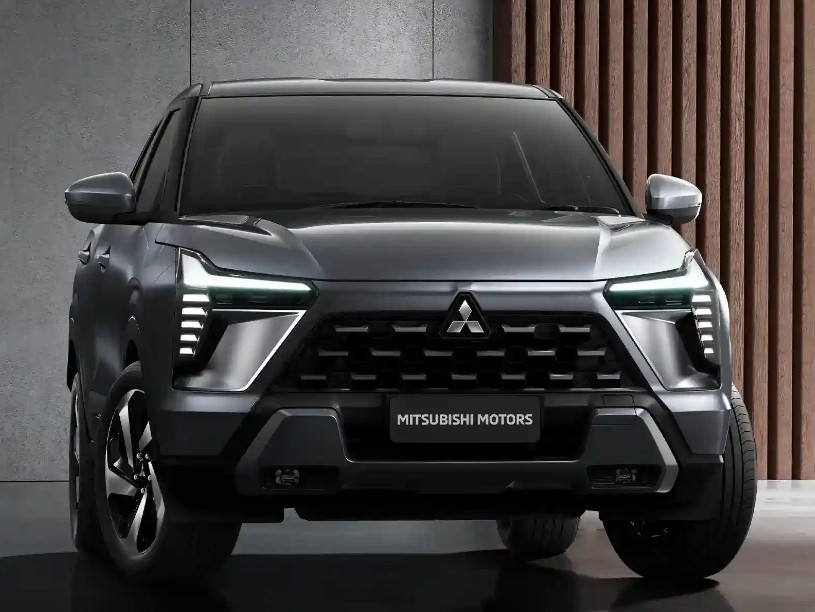
Buying a vehicle is rarely just about the price printed on the windshield. We also need to consider what happens to that value after we drive away. For current and prospective owners, Mitsubishi Outlander depreciation can quietly become one of the largest costs of ownership.
The Outlander is generally positioned as a practical, family-friendly SUV rather than a premium status symbol. That distinction matters. Buyers are attracted to its available three-row seating, long warranty coverage, reasonable equipment levels, and competitive purchase price. However, resale value depends on more than usefulness alone.
So, how quickly does a Mitsubishi Outlander lose value? Is the plug-in hybrid better at holding its price? Which model years depreciate the most? And can we do anything to protect the vehicle’s future resale value?
Let’s unpack the numbers, causes, and buying strategies without turning the discussion into an accounting lecture.
Content in this publication
- What Does Mitsubishi Outlander Depreciation Mean?
- How Fast Does a Mitsubishi Outlander Depreciate?
- Why Does the Mitsubishi Outlander Lose Value?
- Mitsubishi Outlander Depreciation by Model Year
- Does the Mitsubishi Outlander PHEV Depreciate Faster?
- Outlander Trim Levels and Depreciation
- How Mileage Affects Mitsubishi Outlander Resale Value
- Condition Can Matter as Much as Age
- Maintenance History and Outlander Depreciation
- Accidents and Their Effect on Outlander Value
- How Color Influences Mitsubishi Outlander Depreciation
- Mitsubishi Outlander Versus Competitor Depreciation
- Is a Used Mitsubishi Outlander a Smart Depreciation Buy?
- Should We Buy a New Outlander or Wait for Depreciation?
- How Financing Can Make Depreciation More Dangerous
- How to Reduce Mitsubishi Outlander Depreciation
- Trading In Versus Selling Privately
- The Hidden Advantage of Keeping an Outlander Longer
- Is Mitsubishi Outlander Depreciation Really a Problem?
- Final Thoughts on Mitsubishi Outlander Depreciation
- Frequently Asked Questions
- 1. How much does a Mitsubishi Outlander depreciate after five years?
- 2. Does the Mitsubishi Outlander hold its value well?
- 3. Does the Mitsubishi Outlander PHEV depreciate faster than the gasoline model?
- 4. What is the best Outlander age to buy used?
- 5. How can we improve a Mitsubishi Outlander’s resale value?
What Does Mitsubishi Outlander Depreciation Mean?
Depreciation is the difference between what we pay for a vehicle and what it is worth later. It begins almost immediately after purchase, although the size of the loss varies by age, condition, mileage, trim, location, and market demand.
Imagine buying an Outlander for $35,000 and selling it several years later for $21,000. The $14,000 difference represents depreciation, excluding taxes, finance charges, maintenance, and selling costs.
That decline may look like money disappearing into thin air, but it is really the price we pay for using a newer vehicle during its most valuable years.
Why Depreciation Deserves More Attention
Monthly payments tend to receive most of our attention because they leave the bank account in plain sight. Depreciation is quieter. It sits in the background like a slow leak in a tire.
A vehicle with a lower payment is not automatically the cheaper vehicle to own. If it loses value quickly, its total ownership cost may exceed that of a more expensive model with stronger resale demand.
Depreciation matters especially when we:
- Trade vehicles every two or three years
- Finance with a small down payment
- Take out a long loan
- Drive more than average
- Lease a vehicle
- Expect to sell before the loan is paid off
- Use the SUV for business purposes
How Fast Does a Mitsubishi Outlander Depreciate?
A new Mitsubishi Outlander usually experiences its sharpest value decline during the first several years. That is common throughout the automotive industry, but the Outlander may depreciate faster than certain resale leaders from Toyota, Honda, or Subaru.
As a broad planning estimate, an Outlander may retain approximately 55% to 65% of its original value after five years, depending on the model, purchase price, mileage, condition, and used-car market. Individual vehicles can perform better or worse.
We should treat depreciation percentages as estimates rather than promises. Vehicle values can swing significantly when fuel prices rise, inventories tighten, incentives increase, or manufacturers redesign their models.
A Typical Mitsubishi Outlander Depreciation Timeline
The following pattern illustrates how value may decline under normal ownership:
| Vehicle age | Approximate value retained | Typical depreciation pattern |
|---|---|---|
| New to 1 year | 80%–90% | Initial drop after registration |
| 2 years | 72%–82% | Supply and incentives influence value |
| 3 years | 65%–75% | Used buyers begin seeing stronger value |
| 5 years | 55%–65% | Depreciation starts slowing |
| 7 years | 42%–55% | Condition becomes increasingly important |
| 10 years | 25%–40% | Reliability and maintenance dominate value |
These ranges are not guaranteed appraisal figures. They simply help us understand the usual shape of the depreciation curve.
Why the First Year Can Be Expensive
The first owner often absorbs the steepest loss because a registered vehicle is no longer considered new, even when it has covered very few miles.
A nearly new Outlander must compete against brand-new examples that may include promotional financing, dealer discounts, loyalty incentives, or updated technology. A private seller cannot easily compete with a low manufacturer-backed interest rate.
That is why buying a one- or two-year-old Outlander can be such an attractive strategy. We obtain a modern SUV while allowing the first owner to absorb the sharpest portion of depreciation.
Why Does the Mitsubishi Outlander Lose Value?
Depreciation does not occur for one single reason. It is more like a recipe: brand reputation, supply, demand, incentives, reliability perceptions, and vehicle condition all mix together.
Brand Recognition and Resale Demand
Mitsubishi has loyal customers, but its brand presence is smaller than that of several major Japanese competitors. Fewer buyers may begin their search specifically looking for a Mitsubishi Outlander.
Used-car values depend heavily on competition between buyers. When more shoppers want a particular model, sellers can ask for more money. When demand is limited, prices soften.
This does not mean the Outlander is automatically a poor vehicle. It means market perception can affect value separately from actual day-to-day usefulness.
New-Vehicle Discounts Can Push Used Values Down
Large discounts and attractive financing offers help new-car shoppers, but they can place pressure on resale values.
Suppose a new Outlander carries a suggested retail price of $37,000, yet dealerships regularly sell it for $34,000. A used one-year-old example cannot realistically be valued against the original sticker price. It must compete with the discounted new price.
In other words, depreciation begins from the amount buyers are actually paying—not necessarily the number shown on the manufacturer’s website.
Heavy Competition in the Compact SUV Segment
The Outlander competes in one of the busiest parts of the automotive market. Buyers may also consider vehicles such as the:
- Toyota RAV4
- Honda CR-V
- Nissan Rogue
- Subaru Forester
- Mazda CX-5
- Hyundai Tucson
- Kia Sportage
- Volkswagen Tiguan
Every competitor gives used buyers another reason to compare prices. If rival models have stronger reliability reputations or broader dealer networks, they may command higher resale values.
Three-Row Seating Helps, but With Limits
The Outlander’s available third row distinguishes it from many compact SUVs. For families who occasionally need extra seats, that feature can support used-market demand.
However, the third row is best viewed as occasional seating rather than full-size adult accommodation. Buyers who regularly carry seven people may prefer a larger midsize SUV or minivan.
Its third row therefore adds versatility, but it does not automatically guarantee exceptional resale value.
Mitsubishi Outlander Depreciation by Model Year
A vehicle’s age is important, but model generation matters too. A redesigned SUV often causes the previous version to look older almost overnight.
Newer-Generation Outlander Models
The newer-generation Outlander brought a more upscale cabin, stronger exterior styling, improved technology, and a more competitive road presence. These upgrades helped separate it from earlier versions.
Recent examples may maintain better buyer interest because they look modern and share fewer visual cues with older economy-focused Mitsubishi products. Higher trims with desirable safety and convenience features may also appeal to second-hand shoppers.
Still, newer models have more money available to lose. A 10% decline on a $40,000 SUV costs far more in dollars than a 10% decline on a $15,000 vehicle.
Previous-Generation Outlander Models
Older Outlanders have already passed through the steepest section of the depreciation curve. They may continue losing value, but usually at a slower pace in dollar terms.
This can make them appealing to value-focused buyers. They may not deliver the same cabin quality or technology as the redesigned model, but their lower purchase price reduces financial exposure.
With an older Outlander, maintenance history becomes more important than cosmetic freshness. A clean, well-serviced example can be a smarter purchase than a newer SUV with uncertain history.
Why Redesigns Affect Older Models
When a manufacturer launches a dramatically improved generation, the outgoing model can suffer an accelerated value decline. Buyers see the larger screens, upgraded materials, modern driver-assistance features, and fresher styling, then expect a discount on the older version.
A mild facelift may have little effect. A complete transformation can feel like someone switched on brighter lights in the showroom.
Does the Mitsubishi Outlander PHEV Depreciate Faster?
The Mitsubishi Outlander PHEV introduces a more complicated depreciation story.
Plug-in hybrid values are influenced by battery condition, fuel prices, government incentives, charging availability, new-model improvements, and consumer confidence in electrified vehicles.
Factors Supporting Outlander PHEV Resale Value
The Outlander PHEV may hold value well when buyers want:
- Electric driving for short daily trips
- Gasoline backup for long journeys
- All-wheel-drive capability
- SUV practicality
- Lower fuel consumption
- Access to home charging
- An alternative to a fully electric vehicle
A used plug-in hybrid can be especially attractive when a new one is expensive or difficult to obtain.
Factors That Can Increase PHEV Depreciation
On the other hand, plug-in hybrid depreciation may accelerate when:
- New models offer much longer electric range
- New-vehicle incentives reduce effective purchase prices
- Buyers worry about battery degradation
- Charging access remains limited
- Fuel prices fall substantially
- Used vehicles no longer qualify for incentives
- Repair costs appear uncertain
Technology advances quickly. A five-year-old gasoline SUV still performs the same basic job as a new gasoline SUV. A five-year-old plug-in hybrid, however, may offer noticeably less electric range than the newest version.
Battery Condition Matters More With Age
As an Outlander PHEV ages, buyers may ask how well its battery retains energy, whether it charges normally, and how much electric range remains.
A professional battery health report can reduce uncertainty. Without documentation, shoppers may assume the worst and negotiate aggressively.
For PHEV owners, protecting resale value means maintaining not only the body and interior but also confidence in the high-voltage system.
Outlander Trim Levels and Depreciation
Not all trims lose value at the same rate.
Base Models Often Make Financial Sense
Entry-level trims generally cost less to purchase and contain the equipment most buyers genuinely need. Because the original price is lower, their total dollar loss may also be lower.
You may be interested in reading Is Renault Koleos a Good Car? An Honest Buyer’s Guide
A base or mid-level Outlander can therefore deliver strong value retention from a practical ownership perspective, even if its resale percentage is not dramatically different.
Mid-Level Trims May Offer the Best Balance
Mid-range trims often include the features used buyers search for, such as:
- Heated seats
- Larger infotainment displays
- Blind-spot monitoring
- Power liftgate
- Improved interior materials
- Smartphone integration
- Additional driver-assistance systems
These features can make the vehicle easier to sell without pushing the original price too high.
Top Trims Can Lose More Money
Luxury-oriented trims may include premium audio, leather seating, panoramic roofs, larger wheels, and advanced technology. These features are appealing, but second-hand buyers rarely pay the full original premium for them.
A buyer may happily pay $2,000 more for a well-equipped used Outlander but hesitate to cover the $6,000 or $8,000 difference the first owner paid when new.
That gap becomes depreciation.
How Mileage Affects Mitsubishi Outlander Resale Value
Mileage tells buyers how heavily a vehicle has been used, although it does not reveal the full story.
An Outlander with 60,000 highway miles may be healthier than one with 35,000 miles accumulated through short trips, rough roads, and neglected maintenance. Nevertheless, resale markets tend to judge the odometer first and ask questions later.
Mileage Thresholds That Influence Buyer Perception
Certain mileage milestones can create psychological barriers. Buyers often compare vehicles differently once they move beyond:
- 30,000 miles
- 50,000 miles
- 75,000 miles
- 100,000 miles
Crossing one of these thresholds does not suddenly damage the vehicle. It may, however, reduce the number of interested buyers or encourage lower offers.
Annual Mileage and Depreciation
Driving around 10,000 to 15,000 miles per year is often considered typical in many markets. Significantly higher mileage can reduce value, especially during the first few years.
If resale value matters, we should avoid unnecessary mileage immediately before selling. A long road trip that pushes the odometer beyond a major threshold could cost more in depreciation than expected.
Condition Can Matter as Much as Age
Two Outlanders from the same year can have dramatically different market values.
One may have clean paint, matching tires, organized service records, and a fresh interior. The other may smell of smoke, carry warning lights, show mismatched body panels, and roll on worn tires.
They share a model year, but they do not share the same value.
Exterior Issues That Reduce Resale Value
Common value killers include:
- Accident damage
- Poor-quality paint repairs
- Scratched bumpers
- Dented doors
- Cracked lighting
- Cloudy headlamps
- Damaged alloy wheels
- Rust or corrosion
- A cracked windshield
Small flaws rarely destroy resale value individually. Together, they create the impression that the vehicle has been neglected.
Interior Wear Can Frighten Buyers Away
The interior is where buyers imagine themselves living with the vehicle. Stained seats, broken trim, pet damage, unpleasant smells, and worn controls make the SUV feel older than its odometer suggests.
A deep cleaning cannot reverse every sign of wear, but it can change the emotional reaction during a test drive.
Cars are purchased with calculators and feelings. The feelings often speak first.
Maintenance History and Outlander Depreciation
A complete service history can separate an average vehicle from an easy-to-sell vehicle.
Buyers want evidence that oil changes, fluid services, brake inspections, tire rotations, recalls, and recommended maintenance were completed on schedule.
Why Records Add Value
Service records reduce uncertainty. They tell the buyer that the current owner paid attention rather than simply reacting when something broke.
Useful documents include:
- Dealer service invoices
- Independent repair receipts
- Digital maintenance reports
- Recall completion records
- Tire purchase receipts
- Battery replacement records
- PHEV battery health information
- Warranty repair documents
A folder of organized records is not glamorous, but it can be worth real money at resale time.
Skipping Maintenance Creates Double Losses
Neglected maintenance hurts twice. First, it increases the risk of mechanical repairs. Second, it lowers resale value because buyers expect future problems.
Saving $100 by delaying a service may eventually cost hundreds or thousands through repairs and weaker offers.
Accidents and Their Effect on Outlander Value
Even a properly repaired accident can reduce resale value. Many buyers prefer vehicles with clean history reports, and dealers often value accident-free inventory more highly.
Minor Damage Versus Structural Damage
A replaced bumper after a low-speed parking incident may have a modest effect if the repair is documented and professionally completed.
Structural damage, airbag deployment, flood exposure, or extensive body repair can cause a much larger reduction. The vehicle may drive normally, but future buyers will wonder what they cannot see.
Keep Every Repair Document
When accident repairs occur, we should retain photographs, estimates, invoices, and details about replacement parts. Transparency does not erase the accident, but it reduces suspicion.
Trying to hide damage is a poor strategy. Vehicle-history databases and paint-depth inspections have made secrets much harder to keep.
How Color Influences Mitsubishi Outlander Depreciation
Color sounds like a minor detail until resale time.
Neutral shades such as white, black, silver, gray, and dark blue typically attract the widest audience. Bold colors may stand out beautifully but appeal to fewer shoppers.
That does not mean we should avoid a color we love. Ownership should still be enjoyable. We should simply understand that unusual combinations can take longer to sell.
Interior color matters too. Light upholstery can make the cabin feel airy, but stains and discoloration may become more visible. Black interiors are easier to market, though they can show dust and scratches.
Mitsubishi Outlander Versus Competitor Depreciation
The Outlander’s resale value should be judged against realistic alternatives, not in isolation.
Outlander Versus Toyota RAV4
The Toyota RAV4 often benefits from broad demand, a strong reliability reputation, and high brand recognition. Those advantages can help it retain value.
However, a used RAV4 may cost substantially more than a similarly aged Outlander. The Outlander can still be the better value if its lower purchase price outweighs its weaker resale performance.
Outlander Versus Honda CR-V
The Honda CR-V generally attracts a large used-car audience and has a long-established reputation for practicality. This can support stronger resale prices.
The Outlander counters with available third-row seating, distinctive styling, and potentially more equipment for the money.
Outlander Versus Nissan Rogue
The Outlander and Rogue may compete closely because they serve similar buyers and can share certain underlying engineering connections depending on generation.
Resale differences may come down to local demand, warranty coverage, dealer availability, trim equipment, and vehicle condition.
Outlander Versus Hyundai Tucson and Kia Sportage
Hyundai and Kia have strengthened their SUV lineups with bold designs, improved interiors, and broad powertrain choices. Their resale values may vary significantly by generation.
The Outlander may compete well when buyers prioritize warranty coverage, occasional seven-passenger capacity, or plug-in hybrid capability.
Is a Used Mitsubishi Outlander a Smart Depreciation Buy?
For many shoppers, yes.
A vehicle that depreciates moderately can be less attractive to the original owner but more attractive to the second owner. The first buyer absorbs the steep initial decline. The used buyer receives the same basic utility at a lower price.
The Best Age to Buy an Outlander
A two- to four-year-old Outlander may offer a compelling balance between:
- Modern safety equipment
- Remaining warranty coverage
- Lower purchase price
- Manageable mileage
- Slower future depreciation
- Current styling and technology
The ideal age depends on financing rates and new-vehicle incentives. Occasionally, subsidized financing can make a new Outlander competitive with a used one.
We should compare the total amount paid, not just the advertised price.
You may be interested in readingIs Renault Koleos a Good Car? An Honest Buyer’s GuideYou may be interested in reading
 How Long Do Ford Taurus SHO Last? Lifespan, Reliability, and High-Mileage Guide
When an Older Outlander Makes Sense
An older Outlander can be a rational choice when we prioritize low purchase cost and plan to keep the SUV for many years.
At that stage, depreciation becomes less important than mechanical condition. A $10,000 vehicle can only lose so much value, while a neglected transmission, cooling system, or suspension can create immediate expenses.
A pre-purchase inspection is essential. Cheap vehicles are not always bargains; sometimes they are repair bills wearing license plates.
Should We Buy a New Outlander or Wait for Depreciation?
Buying new offers clear benefits:
- Full warranty protection
- No previous owner
- Latest safety technology
- Custom trim and color choice
- Potentially lower promotional financing
- Known maintenance history
Buying used may provide:
- Lower purchase price
- Less initial depreciation
- Lower taxes in some regions
- Potentially lower insurance costs
- More affordable access to higher trims
The correct choice depends on how long we plan to keep the vehicle.
If we intend to own the Outlander for eight to ten years, first-year depreciation matters less because we spread the loss across a long period. If we trade every two years, depreciation becomes one of the most important factors in the decision.
How Financing Can Make Depreciation More Dangerous
Depreciation becomes especially painful when the vehicle loses value faster than we repay the loan.
This creates negative equity, meaning we owe more than the Outlander is worth.
Example of Negative Equity
Suppose we finance nearly the full cost of a new Outlander over seven years. During the first two years, much of each payment may go toward interest while the vehicle depreciates quickly.
If the SUV is worth $27,000 but the loan balance remains $31,000, we have $4,000 in negative equity.
Trading it does not erase that amount. The unpaid balance is often added to the next loan, like packing yesterday’s luggage into tomorrow’s suitcase.
Ways to Reduce Negative Equity Risk
We can lower the risk by:
- Making a meaningful down payment
- Choosing a shorter loan term
- Avoiding unnecessary dealer add-ons
- Negotiating the purchase price
- Keeping the vehicle longer
- Purchasing gap coverage when appropriate
- Avoiding frequent trade-ins
- Checking resale projections before buying
How to Reduce Mitsubishi Outlander Depreciation
We cannot stop depreciation, but we can influence it.
Choose the Right Configuration
A popular color, practical trim, all-wheel drive in snowy regions, and widely desired equipment can make resale easier.
Avoid paying heavily for features with little second-hand demand. Custom accessories may improve personal enjoyment but rarely return their full cost.
Maintain It on Schedule
Follow the official maintenance schedule and address warning lights promptly. Keep every receipt.
For the PHEV, document charging performance, battery inspections, software updates, and warranty work.
Protect the Exterior and Interior
Wash the vehicle regularly, remove road salt, treat stains quickly, and avoid smoking inside. Use floor mats and cargo protection when transporting messy equipment.
Covered parking or a garage can protect paint, plastics, lamps, and interior surfaces from weather damage.
Avoid Poor Modifications
Extreme wheels, suspension changes, loud exhaust systems, unusual lighting, and heavy cosmetic customization may narrow the buyer pool.
A factory-style Outlander generally appeals to more shoppers than a highly personalized one.
Sell at the Right Time
Consider selling before:
- The factory warranty expires
- A major mileage threshold
- Expensive scheduled maintenance
- Tires and brakes need replacement
- A new generation reaches dealerships
- Cosmetic damage accumulates
Timing will not perform miracles, but it can preserve leverage.
Trading In Versus Selling Privately
A trade-in is convenient. The dealer handles paperwork, and the transaction can be completed quickly. That convenience usually comes with a lower offer.
A private sale may produce more money, especially for a clean, well-documented Outlander. However, it requires advertising, communication, test drives, payment verification, and paperwork.
When Trading In Makes Sense
Trading in may be appropriate when:
- We need a fast transaction
- The vehicle has cosmetic flaws
- Tax rules favor trade-ins
- We do not want strangers visiting
- The dealer makes a competitive offer
- We still owe money on the loan
When a Private Sale May Be Better
A private sale can work well when the Outlander has:
- Low mileage
- A clean history
- Excellent maintenance records
- A desirable trim
- Remaining warranty
- Recent tires or brakes
- No warning lights
Obtain several valuations before accepting an offer. One dealer’s number is an opinion, not a universal truth.
The simplest way to reduce the annual impact of depreciation is to keep the vehicle.
A new SUV may lose a substantial amount during its first five years. Over the following five years, the decline in dollar terms is often much slower.
Keeping a reliable vehicle after the loan is paid off can produce some of the cheapest ownership years. We still need to budget for maintenance, but we are no longer repeatedly stepping onto the steepest part of the depreciation slope.
Of course, keeping an unreliable or unsuitable vehicle indefinitely is not wise. The goal is not to avoid selling at all costs. It is to avoid replacing vehicles simply because the calendar moved.
Is Mitsubishi Outlander Depreciation Really a Problem?
Depreciation is only a problem when it conflicts with our ownership plan.
For a buyer who purchases new, finances for a long term, and trades after two years, it can create a costly trap.
For a buyer who purchases a three-year-old Outlander at a fair price and keeps it for seven years, depreciation may be entirely manageable.
The Outlander’s potentially softer resale value can even become an advantage. It allows used buyers to access a spacious, well-equipped SUV for less than several high-demand competitors.
The key question is not simply, “Does the Outlander depreciate?”
Every vehicle depreciates.
The better question is, “Are we buying at the right point in the depreciation curve?”
Final Thoughts on Mitsubishi Outlander Depreciation
Mitsubishi Outlander depreciation is shaped by brand demand, new-vehicle incentives, generation changes, mileage, condition, trim, maintenance, and powertrain choice.
The Outlander may not always match the resale strength of segment leaders such as the Toyota RAV4 or Honda CR-V. Yet resale percentage tells only part of the story. A lower initial price, generous equipment, available third-row seating, and competitive used pricing can still make the Outlander a financially sensible SUV.
For new buyers, the best defense against depreciation is negotiating well, selecting a desirable configuration, avoiding excessive financing, and keeping the vehicle long enough to move beyond the steep early decline.
For used buyers, depreciation can open the door to real value. A carefully inspected, well-maintained Outlander that is two to five years old may deliver the sweet spot: modern features without the full new-car price.
Ultimately, depreciation should guide our decision, not frighten us away. When we understand where the money goes, we can choose the Outlander that fits both our driveway and our long-term budget.
Frequently Asked Questions
1. How much does a Mitsubishi Outlander depreciate after five years?
A Mitsubishi Outlander may retain roughly 55% to 65% of its original purchase value after five years under typical conditions. Actual resale value depends on mileage, trim, maintenance, accident history, location, market demand, and the price originally paid.
2. Does the Mitsubishi Outlander hold its value well?
The Outlander generally has moderate resale value. It may depreciate faster than high-demand competitors such as the Toyota RAV4, but its lower purchase price can help balance the total ownership cost. Clean, low-mileage examples usually perform best.
3. Does the Mitsubishi Outlander PHEV depreciate faster than the gasoline model?
It can, although market conditions vary. The PHEV may hold value when fuel prices are high and plug-in hybrids are in demand. However, battery concerns, changing incentives, and improvements in electric range can increase depreciation on older versions.
4. What is the best Outlander age to buy used?
A two- to four-year-old Mitsubishi Outlander often provides a strong balance. Much of the early depreciation has already occurred, while the vehicle may still offer modern safety technology, reasonable mileage, and remaining warranty coverage.
5. How can we improve a Mitsubishi Outlander’s resale value?
Keep mileage reasonable, follow the maintenance schedule, retain service records, repair damage properly, protect the interior, choose popular colors, avoid extreme modifications, and sell before major mileage or warranty milestones.
You may be interested in readingIs Renault Koleos a Good Car? An Honest Buyer’s GuideYou may be interested in reading
How Long Do Ford Taurus SHO Last? Lifespan, Reliability, and High-Mileage GuideYou may be interested in reading
 Is Mitsubishi Outlander PHEV a Good Car? An Honest Ownership Guide
If you want to know other articles similar to Mitsubishi Outlander Depreciation: Value, Resale, and What Owners Should Expect you can visit the category Blog.
Mitsubishi Pajero Sport Reliability: Is It a Dependable SUV?
Mitsubishi Pajero Sport Years to Avoid: A Used Buyer’s Guide
Is Infiniti QX60 Reliable? A Complete Reliability Guide
Peugeot RCZ Insurance Group: Complete UK Guide
Peugeot RCZ Reliability: How Dependable Is This Stylish Coupé?
Mazda CX-8 Reliability: How Dependable Is This 7-Seat SUV?
Leave a Reply
More content of your interest