
Mitsubishi Outlander Engine Options: Complete Buyer’s Guide

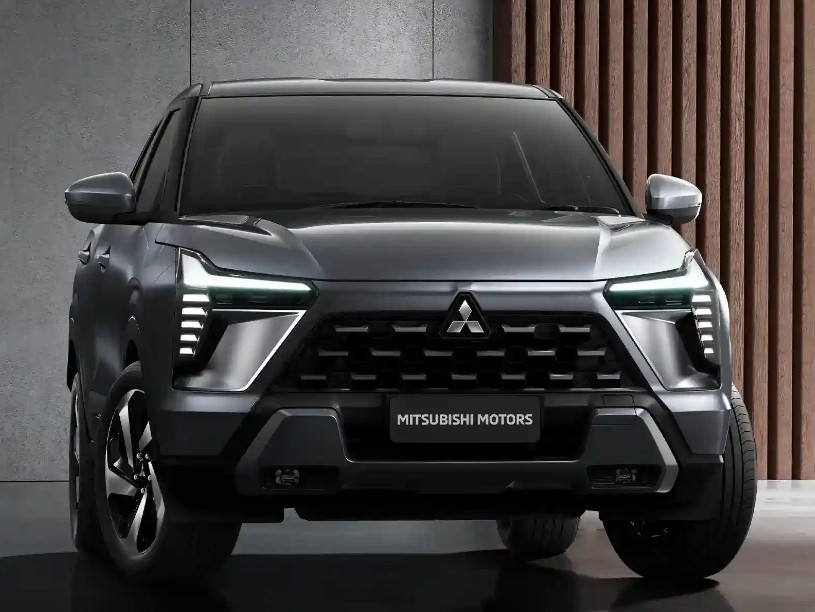
The Mitsubishi Outlander has worn many hats throughout its life. It has been a practical gasoline-powered family SUV, an economical diesel crossover, a turbocharged curiosity, and one of the most recognizable plug-in hybrid SUVs on the market.
That variety is excellent for buyers, but it can also make choosing an Outlander engine surprisingly complicated.
Search through used listings and we may encounter 2.0-litre and 2.4-litre gasoline engines, a 3.0-litre V6, several diesel units, early PHEV systems, newer twin-motor plug-in hybrids, and market-specific powertrains that were never sold everywhere. Even current models differ by region. For example, the Australian gasoline Outlander uses a 2.5-litre four-cylinder engine, while the Canadian 2026 model introduced a turbocharged 1.5-litre mild-hybrid system.
So, which Mitsubishi Outlander engine option is best?
The answer depends less on finding the engine with the biggest number and more on understanding how we drive. A city commuter, a rural family, a caravan owner, and a high-mileage motorway driver will not necessarily benefit from the same powertrain.
In this guide, we will untangle the Outlander’s engine history, explain how the major options feel on the road, and determine which powertrain makes the most sense for different buyers.
Content in this publication
- Understanding the Mitsubishi Outlander Engine Range
- Mitsubishi Outlander Engine Options by Generation
- Second-Generation Mitsubishi Outlander Engine Options
- Third-Generation Outlander Engines
- The Original Outlander PHEV Powertrain
- Fourth-Generation Mitsubishi Outlander Engine Options
- The 1.5-Litre Turbo Mild-Hybrid Outlander
- Fourth-Generation Outlander PHEV System
- Gasoline Versus PHEV: Which Engine Is Better?
- Gasoline Versus Diesel Outlander Engines
- Which Outlander Engine Is Best for Towing?
- Which Engine Offers the Best Fuel Economy?
- Which Outlander Engine Is Most Reliable?
- What to Check on a Used Outlander PHEV
- Common Engine-Choice Mistakes
- Best Mitsubishi Outlander Engine for Different Drivers
- How to Choose the Right Outlander Engine
- Final Thoughts on Mitsubishi Outlander Engine Options
- Frequently Asked Questions
Understanding the Mitsubishi Outlander Engine Range
The Outlander has been sold across North America, Europe, Australia, New Zealand, Japan, and other regions. Mitsubishi adjusted its engine range according to local fuel prices, emissions rules, customer preferences, and towing expectations.
As a result, there is no single universal Outlander engine lineup.
The major engine families include:
- Naturally aspirated four-cylinder gasoline engines
- Turbocharged gasoline engines
- V6 gasoline engines
- Turbo-diesel engines
- Mild-hybrid gasoline systems
- Plug-in hybrid electric powertrains
- Twin-motor all-wheel-drive PHEV systems
Some engines appeared across several generations, while others were brief regional experiments. Specifications can also differ by model year, trim, transmission, emissions standard, and country.
That is why we should always check the vehicle identification number, local brochure, registration documents, and service history before buying a particular Outlander.
Mitsubishi Outlander Engine Options by Generation
Looking at the engine range generation by generation gives us a much clearer picture of how the Outlander evolved.
First-Generation Outlander Engines
The first-generation Outlander arrived in the early 2000s, although its name and launch timing varied by market. In Japan, closely related versions were associated with the Airtrek name.
The engine range commonly included four-cylinder gasoline units of approximately 2.0 to 2.4 litres. Certain markets also received a turbocharged 2.0-litre engine connected to Mitsubishi’s performance-car heritage.
That turbo model remains one of the most unusual Outlanders. It gave the crossover considerably more character than the ordinary naturally aspirated versions, but it was not intended to be the universal family choice.
2.0-Litre Gasoline Engine
The naturally aspirated 2.0-litre engine generally served as an entry-level option. Its advantages were straightforward construction, manageable fuel consumption, and sufficient performance for light everyday driving.
However, the Outlander is not a tiny hatchback. Add passengers, luggage, hills, or a trailer, and the smaller engine can feel as though it is running uphill in heavy boots.
It is best suited to buyers who prioritize affordability over effortless acceleration.
2.4-Litre Gasoline Engine
The 2.4-litre four-cylinder provided a more useful balance of power and practicality. Its additional displacement helped the Outlander move more comfortably when loaded, without bringing the fuel appetite or mechanical complexity of a larger engine.
For many first-generation shoppers, the 2.4-litre option is the sensible middle ground.
2.0-Litre Turbo Engine
The turbocharged version is the enthusiast’s choice. Depending on the market and specification, it offered much stronger acceleration and a more energetic personality.
The catch is obvious: an older turbocharged SUV can bring higher fuel use, greater heat, more mechanical stress, and more expensive repairs. A poorly maintained example may turn excitement into an invoice before the honeymoon period ends.
We should treat maintenance records as essential rather than optional.
Second-Generation Mitsubishi Outlander Engine Options
The second-generation Outlander broadened the model’s global appeal. It became more refined, more practical, and available with a wider variety of engines.
Depending on the region, buyers could find:
- 2.0-litre four-cylinder gasoline engines
- 2.4-litre four-cylinder gasoline engines
- 3.0-litre V6 gasoline engines
- 2.0-litre turbo-diesel engines
- 2.2-litre turbo-diesel engines
This generation also shared engineering relationships with other vehicles, which contributed to its varied powertrain catalog.
2.0-Litre Gasoline Engine
The 2.0-litre gasoline option was typically aimed at efficiency-conscious buyers. Around town, it could do the job without drama. On faster roads, however, it often needed more revs to produce useful acceleration.
That is not necessarily a defect. Smaller naturally aspirated engines simply deliver their power higher in the rev range.
Drivers expecting diesel-like low-end pull may find it noisy under pressure, especially with a continuously variable transmission.
2.4-Litre MIVEC Gasoline Engine
The 2.4-litre MIVEC four-cylinder became one of the more familiar Outlander engines. MIVEC refers to Mitsubishi’s variable valve-timing technology, designed to improve the balance between performance, economy, and emissions.
This engine generally feels better matched to the Outlander’s size than the smaller gasoline unit. It offers adequate everyday acceleration and tends to be less intimidating to own than a turbocharged or diesel alternative.
Its weaknesses are equally predictable. It is not especially fast, and real-world fuel economy may disappoint drivers who expect compact-car consumption from a family SUV.
Still, for mixed driving and uncomplicated ownership, it remains one of the range’s safer bets.
3.0-Litre V6 Engine
The 3.0-litre V6 was offered in markets including North America. It brought smoother power delivery, stronger acceleration, and better suitability for drivers who regularly carried passengers or towed within the vehicle’s rated limits.
The V6 changes the Outlander’s personality. Instead of asking politely for speed, it responds with greater confidence.
Naturally, there is a price:
- Higher fuel consumption
- More cylinders and components to maintain
- Potentially higher registration or insurance costs
- Less space around the engine bay
- Greater sensitivity to neglected servicing
For drivers who value performance and flexibility, the V6 can be appealing. For short urban journeys, it may be like using a hiking boot to walk across the living room: capable, but unnecessary.
2.0-Litre and 2.2-Litre Diesel Engines
European and selected international markets received diesel-powered Outlanders. These engines were designed to provide stronger low-speed torque and better long-distance fuel economy than comparable gasoline versions.
A diesel Outlander can make sense when we regularly cover substantial motorway mileage. Its relaxed torque delivery is useful for overtaking, climbing, and carrying heavier loads.
However, diesel ownership becomes less attractive when the SUV spends its life making short, cold trips. Emissions equipment needs the right operating conditions, and repeated low-speed use may contribute to problems involving:
- Diesel particulate filters
- Exhaust gas recirculation systems
- Turbocharger components
- Fuel injectors
- Dual-mass flywheels
- Emissions sensors
A diesel should be selected because our driving pattern suits it—not merely because its official fuel-consumption figure looks attractive.
Third-Generation Outlander Engines
The third-generation model marked a major turning point. Conventional gasoline and diesel engines remained available, but the Outlander PHEV became the headline act.
Mitsubishi’s plug-in hybrid layout helped establish the Outlander as an early mainstream electrified SUV. The company described the original architecture as using a front electric motor, a rear electric motor, and a drivetrain designed to deliver smooth electric operation without a conventional stepped gearbox.
2.0-Litre Gasoline Engine
The 2.0-litre gasoline engine continued to serve buyers looking for a relatively affordable conventional powertrain.
It is usually adequate for urban and suburban use but can feel strained when the Outlander is full. Drivers may notice substantial engine noise during hard acceleration, particularly when paired with a CVT.
Its greatest attraction is simplicity. There is no traction battery to charge, no diesel particulate filter to regenerate, and no turbocharger in many versions.
2.4-Litre Gasoline Engine
The 2.4-litre engine offers more breathing room. It generally feels calmer than the 2.0-litre version during merging and overtaking, though it is still designed around practical family transport rather than performance.
For used buyers who cannot charge a PHEV and do not drive enough to justify a diesel, the 2.4-litre gasoline engine may be the most balanced conventional option.
2.2-Litre Diesel Engine
The 2.2-litre diesel remained relevant in markets where diesel SUVs were popular. It offered useful torque and respectable long-distance efficiency.
Its suitability depends heavily on previous use. A diesel that has spent years on long motorway journeys may be healthier than one with fewer kilometres accumulated entirely through short urban trips.
Mileage alone never tells the full story. The type of mileage matters just as much.
The Original Outlander PHEV Powertrain
The early Outlander PHEV paired a gasoline engine with front and rear electric motors and a rechargeable traction battery.
Unlike a conventional hybrid that mainly uses a small battery to assist the engine, a plug-in hybrid can travel a meaningful distance using externally charged electricity. When the battery reaches its operating threshold or when more power is required, the gasoline engine becomes involved.
The system can operate in several ways:
- EV driving: The electric motors propel the vehicle using battery energy.
- Series-hybrid operation: The gasoline engine generates electricity while the motors drive the wheels.
- Parallel-hybrid operation: The engine can contribute more directly at suitable road speeds.
- Regenerative braking: The motors recover energy during deceleration.
The system automatically chooses an appropriate operating strategy according to driving conditions and available battery energy.
Early 2.0-Litre PHEV System
Earlier versions used a 2.0-litre gasoline engine as part of the plug-in hybrid system. In normal urban use, the electric motors often shaped the driving experience more than the engine itself.
That gives the PHEV a distinctive feel. Initial acceleration is smooth and immediate, while the engine may start later to generate electricity or support higher-speed driving.
The result is less like a normal gasoline SUV with electric assistance and more like an electric vehicle carrying its own backup energy source.
Later 2.4-Litre PHEV System
Mitsubishi later introduced a 2.4-litre gasoline engine and increased the battery capacity and electric-system output. For the 2019 update, the company increased battery capacity from 12 to 13.8 kWh and raised rear-motor and generator outputs.
The larger engine was designed to improve efficiency within the hybrid system, reduce strain, and provide quieter operation when generating power.
This later third-generation setup is generally more polished than the earliest version. Nevertheless, battery health, charging history, software condition, and cooling-system performance deserve careful inspection on any used PHEV.
Fourth-Generation Mitsubishi Outlander Engine Options
The fourth-generation Outlander introduced a new platform, a larger body, more sophisticated technology, and a revised powertrain lineup. Mitsubishi initially highlighted its newly adopted 2.5-litre engine and updated all-wheel-drive systems when the generation premiered.
Depending on market and model year, the principal options now include:
- 2.5-litre naturally aspirated gasoline engine
- 1.5-litre turbocharged mild-hybrid engine
- 2.4-litre plug-in hybrid system
- Twin electric motors with S-AWC
2.5-Litre Four-Cylinder Gasoline Engine
The 2.5-litre gasoline engine became the conventional choice in countries such as the United States and Australia.
Australian specifications describe it as a 2.5-litre four-cylinder using technologies such as direct injection, electrically controlled valve timing, cooled exhaust-gas recirculation, and friction-reducing cylinder treatment.
In everyday driving, it aims for smoothness and predictability rather than excitement. The engine is commonly paired with a continuously variable transmission.
What the 2.5-Litre Engine Does Well
The 2.5-litre option is easy to understand. We add fuel, follow the maintenance schedule, and drive without organizing our routine around charging.
Its advantages include:
- Straightforward refuelling
- Adequate performance for ordinary family use
- No need for home-charging equipment
- Lower mechanical complexity than a PHEV system
- Familiar servicing requirements
- Availability with all-wheel-drive systems in many markets
Where the 2.5-Litre Engine Feels Limited
The engine can sound busy during hard acceleration. A CVT may hold the engine at higher revolutions while road speed catches up, creating a droning sensation.
It is also not a low-end torque champion. When the vehicle carries seven occupants or tackles a steep incline, the driver may need to press the accelerator firmly.
The 2.5-litre engine is a dependable coworker, not a stage performer. It arrives, completes the task, and goes home without demanding applause.
The 1.5-Litre Turbo Mild-Hybrid Outlander
For the Canadian 2026 model year, Mitsubishi replaced the previous conventional powertrain with a Mitsubishi-developed 1.5-litre turbocharged four-cylinder assisted by a 48-volt belt starter-generator mild-hybrid system. Canadian specifications list 174 horsepower, 206 lb-ft of torque, a CVT, and standard S-AWC.
This engine illustrates an important point: smaller displacement does not automatically mean less usable performance.
Turbocharging helps the 1.5-litre engine generate torque at lower engine speeds, while the 48-volt system can assist during initial acceleration and improve stop-start smoothness.
How a Mild Hybrid Differs From a PHEV
A mild hybrid cannot normally drive significant distances using electricity alone. Its electric system supports the gasoline engine rather than replacing it for daily journeys.
We do not plug it into a charger. The vehicle recovers energy while driving and uses that energy to assist the engine.
Compared with the Outlander PHEV, the mild hybrid offers:
- A smaller battery
- No external charging requirement
- Less electric-only capability
- Lower system weight and complexity
- Familiar gasoline-vehicle operation
It is designed for buyers who want incremental efficiency and stronger low-speed response without changing their refuelling routine.
Fourth-Generation Outlander PHEV System
The modern Outlander PHEV combines a 2.4-litre four-cylinder gasoline engine with a rechargeable battery, front and rear electric drive motors, and Mitsubishi’s Super All-Wheel Control system.
Canadian 2026 specifications identify the 2.4-litre engine and twin-electric-motor PHEV arrangement, while Mitsubishi’s Australian model information lists the same core configuration with S-AWC.
The key attraction is flexibility. We can commute electrically when the battery and conditions allow, yet continue travelling after the usable electric range is exhausted.
Why the Twin-Motor Layout Matters
A motor at each axle allows the system to control front and rear propulsion electronically. That supports quick torque delivery and enables sophisticated all-wheel-drive management.
Traditional mechanical all-wheel drive often transfers engine power through shafts, gears, and clutches. The PHEV can vary electric-motor output rapidly, helping the vehicle respond to changing traction conditions.
This does not turn the Outlander into an extreme off-roader, but it can improve confidence on wet roads, gravel, snow, and uneven surfaces.
Battery Capacity and Electric Range
Battery specifications differ by year and region.
Earlier fourth-generation versions commonly used a battery around 20 kWh. Updated versions introduced in several markets use a 22.7 kWh battery. Mitsubishi’s January 2026 announcement stated that the updated model increased battery capacity by approximately 13 percent to 22.7 kWh and extended the cited electric range to 72 kilometres under the applicable test cycle.
Australian specifications similarly list a 22.7 kWh battery, although locally advertised electric-range figures can differ because of testing standards, model configuration, climate assumptions, and market homologation.
We should therefore avoid comparing electric-range numbers unless they were measured under the same testing procedure.
Gasoline Versus PHEV: Which Engine Is Better?
This is the decision most new Outlander buyers face.
The gasoline model is simpler to operate. The PHEV is potentially quieter and more efficient, but only when its capabilities match our lifestyle.
Choose the Gasoline Outlander When:
- Home or workplace charging is unavailable
- Most journeys are long and unpredictable
- The gasoline version costs substantially less
- We want a simpler ownership experience
- The vehicle may spend long periods away from charging infrastructure
- Annual mileage is too low to recover the PHEV price premium
Choose the Outlander PHEV When:
- We can charge regularly
- Daily journeys fit largely within electric range
- We value quiet urban driving
- Stop-and-go traffic forms a large part of our routine
- We want electric commuting without relying entirely on public chargers
- All-wheel-drive control and immediate electric torque matter to us
A PHEV that is charged every night can feel clever and efficient. A PHEV that is never plugged in becomes a heavy gasoline SUV carrying an underused battery.
That single habit can determine whether the technology feels brilliant or pointless.
Gasoline Versus Diesel Outlander Engines
On the used market, diesel models can still be attractive, particularly in Europe and other regions where they were widely sold.
The Gasoline Advantage
Gasoline engines generally warm up faster and tolerate short journeys better. They are often quieter and involve fewer diesel-specific emissions components.
They suit:
- Urban drivers
- Low annual mileage
- Short commutes
- Buyers seeking simpler maintenance
- Owners who rarely tow
The Diesel Advantage
Diesel engines offer stronger low-speed torque and can return impressive economy over long distances.
They suit:
- High annual mileage
- Regular motorway driving
- Rural use
- Frequent heavy loads
- Drivers who tow within official limits
We should not buy a diesel solely to save fuel. One major repair involving injectors, a turbocharger, or emissions hardware can erase years of savings.
Which Outlander Engine Is Best for Towing?
The answer depends on the model year, transmission, drivetrain, cooling package, trailer type, and legally approved towing rating.
Historically, larger gasoline engines and diesels often felt more relaxed while towing because of their torque or displacement. The V6 provides smooth power, while diesel engines pull strongly from lower revolutions.
Modern PHEV models can also produce substantial combined thrust, but towing reduces electric range and may cause the gasoline engine to run more frequently.
Never select an engine based only on horsepower. We must check:
- Braked and unbraked towing limits
- Gross vehicle mass
- Gross combination mass
- Maximum tow-ball load
- Payload after passengers and luggage
- Cooling requirements
- Trailer-brake regulations
- Local licensing rules
The strongest-feeling engine is not automatically authorized to tow the heaviest trailer.
Which Engine Offers the Best Fuel Economy?
Under the right conditions, the PHEV can use the least gasoline because many daily journeys may be completed primarily on stored electricity.
However, advertised plug-in hybrid consumption figures can be misleading when removed from their test context. The result assumes a charged battery and a defined blend of electric and gasoline operation.
After the battery’s usable electric energy is depleted, fuel consumption rises.
For drivers who cannot charge, a smaller gasoline engine or an efficient diesel may use less energy overall than a PHEV operated permanently in hybrid mode.
The hierarchy usually looks like this:
- Regularly charged PHEV for short daily trips
- Diesel for sustained long-distance driving
- Mild hybrid for mixed use without charging
- Conventional four-cylinder gasoline engine
- Older V6 or turbo gasoline engine
Real-world results can reverse that order. Driving speed, climate, tyre pressure, payload, terrain, battery temperature, and charging frequency all matter.
Which Outlander Engine Is Most Reliable?
Reliability depends as much on maintenance and operating conditions as engine design.
A conventional naturally aspirated gasoline engine is generally the least complex option. That simplicity can reduce the number of costly systems that may require attention as the vehicle ages.
Yet simplicity does not guarantee reliability. An abused 2.4-litre engine can be a worse purchase than a carefully maintained PHEV.
Factors That Matter More Than Engine Reputation
When inspecting a used Outlander, we should examine:
- Complete service records
- Correct oil specification and change intervals
- Cooling-system condition
- Transmission-fluid history
- Warning lights and stored diagnostic codes
- Evidence of overheating
- Unusual startup noises
- Exhaust smoke
- Oil or coolant leaks
- Battery-health data on PHEV models
- Charging-port and cable condition
- Recall and software-update completion
A service folder is often more valuable than a shiny set of alloy wheels.
What to Check on a Used Outlander PHEV
The PHEV requires several checks beyond an ordinary combustion-engine inspection.
Traction-Battery Health
All lithium-ion batteries gradually lose usable capacity. The amount depends on age, temperature, charging patterns, mileage, software management, and use.
A diagnostic battery-health report is more useful than guessing from the dashboard range after one charge.
Charging Operation
Test the vehicle with its charging equipment. Confirm that charging begins correctly, the port locks or releases as intended, and no warning messages appear.
Electric and Gasoline Transitions
During the test drive, observe whether the powertrain changes operating modes smoothly. Unexpected vibration, warning lights, harsh noises, or reduced-power messages deserve investigation.
Cooling Systems
The gasoline engine, battery, electronics, and electric drive components depend on thermal management. Cooling-fluid condition and pump operation should not be ignored.
Brake Condition
Regenerative braking can reduce friction-brake use. That saves wear, but lightly used brake components may develop corrosion in damp climates.
Common Engine-Choice Mistakes
Selecting the wrong Outlander engine usually begins with an assumption rather than a mechanical failure.
Mistake One: Buying a Diesel for Short Trips
A diesel may look economical on paper, but repeated short journeys can be hard on its emissions equipment.
Mistake Two: Buying a PHEV Without Charging Access
Without regular charging, we lose much of the reason for carrying the battery and electric hardware.
Mistake Three: Choosing the Smallest Engine Automatically
A smaller engine may work harder in a heavily loaded SUV. Lower displacement does not guarantee lower real-world consumption.
Mistake Four: Ignoring Market Differences
An online review from another country may describe an engine, transmission, trim, or towing limit unavailable in our market.
Mistake Five: Focusing Only on Horsepower
Torque delivery, gearing, electric assistance, vehicle weight, and throttle calibration shape the driving experience just as much as peak horsepower.
Best Mitsubishi Outlander Engine for Different Drivers
There is no universal winner, but we can identify the strongest match for common ownership patterns.
Best for Simple Family Transport
A naturally aspirated 2.4-litre or 2.5-litre gasoline engine is usually the straightforward choice. It provides enough performance for normal use without requiring charging or diesel-specific maintenance habits.
Best for Urban Commuting
The PHEV is difficult to beat when we have reliable home charging. Electric operation is quiet, smooth, and particularly well suited to stop-start traffic.
Best for Long Motorway Journeys
A well-maintained diesel can still be attractive on the used market. Among newer options, a conventional gasoline or mild-hybrid model may be more practical when charging opportunities are limited.
Best for Performance
The older 3.0-litre V6 and rare turbocharged gasoline versions deliver the most traditional sense of mechanical performance.
The modern PHEV responds differently. Its electric torque feels immediate, making it lively from low speeds even though it is not intended as a sports SUV.
Best for Buyers Who Cannot Charge
Choose the regular gasoline or mild-hybrid powertrain. Paying extra for plug-in capability that we cannot use is like installing a swimming pool in a house without water.
Best Overall Modern Powertrain
For buyers who can charge consistently, the fourth-generation PHEV is arguably the most complete Outlander powertrain. It combines electric commuting, gasoline-backed long-distance flexibility, twin-motor all-wheel drive, and family-SUV practicality.
For buyers without charging access, the conventional gasoline or mild-hybrid model remains the wiser choice.
How to Choose the Right Outlander Engine
Before making a decision, calculate how the vehicle will actually be used.
Ask these questions:
- How many kilometres or miles do we drive each year?
- Are most journeys short, medium, or long?
- Can we charge at home overnight?
- Do we regularly carry seven occupants?
- Will we tow?
- Do we live in a cold or hot climate?
- Is fuel, electricity, gasoline, or diesel cheaper locally?
- How long do we plan to keep the vehicle?
- Are qualified PHEV technicians available nearby?
- Does the used vehicle have complete maintenance records?
Our honest answers will usually eliminate several engine options immediately.
Final Thoughts on Mitsubishi Outlander Engine Options
The Mitsubishi Outlander’s engine history is unusually diverse. Over the years, it has offered modest four-cylinder gasoline engines, muscular V6 power, economical diesels, turbocharged variants, mild-hybrid assistance, and increasingly sophisticated plug-in hybrid systems.
Each engine tells a different story.
The conventional gasoline models are simple and familiar. Diesels reward long-distance drivers but dislike unsuitable short-trip routines. The V6 delivers effortless power at the fuel pump’s expense. The mild hybrid adds useful assistance without requiring a cable. The PHEV becomes the star when it is charged regularly and driven within its strengths.
For most used buyers seeking uncomplicated ownership, a well-maintained 2.4-litre or 2.5-litre gasoline Outlander is a sound starting point. For high-mileage motorway drivers, a carefully inspected diesel may still make financial sense. For modern households with home charging, the twin-motor Outlander PHEV offers the most distinctive combination of quietness, traction, efficiency, and long-distance freedom.
The best Mitsubishi Outlander engine is not necessarily the newest, largest, or most powerful. It is the one that fits our roads, our budget, and our daily routine without forcing us to change how we live.
Frequently Asked Questions
What engine does the latest Mitsubishi Outlander use?
The answer varies by market. Conventional models may use a 2.5-litre naturally aspirated gasoline engine or, in Canada for 2026, a 1.5-litre turbocharged mild-hybrid powertrain. Current PHEV versions combine a 2.4-litre gasoline engine with electric motors and a rechargeable battery.
Is the Mitsubishi Outlander available with a V6 engine?
Older Outlander generations were available with a 3.0-litre V6 in selected markets, particularly North America. Current mainstream models use four-cylinder gasoline, mild-hybrid, or plug-in hybrid powertrains.
Is the Outlander PHEV better than the gasoline model?
It can be better when we charge regularly and complete many short or medium-distance journeys. The gasoline model may be more practical when charging is unavailable, journeys are consistently long, or the lower purchase price matters more than electric operation.
How long does an Outlander PHEV battery last?
Battery life varies according to age, climate, charging habits, mileage, and thermal management. Rather than relying on mileage alone, used buyers should request a diagnostic battery-health assessment and review the market-specific battery warranty.
Which Mitsubishi Outlander engine is the most economical?
A regularly charged PHEV can use the least gasoline during daily commuting. A diesel may be more economical for sustained long-distance travel, while a mild hybrid can suit drivers seeking improved efficiency without plugging in. The best result depends on how and where the vehicle is driven.
If you want to know other articles similar to Mitsubishi Outlander Engine Options: Complete Buyer’s Guide you can visit the category Service and Parts.
Volvo S90 Engine Oil: Type, Capacity & Change Guide
Volvo S90 Boot Space: Size, Capacity and Practicality
SEO Title: Volvo S90 Oil Capacity: Complete Guide by Engine

Kia Sorento Oil Type: Complete Guide by Year & Engine
Kia Sorento Engine Capacity: Complete Guide by Year
Peugeot 308 Clutch Replacement Cost: Complete UK Guide for 2026
Leave a Reply
More content of your interest