
Is Renault Koleos a Good Car? An Honest Buyer’s Guide

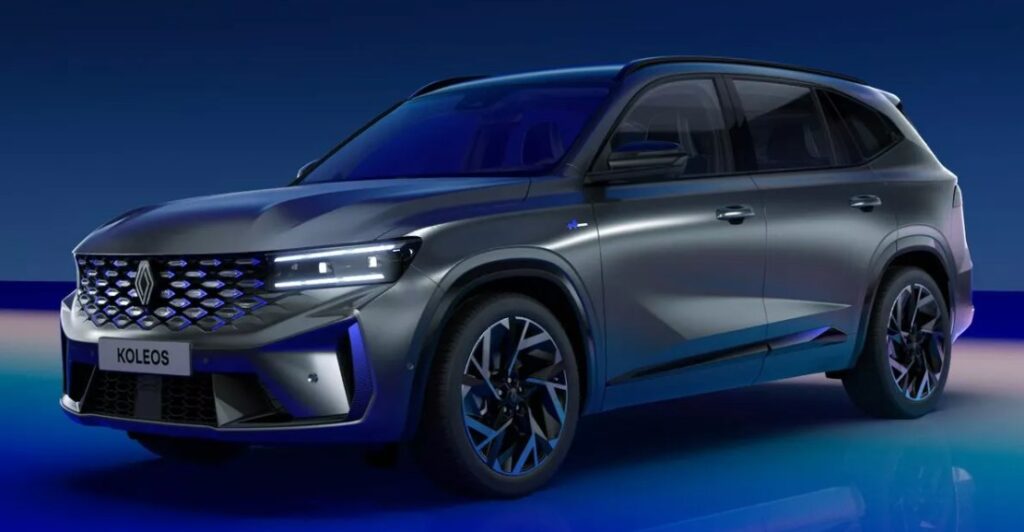
The Renault Koleos is one of those SUVs that quietly waits in the corner while better-known rivals fight for attention. It rarely shouts. It does not arrive wearing the toughest badge, the sportiest body kit, or the most futuristic cabin. Yet once we sit inside, stretch our legs, and take it for a relaxed drive, the Koleos begins making a surprisingly persuasive case for itself.
So, is Renault Koleos a good car?
For the right buyer, yes. The Koleos is a comfortable, spacious, well-equipped family SUV that often represents excellent value on the used market. It is particularly appealing to drivers who prioritize cabin room, soft ride quality, easy cruising, and generous standard equipment over razor-sharp handling or rapid acceleration.
However, it is not flawless. Its infotainment technology can feel dated, some engines are merely adequate, and long-term ownership depends heavily on the vehicle’s age, powertrain, maintenance history, and local parts support.
The Koleos is less like a flashy new smartphone and more like a comfortable armchair. It may not impress everyone at first glance, but we might appreciate it more with every long journey.
Content in this publication
- Renault Koleos at a Glance
- Is Renault Koleos a Good Car Overall?
- What Makes the Renault Koleos Good?
- Is the Renault Koleos Reliable?
- Renault Koleos Engines: Which Is Best?
- Is the Renault Koleos Fuel-Efficient?
- Is the Renault Koleos Comfortable?
- How Does the Renault Koleos Drive?
- Is the Renault Koleos Safe?
- Is the Renault Koleos Expensive to Maintain?
- Does the Renault Koleos Hold Its Value?
- Renault Koleos Versus Its Rivals
- Which Renault Koleos Should We Buy?
- Used Renault Koleos Inspection Checklist
- Major Pros and Cons
- Final Verdict: Is Renault Koleos a Good Car?
- Frequently Asked Questions
Renault Koleos at a Glance
Before diving deeper, here is the Koleos in simple terms:
- It is a midsize five-seat SUV.
- It offers generous front and rear passenger space.
- Most versions prioritize comfort rather than sportiness.
- Petrol, diesel, front-wheel-drive, and four-wheel-drive models exist, depending on the country and model year.
- It shares engineering and components with vehicles developed through the Renault-Nissan alliance.
- Used examples can cost considerably less than equivalent Japanese or European rivals.
- Its reliability is generally acceptable when properly maintained, but it is not completely trouble-free.
The second-generation model launched in the late 2010s received a five-star Euro NCAP safety rating in 2017. That result applied under the testing standards used at the time, so it should not be compared directly with ratings awarded under newer and stricter protocols.
Is Renault Koleos a Good Car Overall?
Yes, the Renault Koleos is generally a good car if we want a roomy, comfortable and sensibly priced SUV. It performs best as a family vehicle, motorway cruiser, commuter, or relaxed long-distance tourer.
It is not usually the strongest choice for enthusiastic drivers. The steering is light, the body can lean through quick corners, and several versions use a continuously variable transmission that favors smoothness over excitement. Push it hard and the Koleos may feel like it would rather slow down, put on some music, and enjoy the scenery.
That is not necessarily a criticism. Many SUV owners do not need sports-car responses. We need a vehicle that starts each morning, absorbs rough roads, carries children and luggage, and does not turn every fuel stop into a financial emergency.
The Koleos can satisfy those needs remarkably well.
Who Should Consider a Renault Koleos?
The Koleos makes sense for:
- Families needing adult-friendly rear-seat space
- Drivers covering long motorway distances
- Buyers seeking a well-equipped used SUV
- Owners who prefer a soft and composed ride
- Couples who want space without seven seats
- Drivers who like a commanding seating position
- Buyers willing to inspect service history carefully
It may be less suitable for:
- Drivers wanting seven seats
- Buyers expecting sporty handling
- Owners who need serious off-road capability
- People who demand the latest infotainment system
- Drivers living far from Renault service or parts support
- Buyers who want strong resale values in every market
What Makes the Renault Koleos Good?
The Koleos does not rely on one spectacular feature. Its appeal comes from several practical qualities working together.
It gives us space without feeling like a commercial vehicle, comfort without luxury-car pricing, and equipment levels that can make some competing base models look rather stingy.
A Spacious and Relaxing Interior
Passenger space is one of the Koleos’ greatest strengths.
The front seats provide a broad, comfortable environment, while the rear bench offers enough legroom for adults rather than merely tolerating them. That matters because many SUVs look huge from the outside but become surprisingly cramped once we climb into the second row.
In the Koleos, passengers generally have good knee room, headroom, and shoulder space. The doors open widely, making it easier to install a child seat, help an older passenger enter, or load the cabin without performing accidental gymnastics.
Some versions also include reclining rear seats, leather upholstery, heated front seats, ventilated seats, or electrically adjustable seating. Equipment varies substantially by country and trim level, so we should always check the exact vehicle rather than assuming every Koleos has the same features.
Is the Koleos a Seven-Seater?
No. The Renault Koleos is a five-seat SUV.
That may disappoint larger families comparing it with the Nissan X-Trail, Mitsubishi Outlander, Hyundai Santa Fe, Kia Sorento, or Skoda Kodiaq. However, the absence of a third row allows Renault to focus on second-row comfort and luggage capacity.
For a family of four or five, that trade-off can work beautifully. We avoid squeezing passengers into tiny folding seats that are often useful only for children or emergency journeys.
Comfortable Ride Quality
The Koleos is designed to feel calm rather than aggressive.
Its suspension generally deals well with uneven roads, expansion joints, and ordinary urban bumps. Larger alloy wheels can make the ride firmer, particularly over sharp potholes, but most versions remain comfortable by class standards.
On the motorway, the Koleos settles into an easy rhythm. Wind and road noise are usually controlled reasonably well, the seats support longer journeys, and the elevated driving position gives us a clear view ahead.
This is where the vehicle makes the most sense. It does not attack the road like a hot hatchback. It glides along it like a ferry crossing quiet water.
Generous Standard Equipment
Another advantage is equipment.
Depending on the trim and market, available features may include:
- Satellite navigation
- Leather upholstery
- Heated and ventilated seats
- Electric front-seat adjustment
- Hands-free powered tailgate
- Parking sensors
- Reversing camera
- Surround-view camera system
- Blind-spot monitoring
- Lane-departure warning
- Panoramic sunroof
- Premium audio
- Keyless entry and starting
- Autonomous emergency braking
- Four-wheel drive
For example, Renault Australia has offered later Koleos versions with equipment such as an 8.7-inch R-LINK 2 display, satellite navigation, leather upholstery, heated front seats, electric driver adjustment and a powered tailgate. Exact specifications differ between years and variants.
This strong equipment-to-price ratio is one reason used Koleos models can be tempting. We may find features associated with premium SUVs without paying a premium badge tax.
Is the Renault Koleos Reliable?
The Renault Koleos can be reliable, but maintenance history matters enormously.
A carefully serviced vehicle with sensible mileage can provide years of dependable use. A neglected example, particularly one with transmission issues, warning lights, incomplete servicing, or poor-quality repairs, can quickly become expensive.
There is no honest way to describe every Koleos as either perfectly reliable or fundamentally unreliable. Different generations use different engines, gearboxes, electronics, and emissions systems. Reliability also changes according to climate, road conditions, driving habits, fuel quality, and workshop expertise.
The Importance of Service History
A full service history is more valuable than a shiny set of wheels.
Before buying, we should look for:
- Oil changes completed at the correct intervals
- Evidence of transmission servicing where applicable
- Correct engine oil specifications
- Cooling-system maintenance
- Brake-fluid and coolant replacement
- Diesel particulate filter care on diesel models
- Recall work or software updates
- Receipts for significant repairs
- Matching mileage records
- Evidence that warning lights were properly diagnosed
Renault itself notes that service intervals vary according to the model and engine. Therefore, the correct schedule should be checked using the exact vehicle details rather than following a generic interval found online.
A neglected Koleos can hide trouble behind a freshly cleaned dashboard. Service invoices tell us far more than scented upholstery.
Common Renault Koleos Problems
Not every vehicle will experience these faults, but used buyers commonly investigate the following areas:
CVT Transmission Behaviour
Petrol Koleos models in several markets use an X-Tronic continuously variable transmission.
A healthy CVT should operate smoothly. However, its driving sensation differs from a traditional automatic. Under strong acceleration, engine speed may rise and remain high while road speed catches up. Some drivers interpret this normal behavior as clutch slip.
Actual warning signs may include:
- Shuddering from a standstill
- Hesitation when selecting drive
- Whining or unusual mechanical noise
- Delayed acceleration
- Overheating warnings
- Jerking at low speed
- Transmission fault messages
- Poor response after the vehicle warms up
A proper test drive should include cold starting, stop-and-go traffic, hills, reversing, and motorway acceleration. We should not judge the gearbox after circling a dealership car park for three minutes.
Later Australian-market Koleos versions, for example, have been offered with a 2.5-litre petrol engine and X-Tronic CVT. Renault listed outputs of 126 kW and 226 Nm for an Australian special edition using that combination.
Infotainment Glitches
The portrait-style R-LINK 2 system can look impressive, but its operation may feel slower and less intuitive than newer systems.
Potential complaints include:
- Slow startup
- Frozen screens
- Bluetooth pairing failures
- Navigation problems
- Delayed reversing-camera display
- Random restarts
- Inconsistent smartphone connectivity
- Touchscreen lag
Software updates may improve some problems, although they cannot transform older hardware into a modern system. During inspection, we should test every menu, connect a phone, play audio, operate the camera, and confirm that all physical controls work.
Electrical Warning Messages
Modern vehicles depend on stable battery voltage. A weak battery can produce several apparently unrelated warnings.
The Koleos may display messages concerning parking sensors, driver-assistance systems, stop-start operation, electronic parking brakes, or other systems. Sometimes the cause is simple; sometimes it is not.
We should avoid accepting “it just needs a battery” as a diagnosis unless testing confirms it. A stored fault code may point to a damaged sensor, wiring issue, failed module, or calibration problem.
You may be interested in reading How Long Do Ford Taurus SHO Last? Lifespan, Reliability, and High-Mileage Guide
Diesel Emissions-System Issues
Diesel versions can be economical and well suited to long journeys, but short-trip driving may create trouble for the diesel particulate filter.
Repeated urban journeys may prevent proper regeneration. Possible symptoms include:
- DPF warning lights
- Reduced engine power
- Rising fuel consumption
- Frequent cooling-fan operation
- Oil contamination
- Limp-home mode
- Expensive emissions-system repairs
A diesel Koleos makes more sense when we regularly drive long enough for the engine and exhaust system to reach operating temperature.
Buying a diesel for short school runs because its official consumption looks attractive can be like buying hiking boots for the living room. The product is not necessarily bad; it is simply being used in the wrong environment.
Suspension and Steering Wear
On higher-mileage vehicles, listen for knocks from the front or rear suspension. Bushes, links, bearings, dampers, and other wear components eventually need replacement.
Uneven tire wear may indicate:
- Poor wheel alignment
- Worn suspension components
- Incorrect tire pressure
- Previous impact damage
- Neglected tire rotation
The Koleos is a relatively heavy SUV, so cheap tires or delayed suspension repairs can noticeably affect its braking, steering, and ride quality.
Renault Koleos Engines: Which Is Best?
The best engine depends on the market, generation, and intended use.
Some countries received naturally aspirated petrol engines, while others offered turbo-diesel choices with manual or automatic transmissions. Earlier and later Koleos generations should not be treated as mechanically identical.
Petrol Renault Koleos
The 2.5-litre petrol engine found in several markets is generally straightforward in character. It delivers smooth, predictable performance rather than dramatic acceleration.
Its advantages include:
- Quieter urban driving than many diesels
- No diesel particulate filter
- Suitability for shorter journeys
- Simple, linear power delivery
- Broad parts commonality in some markets
Its disadvantages may include:
- Moderate rather than exceptional fuel economy
- No strong surge of torque
- CVT noise during hard acceleration
- Less towing confidence than a strong diesel
- Performance that can feel leisurely when fully loaded
For suburban families and mixed driving, the petrol engine is often the safer all-round choice, especially when annual mileage is modest.
Diesel Renault Koleos
Diesel engines are better suited to drivers completing frequent motorway journeys or carrying heavier loads.
Their strengths can include:
- Stronger low-speed torque
- Lower fuel consumption on longer trips
- Relaxed motorway performance
- Better suitability for towing, depending on specification
Their weaknesses can include:
- DPF concerns
- More complex emissions equipment
- Potentially expensive turbocharger or fuel-system repairs
- Greater sensitivity to short journeys
- Higher maintenance risk as mileage increases
Earlier UK versions were offered with different diesel engines, drivetrains and transmissions, including front-wheel-drive and four-wheel-drive configurations.
Should We Choose 2WD or 4WD?
Two-wheel drive is sufficient for most owners.
It generally brings:
- Lower purchase cost
- Slightly lower weight
- Potentially better fuel economy
- Fewer drivetrain components
- Simpler long-term ownership
Four-wheel drive may be worthwhile for:
- Snowy regions
- Muddy rural roads
- Boat ramps
- Gravel tracks
- Wet grass
- Light off-road use
- Drivers who need additional traction
However, the Koleos is not a hardcore off-roader. Four-wheel drive improves traction, but it does not magically provide the articulation, protection, low-range gearing, or ruggedness of a dedicated 4x4.
Think of it as hiking shoes rather than mountaineering boots.
Is the Renault Koleos Fuel-Efficient?
Fuel economy is reasonable but rarely class-leading.
Real consumption depends on:
- Engine choice
- Transmission
- Vehicle load
- Wheel size
- Tire condition
- Urban traffic
- Driving speed
- Climate-control use
- Road gradient
- Maintenance quality
Diesel models normally perform best during sustained motorway driving. Petrol CVT versions can deliver acceptable results with gentle acceleration but may become thirsty in congested traffic or when repeatedly driven hard.
We should compare owner-reported consumption with official figures, but neither should be treated as a promise. Laboratory numbers create a useful comparison between vehicles; they do not perfectly recreate our commute, weather, traffic, or right foot.
How to Improve Koleos Fuel Economy
We can reduce consumption by:
- Maintaining correct tire pressure.
- Removing unnecessary weight.
- Accelerating progressively.
- Avoiding excessive motorway speed.
- Servicing the engine correctly.
- Fixing dragging brakes or poor alignment.
- Using the recommended oil grade.
- Avoiding prolonged idling.
- Keeping roof accessories off when unused.
- Addressing warning lights promptly.
A large SUV will never drink like a tiny hatchback. Expecting otherwise is like asking a refrigerator to sip electricity like a desk lamp.
Is the Renault Koleos Comfortable?
Comfort is arguably the Koleos’ strongest quality.
The driving position is elevated, the cabin feels airy, and the seats are generally supportive. Road noise is acceptable, although tire choice can significantly affect cabin refinement.
The suspension’s soft setup helps the vehicle feel composed on broken surfaces. Passengers are less likely to complain during long journeys, and that may be worth more than a fast acceleration time we use twice a year.
Rear-Seat Comfort
The rear cabin is genuinely useful for adults.
We get:
- Strong legroom
- Good headroom
- A broad seat base
- Wide-opening doors
- Easy child-seat access
- Reclining backrests on some versions
- Air vents on many models
The middle passenger may still have less comfort than the outer occupants, as in most SUVs, but the Koleos performs well as a four-person long-distance vehicle.
Boot Space and Practicality
The Koleos offers a practical luggage area, although exact capacity differs by model year and measurement method.
The boot is suitable for:
- Weekly shopping
- Pushchairs
- Suitcases
- Sports equipment
- Pet carriers
- Family holiday luggage
Folding the rear seats creates considerably more room, although the resulting floor may not be perfectly flat in every version.
The powered tailgate available on some trims is convenient, but we should test it repeatedly. A feature is only luxurious while it works.
How Does the Renault Koleos Drive?
The Koleos drives predictably and comfortably.
The steering is light, making parking and urban maneuvering easy. Visibility is generally good, although thick pillars and the vehicle’s size make cameras and parking sensors valuable.
At higher speeds, the steering may lack the detailed feedback offered by a Mazda CX-5 or Ford-based rival. The Koleos also leans more during quick directional changes.
Nevertheless, it remains stable when driven sensibly.
Performance
Acceleration ranges from adequate to reasonably strong depending on the engine.
Petrol-CVT models prioritize smooth progress. Press the accelerator hard and the engine may become vocal, but normal driving is calmer.
Diesel models generally feel stronger from low engine speeds, especially when climbing hills or carrying passengers. However, performance should not be the main reason to buy a Koleos.
We buy it for the journey, not the launch.
City Driving
In town, the light steering and elevated seating position help. Automatic versions are easy to operate in traffic, and parking cameras reduce stress.
The downsides are predictable:
- It is wider than a small crossover.
- Large wheels can dislike potholes.
- Fuel consumption rises in congestion.
- Rear visibility is not perfect.
- Narrow parking spaces require care.
Drivers moving from a compact hatchback should complete a proper urban test drive before buying.
You may be interested in readingHow Long Do Ford Taurus SHO Last? Lifespan, Reliability, and High-Mileage GuideYou may be interested in reading
 Is Mitsubishi Outlander PHEV a Good Car? An Honest Ownership Guide
Motorway Driving
The motorway is the Koleos’ natural habitat.
It tracks confidently, offers good passenger comfort, and feels less tiring than smaller crossovers. Diesel torque is useful for overtaking, while petrol versions cruise smoothly once up to speed.
Adaptive cruise control is not fitted to every version, so equipment should be verified individually.
Is the Renault Koleos Safe?
The second-generation Koleos earned five stars in Euro NCAP testing in 2017. Its passenger compartment remained stable in the frontal offset test, while protection was generally assessed positively across major areas.
Available safety technology varies by year and trim but may include:
- Autonomous emergency braking
- Blind-spot monitoring
- Lane-departure warning
- Traffic-sign recognition
- Front and rear parking sensors
- Reversing camera
- Surround-view cameras
- Automatic high beams
- Multiple airbags
- Electronic stability control
- ISOFIX child-seat mounting points
A historical five-star rating remains useful information, but safety standards evolve. A vehicle rated five stars in 2017 should not automatically be considered equal to a newly tested five-star model.
We should also remember that tires, brakes, suspension condition, and driver behavior influence real-world safety. A collection of electronic acronyms cannot compensate for four worn tires.
Is the Renault Koleos Expensive to Maintain?
Maintenance costs are usually moderate for the class, but ownership can become expensive when major components fail.
Routine expenses include:
- Engine oil and filters
- Brake pads and discs
- Tires
- Batteries
- Coolant
- Spark plugs on petrol models
- Fuel filters on diesels
- Air-conditioning servicing
- Suspension components
Potentially larger costs may involve:
- CVT repairs
- Diesel emissions systems
- Turbocharger replacement
- Infotainment hardware
- Electrical modules
- Four-wheel-drive components
- Advanced driver-assistance sensors
Parts availability varies significantly between countries. In a market where Renault has a strong dealer and specialist network, ownership may be straightforward. In regions where the Koleos sold in small numbers, parts may take longer to source.
Before purchasing, contact a local Renault specialist and ask about common service items. A five-minute phone call can be more useful than fifty anonymous online comments.
Does the Renault Koleos Hold Its Value?
Resale value is not usually the Koleos’ greatest strength.
This creates two opposite realities:
- New buyers may experience heavier depreciation.
- Used buyers may obtain excellent value.
A three- or five-year-old Koleos can cost less than an equivalent Toyota RAV4, Honda CR-V, Mazda CX-5, or Volkswagen Tiguan, despite offering similar space and more equipment.
Depreciation is painful when we sell a car we purchased new. It is delightful when someone else has already absorbed it.
Resale depends on location, engine, trim, condition, color, mileage, and brand perception. Four-wheel-drive or high-specification models may be easier to sell in some areas, while economical front-wheel-drive versions may attract more buyers elsewhere.
Renault Koleos Versus Its Rivals
The Koleos competes with a crowded field.
Renault Koleos vs Nissan X-Trail
The X-Trail is usually more familiar to buyers and may offer seven seats in certain generations and markets. The Koleos often feels more premium inside and may provide better value as a used purchase.
The better choice depends on seat requirements, local servicing, and exact specifications.
Renault Koleos vs Mazda CX-5
The Mazda CX-5 is generally more enjoyable to drive and has a more polished reputation. The Koleos may offer better rear-seat room, softer comfort, and more equipment for the same used price.
Choose the Mazda for handling. Choose the Renault for relaxed space and value.
Renault Koleos vs Toyota RAV4
The RAV4 typically has stronger resale value, broader hybrid availability, and a formidable reliability reputation. However, it may cost substantially more.
The Koleos can be the better-value option, but the Toyota is often the lower-risk long-term purchase.
Renault Koleos vs Hyundai Tucson or Kia Sportage
The Korean rivals usually provide newer infotainment, broader powertrain choices, and strong warranties when purchased within coverage.
The Koleos may feel roomier and more relaxed, particularly when compared with smaller generations of those vehicles.
Renault Koleos vs Volkswagen Tiguan
The Tiguan often feels sharper and more sophisticated to drive. It may also offer better technology, depending on the year.
The Koleos counters with simpler comfort, generous rear space, and attractive used pricing. Maintenance history matters greatly for both.
Which Renault Koleos Should We Buy?
There is no universally best version, but a sensible used purchase might have:
- Full documented service history
- Moderate mileage
- No dashboard warnings
- Smooth cold-start performance
- Quiet suspension
- Matching quality tires
- Working cameras and infotainment
- Evidence of careful ownership
- A clean independent inspection
- A powertrain suited to our driving pattern
For mostly urban use, a petrol front-wheel-drive version is often logical.
For frequent motorway travel, a well-maintained diesel may provide stronger economy and torque.
For rural roads or slippery conditions, four-wheel drive can be useful, although it adds weight and complexity.
Higher trim levels are attractive, but extra equipment introduces more components that can eventually fail. The best Koleos is not automatically the one with the longest feature list. It is the one that has been maintained properly.
Used Renault Koleos Inspection Checklist
Before purchasing, check the following.
Exterior
- Uneven panel gaps
- Paint differences
- Cracked lights
- Windscreen damage
- Corrosion underneath
- Tailgate operation
- Tire age and tread
- Wheel damage
- Signs of towing abuse
- Oil or coolant leaks
Interior
- Touchscreen response
- Air-conditioning temperature
- Seat motors
- Heated and ventilated seats
- Electric windows
- Parking sensors
- Cameras
- Keyless entry
- Electronic parking brake
- Warning lights
- Sunroof operation
- Signs of water ingress
Test Drive
- Start the engine from cold.
- Listen for rattles or knocking.
- Test forward and reverse engagement.
- Accelerate gently and firmly.
- Drive at urban and motorway speeds.
- Brake from different speeds.
- Turn tightly in both directions.
- Listen over rough roads.
- Check steering alignment.
- Watch the temperature gauge.
- Confirm all warnings disappear.
- Test four-wheel-drive functions where fitted.
Paperwork
Verify:
- Vehicle identification number
- Service records
- Inspection history
- Outstanding finance
- Accident history
- Recall completion
- Ownership records
- Mileage consistency
- Correct number of keys
An independent pre-purchase inspection is strongly recommended. A competent technician can identify leaks, worn suspension, diagnostic trouble codes, transmission concerns, and previous repairs that we may miss.
Major Pros and Cons
Renault Koleos Advantages
- Spacious rear seating
- Comfortable suspension
- Strong motorway refinement
- Good equipment levels
- Attractive used prices
- Easy driving position
- Practical luggage area
- Available four-wheel drive
- Solid historical safety result
- Distinctive styling
Renault Koleos Disadvantages
- No seven-seat option
- Dated infotainment in older versions
- CVT driving style will not suit everyone
- Petrol economy can be average
- Diesel models dislike repeated short trips
- Resale value can be weaker than Japanese rivals
- Parts support varies by country
- Handling is safe rather than exciting
- Some electronic features can become troublesome
- Major transmission repairs may be costly
Final Verdict: Is Renault Koleos a Good Car?
Yes, the Renault Koleos is a good car for buyers who value comfort, passenger space, equipment, and used-market value.
It is not the most dynamic SUV, the most economical SUV, or the easiest vehicle to resell. It also requires careful inspection, particularly around the transmission, electronics, diesel emissions equipment, and service history.
Still, dismissing the Koleos simply because its badge is less fashionable would be a mistake.
A clean, properly maintained example can be a relaxed and practical family companion. It offers the sort of cabin room that matters every day, not merely the sort of performance statistic that looks good in a brochure.
The key is matching the vehicle to our lifestyle.
We should choose petrol for frequent short journeys, consider diesel for sustained long-distance use, and select four-wheel drive only when we genuinely need additional traction. Most importantly, we should buy based on condition and history rather than trim level or polished bodywork.
The Koleos is not trying to be the loudest guest at the party. It is the one holding the door open, carrying the luggage, and making sure everyone gets home comfortably.
That may be exactly what a good family car should do.
Frequently Asked Questions
1. Is the Renault Koleos reliable for long-term ownership?
A well-maintained Renault Koleos can provide dependable long-term service. Reliability depends on the engine, transmission, model year, driving conditions, and maintenance history. Buyers should pay particular attention to CVT operation, electrical warnings, suspension wear, and diesel emissions systems. A full service record and independent inspection are more important than low mileage alone.
2. Is the Renault Koleos expensive to repair?
Routine servicing is generally comparable with other midsize SUVs, although prices vary by country. Major repairs involving the CVT, turbocharger, diesel particulate filter, electronics, or four-wheel-drive system can be expensive. Local parts availability should be checked before purchasing an older example.
3. Is the Renault Koleos good for families?
Yes. The Koleos is particularly good for families of up to five people. It provides generous rear legroom, wide-opening doors, a practical boot, a comfortable ride, and useful safety equipment. However, families needing a third seating row should consider a seven-seat alternative.
4. Which Renault Koleos engine is best?
The petrol engine is usually the better choice for short journeys, urban driving, and moderate annual mileage. Diesel models suit frequent motorway use and drivers who value stronger low-speed torque. The best engine is the one that matches our driving habits and has documented maintenance.
5. Should I buy a used Renault Koleos?
A used Koleos can be an excellent-value purchase if it has a complete service history, operates correctly, passes a professional inspection, and has no unresolved warning lights. Avoid choosing solely by price. A slightly more expensive, properly maintained example may cost far less over the following years.
You may be interested in readingHow Long Do Ford Taurus SHO Last? Lifespan, Reliability, and High-Mileage GuideYou may be interested in reading
Is Mitsubishi Outlander PHEV a Good Car? An Honest Ownership GuideYou may be interested in reading
Can Mitsubishi Outlander Tow Caravan? Capacity, Limits, and Practical AdviceIf you want to know other articles similar to Is Renault Koleos a Good Car? An Honest Buyer’s Guide you can visit the category Blog.
Mitsubishi Pajero Sport Reliability: Is It a Dependable SUV?
Mitsubishi Pajero Sport Years to Avoid: A Used Buyer’s Guide

Is Infiniti QX60 Reliable? A Complete Reliability Guide
Peugeot RCZ Insurance Group: Complete UK Guide
Peugeot RCZ Reliability: How Dependable Is This Stylish Coupé?

Mazda CX-8 Reliability: How Dependable Is This 7-Seat SUV?
Leave a Reply
More content of your interest