
BMW 8 Series Reliability: What Owners Should Really Expect

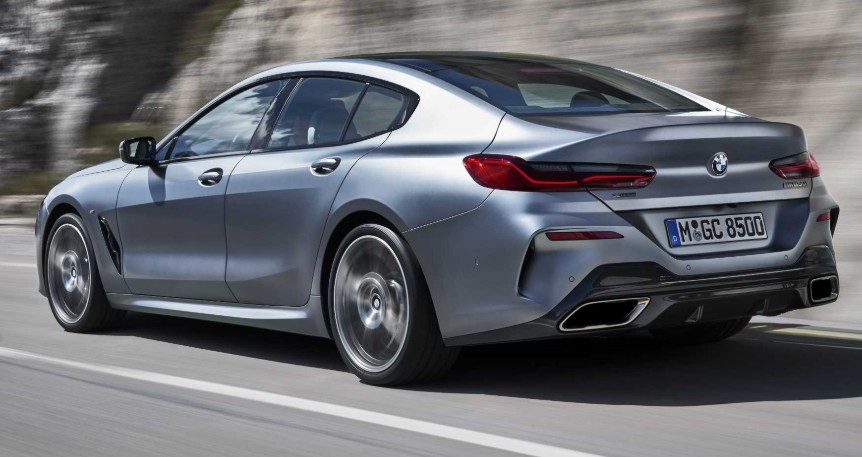
The BMW 8 Series sits in an interesting corner of the luxury-car world. It looks like a grand tourer, moves like a sports car, and surrounds us with the kind of technology normally associated with BMW's flagship models. Yet one question matters considerably more once the showroom shine begins to fade: how good is BMW 8 Series reliability?
That's a fair concern. A luxury BMW packed with turbochargers, adaptive suspension, sophisticated electronics, and expensive materials isn't exactly a Toyota Corolla wearing a nicer jacket. There are more systems to maintain, more components that can potentially fail, and, inevitably, bigger repair bills when something does go wrong.
Still, calling the BMW 8 Series unreliable would be overly simplistic.
The modern 8 Series can actually be a dependable grand tourer when it's maintained correctly. Its engines are based on well-developed BMW powertrains, the automatic transmissions are generally strong, and catastrophic failures aren't necessarily the norm. The bigger issue is ownership complexity. As these cars age, neglected maintenance can turn what was once an elegant Autobahn missile into an expensive mechanical puzzle.
So, should we trust one? Which engines are safest? And what should we inspect before buying a used 8 Series?
Let's break it all down.
Content in this publication
- Is the BMW 8 Series Reliable?
- BMW 8 Series Reliability by Generation
- Modern BMW 8 Series G15 Reliability
- BMW 8 Series Engine Reliability
- BMW 8 Series Transmission Reliability
- BMW xDrive Reliability
- BMW 8 Series Electrical Problems
- BMW 8 Series Battery Problems
- BMW 8 Series Cooling System Reliability
- BMW 8 Series Suspension Reliability
- BMW 8 Series Brake Reliability
- BMW 8 Series Common Problems
- BMW 8 Series Reliability After 50,000 Miles
- BMW 8 Series Reliability After 100,000 Miles
- How Long Can a BMW 8 Series Last?
- BMW 8 Series Maintenance Costs
- How to Make a BMW 8 Series More Reliable
- Is the BMW 840i the Most Reliable 8 Series?
- Should We Avoid the BMW M850i?
- Is the BMW M8 Reliable Enough for Daily Driving?
- Used BMW 8 Series Buying Checklist
- Which BMW 8 Series Should We Buy for Reliability?
- BMW 8 Series Reliability vs Other Luxury Cars
- Does Buying a Warranty Make Sense?
- New vs Used BMW 8 Series Reliability
- Can a BMW 8 Series Be a Good Long-Term Car?
- BMW 8 Series Reliability Verdict
- Frequently Asked Questions
Is the BMW 8 Series Reliable?
Overall, the BMW 8 Series can be considered reasonably reliable for a high-performance luxury car, but that qualification matters.
We're not comparing it with an economy sedan designed around simplicity. The 8 Series competes in a world where powerful engines, active chassis systems, complicated infotainment equipment, electrically operated accessories, and advanced driver-assistance technology are normal.
Every additional system creates another potential repair point.
That doesn't mean something will fail. It simply means there are more things that could.
When properly maintained, an 8 Series can cover substantial mileage without major mechanical drama. Cars with incomplete servicing, deferred repairs, cheap replacement components, or questionable modifications are another story entirely.
Think of the 8 Series like an expensive mechanical watch. Treat it properly and it can perform beautifully for years. Ignore maintenance and eventually those tiny complications begin asking for attention.
BMW 8 Series Reliability by Generation
BMW has used the 8 Series name for two dramatically different generations.
First-Generation BMW 8 Series E31 Reliability
The original E31 8 Series was produced during the 1990s and remains one of BMW's most distinctive designs.
Available with large V8 and V12 engines, the E31 was extremely advanced for its era. Unfortunately, technological sophistication from the 1990s can become complicated when we're dealing with a vehicle several decades old.
Age is now a bigger reliability factor than original engineering quality.
Potential E31 concerns include:
- Aging electrical systems
- Cooling-system deterioration
- Suspension wear
- Vacuum leaks
- Rubber hose deterioration
- Electronic module failures
- Expensive V12 servicing
- Difficult-to-find trim and specialty components
A beautifully maintained E31 can still be surprisingly usable. A neglected one can swallow repair money like an open drain.
Is an E31 Worth Buying Today?
Absolutely—for the right buyer.
We should approach the original 8 Series more like a collectible classic than an ordinary used BMW. Service history and condition matter far more than mileage alone.
Finding an inexpensive E31 is easy.
Finding an inexpensive E31 that remains inexpensive after purchase? That's considerably harder.
Modern BMW 8 Series G15 Reliability
BMW revived the 8 Series for the 2019 model year, with the modern generation appearing in Coupe, Convertible, and Gran Coupe forms.
The engineering underneath is substantially more mature than what we saw in the original E31.
Modern BMW engines have benefited from decades of development in turbocharging, cooling, direct injection, engine management, and manufacturing. The result is an 8 Series that can deliver enormous performance without necessarily behaving like an exotic car mechanically.
Still, maintenance remains essential.
BMW 840i Reliability
If reliability is our primary concern, the BMW 840i is arguably the sweet spot of the modern 8 Series lineup.
Its biggest advantage is the B58 turbocharged inline-six engine.
The B58 has developed one of the strongest reputations among modern BMW engines. It's powerful, smooth, tunable, and generally less complicated than BMW's twin-turbocharged V8.
That doesn't make it indestructible.
Possible issues as mileage increases can include cooling-system components, gaskets, sensors, ignition components, and various plastic or rubber parts.
Yet the basic engine architecture has generally proven robust.
For someone who wants an 8 Series without maximizing maintenance risk, the 840i deserves serious consideration.
BMW M850i Reliability
The M850i is where things become considerably more exciting.
Its twin-turbocharged V8 transforms the 8 Series from a quick grand tourer into something that feels almost absurdly fast.
Press the accelerator and the scenery seems to shrink behind us.
But performance comes with complexity.
BMW's modern V8 engines have improved considerably compared with some older designs, yet there's simply more happening under the hood. Two cylinder banks, twin turbochargers, substantial cooling requirements, tightly packaged components, and greater thermal stress create additional long-term maintenance considerations.
That doesn't automatically make the M850i unreliable.
It simply means we should expect higher ownership risk and higher repair costs than with the 840i.
BMW M8 Reliability
The BMW M8 takes everything one step further.
More power. More cooling. More aggressive calibration. More chassis technology.
And, naturally, more expensive components.
Mechanically, the M8 can be remarkably durable considering its performance. But this isn't the kind of car where we want to postpone servicing because a warning light seems harmless.
When something needs attention, ignoring it can turn a manageable repair into a frightening invoice.
BMW 8 Series Engine Reliability
Engines are usually the first thing buyers worry about, so let's look deeper.
B58 Six-Cylinder Engine
The B58 inline-six found in the 840i is one of BMW's standout modern engines.
Reasons owners appreciate it include:
- Strong internal construction
- Smooth power delivery
- Excellent performance
- Relatively mature turbocharging technology
- Broad use across BMW's lineup
- Strong aftermarket and technical support
It combines performance and durability unusually well.
We'd still want consistent oil changes and proper cooling-system maintenance, but the engine itself shouldn't automatically scare us away from a used 840i.
BMW Twin-Turbo V8 Reliability
The larger V8-powered versions naturally attract enthusiasts.
And why wouldn't they?
Few things suit the character of a big luxury coupe better than a muscular V8.
However, heat becomes an important consideration.
Modern turbocharged V8 engines produce considerable temperatures inside tightly packed engine bays. Over many years, heat cycles can accelerate wear on seals, hoses, plastics, wiring, and surrounding components.
Regular maintenance becomes particularly important.
Does the V8 Automatically Mean Trouble?
No.
Buying a V8-powered 8 Series isn't the automotive equivalent of pulling a pin from a grenade.
We simply need realistic expectations.
A properly maintained M850i can deliver years of satisfying ownership. But when repairs arrive, they'll usually cost more than equivalent work on an 840i.
BMW 8 Series Transmission Reliability
Most modern BMW 8 Series models use an eight-speed automatic transmission.
This gearbox is generally one of the car's stronger mechanical components.
It shifts quickly when we're driving aggressively but becomes almost invisible during relaxed cruising.
Long-term durability also tends to be good when the transmission hasn't been abused.
Still, there's an important lesson here: don't assume any mechanical fluid lasts forever simply because servicing intervals are generous.
As mileage climbs, preventive transmission servicing can make sense depending on vehicle use and condition.
BMW xDrive Reliability
Many 8 Series models feature BMW's xDrive all-wheel-drive system.
For daily driving, the system is excellent.
It adds traction during rain, helps the car deploy enormous torque, and contributes to the planted feeling that makes the 8 Series such a capable grand tourer.
But all-wheel drive introduces extra mechanical components.
Those include additional driveline hardware such as the transfer case, front driveshaft components, and front axles.
Matching Tires Matter More Than We Think
One surprisingly important reliability consideration involves tires.
BMW xDrive systems work best when all four tires have similar overall rolling circumference.
Running dramatically different tire sizes, tread depths, or mismatched tires can create unnecessary strain within the drivetrain.
On a conventional rear-wheel-drive car, mismatched tires might simply feel awkward.
On an AWD performance BMW, they can become an expensive mistake.
You may be interested in reading Is Mitsubishi Outlander a Midsize SUV? Size, Class, and Practicality Explained
BMW 8 Series Electrical Problems
Mechanical reliability is only half the story.
Modern luxury cars contain an enormous amount of electronics, and the 8 Series is no exception.
Potential electrical annoyances may involve:
- Infotainment glitches
- Cameras
- Parking sensors
- Driver-assistance features
- Keyless-entry systems
- Seat electronics
- Battery-related warnings
- Software issues
- Electronic modules
Sometimes the apparent failure isn't actually the affected component.
A weak 12-volt battery, for example, can trigger a carnival of strange warnings in modern BMWs.
That's why proper diagnosis matters.
Replacing components based purely on dashboard messages can become very expensive very quickly.
BMW 8 Series Battery Problems
Modern premium vehicles place enormous electrical demands on their batteries.
The 8 Series contains computers everywhere.
Even when we're not touching anything, modules are constantly communicating, monitoring, and controlling systems behind the scenes.
An aging battery may therefore create symptoms that seem unrelated.
We might see warning messages, disabled convenience features, unusual startup behavior, or intermittent electrical faults.
Before assuming the car has developed a major electronic problem, checking battery condition is often a sensible first step.
BMW 8 Series Cooling System Reliability
Cooling systems have historically deserved attention on performance BMWs, and the principle still applies here.
Turbocharged engines create serious heat.
Keeping that heat under control depends on pumps, radiators, thermostats, hoses, coolant circuits, and various electronic controls working correctly.
Even a small cooling-system issue shouldn't be casually ignored.
Watch for Coolant Loss
Coolant levels shouldn't continuously decline.
If we're topping up coolant repeatedly, something needs investigation.
Potential causes could range from a minor hose connection to more expensive components.
The crucial point is simple: diagnose the source early.
Overheating a sophisticated turbocharged BMW engine is far more expensive than repairing a small cooling-system leak.
BMW 8 Series Suspension Reliability
The 8 Series hides its weight remarkably well.
Part of that magic comes from sophisticated suspension technology.
Depending on the configuration, the car can include adaptive dampers, electronically controlled chassis systems, rear-wheel steering, or other advanced suspension hardware.
These systems make the car drive beautifully.
They can also become expensive once components wear out.
Signs of Suspension Wear
During a test drive, listen and feel for:
- Clunks over bumps
- Uneven ride height
- Excessive bouncing
- Steering vibration
- Knocking noises
- Poor alignment
- Irregular tire wear
A large luxury car should feel composed.
If an 8 Series feels loose, noisy, or unsettled, something deserves closer inspection.
BMW 8 Series Brake Reliability
Powerful cars need powerful brakes.
The braking hardware fitted to the 8 Series works extremely well, but high-performance components usually aren't cheap consumables.
Large rotors and performance brake pads can cost significantly more than equivalent parts for an ordinary sedan.
That's normal rather than a reliability defect.
Still, it's something potential owners should budget for.
A used 8 Series advertised at an attractive price may suddenly feel less attractive if it immediately needs four tires and a complete brake service.
BMW 8 Series Common Problems
While experiences vary by model, engine, year, mileage, and maintenance history, several categories deserve attention when evaluating an 8 Series.
Common areas worth checking include:
- Cooling-system leaks or deterioration
- Aging batteries and electrical warnings
- Suspension component wear
- Oil leaks as mileage increases
- Infotainment or software glitches
- Expensive brake replacement
- Tire wear and alignment problems
- Sensors and electronic modules
- Ignition components
- Rubber seals and hoses
None of these automatically means the car is unreliable.
Many are simply realities of maintaining a complicated performance vehicle.
BMW 8 Series Reliability After 50,000 Miles
Around 50,000 miles, vehicle history begins to matter more than showroom reputation.
A correctly serviced 8 Series can still feel nearly new.
A neglected one may begin revealing deferred maintenance.
At this mileage, we'd want to examine tires, brakes, suspension bushings, fluid condition, cooling-system components, service records, battery health, and any stored diagnostic faults.
This is also where comparing two apparently identical cars becomes interesting.
A 60,000-mile example maintained obsessively might be a smarter purchase than a 35,000-mile car that's been serviced whenever the owner remembered.
Mileage tells only part of the story.
BMW 8 Series Reliability After 100,000 Miles
Can a BMW 8 Series reach 100,000 miles?
Certainly.
Can it go well beyond that?
Also yes.
The bigger question is how much maintenance we're willing to perform along the journey.
Around six-figure mileage, wear-related items become increasingly important. Seals harden. Bushings deteriorate. Suspension components loosen. Cooling parts age. Electronics aren't as young as they once were.
That's simply what happens to complex machines.
A high-mileage 8 Series with extensive maintenance records can therefore be less intimidating than a neglected low-mileage example.
How Long Can a BMW 8 Series Last?
With diligent maintenance, there's no fundamental reason a modern 8 Series cannot exceed 150,000 miles, and some examples may travel considerably farther.
Longevity largely depends on:
- Maintenance quality
- Driving habits
- Engine choice
- Climate
- Storage conditions
- Previous accident history
- Modification history
- Frequency of servicing
The engine itself doesn't exist in isolation.
A vehicle might have a perfectly healthy powertrain while suspension, electronics, cooling, and interior systems steadily require attention.
That's why long-term reliability should really be viewed as whole-car durability rather than simply asking whether the engine survives.
BMW 8 Series Maintenance Costs
Here's where reality catches up with the gorgeous bodywork.
The 8 Series was expensive when new.
Its replacement components don't suddenly become economy-car parts just because depreciation makes the vehicle affordable on the used market.
A used example might fall dramatically in purchase price while still requiring maintenance appropriate for a premium six-figure luxury car.
That's one of the most important concepts prospective buyers need to understand.
Depreciation Doesn't Reduce Repair Complexity
Imagine buying an 8 Series for half its original value.
Fantastic.
Unfortunately, the suspension doesn't know that.
The brakes don't know that.
Neither do the electronics, headlights, cameras, turbochargers, or interior components.
They remain sophisticated BMW parts.
This is why purchase price should never be the only affordability calculation.
How to Make a BMW 8 Series More Reliable
Preventive maintenance makes a massive difference.
We can reduce long-term headaches by following several sensible habits:
- Use the correct engine oil.
- Don't stretch oil-change intervals excessively.
- Investigate fluid leaks quickly.
- Keep the cooling system healthy.
- Replace weak batteries before they create secondary symptoms.
- Use quality tires with correct sizing.
- Maintain proper wheel alignment.
- Avoid poor-quality aftermarket modifications.
- Address warning lights immediately.
- Keep comprehensive maintenance records.
Mechanical sympathy helps too.
We don't need to drive a performance BMW like it's made from glass. That's missing the point.
You may be interested in readingIs Mitsubishi Outlander a Midsize SUV? Size, Class, and Practicality ExplainedYou may be interested in reading
 Renault Koleos Options: Engines, Trims and Which One to Buy
But repeatedly demanding maximum performance from a cold engine isn't doing longevity any favors.
Let the fluids reach operating temperature before asking the car for everything it has.
Is the BMW 840i the Most Reliable 8 Series?
For many buyers, yes.
The 840i arguably provides the most convincing balance between performance, fuel consumption, complexity, and long-term ownership risk.
Its turbocharged inline-six is hardly slow.
In real-world driving, the car already has enough power to make overtaking effortless and highway travel almost comically easy.
The V8 versions are unquestionably faster.
But ask ourselves something: how much performance can we actually use?
For someone keeping the car long term, choosing the simpler six-cylinder powertrain can be an intelligent compromise.
Should We Avoid the BMW M850i?
Not necessarily.
Some buyers hear "V8 BMW" and immediately imagine catastrophic repair bills.
That's an exaggeration.
The M850i can be a fantastic ownership proposition when we purchase the right example and budget appropriately.
Service records become especially important.
We'd rather buy a meticulously maintained M850i from an enthusiast who spent money preventively than a cheaper example whose owner treated maintenance like an optional subscription.
Condition beats bargain pricing every time.
Is the BMW M8 Reliable Enough for Daily Driving?
The M8 can absolutely function as a daily driver.
That's part of what makes it so extraordinary.
One minute it cruises quietly with heated seats and luxury-car comfort. The next, its performance feels like someone attached rockets beneath the trunk.
Still, daily use means accumulating mileage on expensive components.
Tires, brakes, suspension parts, and servicing aren't priced like those of an ordinary commuter.
If we can accept that financial reality, reliability itself doesn't make daily M8 use unreasonable.
Used BMW 8 Series Buying Checklist
Before purchasing a used BMW 8 Series, we'd strongly recommend a professional pre-purchase inspection.
Pay particular attention to:
- Complete service records
- Engine oil leaks
- Coolant leaks
- Battery condition
- Suspension noises
- Brake condition
- Tire age and tread depth
- Matching tire specifications
- Diagnostic fault codes
- Infotainment operation
- Cameras and sensors
- Seat functions
- Air conditioning
- Accident history
- Modification history
- Signs of aggressive abuse
Never evaluate one of these cars based solely on cosmetic condition.
Paint can shine beautifully while expensive mechanical problems hide underneath.
Always Scan the Car Electronically
Modern BMWs can store faults even when no warning light appears on the dashboard.
A proper diagnostic scan can reveal historical or intermittent faults involving different modules and systems.
That's valuable information.
If we're spending serious money on an 8 Series, a detailed electronic inspection is cheap insurance.
Which BMW 8 Series Should We Buy for Reliability?
If reliability is the priority, we'd generally rank the modern choices like this:
840i: Best balance of reliability, performance, and maintenance complexity.
M850i: Great option for buyers who want V8 performance and accept higher maintenance costs.
M8: Astonishing performance, but the highest-performance hardware naturally brings greater ownership expense.
That's not the same as ranking the cars from best to worst.
Different buyers have different priorities.
Someone buying primarily with their heart may never be satisfied with the 840i when they really wanted the thunderous V8.
There's nothing wrong with that.
We simply need to enter ownership with our eyes open.
BMW 8 Series Reliability vs Other Luxury Cars
Compared with simpler premium vehicles, the 8 Series inevitably carries greater maintenance complexity.
Compared with similarly powerful luxury grand tourers, however, its reliability picture becomes much more reasonable.
This distinction matters.
We can't realistically compare the maintenance requirements of a BMW M850i with those of a four-cylinder family sedan and conclude that the BMW is poor simply because everything costs more.
The better comparison is with other high-performance luxury coupes and grand tourers.
In that world, the 8 Series doesn't look unusually frightening.
Does Buying a Warranty Make Sense?
Depending on vehicle age, coverage terms, and cost, extended warranty protection may be attractive for used 8 Series buyers.
But read the small print carefully.
Not every warranty covers expensive electronic systems, suspension hardware, turbocharger-related components, or diagnostic labor equally.
The word warranty by itself means very little.
What matters is what's actually covered.
A comprehensive plan can provide valuable peace of mind. A cheap contract filled with exclusions may be little more than expensive paper.
New vs Used BMW 8 Series Reliability
Buying new or nearly new naturally reduces uncertainty.
We know more about the vehicle's history, major wear items haven't accumulated many miles, and manufacturer warranty coverage may still apply.
Used examples offer a different advantage: depreciation.
The 8 Series can lose substantial value compared with its original price, opening the door to extraordinary performance and luxury for much less money.
That's tempting.
But depreciation rewards knowledgeable buyers and punishes careless ones.
Buying the cheapest car available isn't usually the winning strategy.
Buying the best-maintained car within our budget usually is.
Can a BMW 8 Series Be a Good Long-Term Car?
Yes, especially if we're proactive rather than reactive.
The ideal long-term owner doesn't wait until every component completely fails.
They notice small symptoms, maintain fluids, keep the cooling system healthy, monitor tires, diagnose warning messages properly, and budget for wear.
Under that kind of ownership, the 8 Series can remain a deeply satisfying car long after the original warranty disappears.
It won't be maintenance-free.
No sophisticated luxury performance car is.
But there's an enormous difference between requiring maintenance and being fundamentally unreliable.
BMW 8 Series Reliability Verdict
The BMW 8 Series is more reliable than its intimidating complexity might suggest, particularly when we're talking about the modern generation and especially the six-cylinder 840i.
The B58-powered 840i stands out as the logical choice for buyers who prioritize long-term dependability. It delivers plenty of power without the additional mechanical and thermal complexity associated with the V8 models.
The M850i and M8 can also be dependable, but ownership costs rise accordingly. Their engines produce enormous performance, and the supporting hardware—brakes, tires, cooling systems, suspension, and electronics—reflects that mission.
Ultimately, maintenance history matters more than the badge on the trunk.
A well-kept 8 Series can be a magnificent long-distance companion: fast, comfortable, refined, and surprisingly durable. A neglected example can become something entirely different—a beautiful driveway ornament with invoices accumulating faster than miles.
Choose carefully, inspect thoroughly, maintain proactively, and the BMW 8 Series can deliver exactly what a grand tourer should: huge performance wrapped in effortless luxury without making reliability a constant source of anxiety.
Frequently Asked Questions
1. Is the BMW 8 Series expensive to maintain?
Yes, compared with an ordinary sedan. The 8 Series uses premium components, sophisticated electronics, large brakes, performance tires, and advanced suspension systems. Routine servicing isn't necessarily outrageous, but major repairs can become expensive.
2. What is the most reliable BMW 8 Series engine?
The B58 turbocharged inline-six used in the BMW 840i is generally the most attractive option for buyers focused on reliability. It combines strong performance with lower complexity than the V8-powered models.
3. How many miles can a BMW 8 Series last?
A properly maintained BMW 8 Series can potentially exceed 150,000 miles. Longevity depends heavily on maintenance history, driving conditions, engine choice, previous ownership, and how quickly developing problems are addressed.
4. Is a used BMW 8 Series worth buying?
Yes, provided the vehicle has strong maintenance records and passes a professional pre-purchase inspection. Depreciation can make used examples compelling values, but buyers should retain enough budget for premium-car maintenance.
You may be interested in readingIs Mitsubishi Outlander a Midsize SUV? Size, Class, and Practicality ExplainedYou may be interested in reading
Renault Koleos Options: Engines, Trims and Which One to BuyYou may be interested in reading
 Ford Ka Reliability: Is This Tiny Ford Actually Dependable?
5. Is the BMW 840i more reliable than the M850i?
Generally, the 840i presents less long-term complexity because its six-cylinder engine is simpler than the M850i's twin-turbo V8. The M850i isn't automatically unreliable, but servicing and potential repairs can be more expensive.
If you want to know other articles similar to BMW 8 Series Reliability: What Owners Should Really Expect you can visit the category Blog.
Is Vauxhall Agila a Good Car? Reliability, Problems and Buying Guide

Honda Passport Life Expectancy: How Many Miles Can It Last?
Honda Passport Depreciation: How Well Does It Hold Its Value?

Nissan Rogue Reliability Rating: How Reliable Is the Rogue?
Nissan Rogue Life Expectancy: How Long Does It Last?
Vauxhall Agila Reliability: Common Problems, Best Engines and What to Check
Leave a Reply
More content of your interest