

Mitsubishi Outlander vs Subaru Outback: Which One Should You Buy?

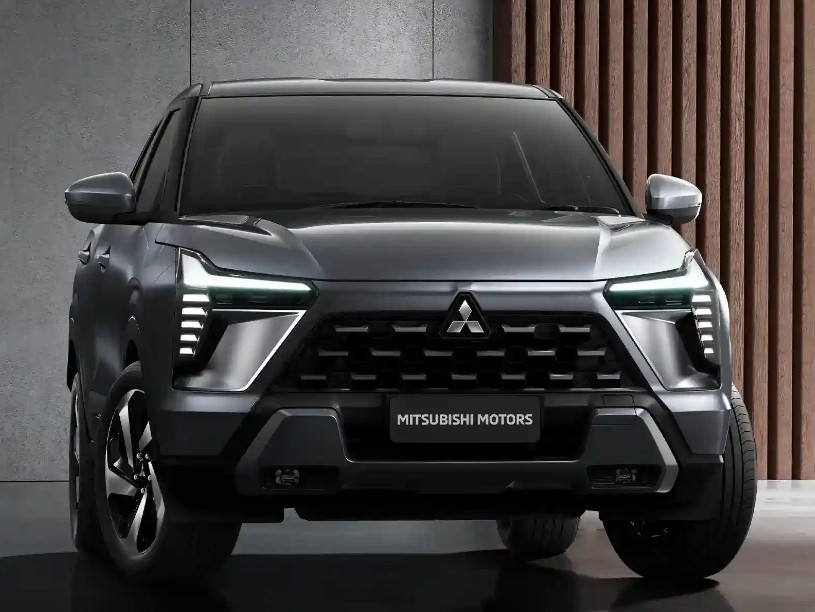
Comparing the Mitsubishi Outlander vs Subaru Outback is a little more interesting than comparing two ordinary family SUVs. These vehicles overlap in price, practicality, and everyday usability, yet they approach the job from very different directions.
The Mitsubishi Outlander feels like a conventional modern crossover. It offers an upright driving position, available all-wheel-drive capability, a surprisingly upscale cabin, and—most importantly for some families—three rows of seating.
The Subaru Outback takes another route. It has traditionally blended wagon-like road manners with SUV ground clearance and standard all-wheel drive. The latest Outback pushes further toward the SUV side of the spectrum, but its personality remains focused on adventure, cargo flexibility, bad-weather confidence, and long-distance comfort.
So, which one makes more sense?
For buyers who need seven-seat flexibility, an available plug-in hybrid in markets where it is sold, and a more traditional SUV layout, the Outlander has some powerful arguments. If we care more about cargo space, towing ability, standard AWD, rough-road capability, and relaxed highway driving, the Outback becomes difficult to ignore.
Let's dig deeper.
Content in this publication
- Mitsubishi Outlander vs Subaru Outback at a Glance
- Which Is Bigger: Mitsubishi Outlander or Subaru Outback?
- Interior Space and Passenger Comfort
- Cargo Space: Outlander vs Outback
- Engine Performance
- Transmission and Driving Character
- Fuel Economy
- Mitsubishi Outlander PHEV vs Subaru Outback
- All-Wheel Drive Systems
- Ground Clearance and Off-Road Ability
- Towing Capacity
- Ride Comfort
- Handling
- Interior Design and Quality
- Infotainment and Connectivity
- Safety Technology
- Reliability: Mitsubishi Outlander vs Subaru Outback
- Running Costs
- Outlander vs Outback in Snow
- Outlander vs Outback for Families
- Outlander vs Outback for Road Trips
- Outlander vs Outback for City Driving
- Which Has Better Off-Road Capability?
- Mitsubishi Outlander Pros and Cons
- Subaru Outback Pros and Cons
- Mitsubishi Outlander vs Subaru Outback: Which Is Better Value?
- Who Should Buy the Mitsubishi Outlander?
- Who Should Buy the Subaru Outback?
- Mitsubishi Outlander vs Subaru Outback: Our Verdict
- FAQs About Mitsubishi Outlander vs Subaru Outback
Mitsubishi Outlander vs Subaru Outback at a Glance
Before getting buried in specifications, here's the basic personality difference.
| Category | Mitsubishi Outlander | Subaru Outback |
|---|---|---|
| Body style | Compact/midsize crossover SUV | Midsize crossover SUV |
| Seating | Up to 7 | 5 |
| AWD | Available/standard depending on market and version | Standard on U.S.-spec models |
| Engine character | Efficiency-focused | Naturally aspirated or turbo options |
| Hybrid option | Outlander PHEV available in many markets | Generally gasoline-focused |
| Cargo emphasis | Family versatility | Maximum luggage flexibility |
| Towing | Moderate | Stronger on selected trims |
| Off-road ability | Good with S-AWC | Very good, especially Wilderness |
| Best for | Families and urban SUV buyers | Outdoor lifestyles and road trips |
We should emphasize that specifications differ between the United States, Canada, Australia, New Zealand, Europe, Japan, and other regions. Engine choices and trim names can change considerably.
Still, the fundamental differences remain remarkably consistent.
Which Is Bigger: Mitsubishi Outlander or Subaru Outback?
Size can be deceptive here.
The Outlander visually resembles the taller, more traditional SUV. The Outback, meanwhile, has historically looked almost like a lifted wagon.
Yet the Subaru is quite long.
The 2026 U.S.-spec Outback measures approximately 191.7 inches long, making it a substantial midsize vehicle. It also offers up to 80.5 cubic feet of maximum cargo volume with the rear seats folded.
The Outlander is generally shorter and easier to perceive as a city-friendly crossover.
That difference affects how they feel.
Outlander: Tall and Upright
Sit inside an Outlander and the experience feels unmistakably SUV-like.
We sit relatively upright, visibility is good, and the body proportions make the vehicle feel manageable in parking garages and crowded streets.
Outback: Long and Low-Slung
The Subaru stretches farther from nose to tail.
That longer footprint contributes to its excellent cargo capacity and comfortable highway manners, although it can feel slightly larger when maneuvering in tight spaces.
If city driving dominates our week, the Mitsubishi may therefore feel easier to live with.
Interior Space and Passenger Comfort
Here's where the comparison becomes more complicated.
Both vehicles offer spacious cabins, but they're designed around different priorities.
Mitsubishi Outlander Seating Capacity
The Outlander's headline feature is its ability to carry up to seven occupants.
That sounds like a massive advantage.
And sometimes it is.
However, we shouldn't imagine the third row as something comparable to the rear seats of a large three-row SUV. The Outlander's third row is relatively compact and is best regarded as occasional seating.
Children? Fine.
Short journeys with adults? Possible.
Four adults taking a cross-country trip with three more adults behind them? That's where optimism starts turning into yoga.
Still, having those seats available can be invaluable.
School runs, grandparents visiting, children's friends, or unexpected passengers suddenly become easier to accommodate.
Subaru Outback Seating Capacity
The Outback seats five.
No tricks. No tiny emergency third row.
Instead, Subaru uses the space for generous passenger and cargo accommodation.
The 2026 model provides up to 112.3 cubic feet of passenger volume, according to Subaru.
Rear-seat passengers generally enjoy excellent legroom, making the Outback especially attractive for families with teenagers or adults regularly occupying the second row.
Which Interior Is More Practical?
We'd break it down this way:
- Choose the Outlander if occasional seven-passenger capability matters.
- Choose the Outback if five people plus lots of luggage is the normal scenario.
- Choose the Outlander for school-run versatility.
- Choose the Outback for long-distance passenger comfort.
Cargo Space: Outlander vs Outback
If carrying luggage is more important than carrying extra passengers, the Subaru has a strong hand.
The redesigned 2026 Outback provides up to 80.5 cubic feet of cargo volume with the rear seatbacks folded.
That enormous rectangular loading area suits camping equipment, bicycles, pets, suitcases, sporting gear, or the inevitable flat-pack furniture adventure.
The Outlander remains practical, but its third-row packaging consumes some space.
Fold those seats down and cargo capacity improves significantly, but the Subaru's long body remains extremely useful.
What About Everyday Grocery Space?
Both are easily adequate.
The difference becomes obvious when we're packing for a week-long road trip.
Picture five travelers, several suitcases, a cooler, hiking boots, backpacks, and something unnecessarily enormous that one family member insists on bringing.
The Outback smiles.
The Outlander starts negotiating.
Engine Performance
Performance varies substantially by market and model year, so we need to avoid treating every Outlander or Outback as mechanically identical.
For a current reference point, the 2026 U.S.-spec Outback offers two gasoline engines.
The standard engine produces 180 horsepower, while turbocharged XT and Wilderness versions deliver 260 horsepower and 277 lb-ft of torque.
That gives Subaru buyers two distinctly different personalities.
Outback 2.5-Liter Engine
The naturally aspirated engine prioritizes efficiency and smooth everyday driving.
It's perfectly adequate for commuting and ordinary family use.
However, load the vehicle heavily, climb a steep mountain road, and request a quick overtake simultaneously, and it won't feel particularly athletic.
It's more hiking boot than running shoe.
Outback Turbo Engine
The turbocharged version changes the equation.
With 260 horsepower, acceleration becomes noticeably stronger, especially when overtaking or climbing hills.
For drivers living at altitude, towing regularly, or simply wanting more effortless performance, the turbo Outback deserves serious consideration.
Mitsubishi Outlander Performance
The conventional gasoline Outlander generally emphasizes smoothness and fuel efficiency rather than outright speed.
It's competent rather than exciting.
Around town, that's perfectly acceptable. The powertrain gets the job done and matches the relaxed personality of the vehicle.
Push hard on a highway entrance ramp, however, and the Mitsubishi can feel less energetic than the turbo Subaru.
For performance alone, we'd give the advantage to the turbocharged Outback.
Transmission and Driving Character
Both vehicles commonly rely on continuously variable automatic transmissions in major markets.
CVTs sometimes receive criticism because hard acceleration can cause the engine to hold higher revs rather than shifting through traditional gears.
But modern implementations are much more polished than older designs.
The Subaru's CVT works well with its boxer engines, particularly in relaxed highway driving.
The Mitsubishi's transmission is similarly oriented toward smoothness and fuel economy.
Neither SUV exists to entertain us on a racetrack.
That's not their job.
Fuel Economy
Fuel consumption depends heavily on drivetrain, engine, tires, terrain, climate, and local specifications.
As a current benchmark, Subaru advertises up to 31 mpg highway for the 2026 Outback.
You may be interested in reading Mitsubishi Outlander vs Subaru Forester: Which SUV Is Better?
Mitsubishi lists U.S. EPA estimates for the 2026 gasoline Outlander of up to 26 mpg city, 31 mpg highway, and 28 mpg combined in front-wheel-drive configurations, with S-AWC versions rated slightly lower.
In normal driving, they're closer than many buyers might expect.
However, there is one enormous wildcard.
Mitsubishi Outlander PHEV vs Subaru Outback
In markets where the Outlander PHEV is available, Mitsubishi has something Subaru cannot directly match with the gasoline Outback.
A plug-in hybrid can travel shorter everyday journeys using electricity while retaining a gasoline engine for longer trips.
That's an appealing combination for someone who can charge at home.
Imagine commuting 15 or 20 miles each way, plugging in overnight, and using very little gasoline during the week.
Then Friday arrives.
We throw luggage into the back and drive hundreds of miles without planning our life around public chargers.
That's the beauty of a PHEV.
Who Benefits Most From the Outlander PHEV?
It makes the most sense when:
- Home charging is available.
- Daily journeys fall within or near the electric driving range.
- Fuel prices are high.
- Most driving occurs in urban or suburban conditions.
- We still want gasoline-powered road-trip flexibility.
If charging isn't convenient, the advantage becomes less dramatic.
All-Wheel Drive Systems
This is one of the strongest sections of the battle.
Mitsubishi and Subaru both have genuine expertise in AWD.
Mitsubishi S-AWC
Mitsubishi's Super All-Wheel Control, commonly abbreviated S-AWC, coordinates several vehicle systems to improve traction and stability.
Rather than simply sending torque to another axle after detecting wheelspin, the system manages power distribution and braking behavior to help the Outlander stay composed.
It's particularly useful in rain, snow, gravel, and changing road surfaces.
Subaru Symmetrical AWD
Subaru's Symmetrical All-Wheel Drive is central to the brand's identity.
On U.S.-spec Outback models, AWD is standard, and Subaru combines it with X-MODE for difficult surfaces.
The architecture is designed around a longitudinally mounted boxer engine and a symmetrical drivetrain layout.
Does that automatically make every Outback unstoppable?
Of course not.
Tires remain enormously important.
But in poor weather and on loose surfaces, the Outback feels exceptionally confident.
Which AWD System Is Better?
For ordinary rain and snow, both systems are excellent.
For frequent rough-road adventures, we'd lean toward Subaru—particularly the Outback Wilderness.
Ground Clearance and Off-Road Ability
Here's another Subaru advantage.
The 2026 Outback provides approximately 8.7 inches of ground clearance on most trims and up to 9.5 inches on the Wilderness. X-MODE is standard across the lineup.
That's serious clearance for a family crossover.
The Outlander also handles gravel roads, snow, muddy tracks, and light trails competently, particularly with S-AWC.
However, the Outback feels engineered with more adventure baked into its DNA.
Outback Wilderness
The Wilderness trim pushes things further with:
- 9.5 inches of ground clearance
- Raised suspension
- Electronically controlled dampers
- Dual-Mode X-MODE
- Snow/Dirt and Deep Snow/Mud settings
- Turbocharged 260-hp engine
Those specifications transform it from a comfortable family crossover into a genuinely capable adventure vehicle.
If our weekends involve forest roads, ski resorts, mountain trails, or campsites accessed by questionable tracks, the Wilderness is the obvious choice.
Towing Capacity
The Subaru wins this round decisively in current U.S. specifications.
The 2026 Outback can tow up to 3,500 pounds on Wilderness, Limited XT, and Touring XT versions, while naturally aspirated models are rated lower.
The U.S.-spec 2026 gasoline Outlander is rated for a maximum of 2,000 pounds when properly equipped.
That's a meaningful difference.
Choose the Outback for Towing If You Carry
Small camping trailers, utility trailers, personal watercraft, or similar recreational equipment can push us toward Subaru.
Neither vehicle should be mistaken for a heavy-duty tow vehicle, but the turbo Outback offers noticeably more capability.
Ride Comfort
This category is much closer.
Both vehicles prioritize comfort over sporty handling.
The Mitsubishi feels soft and refined around town, soaking up broken urban pavement with little drama.
The Subaru shines on long journeys.
Its suspension feels particularly well suited to highways, rough secondary roads, and changing surfaces.
Where the Mitsubishi occasionally feels like a city crossover that can venture outdoors, the Subaru feels like a touring vehicle designed to consume distance.
Handling
Neither machine hides its family-oriented mission, yet they behave differently.
The Outlander's higher seating position provides a familiar SUV feel.
The Outback's relatively low center of gravity and boxer-engine layout contribute to stable cornering behavior.
We wouldn't call either sporty, but the Subaru generally feels more planted when a road becomes twisty.
The Mitsubishi tends to prioritize easy steering and relaxed driving.
Interior Design and Quality
Mitsubishi deserves credit here.
Recent Outlander interiors have improved dramatically compared with some older Mitsubishi products.
The dashboard design feels modern, materials can be surprisingly premium on higher trims, and the controls are straightforward.
Subaru's latest Outback cabin has also taken a major step forward.
The 2026 model includes a 12.1-inch multimedia display and offers increasingly sophisticated technology depending on trim.
We'd give Mitsubishi a slight advantage in traditional luxury presentation.
Higher-spec Outlanders can look expensive inside.
Subaru's cabin feels practical and durable first, upscale second—although Touring trims narrow the gap substantially.
Infotainment and Connectivity
Modern examples of both vehicles offer the essentials buyers expect, including smartphone integration through Apple CarPlay and Android Auto in applicable markets.
The latest Outback's 12.1-inch multimedia interface gives the dashboard a modern centerpiece.
Mitsubishi also offers large infotainment displays and available premium audio equipment, with the 2026 U.S. Outlander offering Yamaha-developed audio systems on selected versions.
Which interface we prefer will partly come down to taste.
Subaru's system concentrates many functions into the screen.
Mitsubishi retains a slightly more conventional feel.
Safety Technology
Both vehicles take safety seriously.
Subaru's EyeSight Driver Assist Technology remains one of the Outback's defining features. For 2026, Subaru says the system receives upgraded sensors, with additional technologies such as available hands-free assistance on selected trims.
Depending on trim and region, features can include adaptive cruise control, lane assistance, automatic emergency braking, blind-spot monitoring, rear cross-traffic warning, and reverse automatic braking.
Mitsubishi offers a similarly broad suite of active driver-assistance technologies on recent Outlanders.
We wouldn't choose between these vehicles purely based on safety equipment without checking the exact trims available locally, because feature availability varies considerably.
Reliability: Mitsubishi Outlander vs Subaru Outback
Reliability comparisons become difficult because owner experiences differ by model year, engine, transmission, maintenance history, and country.
The Outback has existed for decades and has developed a strong following among owners who keep their cars for long periods.
You may be interested in readingMitsubishi Outlander vs Subaru Forester: Which SUV Is Better?You may be interested in reading
Mitsubishi Outlander vs Kia Telluride: Which SUV Should You Buy?Subaru says 96% of Outbacks sold in the United States during the preceding 10 years were still on the road when it published its 2026 model information. That's a manufacturer claim rather than an independent reliability study, but it does illustrate Subaru's durability positioning.
Mitsubishi's newer-generation Outlander shares some engineering with vehicles from the Renault-Nissan-Mitsubishi Alliance, giving it a much more modern foundation than older Outlanders.
What Should Used Buyers Check?
Regardless of badge, we'd prioritize:
- Complete maintenance history.
- Regular transmission servicing where recommended.
- Evidence of accident repairs.
- AWD system condition.
- Suspension and wheel-bearing noise.
- Electrical warning lights.
- Battery health on Outlander PHEV models.
- Oil consumption or leaks on higher-mileage vehicles.
A beautifully maintained 80,000-mile car can easily be a better purchase than a neglected 45,000-mile example.
Running Costs
Routine ownership costs should be broadly reasonable for the segment.
The naturally aspirated Outback is likely to be less expensive to operate than the turbo version because there are fewer performance-related demands.
Mitsubishi's gasoline Outlander should also remain relatively affordable to service.
The PHEV adds complexity, though regenerative braking can reduce brake wear and electric driving can dramatically cut fuel consumption under the right circumstances.
Insurance, servicing, parts prices, taxes, and fuel costs vary too widely between countries for a universal winner.
Outlander vs Outback in Snow
If snow is a major consideration, we'd favor the Subaru slightly.
Standard AWD in key markets, generous ground clearance, X-MODE, and decades of Subaru development make the Outback almost purpose-built for winter climates.
The Mitsubishi with S-AWC is no lightweight, though.
Fit either vehicle with excellent winter tires and both can be superb snow machines.
That's worth emphasizing: great tires often matter more than tiny differences between sophisticated AWD systems.
Outlander vs Outback for Families
The answer depends on family size.
Choose the Outlander for a Larger Family
If we occasionally need six or seven seats, the Outlander wins almost automatically.
Even a small third row is infinitely more useful than a third row that doesn't exist.
Choose the Outback for a Family of Five
If we never need more than five seats, Subaru's layout becomes incredibly appealing.
Everyone gets better dedicated space, and we keep the huge cargo area.
Families with dogs may especially appreciate the Outback's long luggage compartment.
Outlander vs Outback for Road Trips
We'd take the Outback.
Its comfortable ride, spacious rear seats, generous cargo capacity, stable highway manners, and available turbo power create an excellent long-distance package.
Throw in AWD and adventure-ready ground clearance and it feels almost designed around the classic road trip.
The Mitsubishi remains comfortable, particularly if the journey includes six passengers.
But with only four or five people traveling, the Subaru feels more natural.
Outlander vs Outback for City Driving
The Outlander fights back here.
Its more conventional crossover proportions and SUV-like visibility make urban maneuvering easy.
For school runs, supermarkets, underground parking, and stop-start commuting, we might actually prefer it.
Add the PHEV and the case becomes stronger.
Electric urban driving suits the Outlander's personality beautifully.
Which Has Better Off-Road Capability?
Subaru.
Not because the Mitsubishi is incapable, but because the Outback—especially Wilderness—is clearly designed for tougher terrain.
The Outback Wilderness offers 9.5 inches of clearance, specialized drive modes, and enhanced suspension hardware.
That's difficult for an ordinary Outlander to match.
Still, neither should be confused with a Jeep Wrangler or Toyota Land Cruiser.
Think fire trails and muddy campsites rather than boulder crawling.
Mitsubishi Outlander Pros and Cons
Advantages
The Outlander's biggest strengths are its seven-seat versatility, comfortable ride, polished cabin, city-friendly personality, and availability of plug-in-hybrid technology in many markets.
It also provides an excellent AWD system when equipped with S-AWC.
Disadvantages
The third row is small, gasoline versions aren't particularly quick, towing capacity is modest compared with the turbo Outback, and cargo space becomes compromised when all seats are being used.
Subaru Outback Pros and Cons
Advantages
The Outback offers excellent cargo capacity, standard AWD in markets such as the U.S., strong ground clearance, confident winter ability, comfortable road manners, and an optional turbocharged engine.
Selected 2026 versions can tow up to 3,500 pounds.
Disadvantages
There is no third row, its long body may be less convenient in tight urban environments, and turbo models will naturally consume more fuel when driven enthusiastically.
Buyers wanting electrified commuting may also prefer the Outlander PHEV.
Mitsubishi Outlander vs Subaru Outback: Which Is Better Value?
Value depends on what we're actually buying.
Seven seats that never get used aren't valuable.
Neither is 9.5 inches of ground clearance if our biggest obstacle is the speed bump outside the supermarket.
The Outlander offers excellent value for families who need maximum seating flexibility within a relatively manageable footprint.
The Outback offers excellent value for active households that prioritize cargo, AWD capability, towing, comfort, and long-distance versatility.
That's why the better vehicle isn't necessarily the better purchase.
The better purchase is the one whose strengths we actually use.
Who Should Buy the Mitsubishi Outlander?
The Outlander makes the most sense if we:
- Need occasional seven-passenger seating.
- Spend substantial time driving in cities.
- Prefer an upright SUV seating position.
- Want a comfortable, refined family crossover.
- Like the technology behind Mitsubishi S-AWC.
- Want a plug-in hybrid where the Outlander PHEV is available.
- Don't need substantial towing capacity.
It is essentially the practical family multitool of this comparison.
Who Should Buy the Subaru Outback?
The Outback should move to the top of our list if we:
- Need only five seats.
- Carry lots of luggage or outdoor gear.
- Regularly drive in snow.
- Explore gravel roads or trails.
- Want standard AWD.
- Need stronger towing capacity.
- Take frequent highway trips.
- Want a powerful turbo option.
It's the automotive equivalent of a waterproof hiking jacket.
Maybe we don't need its abilities every day.
But when the weather turns ugly or the road disappears, we're glad they're there.
Mitsubishi Outlander vs Subaru Outback: Our Verdict
There isn't a universal winner, because these two SUVs solve different problems.
For the average five-person household, we'd lean toward the Subaru Outback.
Its blend of comfort, cargo capacity, AWD capability, ground clearance, available turbo performance, and towing ability is exceptionally difficult to beat. The 2026 model's maximum 80.5 cubic feet of cargo room, up to 9.5 inches of clearance, and available 3,500-pound towing capacity underline just how versatile the package has become.
However, families who genuinely need a third row should choose the Mitsubishi Outlander without feeling like they're settling.
Its seven-seat layout is a major advantage, and the availability of the Outlander PHEV adds a dimension the conventional Outback simply doesn't offer.
So our final decision looks like this:
Mitsubishi Outlander: better family flexibility.
Subaru Outback: better all-around adventure versatility.
If we had two children, lived in a city, occasionally carried grandparents, and could charge at home, we'd strongly consider an Outlander PHEV.
If we had two children, a Labrador, three mountain bikes, camping equipment, and a cabin at the end of a snowy gravel road?
Give us the Outback keys.
FAQs About Mitsubishi Outlander vs Subaru Outback
1. Is a Mitsubishi Outlander bigger than a Subaru Outback?
The Outlander is more traditionally SUV-shaped and offers up to seven seats, but the Outback is a surprisingly long vehicle with exceptional interior and cargo space. The 2026 Outback measures about 191.7 inches long and offers up to 80.5 cubic feet of cargo volume with the rear seats folded.
2. Which is better in snow, Outlander or Outback?
Both can perform very well when equipped with appropriate tires. However, we'd give the Outback an advantage because of Subaru's standard Symmetrical AWD on U.S. models, X-MODE, and up to 9.5 inches of ground clearance on the Wilderness.
3. Does the Subaru Outback have seven seats?
No. The Subaru Outback seats five passengers. Buyers needing occasional six- or seven-person transportation should consider the Mitsubishi Outlander, which offers three-row seating.
4. Which can tow more, the Mitsubishi Outlander or Subaru Outback?
In current U.S. specifications, selected 2026 Subaru Outback trims can tow up to 3,500 pounds, while the gasoline 2026 Mitsubishi Outlander is rated for up to 2,000 pounds when properly equipped.
5. Is the Mitsubishi Outlander or Subaru Outback better for families?
The Outlander is better for families needing occasional seven-seat capacity, while the Outback is arguably better for families of five who prioritize rear-seat comfort, luggage space, road trips, towing, or outdoor activities.
You may be interested in readingMitsubishi Outlander vs Subaru Forester: Which SUV Is Better?You may be interested in reading
Mitsubishi Outlander vs Kia Telluride: Which SUV Should You Buy?You may be interested in reading
Mitsubishi Outlander vs Eclipse Cross: Which SUV Makes More Sense?If you want to know other articles similar to Mitsubishi Outlander vs Subaru Outback: Which One Should You Buy? you can visit the category Models.
Nissan Rogue Dark Armor vs Platinum: Which Trim Is Better?

Kia Sorento Models: Complete Guide to Trims, Engines and Versions
BYD Shark 6 vs Ranger vs HiLux: Which Ute Makes the Most Sense in 2026?
BYD Shark 6 vs MG U9: Which Ute Makes More Sense in 2026?
BYD Shark 6 vs Ford Ranger Raptor: Which Performance Ute Is Better in 2026?
BYD Shark 6 vs Kia Tasman: Which Ute Is Better?
Leave a Reply
More content of your interest