
Toyota Estima vs Sienna: Which Toyota MPV Is Better?

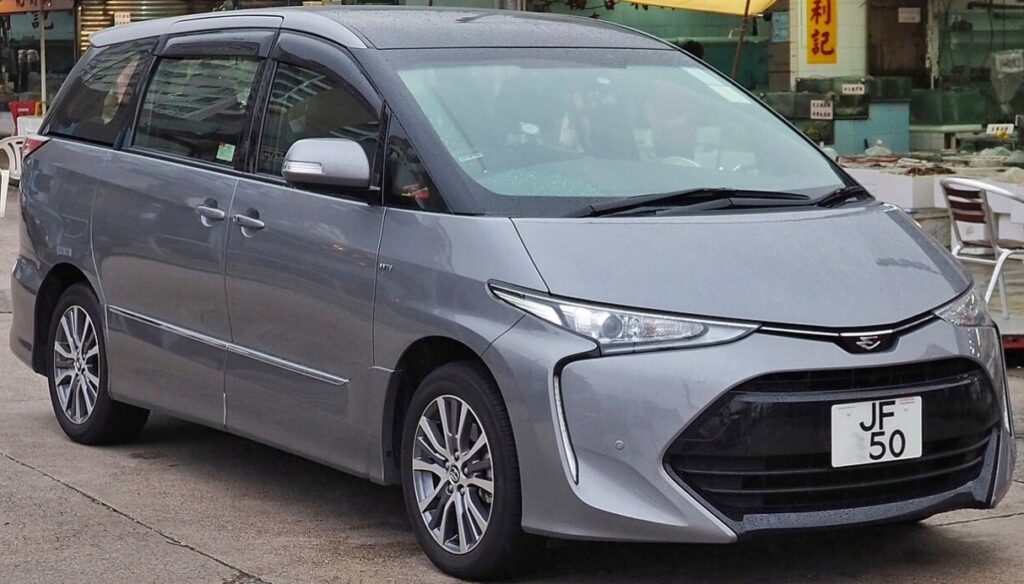
When we compare the Toyota Estima vs Sienna, we are looking at two vehicles built around the same basic idea—move families comfortably—but developed for very different markets and lifestyles. The Estima feels distinctly Japanese: relatively compact, clever with space, easy to maneuver, and available in configurations that often emphasize efficiency. The Sienna, meanwhile, embraces the North American minivan formula with more exterior size, generous passenger space, substantial cargo capacity, and a strong focus on long-distance family travel.
At first glance, choosing between them might seem easy. Want something smaller? Buy the Estima. Need maximum room? Pick the Sienna. Yet things get more interesting once we consider engines, hybrid technology, seating arrangements, import availability, driving feel, maintenance, fuel economy, and everyday practicality.
So, which Toyota people mover actually makes more sense? Let's put them side by side.
Content in this publication
- Toyota Estima vs Sienna at a Glance
- Size and Exterior Dimensions
- Interior Space and Passenger Comfort
- Seating Capacity: Estima or Sienna?
- Cargo Space and Luggage Capacity
- Toyota Estima Engines
- Toyota Estima Hybrid
- Toyota Sienna Engines and Hybrid System
- Performance: Which One Feels Faster?
- Fuel Economy: Toyota Estima vs Sienna
- Ride Comfort
- Handling and Maneuverability
- All-Wheel Drive Availability
- Reliability: Toyota Estima vs Sienna
- Parts Availability and Maintenance
- Technology and Features
- Safety
- Toyota Estima vs Sienna for Families
- Toyota Estima vs Sienna for City Driving
- Toyota Estima vs Sienna for Highway Driving
- Toyota Estima vs Sienna for Large Families
- Styling and Road Presence
- Used Toyota Estima Buying Considerations
- Used Toyota Sienna Buying Considerations
- Resale Value
- Which One Is Cheaper to Own?
- Toyota Estima vs Sienna: Which Is Better for Hybrid Buyers?
- Toyota Estima vs Sienna: Which Feels More Premium?
- Which Toyota Minivan Should We Buy?
- Toyota Estima vs Sienna: Final Verdict
- Frequently Asked Questions
Toyota Estima vs Sienna at a Glance
The biggest difference between these two Toyota minivans is their philosophy.
The Toyota Estima, also known in some markets and generations as the Toyota Previa or closely associated with the Tarago nameplate, was primarily designed with Japanese and Asian roads in mind. It generally offers a narrower body and a compact footprint relative to the Sienna.
The Toyota Sienna was developed principally for North America. Its larger body reflects wide highways, large parking spaces, long interstate journeys, and families who expect a minivan to swallow people, groceries, luggage, strollers, sports equipment, and almost everything else at once.
Think of the Estima as a cleverly organized apartment. The Sienna is more like a suburban house. Both can be comfortable, but they use space differently.
Quick Comparison
| Feature | Toyota Estima | Toyota Sienna |
|---|---|---|
| Main market | Japan and export markets | North America |
| Vehicle size | Smaller | Larger |
| Seating | Usually 7 or 8 | Usually 7 or 8 |
| Sliding doors | Yes | Yes |
| Hybrid availability | Yes on later Estima generations | Yes, standard on modern Sienna |
| Cargo capacity | Good | Excellent |
| City maneuverability | Better | More challenging |
| Highway comfort | Very good | Excellent |
| Import status | Often grey/import vehicle | Officially sold in North America |
| Best suited to | Urban families | Larger families and road trips |
The exact specifications vary considerably by model year, engine, drivetrain, and market, so buyers should always check the individual vehicle rather than relying solely on nameplate-level comparisons.
Size and Exterior Dimensions
Size may be the single most important distinction in the Toyota Estima vs Toyota Sienna debate.
The Estima was designed to package plenty of interior space without becoming unnecessarily enormous. That makes it particularly attractive in countries where narrow roads, compact parking spaces, and busy urban environments are part of everyday driving.
The Sienna stretches the minivan idea farther. It is noticeably longer and wider, especially when compared with later Estima generations.
Why the Estima Feels Easier in Town
Driving a large minivan through a tight city can sometimes feel like steering a small boat through a canal. This is where the Estima has an advantage.
Its relatively compact width can make:
- Multistory parking garages easier to navigate.
- Narrow residential streets less stressful.
- Parallel parking more manageable.
- Tight intersections easier to negotiate.
- Urban errands considerably less intimidating.
You still get the practical benefits of sliding rear doors without hauling around quite as much vehicle.
Why the Sienna's Extra Size Matters
The Sienna's larger dimensions aren't simply cosmetic. Toyota uses that additional footprint to provide more usable cabin and luggage space.
Families regularly carrying six or seven passengers will appreciate the difference.
With every seat occupied, a larger minivan can make the difference between comfortably carrying everyone's luggage and playing an exhausting game of suitcase Tetris.
Interior Space and Passenger Comfort
Both vehicles are designed primarily around passengers, so neither feels like an ordinary sedan with a couple of extra seats stuffed into the rear.
Still, the Sienna tends to win when pure interior volume matters most.
Toyota Estima Cabin
The Estima is remarkably efficient with its dimensions.
Depending on trim and generation, buyers may find features such as captain's chairs, movable second-row seating, folding third-row seats, dual-zone or multi-zone climate control, power sliding doors, and generous cabin storage.
Higher-spec Japanese-market Estimas can feel surprisingly luxurious.
Some examples feature plush second-row chairs that make the cabin feel closer to an airport lounge than a basic family van.
Toyota Sienna Cabin
The Sienna offers the same family-focused concept with more breathing room.
Its cabin tends to feel wider, and modern versions can provide long-sliding second-row seats, substantial center-console storage, multiple USB connections, numerous cupholders, and flexible passenger configurations.
Third-Row Comfort
This is especially important.
Lots of vehicles technically have seven seats. That doesn't necessarily mean seven adults will enjoy sitting in them.
The Sienna's larger proportions generally make it better suited to passengers who use the third row regularly.
If the third row is mostly for children, the Estima can work beautifully. If grandparents, teenagers, or full-size adults frequently occupy the back, the Sienna starts making a stronger argument.
Seating Capacity: Estima or Sienna?
Both models commonly come with seven- or eight-seat layouts.
A seven-seat configuration normally uses individual captain's chairs in the second row, while eight-passenger configurations tend to provide additional center seating.
Which is better depends on how we actually use the vehicle.
Seven Seats for Comfort
Captain's chairs make getting into the third row easier and give second-row passengers more personal space.
They are particularly useful for:
- Families with several children.
- Long-distance road trips.
- Frequently transporting adults.
- Owners prioritizing comfort over maximum capacity.
Eight Seats for Flexibility
Eight-passenger configurations make more sense when maximum seating matters.
That extra seat may seem insignificant until relatives visit, the children's friends need a ride, or a family outing suddenly gains another passenger.
Cargo Space and Luggage Capacity
This category strongly favors the Sienna.
The Estima offers practical cargo space, particularly when the third row is folded or stored. However, its more compact exterior imposes unavoidable limits.
The Sienna has more vehicle to work with.
With All Seats in Use
This is where cargo comparisons become meaningful.
Almost any minivan feels enormous once the rear seats are folded. The real question is how much luggage fits while all passengers are sitting inside.
The Sienna generally offers more room behind the third row, making it better suited to airport trips, vacations, camping, and families with bulky equipment.
With the Rear Seats Folded
Both become impressively versatile cargo carriers.
An Estima can handle furniture, boxes, bicycles, or substantial shopping loads with the cabin configured appropriately.
The Sienna simply raises the ceiling.
For owners who occasionally use their minivan like a cargo van, that extra capacity can become surprisingly addictive.
Toyota Estima Engines
Engine availability varies substantially across Estima generations.
Depending on year and market, buyers may encounter four-cylinder gasoline engines, V6 gasoline engines, and hybrid powertrains.
Older models can be mechanically quite different from later Estimas, which is why researching the exact chassis, engine code, and drivetrain is essential before purchasing an imported example.
Four-Cylinder Estima
Four-cylinder gasoline variants tend to prioritize sensible everyday performance and operating costs.
They generally provide enough power for normal family driving, though performance can feel modest when carrying many passengers or climbing steep roads.
V6 Estima
V6 versions deliver a stronger, smoother feeling under acceleration.
If we frequently drive loaded or spend time on faster highways, the extra power can make the Estima feel much more relaxed.
The trade-off is predictable: additional performance usually means additional fuel consumption.
Toyota Estima Hybrid
The Estima Hybrid is one of the model's most interesting configurations.
Toyota's hybrid experience helped make the Estima particularly appealing to drivers wanting a practical people mover without accepting the traditional fuel appetite of a large gasoline minivan.
Its hybrid system can be especially useful in stop-and-go driving, where regenerative braking and electric assistance work most effectively.
Who Should Consider an Estima Hybrid?
It can make sense for someone who:
- Drives mostly in urban areas.
- Wants lower fuel consumption.
- Values quiet low-speed operation.
- Understands imported hybrid maintenance.
- Has access to technicians familiar with Toyota hybrid systems.
The warning here is age.
Many used Estima Hybrids are now well into their service lives. Battery condition can matter far more than how shiny the body looks.
A proper inspection is therefore essential.
Toyota Sienna Engines and Hybrid System
Older Siennas were commonly associated with gasoline V6 power, while newer generations moved decisively toward hybrid propulsion.
That shift substantially changed the Sienna's personality.
Instead of relying on a thirsty large-displacement engine, modern versions combine a gasoline engine with electric motors to improve efficiency while retaining family-hauling capability.
Modern Sienna Hybrid Advantages
The hybrid setup is particularly compelling because it combines:
- Strong everyday efficiency.
- Smooth urban driving.
- Reduced fuel consumption compared with traditional large minivans.
- Practical family performance.
- Toyota's extensive hybrid experience.
It doesn't transform the Sienna into a sports car—and nobody should expect it to.
Its job is to move people comfortably and economically, not attack mountain roads like a hot hatch.
Performance: Which One Feels Faster?
Performance depends heavily on the specific engine being compared.
A V6 Estima may feel significantly quicker than a four-cylinder version. Older V6 Siennas can deliver strong acceleration as well.
Modern hybrid Siennas focus more on usable torque and efficiency than outright excitement.
You may be interested in reading Toyota Estima vs Voxy: Which Toyota Minivan Is Better?
City Driving
The Estima's smaller size can make it feel more responsive in urban environments even when it isn't objectively faster.
Less bulk means greater confidence through narrow spaces.
Highway Driving
The Sienna shines here.
Its longer, wider stance makes it feel planted and relaxed at speed. Highway journeys are precisely where the North American minivan formula makes sense.
Add passengers, luggage, snacks, and several hours of road ahead, and the Sienna begins to feel like it was built specifically for the assignment.
Fuel Economy: Toyota Estima vs Sienna
Comparing fuel economy requires caution because we're dealing with multiple generations and powertrains.
A gasoline V6 Estima cannot reasonably be grouped with an Estima Hybrid. Likewise, an older V6 Sienna shouldn't be treated as equivalent to a modern hybrid Sienna.
Gasoline Models
Traditional gasoline versions tend to consume more fuel, especially in congested urban driving.
Vehicle weight, engine displacement, road conditions, driving style, tire pressure, and maintenance all influence real-world consumption.
Hybrid Models
Hybrid variants typically become far more attractive in city use.
Regenerative braking captures energy that would otherwise become heat through the brakes, while electric assistance reduces how much work the gasoline engine must perform.
Estima Hybrid vs Modern Sienna Hybrid
This matchup is particularly interesting.
The Estima benefits from its smaller dimensions, while the Sienna uses newer-generation hybrid technology in its latest versions.
Rather than choosing solely based on an advertised fuel figure, we would consider the bigger ownership picture: vehicle age, battery health, replacement parts, service availability, and local fuel prices.
Ride Comfort
Both vehicles prioritize comfort, but they achieve it slightly differently.
The Estima generally feels more compact and maneuverable. Its smaller footprint makes it relatively easy to place on the road.
The Sienna feels bigger and more substantial.
That extra mass and wheelbase can create a reassuringly settled character during long highway journeys.
Which Is Better for Road Trips?
For long-distance touring, we'd usually choose the Sienna.
Its advantages include greater luggage capacity, a wider cabin, comfortable highway manners, and more room for passengers to spread out.
The Estima remains a capable traveler, but the Sienna simply gives families more physical space.
Handling and Maneuverability
Nobody buys a minivan because they dream of clipping apexes on Sunday morning.
Still, handling matters.
Drivers spend every day turning into parking lots, changing lanes, negotiating roundabouts, and squeezing through traffic.
Estima Advantage
The Estima's narrower proportions make it more approachable.
It feels less cumbersome in tight environments and may be particularly attractive to drivers moving from a sedan or compact SUV.
Sienna Advantage
The Sienna trades agility for stability and space.
Once we adapt to its dimensions, it can be comfortable and predictable, but there is no disguising the fact that it occupies more road.
All-Wheel Drive Availability
Both nameplates have offered all-wheel-drive capability in certain versions.
That can be a significant advantage in areas with snow, loose surfaces, or poor weather.
However, AWD should not automatically be considered essential.
Extra drivetrain components can add weight, complexity, and maintenance costs.
Who Really Needs AWD?
We would prioritize it for drivers who regularly face:
- Snow-covered roads.
- Mountain conditions.
- Steep slippery driveways.
- Severe winter weather.
- Low-grip rural routes.
For normal urban driving in mild climates, front-wheel drive may be perfectly adequate.
Reliability: Toyota Estima vs Sienna
Both carry Toyota badges, and Toyota's reputation for long-lived family vehicles contributes heavily to the appeal of each model.
But reliability isn't simply stamped into the hood at the factory.
Age and maintenance matter enormously.
A neglected Toyota with 200,000 kilometers can be a worse purchase than a well-maintained competitor with excellent service history.
Toyota Estima Reliability
Estimas can provide long service lives when properly maintained.
Potential concerns on older examples may include age-related suspension wear, cooling system issues, power-door mechanisms, oil consumption on certain engines, transmission behavior, hybrid battery degradation, and neglected imported-vehicle maintenance.
The condition of the exact vehicle matters more than broad internet claims.
Toyota Sienna Reliability
The Sienna similarly benefits from a reputation for durability, but it isn't immune to wear.
Older examples can develop age-related engine, transmission, steering, suspension, door, electronics, and air-conditioning issues depending on generation and maintenance history.
Modern hybrids introduce additional electrical complexity, although hybrid technology itself is hardly new territory for Toyota.
Parts Availability and Maintenance
This category depends heavily on where we live.
Estima Ownership Outside Japan
In countries where the Estima was never officially sold, owners may need to source certain parts through specialist importers.
Common mechanical components may cross-reference with other Toyota vehicles, but body panels, trim pieces, electronics, or model-specific hardware can sometimes take longer to find.
Before buying one, we would investigate local parts support.
A bargain minivan stops feeling inexpensive when it spends six weeks parked because a specific component has to cross an ocean.
Sienna Ownership
In the United States and Canada, the Sienna has a major advantage: official market presence.
Toyota dealers, independent shops, aftermarket suppliers, salvage yards, and online retailers have extensive familiarity with the model.
That generally makes routine ownership easier.
Technology and Features
Comparing technology by vehicle name alone is misleading because generations span many years.
A late-model Sienna may offer dramatically more modern infotainment and active-safety equipment than an older Estima.
At the same time, high-grade Japanese Estimas can contain features that surprise buyers accustomed to basic minivans.
Possible Estima Features
Depending on specification, an Estima may offer:
- Power sliding doors.
- Power tailgate.
- Captain's chairs.
- Rear climate controls.
- Parking cameras.
- Navigation.
- Keyless entry.
- Premium audio.
- Electric seat adjustments.
- Hybrid information displays.
The complication is localization.
Japanese-language navigation or infotainment systems may not function perfectly outside their original market.
Sienna Technology
Recent Siennas can provide a broad suite of convenience and driver-assistance technologies, making them particularly appealing to families wanting a modern ownership experience.
The exact equipment depends on model year and trim.
Safety
Safety requires the same generation-specific perspective.
A newer Sienna will generally have access to safety technology that didn't even exist when older Estimas were produced.
Modern driver-assistance features can include automatic emergency braking, lane-related assistance, blind-spot monitoring, adaptive cruise control, and sophisticated airbag systems depending on specification.
Why Model Year Matters More Than Badge
When safety is a priority, compare the actual vehicles rather than assuming all Toyotas are equal.
A 15-year difference in model year can represent a major gap in crash structure, electronic driver aids, lighting, and occupant protection.
Toyota Estima vs Sienna for Families
Both vehicles fundamentally exist to solve family transportation problems.
The Estima offers a clever compromise between passenger capacity and manageable exterior dimensions.
The Sienna aims for maximum family practicality.
Choose the Estima If We Want
- A narrower minivan.
- Easy urban maneuverability.
- Seven- or eight-seat practicality.
- Japanese-market styling and equipment.
- Potential access to affordable imported models.
- A compact people mover with available hybrid technology.
Choose the Sienna If We Want
- More interior room.
- Better luggage capacity with passengers aboard.
- Strong long-distance comfort.
- Better official parts support in North America.
- A modern hybrid family vehicle.
- More space for growing children or adult passengers.
Toyota Estima vs Sienna for City Driving
The Estima takes this round.
Large vehicles can become tiring in dense traffic—not because they are difficult to drive mechanically, but because we are constantly calculating space.
You may be interested in readingToyota Estima vs Voxy: Which Toyota Minivan Is Better?You may be interested in reading
 Volvo XC90 Year Models: Complete Generation and Buying Guide
Will it fit?
Is that parking bay wide enough?
Can we open the doors?
Will the front corner clear that concrete pillar?
The Estima reduces some of that anxiety.
Its sliding doors are especially useful when loading children in tight parking spaces.
Toyota Estima vs Sienna for Highway Driving
Here, we'd give the advantage to the Sienna.
The Sienna's greater width and cabin space are less problematic on open highways, while its comfort advantages become more noticeable.
Passengers have more space, luggage is easier to accommodate, and the vehicle feels naturally suited to extended journeys.
Toyota Estima vs Sienna for Large Families
Again, the Sienna generally wins.
The Estima can absolutely carry a large family, but regularly using every seat changes our priorities.
When seven or eight people climb aboard, every centimeter becomes valuable.
Shoulder room matters.
Legroom matters.
Storage matters.
Cupholders somehow become geopolitical territory.
The Sienna's larger cabin makes family life easier when maximum occupancy is normal rather than occasional.
Styling and Road Presence
Styling is subjective, but the two vans have noticeably different personalities.
Estima Design
Later Estimas use a distinctly Japanese MPV design language, often featuring sweeping headlights, a smooth nose, and a relatively futuristic profile.
It looks compact despite offering substantial cabin space.
Sienna Design
Modern Siennas have become considerably more expressive than the boxy minivans of previous decades.
Toyota has attempted to inject more SUV-like confidence and sharper body sculpting into the design.
Which looks better?
That's entirely personal.
Some buyers love the unusual Japanese appearance of the Estima. Others prefer the larger, more contemporary presence of the Sienna.
Used Toyota Estima Buying Considerations
Buying a used Estima requires more detective work than buying a locally delivered mainstream vehicle.
Imports can have complicated histories.
Check Before Buying an Estima
We would inspect:
- Full service records where available.
- Verified mileage.
- Accident or auction history.
- Engine condition.
- Transmission operation.
- Cooling system.
- Suspension wear.
- Power sliding-door operation.
- Electrical accessories.
- Hybrid battery health on hybrid versions.
- Rust underneath the vehicle.
- Availability of model-specific parts locally.
Japanese auction documentation can be particularly useful when available because it may provide clues about the vehicle's earlier condition.
Used Toyota Sienna Buying Considerations
The Sienna is easier to research in markets where it was officially sold, but a thorough inspection remains essential.
What We Would Inspect
Look closely at maintenance records, fluid changes, power-door operation, suspension noises, air-conditioning performance, drivetrain behavior, warning lights, tires, brakes, and any signs of collision repair.
For hybrids, check the operation and condition of the hybrid system.
A pre-purchase inspection from a technician familiar with the generation is worth the cost.
Resale Value
Resale depends dramatically on local market conditions.
In places with strong demand for Japanese imports, an Estima may retain value remarkably well.
Elsewhere, buyers may hesitate because of parts concerns or unfamiliarity.
The Sienna benefits from strong recognition in North America.
Families know what it is, mechanics know what it is, and dealerships know what it is.
That familiarity usually makes resale easier.
Which One Is Cheaper to Own?
There is no universal winner.
A reasonably priced Estima may initially cost substantially less than a newer Sienna. But ownership economics involve more than purchase price.
We should account for:
- Fuel.
- Insurance.
- Registration.
- Repairs.
- Servicing.
- Tire replacement.
- Hybrid battery condition.
- Depreciation.
- Parts availability.
- Import-specific components.
A cheap purchase can become expensive ownership.
Conversely, paying more upfront for a well-supported vehicle can sometimes save money over several years.
Toyota Estima vs Sienna: Which Is Better for Hybrid Buyers?
This depends heavily on budget.
Used Estima Hybrids can provide an affordable route into Toyota hybrid minivan ownership, particularly in markets with strong Japanese-import infrastructure.
Modern Siennas offer newer technology, newer safety systems, and easier support in North America—but usually at a substantially higher purchase price.
The Battery Question
Hybrid battery age matters.
We wouldn't reject an older hybrid merely because the battery is original, but we also wouldn't ignore it.
A battery-health assessment provides far more useful information than guessing based on mileage alone.
Interestingly, trim level can reverse expectations.
A high-spec Estima with luxurious captain's chairs and extensive Japanese-market equipment may feel more sophisticated inside than a basic Sienna.
Meanwhile, premium Sienna trims can offer an impressively refined family experience.
In other words, compare specification against specification.
The badge on the tailgate tells only half the story.
Which Toyota Minivan Should We Buy?
If we lived somewhere with tight roads, limited parking, strong access to Japanese-import specialists, and didn't require enormous cargo space, we'd find the Toyota Estima extremely appealing.
Its packaging is intelligent. It carries many people without feeling gigantic, and hybrid versions add another layer of practicality.
If we regularly traveled with six or seven passengers, needed generous luggage space, drove long highway distances, or lived in North America, we'd lean toward the Toyota Sienna.
Its extra size becomes an advantage rather than a disadvantage once the vehicle is filled with people.
Toyota Estima vs Sienna: Final Verdict
There isn't a bad concept here. There are simply two interpretations of what a Toyota family minivan should be.
The Estima is the more compact and city-friendly choice. It packages seven- or eight-seat practicality into dimensions that are easier to live with in crowded environments. It can also represent excellent used value where Japanese imports are common.
The Sienna is the better choice for maximum family space. Its larger cabin, greater cargo potential, road-trip comfort, and strong North American support make it particularly attractive to families who regularly use every inch of their vehicle.
If our biggest problem is maneuvering through tight streets, we'd take the Estima.
If our biggest problem is figuring out where to put four suitcases, a stroller, groceries, three children, two adults, and the family dog, we'd want the Sienna.
Ultimately, the Toyota Estima vs Sienna decision comes down to one simple question: do we value compact versatility or maximum space?
Answer that, and the right minivan becomes much easier to see.
Frequently Asked Questions
1. Is the Toyota Estima bigger than the Toyota Sienna?
No. The Toyota Sienna is generally larger than the Estima, particularly in overall length and width. The Estima was designed with relatively compact Japanese-road dimensions in mind, while the Sienna was developed primarily for the larger North American minivan market.
2. Is the Toyota Estima the same as the Toyota Sienna?
No. They are separate Toyota minivan models. Although both can seat seven or eight passengers and may offer hybrid or all-wheel-drive configurations depending on generation, they were developed for different markets and differ significantly in dimensions, powertrains, equipment, and design.
3. Which is more fuel-efficient, Toyota Estima or Sienna?
It depends on the engine and model year. Hybrid Estimas can deliver strong efficiency, while modern Siennas use a hybrid powertrain designed to reduce the fuel consumption traditionally associated with large minivans. Comparing two specific model years gives a much more meaningful answer.
4. Is a Toyota Estima good for a large family?
Yes, particularly when configured with seven or eight seats. However, families regularly carrying many passengers plus substantial luggage may find the larger Toyota Sienna more practical because of its additional cabin and cargo space.
You may be interested in readingToyota Estima vs Voxy: Which Toyota Minivan Is Better?You may be interested in reading
Volvo XC90 Year Models: Complete Generation and Buying GuideYou may be interested in reading
 What Year Hyundai Santa Fe to Avoid? The Complete Used-Buyer Guide
5. Should we buy a Toyota Estima or Toyota Sienna?
Choose the Toyota Estima if compact dimensions, maneuverability, and Japanese-import value matter most. Choose the Toyota Sienna if maximum passenger space, cargo capacity, long-distance comfort, and easier North American parts support are higher priorities.
If you want to know other articles similar to Toyota Estima vs Sienna: Which Toyota MPV Is Better? you can visit the category Models.
Nissan Rogue Dark Armor vs Platinum: Which Trim Is Better?

Kia Sorento Models: Complete Guide to Trims, Engines and Versions
BYD Shark 6 vs Ranger vs HiLux: Which Ute Makes the Most Sense in 2026?
BYD Shark 6 vs MG U9: Which Ute Makes More Sense in 2026?
BYD Shark 6 vs Ford Ranger Raptor: Which Performance Ute Is Better in 2026?
BYD Shark 6 vs Kia Tasman: Which Ute Is Better?
Leave a Reply
More content of your interest