
Subaru Impreza Pros and Cons: Is It Worth Buying?

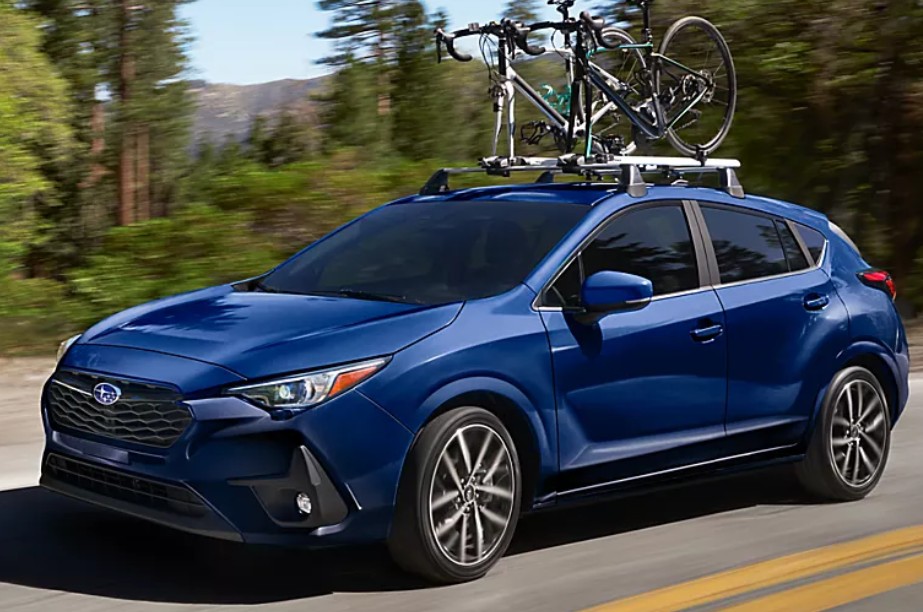
The Subaru Impreza has always occupied an interesting corner of the compact-car market. It is not usually the flashiest car in the parking lot, nor does it chase headline-grabbing horsepower figures. Instead, it follows a more practical philosophy: give drivers standard all-wheel drive, useful interior space, predictable road manners, and everyday usability without turning the ownership experience into a complicated affair.
That formula sounds appealing, but does it make the Impreza a genuinely good choice?
When we examine the Subaru Impreza pros and cons, the answer depends heavily on what we expect from a compact car. For drivers who value confidence in poor weather, practicality, safety-oriented engineering, and a comfortable daily commute, the Impreza can feel like a trusty pair of hiking boots. It may not turn heads, but it tends to be ready when conditions become messy.
On the other hand, buyers chasing explosive acceleration, premium cabin materials, outstanding fuel economy, or the lowest possible ownership costs may find stronger alternatives elsewhere.
Let's break down where the Subaru Impreza shines, where it compromises, and who should seriously consider putting one in the driveway.
Content in this publication
- Subaru Impreza Pros and Cons at a Glance
- What Kind of Car Is the Subaru Impreza?
- Pro: Standard All-Wheel Drive Is a Major Advantage
- Con: All-Wheel Drive Comes With Trade-Offs
- Pro: The Subaru Impreza Is Easy to Drive
- Pro: Visibility Is Often Better Than Expected
- Pro: The Hatchback Is Genuinely Practical
- Pro: Passenger Space Is Reasonably Generous
- Con: Performance Can Feel Underwhelming
- Con: The CVT Is Not for Everyone
- Pro: Ride Comfort Is Generally Good
- Pro: Subaru's Low Center of Gravity Helps Handling
- Con: Cabin Noise Can Be Noticeable
- Con: Interior Quality Is Functional Rather Than Luxurious
- Pro: Safety Is a Strong Part of the Impreza's Identity
- Pro: The Impreza Works Well in Bad Weather
- Con: It May Be More Car Than Some Drivers Need
- Pro: The Impreza Can Be a Good Used-Car Value
- Con: Used Imprezas Require Careful Inspection
- Con: Tire Costs Can Catch Owners by Surprise
- Pro: It Doesn't Try Too Hard
- How Does the Subaru Impreza Compare With Rivals?
- Who Should Buy a Subaru Impreza?
- Who Should Probably Skip the Impreza?
- Is the Subaru Impreza Reliable?
- Is the Subaru Impreza Expensive to Maintain?
- Is the Subaru Impreza Good for Long Trips?
- Is the Subaru Impreza Good in Snow?
- Is a Subaru Impreza Worth Buying?
- Final Verdict: Understanding the Subaru Impreza Pros and Cons
- Frequently Asked Questions
Subaru Impreza Pros and Cons at a Glance
Before getting into the details, here is the short version.
Main Subaru Impreza Pros
The Impreza's strongest qualities generally include:
- Standard all-wheel drive
- Stable handling in rain and snow
- Practical hatchback cargo space on many versions
- Comfortable driving position
- Good outward visibility
- Solid safety-oriented design
- Predictable road manners
- Useful passenger room
- Relatively straightforward everyday operation
- Strong appeal in colder climates
Main Subaru Impreza Cons
Its most common disadvantages include:
- Modest acceleration in lower-powered versions
- Fuel economy that may trail some front-wheel-drive rivals
- More road or engine noise than some competitors
- Interior materials that can feel ordinary
- CVT behavior that not everyone enjoys
- Maintenance demands associated with an AWD drivetrain
- Less excitement than sporty-looking rivals
- Resale and repair costs that vary considerably by model year
The important point is that many of the Impreza's weaknesses are connected to its strengths. Standard all-wheel drive adds traction, but also weight and mechanical complexity. Its relaxed power delivery makes it easy to drive, but not particularly thrilling.
What Kind of Car Is the Subaru Impreza?
The Subaru Impreza is a compact passenger car designed primarily for everyday transportation. Depending on model year and market, it has been offered as a sedan, hatchback, or both.
What separates it from most mainstream compact cars is Subaru's long-standing use of symmetrical all-wheel drive. While competitors commonly make AWD optional—or don't offer it at all—the Impreza has traditionally made AWD central to its identity.
That gives the car a slightly different personality.
Think of a typical compact sedan as a lightweight running shoe. It is efficient and quick on its feet. The Impreza feels more like an all-weather trainer: a little heavier, slightly more substantial, but capable of handling a wider range of conditions.
Pro: Standard All-Wheel Drive Is a Major Advantage
For many buyers, this is the biggest reason to consider an Impreza.
Subaru's all-wheel-drive system distributes power through all four wheels rather than relying primarily on the front wheels. The practical benefit becomes noticeable when road conditions deteriorate.
Why AWD Matters in Everyday Driving
All-wheel drive can improve traction when accelerating on:
- Wet pavement
- Gravel roads
- Snow-covered streets
- Slushy highways
- Steep driveways
- Loose surfaces
It does not magically increase braking grip, and it cannot defeat the laws of physics. Good tires remain essential. Still, AWD can make a car feel noticeably more composed when conditions become unpredictable.
For drivers living somewhere with frequent rain or winter weather, this alone can push the Impreza near the top of a shopping list.
The Impreza Feels Planted
One quality we notice with AWD compact cars is a sense of stability. The vehicle can feel more securely connected to the road during acceleration and cornering.
The Impreza generally delivers that planted sensation nicely. Rather than feeling nervous or overly light, it tends to communicate calmness.
That can be reassuring during long highway drives.
Con: All-Wheel Drive Comes With Trade-Offs
There is no free lunch in automotive engineering.
Adding AWD requires additional components, including driveshafts, differentials, and related hardware. That means extra weight and additional parts that may eventually require maintenance.
AWD Can Affect Fuel Economy
A front-wheel-drive compact only needs to send power primarily to two wheels. An AWD system has more rotating components and drivetrain losses.
As a result, an Impreza may consume slightly more fuel than highly efficient front-wheel-drive rivals under comparable conditions.
The difference may not bother someone who values traction. However, drivers prioritizing maximum fuel economy might prefer something simpler.
Tire Replacement Requires Attention
AWD vehicles can also be more sensitive to differences in tire circumference.
If one tire becomes badly damaged while the others are significantly worn, replacing only that tire may not always be ideal. Subaru owners are commonly encouraged to keep tire wear reasonably even.
That sometimes means replacing multiple tires instead of one.
It is not a deal-breaker, but it belongs in the ownership budget.
Pro: The Subaru Impreza Is Easy to Drive
Some cars require a period of adjustment. The throttle feels too aggressive, visibility is poor, or controls seem unnecessarily complicated.
The Impreza generally takes the opposite approach.
You get in, adjust the seat, select Drive, and understand what the car wants from you almost immediately.
Predictable Steering and Handling
The steering tends to prioritize stability rather than theatrical sportiness. That makes the Impreza approachable for drivers with different levels of experience.
Around town, it is easy to maneuver. On highways, it generally tracks confidently. Through bends, the low-mounted engine layout and AWD system contribute to balanced behavior.
It does not feel like a dedicated sports car, but neither does it feel clumsy.
Pro: Visibility Is Often Better Than Expected
Modern automotive design has created increasingly thick pillars, rising beltlines, and small rear windows.
The Impreza has traditionally resisted some of that trend.
Its relatively open cabin design can give drivers a clearer view of surrounding traffic than many heavily stylized rivals.
Why Good Visibility Is Underrated
Better visibility can make ordinary driving considerably easier.
Parking becomes less stressful. Lane changes require less guesswork. Busy intersections become easier to read.
These qualities rarely appear prominently in advertisements, yet we notice them every single day.
Sometimes a good car is not the one that impresses us during a 20-minute test drive. It is the one that quietly makes 2,000 daily trips easier.
Pro: The Hatchback Is Genuinely Practical
If we choose a hatchback version of the Impreza, practicality becomes one of its strongest cards.
A hatchback opening provides far more flexibility than a conventional trunk.
Groceries? Easy.
Suitcases? No problem.
A folded stroller, camping equipment, sports gear, or several bulky boxes? The Impreza hatchback can handle jobs that would frustrate owners of similarly sized sedans.
Fold the Seats and the Car Becomes Much More Useful
Rear seats can typically be folded to increase cargo space.
That transforms the Impreza from a commuter into something closer to a compact utility vehicle.
No, it is not an SUV. Yet for many owners, it offers enough versatility that buying a larger crossover becomes unnecessary.
That matters because a smaller car is generally easier to park, easier to maneuver, and potentially less expensive to purchase.
Pro: Passenger Space Is Reasonably Generous
Compact cars can sometimes feel like packaging exercises where rear-seat passengers were forgotten halfway through development.
The Impreza generally does better.
Adults can usually fit comfortably in the front, while rear-seat passengers have usable headroom and legroom depending on the generation.
A Good Choice for Small Families
A couple with one or two children may find the Impreza surprisingly versatile.
It offers the efficiency and maneuverability of a compact vehicle while still providing enough room for school bags, groceries, weekend luggage, and the random collection of objects that somehow accumulates inside every family car.
For people who do not want a crossover, that balance is attractive.
Con: Performance Can Feel Underwhelming
Here is where the Subaru Impreza loses some buyers.
Some versions simply are not very fast.
Press the accelerator expecting a dramatic shove and the response can feel more like a firm handshake than a punch.
Base Engines Prioritize Usability
Lower-powered Imprezas are designed primarily around normal driving.
Around town, they usually perform adequately. Highway cruising is rarely a problem. But aggressive overtaking or merging onto a fast-moving highway can require planning.
Drivers coming from turbocharged vehicles may immediately notice the difference.
Sportier Versions Improve the Situation
Certain newer trims and specific model years offer more powerful engine options, which can make the Impreza feel considerably more energetic.
Still, even then, the Impreza's fundamental mission remains everyday usability rather than raw performance.
Anyone expecting a WRX experience from an ordinary Impreza will probably leave disappointed.
Con: The CVT Is Not for Everyone
Many modern Imprezas use a continuously variable transmission, or CVT.
A CVT does not shift through fixed gears in the same way as a traditional automatic. Instead, it continuously adjusts ratios to keep the engine operating efficiently.
From an engineering standpoint, that makes sense.
Emotionally? Opinions vary.
Why Some Drivers Dislike CVTs
Under hard acceleration, the engine may hold a higher rpm while vehicle speed gradually increases.
That can create a droning sensation.
Drivers accustomed to conventional automatic transmissions sometimes interpret this behavior as slipping, even when the transmission is operating normally.
Newer programming has improved the experience by simulating gear changes in some situations, but the fundamental character remains different.
Test Drive Before Buying
This is one reason we strongly recommend a thorough test drive.
Drive normally, then accelerate hard onto a highway.
You may be interested in reading Subaru Impreza Reliability: Is It Really a Dependable Car?
If the transmission behavior bothers us during 30 minutes behind the wheel, it probably will not become charming after three years.
Pro: Ride Comfort Is Generally Good
The Impreza usually strikes a sensible balance between body control and comfort.
The suspension absorbs everyday bumps reasonably well without making the car feel disconnected.
That matters because most drivers spend far more time dealing with potholes, expansion joints, and rough pavement than carving mountain roads.
Comfort Without Becoming Floaty
Some compact cars tune their suspensions aggressively to create a sporty image.
That may sound appealing until we drive across broken pavement every morning.
The Impreza tends to avoid excessive stiffness. At the same time, its low center of gravity helps it maintain reasonable composure through corners.
The result is a well-rounded setup.
Pro: Subaru's Low Center of Gravity Helps Handling
Subaru's horizontally opposed "boxer" engine arrangement places major engine components relatively low in the chassis.
That can contribute to a lower center of gravity.
Why should we care?
Because keeping mass low helps reduce body movement through corners.
Balanced Rather Than Aggressive
The Impreza's handling is best described as balanced.
It does not attack corners like a hardcore hot hatch. Instead, it feels composed, secure, and predictable.
For everyday drivers, that may be more valuable.
Predictability inspires confidence. Confidence makes driving easier.
Con: Cabin Noise Can Be Noticeable
One area where some Impreza generations trail more refined rivals is noise isolation.
Road noise can become noticeable at highway speeds, particularly on coarse pavement.
Engine noise may also enter the cabin under hard acceleration.
Why This Matters on Longer Trips
During a 10-minute grocery run, additional noise barely matters.
During a four-hour highway trip, it can.
Drivers who prioritize quiet cruising should compare the Impreza directly against competitors during back-to-back test drives.
A vehicle can look excellent on paper while feeling noticeably different at 70 mph.
Con: Interior Quality Is Functional Rather Than Luxurious
The Impreza's cabin typically focuses on durability and usability.
That sounds positive, and it often is. But buyers expecting soft-touch materials everywhere may be disappointed.
Hard plastics and straightforward trim pieces are common in affordable compact cars, and the Impreza is no exception.
Function Comes Before Theater
Subaru interiors generally feel designed by people asking, "Where should this control go?" rather than "How can we make this look like a spaceship?"
We actually appreciate that approach.
Controls are often logically positioned, and the cabin rarely overwhelms us with gimmicks.
Still, rivals may offer more elegant dashboards, richer materials, or a greater sense of occasion.
Pro: Safety Is a Strong Part of the Impreza's Identity
Subaru has spent years emphasizing occupant protection and driver-assistance technology.
Depending on the model year and trim, Imprezas may include systems designed to assist with braking, lane awareness, adaptive cruise control, and collision avoidance.
Exact equipment varies, so buyers should check the specific vehicle rather than assuming every Impreza includes every feature.
A Car That Encourages Relaxed Driving
Driver-assistance technology is most useful when it quietly supports us rather than constantly demanding attention.
Systems that help maintain distance on highways or warn us about an unnoticed hazard can reduce mental workload.
For commuters spending hours in traffic each week, that can become surprisingly valuable.
Pro: The Impreza Works Well in Bad Weather
This deserves its own section because it defines the car's personality.
Rainy morning? Fine.
Cold mountain road? Fine.
Light snow? With suitable tires, the Impreza can feel completely at home.
That sense of readiness is difficult to quantify.
Confidence Is Part of the Value Equation
Two cars can have identical horsepower and similar prices, yet one may feel significantly more reassuring when weather deteriorates.
That confidence has real value for many owners.
Drivers living in warm, dry climates may barely benefit from it. Someone regularly encountering rain, snow, hills, or gravel could appreciate it every week.
Con: It May Be More Car Than Some Drivers Need
This sounds strange, but AWD is not automatically necessary.
If we live in a warm city, drive mostly on dry pavement, and prioritize fuel economy, a lighter front-wheel-drive compact may make more sense.
Why pay for hardware we rarely use?
Choose Based on Your Environment
The Impreza makes the strongest case when its AWD capability solves an actual problem.
If traction is rarely a concern, competitors may provide:
- Better fuel economy
- Lower purchase prices
- Faster acceleration
- More upscale interiors
- Lower drivetrain complexity
The best car is not the one with the longest specification sheet. It is the one whose strengths match our lifestyle.
Pro: The Impreza Can Be a Good Used-Car Value
Used Imprezas often appeal to buyers who want AWD without paying crossover prices.
Because so many consumers automatically shop for SUVs when they want all-weather capability, hatchbacks can sometimes offer an interesting alternative.
A Used Impreza Can Replace a Small SUV
Consider what many buyers actually need from a crossover:
They want four doors, useful cargo space, decent ground clearance, all-weather traction, and enough room for passengers.
The Impreza covers several of those needs while remaining lower and more car-like.
It does not provide SUV-level ground clearance, but buyers who rarely leave paved roads may not care.
Con: Used Imprezas Require Careful Inspection
Not every Impreza is equally reliable.
Condition, service history, engine type, transmission, model year, previous ownership, and mileage can dramatically change the equation.
Some older Subaru vehicles developed reputations for specific mechanical concerns, while newer generations use different components and designs.
Maintenance Records Matter More Than the Badge
A well-maintained Impreza with documented servicing can be a better purchase than a supposedly "better year" that has been neglected.
When shopping used, we would inspect:
- Engine oil condition
- Coolant level and service history
- CVT maintenance records where applicable
- Differential servicing
- Tire matching and tread depth
- Suspension noises
- Wheel bearings
- Oil leaks
- Warning lights
- Accident history
A pre-purchase inspection from an independent mechanic is money well spent.
Con: Tire Costs Can Catch Owners by Surprise
We mentioned tire matching earlier, but it deserves further attention.
Because AWD systems depend on relatively consistent wheel speeds, running significantly mismatched tires can be undesirable.
Suppose one tire becomes damaged after the others are half worn.
On some vehicles, we might simply replace the damaged tire.
With an AWD vehicle, maintaining similar tread depths may require additional consideration.
Rotations Become More Important
Regular tire rotation helps all four tires wear evenly.
It is one of those small maintenance habits that can prevent bigger expenses later.
The Impreza rewards owners who keep up with routine servicing.
Pro: It Doesn't Try Too Hard
There is something refreshing about a car that understands its purpose.
The Impreza is not pretending to be a luxury sedan, hardcore off-roader, or performance monster.
It is fundamentally a useful compact car with unusually strong all-weather capability.
That Simplicity Has Appeal
Vehicles increasingly compete through gigantic screens, dramatic lighting, aggressive styling, and elaborate drive modes.
The Impreza's more straightforward personality can feel almost old-fashioned.
And for some drivers, that is exactly the attraction.
A refrigerator does not need launch control. Sometimes we simply want something that works every morning.
You may be interested in readingSubaru Impreza Reliability: Is It Really a Dependable Car?You may be interested in reading
Subaru Impreza: Is It a Good Car? An In-Depth Look at Ownership, Reliability, Performance, and ValueHow Does the Subaru Impreza Compare With Rivals?
The compact-car segment includes some exceptionally capable competitors.
Models such as the Toyota Corolla, Honda Civic, Mazda3, and other hatchbacks or sedans may enter the conversation depending on region and model year.
Each takes a different approach.
Impreza vs Toyota Corolla
The Corolla often emphasizes efficiency, straightforward ownership, and broad availability.
The Impreza counters with standard AWD and a particularly stable all-weather personality.
Choose the Corolla if fuel economy and simplicity dominate your priorities.
Choose the Impreza if traction and AWD are more important.
Impreza vs Honda Civic
The Civic often feels sharper, quicker, and more refined inside depending on trim.
The Impreza may appeal more to buyers who prioritize AWD capability.
The Civic can feel like the more polished athlete.
The Impreza feels like the dependable outdoor companion.
Impreza vs Mazda3
The Mazda3 often wins praise for interior design and driving refinement.
The Impreza may offer better outward visibility and a more practical, utilitarian personality.
Interestingly, AWD availability makes this comparison particularly relevant because both can appeal to buyers wanting something beyond the typical front-wheel-drive compact.
Who Should Buy a Subaru Impreza?
The Impreza makes particular sense for buyers who want compact-car dimensions without giving up AWD.
It can be especially attractive for commuters, students, small families, outdoor enthusiasts, and drivers who regularly encounter difficult weather.
The Ideal Impreza Buyer
We would put the Impreza high on our list if we wanted:
- Standard AWD
- Practical hatchback versatility
- Easy everyday driving
- Useful passenger space
- Predictable handling
- Strong all-weather confidence
- A smaller alternative to a crossover
It is a particularly logical choice for someone who does not want the size, fuel consumption, or higher seating position of an SUV.
Who Should Probably Skip the Impreza?
Not every buyer will appreciate the Impreza's priorities.
Drivers who care mainly about sporty acceleration, luxury-level interior quality, or maximum fuel efficiency should compare alternatives carefully.
Consider Something Else If You Want Maximum Performance
The ordinary Impreza is not a substitute for the WRX.
They share historical connections, but their missions are very different.
The Impreza focuses on accessible transportation. The WRX prioritizes performance.
Expecting the Impreza to deliver sports-sedan excitement is like buying hiking shoes and complaining they are not racing spikes.
Is the Subaru Impreza Reliable?
Reliability cannot be reduced to a single yes-or-no label.
Subaru has produced numerous Impreza generations, engines, transmissions, and configurations. Their reliability histories are not identical.
Generally, maintenance plays an enormous role.
An Impreza that receives regular oil changes, proper fluid servicing, tire rotations, and prompt repairs has a better chance of providing long service than one that has been neglected.
Used Buyers Should Research the Exact Year
Instead of searching only for "Is Subaru Impreza reliable?", narrow the question.
Ask:
"Is the specific model year, engine, and transmission I'm considering reliable?"
That produces a far more useful answer.
Different generations can have completely different strengths and weaknesses.
Is the Subaru Impreza Expensive to Maintain?
Routine maintenance is generally comparable to other mainstream compact cars, although AWD introduces a few additional components.
Oil changes, brakes, filters, batteries, tires, and suspension components remain ordinary ownership expenses.
The biggest difference may come from drivetrain maintenance and tire considerations.
Preventive Maintenance Matters
Skipping maintenance rarely saves money.
It simply delays the bill and occasionally multiplies it.
Following the manufacturer's service recommendations, monitoring fluid levels, and correcting unusual noises early can significantly improve the ownership experience.
Is the Subaru Impreza Good for Long Trips?
Yes, although expectations matter.
The Impreza's comfortable seating position, stable highway behavior, practical cargo area, and AWD confidence make it capable of handling road trips.
Its weaknesses become more apparent on long journeys, however.
Road noise and modest acceleration may stand out more after several hours.
The Hatchback Has an Advantage
For road trips, we strongly prefer the flexibility of the hatchback.
Loading luggage through a large rear opening is simply easier.
Fold one seat down and longer objects can fit without sacrificing all rear passenger capacity.
That flexibility makes the Impreza surprisingly effective as a small adventure vehicle.
Is the Subaru Impreza Good in Snow?
Snow capability is one of the Impreza's strongest selling points, especially when combined with appropriate winter tires.
AWD helps the car put power down effectively on slippery surfaces.
However, tires still determine much of the available grip.
AWD Does Not Replace Winter Tires
This point cannot be overstated.
All-wheel drive helps us accelerate.
Winter tires help us accelerate, turn, and stop.
A Subaru on worn all-season tires can still struggle badly in severe winter conditions.
Good tires plus AWD? That is where the Impreza starts to feel exceptionally confident.
Is a Subaru Impreza Worth Buying?
For the right buyer, absolutely.
The Subaru Impreza offers something increasingly unusual: traditional compact-car dimensions combined with standard AWD and real everyday practicality.
It is easy to drive, useful, stable, and sensible.
Those characteristics may sound boring until we experience a freezing morning, torrential rain, or an overcrowded parking lot.
Then sensible starts looking pretty smart.
The Impreza's biggest weakness is that buyers must actually value its unique strengths. If we do not need AWD, other compact cars can offer better efficiency, faster acceleration, richer interiors, or quieter cabins.
Final Verdict: Understanding the Subaru Impreza Pros and Cons
When we put the Subaru Impreza pros and cons side by side, a clear personality emerges.
This is not a compact car trying desperately to impress us.
It wins through competence.
Standard all-wheel drive provides genuine everyday benefits. The cabin is practical. Visibility is good. Handling feels secure. Hatchback versions offer excellent versatility for their size.
The compromises are equally clear.
Performance can feel modest, particularly with entry-level engines. The CVT will not appeal to every driver. Fuel economy can trail lighter front-wheel-drive rivals, and interior refinement is more functional than luxurious.
Would we buy one?
If we regularly drive through rain, snow, mountain roads, or variable conditions, the Impreza deserves serious consideration. It provides much of the confidence people seek from compact crossovers without forcing us into a taller, heavier vehicle.
If our life involves sunny highways, cheap fuel-conscious commuting, and zero need for AWD, there may be more economical choices.
Ultimately, the Subaru Impreza is a specialist disguised as an ordinary hatchback. Beneath its sensible exterior is a car designed around stability, traction, and everyday usefulness.
And sometimes, boring competence is exactly what makes a car good.
Frequently Asked Questions
1. What are the biggest advantages of the Subaru Impreza?
The biggest advantages are its standard all-wheel drive, predictable handling, practical interior, useful hatchback cargo area, strong visibility, and confident performance in poor weather. For drivers who encounter rain or snow frequently, AWD can be one of the Impreza's most valuable features.
2. What are the biggest disadvantages of the Subaru Impreza?
The main drawbacks include modest acceleration in some versions, fuel economy that may be lower than certain front-wheel-drive competitors, noticeable road or engine noise, ordinary interior materials, and CVT behavior that some drivers dislike.
3. Is the Subaru Impreza a good first car?
It can be. The Impreza is generally easy to drive, offers good visibility, and provides reassuring AWD traction. Those qualities can make it appealing for newer drivers. However, insurance costs, vehicle condition, safety equipment, and maintenance history should always be checked before purchasing a specific car.
4. Is the Subaru Impreza better than an SUV?
It depends on our needs. The Impreza is lower, easier to maneuver, and often more car-like to drive than a small SUV. A crossover may offer more ground clearance, cargo space, and a higher seating position. Drivers who mainly want AWD rather than SUV dimensions may prefer the Impreza.
5. How long can a Subaru Impreza last?
A properly maintained Impreza can provide many years of service, but longevity depends heavily on model year, drivetrain, maintenance history, driving conditions, and previous ownership. Regular servicing and early attention to mechanical problems are more important than mileage alone.
You may be interested in readingSubaru Impreza Reliability: Is It Really a Dependable Car?You may be interested in reading
Subaru Impreza: Is It a Good Car? An In-Depth Look at Ownership, Reliability, Performance, and ValueYou may be interested in reading
 Do Hyundai Palisades Hold Their Value? A Complete Resale Guide
If you want to know other articles similar to Subaru Impreza Pros and Cons: Is It Worth Buying? you can visit the category Blog.
How Long Audi A4 Last? A Complete Lifespan and Mileage Guide
Do Hyundai Palisades Hold Their Value? A Complete Resale Guide
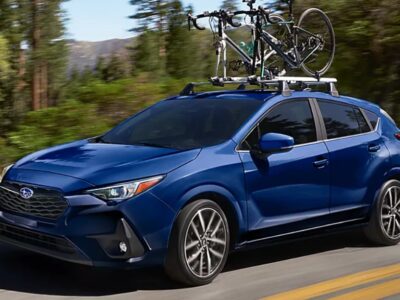
Subaru Impreza: Is It a Good Car? An In-Depth Look at Ownership, Reliability, Performance, and Value
Subaru Impreza Reliability: Is It Really a Dependable Car?
Is the BMW M5 a Good Car? A Complete Ownership Guide
Subaru Impreza Insurance Cost: What Should You Expect to Pay?
Leave a Reply
More content of your interest