
Hyundai Palisade vs Kia Sorento: Which SUV Is Better?

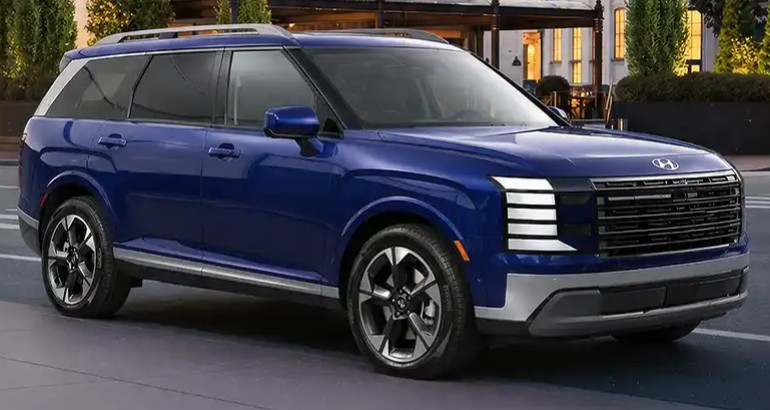
Choosing between the Hyundai Palisade vs Kia Sorento can feel strangely difficult. On paper, both are three-row SUVs from closely related Korean brands. Both offer attractive cabins, generous technology, family-friendly features, and plenty of everyday practicality. Park them next to each other, though, and the personalities quickly separate.
The Hyundai Palisade is the larger, more spacious choice. It feels like a genuine family hauler designed around adults, children, luggage, road trips, and the occasional mountain of shopping bags.
The Kia Sorento takes a different route. It is smaller, easier to maneuver, generally more efficient, and available with a broader range of powertrain choices in many markets. Think of the Palisade as a roomy family lounge on wheels, while the Sorento is more like a versatile Swiss Army knife.
So which should we buy?
That depends less on which SUV is "better" and more on what we expect our SUV to do every day. Let's break down the Hyundai Palisade vs Kia Sorento comparison from space and performance to fuel economy, comfort, technology, practicality, and long-term ownership.
Content in this publication
- Hyundai Palisade vs Kia Sorento at a Glance
- Exterior Design: Two Different Interpretations of Premium
- Interior Quality: Does the Palisade Feel More Luxurious?
- Cargo Space: Palisade Wins the Practicality Battle
- Performance: Different Strategies for Moving a Family
- Hyundai Palisade vs Kia Sorento Fuel Economy
- Ride Comfort: The Palisade's Natural Territory
- Handling and Parking: Sorento Strikes Back
- Technology and Infotainment
- Safety and Driver Assistance
- Towing: Which SUV Is Better for Trailers?
- Hyundai Palisade vs Kia Sorento AWD Capability
- Ownership Costs
- Reliability: Hyundai Palisade vs Kia Sorento
- Warranty Coverage
- Hyundai Palisade vs Kia Sorento for Families
- Which One Feels More Premium?
- Which SUV Offers Better Value?
- Hyundai Palisade vs Kia Sorento: Pros and Cons
- Palisade vs Sorento: Which One Should We Buy?
- Hyundai Palisade vs Kia Sorento for Daily Commuting
- Which Is Better for Long-Distance Driving?
- Which Is Better for Seniors and Older Passengers?
- Which SUV Is Better for Dogs?
- Resale Value and Depreciation
- Palisade vs Sorento: The Sweet Spot Depends on Your Lifestyle
- Final Verdict: Hyundai Palisade vs Kia Sorento
- Frequently Asked Questions
- 1. Is the Hyundai Palisade bigger than the Kia Sorento?
- 2. Which is better for families, the Palisade or Sorento?
- 3. Is the Kia Sorento more fuel-efficient than the Hyundai Palisade?
- 4. Which has more cargo space, Hyundai Palisade or Kia Sorento?
- 5. Should we buy a Palisade or Sorento for city driving?
Hyundai Palisade vs Kia Sorento at a Glance
Before getting buried in details, here's the basic distinction.
| Category | Hyundai Palisade | Kia Sorento |
|---|---|---|
| Overall size | Larger | Smaller |
| Passenger capacity | Better for larger families | Better for occasional third-row use |
| Third-row comfort | Stronger | More limited |
| Cargo room | More generous | Less spacious |
| City maneuverability | Adequate | Easier |
| Powertrain variety | More straightforward | Broader in many markets |
| Hybrid availability | Depends on model year/market | Commonly available |
| Highway comfort | Excellent | Very good |
| Family road trips | Better suited | Good |
| Urban driving | Less convenient | Better suited |
| Premium feel | More substantial | Modern and upscale |
| Best for | Space-focused families | Efficiency and versatility |
The Palisade wins the space battle almost immediately. The Sorento fights back with maneuverability, efficiency, and versatility.
The Biggest Difference Is Size
Size explains much of this comparison.
The Hyundai Palisade belongs to the larger end of the three-row SUV spectrum. Its proportions give passengers more breathing room and make the third row genuinely useful.
The Sorento sits below larger Kia SUVs and occupies an interesting middle ground between compact and full-size family crossovers. It still gives us three rows, but it does so within a tidier footprint.
That makes the Sorento appealing to drivers who want seven-seat flexibility without feeling as if they're steering a small apartment building through a supermarket car park.
Who Benefits Most From the Size Difference?
Families regularly carrying six or seven people will appreciate the Palisade immediately.
If we only need the third row occasionally—for children, visiting relatives, or short journeys—the Sorento's smaller dimensions may actually be more convenient.
Styling is subjective, but neither vehicle looks anonymous.
The Palisade tends to project a more substantial, luxury-inspired presence. Its large grille, upright stance, broad body, and strong detailing make it feel expensive from a distance.
The Sorento looks somewhat sportier. Its shorter proportions and sharper design cues give it an athletic character that suits its more compact dimensions.
Neither design is trying to hide.
The Palisade Has More Road Presence
The Palisade's sheer size helps here. It looks planted and authoritative, especially in higher trims with larger wheels and additional exterior detailing.
For buyers who want their family SUV to resemble something from a luxury showroom without necessarily paying luxury-brand money, the Palisade makes a persuasive argument.
The Sorento Feels Younger and Sportier
The Sorento carries less visual bulk.
Its design usually looks tighter and more adventurous. Certain versions add rugged exterior elements that reinforce the idea that this SUV is intended to balance school runs with weekend escapes.
Put simply, the Palisade wears a tailored jacket. The Sorento turns up in expensive hiking gear.
Interior Quality: Does the Palisade Feel More Luxurious?
Step inside either vehicle and the relationship between Hyundai and Kia becomes obvious—not because the interiors look identical, but because both brands have become extremely good at making mainstream vehicles feel surprisingly expensive.
The Palisade generally delivers the more luxurious overall impression.
Its wider cabin, large dashboard, substantial center console, available premium materials, and upscale details create the feeling of a more expensive vehicle.
The Sorento is hardly basic. Its cabin can look fantastic, particularly in upper trims, and Kia frequently incorporates striking screens, distinctive air vents, attractive textures, and clever storage.
But the Palisade's extra physical space creates a sense of grandeur that the smaller Sorento cannot completely imitate.
Front-Seat Comfort
Both SUVs should satisfy drivers spending significant time behind the wheel.
The Palisade's wider body allows a spacious front compartment with generous elbow room. Seats tend to emphasize comfort, making the Hyundai particularly appealing for long motorway journeys.
The Sorento feels slightly more intimate. Some drivers may actually prefer that. Its controls feel close at hand, while the seating position retains the elevated SUV sensation buyers expect.
Second-Row Comfort
This is where the Palisade starts pulling ahead.
Depending on configuration, buyers may find bench seating or individual second-row captain's chairs. Either way, passengers get generous room.
The Sorento's middle row remains perfectly practical, but the narrower and shorter vehicle naturally gives passengers slightly less room to spread out.
For families with teenagers, the difference becomes more noticeable.
Third-Row Space
Here's the question that can decide the entire comparison: Will adults actually use the third row?
If yes, we'd lean toward the Palisade.
The Palisade was designed from the beginning as a substantial three-row family vehicle. Its rear seating is therefore more useful for larger passengers and longer journeys.
The Sorento's third row is better thought of as bonus seating. Children will typically manage well, but adults may consider it a temporary assignment rather than somewhere they'd willingly spend three hours.
If we regularly carry seven people, bigger really is better.
Cargo Space: Palisade Wins the Practicality Battle
Three-row SUVs often play a frustrating game: plenty of seats or plenty of luggage room, but rarely both.
The Palisade handles that compromise better.
With all rows in use, its larger body provides more useful storage behind the third row. Fold the rear seats and the cargo area becomes considerably more versatile.
The Sorento still handles weekly groceries, sports equipment, school bags, and smaller family trips without drama. But packing for a holiday with every seat occupied can become a game of automotive Tetris.
Which Is Better for Large Families?
The Palisade, without much debate.
Families with pushchairs, suitcases, sports gear, pets, coolers, and all the mysterious objects children insist on carrying will value the additional room.
The Sorento works better when we need a smaller vehicle most of the time and only occasionally require maximum passenger capacity.
Performance: Different Strategies for Moving a Family
Performance varies considerably by model year and market, particularly with the Sorento, which has historically offered a broader mix of petrol, turbocharged, hybrid, and plug-in hybrid options in various regions.
That's an important distinction.
The Palisade typically focuses on smooth, confident performance suitable for a larger vehicle. Instead of chasing sports-car acceleration, it prioritizes predictable power delivery and relaxed cruising.
The Sorento tends to offer more powertrain variety, allowing buyers to prioritize efficiency, performance, or electrification.
Hyundai Palisade Driving Experience
Behind the wheel, the Palisade feels every bit like the larger SUV.
It's composed, quiet, and comfortable. Steering usually prioritizes ease rather than sharp feedback, which makes sense. Nobody buys a three-row family crossover because they secretly want to attack a racetrack.
Where the Palisade excels is effortless progress.
On highways, it settles into a relaxed rhythm. The cabin feels isolated, passengers remain comfortable, and the SUV gives us that reassuring "big car" stability.
Kia Sorento Driving Experience
The Sorento feels noticeably more manageable.
The shorter footprint makes it easier to position in traffic, park, and guide along narrow streets. Steering response may feel slightly more immediate simply because we're moving less vehicle around.
Certain powertrains can also make the Sorento feel quite energetic.
The result is an SUV that suits drivers who don't want three rows to come with the sensation of piloting a cruise ship.
Hyundai Palisade vs Kia Sorento Fuel Economy
Fuel economy is one of the Sorento's strongest arguments.
Because it is smaller and can be offered with hybridized powertrains depending on market and model year, the Sorento can substantially reduce fuel consumption compared with a larger conventionally powered SUV.
You may be interested in reading Hyundai Palisade vs Ford Everest: Which Large SUV Is Better?
For drivers covering lots of urban kilometres or commuting daily, that matters.
The Palisade carries more mass and moves more air. Physics sends the bill eventually.
Is the Sorento Hybrid Worth Considering?
For many buyers, absolutely.
A hybrid Sorento can make particular sense when our daily routine combines suburban streets, school traffic, urban congestion, and highway travel.
Hybrids often shine in stop-start environments where regenerative braking and electric assistance can reduce fuel use.
The decision becomes more complicated if the hybrid version costs considerably more than an equivalent conventional model. We'd compare expected annual mileage, local fuel prices, purchase price, and how long we plan to keep the vehicle.
When the Palisade's Higher Fuel Use Is Worth It
Extra fuel consumption isn't automatically a deal-breaker.
If the Palisade eliminates the need for a larger van, provides substantially more luggage room, and comfortably transports the whole family, the additional operating cost may be completely justified.
Efficiency matters, but usefulness matters too.
Ride Comfort: The Palisade's Natural Territory
The Palisade's larger dimensions and family-oriented tuning give it an advantage as a long-distance cruiser.
It tends to absorb ordinary road imperfections calmly and feels particularly comfortable at highway speeds.
The Sorento remains a comfortable SUV, but it may communicate slightly more road texture depending on wheel and tire configuration.
Which Is Better for Road Trips?
We'd choose the Palisade when six or seven passengers are joining us.
More room means fewer complaints, and fewer complaints can turn a five-hour drive from psychological warfare into an actual holiday.
With four or five occupants, however, the Sorento becomes much more competitive. It provides sufficient space while potentially using less fuel.
Handling and Parking: Sorento Strikes Back
The Palisade's size works against it once streets narrow and parking spaces shrink.
Reversing cameras, parking sensors, surround-view systems, and driver aids can make the process easier, but technology cannot physically make a vehicle smaller.
The Sorento is simply easier to place.
In dense cities, that advantage adds up every day.
Which SUV Is Better for Urban Driving?
The Kia Sorento.
Its smaller footprint should make:
- Multi-storey car parks easier to navigate.
- Parallel parking less stressful.
- Tight residential streets easier to handle.
- Urban U-turns less cumbersome.
- Daily commuting feel more natural.
If our SUV spends most of its life between a suburban driveway and wide highways, the difference isn't critical. In a dense city, however, we'll notice it.
Technology and Infotainment
Both Hyundai and Kia have invested heavily in infotainment and digital interfaces.
Depending on trim and model year, we can expect features such as large touchscreens, smartphone integration, digital instrument displays, USB charging options, navigation, wireless charging, premium audio systems, and connected services.
The exact equipment varies, so comparing equivalent trims is essential.
Palisade Technology Experience
The Palisade often presents its technology in a clean, premium-looking dashboard.
Large screens fit naturally into the wide cabin, and higher specifications can create an environment closer to a luxury SUV than an ordinary family crossover.
Numerous charging points are especially useful when every passenger seems to own three electronic devices and all of them are mysteriously at 4% battery.
Sorento Technology Experience
Kia often takes a slightly bolder approach to cabin design.
The Sorento's digital displays, switchgear, and dashboard architecture can look particularly modern. Younger buyers or anyone who likes a more tech-forward interior may prefer it.
Safety and Driver Assistance
Safety is critical in any family SUV comparison.
Both models can offer a substantial collection of modern driver-assistance features, although equipment varies by version and region.
Depending on specification, features may include:
- Automatic emergency braking.
- Lane-keeping assistance.
- Blind-spot monitoring.
- Rear cross-traffic assistance.
- Adaptive cruise control.
- Parking sensors.
- Surround-view cameras.
- Driver-attention monitoring.
- Highway driving assistance.
- Safe-exit warnings.
We wouldn't select either SUV simply by counting the number of safety abbreviations in a brochure.
Instead, we'd check which systems are standard on the specific trim we're considering.
Towing: Which SUV Is Better for Trailers?
Towing capacity varies by engine, drivetrain, country, and model year, so buyers should always verify the official rating for the exact vehicle.
Broadly speaking, the Palisade's larger body and more substantial character can make it an appealing tow vehicle for recreational users.
The Sorento can also tow useful loads, particularly in appropriately configured versions.
Think Beyond Maximum Towing Capacity
Maximum capacity isn't the only number that matters.
We also need to consider:
- Trailer weight.
- Payload.
- Passenger load.
- Tow-ball or tongue weight.
- Local legal limits.
- Brake requirements.
- Engine cooling.
- Drivetrain specification.
A vehicle capable of towing a certain maximum under ideal conditions may have a much lower practical margin once we've filled the cabin with passengers and luggage.
Hyundai Palisade vs Kia Sorento AWD Capability
Both vehicles may be available with all-wheel drive depending on market and configuration.
AWD helps when driving through rain, snow, loose surfaces, muddy campsites, or slippery hills.
Neither should automatically be viewed as a serious hardcore off-roader, however.
These are fundamentally family crossovers.
Which Is Better for Weekend Adventures?
The Sorento's smaller footprint can make it more pleasant on narrow tracks and rough access roads.
The Palisade provides more room for camping equipment, family members, and luggage.
So once again, the decision is between agility and capacity.
Ownership Costs
Purchase price is only the opening chapter of the ownership story.
We should also think about:
- Fuel costs.
- Insurance.
- Registration.
- Tires.
- Scheduled servicing.
- Brake replacement.
- Depreciation.
- Financing.
- Warranty coverage.
The Sorento's potentially lower fuel consumption can make it cheaper to operate, particularly in hybrid form.
The Palisade may require larger tires and consumes more fuel, but families who genuinely need its size are paying for usable capability rather than unnecessary extravagance.
Reliability: Hyundai Palisade vs Kia Sorento
Hyundai and Kia share considerable engineering expertise, but reliability varies by engine, transmission, model year, maintenance history, and individual vehicle.
That means sweeping statements like "all Palisades are reliable" or "Sorentos always have problems" aren't particularly useful.
For a used purchase, service records often tell us more than the badge.
What Should We Check When Buying Used?
A careful inspection should include:
- Complete maintenance records.
- Outstanding recalls.
- Transmission behavior.
- Engine noises or warning lights.
- Oil or coolant leaks.
- Suspension noises.
- Tire condition and alignment.
- Electronic accessories.
- Climate-control operation.
- Evidence of accident repairs.
A pre-purchase inspection can be money well spent, especially on a complicated modern SUV.
Warranty Coverage
Hyundai and Kia have often been competitive with factory warranties, although exact coverage differs dramatically between countries.
Buyers should verify local terms rather than assuming a warranty advertised elsewhere applies to them.
Coverage can become particularly important when comparing newer examples because substantial remaining factory warranty may reduce ownership anxiety.
You may be interested in readingHyundai Palisade vs Ford Everest: Which Large SUV Is Better?You may be interested in reading
Hyundai Palisade Versus Toyota Highlander: Which Three-Row SUV Makes More Sense?Hyundai Palisade vs Kia Sorento for Families
This is where the difference becomes easiest to explain.
Choose the Palisade when the SUV itself is part of the family's infrastructure.
We're talking about school runs with several children, grandparents coming along, long family holidays, weekend sports tournaments, and road trips with a mountain of luggage.
Choose the Sorento when we mostly carry four or five people but want an additional row available when necessary.
Families With Small Children
Both can work well.
The Palisade's extra room makes it easier to deal with child seats and luggage, while the Sorento's smaller size makes everyday errands simpler.
Families With Teenagers
Palisade.
Teenagers have a strange habit of growing far beyond the dimensions we planned for when buying a car.
More second- and third-row space quickly becomes valuable.
Couples Who Occasionally Need Seven Seats
Sorento.
Buying a much larger SUV to accommodate passengers twice a month may not make sense.
The Sorento provides flexibility without forcing us to carry unused space everywhere we go.
The Palisade generally wins.
Its size, cabin width, seating comfort, and upscale presentation give it an almost luxury-like atmosphere in well-equipped trims.
That's not to say the Sorento feels cheap. Far from it.
The Sorento can look more stylish and technologically adventurous. But luxury is partly about space, and the Palisade has more of it.
Which SUV Offers Better Value?
Value depends on which features we actually use.
A Palisade can represent tremendous value for a family that would otherwise need a more expensive full-size SUV.
A Sorento can be the smarter purchase for drivers who want three rows but don't need maximum interior volume.
Paying less for a smaller SUV is not better value if we're constantly running out of space.
Equally, paying extra for a giant cabin makes little sense when five seats remain empty most of the week.
Hyundai Palisade vs Kia Sorento: Pros and Cons
Hyundai Palisade Pros
- More passenger space.
- More useful third row.
- Greater cargo flexibility.
- Excellent highway comfort.
- Upscale cabin feel.
- Strong choice for larger families.
- Comfortable for long trips.
Hyundai Palisade Cons
- Larger exterior dimensions.
- Harder to park.
- Higher fuel consumption in many configurations.
- Can be more vehicle than smaller families need.
Kia Sorento Pros
- Easier to maneuver.
- Useful three-row flexibility.
- Wide powertrain selection in many markets.
- Hybrid options can reduce fuel consumption.
- Modern cabin design.
- Easier fit for urban lifestyles.
- Strong balance between size and practicality.
Kia Sorento Cons
- Smaller third row.
- Less cargo space.
- Six or seven passengers can make the cabin feel crowded.
- Less comfortable than the Palisade for repeated full-capacity road trips.
Palisade vs Sorento: Which One Should We Buy?
Here's the simplest way to decide.
Buy the Hyundai Palisade If...
We should favor the Palisade if:
- We regularly carry six or seven passengers.
- Third-row comfort matters.
- Cargo room matters more than compact dimensions.
- We make frequent family road trips.
- We want a more substantial and luxurious cabin.
- Fuel economy isn't our top priority.
- We have enough parking space for a larger SUV.
Buy the Kia Sorento If...
The Sorento makes more sense if:
- We usually carry four or five people.
- The third row is only needed occasionally.
- We drive frequently in urban areas.
- Easier parking matters.
- Fuel economy matters.
- We want hybrid or plug-in hybrid possibilities where available.
- We prefer a slightly sportier, more compact SUV.
Hyundai Palisade vs Kia Sorento for Daily Commuting
Daily commuting favors the Sorento.
Why drag additional size through traffic if we don't regularly use it?
Its dimensions make crowded streets and car parks less intimidating, while efficient powertrain choices can reduce running costs.
The Palisade can certainly commute comfortably—it may actually be the more relaxing vehicle—but we're paying for space that might spend Monday through Friday completely empty.
Which Is Better for Long-Distance Driving?
The pendulum swings toward the Palisade.
Extra cabin width, more comfortable rear seating, generous storage, and relaxed highway manners become increasingly valuable as distance increases.
Imagine crossing several hundred kilometres with six passengers.
The difference between "technically fits everyone" and "everyone is genuinely comfortable" becomes enormous.
Which Is Better for Seniors and Older Passengers?
Accessibility depends on individual mobility, seat height, door opening, and trim configuration, so we recommend physically trying both.
However, the Palisade's larger passenger compartment can make getting settled easier.
Captain's chairs, where fitted, may also make access to the rear much simpler.
The Sorento is still practical but feels more compact internally.
Which SUV Is Better for Dogs?
Large dogs vote Palisade.
Not literally, unfortunately.
But the extra cargo room provides more space for crates, bedding, travel bowls, and luggage.
Owners of smaller dogs may find either model perfectly adequate.
If we're carrying both children and large pets regularly, cabin volume becomes a bigger deal than brochure horsepower.
Resale Value and Depreciation
Resale values fluctuate based on region, trim, mileage, condition, fuel prices, market demand, and supply.
Both Hyundai and Kia have strengthened their market positioning dramatically over the years, and desirable family SUVs generally attract a broad used-car audience.
Popular configurations with sensible colors, strong service histories, desirable safety equipment, and efficient engines often prove easier to sell.
Rather than obsessing over tiny projected depreciation differences, we'd focus on buying the specification we actually need and maintaining it properly.
Palisade vs Sorento: The Sweet Spot Depends on Your Lifestyle
The comparison gets much easier once we stop thinking of these SUVs as direct substitutes.
They overlap, yes.
But they solve different versions of the same problem.
The Sorento asks, "How little SUV can we use while still having three-row capability?"
The Palisade asks, "How much family space can we provide without stepping into something even larger?"
That distinction is the heart of the decision.
Final Verdict: Hyundai Palisade vs Kia Sorento
There isn't one universal winner in the Hyundai Palisade vs Kia Sorento matchup.
For maximum passenger comfort, third-row usefulness, cargo capacity, and long-distance family duty, we'd choose the Hyundai Palisade. It feels purpose-built for households that genuinely use all three rows. The extra size isn't merely cosmetic; it translates into useful everyday space.
For drivers who want three rows without owning an especially large SUV, the Kia Sorento is arguably the more balanced solution. It's easier to maneuver, can offer substantially more powertrain variety, and may deliver significantly better fuel efficiency depending on configuration.
Think of it this way: the Sorento is the SUV we buy because we might need seven seats. The Palisade is the SUV we buy because we know we will.
Neither approach is wrong.
The smartest choice is the one that matches what happens in our driveway on an ordinary Tuesday—not what we imagine we might need once every two years.
Frequently Asked Questions
1. Is the Hyundai Palisade bigger than the Kia Sorento?
Yes. The Hyundai Palisade is generally the larger vehicle, giving it more passenger room and cargo space. That difference is especially noticeable in the third row, where the Palisade is better suited to regularly carrying larger passengers.
2. Which is better for families, the Palisade or Sorento?
For larger families that frequently use all three rows, the Palisade is usually the better choice. Families that normally carry four or five people but occasionally need additional seats may find the Sorento more convenient and economical.
3. Is the Kia Sorento more fuel-efficient than the Hyundai Palisade?
It can be, particularly when comparing hybrid or plug-in hybrid Sorento versions where available against conventionally powered Palisade models. Exact fuel economy depends on model year, engine, drivetrain, driving conditions, and market specification.
You may be interested in readingHyundai Palisade vs Ford Everest: Which Large SUV Is Better?You may be interested in reading
Hyundai Palisade Versus Toyota Highlander: Which Three-Row SUV Makes More Sense?You may be interested in reading
 Ford Edge vs Escape: Which Ford SUV Makes More Sense?
4. Which has more cargo space, Hyundai Palisade or Kia Sorento?
The Hyundai Palisade generally provides more cargo capacity because it is physically larger. The difference becomes particularly important when carrying passengers in all three rows and still needing room for luggage.
5. Should we buy a Palisade or Sorento for city driving?
The Kia Sorento is typically easier to live with in crowded urban environments because of its smaller footprint. The Palisade provides more space and comfort but requires more room when parking and maneuvering through narrow streets.
If you want to know other articles similar to Hyundai Palisade vs Kia Sorento: Which SUV Is Better? you can visit the category Models.
Haval Jolion vs Omoda C5: Which SUV Is Better?
Haval Jolion vs Chery Tiggo 4 Pro: Full Comparison
Haval Jolion vs H6: Which SUV Is Better in 2026?
Haval Jolion vs Toyota Corolla Cross: Which SUV Is Better?
Haval Jolion vs Jaecoo J5: Which SUV Is Better?
Volkswagen T-Cross vs Volkswagen T-Roc: Which Is Better?
Leave a Reply
More content of your interest