
Hyundai Palisade vs Kia Carnival: Which Family Vehicle Is Better?

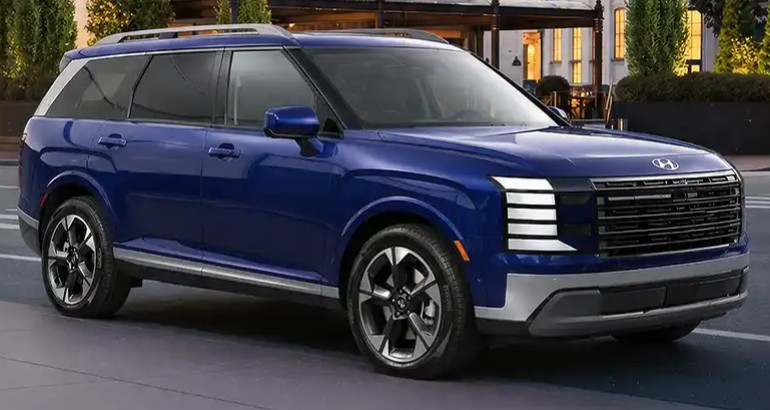
Choosing between the Hyundai Palisade vs Kia Carnival is a little like deciding between hiking boots and a really comfortable pair of sneakers. Both can carry us a long way, both are surprisingly versatile, and both work brilliantly for families. Yet they approach the job from completely different angles.
The Hyundai Palisade is a traditional three-row SUV. It gives us available all-wheel drive, a commanding driving position, strong towing capability, and the rugged image many SUV buyers want.
The Kia Carnival takes another route. Kia calls it an MPV, or multi-purpose vehicle, but practically speaking, it gives us many of the advantages traditionally associated with a minivan: sliding rear doors, a low cargo floor, enormous interior space, and exceptional third-row usability.
So which one makes more sense?
For most families prioritizing maximum passenger room and everyday practicality, the Kia Carnival is the stronger people mover. For buyers who want AWD capability, greater towing ability, more ground clearance, and conventional SUV styling, the Hyundai Palisade is the better all-rounder.
There is much more to the story, though.
Content in this publication
- Hyundai Palisade vs Kia Carnival at a Glance
- Exterior Design: SUV Toughness vs Clever Disguise
- Interior Space: This Is Where the Carnival Starts Flexing
- Sliding Doors: The Carnival's Secret Weapon
- Second-Row Comfort: Both Can Feel Surprisingly Luxurious
- Cargo Space: Carnival Wins by a Landslide
- Hyundai Palisade vs Kia Carnival Performance
- All-Wheel Drive: A Major Palisade Advantage
- Ground Clearance and Rough Roads
- Towing Capacity: Hyundai Palisade Wins
- Fuel Economy and Hybrid Choices
- Technology and Infotainment
- Safety and Driver Assistance
- Parking and Urban Driving
- Luxury and Cabin Ambience
- Which One Is Better for Small Children?
- Which One Is Better for Teenagers?
- Which One Is Better for Road Trips?
- Which One Is Better for Camping?
- Hyundai Palisade vs Kia Carnival Reliability
- Maintenance Costs
- Resale Value
- Hyundai Palisade Pros and Cons
- Kia Carnival Pros and Cons
- Hyundai Palisade vs Kia Carnival: Which Should We Buy?
- Best Choice for Different Buyers
- Final Verdict: Palisade or Carnival?
- Frequently Asked Questions
- 1. Is the Kia Carnival bigger than the Hyundai Palisade?
- 2. Does the Kia Carnival have more cargo space than the Palisade?
- 3. Which can tow more, Hyundai Palisade or Kia Carnival?
- 4. Is the Hyundai Palisade better than the Kia Carnival in snow?
- 5. Is the Kia Carnival or Hyundai Palisade better for a large family?
Hyundai Palisade vs Kia Carnival at a Glance
Before diving into the details, here's the simplest way to separate these two vehicles.
| Category | Hyundai Palisade | Kia Carnival |
|---|---|---|
| Vehicle style | Three-row SUV | MPV/minivan-style vehicle |
| Seating | 7 or 8 | Up to 8 |
| AWD availability | Yes | No on conventional Carnival |
| Sliding doors | No | Yes |
| Cargo space | Very good | Excellent |
| Third-row accessibility | Good | Excellent |
| Maximum gas-model towing | Up to 5,000 lb | Up to 3,500 lb |
| Rough-road ability | Better | Limited |
| Family practicality | Excellent | Exceptional |
| SUV appearance | Yes | SUV-inspired styling |
| Best for | Mixed family/adventure use | Maximum family utility |
The latest Palisade offers seating for seven or eight and up to 86.7 cubic feet of cargo space behind the front seats. Hyundai also rates properly equipped gasoline versions for up to 5,000 pounds of towing.
The Carnival counters with considerably greater cargo capacity. Kia lists 40.2 cubic feet behind the third row and up to 145.1 cubic feet of maximum cargo volume.
That difference tells us almost everything about these vehicles' personalities.
The Palisade is an SUV that happens to be very family friendly.
The Carnival is a family machine that happens to look increasingly SUV-like.
Exterior Design: SUV Toughness vs Clever Disguise
Why the Hyundai Palisade Looks More Adventurous
Nobody will mistake the Palisade for anything other than an SUV.
Its upright body, tall hood, broad grille, substantial wheel arches, and elevated stance give it the visual presence buyers expect from a midsize crossover.
The newest generation pushes that personality further. Rather than appearing soft and rounded, the Palisade has become more squared-off and substantial.
That distinction matters more than we might admit.
Cars are emotional purchases. We can compare cargo volumes until our spreadsheets beg for mercy, but many buyers simply prefer stepping into something that looks capable of tackling mountain roads.
The Palisade delivers that impression immediately.
The Kia Carnival Doesn't Really Look Like a Traditional Minivan
The Carnival plays a clever trick.
We know what it is underneath, but Kia deliberately gives it SUV-inspired styling. A long hood, chunky bodywork, prominent grille, and relatively upright proportions disguise its minivan DNA surprisingly well.
From certain angles, someone unfamiliar with the model could easily assume it is an oversized crossover.
Then the powered sliding doors open.
Game over.
And frankly, that's a compliment.
The Carnival manages to retain the functional advantages of a minivan while avoiding much of the old-school minivan appearance some buyers dislike.
Which One Looks Better?
Purely subjectively, we'd give the edge to the Palisade for SUV presence and the Carnival for clever packaging.
If avoiding a minivan image matters deeply, buy the Palisade.
If functionality matters more than labels, keep reading.
Interior Space: This Is Where the Carnival Starts Flexing
Open the Carnival's doors and its advantage becomes obvious.
This vehicle was designed around passengers first.
The floor is relatively low. The body is long. The cabin is boxy where it needs to be. Little space is sacrificed in pursuit of off-road capability.
The result feels closer to a mobile living room.
Kia officially lists up to 145.1 cubic feet of cargo volume, compared with the Palisade's 86.7 cubic feet behind the front seats. Different vehicle layouts and measurement conventions should always be considered when comparing manufacturer specifications, but the real-world conclusion remains clear: the Carnival is the more cargo-focused machine.
Palisade Interior Space Is Still Excellent
Calling the Palisade smaller doesn't mean calling it cramped.
Far from it.
Hyundai lists:
- 19.1 cubic feet behind the third row
- 46.3 cubic feet behind the second row
- 86.7 cubic feet behind the first row
The 2026 Palisade also provides 44.2 inches of first-row legroom, 41.4 inches in the second row, and 32.1 inches in the third.
Those are respectable numbers for a three-row SUV.
But the Carnival's packaging advantage is hard to overcome.
Carnival Third-Row Space Makes a Big Difference
Kia lists approximately 35.6 inches of third-row legroom for the Carnival.
Four inches might sound trivial on paper.
Put a teenager back there for a three-hour road trip, however, and suddenly those inches become diplomatic peacekeepers.
The Carnival generally feels more naturally designed around adults occupying all three rows.
That makes it especially appealing to:
- Large families
- Carpooling parents
- Families with teenagers
- Grandparents transporting grandchildren
- Buyers frequently carrying six or more people
Sliding Doors: The Carnival's Secret Weapon
We can debate horsepower, styling, touchscreen size, and wheel design all afternoon.
Then we park both vehicles between two SUVs at a crowded supermarket.
Suddenly the Carnival wins without even trying.
Sliding doors are wonderful.
Kids can open them without smashing the neighboring vehicle. Parents can reach child seats more easily. Loading bags while carrying a toddler becomes less awkward.
And because the opening is enormous, getting into the third row feels much easier.
Why Conventional Doors Still Work for the Palisade
The Palisade uses ordinary rear doors.
There's nothing wrong with that, obviously. Most SUVs do.
They also reinforce the traditional SUV experience many buyers specifically want.
But families using rear-facing child seats or frequently loading young children may quickly fall in love with the Carnival's sliding-door setup.
Once we get accustomed to powered sliding doors, going back can feel like replacing automatic windows with crank handles.
Second-Row Comfort: Both Can Feel Surprisingly Luxurious
Neither vehicle treats second-row passengers like cargo.
Higher Palisade trims can include premium seating materials, heating, ventilation, captain's chairs, and luxury-focused features. Hyundai even offers Nappa leather seating surfaces on higher configurations.
The Carnival goes further with available VIP Lounge Seating on certain configurations, creating something closer to business-class airline seats than conventional minivan chairs. Kia highlights VIP Lounge Seating as an available feature on upper trims.
Which Is Better for Adults?
For ordinary everyday use, both are comfortable.
For extended highway trips, though, the Carnival's combination of spaciousness, easy entry, and passenger-oriented seating gives it the advantage.
Parents driving children around town may appreciate the Carnival.
Adults traveling six hours to another state may appreciate it even more.
Cargo Space: Carnival Wins by a Landslide
Here's where the comparison gets almost unfair.
A three-row SUV must balance several goals:
ground clearance, suspension travel, exterior proportions, passenger room, styling, and cargo capacity.
The Carnival has a simpler mission.
Make space.
Lots of it.
Behind the Third Row
The Palisade offers 19.1 cubic feet behind its third row.
The Carnival offers approximately 40.2 cubic feet behind its third row.
That difference is enormous.
Imagine arriving at the airport with seven passengers and everyone's luggage.
In a typical three-row SUV, suddenly we're playing three-dimensional Tetris.
In the Carnival, there's simply more breathing room.
For Strollers, Sports Equipment and Luggage
The Carnival is especially compelling if we're regularly carrying bulky items.
Think:
strollers, baseball gear, coolers, camping equipment, large suitcases, wheelchairs, musical instruments, or enough groceries to survive an apocalypse.
The Palisade handles ordinary family cargo beautifully.
The Carnival handles extraordinary family cargo better.
Hyundai Palisade vs Kia Carnival Performance
Interestingly, gasoline versions of both vehicles use naturally aspirated 3.5-liter V6 engines producing roughly 287 horsepower in current U.S.-market specifications. Hyundai lists 287 horsepower for the Palisade, while Kia specifies a 3.5-liter V6 for the Carnival.
Yet they don't feel identical.
Palisade Driving Experience
The Palisade drives like a polished midsize crossover.
The seating position is elevated. Steering feels appropriately substantial without becoming heavy. Suspension tuning favors comfort, although there's enough control to prevent it from feeling like a cruise ship negotiating a hurricane.
It's designed to make long-distance driving easy.
The available AWD system also gives drivers additional confidence on slippery roads and loose surfaces.
You may be interested in reading Hyundai Palisade vs Kia Sorento: Which SUV Is Better?
Carnival Driving Experience
The Carnival surprises people because it doesn't lumber around like the minivans of decades past.
It's stable, predictable, and remarkably easy to drive considering its enormous interior.
Still, its character remains road focused.
The Carnival works beautifully for highways, suburban streets, school runs, and family vacations.
It doesn't pretend to be an off-road vehicle.
That's probably a good thing.
All-Wheel Drive: A Major Palisade Advantage
For some buyers, this single category decides the entire Hyundai Palisade vs Kia Carnival comparison.
The Palisade offers Hyundai's HTRAC all-wheel-drive system, while gasoline Carnival models in the U.S. remain front-wheel drive.
Hyundai also offers terrain modes with compatible AWD versions, helping manage traction on surfaces such as snow, mud, and sand.
Who Really Needs AWD?
Not everybody.
If our driving consists primarily of:
dry pavement, highways, suburban streets, and mild climates,
front-wheel drive may be perfectly adequate.
But AWD becomes far more attractive when dealing with:
snowy winters, steep driveways, mountain roads, gravel routes, muddy campsites, or frequently changing weather.
For those buyers, the Palisade wins decisively.
Ground Clearance and Rough Roads
This is another natural consequence of SUV versus MPV construction.
The Palisade sits higher and is better suited to uneven roads.
The Carnival's ground clearance is approximately 6.8 inches according to Kia's specifications.
That's perfectly adequate for curbs, normal roads, and ordinary gravel.
But if weekend adventures regularly involve washboard tracks or deeply rutted roads, we'd rather be driving the Palisade.
Palisade XRT Pro Takes Capability Further
Hyundai has expanded the Palisade's rugged side with its XRT-oriented configurations, including features such as all-terrain tires, increased ground clearance, recovery hooks, AWD, and an integrated tow hitch on applicable models.
Nobody will confuse it with a dedicated body-on-frame 4x4, but compared with the Carnival, it's clearly the better adventure companion.
Towing Capacity: Hyundai Palisade Wins
Families don't just transport people.
Sometimes they pull things.
The gasoline Palisade can tow up to 5,000 pounds when properly equipped and using a trailer with brakes.
The gasoline Carnival is rated for up to 3,500 pounds.
That's a meaningful 1,500-pound difference.
What Can That Extra Capacity Mean?
The Palisade becomes the more practical choice for buyers considering:
- Medium recreational trailers
- Some boats
- Utility trailers carrying heavier equipment
- Larger pop-up campers
- Small travel trailers
The Carnival remains capable of light recreational towing, but towing isn't its primary mission.
For regular trailer use, we'd choose the Palisade.
Fuel Economy and Hybrid Choices
Fuel economy deserves special attention because both model lines now extend beyond the traditional V6 formula.
The Carnival offers a hybrid version pairing a turbocharged engine with electric assistance. Kia lists approximately 32 MPG combined for the 2026 Carnival Hybrid.
The Palisade is also available with an electrified powertrain, broadening the comparison considerably beyond the standard V6.
Carnival Hybrid Makes Sense for High-Mileage Families
Imagine driving 20,000 miles annually.
School runs.
Sports practices.
Weekend trips.
Commuting.
Grandparents across town.
Those miles accumulate like crumbs beneath a child seat.
A hybrid family vehicle can substantially reduce fuel consumption compared with a conventional gasoline people mover.
But Check Hybrid Towing Limits
Hybridization often changes towing capacity.
For instance, Kia's documentation lists a lower towing limit for applicable Carnival Hybrid configurations than for the conventional V6 version.
The same principle applies when comparing Palisade powertrains.
Always match the specification to the exact engine, drivetrain, trim, and model year we're buying rather than assuming every version shares the headline rating.
Technology and Infotainment
We're deep into the era where family vehicles double as rolling electronics stores.
Multiple screens?
Of course.
USB ports everywhere?
Naturally.
Smartphone connectivity?
Expected.
Both the Palisade and Carnival provide sophisticated infotainment and available driver displays.
Where the Carnival earns extra family points is its passenger-focused technology.
Higher trims can offer features such as an in-cabin Passenger View camera and Passenger Talk functionality, helping front-seat occupants monitor or communicate with passengers farther back. Kia also offers features such as a head-up display and digital rear-view functionality on certain upper trims.
Palisade Technology Feels More Driver-Centric
The Hyundai's cabin technology leans toward a premium SUV atmosphere.
Large integrated screens, available Digital Key technology, wireless charging, convenience features, and modern driver assistance systems help make the interior feel expensive without drifting into luxury-brand pricing territory.
The Carnival feels like technology for the whole family.
The Palisade feels like technology built around both driver and passengers.
It's subtle, but noticeable.
Safety and Driver Assistance
Both Hyundai and Kia have become aggressive about offering driver-assistance equipment across mainstream vehicles.
Depending on trim and model year, features may include technologies such as:
forward collision assistance, lane-keeping assistance, blind-spot monitoring, rear cross-traffic assistance, adaptive cruise control, parking sensors, surround-view cameras, and highway-driving aids.
Kia states that the 2026 Carnival includes 18 standard driver-assistance technologies in its U.S. lineup.
The exact safety feature package differs by trim, however.
We'd compare the specific configurations being considered rather than simply judging either model by the brand badge.
Parking and Urban Driving
Here's an interesting twist.
The Carnival is wonderfully practical once parked.
Getting it parked may require a little more attention.
It's a long vehicle.
The Palisade is still large, obviously, but its more conventional SUV dimensions can feel slightly more manageable depending on the parking environment.
The Carnival Wins Once the Parking Is Finished
Those sliding doors rescue the situation.
Imagine squeezing into a narrow parking bay.
With conventional rear doors, we need enough room for the door arc plus enough space for a parent to maneuver alongside the child seat.
With the Carnival?
Slide.
Open.
Done.
Parents living in dense suburban or urban areas shouldn't underestimate how useful this becomes.
Luxury and Cabin Ambience
The Palisade has quietly become one of the vehicles that makes traditional luxury brands nervous.
Upper trims offer premium materials, sophisticated seating, upscale lighting, broad digital displays, and comfort features that would have seemed extraordinary in a mainstream Hyundai fifteen years ago.
Available Nappa leather further strengthens that premium atmosphere.
Carnival Luxury Is Different
The Carnival doesn't necessarily feel less luxurious.
It feels luxurious in another way.
You may be interested in readingHyundai Palisade vs Kia Sorento: Which SUV Is Better?You may be interested in reading
Hyundai Palisade vs Ford Everest: Which Large SUV Is Better?Its luxury comes from space.
Sliding doors.
Reclining second-row seating.
Easy access.
Huge cargo capacity.
Passenger technology.
It's like comparing a boutique hotel room with a premium airline lounge. Both can feel upscale, but they're solving different problems.
Which One Is Better for Small Children?
Carnival.
Pretty comfortably.
The combination of sliding doors, easier third-row entry, generous interior volume, and flexible seating makes everyday parenting simpler.
When we're dealing with babies, toddlers, diaper bags, strollers, groceries, toys, and car seats, elegance suddenly means "I can get everyone inside without performing gymnastics."
That's exactly where the Carnival shines.
Child-Seat Access
Wide sliding-door openings make it easier to reach child restraints.
They also remove the constant fear that an enthusiastic six-year-old will fling an SUV door directly into the BMW parked next to us.
That alone may save a few awkward conversations.
Which One Is Better for Teenagers?
This is closer.
Teenagers appreciate legroom, charging ports, personal space, comfortable seats, and easy third-row access.
The Carnival performs extremely well on all fronts.
But teenagers may also prefer the Palisade's SUV image.
Functionally, Carnival wins.
Socially?
We'll leave that negotiation to the family group chat.
Which One Is Better for Road Trips?
If the road trip stays primarily on pavement, we'd choose the Carnival.
Its enormous cargo area makes packing easier. The third row accommodates passengers more naturally, and entering or exiting during fuel and food stops is simple.
If the road trip involves towing, snow, mountains, campsites, or rough gravel roads, the equation flips.
Then the Palisade makes more sense.
Highway Comfort
Both are excellent long-distance cruisers.
The Palisade feels slightly more like a conventional SUV touring vehicle.
The Carnival feels like someone designed a family lounge, bolted wheels beneath it, and taught it to cruise at highway speeds.
Different philosophy.
Similar comfort.
Which One Is Better for Camping?
That depends entirely on what we mean by camping.
Campground With Paved Access
Carnival.
There's tremendous room for tents, coolers, chairs, sleeping bags, toys, and food.
Remote Campsite Down a Rough Track
Palisade.
Available AWD and extra clearance make a meaningful difference.
Camping With a Trailer
Again, Palisade.
Its higher maximum gas-model towing rating gives us more flexibility.
Hyundai Palisade vs Kia Carnival Reliability
Reliability comparisons are difficult because both vehicles vary by model year, drivetrain, maintenance history, and production revision.
Hyundai and Kia share considerable engineering expertise and often use related technologies, but that doesn't make every component identical.
Instead of treating reliability as a single number, we'd focus on:
service history, recall completion, drivetrain choice, model year, warranty status, maintenance costs, and the condition of the specific vehicle.
For a used purchase, a well-maintained example with complete records often matters more than tiny differences in reputation.
Maintenance Costs
Routine maintenance should be broadly comparable for conventional gasoline versions.
Both are mainstream Korean family vehicles rather than European luxury machines loaded with exotic mechanical systems.
However, AWD Palisade models introduce additional drivetrain components absent from a front-wheel-drive Carnival.
More components mean more fluids, hardware, and potentially more long-term maintenance.
The Carnival's massive sliding doors also involve motors, tracks, sensors, and mechanisms that conventional Palisade doors don't require.
In other words, each vehicle has its own complexity.
Resale Value
Three-row SUVs remain enormously popular, which can support Palisade resale demand.
Yet minivans and MPVs have become relatively scarce compared with the endless parade of crossovers filling today's market. A well-equipped, well-maintained Carnival therefore has strong appeal among buyers specifically seeking maximum passenger practicality.
We wouldn't select either solely because we expect dramatically stronger resale value.
Buy the vehicle that fits our daily life better.
A theoretical resale advantage five years from now matters less than regretting the wrong vehicle every morning for those five years.
Hyundai Palisade Pros and Cons
Advantages
The Palisade gives us:
- Available AWD
- Up to 5,000-pound gas-model towing capacity when properly equipped
- More SUV-like ground clearance
- Traditional SUV styling
- Strong road-trip comfort
- Seven- or eight-passenger configurations
- Premium interior options
- Better capability on snow and rough roads
Disadvantages
Its main compromises are:
less cargo capacity than the Carnival, conventional rear doors, tighter third-row space, and less minivan-like interior flexibility.
Kia Carnival Pros and Cons
Advantages
The Carnival's biggest strengths include:
- Huge cargo capacity
- Excellent third-row usability
- Sliding rear doors
- Up to eight-passenger seating
- Family-oriented technology
- Easy child-seat access
- Comfortable road-trip manners
- Available hybrid efficiency
- SUV-inspired styling
Disadvantages
The trade-offs are:
no conventional AWD option in the U.S. lineup, lower ground clearance, lower gas-model towing capacity, and less suitability for rough terrain.
Hyundai Palisade vs Kia Carnival: Which Should We Buy?
Here is the easiest way to make the decision.
Choose the Hyundai Palisade If...
We should buy the Palisade when we want one vehicle capable of handling nearly everything.
It makes more sense if we frequently encounter bad weather, occasionally explore unpaved roads, tow recreational equipment, or simply prefer the appearance and driving position of an SUV.
It's the more adventurous option.
Choose the Kia Carnival If...
Choose the Carnival if passenger transportation is priority number one.
For families with three or more children, frequent carpools, bulky strollers, grandparents, teenagers, or enormous amounts of luggage, the Carnival is exceptionally difficult to beat.
It isn't merely spacious.
It's intelligently spacious.
Best Choice for Different Buyers
Here's our simplified verdict.
Best for families with young children: Kia Carnival
Best for maximum cargo space: Kia Carnival
Best for six or more regular passengers: Kia Carnival
Best for AWD capability: Hyundai Palisade
Best for towing: Hyundai Palisade
Best for rough roads: Hyundai Palisade
Best for SUV styling: Hyundai Palisade
Best for airport runs: Kia Carnival
Best for camping with a trailer: Hyundai Palisade
Best pure family hauler: Kia Carnival
Best all-purpose vehicle: Hyundai Palisade
Final Verdict: Palisade or Carnival?
The Hyundai Palisade vs Kia Carnival battle doesn't really produce one universal winner because these vehicles are designed around different priorities.
The Kia Carnival is the better family tool.
Its sliding doors, giant cargo area, spacious third row, flexible cabin, and available hybrid powertrain make everyday family transportation remarkably easy. If we're constantly carrying children, grandparents, sports gear, luggage, groceries, and half the contents of our house, the Carnival feels almost purpose-built.
The Hyundai Palisade is the better multi-purpose SUV.
It sacrifices some interior efficiency but returns the favor with available AWD, greater ground clearance, stronger towing capability, and legitimate advantages in bad weather and on imperfect roads.
Think of it this way.
The Carnival asks, "How many people and how much stuff are we bringing?"
The Palisade asks, "Where are we going?"
For a suburban family primarily traveling on pavement, we'd lean toward the Kia Carnival.
For a family wanting one polished three-row vehicle for school runs on Monday, towing on Saturday, and mountain roads on Sunday, we'd choose the Hyundai Palisade.
Neither is the wrong choice.
The important question is which kind of inconvenience we'd rather avoid: limited capability outside the pavement, or giving up some of the smartest passenger packaging available in a family vehicle.
Frequently Asked Questions
1. Is the Kia Carnival bigger than the Hyundai Palisade?
In practical interior terms, yes. The Carnival is designed around passenger and cargo efficiency and offers substantially greater maximum cargo volume. Kia lists up to 145.1 cubic feet, while Hyundai lists 86.7 cubic feet behind the Palisade's front row.
2. Does the Kia Carnival have more cargo space than the Palisade?
Yes. Cargo capacity is one of the Carnival's strongest advantages. It offers around 40.2 cubic feet behind the third row and up to 145.1 cubic feet maximum, making it particularly useful for large families and road trips.
3. Which can tow more, Hyundai Palisade or Kia Carnival?
The gasoline Palisade wins. Hyundai rates properly equipped versions for up to 5,000 pounds with trailer brakes, compared with up to 3,500 pounds for the conventional gasoline Carnival.
You may be interested in readingHyundai Palisade vs Kia Sorento: Which SUV Is Better?You may be interested in reading
Hyundai Palisade vs Ford Everest: Which Large SUV Is Better?You may be interested in reading
Hyundai Palisade Versus Toyota Highlander: Which Three-Row SUV Makes More Sense?4. Is the Hyundai Palisade better than the Kia Carnival in snow?
Generally, yes. The Palisade is available with HTRAC all-wheel drive and terrain-management functionality, giving it an important traction advantage over the front-wheel-drive Carnival in snowy or slippery conditions.
5. Is the Kia Carnival or Hyundai Palisade better for a large family?
For maximum everyday family practicality, we'd choose the Kia Carnival. Its sliding doors, spacious third row, and enormous cargo capacity are difficult to beat. The Palisade becomes more attractive when the family also needs AWD, additional towing capability, or better rough-road performance.
If you want to know other articles similar to Hyundai Palisade vs Kia Carnival: Which Family Vehicle Is Better? you can visit the category Models.
Haval Jolion vs Omoda C5: Which SUV Is Better?
Haval Jolion vs Chery Tiggo 4 Pro: Full Comparison
Haval Jolion vs H6: Which SUV Is Better in 2026?
Haval Jolion vs Toyota Corolla Cross: Which SUV Is Better?
Haval Jolion vs Jaecoo J5: Which SUV Is Better?
Volkswagen T-Cross vs Volkswagen T-Roc: Which Is Better?
Leave a Reply
More content of your interest