
Hyundai Palisade Versus Toyota Highlander: Which Three-Row SUV Makes More Sense?

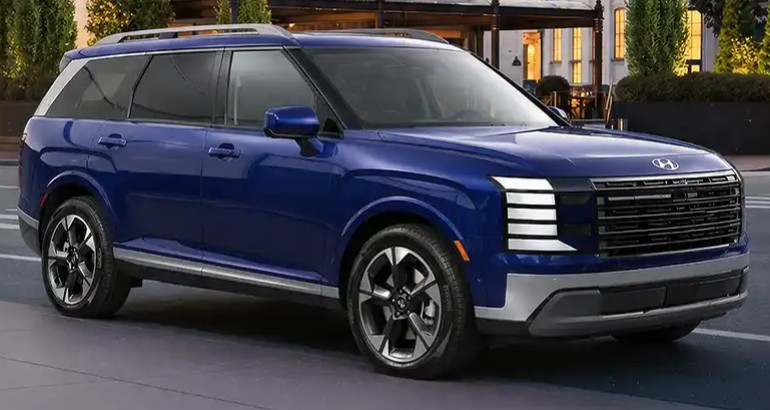
Choosing between the Hyundai Palisade and Toyota Highlander can feel like choosing between two different interpretations of the same family-SUV recipe. Both offer three rows, strong safety credentials, comfortable cabins, modern technology, and enough versatility to handle school runs, holidays, grocery missions, and long highway drives. Yet once we spend some time looking beneath the surface, their personalities begin to separate.
The Hyundai Palisade versus Toyota Highlander comparison is particularly interesting because Hyundai generally leans toward space, comfort, equipment, and upscale presentation, while Toyota places greater emphasis on efficiency, proven practicality, and its available hybrid powertrain.
Neither approach is automatically better.
What matters is how we intend to use the vehicle.
Do we regularly carry adults in the third row? Does fuel economy matter more than outright cabin space? Are we looking for something that feels almost luxurious without moving into a premium brand? Or would we rather have an efficient family SUV backed by Toyota's long-standing reputation?
Let's break down the differences that actually matter.
Content in this publication
- Hyundai Palisade Versus Toyota Highlander at a Glance
- Size and Exterior Design
- Interior Quality: Where the Palisade Starts Pulling Ahead
- Seating Capacity and Passenger Comfort
- Cargo Space and Family Practicality
- Engine Performance
- Hyundai Palisade Versus Toyota Highlander Hybrid
- Fuel Economy
- Ride Comfort
- Handling and Maneuverability
- Technology and Infotainment
- Safety and Driver-Assistance Features
- Reliability: Toyota's Traditional Strength
- Maintenance and Ownership Costs
- Resale Value
- Towing Capability
- Off-Road Ability and All-Weather Driving
- Hyundai Palisade Versus Toyota Highlander for Families
- Luxury and Features
- Hyundai Palisade Pros and Cons
- Toyota Highlander Pros and Cons
- Which SUV Is Better for City Driving?
- Which SUV Is Better for Highway Driving?
- Which One Should We Buy Used?
- Palisade Versus Highlander: Quick Comparison
- Who Should Buy the Hyundai Palisade?
- Who Should Buy the Toyota Highlander?
- Hyundai Palisade Versus Toyota Highlander: Which Is Better?
- Final Verdict
- Frequently Asked Questions
- 1. Is the Hyundai Palisade bigger than the Toyota Highlander?
- 2. Is the Toyota Highlander more fuel-efficient than the Hyundai Palisade?
- 3. Which is better for a family, Hyundai Palisade or Toyota Highlander?
- 4. Which has a better third row, Palisade or Highlander?
- 5. Should we buy a Palisade or Highlander Hybrid?
Hyundai Palisade Versus Toyota Highlander at a Glance
Before diving into every detail, we can summarize the matchup rather simply.
The Palisade tends to make the stronger argument when our priorities include generous passenger space, third-row usability, interior comfort, equipment, and a premium cabin atmosphere.
The Highlander counters with its available hybrid system, relatively manageable dimensions, established reputation, and impressive efficiency for a three-row SUV.
In broad terms:
- Choose the Hyundai Palisade if passenger room, comfort, equipment, and third-row usability rank highest.
- Choose the Toyota Highlander if fuel economy—particularly with the hybrid—is a major priority.
- The Palisade generally feels like the larger family hauler.
- The Highlander feels slightly easier to integrate into everyday suburban life.
- Both can work extremely well for families, but they solve the family-SUV problem differently.
That distinction becomes increasingly obvious once we climb inside.
Size and Exterior Design
Park the two SUVs beside each other and the Palisade usually creates the more imposing visual impression.
Hyundai has deliberately given its large SUV a broad stance and substantial road presence. Depending on model year and trim, bold lighting signatures, prominent grille treatments, large wheels, and squared-off proportions help it look expensive.
The Highlander takes a different approach.
Toyota's design is comparatively athletic, using sculpted body panels and a more tapered overall shape. It doesn't necessarily shout for attention. Instead, it blends SUV toughness with crossover-like proportions.
We would give the Palisade the advantage.
Its styling often communicates something approaching entry-level luxury, particularly in higher trims. Hyundai clearly understands that buyers spending serious money on a family vehicle still want to feel special when they walk toward it in a parking lot.
The Highlander isn't unattractive. Far from it. It simply feels more functional than theatrical.
Does Exterior Size Matter in Daily Driving?
Absolutely.
A bigger vehicle can provide additional passenger and cargo flexibility, but there is always a trade-off. Parking garages, narrow streets, compact parking spaces, and crowded urban environments remind us rather quickly that every extra inch has consequences.
Drivers who spend most of their time in tighter environments may appreciate the Highlander's somewhat more manageable feel.
Interior Quality: Where the Palisade Starts Pulling Ahead
Open the doors and the difference in philosophy becomes clearer.
Hyundai has put considerable effort into making the Palisade feel like something more expensive than a conventional mainstream family SUV. The dashboard tends to emphasize horizontal lines, large displays, attractive materials, convenient storage, and a clean overall layout.
Higher trims can become genuinely plush.
Depending on market, model year, and specification, available equipment can include premium upholstery, heated and ventilated seating, upgraded audio, sophisticated driver displays, panoramic roof arrangements, and numerous convenience features.
The Highlander's cabin is sensible and functional, but the overall experience can feel more traditional.
Palisade Interior Strengths
The Palisade's biggest interior advantages generally include:
- Spacious seating
- Strong perceived material quality
- Plenty of storage solutions
- Easy-to-understand controls
- Excellent family-oriented features
- An airy cabin
- Generous equipment on higher trims
It's the sort of interior that makes a five-hour road trip sound slightly less exhausting.
Highlander Interior Strengths
The Highlander fights back with practical ergonomics.
Toyota tends to prioritize usability rather than visual drama. Controls are generally placed where we expect them, storage areas are useful, and the cabin is designed around the realities of family life.
That may sound boring, but boring can be brilliant when we're trying to adjust the temperature while someone in the third row is asking for a snack.
Seating Capacity and Passenger Comfort
Both vehicles belong to the three-row SUV category, but simply having three rows doesn't tell us how useful those rows actually are.
That's where the Palisade gains an important advantage.
First-Row Comfort
Front-seat passengers should be comfortable in either SUV.
Both provide the elevated seating position buyers expect from a midsize or large crossover. Visibility is generally good, controls are within easy reach, and higher trims provide plenty of comfort equipment.
The Palisade, however, tends to create a more relaxed atmosphere.
Its cabin feels broad and substantial. There's a sense that Hyundai designed the vehicle around long-distance comfort rather than merely squeezing three rows into a crossover shell.
Second-Row Comfort
This is another strong area for the Palisade.
Depending on configuration, captain's chairs can transform the second row into something resembling business-class seating for children—or very fortunate adults.
The Highlander can also provide comfortable second-row accommodations, but the Palisade generally feels roomier.
Third-Row Space: Palisade Versus Highlander
Here's where families should pay attention.
If we're regularly carrying six, seven, or eight people, the Palisade's larger packaging becomes meaningful.
The Highlander's third row is useful, particularly for children, shorter passengers, or occasional trips. But adults may find it less accommodating over longer distances.
The Palisade generally offers the more convincing third-row experience.
Think of the Highlander's third row as an emergency bedroom.
The Palisade's feels closer to an actual guest room.
Cargo Space and Family Practicality
Three-row SUVs face a fundamental packaging problem: passengers and luggage compete for the same real estate.
With every seat occupied, cargo space behind the third row becomes especially important.
The Palisade's larger body generally provides an advantage here. That matters when we're loading suitcases, backpacks, groceries, sports equipment, or a stroller without wanting to fold seats.
Fold the third row and both vehicles become substantially more useful.
Fold additional seats and suddenly we're dealing with vehicles capable of swallowing surprisingly bulky items.
Which Is Better for Large Families?
For households regularly transporting five or more people plus their belongings, we'd lean toward the Palisade.
Extra room rarely seems important during a ten-minute test drive.
After three hours on the highway with children, bags, chargers, drinks, pillows, jackets, and snacks scattered everywhere?
It becomes priceless.
Engine Performance
Powertrain specifications vary by model year and market, so buyers should always check the exact vehicle available locally. Still, the broader differences between these SUVs remain useful.
The Palisade has traditionally relied on a relatively large conventional engine in several major markets, while some regions also receive diesel powertrains.
The Highlander's biggest ace is its available hybrid system.
How the Palisade Feels on the Road
The Palisade isn't trying to impersonate a sports SUV.
Instead, it emphasizes smoothness.
Acceleration is generally strong enough for highway merging and overtaking, while power delivery suits the vehicle's relaxed personality.
Put your foot down and it moves confidently, but the Palisade would rather cruise than attack a mountain road.
That's exactly what most buyers want from this category.
How the Highlander Feels
The Highlander similarly prioritizes predictable, family-friendly performance.
Its driving experience is generally easy and approachable. Depending on the powertrain, acceleration can feel reasonably energetic without turning the SUV into something overtly sporty.
The hybrid is especially interesting because its purpose isn't maximum excitement.
It's efficiency.
And that changes the entire comparison.
Hyundai Palisade Versus Toyota Highlander Hybrid
If fuel consumption is near the top of our priority list, the Highlander Hybrid deserves serious consideration.
Hybrid technology allows the Toyota to recover energy and use electric assistance in situations where a conventional gasoline SUV would simply burn more fuel.
The difference can become meaningful for drivers covering substantial annual mileage.
Why the Highlander Hybrid Matters
Imagine two families driving thousands of miles every year.
One vehicle consumes noticeably less fuel during commuting, school runs, stop-and-go traffic, and longer journeys.
The savings from one trip may seem tiny.
Over several years, they accumulate.
That's the Highlander Hybrid's quiet superpower.
It doesn't need to dramatically outperform the Palisade in acceleration or cabin space. It simply needs to visit the fuel station less often.
You may be interested in reading Ford Edge vs Escape: Which Ford SUV Makes More Sense?
Fuel Economy
This is one category where declaring a single winner without considering powertrain would be misleading.
Gasoline versions of these SUVs can produce relatively different results depending on drivetrain, engine, driving conditions, model year, and region.
However, once the Highlander Hybrid enters the equation, Toyota gains a substantial efficiency advantage.
Who Should Prioritize the Hybrid?
We'd pay particular attention to it if:
- We drive high annual mileage.
- Much of our driving happens in cities or suburbs.
- Fuel prices are a significant household expense.
- We intend to keep the SUV for many years.
- Maximum third-row space isn't our primary concern.
If our annual mileage is relatively low, fuel savings may carry less weight than comfort, equipment, or purchase price.
Ride Comfort
Family SUVs live or die by ride quality.
Nobody wants their morning commute to feel like a rally stage.
Both vehicles generally deliver comfortable road manners, but the Palisade has a particularly relaxed character. It tends to isolate passengers effectively from everyday road imperfections and feels settled at highway speeds.
The Highlander is also comfortable but can feel slightly more compact and controlled.
Which Is Better for Road Trips?
For pure passenger comfort, we'd give the Palisade the edge.
The combination of cabin space, seating comfort, third-row usability, and highway refinement makes it a natural long-distance machine.
The Highlander counters with efficiency.
So the road-trip question becomes wonderfully simple:
Would we rather have more room, or potentially use less fuel?
Handling and Maneuverability
Neither SUV exists to chase lap times.
Still, handling matters because these are substantial vehicles.
The Highlander's somewhat tidier dimensions can make it feel easier to place on narrow roads and in parking spaces.
The Palisade feels larger because it is designed to maximize interior usefulness.
Steering is generally light enough for everyday driving, though drivers coming from smaller crossovers may need some adjustment.
Urban Driving
If our daily environment involves tight garages, narrow streets, or crowded shopping centers, the Highlander may feel less cumbersome.
Modern parking cameras and driver-assistance systems help considerably in both vehicles, especially when properly equipped.
But electronics can't change physics.
A big SUV remains a big SUV.
Technology and Infotainment
Technology has become one of Hyundai's strongest weapons.
Recent Palisade versions have offered increasingly sophisticated infotainment and digital interfaces, while higher specifications can feel remarkably close to premium-brand territory.
Toyota has also modernized the Highlander significantly, although exact screen sizes and features depend heavily on trim and model year.
Which Infotainment System Is Better?
This category depends somewhat on personal preference.
Hyundai often wins on presentation. Its displays can look slick and integrated, creating a modern cockpit atmosphere.
Toyota's systems prioritize functionality and straightforward operation.
Either way, smartphone integration has become so important that many drivers will spend more time using Apple CarPlay or Android Auto than the manufacturer's native interface.
Safety and Driver-Assistance Features
Safety is naturally a major concern when we're buying a three-row family vehicle.
Both manufacturers offer extensive active-safety technology, although availability varies according to trim, country, and model year.
Common modern systems may include features such as:
- Automatic emergency braking
- Lane-keeping assistance
- Adaptive cruise control
- Blind-spot monitoring
- Rear cross-traffic assistance
- Parking sensors
- Surround-view cameras on selected trims
- Driver-attention systems
Hyundai's Family-Friendly Safety Approach
One thing Hyundai does particularly well is integrating technology that feels designed around real family situations.
Features assisting with blind spots, parking, rear passengers, and highway driving can reduce stress.
That's an underrated advantage.
Good technology isn't merely impressive when we read the brochure.
It should make Tuesday afternoon easier.
Toyota's Safety Philosophy
Toyota has invested heavily in making advanced driver-assistance technology widely available across its range.
The Highlander benefits from that strategy and provides the sort of safety package family buyers increasingly expect.
As always, specific equipment should be confirmed for the exact model year and trim being considered.
Reliability: Toyota's Traditional Strength
Mention Toyota and reliability almost immediately enters the conversation.
The brand has spent decades building that reputation.
The Highlander is part of that story, and its long history provides buyers with substantial real-world ownership data.
Hyundai's reputation has also improved dramatically over the years, and the Palisade has become a serious competitor rather than simply a cheaper alternative.
Is the Highlander More Reliable Than the Palisade?
We shouldn't automatically assume every Toyota will outlast every Hyundai.
Reliability depends on model year, maintenance history, operating conditions, powertrain, and even how the previous owner treated the vehicle.
However, Toyota's historical reputation gives the Highlander a psychological—and potentially resale-related—advantage.
For used buyers, maintenance history remains critical.
A neglected Highlander isn't automatically better than a meticulously maintained Palisade.
Maintenance and Ownership Costs
Purchase price is only the opening chapter.
Fuel, insurance, servicing, tires, depreciation, repairs, registration, and financing can ultimately matter far more.
The Highlander Hybrid can reduce fuel expenses substantially for the right driver.
The Palisade may compensate by providing more standard equipment or interior space for the money, depending on trim and market.
Think Beyond the Sticker Price
When comparing ownership costs, we should estimate:
- Purchase price
- Financing cost
- Expected annual mileage
- Fuel consumption
- Insurance premiums
- Scheduled servicing
- Tire replacement
- Expected depreciation
- Warranty coverage
Suddenly, a $2,000 difference at the dealership doesn't look nearly as important as it initially did.
Resale Value
Toyota traditionally performs strongly in resale value.
Brand reputation, buyer familiarity, and perceived reliability help maintain demand in the used market.
The Highlander therefore has an important advantage for buyers planning to sell after several years.
The Palisade has developed strong market recognition of its own, but Toyota's reputation remains difficult to ignore.
Why Depreciation Matters
Suppose one SUV costs slightly less initially but loses significantly more value.
Was it actually cheaper?
Not necessarily.
Depreciation is one of the largest expenses associated with vehicle ownership, yet it's practically invisible until we sell or trade the vehicle.
That's why resale value deserves a place in this comparison alongside fuel economy and purchase price.
Towing Capability
Families who tow boats, trailers, or recreational equipment should compare exact specifications carefully.
Towing capacity varies by model year, engine, drivetrain, towing package, and country.
Both SUVs can handle useful towing duties when properly equipped, but neither should automatically be treated like a heavy-duty body-on-frame SUV.
Before Towing, Check More Than the Headline Number
Maximum towing capacity isn't the whole story.
We should also verify:
- Gross vehicle weight limits
- Payload
- Tongue weight
- Trailer-brake requirements
- Hitch specifications
- Cooling requirements
- Number of passengers and amount of cargo
A vehicle's theoretical maximum doesn't mean we should casually load it to that limit.
Off-Road Ability and All-Weather Driving
These vehicles are primarily road-focused family crossovers.
Available all-wheel-drive systems can improve confidence on wet roads, snow, gravel, and light trails, but neither SUV should be confused with a hardcore off-roader.
The Palisade's generous dimensions can also become a disadvantage on narrow trails.
The Highlander's slightly smaller footprint may feel easier to manage.
For camping trips involving maintained gravel roads, either can work well.
For serious rock crawling?
You may be interested in readingFord Edge vs Escape: Which Ford SUV Makes More Sense?You may be interested in reading
Ford Edge vs Explorer: Which Ford SUV Is Right for You?We'd shop elsewhere.
Hyundai Palisade Versus Toyota Highlander for Families
This is ultimately the heart of the comparison.
Both SUVs exist because families need flexibility.
But the Palisade behaves like the vehicle designed around the question:
"How can we make carrying lots of people as comfortable as possible?"
The Highlander feels more like Toyota asked:
"How can we provide three-row practicality while keeping everyday ownership manageable and efficient?"
Those questions produce different strengths.
Choose the Palisade for Passenger Space
Families regularly using all three rows will probably appreciate the Hyundai more.
The third row is an important factor, but so is the general feeling of openness throughout the cabin.
Choose the Highlander for Efficiency
Drivers covering significant mileage should investigate the Highlander Hybrid carefully.
Fuel savings may become one of the most important ownership advantages over time.
Luxury and Features
This is arguably the Palisade's playground.
Higher-spec Palisades can offer the sort of equipment we once associated almost exclusively with luxury brands.
That's part of Hyundai's appeal.
Instead of asking us to pay primarily for a badge, it piles features into the vehicle.
The Highlander can also be richly equipped, but the Palisade tends to make a stronger visual and tactile impression.
Does That Make the Palisade a Luxury SUV?
Not technically.
But certain versions certainly flirt with the idea.
It's like arriving at an expensive restaurant wearing an exceptionally convincing designer-inspired suit. Nobody needs to know what the badge says if the experience feels right.
Hyundai Palisade Pros and Cons
Advantages
The Palisade's strongest qualities include its roomy cabin, genuinely useful third row, comfortable ride, generous equipment, attractive interior design, and excellent long-distance practicality.
It feels purpose-built for larger families.
Disadvantages
Its larger dimensions can make urban driving more cumbersome.
Fuel consumption can also be a consideration, particularly when we're comparing a conventional Palisade powertrain directly with the Highlander Hybrid.
Resale performance may also favor Toyota depending on market conditions.
Toyota Highlander Pros and Cons
Advantages
The Highlander's strongest arguments include available hybrid efficiency, Toyota's established reputation, practical dimensions, strong family usability, and potentially robust resale demand.
It makes tremendous sense for drivers who want three rows without maximizing exterior size.
Disadvantages
Third-row accommodation can feel tighter than in the Palisade.
The interior may also seem less luxurious, particularly when similarly priced versions are parked side by side.
And once we've experienced the Palisade's generous cabin, the Highlander can feel slightly more constrained.
Which SUV Is Better for City Driving?
The Highlander gets our vote here.
Its relatively manageable footprint and available hybrid powertrain are appealing in urban environments.
Stop-and-go traffic is precisely where hybrid technology can shine.
The Palisade remains perfectly usable in cities, especially with parking-assistance technology, but its size makes itself known.
Which SUV Is Better for Highway Driving?
This one tilts toward the Palisade.
Highway driving rewards space, comfortable seating, quietness, and relaxed road manners.
That's the Palisade's natural habitat.
Load the family, fill the cargo area, choose a playlist, and point it toward the horizon.
The Highlander remains an excellent highway companion, though its efficiency rather than sheer spaciousness may be the bigger attraction.
Which One Should We Buy Used?
Used-car shopping changes the equation.
Condition becomes more important than brand.
A properly maintained three-year-old Palisade with complete service documentation may be a much better purchase than a neglected Highlander simply wearing the Toyota badge.
Likewise, a carefully maintained Highlander Hybrid can be extremely attractive to buyers seeking long-term efficiency.
Used-Buyer Checklist
Before purchasing either SUV, we should inspect:
- Service records
- Accident history
- Tire condition
- Brake wear
- Fluid leaks
- Warning lights
- Electronics
- Air-conditioning operation
- Seat mechanisms
- Infotainment functions
- AWD system operation where applicable
- Hybrid-system condition on relevant Highlanders
- Outstanding recalls or service campaigns
A professional pre-purchase inspection is money well spent.
Palisade Versus Highlander: Quick Comparison
| Category | Hyundai Palisade | Toyota Highlander |
|---|---|---|
| Cabin space | Excellent | Very good |
| Third-row comfort | Stronger | Tighter |
| Interior luxury | Stronger | Practical |
| Fuel economy | Depends on powertrain | Excellent with hybrid |
| City maneuverability | Good | Stronger |
| Highway comfort | Excellent | Very good |
| Technology | Excellent | Very good |
| Reliability reputation | Good | Excellent historical reputation |
| Resale appeal | Competitive | Traditionally strong |
| Large-family practicality | Excellent | Very good |
| Hybrid option | Market/model dependent | Major strength |
| Premium feel | Stronger | More conservative |
The table reveals something important: there isn't one universal winner.
There are two winners for two different buyers.
Who Should Buy the Hyundai Palisade?
The Palisade makes the most sense if we frequently use all three rows and value interior space above maximum fuel efficiency.
It's particularly appealing for larger families, frequent road-trippers, and buyers who appreciate premium equipment without wanting to step into luxury-brand pricing.
If we climb inside both vehicles and immediately notice how much more comfortable the Palisade feels, that's not a trivial observation.
We spend hundreds of hours inside our vehicles.
Comfort matters.
Who Should Buy the Toyota Highlander?
The Highlander is particularly compelling for drivers who prioritize efficiency, resale confidence, practical dimensions, and Toyota's established reputation.
The Hybrid strengthens that argument enormously.
For a household driving substantial annual mileage while using the third row only occasionally, the Highlander Hybrid could be the smarter overall package.
Hyundai Palisade Versus Toyota Highlander: Which Is Better?
If we judge these vehicles purely as spacious three-row family SUVs, the Hyundai Palisade has a compelling advantage.
Its roomier cabin, more usable third row, comfortable road manners, and upscale interior give it an almost minivan-like ability to handle passengers without actually looking like a minivan.
But the Highlander has a card the Hyundai struggles to neutralize: hybrid efficiency.
For drivers concerned about fuel costs, long-term ownership, and resale appeal, that can outweigh the Palisade's additional space.
Our decision therefore comes down to priorities.
Palisade: space, comfort, equipment, premium feel.
Highlander: efficiency, practicality, reputation, resale confidence.
Neither answer is wrong.
The wrong answer is buying whichever one looks best in the showroom without thinking about how we'll actually use it for the next five years.
Final Verdict
The Hyundai Palisade versus Toyota Highlander contest isn't a knockout fight. It's closer to two excellent athletes specializing in different events.
The Palisade is our choice when family comfort and passenger space dominate the equation. It feels bigger inside, treats third-row passengers better, and offers an interior atmosphere that can punch noticeably above its mainstream badge.
The Highlander makes the stronger case when efficiency and sensible long-term ownership take priority, particularly in hybrid form. Toyota's reputation and established resale strength add another layer of reassurance.
For large families constantly using seven or eight seats, we'd lean Hyundai Palisade.
For families using the third row occasionally while covering lots of miles, we'd seriously consider the Toyota Highlander Hybrid.
Ultimately, the best test isn't a specification sheet.
Bring the family to the dealership. Put everyone in their usual seats. Load the stroller. Adjust the second row. Climb into the third row. Check the cargo area. Drive through traffic.
The SUV that makes ordinary family life feel easier is probably the one worth buying.
Frequently Asked Questions
1. Is the Hyundai Palisade bigger than the Toyota Highlander?
Generally, the Palisade emphasizes a larger, roomier passenger experience and tends to provide more accommodating third-row seating. Exact exterior and interior dimensions vary by model year and market, so buyers should compare the specifications of the particular versions they are considering.
2. Is the Toyota Highlander more fuel-efficient than the Hyundai Palisade?
The Highlander Hybrid can provide a significant efficiency advantage over conventional gasoline versions of the Palisade. Actual fuel consumption depends on powertrain, drivetrain, traffic, climate, driving style, and model year.
3. Which is better for a family, Hyundai Palisade or Toyota Highlander?
The Palisade is particularly attractive for larger families regularly using the third row because passenger space is one of its biggest strengths. The Highlander can be a better fit for families prioritizing fuel economy and using the third row less frequently.
4. Which has a better third row, Palisade or Highlander?
We'd generally choose the Palisade. Its packaging makes the third row more useful for regular passenger duty, whereas the Highlander's rear seats tend to be better suited to children or occasional adult use.
5. Should we buy a Palisade or Highlander Hybrid?
Choose the Palisade if space, third-row comfort, equipment, and a premium cabin are your main priorities. Choose the Highlander Hybrid if fuel economy and long-term running costs matter more. For high-mileage drivers who don't constantly need maximum third-row room, the Highlander Hybrid can be especially compelling.
You may be interested in readingFord Edge vs Escape: Which Ford SUV Makes More Sense?You may be interested in reading
Ford Edge vs Explorer: Which Ford SUV Is Right for You?You may be interested in reading
Ford Edge or Similar: What Does It Mean and Which SUVs Compare?If you want to know other articles similar to Hyundai Palisade Versus Toyota Highlander: Which Three-Row SUV Makes More Sense? you can visit the category Models.
Haval Jolion vs Omoda C5: Which SUV Is Better?
Haval Jolion vs Chery Tiggo 4 Pro: Full Comparison
Haval Jolion vs H6: Which SUV Is Better in 2026?
Haval Jolion vs Toyota Corolla Cross: Which SUV Is Better?
Haval Jolion vs Jaecoo J5: Which SUV Is Better?
Volkswagen T-Cross vs Volkswagen T-Roc: Which Is Better?
Leave a Reply
More content of your interest