
Subaru XV Not Starting: Causes, Diagnosis, and Fixes

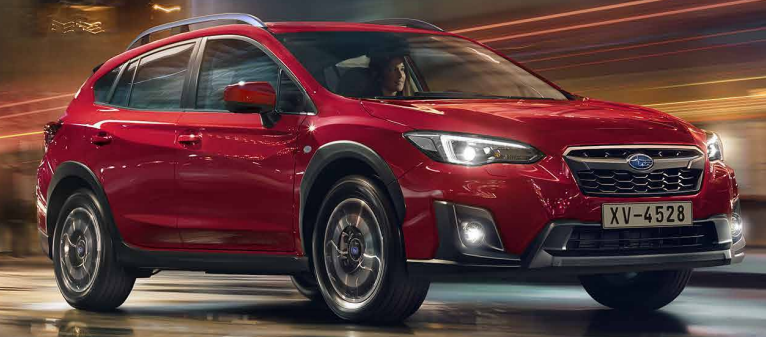
Few things can ruin a morning faster than climbing into our Subaru XV, pressing the start button or turning the key, and getting… nothing. Maybe the dashboard lights appear but the engine refuses to crank. Maybe we hear a rapid clicking sound. Perhaps the starter turns normally, yet the engine simply will not fire.
A Subaru XV not starting can happen for dozens of reasons, but thankfully, most no-start situations fall into a relatively small group of common problems.
The battery is usually our first suspect, but it certainly isn't the only possibility. Key fob problems, starter motor failure, fuel-delivery issues, ignition problems, faulty sensors, immobilizer trouble, and even poor electrical connections can leave the XV sitting stubbornly in the driveway.
Rather than blindly replacing parts, we can use the symptoms to narrow things down. Think of the car as giving us clues. The clicking, dashboard lights, cranking speed, warning messages, and even whether the engine cranks at all can point us toward the real problem.
Let's work through those clues and figure out what could be keeping our Subaru XV from starting.
Content in this publication
- Why Is My Subaru XV Not Starting?
- First Question: Does the Subaru XV Crank?
- 1. Weak or Dead Subaru XV Battery
- 2. Corroded or Loose Battery Connections
- 3. Subaru XV Clicking but Not Starting
- 4. Faulty Starter Motor
- 5. Subaru XV Key Fob Battery Is Weak
- 6. Subaru XV Immobilizer Problems
- 7. Brake Pedal Switch Failure
- 8. Manual Subaru XV Won't Start
- 9. Subaru XV Cranks but Won't Start
- 10. Fuel Pump Failure
- 11. Empty Fuel Tank or Incorrect Fuel Reading
- 12. Crankshaft Position Sensor Failure
- 13. Ignition Coil or Spark Problems
- 14. Blown Fuse or Faulty Relay
- 15. Alternator Failure Can Cause a Future No-Start
- 16. Cold Weather and Subaru XV Starting Problems
- 17. Subaru XV Starts Then Immediately Dies
- 18. Subaru XV Won't Start After Battery Replacement
- 19. Subaru XV Won't Start After Sitting
- 20. Subaru XV Dashboard Lights On but Car Won't Start
- 21. What Does Different Starting Noise Tell Us?
- 22. How to Diagnose a Subaru XV That Won't Start
- 23. Can We Jump-Start a Subaru XV?
- 24. When Should We Stop Troubleshooting?
- 25. How Much Could a Subaru XV No-Start Repair Cost?
- 26. How to Prevent Future Subaru XV Starting Problems
- 27. Subaru XV Not Starting Troubleshooting Checklist
- Conclusion: Finding the Cause of a Subaru XV That Won't Start
- Frequently Asked Questions
Why Is My Subaru XV Not Starting?
The most common reasons a Subaru XV won't start include:
- Weak or completely discharged 12-volt battery
- Loose or corroded battery terminals
- Failed starter motor or starter solenoid
- Weak key fob battery
- Immobilizer or key recognition problems
- Faulty brake or clutch pedal switch
- Blown fuse or damaged starter relay
- Fuel pump or fuel-delivery failure
- Crankshaft or camshaft position sensor failure
- Ignition or spark problems
- Alternator failure that previously drained the battery
- Engine mechanical problems
Before grabbing the toolbox, however, we should determine exactly what happens when we try to start the vehicle.
That distinction makes troubleshooting dramatically easier.
First Question: Does the Subaru XV Crank?
This is one of the most important questions in diagnosing a starting problem.
When we attempt to start the XV, one of three things generally happens.
The Engine Does Not Crank at All
We press the button or turn the key and the engine does not rotate.
Possible causes include:
- Flat battery
- Battery terminal problem
- Starter motor failure
- Starter relay problem
- Immobilizer issue
- Brake or clutch switch failure
- Electrical connection problem
The Engine Cranks Slowly
If the engine turns over reluctantly, sounding something like "rrr… rrr… rrr," battery voltage is often too low.
Cold temperatures can make this more noticeable because batteries naturally produce less starting power when temperatures fall.
The Engine Cranks Normally but Won't Start
Now we're looking at a different category of problems.
The starter and battery are probably doing their jobs, so the issue may involve:
- Fuel
- Spark
- Engine timing
- Sensors
- Immobilizer system
- Engine management electronics
It's a bit like trying to light a campfire: spinning the engine is only one ingredient. We still need fuel, ignition, compression, and correct timing.
1. Weak or Dead Subaru XV Battery
A weak 12-volt battery is probably the most common reason for a Subaru XV not starting.
Modern vehicles depend heavily on stable voltage. The battery doesn't merely operate the starter. It also supplies power to electronic modules, sensors, fuel systems, security equipment, and engine-management computers.
When battery voltage drops far enough, things can get strange.
We might notice:
- Rapid clicking while attempting to start
- Slow engine cranking
- Flickering dashboard lights
- Interior lights becoming dim
- Infotainment system rebooting
- Multiple warning messages appearing
- Complete silence when pressing the start button
How to Check the Battery
A multimeter gives us a much clearer picture than guessing.
A fully charged conventional 12-volt battery should generally read around 12.6 volts with the engine switched off.
Around 12.4 volts indicates partial discharge, while readings near or below approximately 12 volts suggest the battery is significantly discharged.
Voltage can also collapse dramatically when the starter is engaged.
That means a battery may look reasonably healthy while sitting still but fail once we ask it to deliver serious current.
Try a Jump Start
If the Subaru starts normally after being jump-started, we've discovered an important clue.
The battery may simply have been discharged.
However, we shouldn't immediately conclude that the battery itself is defective.
Something else may have drained it.
Potential causes include:
- Old battery
- Lights accidentally left on
- Vehicle sitting unused
- Parasitic electrical drain
- Charging-system problem
- Alternator fault
If the XV starts with jumper cables but becomes flat again shortly afterward, further testing is worthwhile.
2. Corroded or Loose Battery Connections
Sometimes we blame the battery when electricity simply cannot escape from it efficiently.
Battery terminals can loosen or develop corrosion over time.
Typical signs include:
- Intermittent no-start condition
- Clicking starter
- Electronics switching on and off
- Vehicle starting sometimes but not others
- Battery testing well despite starting problems
Inspect both terminals carefully.
White, greenish, or bluish deposits around the battery posts are obvious signs of corrosion.
Connections should also be properly secured.
A terminal that moves easily by hand deserves attention.
Don't Forget the Ground Connection
The negative battery cable eventually connects to the vehicle's chassis or engine.
A damaged or corroded ground connection can imitate a failing battery or starter.
Electrical current needs a complete path. A bad ground is like trying to drink through a straw with a hole in it—the system exists, but the flow isn't right.
3. Subaru XV Clicking but Not Starting
Clicking tells us something important.
If we hear rapid repeated clicking, insufficient battery voltage is especially likely.
If we hear one solid click, the starter solenoid may be operating while the starter motor itself fails to turn.
Possible reasons include:
- Weak battery
- Poor cable connection
- Defective starter motor
- Faulty starter solenoid
- Bad engine ground
We should check battery condition and connections before replacing the starter because those are both more common and easier to test.
4. Faulty Starter Motor
The starter motor physically rotates the engine during startup.
Like any electric motor, it eventually wears.
A failing starter may cause:
- One click without cranking
- Intermittent starting
- No response despite healthy battery voltage
- Grinding noises
- Increasingly slow cranking
Interestingly, starters don't always die dramatically.
They can become intermittent first.
Our XV might start perfectly ten times and then suddenly refuse on the eleventh attempt. Hours later, it may work again as though nothing happened.
That inconsistency can make starter trouble frustrating to diagnose.
Starter Solenoid Problems
The starter solenoid acts as a high-current electrical switch.
When it fails, electrical power may never reach the starter motor correctly.
A technician can check whether voltage reaches the starter during a start command before condemning the entire assembly.
5. Subaru XV Key Fob Battery Is Weak
If our Subaru XV has keyless entry and push-button start, a weak key fob battery can create another confusing situation.
The vehicle must recognize the authorized key before allowing normal startup.
Symptoms can include:
- Key not detected message
- Push-button start not responding
- Intermittent starting
- Doors failing to unlock remotely
- Reduced key fob operating range
Fortunately, replacing the small battery inside the fob is relatively inexpensive.
Try the Emergency Key Recognition Method
Many push-button-start Subaru vehicles provide a method for starting when the key fob battery becomes weak.
Depending on the specific model and year, bringing the fob very close to the start button may allow the vehicle to detect the key's transponder.
Procedures vary, so the owner's manual should be our reference for the exact method.
6. Subaru XV Immobilizer Problems
The immobilizer prevents the engine from starting unless the vehicle recognizes an authorized key.
That's excellent when someone is trying to steal our car.
It's rather less entertaining when we're the legitimate owner standing in a parking lot.
Potential signs include:
You may be interested in reading How to Fix Fiat 500 Clutch Problems: Symptoms and Solutions
- Engine cranking but not starting
- Security indicator behaving unusually
- Key recognition warning
- Intermittent starting after using another key
If we have a spare programmed key, trying it can be useful.
If one key starts the vehicle while another doesn't, the problem may be with the key rather than the car.
7. Brake Pedal Switch Failure
Push-button-start Subaru XV models generally require the brake pedal to be depressed before startup.
But how does the vehicle know we're pressing it?
Through a brake pedal switch.
If the switch fails, the car may behave as though our foot isn't on the brake.
One easy clue is the brake lights.
Have someone check whether the rear brake lights illuminate when the pedal is pressed.
No brake lights could suggest a brake switch, fuse, wiring, or electrical problem.
8. Manual Subaru XV Won't Start
On manual-transmission versions, the vehicle generally needs to recognize that the clutch pedal has been depressed before allowing the starter to operate.
A faulty clutch safety switch can therefore create a no-crank situation.
Symptoms may include:
- Dashboard working normally
- Battery appearing healthy
- No starter response
- Car starting only when the clutch pedal is pushed unusually hard
The clutch switch and its adjustment should be inspected if everything else appears normal.
9. Subaru XV Cranks but Won't Start
Here's where troubleshooting becomes more interesting.
If the engine cranks strongly, we know several parts are already working:
The battery has enough energy to turn the starter, the starter is engaging, and the engine itself can rotate.
Now the engine needs fuel, spark, compression, and correct timing.
Let's examine the most likely culprits.
10. Fuel Pump Failure
The fuel pump delivers fuel from the tank toward the engine.
If it stops working, the starter may spin enthusiastically while the engine never fires.
Possible symptoms include:
- Cranking without starting
- Engine previously hesitating under acceleration
- Sudden loss of power
- Engine stalling before the no-start condition
- Lack of normal fuel pump sound
Can We Hear the Fuel Pump?
On some vehicles we may hear a short humming sound from the rear when the ignition is switched on.
That's the pump briefly pressurizing the fuel system.
Not hearing it isn't absolute proof of failure because modern vehicles operate their pumps differently, but it can provide a clue.
Other possibilities include:
- Fuel pump fuse
- Relay
- Wiring problem
- Fuel pressure issue
Proper fuel-pressure testing provides a much more definitive answer.
11. Empty Fuel Tank or Incorrect Fuel Reading
It sounds embarrassingly simple, but we shouldn't dismiss it.
A faulty fuel-level sender or gauge could make the vehicle appear to have fuel when the tank is actually nearly empty.
Parking on a steep slope with very little fuel may also temporarily complicate fuel pickup in some situations.
If the gauge is extremely low and the engine cranks but refuses to start, adding a reasonable amount of the correct fuel is an easy diagnostic step.
12. Crankshaft Position Sensor Failure
The engine computer needs to know where the crankshaft is during rotation.
That's where the crankshaft position sensor comes in.
Without reliable crankshaft position information, the ECU may be unable to manage ignition and fuel injection correctly.
Possible symptoms include:
- Cranking without starting
- Intermittent stalling
- Check engine light
- Engine cutting out unexpectedly
- Starting again after cooling down
A diagnostic scan can often reveal crankshaft sensor-related trouble codes.
Camshaft Position Sensor Problems
The camshaft sensor performs a related job.
Failure may cause:
- Long cranking
- Rough starting
- Engine hesitation
- Check engine warning
- Complete no-start condition in some circumstances
This is where an OBD-II scanner becomes extremely useful.
Instead of replacing parts like we're throwing darts blindfolded, we can look for fault codes that point us toward a specific circuit or system.
13. Ignition Coil or Spark Problems
Petrol engines need a reliable spark.
Modern Subaru engines use ignition coils to generate the high voltage required by the spark plugs.
One failed ignition coil usually causes misfiring rather than a total no-start because the other cylinders can still operate.
Multiple ignition failures, however, can prevent normal starting.
Worn or heavily fouled spark plugs can also contribute to:
- Difficult starting
- Rough idle
- Misfires
- Poor acceleration
- Higher fuel consumption
Maintenance history matters here.
An XV with neglected ignition maintenance deserves closer inspection than one with recently serviced spark plugs.
14. Blown Fuse or Faulty Relay
Modern vehicles contain a small army of fuses and relays.
A failed fuse or relay affecting critical systems could prevent the Subaru XV from starting.
Relevant circuits can include:
- Starter
- Engine control module
- Ignition
- Fuel pump
- Security system
The fuse-box diagram in the owner's manual helps us identify which circuits are involved.
Never Replace a Fuse With a Higher Rating
If a fuse repeatedly blows, the fuse itself probably isn't the true problem.
Something downstream may be shorting or drawing too much current.
Installing a higher-amperage fuse can damage wiring and create a fire risk.
15. Alternator Failure Can Cause a Future No-Start
Wait—doesn't the alternator work only after the engine starts?
Yes.
But alternator failure today can leave us with a dead battery tomorrow.
The alternator charges the battery while the engine is running and powers the vehicle's electrical systems.
Signs of charging trouble can include:
- Battery warning light
- Dimming headlights
- Electrical systems behaving strangely
- Battery repeatedly going flat
- Vehicle eventually stalling while driving
If we jump-start our XV successfully but it repeatedly loses battery charge, both the battery and charging system should be tested.
16. Cold Weather and Subaru XV Starting Problems
Cold weather can expose weaknesses that were already developing.
Battery chemistry slows in low temperatures, while cold engine oil becomes more resistant to movement.
Suddenly that aging battery which seemed perfectly adequate in summer starts sounding exhausted.
Common cold-weather symptoms include:
- Slow cranking
- Clicking
- Longer starting time
- Battery warning signs
If the battery is several years old and winter starts become progressively harder, testing it before complete failure can save us an inconvenient morning.
17. Subaru XV Starts Then Immediately Dies
Starting and immediately stalling is different from never starting at all.
Possible causes include:
- Immobilizer intervention
- Fuel pressure problem
- Air-intake issue
- Faulty sensor input
- Electronic throttle problem
- Engine-management fault
A scan for diagnostic trouble codes should be near the top of our list.
If warning lights appear, record them before disconnecting the battery. Removing battery power can sometimes erase useful diagnostic information.
You may be interested in readingHow to Fix Fiat 500 Clutch Problems: Symptoms and SolutionsYou may be interested in reading
 Diagnosing Fiat 500 Automatic Gearbox Issues: What You Need to Know
18. Subaru XV Won't Start After Battery Replacement
This situation can feel absurd.
We've installed a brand-new battery, yet the XV still refuses to start.
Before assuming the new battery is defective, check:
- Terminal connections
- Correct battery specification
- Battery charge level
- Ground cable
- Main fuses
- Starter operation
- Key recognition
- Brake or clutch switch
New batteries aren't necessarily delivered at 100% charge.
More importantly, replacing the battery won't fix a starter, alternator, wiring, or immobilizer problem that caused the original symptoms.
19. Subaru XV Won't Start After Sitting
If the XV has been parked for days or weeks, battery discharge becomes especially likely.
Small amounts of electrical current continue to be consumed even when the vehicle is switched off.
Security systems, computers, keyless-entry modules, and other electronics need standby power.
Usually this isn't a problem.
But combine normal standby consumption with:
- An aging battery
- Very long storage
- Cold temperatures
- An aftermarket electrical accessory
- An abnormal parasitic drain
…and the battery may no longer have enough power to crank the engine.
Parasitic Battery Drain
If a healthy battery repeatedly becomes discharged while the vehicle is parked, an abnormal electrical draw may be present.
Possible sources include:
- Dash cameras
- Aftermarket alarms
- Accessories
- Faulty modules
- Interior or luggage-compartment lights
- Wiring faults
A proper parasitic-draw test can identify whether excessive current remains after the vehicle's electronic systems enter sleep mode.
20. Subaru XV Dashboard Lights On but Car Won't Start
Dashboard lights coming on doesn't prove the battery is healthy.
That's a common trap.
Illuminating a dashboard requires relatively little electricity compared with operating the starter motor.
Imagine a weak battery as a person who can carry a grocery bag but cannot lift a refrigerator.
The dashboard may shine brightly while the battery collapses the moment the starter demands hundreds of amps.
Battery testing under load is far more useful than judging battery condition from dashboard brightness alone.
21. What Does Different Starting Noise Tell Us?
We can often learn quite a lot simply by listening.
| Starting symptom | Likely areas to check |
|---|---|
| Rapid clicking | Weak battery or poor terminal connection |
| One click | Starter, solenoid, battery connection |
| No sound | Battery, fuse, relay, key recognition, pedal switch |
| Slow cranking | Weak battery, connections, starter |
| Normal cranking but no start | Fuel, ignition, sensor, immobilizer |
| Grinding sound | Starter engagement or mechanical issue |
| Starts then stalls | Fuel, immobilizer, sensor or engine management |
This isn't a definitive diagnosis, but it's an excellent starting point.
22. How to Diagnose a Subaru XV That Won't Start
We can approach the problem logically rather than swapping expensive components.
Step 1: Observe the Dashboard
Look for:
- Security warnings
- Key detection messages
- Battery warning
- Check engine light
- Unusual flashing indicators
Step 2: Listen Carefully
Does the engine:
- Crank normally?
- Crank slowly?
- Click once?
- Click repeatedly?
- Do absolutely nothing?
Step 3: Check the Battery
Inspect:
- Voltage
- Terminal tightness
- Corrosion
- Cable condition
Try a properly performed jump start if appropriate.
Step 4: Check the Key
For push-button models:
- Try the spare key
- Replace the fob battery
- Use the emergency key-detection procedure described in the manual
Step 5: Check Brake or Clutch Recognition
Confirm that the vehicle recognizes the required pedal input.
Step 6: Scan the Vehicle
An OBD-II scanner can reveal faults related to:
- Crankshaft sensor
- Camshaft sensor
- Immobilizer
- Fuel system
- Electronic throttle
- Engine control systems
Step 7: Test Fuel and Spark
If the engine cranks but won't start, professional diagnosis may involve fuel-pressure and ignition testing.
This can quickly separate fuel-delivery problems from ignition or sensor failures.
23. Can We Jump-Start a Subaru XV?
In many ordinary low-battery situations, yes, assuming the manufacturer's procedure is followed.
However, modern cars contain sensitive electronics, so polarity matters enormously.
Connecting jumper cables incorrectly can cause severe electrical damage.
Use the jump-start procedure specified for the exact model and year, and never assume every Subaru XV uses precisely the same connection points or procedure.
If the battery is visibly damaged, leaking, swollen, or frozen, don't attempt a normal jump start.
24. When Should We Stop Troubleshooting?
Basic checks are perfectly reasonable for most owners.
But some situations call for professional help.
Stop and seek qualified assistance if:
- Electrical wiring is overheating
- Smoke appears
- Fuel is leaking
- The starter repeatedly grinds
- The engine appears mechanically locked
- Fuses repeatedly blow
- Immobilizer programming is required
- Fuel-pressure testing is needed
- Advanced electrical diagnostics are necessary
Modern automotive electrical systems aren't the best place for experimental surgery.
One wrong connection can turn a modest starting problem into a very expensive module replacement.
25. How Much Could a Subaru XV No-Start Repair Cost?
Costs depend enormously on location, model year, engine, labor rates, and the actual fault.
The important point is that a no-start problem doesn't automatically mean a huge repair bill.
The cause could be something relatively minor such as:
- Key fob battery
- Loose battery terminal
- Discharged battery
- Fuse
Or something more involved such as:
- Starter motor
- Fuel pump
- Alternator
- Engine-management sensor
- Wiring repair
Diagnosis comes first.
Replacing parts without testing can quickly become more expensive than paying for proper diagnostics in the first place.
26. How to Prevent Future Subaru XV Starting Problems
We can't prevent every failure, but good maintenance greatly reduces unpleasant surprises.
Pay attention to:
- Battery age and condition
- Slow starting
- Battery terminal corrosion
- Unusual warning lights
- Changes in cranking speed
- Key fob performance
- Scheduled engine maintenance
- Unexplained battery discharge
If the starter suddenly sounds slower than it did six months ago, don't ignore it.
Cars rarely send us calendar invitations saying, "Battery failure scheduled for Tuesday at 7:15 a.m."
They whisper before they shout.
Catching those whispers can save us from needing jumper cables in the rain.
27. Subaru XV Not Starting Troubleshooting Checklist
When our Subaru XV refuses to start, we can work through this order:
- Check whether the engine cranks.
- Inspect battery terminals.
- Test battery voltage.
- Try an appropriate jump start.
- Check whether the key is recognized.
- Try the spare key if available.
- Confirm brake or clutch switch operation.
- Inspect relevant fuses.
- Listen for unusual starter noises.
- Scan for diagnostic trouble codes.
- Investigate fuel delivery if the engine cranks normally.
- Test ignition and sensor inputs where necessary.
Starting with simple checks saves time and money.
There's little reason to suspect a fuel pump before noticing that the battery terminal is barely connected.
Conclusion: Finding the Cause of a Subaru XV That Won't Start
A Subaru XV not starting can look intimidating because dozens of components participate in the starting process. But once we divide the problem into categories, diagnosis becomes much easier.
If the engine doesn't crank, we should focus first on the battery, connections, starter circuit, pedal switches, and immobilizer.
If the engine cranks strongly but won't fire, our attention shifts toward fuel delivery, ignition, engine-management sensors, and security systems.
And if we hear rapid clicking? The battery and its connections immediately jump toward the top of the suspect list.
The key is not to replace components based on guesses.
Observe what the car is doing, listen carefully, test the basics, scan for fault codes, and move logically through the system.
A Subaru XV that refuses to start may feel like a brick sitting in our driveway, but often the underlying problem is much simpler than it initially appears.
Frequently Asked Questions
1. Why is my Subaru XV clicking but not starting?
Rapid clicking usually points toward insufficient electrical power, commonly caused by a discharged battery or poor battery connection. A single click can also indicate a starter motor or starter-solenoid problem. Battery condition and terminal connections should generally be checked first.
2. Why does my Subaru XV crank but not start?
If the starter rotates the engine normally but it won't fire, possible causes include insufficient fuel pressure, ignition problems, crankshaft or camshaft sensor faults, immobilizer trouble, or another engine-management issue. Scanning the vehicle for diagnostic trouble codes is a useful next step.
3. Can a key fob battery stop a Subaru XV from starting?
On keyless-start models, a weak key fob battery can interfere with normal key detection. The vehicle may show a key-not-detected warning or fail to respond normally to the start button. Many models have an emergency recognition procedure for this situation, which should be confirmed in the owner's manual.
4. Why won't my Subaru XV start even though the lights work?
Dashboard and interior lights require much less electrical current than the starter motor. A weak battery can therefore illuminate the dashboard while still being unable to crank the engine. Battery voltage and starting performance should be tested rather than relying on the lights alone.
You may be interested in readingHow to Fix Fiat 500 Clutch Problems: Symptoms and SolutionsYou may be interested in reading
Diagnosing Fiat 500 Automatic Gearbox Issues: What You Need to KnowYou may be interested in reading
 Fiat 500 Engine Overheating: Causes and How to Prevent It
5. Why does my Subaru XV battery keep going flat?
Repeated battery discharge can be caused by an aging battery, alternator or charging-system trouble, accessories left powered, long periods without driving, or an abnormal parasitic electrical drain. If a charged or recently replaced battery repeatedly becomes flat, further electrical diagnosis is recommended.
If you want to know other articles similar to Subaru XV Not Starting: Causes, Diagnosis, and Fixes you can visit the category Common Problems.
BMW M2 Issues: Common Problems, Reliability and What Owners Should Know

Subaru XV Issues: Common Problems, Reliability and What Owners Should Know
Subaru XV Hybrid Problems: What Owners Should Know
Mazda CX-9 Air Conditioning Problems: Causes, Fixes, and Troubleshooting
Mazda CX-9 USB Port Not Working: Causes and Fixes
Leapmotor C10 Problems: Common Issues, Reliability Concerns, and What Owners Should Know
Leave a Reply
More content of your interest