
Are Toyota Hilux Reliable? A Complete Long-Term Reliability Guide

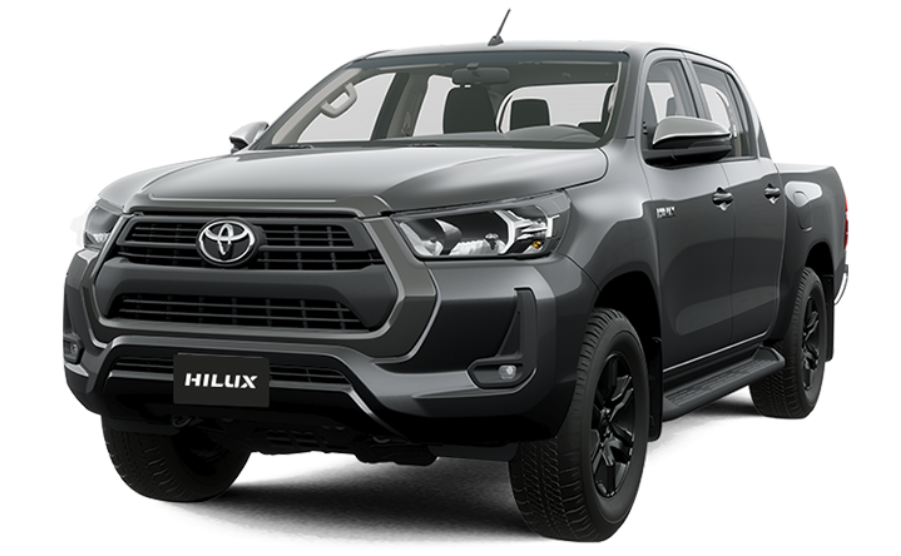
Yes, Toyota Hilux models are generally very reliable, and reliability is one of the biggest reasons this pickup has built such a stubbornly strong reputation around the world. From construction sites and farms to mining operations and remote outback tracks, the Hilux has spent decades doing jobs that would make many ordinary SUVs beg for retirement.
But does that mean every Toyota Hilux is bulletproof? Not quite.
We should separate the Hilux legend from reality. Some generations and engines have been exceptionally durable, while others have experienced problems involving diesel particulate filters, injector seals, turbo systems, clutches, emissions equipment, and suspension components.
Maintenance matters too. A Hilux that has spent 200,000 km cruising highways with regular servicing can be a much safer purchase than a 90,000 km example that has spent its life towing heavy trailers through mud.
So, are Toyota Hilux reliable enough to buy used?
For most buyers, absolutely. Choose the right version, inspect it carefully, maintain it properly, and a Hilux can be the automotive equivalent of an old work boot: perhaps not glamorous after years of use, but remarkably difficult to wear out.
Let's explore why.
Content in this publication
- How Reliable Is the Toyota Hilux Overall?
- Why Does the Toyota Hilux Have Such a Strong Reliability Reputation?
- How Long Can a Toyota Hilux Last?
- Are Toyota Hilux Diesel Engines Reliable?
- Toyota Hilux DPF Problems Explained
- Are Toyota Hilux Transmissions Reliable?
- Are Toyota Hilux 4WD Systems Reliable?
- Toyota Hilux Suspension Reliability
- Does the Toyota Hilux Have Serious Recalls?
- What Are the Most Common Toyota Hilux Problems?
- Are Older Toyota Hilux Models More Reliable Than New Ones?
- Are High-Mileage Toyota Hilux Models Worth Buying?
- What Makes a Toyota Hilux Unreliable?
- Toyota Hilux Reliability for Towing
- Toyota Hilux Reliability for Off-Road Driving
- Is the Toyota Hilux Expensive to Maintain?
- How Can We Make a Toyota Hilux Last Longer?
- Should You Buy a Used Toyota Hilux?
- Are Toyota Hilux Reliable Compared With Other Pickups?
- Final Verdict: Are Toyota Hilux Reliable?
- Frequently Asked Questions
How Reliable Is the Toyota Hilux Overall?
The Toyota Hilux deserves an above-average reliability rating for a pickup truck, particularly when we judge reliability in terms of drivetrain longevity, mechanical simplicity, parts availability, and its ability to tolerate demanding working conditions.
Its strongest qualities tend to include:
- Durable diesel engines
- Strong manual and automatic transmissions
- Tough ladder-frame construction
- Proven four-wheel-drive hardware
- Long-lasting differentials
- Relatively straightforward mechanical systems
- Excellent replacement-parts availability in many markets
- High resale values
That doesn't mean repairs never happen.
Modern Hilux models have considerably more emissions equipment, electronics, sensors, driver-assistance systems, and computerized controls than older trucks. Those additions make newer versions cleaner, safer, quieter, and more comfortable, but they also introduce additional potential failure points.
The basic mechanical foundation, however, remains one of the Hilux's biggest strengths.
Why Does the Toyota Hilux Have Such a Strong Reliability Reputation?
Toyota did not build the Hilux reputation through clever marketing alone. The truck became famous because owners repeatedly used it in extremely demanding environments.
We find Hilux pickups working in regions with brutal heat, dust, poor roads, heavy payloads, limited repair facilities, and long distances between towns. That's exactly where weak engineering tends to reveal itself quickly.
Toyota traditionally designs commercial vehicles conservatively. Rather than chasing maximum horsepower from the smallest possible engine, Hilux drivetrains generally prioritize usable torque, durability, predictable performance, and longevity.
A Workhorse Rather Than a Fashion Accessory
Plenty of modern pickup trucks have become luxury vehicles wearing muddy boots.
The Hilux certainly offers comfortable upper-spec versions, but underneath the touchscreen displays and leather seats remains a chassis designed around carrying loads and surviving rough terrain.
That work-focused DNA matters.
Components such as the chassis, suspension mounting points, axles, drivetrain, cooling system, and transmission have historically been engineered with demanding use in mind.
Mechanical Simplicity Helps Older Hilux Models
Older Hilux generations have another advantage: simplicity.
A mechanically injected diesel Hilux from decades ago obviously doesn't offer the refinement, performance, safety, or emissions standards of a modern truck. What it does offer is fewer sensors and complicated emissions components that can fail as mileage increases.
Modern Hilux engines are dramatically more sophisticated, but complexity inevitably changes the reliability equation.
How Long Can a Toyota Hilux Last?
A properly maintained Toyota Hilux can potentially exceed 300,000 km, and high-mileage examples considerably beyond that figure are hardly unusual in markets where these trucks are heavily used.
Mileage alone, however, doesn't determine remaining life.
Think of two Hilux pickups showing 180,000 km.
One has spent its life driving long highway journeys and receiving oil changes on schedule.
The other has spent those same kilometers towing near its maximum capacity, crawling through deep mud, idling for hours, and carrying heavy equipment.
They're technically the same mileage.
Mechanically, they may be worlds apart.
Can a Toyota Hilux Reach 500,000 km?
It is possible.
Some carefully maintained Hilux vehicles accumulate enormous mileages before requiring major engine or transmission work. But we shouldn't treat 500,000 km as guaranteed life expectancy.
Reaching that sort of mileage depends heavily on:
- Maintenance history
- Engine type
- Driving conditions
- Towing frequency
- Payload
- Cooling-system maintenance
- Oil quality
- Previous repairs
- Rust exposure
- Off-road use
A great Hilux can last a very long time. A neglected Hilux can still become expensive surprisingly quickly.
Are Toyota Hilux Diesel Engines Reliable?
Generally, yes. Diesel engines have contributed enormously to the Hilux's reputation.
Toyota has offered several diesel engine families over the years, depending on market and generation. Among the best-known modern units are the 1KD-FTV, 1GD-FTV, and 2GD-FTV engines.
Each has strengths, but none should be considered completely problem-free.
Toyota 1KD-FTV Reliability
The 3.0-liter 1KD-FTV turbo-diesel powered numerous Hilux models and earned a strong following thanks to its torque and longevity.
A properly serviced example can cover substantial mileage.
However, injector-related issues deserve attention. Some 1KD-powered vehicles have been associated with injector-seal deterioration. If combustion gases contaminate the engine oil and carbon deposits eventually restrict the oil pickup, lubrication can be compromised.
What Should We Check on a Used 1KD Hilux?
Look for:
- Documented injector maintenance
- Excessive diesel knock
- Rough cold starting
- Injector correction values outside normal ranges
- Oil contamination
- Unusual exhaust smoke
- Evidence of regular oil changes
A specialist pre-purchase inspection is worth the money.
An older Hilux may look almost indestructible from the outside, but injector problems hidden beneath the bonnet can turn an apparent bargain into an expensive project.
Toyota 1GD-FTV Reliability
The 2.8-liter 1GD-FTV is one of the most important modern Hilux diesel engines.
It delivers strong low-end torque, better efficiency than older engines, and impressive performance for towing and everyday driving.
Fundamentally, it's regarded as a strong engine. However, early vehicles fitted with Toyota's newer diesel engines experienced well-documented diesel particulate filter concerns in Australia.
Toyota Australia's information concerning the DPF litigation identifies certain Hilux, Prado, and Fortuner vehicles fitted with 1GD-FTV or 2GD-FTV engines acquired between October 2015 and April 2020 as having been fitted with a defective DPF system.
That distinction matters enormously when shopping used.
A DPF problem does not automatically mean the underlying engine is weak.
Toyota 2GD-FTV Reliability
The smaller 2.4-liter 2GD-FTV shares much of its engineering philosophy with the 1GD.
It's generally durable and doesn't need to produce sports-car performance to do its job. In lower-spec Hilux variants, that relatively modest state of tune can be appealing to buyers who value longevity over acceleration.
Again, early DPF-equipped versions deserve inspection and maintenance-history verification.
Toyota Hilux DPF Problems Explained
The diesel particulate filter, or DPF, captures soot from diesel exhaust gases and periodically burns the accumulated material during regeneration.
In theory, it's straightforward.
In real-world driving, things can become more complicated.
Certain Australian Hilux vehicles with 1GD-FTV and 2GD-FTV engines were at the center of extensive legal proceedings concerning defective DPF systems. Toyota also previously conducted measures aimed at addressing affected vehicles.
Does Every Toyota Hilux Have DPF Problems?
No.
This is important because online discussions can easily make isolated generation-specific issues sound universal.
DPF performance varies with:
- Model year
- Market specification
- Engine
- Software updates
- Repair history
- Driving pattern
- Previous modifications
A modern diesel regularly driven on longer journeys may generally provide the exhaust temperatures required for successful regeneration more readily than one driven almost exclusively on short urban journeys.
DPF Warning Signs
Possible symptoms can include:
- DPF warning lights
- Frequent regenerations
- Increased fuel consumption
- Excessive exhaust smoke
- Reduced performance
- Unusual idle behavior
If we're considering a Hilux from an affected production period, verifying repair history is far more useful than simply assuming every example will fail.
Are Toyota Hilux Transmissions Reliable?
For the most part, yes.
You may be interested in reading How Long Do Toyota Hilux Last? Real-World Lifespan Explained
Both manual and automatic Hilux transmissions can deliver excellent service when properly maintained.
Automatic gearboxes suit many drivers particularly well because they're easy to use while towing, driving in traffic, or tackling mixed road conditions.
Still, automatic transmission fluid shouldn't be treated like magical lifetime liquid.
Heavy towing, heat, and off-road use can accelerate transmission wear.
What About Hilux Manual Gearboxes?
Manual gearboxes themselves are typically strong, although clutches naturally become wear items.
A vehicle that has spent years towing trailers, carrying heavy loads, or crawling off-road can wear its clutch much sooner than a lightly used truck.
During a test drive, watch for:
- Clutch slipping
- High clutch engagement
- Gear crunching
- Difficult shifts
- Driveline vibration
- Noises under acceleration or deceleration
A worn clutch doesn't necessarily mean the truck is unreliable. It may simply reveal how hard its previous life has been.
Are Toyota Hilux 4WD Systems Reliable?
Yes, and this is another area where the Hilux has historically performed strongly.
Toyota's four-wheel-drive hardware is one of the reasons the vehicle remains popular in rural, commercial, mining, and off-road environments.
But even tough hardware dislikes neglect.
A four-wheel-drive system that hasn't been engaged for years can develop actuator problems, while trucks regularly exposed to deep water can suffer contaminated differential or transfer-case fluids.
Check the 4WD Before Buying
Don't simply accept a seller's claim that "the 4WD works perfectly."
Test it.
Engage the available four-wheel-drive modes according to the owner's manual and confirm that dashboard indicators operate correctly.
Listen for unusual drivetrain noises.
Look underneath for leaks.
A Hilux is capable off-road, but that capability also means previous owners may have taken it places where ordinary vehicles never venture.
Toyota Hilux Suspension Reliability
Hilux suspension systems are designed for utility rather than limousine comfort.
That makes them robust, but suspension components are still consumable.
Bushings, shock absorbers, ball joints, wheel bearings, and steering components eventually wear.
Heavy accessories can accelerate the process.
Consider a truck fitted with:
- Steel bull bar
- Winch
- Large auxiliary battery
- Roof equipment
- Drawer system
- Heavy canopy
- Oversized tires
Suddenly, the suspension is carrying significantly more weight every day.
Modifications can therefore matter nearly as much as mileage when evaluating reliability.
Does the Toyota Hilux Have Serious Recalls?
Like virtually every mass-produced vehicle, the Hilux has been subject to recalls and service campaigns.
For example, an Australian recall covering certain 2018–2020 Hilux and Fortuner vehicles concerned a potentially faulty brake booster that could reduce braking assistance under certain conditions.
An Australian recall also covered numerous 2015–2021 Hilux variants because vibration could cause cracking around a rear license-plate bracket mounting point.
More recently, an Australian recall published in April 2026 covered certain 2025–2026 Hilux vehicles where an incorrectly refitted ground connection associated with specific genuine accessory installations could potentially result in loss of electric power-steering assistance.
Does the existence of recalls make the Hilux unreliable?
Not by itself.
Recalls occur across the automotive industry. What matters for a used buyer is whether applicable recall work has actually been completed.
Always Check the VIN
Before purchasing a used Hilux, run its vehicle identification number through the relevant official recall database in your country.
Toyota Australia, for example, provides a VIN-based recall-status tool.
It's a tiny step that can reveal something important.
What Are the Most Common Toyota Hilux Problems?
The answer changes by generation, engine, and country, but there are several areas we would investigate carefully on any used Hilux.
These include:
- DPF issues on certain diesel versions
- Injector or injector-seal concerns on some older diesels
- Turbocharger wear on neglected high-mileage engines
- Worn manual clutches
- Suspension bush and shock wear
- Wheel-bearing wear
- 4WD actuator problems
- Battery and electrical issues
- Oil or coolant leaks on older vehicles
- Rust or underbody damage
- Damage caused by excessive towing or payload
- Problems created by poor-quality aftermarket modifications
Notice something?
Many aren't catastrophic design flaws. They're problems associated with age, diesel complexity, maintenance, or demanding use.
That's an important reason the Hilux remains such a desirable used vehicle.
Are Older Toyota Hilux Models More Reliable Than New Ones?
In certain ways, yes.
Older models often have fewer emissions controls, fewer computers, fewer sensors, and less electrical equipment.
They're mechanically simpler.
But simplicity doesn't automatically make an old truck the better purchase.
A 15- or 20-year-old Hilux can have:
- Chassis corrosion
- Worn suspension
- Old coolant hoses
- Tired injectors
- Turbo wear
- Leaking seals
- Differential wear
- Cracked interior components
- Years of undisclosed off-road abuse
Meanwhile, a newer Hilux may provide better crash protection, stronger performance, lower emissions, superior refinement, and modern driver-assistance technology.
So rather than asking whether old or new is automatically better, we prefer asking:
Which individual Hilux has been looked after better?
That's usually the smarter question.
Are High-Mileage Toyota Hilux Models Worth Buying?
They can be.
One of the biggest mistakes used-car buyers make is treating mileage as the entire story.
Imagine choosing between a 120,000 km Hilux with no maintenance records and a 190,000 km Hilux with meticulous servicing, documented repairs, original invoices, and an owner who clearly cared for it.
We would often feel more comfortable with the second vehicle.
Service History Beats a Shiny Exterior
Fresh detailing can make almost any truck look loved.
Paperwork tells us more.
We want evidence of:
- Regular oil and filter changes
- Fuel-filter replacement
- Cooling-system maintenance
- Transmission servicing where appropriate
- Differential and transfer-case servicing
- Injector inspection where relevant
- DPF repairs or updates where relevant
- Completed recall campaigns
A thick folder of receipts can be more attractive than polished alloy wheels.
What Makes a Toyota Hilux Unreliable?
Ironically, the Hilux's strong reputation can sometimes work against it.
Owners think, "It's a Toyota. It'll take anything."
So they skip maintenance.
They overload it.
They tow too much.
You may be interested in readingHow Long Do Toyota Hilux Last? Real-World Lifespan ExplainedYou may be interested in reading
Why Are Toyota Hilux So Tough? The Engineering Behind the LegendThey install enormous tires.
They modify the suspension cheaply.
They drive through water without servicing contaminated oils.
Then, years later, the next owner wonders why this supposedly indestructible vehicle is falling apart.
Reliability is a partnership between engineering and maintenance.
Even the strongest hammer eventually breaks if we use it as a bulldozer.
Toyota Hilux Reliability for Towing
A Hilux can make a dependable towing vehicle when used within its approved limits.
Towing, however, generates additional stress on:
- Engine cooling
- Transmission
- Clutch
- Brakes
- Rear suspension
- Differential
- Wheel bearings
If we're buying a Hilux that has spent much of its life towing, we should inspect those systems especially carefully.
Automatic or Manual for Reliability?
There's no universal winner.
A correctly maintained automatic can last extremely well and makes towing easier for many drivers.
A manual provides mechanical simplicity, but eventually its clutch will wear—and heavy towing can accelerate that dramatically.
Condition matters more than ideology.
Toyota Hilux Reliability for Off-Road Driving
This is where the Hilux shines.
Ground clearance, a strong chassis, capable four-wheel-drive hardware, and decades of development make it naturally suited to rough conditions.
Nevertheless, when buying used, off-road capability creates another problem: previous off-road adventures.
Look underneath.
We're searching for:
- Bent protection plates
- Damaged chassis components
- Oil leaks
- Crushed exhaust sections
- Differential damage
- Mud trapped in difficult areas
- Corrosion
- Evidence of repeated water crossings
A truck parked beside a spotless suburban driveway and one that spent weekends climbing rocky tracks may share the same badge but have completely different mechanical histories.
Is the Toyota Hilux Expensive to Maintain?
Routine servicing is generally manageable, particularly because the Hilux is widely sold in many parts of the world.
Large numbers of vehicles usually mean plentiful mechanical knowledge and good parts availability.
However, modern diesel repairs aren't necessarily cheap.
Potentially expensive items can include:
- Diesel injectors
- DPF components
- Turbochargers
- Automatic transmissions
- Emissions sensors
- Major 4WD components
Buying the cheapest used Hilux available isn't always economical.
Sometimes paying more for a well-maintained example saves thousands later.
How Can We Make a Toyota Hilux Last Longer?
Long Hilux life isn't complicated.
Consistency beats miracle products.
Follow These Reliability Habits
- Follow the correct service schedule.
- Use manufacturer-approved engine oil.
- Change filters when required.
- Investigate warning lights immediately.
- Maintain the cooling system.
- Don't exceed payload or towing limits.
- Service drivetrain fluids after severe use.
- Allow a turbocharged engine proper lubrication and maintenance.
- Keep tires correctly inflated.
- Repair suspension wear before it damages other components.
- Check the underbody after serious off-road trips.
- Address DPF warnings instead of ignoring them.
The Biggest Rule: Don't Ignore Small Problems
Mechanical problems often whisper before they scream.
A tiny coolant leak, occasional warning light, faint bearing noise, or slightly rough idle may initially seem harmless.
Ignore it long enough and that small problem can become a four-figure repair.
Preventive maintenance is boring.
It's also considerably cheaper than an engine.
Should You Buy a Used Toyota Hilux?
For buyers seeking a durable pickup, the Hilux remains one of the strongest used-vehicle candidates.
But we wouldn't buy one purely because the tailgate says Toyota.
Instead, we'd prioritize the following:
Excellent choice: complete service history, sensible ownership, factory or professional modifications, clean mechanical inspection, verified recall status.
Proceed carefully: incomplete history, heavy towing evidence, large suspension modifications, unexplained warning lights, excessive smoke.
Walk away: serious chassis corrosion, overheating history, major oil contamination, questionable engine modifications, unresolved drivetrain noises, or a seller who won't allow an independent inspection.
There are plenty of Hilux pickups available in many markets.
We don't need to rescue a bad one.
Are Toyota Hilux Reliable Compared With Other Pickups?
Generally, reliability is one of the Hilux's greatest competitive strengths.
Different rivals may offer more horsepower, better interiors, softer rides, stronger technology packages, or better pricing.
The Hilux's attraction is different.
It has built its identity around dependability, ruggedness, resale value, and the ability to perform everyday work year after year.
That's why reliability discussions surrounding the Hilux rarely ask whether the vehicle is fundamentally durable.
Instead, they usually revolve around which engine, generation, or year is the safest choice.
That's a strong position for any vehicle to occupy.
Final Verdict: Are Toyota Hilux Reliable?
Yes. Toyota Hilux pickups are generally highly reliable, particularly when maintained properly and used within their intended limits.
They're not invincible.
Certain older 1KD diesel models deserve extra attention around injector-related issues, while some 2015–2020-era 1GD/2GD vehicles in Australia experienced significant DPF problems. Individual production periods have also been affected by recalls, which makes a VIN check essential when buying used.
None of that erases the bigger picture.
A good Hilux combines a tough chassis, durable drivetrain, capable four-wheel-drive system, strong parts support, and engineering designed around hard work.
The secret isn't simply buying a Hilux.
It's buying the right Hilux.
Find one with documented maintenance, sensible modifications, no hidden abuse, and a clean mechanical inspection, and there's every reason to expect a long working life.
The Hilux legend isn't perfect.
But unlike many automotive legends, there's plenty of real machinery underneath the mythology.
Frequently Asked Questions
1. How many miles can a Toyota Hilux last?
A well-maintained Toyota Hilux can potentially exceed 300,000 km, while some examples accumulate substantially more. Engine type, maintenance, towing, environment, and previous use ultimately matter more than any fixed mileage target.
2. Are Toyota Hilux diesel engines reliable?
Yes. Toyota's Hilux diesel engines generally have a strong reputation for durability. However, individual engines and production periods have known issues, including injector-related concerns on some older 1KD engines and DPF problems affecting certain later 1GD/2GD vehicles.
3. Is a high-mileage Toyota Hilux worth buying?
Potentially. A high-mileage Hilux with complete maintenance records can be a better purchase than a lower-mileage truck with poor servicing or severe off-road abuse. Always arrange an independent mechanical inspection before purchasing.
4. What should I check before buying a used Toyota Hilux?
Check its service history, engine condition, exhaust smoke, cooling system, transmission, clutch, four-wheel-drive system, suspension, chassis, underbody, modifications, DPF history where applicable, and outstanding recalls. A VIN-based recall check is also worthwhile.
5. Is the Toyota Hilux reliable for everyday use?
Yes. While designed as a durable work vehicle, modern Hilux versions can handle commuting, family driving, towing, and long trips comfortably. Regular short-distance driving may be less ideal for some diesel DPF systems, so usage patterns should match the vehicle you choose.
You may be interested in readingHow Long Do Toyota Hilux Last? Real-World Lifespan ExplainedYou may be interested in reading
Why Are Toyota Hilux So Tough? The Engineering Behind the LegendYou may be interested in reading
Which Toyota Hilux Is the Most Reliable? The Best Years and EnginesIf you want to know other articles similar to Are Toyota Hilux Reliable? A Complete Long-Term Reliability Guide you can visit the category Blog.
Are Toyota Hilux Any Good? The Real-World Answer
Which Toyota Hilux Is the Most Reliable? The Best Years and Engines
Why Are Toyota Hilux So Tough? The Engineering Behind the Legend
How Long Do Toyota Hilux Last? Real-World Lifespan Explained

BMW i7 Reliability: Is BMW’s Electric Flagship Built to Last?

Infiniti QX60 Reliability: Is This Luxury SUV Dependable?
Leave a Reply
More content of your interest