
Nissan Rogue vs Honda CR-V: Which SUV Is Better?

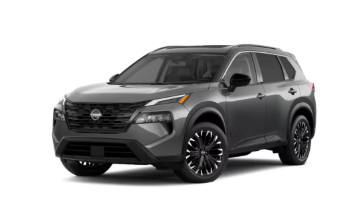
Choosing between the Nissan Rogue vs Honda CR-V isn't easy. Both compact SUVs offer comfortable interiors, modern technology, excellent practicality, and the versatility that families and daily commuters need.
However, despite competing in the same segment, these vehicles have different strengths.
The Nissan Rogue stands out with its powerful turbocharged engine, comfortable seats, attractive pricing, and available premium technology. The Honda CR-V counters with generous passenger space, an efficient hybrid powertrain, a practical interior, and a strong reputation among SUV buyers.
So, is the Nissan Rogue better than the Honda CR-V, or should we choose Honda?
In this detailed comparison, we'll examine performance, fuel economy, reliability, interior comfort, cargo capacity, safety, technology, maintenance, resale value, and overall ownership costs.
We'll focus primarily on the 2027 U.S. models while considering what these differences mean for everyday driving and long-term ownership.
Content in this publication
- Nissan Rogue vs Honda CR-V: Quick Comparison
- 1. Nissan Rogue vs Honda CR-V Price
- 2. Nissan Rogue vs Honda CR-V Engine Performance
- 3. Nissan Rogue vs Honda CR-V Fuel Economy
- 4. Nissan Rogue vs Honda CR-V Interior Quality
- 5. Nissan Rogue vs Honda CR-V Passenger Space
- 6. Nissan Rogue vs Honda CR-V Cargo Space
- 7. Nissan Rogue vs Honda CR-V Driving Experience
- 8. Nissan Rogue vs Honda CR-V Technology
- 9. Nissan Rogue vs Honda CR-V Safety
- 10. Nissan Rogue vs Honda CR-V Reliability
- 11. Nissan Rogue vs Honda CR-V Maintenance Costs
- 12. Nissan Rogue vs Honda CR-V Resale Value
- 13. Nissan Rogue vs Honda CR-V Warranty
- 14. Nissan Rogue vs Honda CR-V AWD
- 15. Nissan Rogue vs Honda CR-V Towing Capacity
- 16. Nissan Rogue vs Honda CR-V for Families
- 17. Nissan Rogue vs Honda CR-V for Road Trips
- 18. Nissan Rogue vs Honda CR-V Pros and Cons
- 19. Which Nissan Rogue or Honda CR-V Trim Should You Buy?
- 20. Nissan Rogue vs Honda CR-V: Which Is Better for You?
- Frequently Asked Questions
- Final Verdict: Nissan Rogue vs Honda CR-V
Nissan Rogue vs Honda CR-V: Quick Comparison
Before exploring the details, let's compare their key specifications.
| Specification | Nissan Rogue | Honda CR-V |
|---|---|---|
| Model year | 2027 | 2027 |
| Starting MSRP | $29,690 | $31,520 |
| Standard engine | 1.5L turbo 3-cylinder | 1.5L turbo 4-cylinder |
| Gas-engine horsepower | 201 hp | 190 hp |
| Gas-engine torque | 225 lb-ft | 179 lb-ft |
| Transmission | CVT | CVT |
| Drivetrain | FWD or AWD | FWD or AWD |
| Gas FWD fuel economy | Up to 30 mpg combined | 30 mpg combined |
| Conventional hybrid | Upcoming e-POWER model | Available |
| Seating capacity | 5 passengers | 5 passengers |
| Rear legroom | 38.5 inches | 41.0 inches |
| Gas-model cargo space behind rear seats | Up to 36.5 cu ft | 39.3 cu ft |
| Maximum gas-model towing capacity | 1,500 lbs | 1,500 lbs |
Specifications refer to U.S. gasoline models unless otherwise stated. MSRP excludes destination charges, taxes, and optional equipment. Figures may vary by trim and drivetrain.
Which SUV Wins Overall?
Our initial assessment is straightforward:
- Best for a lower starting price: Nissan Rogue
- Best standard gasoline-engine torque: Nissan Rogue
- Best rear passenger legroom: Honda CR-V
- Best available established conventional hybrid: Honda CR-V
- Best gas-model cargo volume: Honda CR-V
- Best for premium technology: Depends on the trim
- Best for long-term ownership: Depends on reliability, maintenance history, and purchase price
The Honda CR-V is arguably the stronger all-around choice for many families, but the Nissan Rogue offers several advantages that make it worth considering.
1. Nissan Rogue vs Honda CR-V Price
Price is one of the most important factors when comparing these compact SUVs.
The 2027 Nissan Rogue starts at approximately $29,690, while the 2027 Honda CR-V starts at $31,520, before destination charges and other costs.
That gives Nissan a noticeable entry-level price advantage.
However, the difference can change significantly when comparing similarly equipped versions.
Nissan Rogue Pricing
The Rogue lineup includes several versions designed for different budgets and preferences.
Major configurations include:
- Rogue S: Entry-level model with essential technology and safety equipment.
- Rogue SV: Additional convenience features and interior upgrades.
- Rogue Dark Armor: Distinctive styling and additional equipment.
- Rogue Rock Creek: Rugged appearance and all-terrain-oriented features.
- Rogue Platinum: Premium interior materials, advanced technology, and luxury-focused features.
The Rogue's relatively affordable starting price makes it attractive to buyers who want a practical SUV without stretching their budget.
Honda CR-V Pricing
Honda offers several gasoline and hybrid configurations.
| Honda CR-V Trim | Starting MSRP |
|---|---|
| LX | $31,520 |
| EX | $33,550 |
| EX-L | $35,800 |
| Sport Hybrid | $36,030 |
| Sport-L Hybrid | $39,125 |
| TrailSport Hybrid | $39,200 |
| Sport Touring Hybrid | $42,950 |
Honda provides a particularly appealing range of hybrid versions for buyers prioritizing fuel economy.
Price Verdict
Winner: Nissan Rogue
The Rogue offers a lower entry price. Nevertheless, we recommend comparing actual dealership quotes rather than relying exclusively on MSRP.
Financing incentives, dealer discounts, insurance premiums, and included equipment can make a more expensive trim surprisingly competitive.
2. Nissan Rogue vs Honda CR-V Engine Performance
Both SUVs use turbocharged gasoline engines in their conventional versions.
However, Nissan and Honda take different approaches to performance.
Nissan Rogue Engine
The Nissan Rogue features a 1.5-liter VC-Turbo three-cylinder engine.
Its output includes:
- 201 horsepower
- 225 lb-ft of torque
- Continuously variable transmission
- Available all-wheel drive
- Variable compression technology
The Rogue's engine delivers considerably more torque than the gasoline Honda CR-V.
This additional torque can be useful when accelerating from low speeds, climbing hills, or carrying passengers and luggage.
The variable compression system is designed to balance efficiency and power by adjusting the engine's compression ratio according to driving conditions.
However, mechanical complexity is worth considering when evaluating long-term maintenance.
Honda CR-V Engine
The gasoline CR-V uses a 1.5-liter turbocharged four-cylinder engine.
Its specifications include:
- 190 horsepower
- 179 lb-ft of torque
- Continuously variable transmission
- Front-wheel drive or available AWD
Although the CR-V produces less torque, its engine provides sufficient performance for typical commuting, highway driving, and family transportation.
The Honda feels oriented toward smoothness and predictable everyday driving rather than maximum acceleration.
Which SUV Has Better Acceleration?
On paper, the Rogue holds an advantage in gasoline-engine horsepower and torque.
However, real-world acceleration also depends on vehicle weight, transmission calibration, traction, and driving conditions.
We shouldn't assume that an 11-horsepower difference automatically produces a dramatically faster SUV.
Performance verdict: Nissan Rogue for gasoline-engine output.
For drivers interested in electric-assisted acceleration, the CR-V Hybrid deserves separate consideration.
3. Nissan Rogue vs Honda CR-V Fuel Economy
Fuel efficiency is especially important for buyers who commute long distances or spend considerable time in traffic.
The comparison is more interesting than it initially appears because Honda already offers a conventional hybrid, while Nissan is introducing its new e-POWER hybrid.
Gasoline Fuel Economy
| Configuration | EPA Combined Fuel Economy |
|---|---|
| 2027 Nissan Rogue FWD, selected trims | 30 mpg |
| 2027 Nissan Rogue AWD, depending on trim | Approximately 28–29 mpg |
| 2027 Honda CR-V Gas FWD | 30 mpg |
| 2027 Honda CR-V Gas AWD | 29 mpg |
| 2027 Honda CR-V Hybrid FWD | 40 mpg |
| 2027 Honda CR-V Hybrid AWD, most trims | 37 mpg |
| 2027 Honda CR-V TrailSport Hybrid AWD | 35 mpg |
The gasoline models are closely matched in efficiency.
When choosing between their standard front-wheel-drive engines, fuel economy alone may not provide a compelling reason to favor either vehicle.
Honda CR-V Hybrid Fuel Economy
The Honda CR-V Hybrid combines a 2.0-liter gasoline engine with an electric propulsion system.
It produces 204 total system horsepower.
Front-wheel-drive hybrid configurations achieve an EPA-estimated 40 mpg combined.
This makes the CR-V Hybrid especially appealing for stop-and-go commuting.
The hybrid system can use electric propulsion during certain driving conditions, reducing gasoline consumption.
Drivers spending significant time in urban traffic may appreciate its smooth, quiet operation.
What About the Nissan Rogue Hybrid?
Nissan is introducing a new 2027 Rogue Hybrid using its e-POWER technology.
Unlike a traditional gasoline-only Rogue, this system uses electric motors to drive the wheels while the gasoline engine generates electricity.
Nissan has announced up to 41 mpg city for the SR AWD version.
Initial availability is expected in limited quantities beginning in November 2026, with more trims planned afterward.
Because this new model is entering the market, we should evaluate its confirmed EPA figures, pricing, and independent road-test results separately before drawing definitive conclusions about hybrid superiority.
Nissan also offers a distinct 2026 Rogue Plug-in Hybrid, which is a different vehicle from the standard gasoline Rogue and the upcoming e-POWER model.
Fuel Economy Verdict
Winner: Honda CR-V Hybrid for currently established hybrid efficiency.
The gasoline versions are closely matched, while Nissan's incoming hybrid promises to make this category more competitive.
4. Nissan Rogue vs Honda CR-V Interior Quality
Both vehicles offer interiors suitable for everyday family use, but their designs emphasize different priorities.
Nissan Rogue Interior
The Nissan Rogue has a modern cabin with an emphasis on comfort and upscale features.
Depending on the version, buyers can find:
- Leather-appointed or premium synthetic seating
- Heated front seats
- Dual-zone or available tri-zone climate control
- Panoramic moonroof
- Digital instrumentation
- Premium Bose audio
- Wireless smartphone integration
- Available Google built-in
The Rogue Platinum is particularly attractive for buyers who want a more luxurious atmosphere without moving into a premium-brand SUV.
Nissan's Zero Gravity front-seat design is another notable feature.
These seats are intended to provide support during long journeys, potentially making extended highway travel more comfortable.
Honda CR-V Interior
The Honda CR-V takes a more understated approach.
Its cabin focuses on usability, passenger comfort, storage, and ergonomics.
Depending on the trim, available features include:
- Leather-trimmed seating
- Heated front seats
- Power-adjustable driver seat
- Dual-zone climate control
- Power tailgate
- Digital instrument display
- Wireless smartphone integration
- Google built-in on selected trims
- Premium Bose audio on the Sport Touring Hybrid
The dashboard layout is straightforward, with practical controls that are generally easy to understand.
Interior Verdict
The Rogue may appeal more to buyers seeking premium styling and available luxury features.
The Honda CR-V is an excellent alternative for those prioritizing simplicity, spaciousness, and everyday practicality.
Winner: Tie, depending on personal preference.
5. Nissan Rogue vs Honda CR-V Passenger Space
Passenger comfort matters when choosing a vehicle for family transportation.
Both SUVs accommodate five occupants, but the Honda provides more second-row legroom.
| Interior Measurement | Nissan Rogue | Honda CR-V |
|---|---|---|
| Front legroom | 41.5 inches | 41.3 inches |
| Rear legroom | 38.5 inches | 41.0 inches |
| Seating capacity | 5 | 5 |
Front Seat Comfort
The Rogue provides slightly more measured front legroom.
Its supportive seats and adjustable driving position make it appealing for people who frequently drive long distances.
The Honda CR-V also provides generous front-seat space and a comfortable seating position.
Most drivers should find either cabin suitable.
Rear Seat Comfort
The Honda CR-V has a clearer advantage in the second row.
Its 41 inches of rear legroom provide additional space for taller passengers.
That extra room may also make life easier when installing certain child safety seats or traveling with adults in the back.
Both SUVs have rear seats that can accommodate typical family needs, but the Honda's roomier dimensions offer greater flexibility.
Passenger Space Verdict
Winner: Honda CR-V
Its rear passenger space makes it particularly attractive for families with teenagers, taller passengers, or frequent back-seat occupants.
6. Nissan Rogue vs Honda CR-V Cargo Space
Cargo capacity can make a significant difference when carrying luggage, sports equipment, groceries, or strollers.
The gasoline Honda CR-V has a measurable advantage behind the rear seats.
Nissan Rogue Cargo Capacity
Depending on the trim, the conventional Rogue provides approximately 36.3 to 36.5 cubic feet of cargo space behind the second row.
This is a useful amount of room for everyday tasks.
The Rogue's cargo opening and flexible rear seats help accommodate different types of luggage.
You may be interested in reading Nissan Rogue or Toyota RAV4: Which SUV Is Better?
For families making weekend trips, the available space should be adequate in many situations.
Honda CR-V Cargo Capacity
The gasoline Honda CR-V offers:
- 39.3 cubic feet behind the rear seats
- Up to 76.5 cubic feet with the rear seats folded
The conventional hybrid has different cargo measurements, including approximately 36.3 cubic feet behind the second row in most trims.
Consequently, buyers shouldn't assume every CR-V has identical luggage capacity.
Which SUV Is Better for Luggage?
For gasoline models, the CR-V provides more cargo space behind the second row.
This difference may prove useful when carrying a stroller alongside suitcases or transporting bulky purchases.
However, cargo measurements don't tell the entire story.
We also recommend checking the height of the loading floor, the shape of the cargo opening, and how easily the rear seats fold.
Cargo verdict: Honda CR-V, particularly the gasoline version.
7. Nissan Rogue vs Honda CR-V Driving Experience
The driving experience is an important consideration beyond technical specifications.
Both vehicles are designed primarily for comfortable transportation, not high-performance driving.
Nissan Rogue on the Road
The Rogue emphasizes relaxed driving and easy maneuverability.
Its turbocharged engine provides useful torque, particularly during everyday acceleration.
The suspension is tuned for a comfortable ride, although wheel size and road conditions can influence how much vibration reaches the cabin.
Available all-wheel drive provides additional traction when necessary.
The Rogue also offers a relatively tight turning circle, which can be beneficial in parking lots and urban areas.
Honda CR-V on the Road
The CR-V provides predictable handling and a composed driving experience.
Its steering and suspension are designed to make everyday journeys manageable.
The gasoline model offers sufficient power for ordinary highway driving.
However, the hybrid can be especially appealing in urban conditions thanks to its electric-assisted propulsion.
The CR-V's driving position and spacious cabin also help create a relaxed atmosphere during longer journeys.
Highway Driving Comparison
For highway travel, both SUVs offer:
- Supportive seating
- Cruise-control technology
- Stable handling
- Available AWD
- Sufficient passing performance
- Comfortable passenger accommodation
Drivers should test the exact versions they are considering because tire choice, wheel size, and trim equipment influence ride comfort and cabin noise.
Driving verdict: Tie.
The Rogue offers strong gasoline torque, while the CR-V Hybrid provides an appealing electrified driving experience.
8. Nissan Rogue vs Honda CR-V Technology
Modern infotainment systems are increasingly important to SUV buyers.
Fortunately, both Nissan and Honda offer practical smartphone connectivity and advanced convenience features.
Nissan Rogue Technology
Depending on the selected trim, the Rogue includes or offers:
- 8-inch central touchscreen
- Available 12.3-inch touchscreen
- Digital instrument display
- Apple CarPlay and Android Auto
- Wireless smartphone connectivity on selected versions
- Google built-in
- Wireless phone charging
- Bose premium audio
- Surround-view camera technology
- ProPILOT Assist
The Rogue Platinum offers a particularly attractive technology package.
Its larger infotainment display and premium equipment help give the cabin a modern feel.
Honda CR-V Technology
The 2027 Honda CR-V offers:
- 9-inch touchscreen
- Wireless Apple CarPlay
- Wireless Android Auto
- Wireless phone charging
- Available 10.2-inch digital instrument cluster
- Available Google built-in
- Available Bose premium audio
- Parking sensors on selected trims
- Honda Sensing driver-assistance technology
Honda deserves credit for offering convenient wireless smartphone features across its lineup.
Technology Verdict
Winner: Depends on trim.
The Rogue offers a larger available center display, while the CR-V includes excellent connectivity in its entry-level version.
We recommend comparing similarly priced trims rather than automatically assuming the most expensive model has the best overall value.
9. Nissan Rogue vs Honda CR-V Safety
Safety should be one of the highest priorities when buying a family SUV.
Both vehicles offer collision-prevention features, lane-assistance technology, and multiple airbags.
However, independent crash-test results reveal important differences.
Nissan Rogue Safety Features
Depending on trim, Nissan provides features such as:
- Automatic emergency braking
- Pedestrian detection
- Blind-spot warning
- Rear cross-traffic alert
- Rear automatic braking
- Lane departure warning
- Available blind-spot intervention
- Available surround-view camera
- ProPILOT Assist
The 2026 Nissan Rogue earned an IIHS Top Safety Pick award.
It received an Acceptable rating in the updated moderate-overlap front crash test and Good ratings in the evaluated small-overlap and updated side tests.
These are useful reference points, although shoppers should verify ratings specifically applicable to their chosen model year.
Honda CR-V Safety Features
Honda Sensing includes several driver-assistance technologies, such as:
- Collision Mitigation Braking System
- Road Departure Mitigation
- Adaptive Cruise Control
- Lane Keeping Assist
- Traffic Sign Recognition
Additional safety and parking features depend on the trim.
The 2027 CR-V has Good IIHS ratings for the small-overlap front and updated side crash tests.
However, it has a Poor rating in the updated moderate-overlap front test, where rear-passenger restraint performance affected the result.
This is an important consideration that should not be overlooked.
Safety Verdict
The Nissan Rogue has a meaningful advantage in the referenced updated moderate-overlap front test results, while both models provide substantial active safety equipment.
No vehicle should be considered completely safe simply because it offers a long list of electronic driver-assistance features.
We recommend reviewing the latest applicable IIHS and NHTSA ratings for the exact model being purchased.
10. Nissan Rogue vs Honda CR-V Reliability
Reliability is often one of the deciding factors for buyers planning to keep their SUVs for many years.
The Nissan Rogue and Honda CR-V have different mechanical designs, making long-term ownership an important consideration.
Is the Nissan Rogue Reliable?
The Nissan Rogue has become a popular compact SUV thanks to its comfortable interior and strong value proposition.
However, long-term reliability should be evaluated carefully.
The modern Rogue uses a three-cylinder turbocharged engine with variable compression technology.
This is a sophisticated design intended to optimize performance and fuel consumption.
Its complexity makes regular maintenance particularly important.
Buyers researching used or high-mileage Rogues should pay attention to:
- Complete engine maintenance records
- Transmission operation
- Unusual engine noises
- Oil consumption or leaks
- Turbocharger-related symptoms
- Cooling-system condition
- Software updates and outstanding recalls
These are useful inspection points, not a claim that every Rogue develops these problems.
We should also distinguish older Nissan CVT complaints from the performance and service history of a specific newer vehicle.
Is the Honda CR-V Reliable?
The Honda CR-V has an established reputation as a practical vehicle for long-term ownership.
However, reputation alone doesn't guarantee that every model year or engine will perform flawlessly.
The gasoline CR-V uses a turbocharged four-cylinder engine and CVT.
The hybrid combines a gasoline engine with electric motors and a different drive arrangement.
When evaluating a used CR-V, we recommend checking:
- Maintenance history
- Cooling-system condition
- Engine performance
- Transmission behavior on gasoline models
- Hybrid-system diagnostics on hybrid models
- Battery condition where appropriate
- Recall completion
- Evidence of previous accident damage
Which SUV Will Last Longer?
It is impossible to guarantee that one will last longer without considering the particular vehicle, maintenance schedule, driving conditions, and ownership history.
The CR-V may appeal to buyers who place significant weight on Honda's long-standing reputation and the availability of established hybrid technology.
The Rogue can still be a reasonable long-term choice when properly maintained.
Reliability verdict: We lean toward the Honda CR-V for a conservative long-term ownership decision, but the 2027 models are too new for definitive high-mileage reliability conclusions.
11. Nissan Rogue vs Honda CR-V Maintenance Costs
Maintenance costs affect the total amount we spend over a vehicle's lifetime.
Regular servicing for either SUV generally involves:
- Engine oil changes
- Air-filter replacement
- Brake inspections
- Tire rotations
- Cooling-system maintenance
- Suspension inspections
- Transmission-related servicing when required
Nissan Rogue Maintenance
The Rogue's turbocharged engine and CVT require proper servicing.
Following the manufacturer's recommended maintenance schedule is essential.
We also recommend using the correct engine oil and avoiding unnecessary delays between scheduled services.
Honda CR-V Maintenance
The gasoline CR-V also uses turbocharging, meaning preventive maintenance remains important.
The hybrid model has additional electrified components but may experience reduced use of conventional friction brakes under certain driving conditions because regenerative braking contributes to deceleration.
However, hybrid components are not maintenance-free.
Maintenance Verdict
Neither SUV can be declared universally cheaper to maintain without considering local service prices, mileage, and repair history.
Get written estimates from nearby dealerships and independent workshops before deciding.
12. Nissan Rogue vs Honda CR-V Resale Value
Resale value is especially important for drivers who replace their vehicles every three to five years.
Depreciation can represent a significant ownership expense.
Honda CR-V Resale Value
The Honda CR-V has historically benefited from strong demand in the used-SUV market.
Its family-friendly design, practical interior, and familiar nameplate may help attract used-car buyers.
However, resale value depends on vehicle condition, mileage, location, and market demand.
Nissan Rogue Resale Value
The Nissan Rogue also attracts buyers looking for spacious and relatively affordable compact SUVs.
A lower initial purchase price can help reduce the amount of money invested in the vehicle.
However, a lower starting price doesn't automatically produce lower depreciation.
You may be interested in readingNissan Rogue or Toyota RAV4: Which SUV Is Better?You may be interested in reading
Nissan Rogue vs Hyundai Tucson: Which SUV Is Better?The final financial outcome depends on both the purchase price and eventual resale value.
Resale Verdict
We would give the Honda CR-V the advantage as a traditional resale-value consideration, while encouraging buyers to verify current local depreciation estimates.
A discounted Rogue could still deliver better overall value depending on the actual transaction price.
13. Nissan Rogue vs Honda CR-V Warranty
Both manufacturers provide comparable basic warranty coverage for their conventional gasoline SUVs in the United States.
| Coverage | Nissan Rogue | Honda CR-V |
|---|---|---|
| Limited vehicle warranty | 3 years / 36,000 miles | 3 years / 36,000 miles |
| Limited powertrain warranty | 5 years / 60,000 miles | 5 years / 60,000 miles |
Hybrid components may receive additional coverage under separate warranty provisions.
Actual coverage is subject to exclusions, conditions, and applicable state requirements.
Warranty Verdict
Winner: Tie for standard gasoline-model coverage.
Neither vehicle establishes a significant advantage based on the basic warranty duration alone.
14. Nissan Rogue vs Honda CR-V AWD
All-wheel drive is useful for buyers who regularly encounter snow, heavy rain, or slippery roads.
Both SUVs offer AWD configurations.
Nissan Rogue AWD
Nissan's available Intelligent All-Wheel Drive system helps distribute power based on driving conditions.
Some configurations also include selectable driving modes designed for different road surfaces.
The Rogue Rock Creek adds features aimed at light outdoor adventures, including all-terrain-oriented equipment.
However, it remains a crossover SUV rather than a dedicated off-road vehicle.
Honda CR-V AWD
Honda's available Real Time AWD system improves traction when conditions demand it.
AWD is available on gasoline and selected hybrid trims, while certain hybrid versions include it as standard equipment.
The TrailSport Hybrid adds all-terrain tires and distinctive styling.
Nevertheless, AWD does not eliminate the importance of suitable tires.
AWD Verdict
Both are sensible choices for slippery roads and occasional unpaved routes.
The best option depends on the specific trim, tire configuration, and driving conditions.
15. Nissan Rogue vs Honda CR-V Towing Capacity
Neither vehicle is intended for heavy-duty towing.
However, both can accommodate certain small trailers when properly equipped.
The conventional gasoline Nissan Rogue has a maximum towing capacity of 1,500 pounds.
The gasoline Honda CR-V also reaches 1,500 pounds.
The Honda CR-V Hybrid has a lower published towing capacity of 1,000 pounds.
That distinction matters when comparing gasoline and hybrid models.
Before towing, always consult the owner's manual and confirm trailer weight, tongue weight, equipment requirements, and permissible vehicle loading.
Towing verdict: Tie between the gasoline models.
16. Nissan Rogue vs Honda CR-V for Families
For many buyers, the most important question is simple:
Which SUV makes everyday family life easier?
Why Families May Prefer the CR-V
The CR-V provides several practical advantages:
- Spacious second-row seating
- Generous gasoline-model cargo capacity
- Comfortable ride
- Available fuel-efficient hybrid
- Easy-to-use cabin layout
- Family-oriented storage solutions
Families carrying child seats, strollers, sports equipment, and travel luggage may appreciate these qualities.
Why Families May Prefer the Rogue
The Rogue is also well suited to family transportation.
Its strengths include:
- Comfortable front seating
- Competitive purchase price
- Practical luggage area
- Available premium climate features
- Modern safety equipment
- Available parking-assistance technology
Parents who prioritize purchase affordability and front-seat comfort may find the Rogue particularly attractive.
Family Verdict
Winner: Honda CR-V for passenger space and gasoline-model cargo capacity.
However, we recommend physically checking child-seat fit, stroller storage, and rear-door access in both vehicles before purchasing.
17. Nissan Rogue vs Honda CR-V for Road Trips
Long-distance comfort is another area where these SUVs compete closely.
Nissan Rogue for Highway Travel
The Rogue's supportive seats and useful engine torque make it an appealing road-trip companion.
Higher trims offer premium features that can improve passenger comfort during extended journeys.
Its relatively compact exterior dimensions also help with maneuvering in unfamiliar areas.
Honda CR-V for Highway Travel
The CR-V provides excellent rear passenger space and practical cargo accommodation.
The hybrid may be particularly attractive for trips combining urban traffic and highway driving.
However, the fuel-efficiency advantage varies according to average speed, terrain, and driving style.
Road Trip Verdict
The Rogue is an excellent choice for drivers prioritizing front-seat comfort.
The CR-V may be preferable for families traveling with adults or taller passengers in the second row.
Both deserve a test drive on roads similar to those we use regularly.
18. Nissan Rogue vs Honda CR-V Pros and Cons
Nissan Rogue Pros
- Lower starting MSRP
- Strong gasoline-engine torque
- Comfortable front seats
- Premium interior options
- Available larger infotainment screen
- Advanced available parking technology
- Practical cargo area
- Available AWD
Nissan Rogue Cons
- Less rear legroom than the CR-V
- Less gasoline-model cargo space
- Complex variable-compression turbo engine
- Hybrid lineup in transition
- Premium technology concentrated in higher trims
Honda CR-V Pros
- Excellent rear legroom
- Generous gasoline-model cargo space
- Efficient conventional hybrid
- Practical cabin design
- Standard wireless smartphone connectivity
- Comfortable daily driving
- Established model reputation
- Wide selection of gasoline and hybrid trims
Honda CR-V Cons
- Higher starting MSRP
- Less torque from the gasoline engine
- Expensive premium hybrid configurations
- Smaller available central touchscreen than some Rogue versions
- Lower hybrid towing capacity
- Disappointing IIHS updated moderate-overlap crash-test rating
19. Which Nissan Rogue or Honda CR-V Trim Should You Buy?
Choosing the right trim is often more important than selecting a vehicle purely by its starting price.
Best Nissan Rogue Trim for Value
We would start by considering the Rogue SV.
It offers additional convenience equipment over the entry-level S without requiring buyers to move immediately to the most expensive version.
For buyers who want luxury equipment, the Platinum deserves attention.
The Dark Armor and Rock Creek versions appeal to those seeking distinctive styling or specific outdoor-oriented features.
Best Honda CR-V Trim for Value
The CR-V EX offers an attractive combination of comfort, practicality, and convenience features.
However, drivers covering substantial annual mileage should consider the Sport Hybrid.
Its improved fuel efficiency may compensate for part of its higher purchase price over time.
The Sport Touring Hybrid is most appropriate for drivers who want additional premium equipment and are comfortable with the higher price.
Our Trim Recommendation
For a reasonable balance of price and equipment, we would compare:
Nissan Rogue SV vs Honda CR-V EX
For buyers prioritizing fuel efficiency, we would compare the CR-V Sport Hybrid against the new Rogue Hybrid once Nissan's electrified model is available and independently tested.
20. Nissan Rogue vs Honda CR-V: Which Is Better for You?
There isn't one perfect compact SUV for every buyer.
The correct choice depends on what we value most.
Choose the Nissan Rogue If...
The Rogue could be the better choice if we:
- Want a lower starting purchase price
- Prefer stronger gasoline-engine torque
- Value supportive front seats
- Appreciate premium interior equipment
- Want a larger available infotainment display
- Find an attractive dealership discount
- Prefer its exterior design
Choose the Honda CR-V If...
The Honda CR-V may be preferable if we:
- Regularly carry adult rear passengers
- Want more gasoline-model cargo space
- Prefer an established conventional hybrid option
- Spend considerable time driving in traffic
- Prioritize a functional, spacious cabin
- Want a familiar long-term ownership proposition
- Need a practical SUV for family transportation
Which SUV Would We Buy?
For a family-focused vehicle, we would lean toward the Honda CR-V Hybrid because of its roomy interior, excellent fuel efficiency, and practical overall design.
However, the Nissan Rogue remains attractive, particularly when its lower purchase price is combined with useful equipment and favorable financing terms.
We would not overlook its stronger gasoline-engine torque or its competitive comfort features.
The final decision should come down to total purchase cost, real-world driving preferences, and the equipment included in the exact trim.
Frequently Asked Questions
1. Is the Nissan Rogue better than the Honda CR-V?
The Nissan Rogue is better in certain areas, including starting price and gasoline-engine torque.
However, the Honda CR-V provides more rear passenger legroom, greater gasoline-model cargo capacity, and an established fuel-efficient hybrid powertrain.
The CR-V is our preferred all-around family choice, but the Rogue may provide better value for some buyers.
2. Which is more reliable, the Nissan Rogue or Honda CR-V?
The Honda CR-V has a strong long-term reputation, but reliability varies by model year, engine, maintenance history, and driving conditions.
The Rogue's modern variable-compression turbo engine is mechanically sophisticated and requires appropriate maintenance.
There is not yet enough high-mileage ownership evidence to determine definitively which 2027 model will be more reliable over ten or fifteen years.
3. Is the Nissan Rogue or Honda CR-V better on gas?
The gasoline 2027 Rogue and CR-V both achieve approximately 30 mpg combined in selected front-wheel-drive configurations.
The Honda CR-V Hybrid offers up to 40 mpg combined.
Nissan's new 2027 Rogue e-POWER Hybrid is expected to provide a more competitive electrified alternative as it reaches the market.
4. Which SUV has more cargo space, the Rogue or CR-V?
The gasoline Honda CR-V provides 39.3 cubic feet behind the second row, compared with approximately 36.3–36.5 cubic feet in the conventional Nissan Rogue.
However, the CR-V Hybrid has different cargo measurements, so comparisons should always account for the specific powertrain and trim.
5. Is the Honda CR-V worth the extra money over the Nissan Rogue?
For buyers needing more second-row legroom or wanting Honda's existing hybrid powertrain, the CR-V may justify its higher price.
However, the Rogue's lower MSRP, comfortable seating, and available premium features make it an appealing alternative.
We recommend comparing out-the-door prices and expected ownership costs before deciding.
Final Verdict: Nissan Rogue vs Honda CR-V
The Nissan Rogue vs Honda CR-V comparison highlights two strong compact SUVs with different priorities.
The Nissan Rogue delivers attractive pricing, strong gasoline-engine torque, supportive seating, and premium technology options.
The Honda CR-V emphasizes spaciousness, practical cargo capacity, an established hybrid powertrain, and everyday versatility.
For many families, we would choose the Honda CR-V, particularly the hybrid version, because it combines passenger comfort and efficiency in a practical package.
However, the Rogue shouldn't be dismissed. It can represent excellent value, especially when its price advantage is substantial.
With Nissan's new e-POWER Hybrid joining the lineup, the competition between these two SUVs is becoming even more interesting.
You may be interested in readingNissan Rogue or Toyota RAV4: Which SUV Is Better?You may be interested in reading
Nissan Rogue vs Hyundai Tucson: Which SUV Is Better?You may be interested in reading
Nissan Rogue vs Mitsubishi Outlander: Which Is Better?Ultimately, we recommend test-driving both vehicles, comparing equivalent trims, reviewing their latest safety ratings, and evaluating total ownership costs before making a final decision.
The better SUV isn't necessarily the one with the most features or the lowest price. It's the one that best fits our driving habits, passengers, budget, and long-term needs.
If you want to know other articles similar to Nissan Rogue vs Honda CR-V: Which SUV Is Better? you can visit the category Models.
Volvo S90 Years: Best, Worst & Complete Model Guide
Volvo S90 vs BMW 5 Series: Which Luxury Sedan Wins?
Nissan Rogue vs Kia Seltos: Which SUV Is Better?
Nissan Rogue or Similar: What SUV Will You Get?
Nissan Rogue vs VW Taos: Which SUV Is Better?
Nissan Rogue vs Kia Sportage: Which SUV Is Better?
Leave a Reply
More content of your interest