
Nissan Rogue vs Mazda CX-5: Which SUV Is Better?

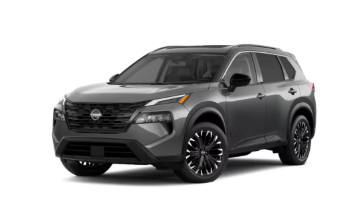
Choosing between the Nissan Rogue vs Mazda CX-5 isn't as straightforward as it might seem. Both compact SUVs offer comfortable interiors, modern technology, practical cargo space, and attractive pricing. However, they approach everyday driving from noticeably different perspectives.
The Nissan Rogue emphasizes fuel efficiency, convenience, and family-friendly features. Meanwhile, the Mazda CX-5 focuses on refined handling, distinctive styling, and an upscale driving experience.
For 2026, the comparison becomes particularly interesting because Mazda has introduced a completely redesigned CX-5 with more passenger space, updated technology, and standard all-wheel drive. Nissan continues with its established Rogue platform, including the updated 2026.5 lineup.
So, which SUV should we choose?
In this detailed comparison, we'll examine performance, fuel economy, reliability, interior comfort, cargo capacity, safety, pricing, and long-term ownership considerations to determine which vehicle delivers better value.
Content in this publication
- Nissan Rogue vs Mazda CX-5: Quick Comparison
- 1. Nissan Rogue vs Mazda CX-5 Exterior Design
- 2. Engine Performance: Nissan Rogue vs Mazda CX-5
- 3. Nissan Rogue vs Mazda CX-5 Acceleration
- 4. Fuel Economy: Which SUV Saves More Gas?
- 5. Driving Experience and Handling
- 6. Interior Quality and Cabin Design
- 7. Nissan Rogue vs Mazda CX-5 Interior Space
- 8. Cargo Space: Nissan Rogue vs Mazda CX-5
- 9. Technology and Infotainment Features
- 10. Safety Features and Driver Assistance
- 11. Reliability: Is Nissan Rogue or Mazda CX-5 Better?
- 12. Maintenance and Ownership Costs
- 13. AWD Performance and Bad Weather Driving
- 14. Comfort on Long Road Trips
- 15. Nissan Rogue vs Mazda CX-5 Price Comparison
- 16. Nissan Rogue Pros and Cons
- 17. Mazda CX-5 Pros and Cons
- 18. Which SUV Is Better for Families?
- 19. Which SUV Is Better for City Driving?
- 20. Nissan Rogue vs Mazda CX-5: Which Should You Buy?
- Frequently Asked Questions
- Final Verdict: Nissan Rogue or Mazda CX-5?
Nissan Rogue vs Mazda CX-5: Quick Comparison
Before exploring the differences, let's compare the essential specifications of these two popular compact SUVs.
| Specification | Nissan Rogue 2026.5 | Mazda CX-5 2026 |
|---|---|---|
| Starting MSRP | $29,490 | $29,990 |
| Engine | 1.5L turbocharged 3-cylinder | 2.5L naturally aspirated 4-cylinder |
| Horsepower | 201 hp | 187 hp |
| Torque | 225 lb-ft | 186 lb-ft |
| Transmission | CVT automatic | 6-speed automatic |
| Drivetrain | FWD or AWD | Standard AWD |
| EPA city MPG | Up to 29 | 24 |
| EPA highway MPG | Up to 36 | 30 |
| EPA combined MPG | Up to 32 | 26 |
| Rear legroom | 38.5 inches | 39.9 inches |
| Cargo behind rear seats | 31.6–36.5 cu ft* | 33.7 cu ft |
| Maximum cargo capacity | 74.1 cu ft | 66.5 cu ft |
| Maximum towing capacity | 1,500 lbs | 1,500 lbs |
| Seating capacity | 5 | 5 |
Rogue cargo measurements depend on the configuration and cargo-floor arrangement. Prices are US manufacturer suggested retail prices, excluding destination charges, taxes, and dealer fees.
At first glance, the Nissan Rogue has an advantage in horsepower, torque, fuel efficiency, and maximum cargo capacity.
However, the Mazda CX-5 offers standard AWD, more rear legroom, and a traditional automatic transmission.
These differences will significantly influence which vehicle is better for our driving needs.
1. Nissan Rogue vs Mazda CX-5 Exterior Design
Exterior styling is subjective, but the two SUVs have distinct personalities.
Nissan Rogue Exterior Design
The Nissan Rogue features a modern, confident design emphasizing practicality and road presence.
Its exterior includes:
- A prominent front grille.
- Sharp LED headlights.
- Sculpted body panels.
- Available two-tone exterior finishes.
- Multiple wheel designs.
- A relatively upright SUV profile.
The Rogue looks substantial without being excessively large, making it suitable for suburban roads, highways, and urban environments.
Higher trims introduce additional visual sophistication, while the Rock Creek version features rugged styling elements and all-terrain tires.
Mazda CX-5 Exterior Design
The redesigned Mazda CX-5 follows Mazda's Kodo design philosophy.
Its appearance emphasizes flowing bodywork, balanced proportions, and an elegant silhouette.
Notable design characteristics include:
- A sculpted front fascia.
- Slim LED lighting elements.
- Smooth body surfaces.
- A distinctive grille design.
- Available premium exterior colors.
- A wider, more planted visual stance.
The CX-5 resembles a more expensive SUV, particularly in carefully selected colors and higher trim levels.
Which SUV Looks Better?
We would choose the Mazda CX-5 for a sophisticated, premium-inspired appearance.
However, drivers who prefer a more traditional, practical SUV design may find the Rogue more appealing.
Exterior design winner: Mazda CX-5, based on styling preference.
2. Engine Performance: Nissan Rogue vs Mazda CX-5
Engine performance is one of the most significant differences between these vehicles.
Nissan Rogue Engine Specifications
The Nissan Rogue uses a 1.5-liter turbocharged three-cylinder engine featuring variable compression technology.
Its specifications include:
- 201 horsepower.
- 225 lb-ft of torque.
- Continuously variable transmission.
- Available front-wheel drive.
- Available intelligent all-wheel drive.
The turbocharged engine produces strong low- and mid-range torque, helping the Rogue accelerate confidently during everyday driving.
That additional torque can be particularly useful when merging onto highways or carrying several passengers.
However, some drivers may dislike the operating characteristics of its continuously variable transmission.
Under harder acceleration, engine speed can remain elevated rather than following the familiar gear changes of a traditional automatic.
Mazda CX-5 Engine Specifications
The redesigned 2026 Mazda CX-5 uses a naturally aspirated 2.5-liter four-cylinder engine.
Its specifications include:
- 187 horsepower.
- 186 lb-ft of torque.
- Six-speed automatic transmission.
- Standard i-Activ AWD.
Although the Mazda produces less horsepower and torque, its conventional automatic transmission offers a different driving experience.
Gear changes feel more traditional, and the engine's power delivery is predictable.
The naturally aspirated engine also avoids the turbocharger found in the Nissan.
Nevertheless, the CX-5 may feel less responsive during demanding highway acceleration, especially with passengers and luggage.
Which SUV Has the Better Engine?
On paper, the Nissan Rogue wins with its higher horsepower and significantly greater torque.
However, engine output doesn't tell the entire story.
We prefer the Mazda's conventional automatic transmission for drivers who value familiar shifting behavior.
Drivers seeking stronger mid-range acceleration may prefer the Rogue.
Engine performance winner: Nissan Rogue for output; Mazda CX-5 for traditional transmission feel.
3. Nissan Rogue vs Mazda CX-5 Acceleration
When comparing acceleration, horsepower is only one part of the equation.
Vehicle weight, transmission calibration, traction, and engine characteristics also matter.
The Rogue's turbocharged engine provides strong torque at relatively low engine speeds, making it responsive during normal acceleration.
The Mazda CX-5, meanwhile, delivers smoother and more linear power characteristics.
Independent instrumented testing has placed certain 2026 configurations of both SUVs at approximately eight seconds from 0 to 60 mph.
Actual results depend on trim, drivetrain, road conditions, and test methodology.
Highway Passing Performance
For highway passing, the Nissan's stronger torque offers a theoretical advantage.
However, the Mazda's traditional transmission can provide a more familiar response when accelerating.
Neither SUV should be considered a high-performance vehicle.
Both prioritize everyday usability rather than sports-car acceleration.
4. Fuel Economy: Which SUV Saves More Gas?
Fuel economy is an important consideration when choosing a compact SUV.
This is an area where the Nissan Rogue demonstrates a meaningful advantage.
Nissan Rogue Fuel Economy
Depending on drivetrain and trim, the 2026.5 Nissan Rogue offers EPA-estimated ratings as high as:
- City: 29 MPG.
- Highway: 36 MPG.
- Combined: 32 MPG.
AWD models generally consume somewhat more fuel, particularly rugged versions equipped with specialized tires.
Nevertheless, the Rogue remains relatively economical for a gasoline-powered compact SUV.
Mazda CX-5 Fuel Economy
The 2026 Mazda CX-5 with its standard AWD system has EPA-estimated ratings of:
- City: 24 MPG.
- Highway: 30 MPG.
- Combined: 26 MPG.
These figures are reasonable for an AWD compact SUV, although they're noticeably below the Rogue's best ratings.
Real-World Fuel Cost Differences
Suppose we drive approximately 12,000 miles annually.
Using the combined EPA ratings, we'd consume approximately:
| SUV | Estimated Annual Fuel Use |
|---|---|
| Nissan Rogue FWD at 32 MPG | 375 gallons |
| Mazda CX-5 AWD at 26 MPG | 462 gallons |
The Rogue could use roughly 87 fewer gallons of gasoline annually in this example.
Actual savings depend on fuel prices, driving conditions, and the Nissan drivetrain selected.
Importantly, the most efficient Rogue is front-wheel drive, whereas every 2026 CX-5 includes AWD.
Even accounting for that difference, fuel efficiency remains a significant strength of the Nissan.
Fuel economy winner: Nissan Rogue.
5. Driving Experience and Handling
Performance numbers aren't enough to describe how a vehicle feels behind the wheel.
The Nissan Rogue and Mazda CX-5 have different driving personalities.
Nissan Rogue Driving Experience
The Rogue delivers a balanced combination of comfort and responsive handling.
Its steering is relatively light, which can make parking and maneuvering easier.
The suspension provides controlled body movements, although rough pavement can produce noticeable impacts.
The Rogue's advantages include:
- Comfortable everyday steering.
- Strong mid-range engine response.
- Good highway stability.
- Relatively quiet cruising.
- Predictable handling.
For commuters and families, these characteristics make it an appealing everyday vehicle.
Mazda CX-5 Driving Experience
Mazda has traditionally emphasized driver involvement, and the redesigned CX-5 maintains responsive handling while introducing a more comfort-oriented suspension.
The new generation provides a smoother ride than its predecessor while retaining reasonably precise steering.
Its strengths include:
- Composed cornering.
- Predictable steering response.
- Good body control.
- Comfortable suspension tuning.
- A conventional automatic transmission.
One limitation is its engine performance under heavy acceleration, where the naturally aspirated four-cylinder can become more audible.
Which SUV Is More Fun to Drive?
We would give the Mazda CX-5 a narrow advantage for drivers who enjoy controlled cornering and a more traditional mechanical feel.
However, the Nissan Rogue is also a capable SUV and doesn't feel excessively soft or disconnected.
Driving dynamics winner: Mazda CX-5.
6. Interior Quality and Cabin Design
Both vehicles feature modern interiors, but they approach design differently.
Nissan Rogue Interior
The Nissan Rogue prioritizes functionality and passenger convenience.
Depending on the trim, it offers:
- Comfortable front seats.
- Available leather-appointed upholstery.
- Useful storage compartments.
- Digital instrument displays.
- Available panoramic moonroof.
- Available tri-zone climate control.
- Convenient physical controls.
The Rogue's cabin is particularly appealing for drivers who want straightforward access to frequently used functions.
You may be interested in reading Nissan Rogue vs Honda CR-V: Which SUV Is Better?
Its conventional climate controls can be easier to operate than touchscreen-based interfaces.
Mazda CX-5 Interior
The redesigned CX-5 introduces a minimalist dashboard and significantly updated infotainment system.
Notable features include:
- Standard 12.9-inch center touchscreen.
- Available 15.6-inch touchscreen.
- Google built-in technology.
- Available head-up display.
- Contemporary dashboard design.
- Improved passenger accommodation.
- Available upscale interior materials.
Mazda emphasizes clean design with fewer conventional controls.
Although this gives the dashboard a modern appearance, some drivers may find the reliance on touchscreen controls less convenient.
Which SUV Has the Better Interior?
The Mazda CX-5 offers a more contemporary visual design, especially with its larger displays.
The Nissan Rogue counters with user-friendly physical controls and practical storage.
We recommend spending time with both infotainment and climate-control systems before making a decision.
Interior winner: Tie, depending on whether we prioritize modern design or everyday usability.
7. Nissan Rogue vs Mazda CX-5 Interior Space
Interior dimensions matter when regularly transporting passengers.
The redesigned Mazda CX-5 has improved considerably in this area.
Front Seat Space
Both SUVs provide sufficient front legroom for most adults.
The Rogue offers approximately 41.5 inches of front legroom, while the CX-5 provides approximately 41.7 inches.
The difference is small enough that seat shape, driving position, and adjustment range will matter more.
Rear Passenger Space
The differences become more meaningful in the rear seats.
| Rear Seat Measurement | Nissan Rogue | Mazda CX-5 |
|---|---|---|
| Legroom | 38.5 inches | 39.9 inches |
| Headroom without moonroof | 39.2 inches | 40.2 inches |
| Seating capacity | 3 passengers | 3 passengers |
The CX-5 offers more measured rear legroom and headroom.
That makes the redesigned Mazda particularly attractive for families with taller passengers.
However, the Rogue has wide-opening rear doors that can simplify access when installing child seats or helping passengers enter.
Which SUV Is More Spacious?
For rear passenger measurements, the Mazda CX-5 takes the lead.
Nevertheless, both vehicles offer practical five-passenger layouts.
Rear passenger space winner: Mazda CX-5.
8. Cargo Space: Nissan Rogue vs Mazda CX-5
Cargo capacity is an important consideration for families, travelers, and anyone regularly transporting equipment.
Nissan Rogue Cargo Capacity
The Rogue offers approximately 31.6 cubic feet behind the rear seats in its standard cargo measurement.
Certain cargo-floor configurations provide as much as 36.5 cubic feet.
With the rear seats folded, maximum cargo capacity reaches approximately 74.1 cubic feet.
The Rogue also offers practical cargo-management features on selected trims.
These can help organize luggage, groceries, and smaller items.
Mazda CX-5 Cargo Capacity
The redesigned 2026 Mazda CX-5 offers:
- 33.7 cubic feet behind the rear seats.
- 66.5 cubic feet with the rear seats folded.
This represents a significant improvement over the previous-generation CX-5.
Its 40/20/40 split-folding rear seats also provide useful flexibility when carrying a combination of passengers and longer objects.
Which SUV Has More Cargo Space?
The answer depends on how we use the cargo compartment.
With the rear seats upright, the comparison varies according to the Rogue's cargo-floor configuration.
With the rear seats folded, the Nissan Rogue has a clear advantage in maximum published cargo volume.
For families regularly transporting bulky items, that additional capacity could prove valuable.
Maximum cargo space winner: Nissan Rogue.
9. Technology and Infotainment Features
Technology is increasingly important in modern SUVs, particularly when it comes to navigation, smartphone compatibility, and driving assistance.
Nissan Rogue Technology
Depending on configuration, the Rogue includes:
- An 8-inch or available 12.3-inch touchscreen.
- Apple CarPlay integration.
- Android Auto integration.
- Available wireless smartphone connectivity.
- Available Bose premium audio.
- Available digital instrument cluster.
- Available Google-based services.
- Multiple driver-assistance technologies.
Higher trims offer a significantly more advanced digital experience than entry-level versions.
However, even lower trims provide the essential technology most drivers need.
Mazda CX-5 Technology
The 2026 CX-5 makes a substantial leap forward in technology.
Available features include:
- Standard 12.9-inch touchscreen.
- Available 15.6-inch touchscreen.
- Google built-in.
- Google Maps integration.
- Voice-control functionality.
- Apple CarPlay and Android Auto compatibility.
- Available head-up display.
- Advanced driver information systems.
The Mazda's interface offers a modern smartphone-like experience.
However, touchscreen-heavy controls may require more attention than traditional buttons.
Which SUV Has Better Technology?
The Mazda CX-5 wins for standard screen size and its newer infotainment design.
The Rogue remains competitive, especially in higher trims, while offering simpler access to several frequently used controls.
Technology winner: Mazda CX-5.
10. Safety Features and Driver Assistance
Safety should be among our highest priorities when purchasing a family SUV.
Fortunately, both models offer extensive driver-assistance equipment.
Nissan Rogue Safety Features
Depending on the version, available safety technology includes:
- Automatic emergency braking.
- Pedestrian detection.
- Blind-spot warning.
- Rear cross-traffic warning.
- Lane-departure warning.
- High-beam assistance.
- Rear automatic braking.
- ProPILOT Assist.
- Available surround-view cameras.
ProPILOT Assist combines features such as adaptive cruise control and steering assistance to reduce driver workload under appropriate conditions.
These systems are driver aids, not substitutes for attentive driving.
Mazda CX-5 Safety Features
The 2026 CX-5 includes a comprehensive standard suite of driver-assistance technologies.
Features include:
- Forward automatic emergency braking.
- Blind-spot monitoring.
- Rear cross-traffic braking.
- Emergency lane-keeping assistance.
- Traffic sign recognition.
- Radar cruise control.
- Driver attention monitoring.
- Front and rear parking sensors.
- Available 360-degree camera system.
The redesigned 2026 Mazda CX-5 has also earned the 2026 IIHS TOP SAFETY PICK+ award.
This is a significant achievement for the new generation.
Which SUV Is Safer?
Both vehicles provide extensive protection and accident-avoidance technology.
However, the Mazda's strong 2026 IIHS recognition and comprehensive standard equipment make it especially compelling.
Safety winner: Mazda CX-5, based on the cited 2026 IIHS award and standard equipment.
11. Reliability: Is Nissan Rogue or Mazda CX-5 Better?
Reliability is one of the most important factors in this comparison.
After all, purchasing an SUV involves more than its original price.
We also need to consider mechanical durability, maintenance requirements, repairs, and the potential for unexpected expenses.
Nissan Rogue Reliability
The Nissan Rogue's 1.5-liter VC-Turbo engine incorporates sophisticated variable-compression technology.
This helps balance power and fuel efficiency but makes the engine mechanically more complex than a conventional naturally aspirated design.
Some earlier Rogue model years have also been subject to significant engine-related recalls.
For example, in February 2026, Nissan recalled certain 2023–2025 Rogue vehicles equipped with the 1.5-liter VC-Turbo engine because of potential internal engine damage and failure.
That recall does not automatically mean the 2026 Rogue has the same defect.
However, it highlights why buyers should investigate the vehicle's history and monitor manufacturer service information.
When buying a used Rogue, we recommend:
- Checking outstanding recalls by VIN.
- Reviewing service records.
- Confirming timely oil changes.
- Testing transmission operation.
- Listening for unusual engine noises.
- Obtaining an independent mechanical inspection.
Mazda CX-5 Reliability
The Mazda CX-5 uses a naturally aspirated four-cylinder engine paired with a conventional automatic transmission.
This powertrain avoids the turbocharger and variable-compression mechanism found in the Nissan.
From a mechanical simplicity perspective, that is appealing.
However, we shouldn't automatically conclude that the redesigned 2026 CX-5 will be more reliable.
The new generation hasn't accumulated enough long-term ownership history to establish its eventual durability.
Previous CX-5 generations can provide useful background, but they cannot guarantee the performance of the redesigned model.
Which SUV Is More Reliable?
For buyers who value a straightforward powertrain design, we'd lean toward the Mazda CX-5.
Nevertheless, long-term reliability depends on manufacturing quality, maintenance, driving conditions, and individual vehicle history.
Reliability preference: Mazda CX-5 for powertrain simplicity, without claiming proven superiority for the new generation.
12. Maintenance and Ownership Costs
The true cost of owning an SUV extends well beyond the purchase price.
Important expenses include:
- Fuel.
- Routine servicing.
- Tires.
- Brakes.
- Insurance.
- Depreciation.
- Repairs.
- Financing costs.
Nissan Rogue Maintenance Costs
The Rogue's excellent fuel efficiency can help reduce operating expenses.
Its turbocharged engine requires proper maintenance, particularly regarding engine oil specifications and replacement intervals.
Following the manufacturer's maintenance schedule is especially important.
You may be interested in readingNissan Rogue vs Honda CR-V: Which SUV Is Better?You may be interested in reading
Nissan Rogue or Toyota RAV4: Which SUV Is Better?The CVT also requires the correct service procedures and specified transmission fluid.
Mazda CX-5 Maintenance Costs
The Mazda's naturally aspirated engine and conventional automatic transmission may appeal to buyers seeking a less complex mechanical layout.
However, simpler design doesn't guarantee cheaper repairs.
The standard AWD system, larger tires on certain trims, and additional technology can influence ownership expenses.
Warranty Comparison
Both manufacturers offer similar basic coverage in the United States.
| Warranty | Nissan Rogue | Mazda CX-5 |
|---|---|---|
| Basic limited warranty | 3 years / 36,000 miles | 3 years / 36,000 miles |
| Powertrain warranty | 5 years / 60,000 miles | 5 years / 60,000 miles |
Warranty conditions, exclusions, and supplemental programs should always be reviewed before purchasing.
Which SUV Costs Less to Own?
The Nissan Rogue has a clear advantage in EPA-estimated fuel consumption.
However, overall ownership costs will depend on insurance quotes, actual purchase prices, maintenance, repair experience, and depreciation.
We wouldn't choose either solely on an unverified assumption about future repairs.
13. AWD Performance and Bad Weather Driving
All-wheel drive can be valuable when driving through rain, snow, or slippery road conditions.
Nissan Rogue AWD
The Rogue offers intelligent AWD on selected configurations.
This system can adjust torque distribution when additional traction is needed.
For buyers who primarily drive in cities with mild weather, the front-wheel-drive Rogue may provide sufficient capability while maximizing fuel efficiency.
The Rock Creek version adds features intended for light outdoor adventures, including all-terrain tires.
Mazda CX-5 AWD
Every US-specification 2026 Mazda CX-5 includes standard i-Activ AWD.
This means buyers don't need to upgrade to a more expensive trim simply to obtain all-wheel drive.
Mazda also provides selectable driving modes, including an Off-Road mode.
The system is designed to enhance traction and stability in varying conditions.
Which SUV Is Better in Snow?
With appropriate tires, both AWD models can provide confident traction on snowy roads.
The Mazda has the advantage of standard AWD, while Nissan offers more flexibility for buyers who don't need it.
However, winter tires and careful driving remain crucial.
Neither vehicle is intended to replace a dedicated off-road SUV.
AWD value winner: Mazda CX-5.
14. Comfort on Long Road Trips
For drivers who regularly travel hundreds of miles, comfort can be more important than acceleration.
Nissan Rogue Road Trip Comfort
The Nissan Rogue is particularly well suited to family travel.
Its strengths include:
- Comfortable front seats.
- Spacious passenger accommodation.
- Practical cargo organization.
- Strong fuel efficiency.
- Relatively quiet highway cruising.
- Available tri-zone climate control.
The combination of fuel efficiency and maximum luggage capacity makes it particularly appealing for long-distance family use.
Mazda CX-5 Road Trip Comfort
The Mazda CX-5 offers a different experience.
The redesigned cabin provides better rear passenger accommodation, while the updated suspension contributes to a more comfortable ride.
Its standard AWD may also appeal to drivers traveling through changing weather conditions.
However, its lower fuel economy means more gasoline consumption over extended distances.
Which SUV Is Better for Road Trips?
We'd choose the Nissan Rogue for long journeys where fuel economy and luggage capacity are priorities.
For trips involving taller rear passengers or winding roads, the Mazda CX-5 may be more appealing.
15. Nissan Rogue vs Mazda CX-5 Price Comparison
Pricing is another important factor when choosing between these compact SUVs.
The 2026.5 Nissan Rogue starts at approximately $29,490 in the United States for the S FWD version.
The redesigned Mazda CX-5 starts at approximately $29,990.
At first, the Nissan appears slightly less expensive.
However, the CX-5 includes AWD as standard equipment.
A Nissan Rogue S AWD has a starting MSRP of approximately $30,890.
That makes the base Mazda CX-5 particularly competitive when comparing vehicles with all-wheel drive.
Is the Mazda CX-5 Worth the Money?
The CX-5 offers a strong combination of features at its starting price:
- Standard AWD.
- Large infotainment touchscreen.
- Advanced standard safety technology.
- A conventional automatic transmission.
- Improved rear passenger space.
These characteristics strengthen its value proposition.
Is the Nissan Rogue Worth the Money?
The Rogue remains appealing thanks to:
- Lower entry-level pricing.
- Superior fuel efficiency.
- Strong turbocharged torque.
- Available FWD.
- Practical cargo arrangements.
- Family-friendly equipment.
The better purchase ultimately depends on the specific trim and final negotiated price.
16. Nissan Rogue Pros and Cons
Advantages of the Nissan Rogue
- Excellent gasoline fuel economy.
- Higher horsepower and torque.
- Large maximum cargo capacity.
- Comfortable front seats.
- Family-friendly interior layout.
- Available AWD.
- Practical technology.
- Available rugged Rock Creek trim.
Disadvantages of the Nissan Rogue
- CVT driving characteristics may not appeal to everyone.
- Complex turbocharged variable-compression engine.
- Less rear legroom than the redesigned CX-5.
- Smaller standard infotainment screen.
- AWD costs extra on entry-level configurations.
- Earlier model years have experienced significant engine-related recalls.
17. Mazda CX-5 Pros and Cons
Advantages of the Mazda CX-5
- Standard all-wheel drive.
- Conventional six-speed automatic transmission.
- Stylish exterior appearance.
- Responsive handling.
- Improved rear passenger space.
- Large standard touchscreen.
- Extensive standard safety technology.
- Strong 2026 IIHS crash-safety recognition.
Disadvantages of the Mazda CX-5
- Lower fuel efficiency.
- Less maximum cargo capacity.
- Lower horsepower and torque.
- No turbocharged engine in the 2026 launch lineup.
- Touchscreen-focused controls may frustrate some drivers.
- Limited long-term reliability history for the redesigned generation.
18. Which SUV Is Better for Families?
When choosing a family SUV, we should consider several practical factors.
Passenger space, child-seat access, cargo capacity, fuel economy, and safety equipment are especially important.
The Nissan Rogue delivers excellent family-oriented functionality.
Its wide-opening rear doors, practical storage options, and generous maximum cargo capacity make it useful for parents with children.
The Mazda CX-5, however, provides increased rear legroom and a comprehensive set of standard driver-assistance features.
Families With Young Children
The Rogue's accessible rear-seat area and flexible cargo arrangements make it a strong choice.
Families With Teenagers
The CX-5's additional rear legroom may be more useful as children grow taller.
Families That Travel Frequently
The Rogue's lower fuel consumption and larger expanded cargo capacity provide meaningful benefits.
Family SUV winner: Nissan Rogue for overall practicality, with the Mazda CX-5 particularly competitive for rear-seat comfort.
19. Which SUV Is Better for City Driving?
City driving introduces different requirements than highway travel.
We need easy maneuverability, good visibility, comfortable controls, and practical parking assistance.
Why Choose the Nissan Rogue?
The Rogue offers light steering, good outward visibility, and convenient everyday controls.
Its turbocharged torque also helps during short acceleration bursts in traffic.
The FWD version provides an economical option for drivers who don't need AWD.
Why Choose the Mazda CX-5?
The CX-5 offers controlled handling, standard AWD, and responsive steering.
Its modern driver-assistance systems can also help with parking and traffic.
However, its touchscreen-based controls deserve careful evaluation during a test drive.
Our City Driving Recommendation
We would lean toward the Nissan Rogue for fuel-conscious urban commuting.
The Mazda CX-5 remains an excellent option if we value standard AWD and refined handling.
20. Nissan Rogue vs Mazda CX-5: Which Should You Buy?
Neither vehicle is universally better.
Instead, the right choice depends on how we intend to use it.
| Buying Priority | Recommended SUV |
|---|---|
| Best fuel economy | Nissan Rogue |
| Higher engine torque | Nissan Rogue |
| Standard AWD | Mazda CX-5 |
| Traditional automatic transmission | Mazda CX-5 |
| Maximum cargo capacity | Nissan Rogue |
| More rear legroom | Mazda CX-5 |
| Large standard touchscreen | Mazda CX-5 |
| Long highway trips | Nissan Rogue |
| Handling and steering feel | Mazda CX-5 |
| Lowest base MSRP | Nissan Rogue FWD |
| AWD value at base price | Mazda CX-5 |
| Simpler engine architecture | Mazda CX-5 |
We Recommend the Nissan Rogue If...
We prioritize fuel savings, maximum cargo capacity, and everyday family convenience.
The Rogue is particularly attractive for drivers who cover substantial distances every year.
We Recommend the Mazda CX-5 If...
We value standard AWD, a traditional automatic transmission, responsive handling, and rear passenger comfort.
The new CX-5 also provides impressive safety equipment at a competitive price.
Frequently Asked Questions
1. Is the Nissan Rogue better than the Mazda CX-5?
The Nissan Rogue is better for drivers prioritizing fuel economy, turbocharged torque, and maximum cargo capacity. The Mazda CX-5 is more attractive for drivers who value standard AWD, a conventional automatic transmission, rear passenger space, and responsive handling. Both SUVs are competitive choices.
2. Which is more reliable, Nissan Rogue or Mazda CX-5?
The Mazda CX-5 uses a comparatively straightforward naturally aspirated engine and conventional automatic transmission, which may appeal to long-term owners. However, the redesigned 2026 model doesn't yet have extensive long-term reliability data. Earlier Nissan Rogue models have experienced engine-related recalls, so buyers should investigate model-specific records rather than assuming every Rogue has the same issues.
3. Which has better gas mileage, Nissan Rogue or Mazda CX-5?
The Nissan Rogue offers better EPA-estimated fuel economy. The 2026.5 Rogue can achieve up to 32 MPG combined in selected FWD configurations, compared with approximately 26 MPG combined for the 2026 Mazda CX-5 AWD. Actual results vary with driving habits, conditions, and trim selection.
4. Is the Mazda CX-5 bigger than the Nissan Rogue?
The redesigned 2026 Mazda CX-5 is slightly longer overall and provides more measured rear legroom. However, the Nissan Rogue offers greater maximum cargo volume with its rear seats folded. Both vehicles seat five passengers and compete in the compact SUV segment.
5. Which is cheaper to maintain, Nissan Rogue or Mazda CX-5?
Maintenance expenses depend on mileage, service requirements, local labor rates, and vehicle condition. The Nissan Rogue can save money on gasoline, while the Mazda's naturally aspirated engine and conventional automatic transmission offer a less complex powertrain layout. Neither guarantees lower lifetime repair costs, so maintenance records and manufacturer recommendations are essential.
Final Verdict: Nissan Rogue or Mazda CX-5?
After examining the Nissan Rogue vs Mazda CX-5 across performance, efficiency, reliability considerations, space, technology, safety, and pricing, it's clear that both SUVs have meaningful advantages.
The Nissan Rogue is an excellent choice for drivers who want strong fuel economy, practical family features, generous maximum cargo capacity, and responsive turbocharged performance.
Its biggest strengths become especially noticeable during daily commuting and long highway journeys.
The Mazda CX-5 takes a different approach.
Its standard AWD, conventional automatic transmission, responsive handling, improved rear-seat space, and extensive safety technology make it a compelling alternative.
Our overall preference is the Mazda CX-5 for buyers who value driving feel, standard equipment, and AWD value.
However, we would recommend the Nissan Rogue for drivers whose main priorities are fuel economy, maximum cargo capacity, and long-distance practicality.
Both deserve a test drive before making a final decision.
You may be interested in readingNissan Rogue vs Honda CR-V: Which SUV Is Better?You may be interested in reading
Nissan Rogue or Toyota RAV4: Which SUV Is Better?You may be interested in reading
Nissan Rogue vs Hyundai Tucson: Which SUV Is Better?Ultimately, the best compact SUV isn't simply the vehicle with the highest horsepower or largest touchscreen. It's the one that fits our budget, driving habits, comfort requirements, and long-term ownership expectations.
If you want to know other articles similar to Nissan Rogue vs Mazda CX-5: Which SUV Is Better? you can visit the category Models.
Volvo S90 Years: Best, Worst & Complete Model Guide
Volvo S90 vs BMW 5 Series: Which Luxury Sedan Wins?
Nissan Rogue vs Kia Seltos: Which SUV Is Better?
Nissan Rogue or Similar: What SUV Will You Get?
Nissan Rogue vs VW Taos: Which SUV Is Better?
Nissan Rogue vs Kia Sportage: Which SUV Is Better?
Leave a Reply
More content of your interest