
Nissan Rogue vs Hyundai Tucson: Which SUV Is Better?

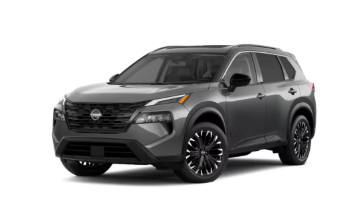
The Nissan Rogue vs Hyundai Tucson comparison is one of the most interesting matchups in the compact SUV segment. Both vehicles offer modern styling, spacious interiors, advanced safety features, and the practicality that American drivers expect from a family-friendly crossover.
However, choosing between these two popular SUVs isn't as simple as comparing their prices.
The Nissan Rogue stands out with its turbocharged engine, excellent gasoline fuel economy, and comfortable driving experience. Meanwhile, the Hyundai Tucson offers a futuristic design, generous passenger space, impressive warranty coverage, and available hybrid technology.
So, which one should we buy?
In this detailed comparison, we'll examine the Nissan Rogue and Hyundai Tucson across the categories that matter most: performance, fuel efficiency, reliability, interior comfort, cargo capacity, safety, technology, maintenance costs, and overall value.
Our comparison focuses primarily on the 2026 models available in the United States, although specifications can vary depending on trim level, drivetrain, and model-year updates.
Content in this publication
- Nissan Rogue vs Hyundai Tucson: Quick Comparison
- 1. Exterior Design: Modern vs Futuristic
- 2. Engine Performance and Horsepower
- 3. Nissan Rogue vs Hyundai Tucson MPG
- 4. Nissan Rogue vs Hyundai Tucson Hybrid
- 5. Interior Quality and Comfort
- 6. Nissan Rogue vs Hyundai Tucson Dimensions
- 7. Nissan Rogue vs Hyundai Tucson Cargo Space
- 8. Ride Comfort and Driving Experience
- 9. Technology and Infotainment
- 10. Nissan Rogue vs Hyundai Tucson Safety
- 11. Nissan Rogue vs Hyundai Tucson Reliability
- 12. Warranty Comparison
- 13. Nissan Rogue vs Hyundai Tucson Price
- 14. Maintenance and Ownership Costs
- 15. Nissan Rogue vs Hyundai Tucson AWD
- 16. Nissan Rogue vs Hyundai Tucson Towing Capacity
- 17. Which SUV Is Better for Families?
- 18. Which SUV Is Better for Highway Driving?
- 19. Nissan Rogue vs Hyundai Tucson Pros and Cons
- 20. Nissan Rogue or Hyundai Tucson: Which Should We Buy?
- Frequently Asked Questions
- Final Verdict: Nissan Rogue vs Hyundai Tucson
Nissan Rogue vs Hyundai Tucson: Quick Comparison
Before exploring the details, let's examine their main specifications.
| Specification | Nissan Rogue | Hyundai Tucson |
|---|---|---|
| Vehicle category | Compact SUV | Compact SUV |
| Seating capacity | 5 | 5 |
| Standard engine | 1.5L turbocharged 3-cylinder | 2.5L 4-cylinder |
| Horsepower | 201 hp | 187 hp |
| Torque | 225 lb-ft | 178 lb-ft |
| Transmission | CVT | 8-speed automatic |
| Drivetrain | FWD or AWD | FWD or AWD |
| Best gasoline combined MPG | Up to 32 | Up to 28 |
| Maximum conventional-model cargo space | Approximately 74.1 cu ft | Approximately 74.8 cu ft |
| Hybrid availability | Plug-in hybrid model | Hybrid and plug-in hybrid |
| Basic warranty | 3 years/36,000 miles | 5 years/60,000 miles |
| Powertrain warranty | 5 years/60,000 miles | Up to 10 years/100,000 miles |
The specifications reveal several important differences.
The Nissan Rogue produces more horsepower and substantially more torque than the standard gasoline Tucson. It also delivers better fuel economy in comparable conventional gasoline configurations.
However, the Tucson has advantages in warranty protection, available powertrains, and rear passenger accommodation.
Both are excellent choices for commuting, family transportation, and long-distance travel, but they appeal to slightly different buyers.
1. Exterior Design: Modern vs Futuristic
Nissan Rogue Exterior Design
The Nissan Rogue features a refined exterior that combines traditional SUV styling with modern design elements.
Its prominent front grille, sharp LED headlights, sculpted bodywork, and distinctive alloy wheels create a sophisticated appearance.
Rather than adopting an overly aggressive design, Nissan emphasizes balanced proportions and clean lines.
This approach makes the Rogue attractive to buyers who appreciate a contemporary vehicle without excessive styling details.
Certain trims, including the Rock Creek, provide a more rugged appearance with distinctive exterior accents.
Overall, the Rogue looks stylish, practical, and appropriate for a wide range of drivers.
Hyundai Tucson Exterior Design
The Hyundai Tucson takes a noticeably different approach.
Its exterior features angular surfaces, dramatic body lines, and distinctive lighting integrated into the front grille.
The Tucson's design is more futuristic than the Rogue's, giving it a recognizable personality on the road.
Its sculpted doors and geometric details create an athletic appearance, while higher trims offer additional premium styling elements.
Although its unconventional design may not appeal to everyone, it certainly helps the Tucson stand out in a crowded segment.
Which SUV Looks Better?
Exterior styling ultimately comes down to personal preference.
We would choose the Nissan Rogue if we wanted a more conventional and sophisticated SUV appearance.
However, buyers who prefer bold styling and modern design details may find the Tucson more attractive.
For distinctive exterior design, we give the Hyundai Tucson a slight advantage.
2. Engine Performance and Horsepower
Performance represents one of the biggest differences between the Nissan Rogue and Hyundai Tucson.
Although both vehicles are compact crossovers, their engines use different technologies and deliver different driving characteristics.
Nissan Rogue Engine Specifications
The conventional Nissan Rogue uses a 1.5-liter turbocharged three-cylinder engine featuring variable-compression technology.
This engine produces:
- 201 horsepower.
- 225 lb-ft of torque.
- A continuously variable transmission (CVT).
- Front-wheel drive or available all-wheel drive.
Despite its relatively small displacement, the Rogue delivers impressive torque.
The turbocharger helps provide responsive acceleration, particularly when merging onto highways or passing slower vehicles.
Its variable-compression system is designed to balance fuel efficiency and performance.
The CVT prioritizes smooth acceleration, although some drivers may prefer the gear changes of a traditional automatic transmission.
Hyundai Tucson Engine Specifications
The standard gasoline Hyundai Tucson features a naturally aspirated 2.5-liter four-cylinder engine.
Its specifications include:
- 187 horsepower.
- 178 lb-ft of torque.
- An eight-speed automatic transmission.
- Front-wheel drive or available HTRAC all-wheel drive.
Unlike the Rogue, the Tucson doesn't use a turbocharger in its standard gasoline configuration.
Its engine delivers predictable power, while the eight-speed automatic transmission provides familiar gear changes.
The Tucson has enough performance for commuting, urban driving, and highway trips, although it produces less torque than the Rogue.
Nissan Rogue vs Hyundai Tucson Performance Comparison
| Performance | Nissan Rogue | Hyundai Tucson |
|---|---|---|
| Engine displacement | 1.5L | 2.5L |
| Cylinders | 3 | 4 |
| Turbocharged | Yes | No |
| Horsepower | 201 hp | 187 hp |
| Torque | 225 lb-ft | 178 lb-ft |
| Transmission | CVT | 8-speed automatic |
The Nissan Rogue produces 14 more horsepower and 47 additional pound-feet of torque.
That difference gives the Rogue an advantage in standard-engine output.
However, real-world acceleration also depends on vehicle weight, traction, transmission calibration, and road conditions.
Winner: Nissan Rogue for standard gasoline engine performance.
3. Nissan Rogue vs Hyundai Tucson MPG
Fuel efficiency is a major consideration when purchasing a compact SUV.
Both vehicles provide reasonable gasoline consumption, but the Rogue offers better EPA-estimated economy than the conventional gasoline Tucson.
Nissan Rogue Fuel Economy
The Nissan Rogue combines a small turbocharged engine with a CVT designed to optimize efficiency.
Fuel economy for the most efficient front-wheel-drive configurations reaches approximately:
| Driving condition | Nissan Rogue FWD |
|---|---|
| City | 29 MPG |
| Highway | 36 MPG |
| Combined | 32 MPG |
These figures make the Rogue a competitive choice for drivers who want good gas mileage without purchasing a conventional hybrid.
All-wheel-drive versions and certain higher trims may have lower ratings.
Hyundai Tucson Fuel Economy
The conventional gasoline Hyundai Tucson offers the following approximate EPA-estimated figures:
| Driving condition | Tucson FWD | Tucson AWD |
|---|---|---|
| City | 25 MPG | 24 MPG |
| Highway | 33 MPG | 30 MPG |
| Combined | 28 MPG | 26 MPG |
The Tucson consumes more fuel than the Rogue in comparable non-hybrid configurations.
However, Hyundai compensates by offering a hybrid version with substantially better efficiency.
How Much Gas Can We Save?
Let's assume we drive 15,000 miles annually.
| Vehicle | Combined MPG | Annual fuel consumption |
|---|---|---|
| Nissan Rogue FWD | 32 | 469 gallons |
| Hyundai Tucson FWD | 28 | 536 gallons |
| Hyundai Tucson Hybrid | 38 | 395 gallons |
If gasoline costs $3.50 per gallon, the Rogue could save approximately $234 annually compared with the standard gasoline Tucson.
Meanwhile, the Tucson Hybrid could save approximately $493 annually compared with its conventional gasoline counterpart.
These are illustrative calculations. Actual costs depend on driving conditions, fuel prices, and trim-specific efficiency.
Winner for gasoline fuel economy: Nissan Rogue.
4. Nissan Rogue vs Hyundai Tucson Hybrid
One of the Tucson's most important advantages is its available conventional hybrid powertrain.
Hyundai Tucson Hybrid
The Hyundai Tucson Hybrid combines a turbocharged 1.6-liter gasoline engine with an electric motor.
The 2026 model produces approximately 231 combined horsepower, providing stronger performance than the standard gasoline Tucson.
It also achieves up to approximately 38 MPG combined in certain configurations.
Unlike a plug-in hybrid, the Tucson Hybrid doesn't need external charging.
Its battery is replenished through the gasoline engine and regenerative braking.
This makes it especially convenient for drivers who want lower fuel consumption without installing a home charger.
Nissan Rogue Plug-in Hybrid
The Nissan Rogue lineup also includes a plug-in hybrid option for 2026.
Unlike the standard gasoline Rogue, the plug-in hybrid can operate using electric power for shorter journeys when its battery is charged.
The 2026 Rogue Plug-in Hybrid offers an estimated electric driving range of approximately 38 miles.
Plug-in hybrids can be particularly useful for drivers who have access to home charging and frequently travel relatively short distances.
However, they generally cost more than equivalent gasoline vehicles.
Which Electrified SUV Is Better?
For drivers who want hybrid efficiency without plugging in, the Hyundai Tucson Hybrid is the more straightforward option.
The plug-in hybrid alternatives become appealing when we can charge regularly and take advantage of electric-only driving.
We would choose the Tucson Hybrid for everyday convenience and fuel savings without charging requirements.
5. Interior Quality and Comfort
The Nissan Rogue and Hyundai Tucson both feature comfortable cabins, but their interior designs follow different philosophies.
Nissan Rogue Interior
The Nissan Rogue emphasizes comfort and practicality.
Its dashboard features an accessible arrangement of controls, while higher trims introduce premium materials and advanced displays.
Available equipment includes heated seats, leather-appointed upholstery, a panoramic moonroof, and premium audio.
The Rogue's front seats are particularly appealing for long-distance driving.
They provide supportive cushioning and a comfortable seating position.
Visibility is also generally good, helping drivers feel confident when maneuvering through traffic or parking.
Hyundai Tucson Interior
The Hyundai Tucson features a contemporary interior with a clean dashboard design and prominent infotainment displays.
Its cabin feels spacious, especially for rear passengers.
Depending on the trim, available features include heated and ventilated seats, leather seating surfaces, a panoramic sunroof, and an upgraded audio system.
The Tucson offers generous storage compartments and a practical center-console layout.
Its modern appearance makes it especially attractive to buyers who prioritize technology and interior design.
Which SUV Has the Better Interior?
Both interiors have advantages.
The Rogue is particularly impressive for seating comfort and straightforward controls.
The Tucson offers a spacious cabin and an attractive, technology-focused layout.
We give the Hyundai Tucson a slight advantage for overall interior versatility, although the Rogue remains highly competitive.
6. Nissan Rogue vs Hyundai Tucson Dimensions
Interior and exterior dimensions matter when choosing a family vehicle.
A few additional inches can make a noticeable difference when transporting passengers or installing child seats.
Exterior Dimensions
Both vehicles belong to the compact SUV segment and have similar overall footprints.
The Nissan Rogue measures approximately 183 inches in length, while the Hyundai Tucson measures around 183.5 inches.
Their widths and heights vary slightly depending on the configuration.
These dimensions make both SUVs manageable in urban environments while providing significantly more space than many subcompact crossovers.
Rear Passenger Space
The Nissan Rogue offers approximately 38.5 inches of rear legroom.
The Hyundai Tucson provides approximately 41.3 inches of rear legroom in conventional gasoline configurations.
That difference is particularly useful when transporting tall passengers.
You may be interested in reading Nissan Rogue vs Mitsubishi Outlander: Which Is Better?
The Tucson's spacious second row can also make it easier to accommodate certain rear-facing child seats.
However, actual child-seat compatibility depends on the seat design and installation requirements.
Which SUV Is More Spacious?
The Hyundai Tucson provides a meaningful advantage in rear passenger legroom.
Both have comfortable front seats and practical cabin layouts, but the Tucson is particularly appealing to families who frequently carry adults in the second row.
Winner: Hyundai Tucson.
7. Nissan Rogue vs Hyundai Tucson Cargo Space
Cargo capacity is another important consideration for families, travelers, and outdoor enthusiasts.
Nissan Rogue Cargo Capacity
The conventional Rogue offers up to approximately 36.5 cubic feet of cargo space behind the rear seats in applicable configurations.
Folding the rear seats increases capacity to approximately 74.1 cubic feet.
The Rogue also offers practical storage solutions, including available configurable cargo-floor arrangements.
These features can help organize groceries, luggage, sports equipment, and smaller items.
Its cargo opening is convenient for everyday loading and unloading.
Hyundai Tucson Cargo Capacity
The Tucson also provides generous cargo capacity.
For conventional gasoline versions, Hyundai advertises up to approximately 41.2 cubic feet behind the rear seats using one manufacturer measurement convention.
Under the SAE measurement commonly used for vehicle comparisons, the figure is approximately 38.7 cubic feet, expanding to approximately 74.8 cubic feet with the rear seats folded.
Cargo figures can differ according to measurement methodology, equipment, and powertrain.
Hybrid versions may also have different dimensions.
Which SUV Has More Trunk Space?
The Tucson generally offers a modest cargo-space advantage in conventional gasoline configurations.
However, the Rogue's configurable storage features make it convenient for organizing smaller loads.
For overall cargo volume, we would choose the Hyundai Tucson.
8. Ride Comfort and Driving Experience
Both SUVs are designed primarily for comfortable everyday transportation rather than aggressive performance.
Nevertheless, their driving characteristics differ.
How Does the Nissan Rogue Drive?
The Rogue provides a comfortable ride, with suspension tuning designed to absorb ordinary road imperfections.
Its turbocharged engine delivers strong low-end torque, making highway merging and passing relatively effortless.
The CVT provides smooth acceleration without traditional gear changes.
Some drivers appreciate this behavior, while others prefer a more conventional transmission.
The Rogue is particularly well suited for commuting and long-distance highway journeys.
How Does the Hyundai Tucson Drive?
The Tucson delivers predictable handling and a composed ride.
Its conventional eight-speed automatic transmission provides clear gear changes, which may appeal to drivers who dislike CVTs.
The standard gasoline engine performs adequately in normal conditions, although acceleration can feel less energetic than the Rogue's.
The Tucson Hybrid improves low-speed responsiveness thanks to electric assistance.
This makes the hybrid particularly enjoyable in stop-and-go traffic.
Which SUV Drives Better?
The Rogue has an advantage in standard-engine torque and acceleration response.
The Tucson provides a familiar automatic-transmission experience.
Both offer comfortable suspension systems and predictable handling.
Our preference would depend on whether we prioritize turbocharged responsiveness or conventional transmission behavior.
9. Technology and Infotainment
Technology is an increasingly important part of the compact SUV buying experience.
Both manufacturers provide modern infotainment systems, smartphone integration, and advanced driver-assistance features.
Nissan Rogue Technology
The Rogue offers an 8-inch touchscreen on certain entry-level trims.
Higher trims provide larger displays and additional digital features.
Depending on configuration, available equipment includes:
- A 12.3-inch infotainment touchscreen.
- A digital instrument cluster.
- Apple CarPlay and Android Auto.
- Wireless smartphone charging.
- Premium Bose audio.
- Connected navigation services.
- Available ProPILOT Assist.
One advantage of the Rogue is its relatively accessible control layout.
Many frequently used functions remain easy to operate without navigating complicated menus.
Hyundai Tucson Technology
The 2026 Hyundai Tucson features a standard 12.3-inch infotainment display.
Depending on trim, additional features include:
- A 12.3-inch digital instrument cluster.
- Wireless Apple CarPlay and Android Auto.
- Wireless smartphone charging.
- Navigation.
- Premium audio.
- Surround-view cameras.
- Advanced parking assistance.
The Tucson's large standard touchscreen gives it an advantage over entry-level Rogue configurations.
Its digital interface also complements the vehicle's modern interior styling.
Which SUV Has Better Technology?
The Hyundai Tucson wins this category because of its generous standard screen size and available technology.
However, upper-trim Rogue models remain competitive and offer an impressive selection of convenience features.
Winner: Hyundai Tucson.
10. Nissan Rogue vs Hyundai Tucson Safety
Safety is particularly important when shopping for a vehicle intended for family transportation.
Both SUVs offer extensive safety equipment.
Nissan Rogue Safety Features
The Nissan Rogue includes Nissan Safety Shield 360 technologies.
Depending on the trim, safety and driver-assistance features include automatic emergency braking, pedestrian detection, blind-spot warning, rear cross-traffic alert, lane-departure warning, and high-beam assist.
Available ProPILOT Assist can also reduce driving workload under appropriate conditions.
The 2026 Nissan Rogue received an IIHS TOP SAFETY PICK award.
Hyundai Tucson Safety Features
The Hyundai Tucson offers Hyundai SmartSense safety technologies.
Available features include forward collision-avoidance assistance, lane-keeping assistance, blind-spot monitoring, adaptive cruise control, and rear cross-traffic collision-avoidance assistance.
Higher trims offer additional driver-assistance and parking technologies.
The 2026 Hyundai Tucson received an IIHS TOP SAFETY PICK+ award.
Which SUV Is Safer?
Both vehicles provide strong safety features and competitive protection.
However, the Hyundai Tucson's higher 2026 IIHS award gives it an advantage in this particular comparison.
We should still compare crash-test results and safety equipment for the exact vehicle configuration we're considering.
Winner: Hyundai Tucson.
11. Nissan Rogue vs Hyundai Tucson Reliability
Reliability is one of the biggest concerns for buyers who plan to keep their SUV for many years.
The Rogue and Tucson have different mechanical designs, which may influence maintenance and ownership preferences.
Nissan Rogue Reliability
The Rogue's 1.5-liter variable-compression turbocharged engine offers strong power and impressive efficiency.
However, it is more mechanically complex than a traditional naturally aspirated engine.
Certain earlier Rogue models have experienced documented engine-related issues.
For example, a 2026 recall covered certain 2023–2025 Rogue vehicles equipped with the 1.5-liter VC-Turbo engine because of a potential engine-bearing problem.
This does not mean every Rogue will experience engine trouble.
However, it highlights the importance of reviewing recalls and service history when buying a used vehicle.
The CVT is another component that some long-term owners may wish to research carefully.
Following Nissan's maintenance schedule is essential.
Hyundai Tucson Reliability
The conventional gasoline Tucson uses a naturally aspirated four-cylinder engine paired with an eight-speed automatic transmission.
This mechanical configuration may appeal to buyers who prefer traditional powertrain designs.
However, we shouldn't assume that a naturally aspirated engine automatically guarantees better reliability.
Hyundai vehicles have also experienced recalls and mechanical problems across different model years.
The Tucson's extensive warranty coverage provides additional reassurance for eligible new-car buyers.
Which SUV Is More Reliable?
There isn't enough long-term evidence to conclude definitively which 2026 model will be more reliable after 100,000 miles.
However, the Tucson's warranty coverage and conventional gasoline powertrain make it appealing to buyers who prioritize long-term ownership protection.
We would lean toward the Hyundai Tucson, while recognizing that maintenance history, driving conditions, and individual vehicle condition remain crucial.
12. Warranty Comparison
Warranty protection is one of the Hyundai Tucson's strongest advantages.
| Warranty | Nissan Rogue | Hyundai Tucson |
|---|---|---|
| Basic warranty | 3 years/36,000 miles | 5 years/60,000 miles |
| Powertrain warranty | 5 years/60,000 miles | 10 years/100,000 miles |
| Corrosion perforation | 5 years/unlimited miles | 7 years/unlimited miles |
Hyundai's 10-year/100,000-mile powertrain warranty generally applies to eligible original owners.
Subsequent owners typically receive more limited coverage.
Why Is Warranty Coverage Important?
Major engine or transmission repairs can be expensive.
A longer manufacturer warranty may reduce financial exposure to covered defects during the warranty period.
However, warranties don't necessarily cover normal wear, routine maintenance, accidental damage, or excluded components.
If we plan to purchase a new SUV and keep it for several years, Hyundai's longer warranty is a meaningful benefit.
Winner: Hyundai Tucson.
13. Nissan Rogue vs Hyundai Tucson Price
Pricing is important, especially when comparing vehicles with similar capabilities.
However, we should evaluate more than the manufacturer's suggested retail price.
Nissan Rogue Pricing
The updated 2026.5 Nissan Rogue has a starting MSRP of approximately $29,500 in the United States.
Higher trims cost more but provide additional comfort, technology, and convenience features.
The Rogue offers several configurations, allowing buyers to select the equipment that best matches their budget.
Hyundai Tucson Pricing
The 2026 Hyundai Tucson starts at approximately $29,700 for the standard gasoline model.
The Tucson Hybrid starts around $31,300, depending on the version.
Plug-in hybrid configurations cost more.
You may be interested in readingNissan Rogue vs Mitsubishi Outlander: Which Is Better?You may be interested in reading
Nissan Rogue vs Murano: Which SUV Is Better?These prices are approximate starting MSRPs and may exclude destination charges, taxes, registration, and dealer fees.
Actual selling prices can also vary because of incentives and dealership discounts.
Which SUV Offers Better Value?
The two conventional gasoline SUVs are competitively priced.
The Rogue provides more standard-engine power and better gasoline fuel economy.
The Tucson counters with a larger standard infotainment display and significantly longer warranty coverage.
For buyers interested in hybrid technology, the Tucson Hybrid is particularly compelling.
We give the Tucson a slight overall value advantage, although a discounted Rogue could become the more attractive purchase.
14. Maintenance and Ownership Costs
The purchase price is only one part of vehicle ownership.
We also need to consider fuel, routine servicing, tires, insurance, depreciation, and unexpected repairs.
Nissan Rogue Maintenance Costs
The Rogue requires regular maintenance, including oil changes, tire rotations, filter replacement, brake inspections, and other scheduled services.
Its turbocharged variable-compression engine makes correct servicing particularly important.
Owners should follow Nissan's recommended maintenance intervals and use the specified fluids.
The CVT should also be maintained according to manufacturer guidance.
Hyundai Tucson Maintenance Costs
The Tucson requires similar routine maintenance.
Its conventional gasoline configuration has a naturally aspirated engine and eight-speed automatic transmission.
Hybrid versions introduce additional electrical components but may reduce fuel expenses and friction-brake wear under certain conditions.
The Tucson's warranty may also provide an advantage during early ownership.
Which SUV Is Cheaper to Maintain?
Without directly comparable long-term repair data for the 2026 models, we cannot confidently declare one SUV cheaper to maintain.
The Rogue may save money through lower gasoline consumption.
The Tucson offers stronger warranty protection, while its hybrid version can provide greater fuel savings.
Insurance and depreciation also depend heavily on location, trim level, and individual circumstances.
We recommend evaluating the total five-year cost of ownership instead of looking only at the monthly payment.
15. Nissan Rogue vs Hyundai Tucson AWD
All-wheel drive is an important feature for drivers living in areas with snow, heavy rain, or slippery road conditions.
Both SUVs offer AWD systems designed to improve traction.
Nissan Rogue Intelligent AWD
The Nissan Rogue offers Intelligent All-Wheel Drive.
This system distributes power according to driving conditions to help improve traction and stability.
The available Rock Creek trim also emphasizes rugged styling and outdoor versatility.
However, the Rogue remains a compact crossover rather than a specialized off-road SUV.
Hyundai Tucson HTRAC AWD
The Tucson offers Hyundai's HTRAC all-wheel-drive system.
It adjusts torque distribution to support vehicle stability and traction.
Certain configurations include selectable driving modes intended for different road conditions.
The Tucson XRT also provides a more adventurous exterior design.
Which SUV Is Better in Snow?
Both vehicles are capable of handling normal winter driving conditions when equipped with suitable tires.
High-quality winter tires can have a greater effect on snow and ice performance than relatively small differences between AWD systems.
Neither SUV is intended for extreme off-road driving.
For everyday winter transportation, we consider this category a tie.
16. Nissan Rogue vs Hyundai Tucson Towing Capacity
Towing capacity matters for drivers who occasionally transport a small trailer or recreational equipment.
The conventional gasoline Tucson offers a higher maximum towing rating than the gasoline Rogue when properly equipped.
| Vehicle | Maximum towing capacity |
|---|---|
| Nissan Rogue gasoline | 1,500 lbs |
| Hyundai Tucson gasoline | Up to 2,750 lbs |
| Hyundai Tucson Hybrid | Up to 2,000 lbs |
The higher Tucson ratings require appropriate equipment, including trailer brakes where specified.
Actual permitted towing capacity depends on the vehicle configuration, equipment, trailer setup, and manufacturer requirements.
We also need to account for passengers, cargo, hitch limits, and tongue weight.
For towing within compact-SUV limits, the gasoline Tucson has an advantage.
Winner: Hyundai Tucson.
17. Which SUV Is Better for Families?
Family buyers typically prioritize comfort, safety, cargo capacity, interior space, and running costs.
Both SUVs provide five seats and practical interiors.
Why Families May Prefer the Nissan Rogue
The Rogue offers comfortable seats, good gasoline fuel economy, responsive acceleration, and useful storage solutions.
Its available driver-assistance features can also make longer journeys more convenient.
Families who frequently travel on highways may particularly appreciate its comfortable driving experience.
Why Families May Prefer the Hyundai Tucson
The Tucson provides more rear-seat legroom, generous cargo space, modern technology, and strong warranty coverage.
Its available hybrid powertrain also makes it appealing for families who drive frequently in the city.
The Tucson's 2026 safety recognition adds another positive consideration.
Our Family SUV Recommendation
We would choose the Hyundai Tucson for most families.
Its combination of spacious rear seating, practical cargo capacity, modern safety features, and warranty coverage makes it an excellent everyday vehicle.
However, the Rogue remains a strong alternative for buyers who prioritize highway comfort and gasoline efficiency.
18. Which SUV Is Better for Highway Driving?
Highway driving places different demands on a vehicle than short urban journeys.
Comfort, passing acceleration, fuel efficiency, noise levels, and adaptive cruise control become especially important.
The Nissan Rogue performs well in this environment.
Its turbocharged engine provides useful torque for overtaking, while its efficient gasoline powertrain helps reduce fuel expenses during longer journeys.
The available ProPILOT Assist system can also reduce driving workload under suitable conditions.
The Hyundai Tucson is equally capable of comfortable highway travel.
Its suspension provides a composed ride, and upper trims offer advanced driver-assistance features.
The Tucson Hybrid can be especially economical for drivers whose travel patterns include a combination of highways and urban traffic.
If we were choosing a conventional gasoline SUV primarily for long-distance commuting, we would lean toward the Rogue.
19. Nissan Rogue vs Hyundai Tucson Pros and Cons
Nissan Rogue Pros and Cons
| Pros | Cons |
|---|---|
| Strong standard-engine torque | CVT isn't everyone's preference |
| Excellent gasoline fuel economy | Shorter warranty |
| Comfortable front seats | Less rear legroom |
| Responsive highway performance | Lower towing capacity |
| Practical cargo organization | Earlier engine recall history warrants research |
| Available AWD | No comparable conventional non-plug-in hybrid option |
Hyundai Tucson Pros and Cons
| Pros | Cons |
|---|---|
| Spacious rear seats | Less torque from standard gasoline engine |
| Modern interior technology | Higher gasoline consumption |
| Excellent warranty coverage | Upper trims can be expensive |
| Available hybrid powertrain | Styling may not appeal to everyone |
| Generous cargo space | Gasoline acceleration feels less energetic |
| Strong safety recognition | Some advanced equipment is trim-dependent |
Both SUVs have clear strengths and weaknesses.
The Rogue emphasizes efficient gasoline performance and comfort.
The Tucson focuses on interior practicality, advanced technology, and greater powertrain choice.
20. Nissan Rogue or Hyundai Tucson: Which Should We Buy?
Choosing between these two SUVs depends on our priorities.
Choose the Nissan Rogue If...
We would favor the Rogue if we want:
- Better fuel economy from a conventional gasoline engine.
- Stronger standard-engine torque.
- Comfortable highway transportation.
- A sophisticated exterior design.
- Responsive everyday acceleration.
- Practical cargo organization.
The Rogue is particularly appealing for drivers who spend significant time commuting or traveling on highways.
Choose the Hyundai Tucson If...
We would favor the Tucson if we want:
- More rear passenger legroom.
- A modern interior with a large standard touchscreen.
- Longer manufacturer warranty coverage.
- An efficient conventional hybrid option.
- Greater gasoline-model towing capacity.
- Excellent family practicality.
The Tucson is particularly attractive for buyers who want a versatile SUV with a wide variety of available configurations.
Frequently Asked Questions
1. Is the Nissan Rogue better than the Hyundai Tucson?
The Nissan Rogue is better in certain categories, including conventional gasoline fuel economy and standard-engine torque.
However, the Hyundai Tucson offers more rear passenger space, longer warranty coverage, and available conventional hybrid technology.
For overall family practicality, we slightly prefer the Hyundai Tucson.
2. Which is more reliable, the Nissan Rogue or Hyundai Tucson?
There isn't enough long-term evidence to declare either 2026 SUV definitively more reliable.
The Hyundai Tucson benefits from longer original-owner warranty coverage, while the Nissan Rogue's earlier engine-related recalls deserve consideration when researching affected used models.
Regular maintenance and vehicle condition are important for both.
3. Which gets better gas mileage, the Rogue or Tucson?
The conventional gasoline Nissan Rogue achieves up to approximately 32 MPG combined, compared with approximately 28 MPG for the gasoline Hyundai Tucson.
However, the Tucson Hybrid can achieve up to approximately 38 MPG combined.
Therefore, the Rogue wins the standard gasoline comparison, while the Tucson Hybrid offers superior efficiency among the non-plug-in options discussed.
4. Is the Hyundai Tucson bigger than the Nissan Rogue?
The vehicles have similar exterior dimensions, but the Hyundai Tucson provides more rear-seat legroom.
It also offers a slight cargo-space advantage in comparable conventional gasoline configurations.
This makes the Tucson especially appealing to families with taller rear passengers.
5. Which SUV is better for long-distance driving?
Both SUVs are comfortable for long-distance travel.
The Rogue offers strong turbocharged torque, good highway fuel economy, and supportive front seats.
The Tucson provides comfortable seating, advanced driver-assistance features, and an efficient hybrid option.
We would lean toward the Rogue for conventional gasoline highway driving.
Final Verdict: Nissan Rogue vs Hyundai Tucson
After comparing the Nissan Rogue and Hyundai Tucson in detail, we can see why both remain competitive choices in the compact SUV segment.
The Nissan Rogue stands out for its efficient turbocharged engine, strong torque, comfortable ride, and impressive gasoline fuel economy.
The Hyundai Tucson counters with generous interior space, modern technology, excellent warranty coverage, and an attractive selection of hybrid and plug-in hybrid powertrains.
Here is our final category-by-category comparison.
| Category | Winner |
|---|---|
| Standard-engine horsepower | Nissan Rogue |
| Standard-engine torque | Nissan Rogue |
| Gasoline fuel economy | Nissan Rogue |
| Conventional hybrid efficiency | Hyundai Tucson |
| Rear passenger space | Hyundai Tucson |
| Cargo capacity | Hyundai Tucson |
| Interior technology | Hyundai Tucson |
| Ride comfort | Tie |
| Warranty coverage | Hyundai Tucson |
| 2026 IIHS safety recognition | Hyundai Tucson |
| Gasoline-model towing capacity | Hyundai Tucson |
| Gasoline highway driving | Nissan Rogue |
| Overall family practicality | Hyundai Tucson |
Our overall winner is the Hyundai Tucson.
We believe its spacious interior, extensive warranty, safety features, and hybrid availability make it a particularly well-rounded SUV for families and everyday drivers.
However, this doesn't mean the Nissan Rogue is a poor choice.
In fact, buyers who prioritize gasoline efficiency, strong engine torque, and comfortable highway driving may find the Rogue more appealing.
Ultimately, the best decision depends on our driving habits, budget, preferred equipment, and ownership expectations.
Before purchasing, we recommend test-driving both SUVs, comparing equivalent trim levels, checking current manufacturer specifications, and reviewing the complete purchase and ownership costs.
You may be interested in readingNissan Rogue vs Mitsubishi Outlander: Which Is Better?You may be interested in reading
Nissan Rogue vs Murano: Which SUV Is Better?You may be interested in reading
Nissan Rogue vs Ford Escape: Which SUV Is Better?Both vehicles can be excellent compact SUVs, but choosing the one that best matches our needs is more important than selecting a winner based on specifications alone.
If you want to know other articles similar to Nissan Rogue vs Hyundai Tucson: Which SUV Is Better? you can visit the category Models.
Volvo S90 Years: Best, Worst & Complete Model Guide
Volvo S90 vs BMW 5 Series: Which Luxury Sedan Wins?
Nissan Rogue vs Kia Seltos: Which SUV Is Better?
Nissan Rogue or Similar: What SUV Will You Get?
Nissan Rogue vs VW Taos: Which SUV Is Better?
Nissan Rogue vs Kia Sportage: Which SUV Is Better?
Leave a Reply
More content of your interest