
Nissan Rogue vs Ford Escape: Which SUV Is Better?

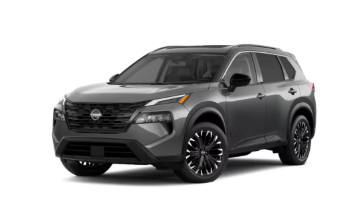
Choosing between the Nissan Rogue vs Ford Escape can be surprisingly difficult. Both compact SUVs offer comfortable interiors, useful technology, impressive practicality, and competitive fuel economy. However, they approach the family SUV formula differently.
The Nissan Rogue focuses on comfort, cargo capacity, refined styling, and efficient turbocharged performance. The Ford Escape offers a wider selection of powertrains, including traditional gasoline engines, a conventional hybrid, and a plug-in hybrid.
For 2026, there's another important consideration: Ford has announced that it is discontinuing the Escape for the time being. While remaining inventory and used examples continue to be relevant, buyers planning to keep their vehicles for many years should understand this change.
So, is the Nissan Rogue better than the Ford Escape? Or does the Escape's powerful turbo engine and efficient hybrid technology make it the smarter purchase?
In this detailed comparison, we'll examine their engines, fuel consumption, interior space, reliability, technology, safety, ownership costs, and overall value to help us find the better SUV.
Content in this publication
- Nissan Rogue vs Ford Escape: Quick Comparison
- Nissan Rogue vs Ford Escape: Which Is Better?
- 2026 Nissan Rogue vs Ford Escape Price
- Exterior Design: Sporty or Sophisticated?
- Nissan Rogue vs Ford Escape Dimensions
- Interior Comfort and Cabin Quality
- Cargo Space: Nissan Rogue vs Ford Escape
- Engine Performance and Horsepower
- Driving Experience and Ride Comfort
- Nissan Rogue vs Ford Escape Gas Mileage
- Ford Escape Hybrid vs Nissan Rogue
- Nissan Rogue Plug-in Hybrid vs Ford Escape PHEV
- All-Wheel Drive and Winter Performance
- Towing Capacity: A Major Ford Advantage
- Technology and Infotainment Comparison
- Safety: Is the Rogue Safer Than the Escape?
- Nissan Rogue vs Ford Escape Reliability
- Maintenance and Long-Term Ownership Costs
- Ford Escape Discontinued: Should Buyers Worry?
- Nissan Rogue vs Ford Escape for Families
- Which SUV Is Better for Road Trips?
- Nissan Rogue vs Ford Escape: Pros and Cons
- Which Should You Buy: Nissan Rogue or Ford Escape?
- Frequently Asked Questions
- Final Verdict: Nissan Rogue vs Ford Escape
Nissan Rogue vs Ford Escape: Quick Comparison
Before exploring the differences in detail, let's compare the essential specifications of the latest U.S.-market versions.
| Specification | Nissan Rogue | Ford Escape |
|---|---|---|
| Model compared | 2026.5 Rogue | 2026 Escape |
| Vehicle class | Compact SUV | Compact SUV |
| Standard engine | 1.5L turbo 3-cylinder | 1.5L EcoBoost turbo 3-cylinder |
| Base engine horsepower | 201 hp | 180 hp |
| Maximum gas-engine horsepower | 201 hp | 250 hp |
| Standard transmission | CVT | 8-speed automatic |
| Front-wheel drive | Available | Available |
| All-wheel drive | Available | Available |
| Gas-model fuel economy | Up to 32 combined mpg | Up to 30 combined mpg with 1.5L FWD |
| Conventional hybrid | Not on standard Rogue | Available |
| Plug-in hybrid | Available as separate model | Available |
| Maximum cargo space, gas models | 74.1 cu ft | 65.4 cu ft |
| Maximum towing, gas models | 1,500 lbs | 3,500 lbs |
| Seating, standard gas models | 5 | 5 |
| Starting MSRP | $29,490 | $30,350 |
Specifications reflect U.S.-market configurations. Equipment, prices, and EPA estimates depend on trim and drivetrain. The Rogue Plug-in Hybrid is a distinct model with different dimensions and seating.
At first glance, the Nissan Rogue looks particularly attractive for families wanting a spacious SUV with a strong standard engine.
However, the Ford Escape's available hybrid engines, higher towing capacity, and more powerful turbocharged option create important advantages.
Nissan Rogue vs Ford Escape: Which Is Better?
The answer depends on how we intend to use our SUV.
The Nissan Rogue is our better overall choice for most buyers looking for a conventional gasoline-powered compact SUV. Its efficient standard engine, generous cargo capacity, comfortable interior, and family-friendly features make it an appealing everyday vehicle.
The Ford Escape makes a stronger case when we prioritize hybrid fuel economy, towing capability, or acceleration.
Here is how we would divide the advantages:
- Best standard gasoline engine: Nissan Rogue
- Best conventional hybrid option: Ford Escape
- Best maximum horsepower: Ford Escape
- Best maximum cargo capacity: Nissan Rogue
- Best towing capability: Ford Escape
- Best gasoline fuel economy: Nissan Rogue against the base gasoline Escape
- Best plug-in hybrid efficiency: Ford Escape
- Best standard-model family practicality: Nissan Rogue
Neither SUV dominates every category. Understanding the differences becomes especially important when comparing similarly priced versions.
2026 Nissan Rogue vs Ford Escape Price
Pricing plays a major role when choosing between compact SUVs.
The 2026.5 Nissan Rogue has a starting MSRP of approximately $29,490 for the S front-wheel-drive model.
The 2026 Ford Escape has a listed starting MSRP of approximately $30,350.
These figures exclude destination charges, taxes, registration, optional equipment, and dealership fees.
Is the Nissan Rogue Cheaper?
Based on these published starting prices, the Rogue is slightly more affordable.
However, the difference between manufacturer suggested retail prices does not necessarily reflect what we will pay at a dealership.
Ford Escape buyers may encounter remaining-inventory discounts because production is being discontinued. On the other hand, financing incentives and regional availability can change the final purchase price significantly.
We recommend comparing out-the-door prices rather than simply looking at advertised MSRPs.
A lower purchase price can make a significant difference in overall ownership costs, particularly when financing over five or six years.
Exterior Design: Sporty or Sophisticated?
The Nissan Rogue and Ford Escape have noticeably different personalities.
Nissan Rogue Exterior Design
The Rogue features a relatively bold appearance with a distinctive front grille, sculpted body panels, and modern LED lighting.
Its styling emphasizes the appearance of a substantial family SUV.
Higher trim levels add larger alloy wheels, distinctive exterior accents, and more premium detailing.
The available Rock Creek version gives the Rogue a more adventurous appearance with all-terrain tires and rugged styling features.
We particularly like the way the Rogue combines modern design with a relatively traditional SUV silhouette.
Ford Escape Exterior Design
The Ford Escape has a smoother, more rounded design.
Its aerodynamic appearance makes it look slightly more car-like than the Rogue.
ST-Line versions add sportier visual details, including dark exterior accents and distinctive wheels.
The Escape's appearance is less rugged, but that can appeal to buyers who want a crossover that feels at home in urban environments.
Our verdict: We prefer the Nissan Rogue for its stronger SUV appearance, while the Escape offers a sleek and understated alternative.
Nissan Rogue vs Ford Escape Dimensions
Exterior dimensions affect parking, maneuverability, passenger space, and cargo capacity.
| Dimension | Nissan Rogue | Ford Escape |
|---|---|---|
| Length | 183.0 inches | 180.1 inches |
| Width without mirrors | 72.4 inches | 74.1 inches |
| Height | Approximately 66.5 inches | Approximately 66.0 inches |
| Front legroom | 41.5 inches | Up to 42.4 inches |
| Rear legroom | 38.5 inches | Up to 40.7 inches |
| Seating capacity | 5 | 5 |
The Nissan Rogue is approximately three inches longer than the Ford Escape.
However, the Escape is wider and offers excellent passenger legroom, particularly with its adjustable rear-seat configuration.
These differences are unlikely to make either SUV difficult to park in a typical suburban garage.
Nevertheless, we recommend checking garage dimensions carefully if space is limited.
Interior Comfort and Cabin Quality
Both SUVs are designed around daily comfort, but their interior layouts and materials are different.
Nissan Rogue Interior
The Rogue offers an attractive dashboard with a modern, relatively upscale design.
Depending on trim, features may include:
- Leather-appointed seating
- Heated front seats
- Heated steering wheel
- Panoramic moonroof
- Dual-zone or available three-zone climate control
- Digital instrument display
- Bose premium audio system
Nissan's Zero Gravity-inspired seating design is intended to provide support during longer journeys.
The Rogue also offers useful storage compartments and conveniently positioned controls.
We consider the Rogue particularly appealing for buyers who prioritize a comfortable and refined cabin.
Ford Escape Interior
The Escape features a practical interior with straightforward controls and an available large central touchscreen.
Depending on trim, equipment may include:
- Heated front seats
- Heated steering wheel
- Power-adjustable driver's seat
- Digital instrument cluster
- Wireless smartphone connectivity
- Power liftgate
- Sliding rear seats
- Panoramic roof
The Escape's adjustable rear seats are especially useful because they allow us to prioritize passenger legroom or cargo space.
Some interior materials can feel relatively basic, particularly on lower trims.
Overall, the Escape emphasizes everyday functionality more than luxury.
Interior winner: Nissan Rogue for cabin ambiance, although the Escape offers excellent flexibility.
Cargo Space: Nissan Rogue vs Ford Escape
Cargo capacity is one of the biggest differences between these SUVs.
The Nissan Rogue provides approximately 36.5 cubic feet of cargo space behind the second row in certain gasoline configurations.
With the rear seats folded, maximum cargo capacity reaches approximately 74.1 cubic feet.
The gasoline-powered Ford Escape offers approximately 37.5 cubic feet behind the second row and 65.4 cubic feet with the rear seats folded.
Ford Escape Hybrid and Plug-in Hybrid models provide approximately 34.4 cubic feet behind the second row and up to 60.8 cubic feet with the seats folded.
Which SUV Has More Cargo Space?
The Ford Escape gasoline model has a slight advantage in cargo volume behind the rear seats.
However, the Nissan Rogue has a considerably larger maximum cargo capacity when those seats are folded.
This matters when transporting:
- Large suitcases
- Baby strollers
- Camping equipment
- Sports equipment
- Furniture and bulky purchases
The Rogue's larger maximum cargo capacity makes it a particularly appealing option for active families.
Cargo winner: Nissan Rogue.
Engine Performance and Horsepower
When comparing Nissan Rogue vs Ford Escape performance, we need to examine the different engines available.
Nissan Rogue Engine Specifications
The standard gasoline-powered Nissan Rogue uses a 1.5-liter VC-Turbo three-cylinder engine.
It produces:
- 201 horsepower
- 225 lb-ft of torque
- Continuously variable transmission
- Front-wheel drive or available all-wheel drive
The variable-compression turbocharged engine is designed to balance performance and efficiency.
It provides useful acceleration for highway merging and everyday driving.
The CVT works differently from a traditional automatic transmission, helping the engine operate efficiently but producing a different sensation during acceleration.
Ford Escape Engine Options
The Ford Escape offers several different powertrains.
1.5L EcoBoost engine
- 180 horsepower
- Approximately 199 lb-ft of torque
- Eight-speed automatic transmission
2.0L EcoBoost engine
- 250 horsepower
- Approximately 280 lb-ft of torque
- Eight-speed automatic transmission
2.5L Hybrid
- 192 total system horsepower
- Gasoline-electric operation
- Electrified continuously variable transmission
2.5L Plug-in Hybrid
- 210 total system horsepower
- External battery charging capability
- Electric-only driving for shorter journeys
This variety allows buyers to choose between acceleration, efficiency, and electric driving capability.
Which SUV Is Faster?
The standard Nissan Rogue has more horsepower than the base Ford Escape.
However, the Ford Escape equipped with the 2.0-liter EcoBoost engine produces substantially more power than the conventional Rogue.
For drivers who want stronger acceleration and more confident highway passing, the 2.0L Escape is a compelling choice.
Performance winner: Ford Escape with the 2.0L EcoBoost engine.
Driving Experience and Ride Comfort
Horsepower alone does not determine how enjoyable a vehicle feels.
The Rogue and Escape deliver somewhat different driving experiences.
You may be interested in reading Nissan Rogue vs Kicks: Quick Comparison
How Does the Nissan Rogue Drive?
The Nissan Rogue emphasizes comfortable daily transportation.
Its suspension is designed to absorb typical road imperfections while maintaining stable handling.
The turbocharged engine delivers useful low-speed response, and the steering is well suited to urban driving.
The CVT may be less appealing to drivers who prefer noticeable gear changes.
However, for relaxed commuting, family travel, and long highway journeys, the Rogue's driving character makes sense.
How Does the Ford Escape Drive?
The Escape generally feels more like a passenger car than a traditional SUV.
It offers responsive steering, manageable dimensions, and predictable handling.
The available 2.0-liter turbocharged engine provides a more energetic driving experience.
The hybrid powertrain, meanwhile, is particularly suited to stop-and-go traffic.
Regenerative braking helps recover energy during deceleration.
We would choose the Rogue for relaxed family driving, while the Escape's 2.0L version would appeal more to drivers who enjoy stronger acceleration.
Nissan Rogue vs Ford Escape Gas Mileage
Fuel economy is one of the most important considerations for buyers comparing these SUVs.
The gasoline Nissan Rogue achieves up to approximately:
- 29 mpg city
- 36 mpg highway
- 32 mpg combined
These figures apply to efficient front-wheel-drive configurations. AWD and other trims may return lower figures.
The Ford Escape with its 1.5L EcoBoost engine and front-wheel drive delivers approximately:
- 27 mpg city
- 34 mpg highway
- 30 mpg combined
The more powerful 2.0L EcoBoost AWD version returns approximately 26 mpg combined.
Which SUV Uses Less Gas?
When comparing the standard gasoline engines, the Nissan Rogue is more fuel-efficient.
The difference may seem relatively small, but it adds up over time.
For example, at 12,000 miles per year:
| Vehicle | Combined MPG | Approx. Annual Gallons |
|---|---|---|
| Nissan Rogue FWD | 32 | 375 |
| Ford Escape 1.5L FWD | 30 | 400 |
| Ford Escape 2.0L AWD | 26 | 462 |
These are simplified estimates based on EPA combined ratings, not guaranteed real-world consumption.
The Rogue uses approximately 25 fewer gallons annually than the base gasoline Escape in this example.
However, once we include the Ford Escape Hybrid, the comparison changes significantly.
Ford Escape Hybrid vs Nissan Rogue
The Ford Escape Hybrid is one of the strongest arguments for choosing Ford.
Its 2.5-liter hybrid system combines a gasoline engine with electric assistance to improve efficiency.
The 2026 Escape Hybrid AWD achieves approximately 39 mpg combined.
That is substantially better than the conventional gasoline Rogue.
Hybrid technology is particularly beneficial during city driving because the electric motor can assist the gasoline engine and recover energy while braking.
Does Nissan Offer a Rogue Hybrid?
Nissan offers a 2026 Rogue Plug-in Hybrid, but this is a separate model from the conventional five-seat gasoline Rogue.
The plug-in hybrid uses a different powertrain and body configuration.
Therefore, shoppers wanting a traditional, self-charging hybrid without plugging in may find the Escape Hybrid particularly attractive.
For frequent urban commuters, the Escape Hybrid can significantly reduce gasoline consumption.
Conventional hybrid winner: Ford Escape.
Nissan Rogue Plug-in Hybrid vs Ford Escape PHEV
Both manufacturers also offer plug-in hybrid technology, although their approaches are different.
The Ford Escape Plug-in Hybrid provides:
- 210 total system horsepower
- Approximately 37 miles of EPA-estimated electric range
- 101 MPGe combined
- Front-wheel drive
- Five-passenger seating
The Nissan Rogue Plug-in Hybrid provides:
- 248 total system horsepower
- Approximately 38 miles of EPA-estimated electric range
- 64 MPGe combined
- Standard all-wheel drive
- Three-row, seven-passenger seating
The Rogue PHEV is a substantially different vehicle from the conventional Rogue, with a more family-oriented three-row layout.
Its additional seating and AWD capability make it appealing to buyers who need greater versatility.
The Escape PHEV, however, offers better EPA-rated plug-in efficiency.
It also carries a significantly lower starting MSRP than the Rogue Plug-in Hybrid.
Which Plug-in Hybrid Should We Choose?
If efficiency and affordability are our priorities, the Ford Escape PHEV makes a strong case.
If we want AWD, more power, and occasional seven-passenger seating, the Nissan Rogue PHEV is the more appropriate option.
Remember that plug-in hybrid fuel savings depend heavily on charging frequency, local electricity prices, and driving patterns.
All-Wheel Drive and Winter Performance
Both standard gasoline SUVs offer all-wheel drive.
The Nissan Rogue's Intelligent AWD system can distribute power between the front and rear wheels as driving conditions change.
Available driving modes help adapt the vehicle's behavior to different surfaces.
The Ford Escape also offers AWD on suitable configurations.
Its system is designed to improve traction when road conditions become challenging.
Which SUV Is Better in Snow?
Both can work well in winter conditions when equipped with appropriate tires.
For ordinary snowy roads, tire quality is often more important than relatively small differences between AWD systems.
The Rogue Rock Creek adds rugged-oriented equipment that may appeal to drivers encountering gravel roads and light trails.
However, neither standard SUV should be confused with a dedicated off-road vehicle.
We recommend choosing based on the exact trim, tire specification, and road conditions rather than relying on an AWD badge alone.
Towing Capacity: A Major Ford Advantage
Towing capability is another category where the Ford Escape has a clear advantage.
The Nissan Rogue gasoline model can tow up to approximately 1,500 pounds when properly equipped.
The Ford Escape offers different limits depending on its engine.
| Engine | Maximum Towing Capacity |
|---|---|
| Nissan Rogue 1.5L Turbo | 1,500 lbs |
| Ford Escape 1.5L EcoBoost | 2,000 lbs |
| Ford Escape 2.0L EcoBoost AWD | 3,500 lbs |
| Ford Escape Hybrid | 1,500 lbs |
| Ford Escape Plug-in Hybrid | 1,500 lbs |
The Escape's 3,500-pound maximum requires the 2.0L EcoBoost engine and appropriate towing equipment, including the specified trailer towing package.
This additional capability could be useful for towing a small recreational trailer or lightweight boat.
If towing is important, we would strongly consider the appropriately equipped Ford Escape 2.0L.
Towing winner: Ford Escape.
Technology and Infotainment Comparison
Modern SUVs need technology that is useful rather than unnecessarily complicated.
Both vehicles offer smartphone connectivity, touchscreen interfaces, and driver information displays.
Nissan Rogue Technology
Depending on the trim, the Rogue offers an 8-inch or available 12.3-inch center touchscreen.
Higher specifications can include:
- Wireless Apple CarPlay
- Android Auto compatibility
- Google built-in functionality
- Digital instrument cluster
- Wireless phone charging
- Bose premium audio
- Surround-view camera technology
- NissanConnect services
The available Google integration is particularly useful for drivers who regularly use navigation and connected applications.
Ford Escape Technology
The Escape features Ford's SYNC 4 infotainment system.
Depending on configuration, buyers can obtain:
- Large 13.2-inch center touchscreen
- Wireless Apple CarPlay
- Wireless Android Auto
- Digital instrument display
- Connected navigation features
- Wireless smartphone charging
- Ford connectivity services
The large available Ford touchscreen gives the dashboard a modern appearance.
Both vehicles offer competitive technology, although specific functions vary considerably between trims.
We recommend trying the infotainment systems before buying.
A responsive interface and intuitive climate controls can make a bigger difference than screen size alone.
Safety: Is the Rogue Safer Than the Escape?
Safety matters particularly when choosing a family vehicle.
Both SUVs offer advanced driver-assistance technology.
The Nissan Rogue includes Nissan Safety Shield 360 technologies, with features such as automatic emergency braking, blind-spot warning, lane departure warning, and rear automatic braking.
Higher trims offer ProPILOT Assist and additional driving assistance capabilities.
The Ford Escape offers Ford Co-Pilot360 features, including automatic emergency braking, blind-spot information, and lane-keeping assistance.
Crash Test Results
The 2026 Nissan Rogue earned a 2026 IIHS TOP SAFETY PICK award.
In IIHS testing, the Rogue received a Good rating in the updated side-impact evaluation and an Acceptable rating in the updated moderate-overlap front evaluation.
The 2026 Ford Escape received a Good rating in the updated moderate-overlap front test but a Marginal rating in the updated side-impact test.
These results demonstrate why we should look at individual crash-test categories instead of relying only on a general impression of safety.
You may be interested in readingNissan Rogue vs Kicks: Quick ComparisonYou may be interested in reading
Nissan Rogue vs Qashqai: Which SUV Is Better in 2026?For our comparison, the Rogue has an advantage in the updated side-impact assessment.
However, no driver-assistance technology can replace attentive driving.
Nissan Rogue vs Ford Escape Reliability
Reliability is more complicated than comparing horsepower or cargo dimensions.
Both vehicles use sophisticated powertrains, and long-term dependability depends on maintenance, driving conditions, individual production batches, and vehicle history.
Is the Nissan Rogue Reliable?
The Rogue offers practical family transportation, but buyers should pay particular attention to the engine and transmission.
The variable-compression turbocharged engine is mechanically sophisticated.
The continuously variable transmission also requires appropriate maintenance and careful evaluation, particularly when shopping for used examples.
We recommend checking:
- Complete service records
- Engine operation and unusual noises
- Transmission smoothness
- Cooling system condition
- Warning lights
- Outstanding recalls or service campaigns
A well-maintained Rogue with a documented history is generally more reassuring than one with missing service records.
Is the Ford Escape Reliable?
The Ford Escape's reliability picture varies depending on the engine and model year.
The 1.5L EcoBoost, 2.0L EcoBoost, hybrid, and plug-in hybrid powertrains should not be treated as mechanically identical.
Each has different maintenance needs and components.
For a used Escape, we would inspect the cooling system, transmission operation, engine condition, and maintenance history.
Hybrid buyers should also examine the condition of the electrified powertrain and verify that relevant service work has been completed.
Which SUV Is More Reliable?
We would not declare a universal winner without comparing specific model years and powertrains.
For used vehicles, a documented maintenance history, satisfactory inspection, and completed recall repairs can be more valuable than brand reputation.
Checking the VIN for outstanding recalls should be part of either purchase.
Maintenance and Long-Term Ownership Costs
The cost of owning an SUV extends well beyond its purchase price.
We need to consider fuel, insurance, depreciation, maintenance, repairs, registration, and financing.
The Nissan Rogue's efficient gasoline engine can help limit fuel spending.
However, its turbocharged engine and CVT make proper servicing important.
The Ford Escape offers more powertrain choices.
Its conventional hybrid can reduce fuel expenses significantly for drivers who spend substantial time in city traffic.
The plug-in hybrid can reduce gasoline use even further when regularly charged, although electricity costs must also be considered.
Insurance premiums depend on driver history, location, coverage, and vehicle configuration.
Instead of assuming one SUV will always be cheaper to own, we suggest comparing quotes for the exact vehicles under consideration.
Ford Escape Discontinued: Should Buyers Worry?
Ford's decision to discontinue the Escape is an important development.
By October 2026, Ford's U.S. website explicitly states that it is discontinuing the Escape for the time being.
That does not mean existing Escape vehicles suddenly become unsupported.
Ford continues to offer owner support, while dealerships and service networks remain relevant for maintenance and repairs.
Nevertheless, discontinuation may influence future purchase decisions.
Potential considerations include:
- Availability of remaining new inventory
- Dealer discounts and incentives
- Future resale demand
- Long-term parts availability
- Warranty and service support
We should not automatically assume that discontinuation makes the Escape a bad purchase.
A well-priced Escape Hybrid could still provide excellent value.
However, shoppers who prefer an SUV with an ongoing conventional model lineup may find the Nissan Rogue more reassuring.
Nissan Rogue vs Ford Escape for Families
For family transportation, we would place considerable emphasis on comfort, rear-seat space, cargo usability, safety, and convenience.
The Nissan Rogue offers a well-designed cabin, generous maximum cargo volume, and appealing family-oriented features.
The Ford Escape provides excellent second-row flexibility thanks to its available sliding rear seats.
Both standard models accommodate five passengers.
Parents transporting child seats should test the actual installation before making a purchase.
Large rear-facing child seats can affect front passenger comfort even when the vehicle has generous published legroom.
Which SUV Is Better for a Family of Four?
We would generally prefer the Nissan Rogue for a family of four wanting a gasoline-powered SUV.
Its cargo flexibility and refined cabin are particularly attractive.
However, families who drive substantial distances in city traffic might save more on gasoline with the Ford Escape Hybrid.
Which SUV Is Better for Road Trips?
Both crossovers are suitable for highway travel.
The Nissan Rogue offers comfortable seating, substantial luggage capacity, and competitive gasoline fuel economy.
The Ford Escape offers several alternatives depending on driving preferences.
Its 2.0L EcoBoost engine provides stronger acceleration when overtaking or climbing hills.
Its hybrid powertrain can deliver excellent overall efficiency, particularly when a road trip includes urban traffic.
For a traditional gasoline SUV, we would favor the Rogue for luggage capacity and relaxed travel.
For buyers prioritizing stronger acceleration, the Escape 2.0L is worth considering.
Nissan Rogue vs Ford Escape: Pros and Cons
Nissan Rogue Pros
- Stronger standard gasoline engine
- Better maximum cargo capacity
- Competitive standard fuel economy
- Comfortable and attractive interior
- Available AWD and Rock Creek trim
- Strong 2026 IIHS safety recognition
- Slightly lower published base MSRP
Nissan Rogue Cons
- No conventional non-plug-in hybrid on the standard model
- CVT driving characteristics may not appeal to everyone
- Lower maximum towing capacity
- No 250-horsepower gasoline engine option
- Plug-in hybrid is significantly more expensive
Ford Escape Pros
- Wider selection of powertrains
- Excellent conventional hybrid fuel economy
- Powerful available 2.0L EcoBoost engine
- Higher maximum towing capacity
- Spacious, adjustable rear seating
- Available large infotainment display
- Efficient and relatively affordable plug-in hybrid
Ford Escape Cons
- Production is being discontinued
- Less maximum cargo space
- Base gasoline engine is less powerful
- Lower gasoline fuel economy than comparable Rogue FWD models
- Interior materials may feel basic on lower trims
- Plug-in hybrid is front-wheel drive only
Which Should You Buy: Nissan Rogue or Ford Escape?
We can narrow down the decision by considering a few common buyer profiles.
Choose the Nissan Rogue if:
- We want a conventional gasoline-powered SUV.
- Cargo space and interior comfort are major priorities.
- We prefer a stronger standard engine.
- We need a practical vehicle for everyday family transportation.
- We value the Rogue's current model availability and safety credentials.
Choose the Ford Escape if:
- We want an efficient conventional hybrid.
- We need greater towing capability.
- We prefer the acceleration of a 250-horsepower turbocharged engine.
- We want a plug-in hybrid at a lower starting price.
- We find an attractive deal on remaining inventory or a used example.
The most important point is to compare equivalent powertrains.
A Nissan Rogue S and Ford Escape Active are a very different comparison from a Rogue Platinum AWD and Escape Plug-in Hybrid.
Choosing the correct configuration matters more than simply choosing one manufacturer's badge.
Frequently Asked Questions
1. Is the Nissan Rogue Better Than the Ford Escape?
The Nissan Rogue is a compelling choice for buyers prioritizing a conventional gasoline engine, cargo capacity, interior comfort, and family practicality.
The Ford Escape offers advantages in powertrain variety, hybrid fuel economy, towing capability, and available maximum horsepower.
For a typical gasoline-powered family SUV, we would choose the Nissan Rogue.
2. Which Is More Reliable, Nissan Rogue or Ford Escape?
Reliability depends on the model year, engine, maintenance history, and vehicle condition.
Neither SUV should automatically be considered more reliable across every configuration.
When shopping for a used vehicle, we recommend reviewing maintenance records, checking recalls, and arranging a professional inspection.
3. Which Has Better Gas Mileage, Rogue or Escape?
The gasoline-powered Nissan Rogue achieves up to approximately 32 mpg combined, compared with 30 mpg combined for the front-wheel-drive Ford Escape 1.5L EcoBoost.
However, the Ford Escape Hybrid AWD achieves approximately 39 mpg combined, giving it a substantial efficiency advantage over the conventional gasoline Rogue.
4. Which Has More Cargo Space, Nissan Rogue or Ford Escape?
The Nissan Rogue has greater maximum cargo capacity.
Its conventional gasoline model provides up to 74.1 cubic feet with the rear seats folded, compared with 65.4 cubic feet for gasoline-powered Ford Escape models.
However, the Escape gasoline model offers slightly more space behind the second row in the compared configurations.
5. Is the Ford Escape Being Discontinued?
Yes. Ford has announced that it is discontinuing the Escape for the time being.
The 2026 model remains relevant to buyers considering remaining inventory or used vehicles.
Ford states that owner support continues, so discontinuation does not mean existing Escape owners must immediately replace their vehicles.
Final Verdict: Nissan Rogue vs Ford Escape
After comparing performance, efficiency, cargo space, technology, safety, and ownership considerations, we would choose the Nissan Rogue as the better all-around conventional gasoline-powered compact SUV for most families.
It combines a capable 201-horsepower standard engine with good fuel economy, useful technology, and generous maximum cargo space.
Its comfortable interior also makes it an appealing choice for daily commuting and longer family trips.
However, the Ford Escape remains an excellent alternative, especially in hybrid form.
The Escape Hybrid offers notably better fuel economy than the gasoline Rogue, while the 2.0L EcoBoost version delivers considerably stronger acceleration and towing capability.
The plug-in hybrid comparison is more specialized: Ford emphasizes efficiency and affordability, while Nissan offers AWD and seven-passenger versatility in its separate Rogue Plug-in Hybrid.
Ultimately, the best choice depends on the driving we do most often.
If we want a spacious, comfortable gasoline SUV for everyday use, the Nissan Rogue is our preferred option.
You may be interested in readingNissan Rogue vs Kicks: Quick ComparisonYou may be interested in reading
Nissan Rogue vs Qashqai: Which SUV Is Better in 2026?You may be interested in reading
Nissan Rogue vs Subaru Forester: Which SUV Is Better?If we prioritize hybrid efficiency, towing, or stronger turbocharged performance, the Ford Escape can still be the smarter purchase—particularly at a competitive price.
If you want to know other articles similar to Nissan Rogue vs Ford Escape: Which SUV Is Better? you can visit the category Models.
Volvo S90 Years: Best, Worst & Complete Model Guide
Volvo S90 vs BMW 5 Series: Which Luxury Sedan Wins?
Nissan Rogue vs Kia Seltos: Which SUV Is Better?
Nissan Rogue or Similar: What SUV Will You Get?
Nissan Rogue vs VW Taos: Which SUV Is Better?
Nissan Rogue vs Kia Sportage: Which SUV Is Better?
Leave a Reply
More content of your interest