
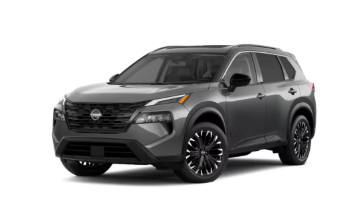
Nissan Rogue vs Subaru Forester: Which SUV Is Better?

Choosing between the Nissan Rogue vs Subaru Forester isn't easy. Both compact SUVs offer spacious interiors, modern safety features, practical cargo areas, and comfortable driving experiences. However, they approach performance, efficiency, all-wheel drive, and everyday versatility differently.
The Nissan Rogue focuses on turbocharged performance, fuel efficiency, premium technology, and comfortable highway driving. Meanwhile, the Subaru Forester emphasizes standard all-wheel drive, excellent visibility, generous ground clearance, and outdoor capability.
But which SUV is actually better?
In this comprehensive comparison, we'll explore the 2026.5 Nissan Rogue and 2026 Subaru Forester, examining their engines, fuel economy, interior dimensions, technology, reliability, maintenance costs, and overall value.
We'll also discuss the Subaru Forester Hybrid, which introduces another compelling option for drivers who want better fuel efficiency.
By the end, we'll know which compact SUV makes the most sense for our driving needs and budget.
Content in this publication
- Nissan Rogue vs Subaru Forester: Quick Comparison
- Exterior Design: Modern Styling vs Rugged Appearance
- Engine Performance: Which SUV Is More Powerful?
- Fuel Economy: Nissan Rogue vs Subaru Forester MPG
- All-Wheel Drive and Off-Road Capability
- Ride Comfort and Driving Experience
- Interior Space and Passenger Comfort
- Cargo Space: Which SUV Has More Storage?
- Technology and Infotainment Features
- Nissan Rogue vs Subaru Forester Safety
- Reliability: Nissan Rogue vs Subaru Forester
- Maintenance Costs and Long-Term Ownership
- Nissan Rogue vs Subaru Forester Price Comparison
- Resale Value: Which SUV Holds Its Value Better?
- Nissan Rogue Pros and Cons
- Subaru Forester Pros and Cons
- Which SUV Is Better for Families?
- Which SUV Is Better for Road Trips?
- Frequently Asked Questions
- 1. Is the Nissan Rogue better than the Subaru Forester?
- 2. Which is more reliable, Nissan Rogue or Subaru Forester?
- 3. Which gets better gas mileage, Nissan Rogue or Subaru Forester?
- 4. Is the Subaru Forester bigger than the Nissan Rogue?
- 5. Which SUV is better in snow, Nissan Rogue or Subaru Forester?
- Final Verdict: Nissan Rogue vs Subaru Forester
Nissan Rogue vs Subaru Forester: Quick Comparison
Before examining each vehicle in detail, let's compare their most important specifications.
| Specification | Nissan Rogue | Subaru Forester |
|---|---|---|
| Model year | 2026.5 | 2026 |
| Starting MSRP | $29,490 | $29,995 |
| Standard engine | 1.5L turbocharged 3-cylinder | 2.5L BOXER 4-cylinder |
| Horsepower | 201 hp | 180 hp |
| Torque | 225 lb-ft | 178 lb-ft |
| Transmission | CVT | CVT |
| Drivetrain | FWD or AWD | Standard AWD |
| Gasoline combined MPG | Up to 32 MPG | Up to 29 MPG |
| Hybrid option | Not available | Available |
| Hybrid combined MPG | N/A | Up to 35 MPG |
| Ground clearance | 8.2 inches | 8.7 inches |
| Seating capacity | 5 passengers | 5 passengers |
| Maximum cargo space | 74.1 cu ft | Up to 74.4 cu ft |
| Maximum towing capacity | 1,500 lbs | 3,500 lbs (Wilderness) |
Specifications refer to U.S.-market models. Fuel economy, cargo space, towing ratings, and equipment vary by configuration. Starting prices exclude destination charges, taxes, and dealer fees.
Which SUV Looks Better on Paper?
The Nissan Rogue immediately stands out because of its stronger engine.
Despite using a smaller three-cylinder engine, it produces more horsepower and torque than the Subaru Forester's naturally aspirated four-cylinder engine.
The Rogue also achieves excellent fuel economy, particularly in front-wheel-drive configurations.
However, the Forester has several advantages.
Every Subaru Forester includes all-wheel drive as standard equipment. It also provides greater ground clearance and offers a Wilderness trim designed for more challenging outdoor conditions.
The availability of the Forester Hybrid makes Subaru's lineup particularly attractive.
Quick verdict: The Nissan Rogue is an excellent choice for efficient everyday driving, while the Subaru Forester offers greater versatility for changing weather and outdoor adventures.
Exterior Design: Modern Styling vs Rugged Appearance
The Nissan Rogue and Subaru Forester have distinctive exterior designs.
Although both are classified as compact SUVs, they communicate different personalities.
Nissan Rogue Exterior Design
The Nissan Rogue features a modern appearance with sculpted body panels, distinctive lighting, and contemporary styling.
Its most recognizable exterior elements include:
- A bold front grille.
- Slim LED headlights.
- Sculpted body lines.
- Available 19-inch alloy wheels.
- Optional two-tone exterior colors.
- Stylish front and rear bumpers.
Higher trims, including the Platinum, add upscale exterior details that make the Rogue feel more premium.
We particularly like how Nissan has balanced contemporary styling with practical proportions.
The Rogue looks appropriate in urban environments without appearing excessively sporty or aggressive.
Subaru Forester Exterior Design
The Subaru Forester takes a different approach.
Its upright body, large windows, protective cladding, and substantial ground clearance emphasize practicality.
Notable features include:
- A tall roofline.
- Prominent wheel arches.
- Large side windows.
- Available roof rails.
- Protective exterior cladding.
- Rugged Wilderness styling.
The Forester Wilderness adds distinctive wheels, all-terrain tires, additional body protection, and adventure-oriented accessories.
The result is an SUV that looks ready for camping trips, gravel roads, and outdoor recreation.
Nissan Rogue vs Subaru Forester Dimensions
| Dimension | Nissan Rogue | Subaru Forester |
|---|---|---|
| Length | 183.0 inches | 183.3 inches |
| Width | 72.4 inches | 72.0 inches |
| Height | 66.5 inches | 68.1 inches |
| Wheelbase | 106.5 inches | 105.1 inches |
| Ground clearance | 8.2 inches | 8.7 inches |
The two SUVs are remarkably similar in overall length and width.
However, the Subaru Forester has a taller body, contributing to its spacious interior and upright seating position.
The Rogue has a slightly longer wheelbase and a more streamlined appearance.
Exterior design winner: Nissan Rogue for contemporary styling; Subaru Forester for rugged practicality.
Engine Performance: Which SUV Is More Powerful?
One of the biggest differences between these vehicles is their powertrains.
The Rogue uses a turbocharged engine, while the standard Forester relies on a naturally aspirated BOXER engine.
Nissan Rogue Engine Specifications
The Nissan Rogue features a 1.5-liter turbocharged three-cylinder engine with variable-compression technology.
It produces:
- 201 horsepower.
- 225 lb-ft of torque.
- Continuously variable transmission.
- Available intelligent all-wheel drive.
Despite its relatively small displacement, the Rogue delivers strong torque.
This makes highway merging, passing slower vehicles, and accelerating with passengers feel relatively effortless.
The turbocharged engine is particularly useful when additional acceleration is required at moderate speeds.
However, its variable-compression technology introduces mechanical complexity that buyers should consider when evaluating long-term ownership.
Subaru Forester Engine Specifications
The gasoline-powered Subaru Forester comes with a 2.5-liter naturally aspirated BOXER four-cylinder engine.
Its specifications include:
- 180 horsepower.
- 178 lb-ft of torque.
- Continuously variable transmission.
- Standard Symmetrical All-Wheel Drive.
The BOXER engine uses horizontally opposed cylinders, helping maintain a relatively low engine center of gravity.
Its performance is smooth and predictable during normal driving.
However, the Forester produces substantially less torque than the Rogue.
When accelerating onto highways or overtaking slower vehicles, drivers may notice that the Subaru requires more time and higher engine speeds.
Nissan Rogue vs Subaru Forester Acceleration
The Nissan Rogue has an advantage in engine output.
It produces 21 more horsepower and 47 additional lb-ft of torque.
That extra torque contributes to stronger acceleration in many everyday driving situations.
Neither vehicle is designed as a high-performance SUV, but the Rogue feels better suited to drivers who regularly want quick highway responses.
Both vehicles use continuously variable transmissions, which can produce noticeable engine noise under hard acceleration.
Performance winner: Nissan Rogue. Its turbocharged engine offers more power and stronger torque delivery.
Fuel Economy: Nissan Rogue vs Subaru Forester MPG
Fuel consumption is an important consideration for compact SUV buyers.
Both vehicles deliver competitive efficiency, but the differences become more noticeable depending on the drivetrain.
Nissan Rogue MPG
The Nissan Rogue combines its turbocharged engine with a CVT to achieve impressive fuel economy.
Selected front-wheel-drive configurations offer EPA-estimated ratings of:
- City: 29 MPG.
- Highway: 36 MPG.
- Combined: 32 MPG.
All-wheel-drive versions generally consume slightly more fuel.
These numbers make the Rogue attractive for drivers who spend considerable time commuting.
Its excellent highway fuel efficiency is particularly useful for long-distance travel.
Subaru Forester MPG
The conventional gasoline Subaru Forester delivers approximately:
- City: 26 MPG.
- Highway: 33 MPG.
- Combined: 29 MPG.
These estimates apply to certain regular gasoline configurations; Wilderness models return lower ratings.
Although the Forester consumes more fuel than the most efficient Rogue, it includes AWD as standard equipment.
This is an important distinction when comparing ownership value.
Subaru Forester Hybrid Fuel Economy
The Forester Hybrid significantly improves fuel efficiency.
Its gasoline-electric powertrain produces approximately 194 combined horsepower and delivers an EPA-estimated:
- City: 35 MPG.
- Highway: 34 MPG.
- Combined: 35 MPG.
The hybrid system doesn't require external charging.
Instead, it automatically manages electric and gasoline power during normal driving.
This makes it an attractive option for buyers who want better efficiency without purchasing a plug-in vehicle.
Fuel Economy Comparison Table
| Model | City MPG | Highway MPG | Combined MPG |
|---|---|---|---|
| Nissan Rogue FWD | 29 | 36 | 32 |
| Subaru Forester AWD | 26 | 33 | 29 |
| Subaru Forester Hybrid AWD | 35 | 34 | 35 |
EPA estimates vary by trim and drivetrain.
Fuel economy winner: Nissan Rogue among conventional gasoline models, but Subaru Forester Hybrid for overall combined fuel efficiency.
All-Wheel Drive and Off-Road Capability
For drivers living in areas with snow, heavy rain, gravel roads, or challenging terrain, all-wheel-drive capability can be an important purchasing factor.
Nissan Rogue AWD System
The Nissan Rogue offers an intelligent AWD system that adjusts power distribution based on driving conditions.
Depending on the configuration, it includes driving modes designed for snow and uneven surfaces.
The available AWD system helps improve traction during challenging weather.
With approximately 8.2 inches of ground clearance, the Rogue can also manage many gravel roads and mild off-pavement situations.
The Rogue Rock Creek adds adventure-focused equipment, including:
- All-terrain tires.
- A tubular roof rack.
- Unique exterior styling.
- Hill descent control.
- Enhanced camera visibility for off-road driving.
These additions make the Rock Creek a more practical option for light outdoor adventures.
However, it remains primarily a road-oriented crossover.
Subaru Forester AWD System
Every Subaru Forester includes Symmetrical All-Wheel Drive.
Unlike the Rogue, AWD isn't an optional upgrade on regular U.S.-market Forester models.
The system continuously helps manage traction based on driving conditions.
The Forester also offers 8.7 inches of ground clearance.
This additional height provides more room when negotiating uneven roads, moderate ruts, and snowy surfaces.
Available X-MODE technology further enhances traction management in challenging conditions.
Subaru Forester Wilderness Off-Road Features
The Forester Wilderness is designed for buyers who regularly explore beyond paved roads.
Its capabilities include:
- 9.3 inches of ground clearance.
- All-terrain tires.
- Enhanced dual-function X-MODE.
- Additional underbody protection.
- Improved approach and departure angles.
- Up to 3,500 pounds of towing capacity.
These upgrades provide a meaningful advantage over the standard Rogue and Rogue Rock Creek when conditions become more demanding.
However, neither SUV should be considered a substitute for a dedicated low-range four-wheel-drive vehicle.
Off-road winner: Subaru Forester. Its standard AWD and available Wilderness equipment make it the more capable choice.
Ride Comfort and Driving Experience
While engine specifications are important, they don't tell us everything about how a vehicle feels on the road.
Suspension tuning, steering, seating comfort, and visibility all influence the driving experience.
You may be interested in reading Nissan Rogue vs VW Tiguan: Which SUV Is Better?
Nissan Rogue Driving Experience
The Nissan Rogue prioritizes comfort and refinement.
Its suspension absorbs everyday road imperfections effectively, making it suitable for city streets and highway travel.
The front seats provide comfortable support, while the cabin has a relatively upscale atmosphere.
The Rogue is particularly appealing for:
- Daily commuting.
- Long highway journeys.
- Family transportation.
- Urban driving.
- Weekend road trips.
Its turbocharged engine offers responsive acceleration, making merging and passing relatively easy.
However, hard acceleration can make the CVT and three-cylinder engine more noticeable.
Subaru Forester Driving Experience
The Subaru Forester delivers a comfortable and confidence-inspiring driving experience.
Its upright seating position and large windows provide excellent outward visibility.
This is particularly useful when parking, navigating intersections, or driving on unfamiliar roads.
The suspension also handles imperfect pavement comfortably.
The standard gasoline engine is less powerful than the Rogue's, but it delivers predictable performance for normal driving.
Which SUV Is More Comfortable?
Both vehicles are comfortable enough for long trips.
The Rogue has an advantage for drivers who appreciate strong acceleration and upscale interior features.
The Forester stands out for visibility, an upright driving position, and versatility on uneven surfaces.
We recommend driving both vehicles over similar roads before making a final decision.
Comfort verdict: Nissan Rogue for highway-oriented refinement and powertrain response; Subaru Forester for visibility and everyday confidence.
Interior Space and Passenger Comfort
Interior space is essential for families, commuters, and anyone who regularly carries passengers.
Both SUVs offer seating for five, but their cabin layouts differ.
Nissan Rogue Interior
The Rogue features a contemporary dashboard with attractive materials and convenient controls.
Depending on the trim, available equipment includes:
- Leather-appointed seating.
- Heated front seats.
- Power-adjustable front seats.
- Panoramic moonroof.
- Premium audio system.
- Digital instrument displays.
- Multiple USB charging ports.
Higher trims create a particularly sophisticated interior atmosphere.
The Rogue also provides generous passenger space, including approximately 41.5 inches of front legroom and 38.5 inches of rear legroom.
Subaru Forester Interior
The Subaru Forester emphasizes functionality and spaciousness.
Its tall roofline and large windows create an airy feeling.
Available equipment includes:
- Heated front seats.
- Available ventilated front seats.
- Leather or StarTex upholstery.
- Power-adjustable seating.
- Heated rear seats.
- Panoramic moonroof.
- Premium audio equipment.
The Forester provides approximately 43.3 inches of front legroom and 39.4 inches of rear legroom.
This gives it a small advantage over the Rogue in published legroom measurements.
Which SUV Has More Passenger Room?
The Forester offers slightly more front and rear legroom.
Its upright cabin also creates a spacious impression.
The Rogue counters with an attractive dashboard and comfortable seats.
For families with taller passengers, the Forester may be particularly appealing.
However, both vehicles offer enough room for most everyday situations.
Interior space winner: Subaru Forester. It has a slight legroom advantage and excellent outward visibility.
Cargo Space: Which SUV Has More Storage?
Cargo capacity is another important consideration.
Whether we're transporting groceries, luggage, sports equipment, or camping gear, both SUVs offer practical storage options.
Nissan Rogue Cargo Space
The Nissan Rogue offers up to approximately:
- 36.5 cubic feet behind the rear seats.
- 74.1 cubic feet with the rear seats folded.
Actual cargo measurements depend on configuration.
Its flexible cargo area provides enough space for most family transportation needs.
The available cargo organization features are also useful when transporting smaller items.
Subaru Forester Cargo Space
The Subaru Forester offers up to approximately:
- 29.6 cubic feet behind the rear seats.
- 74.4 cubic feet with the rear seats folded.
These maximum figures apply to certain configurations.
Other trims, including the Hybrid, have smaller published cargo measurements.
The Forester's boxy design and practical rear opening make it particularly useful for transporting bulky objects.
Cargo Space Comparison
| Cargo measurement | Nissan Rogue | Subaru Forester |
|---|---|---|
| Behind rear seats | Up to 36.5 cu ft | Up to 29.6 cu ft |
| Maximum with seats folded | 74.1 cu ft | Up to 74.4 cu ft |
| Split-folding rear seats | Yes | Yes |
| Available power liftgate | Yes | Yes |
The Rogue offers more maximum advertised capacity behind the second row.
However, the base Forester has slightly more maximum cargo volume when the rear seats are folded.
Cargo winner: Nissan Rogue for behind-seat storage; Subaru Forester Base for maximum folded-seat capacity.
Technology and Infotainment Features
Technology has become an important part of the compact SUV market.
Fortunately, both models offer modern infotainment systems, smartphone connectivity, and advanced convenience features.
Nissan Rogue Technology
Depending on trim, Nissan Rogue technology includes:
- An 8-inch or available 12.3-inch touchscreen.
- Apple CarPlay.
- Android Auto.
- Available wireless smartphone connectivity.
- Available Google built-in functionality.
- Digital instrument displays.
- Bose premium audio system.
- Wireless smartphone charging.
- Available surround-view camera system.
The available Google built-in functionality is particularly useful for navigation, voice commands, and connected services.
Higher trims also provide an upscale digital cockpit experience.
Subaru Forester Technology
The Subaru Forester offers:
- Subaru multimedia infotainment.
- Available 11.6-inch touchscreen.
- Wireless Apple CarPlay and Android Auto on applicable trims.
- Available digital instrument display.
- Harman Kardon premium audio.
- Wireless smartphone charging.
- Available surround-view camera.
- Connected vehicle services.
The vertically oriented central touchscreen gives the Forester a distinctive dashboard appearance.
However, some drivers may prefer more physical controls for frequently used functions.
Which SUV Has Better Infotainment?
Both vehicles are competitive.
The Rogue has a slight advantage in available premium infotainment features and Google integration.
The Forester offers a practical selection of technology that satisfies most drivers' requirements.
Technology winner: Nissan Rogue, especially in higher trims.
Nissan Rogue vs Subaru Forester Safety
Safety is one of the most important factors when purchasing a family vehicle.
Both Nissan and Subaru offer comprehensive active safety systems.
Nissan Rogue Safety Features
The Rogue includes Nissan Safety Shield 360.
Its features include:
- Automatic emergency braking with pedestrian detection.
- Blind spot warning.
- Rear cross traffic alert.
- Lane departure warning.
- High beam assist.
- Rear automatic braking.
Available ProPILOT Assist provides steering assistance and adaptive cruise control under appropriate operating conditions.
Some trims also include advanced parking cameras and additional driver-assistance equipment.
Subaru Forester Safety Features
The Forester comes equipped with Subaru EyeSight Driver Assist Technology.
Depending on configuration, available safety features include:
- Adaptive cruise control.
- Pre-collision braking.
- Lane departure prevention.
- Lane centering assistance.
- Emergency steering assistance.
- Blind-spot detection.
- Reverse automatic braking.
- Driver-monitoring technology.
The Forester's excellent outward visibility also makes it easier to observe surrounding traffic.
Which SUV Is Safer?
Both SUVs provide comprehensive safety equipment.
However, we should not determine crash protection solely by comparing feature lists.
For an accurate assessment, buyers should examine the latest IIHS crash-test results and NHTSA ratings for the specific model year.
It's also important to understand that driver-assistance technologies have limitations.
Safety verdict: Both are strong contenders, with the Forester offering particularly good visibility and the Rogue providing advanced available assistance features.
Reliability: Nissan Rogue vs Subaru Forester
Reliability is often one of the deciding factors when comparing compact SUVs.
Neither vehicle is guaranteed to be trouble-free, but their different engine technologies create important considerations.
Nissan Rogue Reliability
The Nissan Rogue uses a sophisticated variable-compression turbocharged engine.
This technology helps the vehicle balance power and fuel efficiency.
However, it also introduces mechanical complexity.
Some older Nissan vehicles experienced transmission-related concerns, although these issues shouldn't automatically be applied to every modern Rogue.
Buyers should evaluate specific model years, recall information, and documented service histories.
Important considerations include:
- Engine maintenance.
- CVT condition.
- Cooling system.
- Turbocharger components.
- Regular oil changes.
- Recommended transmission servicing.
Proper preventive maintenance is essential.
Subaru Forester Reliability
The Subaru Forester uses a naturally aspirated BOXER engine in its conventional gasoline configurations.
This eliminates the turbocharger used by the Rogue.
However, that doesn't necessarily mean repairs will always be cheaper.
Subaru vehicles still require proper drivetrain maintenance, particularly because AWD is standard.
Important considerations include:
- Engine oil changes.
- Cooling system maintenance.
- CVT servicing according to manufacturer guidance.
- Differential maintenance.
- Suspension inspections.
- Proper tire replacement.
Owners should also maintain appropriately matched tires to protect the AWD system.
Which SUV Lasts Longer?
We would lean toward the conventional gasoline Forester for buyers who prioritize established engine architecture and long-term ownership.
However, the available information does not establish that every 2026 Forester will outlast a comparable Rogue.
These models are too recent for definitive ten-year reliability conclusions.
You may be interested in readingNissan Rogue vs VW Tiguan: Which SUV Is Better?You may be interested in reading
Nissan Rogue vs Pathfinder: Which SUV Is Better?Driving conditions, maintenance, and manufacturing variations can all influence long-term durability.
Reliability preference: Subaru Forester, although actual future repair rates remain uncertain.
Maintenance Costs and Long-Term Ownership
The purchase price doesn't represent the full cost of owning a vehicle.
Insurance, depreciation, tires, repairs, fuel, and scheduled maintenance can all affect our budget.
Nissan Rogue Ownership Costs
The Rogue's fuel efficiency can reduce gasoline expenses.
Front-wheel-drive versions also avoid some of the additional drivetrain components associated with AWD.
However, the variable-compression turbocharged engine makes correct maintenance particularly important.
Potential ownership expenses include:
- Routine engine servicing.
- CVT maintenance.
- Tires and brakes.
- Turbocharger-related repairs outside warranty.
- Electronic system maintenance.
Actual expenses depend on driving conditions, location, and vehicle condition.
Subaru Forester Ownership Costs
The Forester provides AWD as standard equipment, eliminating the need to pay extra for that feature at purchase.
However, AWD components require maintenance.
The BOXER engine configuration may also influence labor costs for certain repairs.
Important ownership expenses include:
- Engine maintenance.
- Transmission servicing.
- AWD drivetrain maintenance.
- Suspension components.
- Tires and brakes.
The Forester Hybrid introduces additional components, although its improved fuel economy may offset some operating expenses.
Warranty Comparison
| Coverage | Nissan Rogue | Subaru Forester |
|---|---|---|
| Basic limited warranty | 3 years / 36,000 miles | 3 years / 36,000 miles |
| Powertrain limited warranty | 5 years / 60,000 miles | 5 years / 60,000 miles |
Warranty conditions and exclusions may vary.
Ownership cost verdict: Neither SUV has a guaranteed lifetime cost advantage. Fuel efficiency favors the gasoline Rogue, while standard AWD improves the Forester's value proposition.
Nissan Rogue vs Subaru Forester Price Comparison
Pricing plays an important role in deciding which SUV offers better value.
The two models have similar starting prices, but their equipment differs.
Nissan Rogue Prices
The 2026.5 Nissan Rogue starts at approximately:
| Nissan Rogue trim | Starting MSRP |
|---|---|
| S FWD | $29,490 |
| SV FWD | $30,490 |
| S AWD | $30,890 |
| SV AWD | $31,890 |
| Rock Creek AWD | $34,390 |
| Platinum AWD | $39,390 |
The Rogue S offers an attractive entry price.
However, adding AWD increases the cost.
The SV represents an appealing balance between price, convenience features, and everyday practicality.
Subaru Forester Prices
The 2026 Subaru Forester starts at approximately:
| Subaru Forester trim | Starting MSRP |
|---|---|
| Base | $29,995 |
| Premium | $31,995 |
| Premium Hybrid | $34,730 |
| Sport | $34,795 |
| Limited | $35,995 |
| Wilderness | $36,995 |
| Touring | $39,995 |
Every Forester includes AWD.
This creates a value advantage when comparing similarly priced all-wheel-drive models.
The Forester Hybrid also provides an alternative for drivers seeking improved fuel economy.
Which SUV Offers Better Value?
The Rogue has a slightly lower entry price in front-wheel-drive form.
However, the Forester includes AWD as standard equipment.
For buyers living in snowy regions, that difference can be significant.
The Rogue SV FWD is particularly attractive for commuters who prioritize efficiency, comfort, and technology.
The Forester Base and Premium are compelling choices for buyers who want AWD without paying for an expensive luxury trim.
Value winner: Subaru Forester for AWD buyers; Nissan Rogue for drivers who prefer FWD.
Resale Value: Which SUV Holds Its Value Better?
Depreciation is another factor worth considering.
Even if we plan to own our SUV for many years, resale value affects the overall cost of ownership.
The Subaru Forester has an established following among buyers looking for practical AWD vehicles.
Demand can be particularly strong in regions where snow, mountain roads, and outdoor activities are common.
The Nissan Rogue also benefits from being a recognizable and popular compact SUV.
However, resale values depend on:
- Vehicle age.
- Mileage.
- Maintenance history.
- Accident history.
- Trim level.
- Local market conditions.
- Availability of competing used vehicles.
We should avoid assuming that one model will always retain more value.
For the 2026 models, actual future depreciation remains uncertain.
Resale preference: Subaru Forester, particularly in markets where standard AWD is highly desirable.
Nissan Rogue Pros and Cons
Nissan Rogue Advantages
- More horsepower than the gasoline Forester.
- Significantly stronger torque output.
- Excellent gasoline fuel economy.
- Modern exterior styling.
- Attractive cabin design.
- Available Google built-in technology.
- Competitive starting price.
- Generous cargo capacity behind the rear seats.
- Comfortable highway driving.
Nissan Rogue Disadvantages
- AWD costs extra on some trims.
- Lower ground clearance.
- Less towing capability than the Forester Wilderness.
- Complex turbocharged engine technology.
- No hybrid option in the 2026.5 lineup.
- Premium features are concentrated in expensive trims.
Subaru Forester Pros and Cons
Subaru Forester Advantages
- Standard Symmetrical All-Wheel Drive.
- Excellent driver visibility.
- Greater ground clearance.
- Available hybrid powertrain.
- Comfortable and spacious passenger cabin.
- Strong outdoor versatility.
- Rugged Wilderness trim.
- Competitive AWD pricing.
- More maximum towing capacity in Wilderness form.
Subaru Forester Disadvantages
- Less powerful conventional gasoline engine.
- Slower acceleration than the Rogue in many situations.
- Lower MPG than the gasoline Rogue in regular configurations.
- Hybrid models cost more.
- Cargo volume decreases on some trims.
- CVT may feel unexciting during hard acceleration.
Which SUV Is Better for Families?
Families often prioritize comfort, safety, passenger room, and practical storage.
Both SUVs are strong candidates.
Why Families May Prefer the Nissan Rogue
The Rogue offers a comfortable cabin with modern technology.
Its generous cargo area is particularly useful for strollers, luggage, and groceries.
Available premium features make longer journeys more enjoyable.
The turbocharged engine also provides useful acceleration when traveling with passengers and luggage.
Why Families May Prefer the Subaru Forester
The Forester's large windows help drivers maintain good outward visibility.
Its spacious seating arrangement and upright cabin are practical for families.
Standard AWD also provides additional traction capability in challenging conditions.
The availability of a hybrid version is another important benefit for families who regularly drive in congested traffic.
Our Family SUV Verdict
For families primarily driving in urban and suburban environments, the Rogue is an attractive choice.
For families who frequently encounter snow, gravel roads, or outdoor destinations, we'd lean toward the Forester.
Both vehicles can accommodate child seats, but it's worth checking installation space with the exact seats we plan to use.
Which SUV Is Better for Road Trips?
Road trips reveal differences that may be less obvious during short test drives.
Highway comfort, fuel consumption, cargo capacity, and driving range become especially important.
Nissan Rogue for Highway Travel
The Rogue performs well as a highway-oriented family vehicle.
Its key advantages include:
- Strong turbocharged acceleration.
- Efficient gasoline consumption.
- Comfortable seats.
- Available premium audio.
- Modern infotainment features.
- Practical luggage space.
The Rogue is particularly appealing for long journeys involving mostly paved highways.
Subaru Forester for Adventure Travel
The Forester offers a different kind of road-trip appeal.
Its strengths include:
- Standard AWD.
- Excellent visibility.
- Generous ground clearance.
- Practical cargo shape.
- Available roof rails.
- Wilderness off-road enhancements.
These features make the Forester especially suitable for trips involving national parks, mountain roads, and camping areas.
Road-trip winner: Nissan Rogue for highway-focused travel; Subaru Forester for outdoor-oriented journeys.
Frequently Asked Questions
1. Is the Nissan Rogue better than the Subaru Forester?
The Nissan Rogue is better for drivers who prioritize stronger gasoline-engine acceleration, efficient highway driving, and available premium technology.
The Subaru Forester is better suited to buyers who want standard AWD, greater ground clearance, and more rugged versatility.
The best choice depends on our driving conditions and preferences.
2. Which is more reliable, Nissan Rogue or Subaru Forester?
The Subaru Forester may be preferable for buyers who value a naturally aspirated gasoline engine and established AWD engineering.
However, there isn't enough long-term ownership data to determine which 2026 model will experience fewer mechanical problems.
Maintenance history and driving conditions play an important role in reliability.
3. Which gets better gas mileage, Nissan Rogue or Subaru Forester?
The Nissan Rogue FWD achieves up to 32 MPG combined, compared with approximately 29 MPG combined for the conventional gasoline Forester.
However, the Subaru Forester Hybrid achieves an estimated 35 MPG combined.
Therefore, the Rogue is more efficient than the regular gasoline Forester, while the Forester Hybrid delivers the best combined MPG of the three.
4. Is the Subaru Forester bigger than the Nissan Rogue?
The Subaru Forester is slightly longer and taller than the Nissan Rogue.
It also provides more published front and rear legroom.
However, the Rogue offers more maximum advertised cargo capacity behind the rear seats.
Both vehicles are similarly sized compact SUVs with practical passenger and luggage space.
5. Which SUV is better in snow, Nissan Rogue or Subaru Forester?
The Subaru Forester is generally the better choice for frequent snowy conditions because it includes standard AWD and greater ground clearance.
The Nissan Rogue AWD is also capable of handling slippery roads.
However, proper winter tires are essential for maximizing traction, braking, and steering performance in winter conditions.
Final Verdict: Nissan Rogue vs Subaru Forester
After comparing the Nissan Rogue and Subaru Forester across performance, fuel economy, interior comfort, safety, reliability considerations, and overall practicality, both vehicles have clear strengths.
The Nissan Rogue offers stronger gasoline-engine performance, excellent fuel efficiency, modern infotainment features, and a comfortable driving experience.
It is particularly appealing for commuters, families, and drivers who spend most of their time on highways or paved roads.
The Subaru Forester emphasizes versatility.
Its standard all-wheel drive, excellent visibility, greater ground clearance, and available hybrid powertrain make it a strong option for a wider range of driving conditions.
Final Comparison: Which SUV Wins Each Category?
| Category | Winner |
|---|---|
| Gasoline engine performance | Nissan Rogue |
| Gasoline fuel economy | Nissan Rogue |
| Hybrid fuel economy | Subaru Forester |
| Standard AWD | Subaru Forester |
| Off-road capability | Subaru Forester |
| Interior technology | Nissan Rogue |
| Passenger legroom | Subaru Forester |
| Maximum cargo space behind rear seats | Nissan Rogue |
| Ground clearance | Subaru Forester |
| Highway-oriented driving | Nissan Rogue |
| Outdoor versatility | Subaru Forester |
| AWD purchase value | Subaru Forester |
Our Overall Winner: Subaru Forester
If we had to choose one SUV for everyday practicality, changing weather conditions, family use, and occasional outdoor adventures, we'd give the Subaru Forester a narrow overall advantage.
Standard AWD, excellent visibility, practical interior space, and the availability of hybrid technology make it an exceptionally versatile compact SUV.
However, the Nissan Rogue shouldn't be overlooked.
Its stronger turbocharged engine, impressive gasoline fuel economy, and attractive interior make it an excellent alternative, particularly for drivers who prioritize highway comfort and performance.
Ultimately, neither SUV is the perfect choice for everyone.
Choose the Nissan Rogue if we want stronger acceleration, modern technology, and efficient everyday driving. Choose the Subaru Forester if we prioritize standard AWD, greater ground clearance, and all-weather versatility.
You may be interested in readingNissan Rogue vs VW Tiguan: Which SUV Is Better?You may be interested in reading
Nissan Rogue vs Pathfinder: Which SUV Is Better?You may be interested in reading
Nissan Rogue vs Kia Sportage: Which SUV Is Better?Both are compelling compact SUVs, and the right decision comes down to which strengths matter most to us.
If you want to know other articles similar to Nissan Rogue vs Subaru Forester: Which SUV Is Better? you can visit the category Models.
Nissan Rogue vs Kia Seltos: Which SUV Is Better?
Nissan Rogue or Similar: What SUV Will You Get?
Nissan Rogue vs VW Taos: Which SUV Is Better?
Nissan Rogue vs Kia Sportage: Which SUV Is Better?
Nissan Rogue vs Pathfinder: Which SUV Is Better?
Nissan Rogue vs VW Tiguan: Which SUV Is Better?
Leave a Reply
More content of your interest